REVIEW · 2-DAY EXPERIENCES
2 Days Ephesus & Pamukkale Tours From Istanbul
Book on Viator →Bookable on Viator
Two days, two ancient worlds. This trip is interesting because it strings together the big Ephesus hits, then pivots to the white Pamukkale terraces and thermal pools. I especially like the Ephesus walkthrough style (guides such as Güfte or Darya are great at explaining what you’re staring at) and the small-group pace that keeps things relaxed even on hot days. One possible drawback: flights are not included, so you’ll need a morning Izmir arrival around 08:00–08:30 to make the first day work.
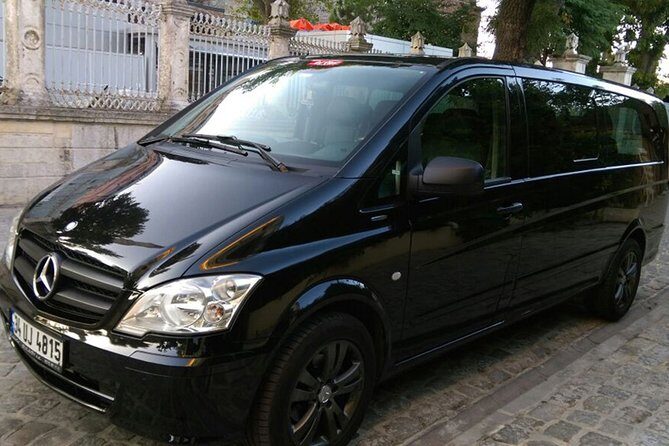
The practical side matters here. You get pickup and drop-off to your Istanbul hotel, air-conditioned transport for the long ground stretches, accommodation in local hotels, and breakfast—so you’re paying for the pieces that usually eat your time. If you’re the type who cares about good shoes and shade, the schedule is built to keep moving, not wandering.
In This Review
- Key things I’d zero in on before you book
- From Istanbul to Izmir: the flight timing that makes Day 1 work
- Selçuk and the House of the Virgin Mary: a calm start before the ruins
- Walking Roman Ephesus: Celsus, the Great Theatre, and how the guide links it all
- The Ephesus Experience Museum: the cheat code for seeing the city as it was
- Optional Terrace Houses and museum time: choose your pace
- Temple of Artemis, Isa Bey Mosque views, and a real Selçuk lunch break
- Overnight to Kusadasi: coastal reset before Pamukkale
- Road to Pamukkale: country driving with built-in stretch breaks
- Hierapolis ruins above the terraces: necropolis to the Roman Theatre
- Cleopatra Pools and Pamukkale Thermal Pools: what to plan for
- Lunch in Pamukkale and the smooth airport finish
- Price and value from Istanbul: what $614.52 buys you
- Who this two-day Ephesus and Pamukkale tour fits best
- Should you book this Ephesus and Pamukkale tour from Istanbul?
- FAQ
- Do I need to arrange my own flight for this tour?
- Is pickup from my Istanbul hotel included?
- Are meals included?
- Are entrance fees included?
- What parts are optional during the tour?
- What languages is the tour offered in?
- How big is the group?
- What is the cancellation and weather policy?
Key things I’d zero in on before you book
- English guiding with flexibility: you get time for questions and optional add-ons, rather than a rigid script.
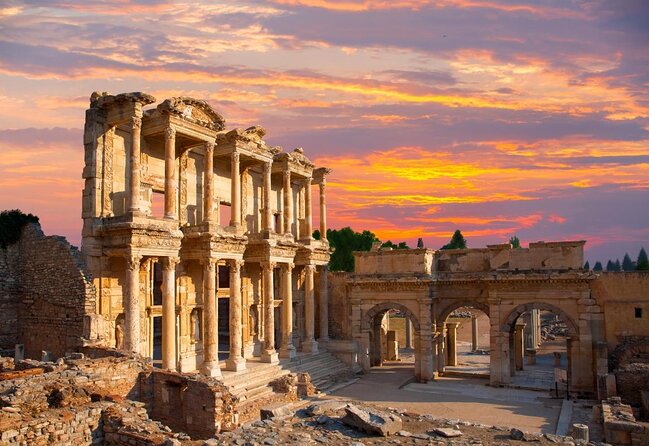
- A focused Ephesus day: marble streets, Celsus Library, the Great Theatre, plus a modern 360-degree Ephesus museum stop.
- Pamukkale with real free time: time to walk barefoot on the travertine terraces and soak your feet in the pools.
- Optional, paid extras where you choose: Terrace Houses, Hierapolis museum, Cleopatra Pools.
- Max 15 people: smaller than the mega-bus tours, which helps your guide keep track of you.
From Istanbul to Izmir: the flight timing that makes Day 1 work
This tour is built around your own domestic flight. You’ll be picked up in Istanbul early and transferred to the airport, then you’ll meet the tour representative after you land in Izmir (Adnan Menderes Airport).
Here’s the key planning point: you need a morning flight arriving in Izmir around 08:00–08:30. That timing is not a suggestion—it lines you up for the drive to the Ephesus area and the first major stops without rushing.
If you’re thinking about value, this structure can actually be good. Instead of losing a full day to slow regional travel, you’re using a flight to compress the trip, while the tour handles the heavy lifting on the ground with comfortable vehicles.
Selçuk and the House of the Virgin Mary: a calm start before the ruins
After you land in Izmir, you drive about an hour toward Selçuk, the historic gateway area for Ephesus. This is where you meet your guide and transition from the airport transfer vehicle to your tour vehicle.
First up is the House of the Virgin Mary, reached by a scenic drive up toward Nightingale Mountain. It’s a quieter kind of stop compared with the Roman monuments—think chapel time, holy water fountains, and a chance to visit the wishing wall.
Why I like this start: it gives your brain a breather before Ephesus throws big visuals at you. Also, the spiritual tone of the place makes it easier to slow down, take photos without sprinting, and reset your energy.
Practical tip: wear something light and comfortable. This part is scenic, but it’s still outdoors, and you’ll likely feel the warmth before the big archaeological walking starts.
Walking Roman Ephesus: Celsus, the Great Theatre, and how the guide links it all
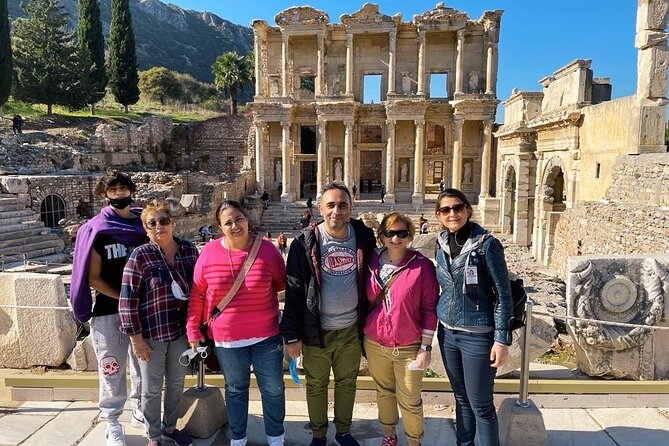
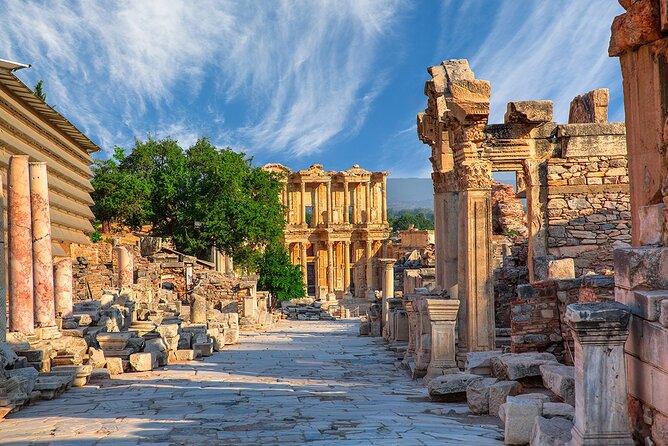
Then comes the main event: Ephesus Ancient City. You’ll walk through the marble-stone street grid and see major landmarks that many visitors only get to spot from far away.
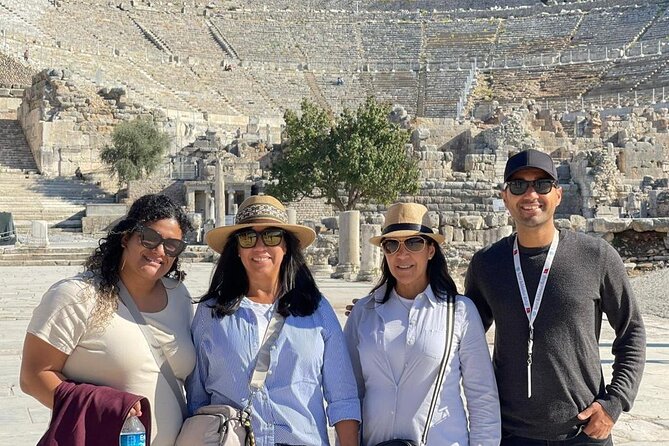
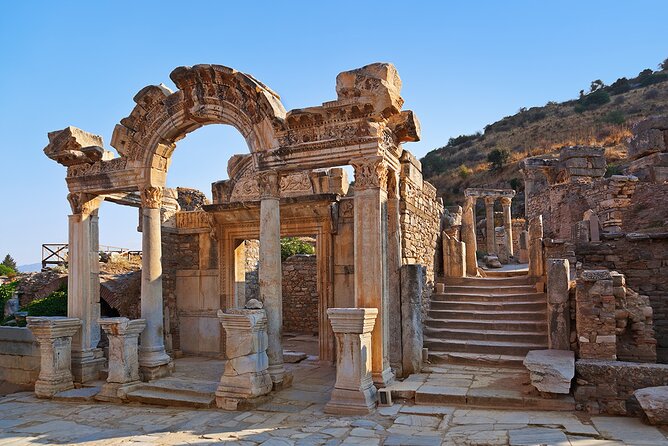
Your guide typically focuses the experience on the structures that help you understand the whole city. Expect stops like Celsus Library, the Temple of Hadrian, the Trajan Fountain, and then the massive Great Theatre area, where St. Paul is said to have preached to the Ephesians.
This is where a good guide matters. Without explanation, you can feel like you’re reading a postcard. With guiding, you start to connect the city layout, the public life of the Romans, and why these monuments were placed where they were.
You’ll also appreciate that the tour isn’t just “walk fast, take pictures, leave.” The emphasis is on making the ruins readable—so you leave with a sense of what you saw and why it mattered.
The Ephesus Experience Museum: the cheat code for seeing the city as it was
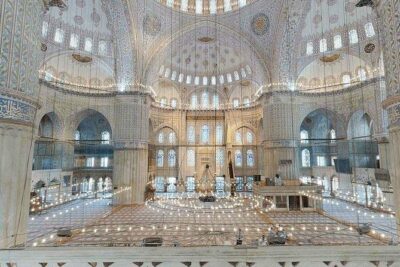
After walking the ruins, you get a chance to understand them in context at the Ephesus Experience Museum. The attraction is a 360-degree digital presentation that shows ancient Ephesus at its peak.
For me, this is one of the smartest parts of the schedule. Ruins can be frustrating: you see stones, but you miss how they functioned. This format helps you visualize scale, building placement, and what everyday life might have looked like when the city was whole.
The timing also works. You’re not doing this at the start of the day when you have nothing to compare it to. You do it after you’ve walked the streets, so the visuals actually click.
Plan for about half an hour for this stop. It’s short enough to keep the day moving, but long enough to make the ruins feel less random.
Optional Terrace Houses and museum time: choose your pace
At Ephesus, you get an option to add the Ephesus Terrace Houses. This is often described as a museum-within-a-museum style visit, with well-preserved mosaics and colorful wall fresco areas. Tickets for this are not included, so you’d purchase at the entrance if you want it.
Then at Hierapolis/Pamukkale on Day 2, there’s another optional history stop inside the Hierapolis Archaeology Museum. It’s tied to the restored Roman Bath complex, and the artifacts include marble sarcophagi, Roman statues, and rare coins. Tickets there are optional too, bought at the entrance.
This “optional when you want it” approach is the right kind of flexibility. If you’re history-obsessed, you can spend more time with artifacts and interior details. If you’re more about scenery and atmosphere, you can keep things lighter and focus on the big open sites.
My advice: if you enjoy indoor displays more than sun time, add both optional museums. If you’re sensitive to heat, pick one. The tour already gives plenty outside.
Temple of Artemis, Isa Bey Mosque views, and a real Selçuk lunch break
After the major Ephesus landmarks, the day continues with a stop at the Temple of Artemis site. Even though only a single column remains, the point is understanding why this was one of the most important religious structures of the ancient world.
From this area you also get a panoramic view that includes the Isa Bey Mosque (14th century) and the Byzantine Basilica of St. John. It’s a nice reminder that the region layered cultures over centuries, not all at once.
Then you’ll have lunch in Selçuk at a traditional local restaurant. This is your chance to step out of ancient mode and eat something regional—mezes, seasonal vegetables, and other Aegean favorites are typical for this kind of stop.
I like that lunch is part of the plan instead of just “good luck finding food.” Even if meals are not included in the tour price, having a scheduled break helps you avoid the tourist-trap scramble.
Quick practical tip: bring water. Even with a guide and a bus, you’ll feel dehydrated if you treat this day like a museum-only stroll instead of real walking in the sun.
Overnight to Kusadasi: coastal reset before Pamukkale
After Day 1’s sites, you’ll drive to the coastal town of Kuşadası and check into your local hotel for the night. The tour drops you at your hotel for check-in, which makes the evening easier to manage.
This night matters more than you might think. Pamukkale is a full-day-with-walking kind of destination. Sleeping close by means you start Day 2 ready, not groggy.
If you’ve got a spare hour, you can use it for a sea-breeze walk or just an early night. I’d treat this as recovery time, not an extra sightseeing marathon.
Road to Pamukkale: country driving with built-in stretch breaks
Day 2 begins with a drive from the coast toward the inner Aegean region. You’ll pass through countryside with olive, fig, and cotton trees, and your guide shares stories about local culture as the scenery changes.
Expect a longer drive—about three hours for the transit portion. This kind of timing matters because you’ll want to arrive before midday fatigue sets in, especially if you plan to do any pool time.
There’s also a short break for stretching your legs and grabbing quick air. Use it. You’ll thank yourself later when you’re walking on ancient surfaces and then barefoot on travertine.
Hierapolis ruins above the terraces: necropolis to the Roman Theatre
When you arrive at Pamukkale’s area, you’re exploring Hierapolis, the ancient “holy city” sitting above the white terraces. The key walking portion starts in the necropolis, one of the largest cemetery areas in Anatolia.
You’ll go through monumental gates and continue toward the Roman Theatre, which gives you views back over the valley below. The theatre stop is often one of the most memorable moments because it helps you understand Hierapolis as a city, not just an add-on to Pamukkale.
As you walk, your guide typically connects the dots: how this site became a healing and thermal-bath center in Roman times. Even if you don’t memorize every date, you’ll feel the logic of the place—people came for water, rituals, and recovery.
Bring comfortable shoes. Hierapolis has uneven stone paths. Even when the ground looks flat, it can be slippery or irregular.
Cleopatra Pools and Pamukkale Thermal Pools: what to plan for
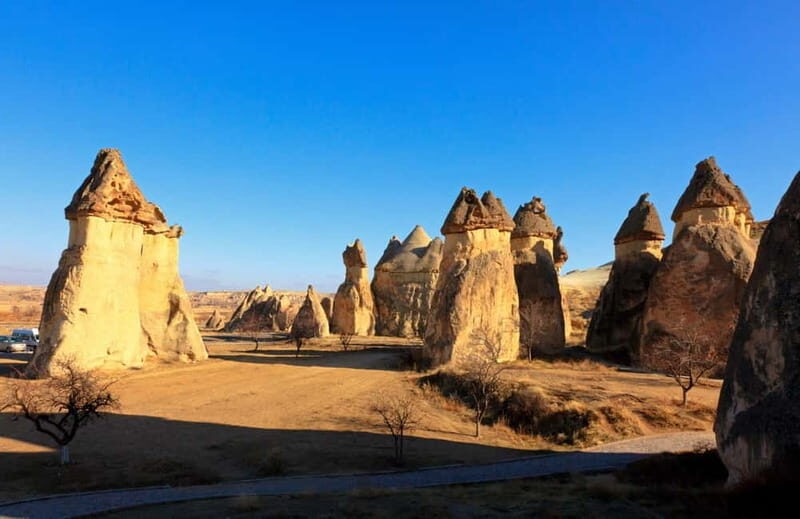
The tour includes time for the Pamukkale Thermal Pools—the famous white terraces formed over thousands of years by calcium-rich thermal water flowing down the hill. You get time to walk barefoot on the soft travertine and soak your feet in warm, turquoise water.
This is the “wow” moment, but it has rules of its own. You’ll want to go slowly on the terraces, keep an eye on where you place your feet, and take advantage of the calmer feel once you’re on the mineral steps.
Then there’s Cleopatra Pools, a separate thermal pool area that includes warm mineral water in a setting with submerged marble columns. Swimming here is optional, and the entrance fee is not included.
My practical take: if your body wants a soak, prioritize the main terraces first. The schedule gives you a chunk of time at the terraces, and it’s usually the best photo-and-feel combination. If you’re a strong swimmer and want the “in history” vibe, then add Cleopatra Pools.
Plan for photos, but also plan for time. The magic is in the walking barefoot and the quiet pauses when the heat drops a bit.
Lunch in Pamukkale and the smooth airport finish
Between the terraces and the end of the day, there’s lunch at a local restaurant. The meal is not included in the package price, but it’s timed so you’re not starving during your last major site.
After lunch, the tour ends with a transfer to Denizli Çardak Airport. You’ll be dropped off in time for your flight, and your guide/driver helps with luggage and terminal drop-off.
At the end of your travel, you’ll also get a private transfer back to your Istanbul hotel after you return. That closing step is a big deal. It prevents the usual last-day stress of figuring out transport after two long days.
Price and value from Istanbul: what $614.52 buys you
At $614.52 per person, this is not a budget excursion. But it isn’t just a “bus to ruins” deal either.
Here’s what you’re paying for that usually costs time (and sometimes extra money) if you DIY:
- Accommodation in local hotels plus breakfast
- Hotel pickup and drop-off in Istanbul
- Airport transfers with air-conditioned vehicles
- Professional English guide for the two days
- A small group size (maximum 15), which is a real comfort upgrade on long site days
What you should budget for separately:
- Entrance fees at sites/museums where they’re not included
- Meals and drinks (lunch/dinner are listed as not included)
- Domestic flights (you handle your own Istanbul–Izmir and Denizli–Istanbul flights)
If you’re comparing costs, the best way to judge value is to price the whole logistics bundle: two full days of guiding + hotel + multiple transfers. This tour wraps those pieces together, so you’re not bargaining with buses, schedules, and ticket lines on your own.
One more value point: the tour is booked on average 67 days in advance. That doesn’t guarantee a seat for you, but it suggests demand. If you travel in peak season, book sooner rather than later.
Who this two-day Ephesus and Pamukkale tour fits best
This is ideal if you want the classics without turning the trip into a spreadsheet.
You’ll probably love it if:
- You want Ephesus plus Pamukkale in one shot rather than spacing them out over several days
- You appreciate a guide who explains what you’re seeing and helps you ask questions
- You’d rather pay for organization than spend energy planning transport and ticket logistics
You might want to reconsider if:
- Your flight timing is tight or you don’t want to coordinate around the Izmir morning arrival requirement
- You prefer total freedom with no scheduled stops (this is a guided experience with set site sequences)
- You’re very sensitive to sun and walking—this trip is manageable for moderate fitness, but it still means real outdoor time
Should you book this Ephesus and Pamukkale tour from Istanbul?
I’d book it if you want a well-run, classic combo trip with strong guiding and clear timing. The Ephesus day is built around major monuments you’ll actually remember, and the Pamukkale day gives you enough time to feel the place instead of rushing through photos.
Skip it (or at least rethink it) if you hate coordinating flights or you don’t want any extra ticket costs for optional stops like Terrace Houses or Cleopatra Pools. The good news is the options let you shape the day—just don’t count on everything being included.
If you’re ready for an early start, comfortable shoes, and a two-day history-and-thermal-water fix, this tour is a solid value buy for how much it covers.
FAQ
Do I need to arrange my own flight for this tour?
Yes. Domestic flight tickets are not included. You should book a morning flight arriving in Izmir around 08:00–08:30, and the tour ends with a transfer to Denizli Çardak Airport for your flight back.
Is pickup from my Istanbul hotel included?
Yes. Pickup and drop-off to your hotel in Istanbul are included, and you also get transfers with air-conditioned vehicles.
Are meals included?
Lunch, dinner, and drinks are listed as not included. The schedule includes time for lunch breaks, but you’ll pay for meals separately.
Are entrance fees included?
Entrance fees are listed as not included in the package overall. Some stops state admission is included, while optional areas and some specific activities require separate tickets, such as Terrace Houses and swimming at Cleopatra Pools.
What parts are optional during the tour?
Ephesus Terrace Houses is optional. Hierapolis Archaeology Museum is optional. Cleopatra Pools swimming is optional.
What languages is the tour offered in?
The tour is offered in English.
How big is the group?
This experience has a maximum of 15 travelers.
What is the cancellation and weather policy?
Free cancellation is available up to 24 hours in advance for a full refund. The tour requires good weather, and if canceled due to poor weather you’ll be offered another date or a full refund.