REVIEW · AVANOS
2 Days in Cappadocia: Guided Red and South Tour
Book on GetYourGuide →Operated by TYANE TOUR TRAVEL · Bookable on GetYourGuide
Cappadocia clicks fast with a guide. This 2-day Red and South tour strings together the places you hear about most, with enough context to understand what you’re seeing: fairy chimneys, Byzantine cave churches, rock valleys, pottery, and an underground city. You also get hotel pickup and drop-off and a small group of up to 15, so it feels organized instead of chaotic.
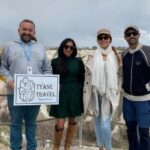
I especially like two things. First, the sequence makes the terrain make sense, from Devrent Valley’s animal-rock shapes to Uçhisar Castle’s big-view vantage. Second, the guiding is personal, and my day with Yucel showed how much detail matters when you’re staring at carved rock instead of a postcard.
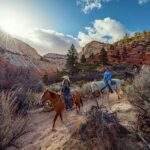
One thing to consider: these days involve walking and some hiking, including time on trails in the red valleys. If you’re short on mobility or hate steps, plan carefully and bring shoes you trust, because the sights are worth the effort but the pace is real.
In This Review
- Key highlights at a glance
- Two days in Cappadocia: why the Red and South pairing works
- Small-group comfort: pickup timing and how to stay sane
- Day 1: Devrent to Uçhisar and the fairy-chimney to castle storyline
- Devrent Valley (Imagination Valley): animal shapes you can spot fast
- Paşabağı Valley: three-headed fairy chimneys and carved church traces
- Avanos pottery workshops: a craft stop with context, not just a shop
- Zelve Open-Air Museum: Byzantine cave churches you can walk through
- Uçhisar Castle: the highest viewpoint to tie it all together
- Day 2: valleys, Çavuşin’s church, and a real underground city
- Gül Valley: quieter trails through vineyards and rock-carved places
- Kızıl Vadi hike: red formations and church spaces
- Çavuşin Village: cave houses plus St. John the Baptist Church
- Underground city: eight levels, four you can explore
- Güvercinlik Valley pigeon houses: how agriculture shaped the rock
- Optional stone and leather workshops: buy with your eyes open
- What’s included in the $127 price, and where value comes from
- Who should book this tour, and who might want a different plan
- Should you book 2 Days in Cappadocia: Guided Red and South Tour?
- FAQ
- FAQ
- What does this 2-day Cappadocia tour include?
- Are drinks included in the price?
- How big is the group?
- What languages is the tour guide available in?
- Where does the tour start each day?
- Is the underground city included, and how much can you see?
- Are there any optional stops?
- What is the cancellation and booking policy like?
Key highlights at a glance
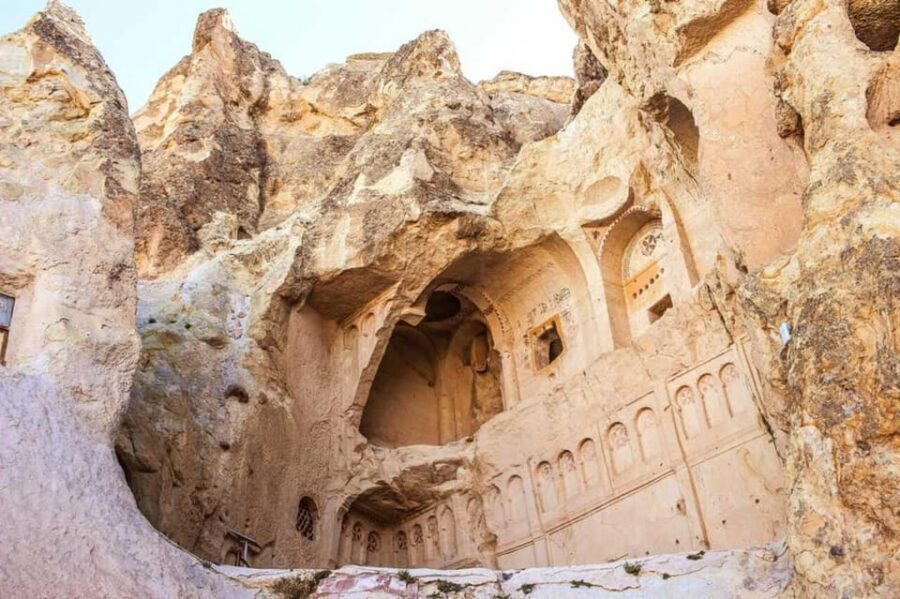
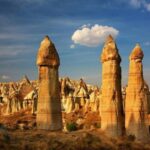
- Paşabağ fairy chimneys: three-headed rock formations with carved church spaces you can actually picture
- Zelve’s Byzantine cave churches: open-air history you can move through at your own speed with a guide explaining it
- Avanos pottery workshop time: watch local makers tied to the Kızılırmak River tradition
- Çavuşin Village and St. John the Baptist Church: cave homes plus a church with frescoes dating back to the fifth century
- Underground city with multiple levels: eight-level system, with access to four levels including kitchens and wine storage
- Güvercinlik pigeon houses: rock-cut agricultural architecture tied to how people lived
Two days in Cappadocia: why the Red and South pairing works
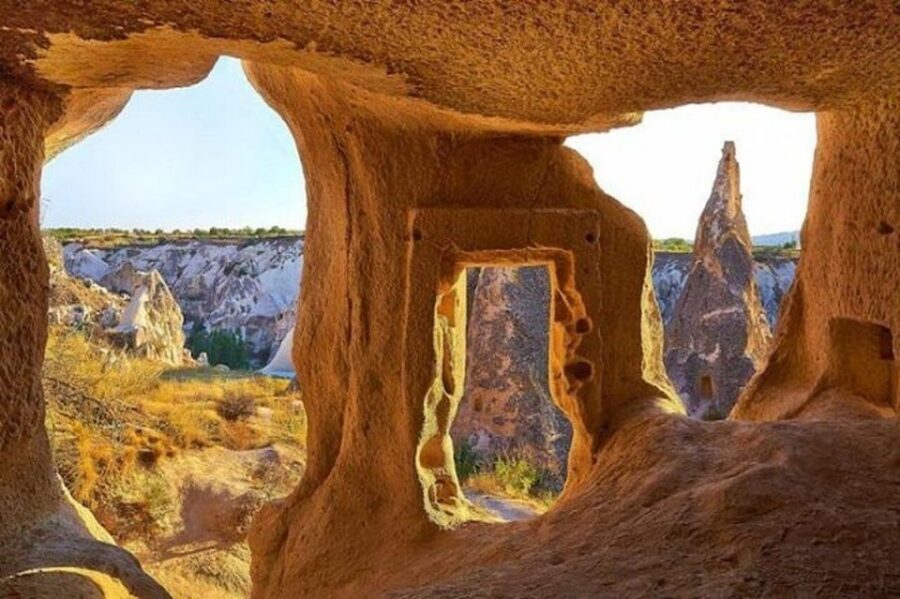
Cappadocia can feel like a blur when you’re only there for a short visit. You land, you take photos of the same few icons, and then the rest turns into “those rocks over there.” What I like about this route is that it builds a clear mental map across two days, with the Red tour day focusing on iconic valleys and castles, and the South day shifting toward village life and the under-the-ground world.
The Red and South mix also helps you experience more than just the famous viewpoints. You get religious sites carved into rock, daily-life skills like pottery, and the survival engineering of an underground city. That combo makes your photos mean something later.
You can also read our reviews of more guided tours in Avanos

Small-group comfort: pickup timing and how to stay sane
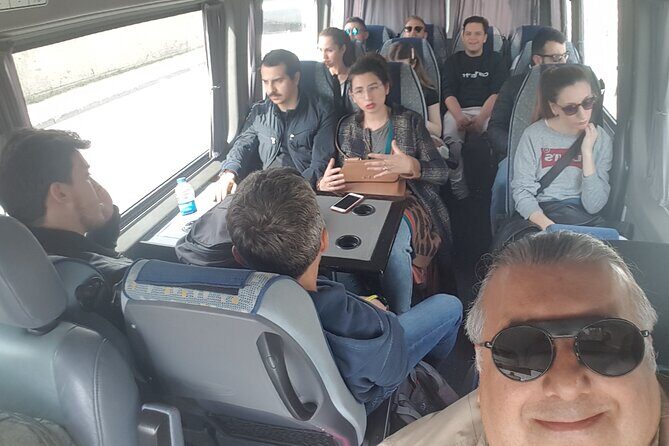
This tour runs as a small group (limited to 15), and you travel in an air-conditioned vehicle. That matters in Cappadocia, where distances can add up and where you want enough time at each stop instead of racing between photo points.
Pickup is typically between 09:45 and 10:00, and they ask you to be ready about five minutes before pickup time. My practical advice: plan to be fully ready earlier than you think you need. Cappadocia mornings can be busy, and you don’t want to lose your place because you’re still finishing breakfast.
If you’re the type who likes to take notes or sketch shapes in the rock, the group size helps. You’ll hear the guide, ask questions, and still have a moment to linger before everyone moves on.
Day 1: Devrent to Uçhisar and the fairy-chimney to castle storyline
Day one is designed like a visual story: start with rock imagination, move into the Christian carved sites, then end on a high point where you see how the villages relate to the valleys.
Devrent Valley (Imagination Valley): animal shapes you can spot fast
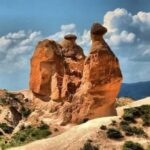
You begin at Devrent Valley, a place locals sometimes call Imagination Valley. The key here is not to wait for a perfect angle. Look for rock silhouettes that resemble animals and forms. Your guide’s explanations help you notice what you’d otherwise miss, and you’ll likely end up photographing the same rock from multiple angles because the shapes can read differently depending on the light.
Practical tip: go slow for the first few minutes, then switch to faster scanning. Once you learn what your eyes are hunting for, the valley becomes much more fun.
Paşabağı Valley: three-headed fairy chimneys and carved church traces
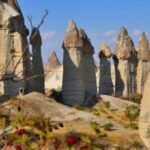
Next comes Paşabağı Valley, where the fairy chimneys are the headline. You’ll see the iconic formations, including the famous three-headed shapes. What makes Paşabağı more than a pretty stop is the sense that people repurposed the same rock world for worship. The carved spaces and hidden church references add a “how did they live here” dimension to the views.
If you like religious art and architecture, don’t rush this one. Take time to see how the rock carving follows the shape of the formations.
Avanos pottery workshops: a craft stop with context, not just a shop
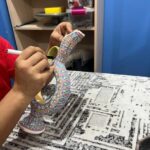
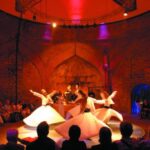
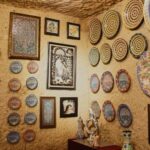
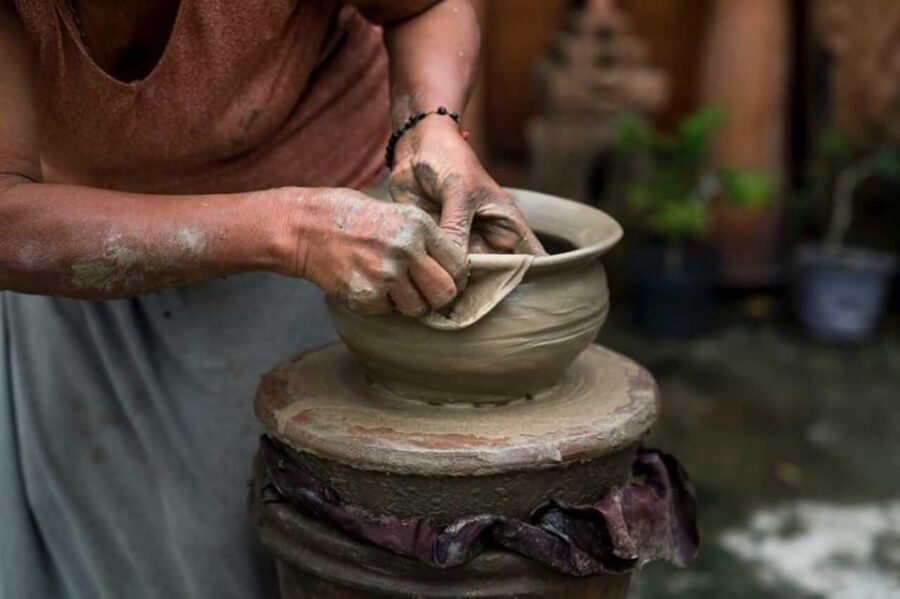
After lunch, the tour heads to Avanos, the pottery center along the Kızılırmak River. You’ll visit traditional pottery workshops to watch artisans working and learn about techniques tied to the area.
This stop is valuable because it changes your day’s rhythm. Up to this point, you’re mostly reading the land through rock formations and cave spaces. Avanos shifts the focus to hands-on craft, and it helps you understand why the region’s natural resources and terrain shaped daily life.
If you want a souvenir that feels legit, this is one of the best times to buy. You’ll see the process first, not just the finished product behind glass.
Zelve Open-Air Museum: Byzantine cave churches you can walk through
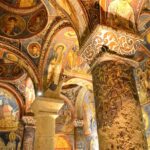
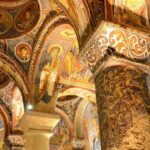
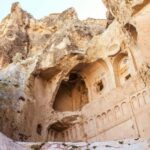
Then it’s on to Zelve Open-Air Museum, famous for its Byzantine cave churches. Instead of seeing churches as a single building, you experience them as a carved environment—rooms and corridors cut into the rock, shaped by centuries of use.
This is one of those places where a guide makes a real difference. With the explanations, you can connect entrances, openings, and layout to how people would have moved through the space.
Bring patience for slow viewing. Zelve rewards attention.
Uçhisar Castle: the highest viewpoint to tie it all together
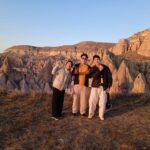
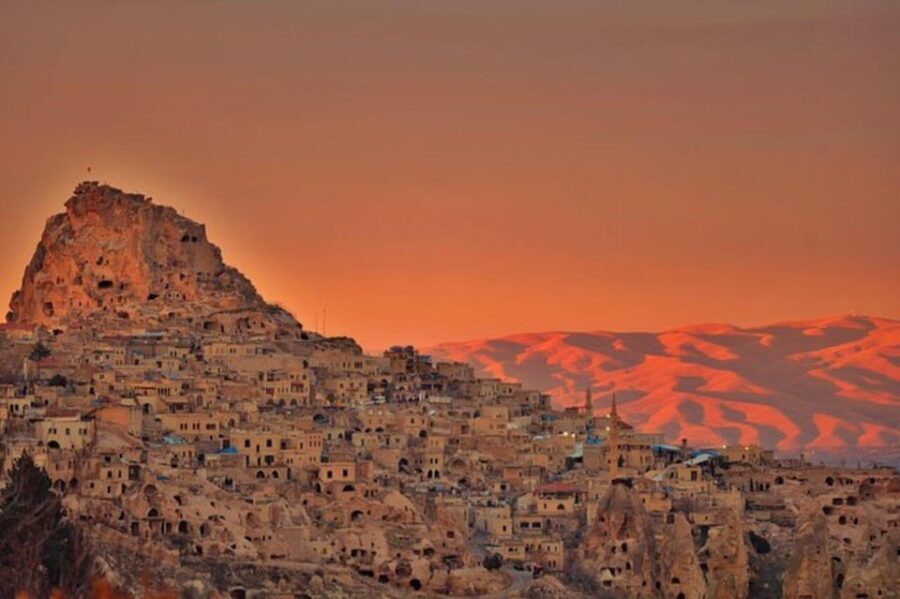
Day one ends at Uçhisar Castle, the highest point in Göreme. Even if you’ve seen Cappadocia photos online, you’ll notice something different here: the way valleys and villages stack visually when you’re above them.
Uçhisar works as a closing chapter. By the time you reach the viewpoint, you’ve already visited the rock formations and carved sites. Now you can look outward and understand the geography that made this region so defensible and so usable.
Day 2: valleys, Çavuşin’s church, and a real underground city
Day two feels more grounded in daily life. You start with valley trails, move into a village with cave homes, then go beneath the ground into protection structures people built for survival.
Gül Valley: quieter trails through vineyards and rock-carved places
Your first stop is Gül Valley, known for rock formations and hidden churches, plus peaceful trails surrounded by vineyards. This is a nice change from the more headline sites. If you want a slower pace for photos and walking, this is where you get it.
The key is to take advantage of the trail time. Even without sprinting for viewpoints, you’ll see how the rock shapes guide movement and sightlines.
Kızıl Vadi hike: red formations and church spaces
Next is Kızıl Vadi, where vibrant red rock formations appear with hidden churches. This section is more “walk and watch” than “one big monument.” The views are the payoff, and the guide helps you interpret what you’re looking at—especially the carved areas that blend into the rock.
Wear shoes that grip. You don’t need hiking boots, but you do want confidence on uneven ground.
Çavuşin Village: cave houses plus St. John the Baptist Church
Then you reach Çavuşin Village, with historical cave houses and the Church of St. John the Baptist, dating back to the fifth century. This is the kind of stop that makes you slow down, because the environment is doing the storytelling.
The church interior details like frescoes are part of what you’ll admire. With the guide’s context, it becomes less like “old church art” and more like a snapshot of early Christian life in rock-carved space.
Underground city: eight levels, four you can explore
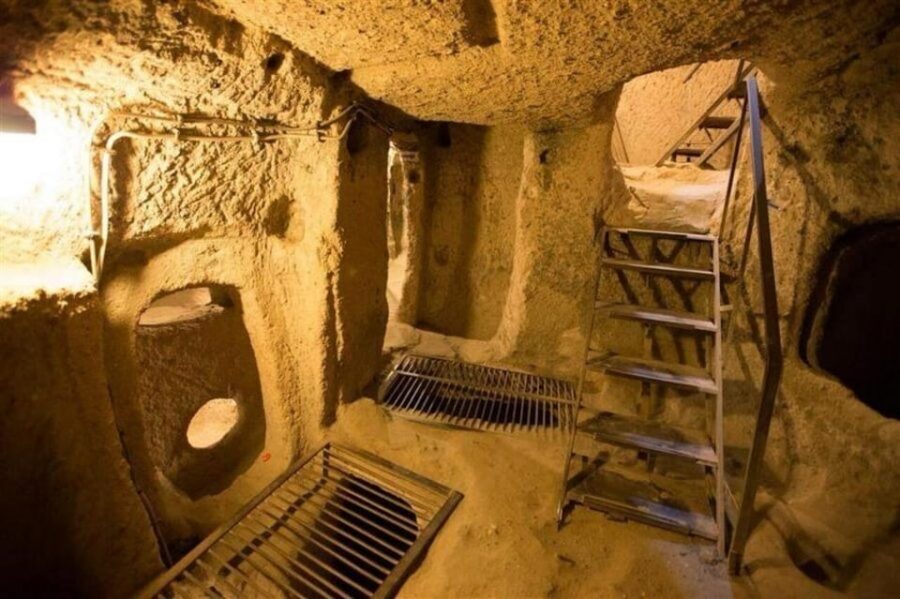
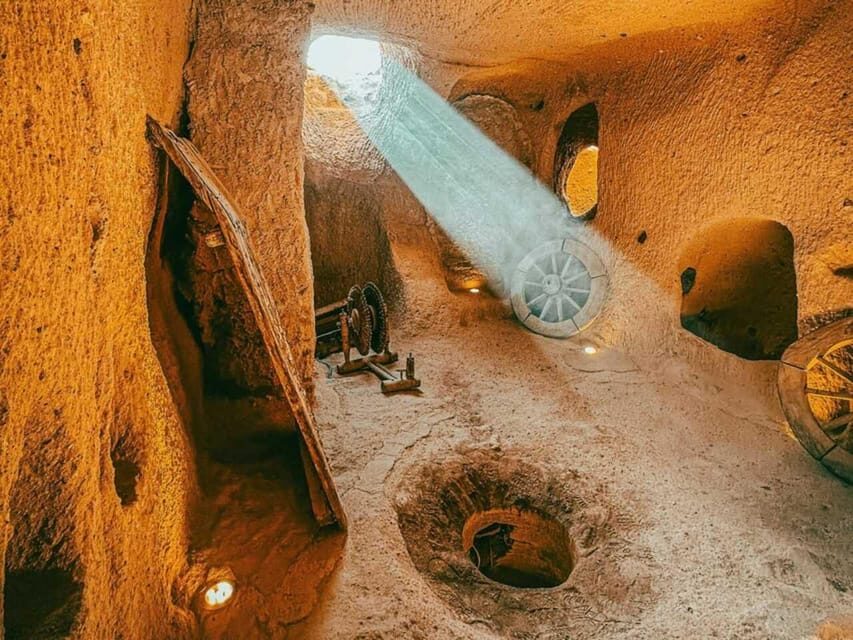
One of the strongest parts of the tour is the underground city stop. The system is described as eight levels, with access to four levels during the visit. You’ll see spaces that include kitchens, wine cellars, and living areas.
This is where Cappadocia turns from scenic to practical. You start to grasp why people invested in carving the earth: protection, storage, and the ability to live underground. It also helps explain why so many of the churches and settlement areas are scattered in a way that makes sense strategically.
If enclosed spaces make you uncomfortable, know that the underground portion is part of the experience here. You can still enjoy it, but manage your comfort level in advance.
Güvercinlik Valley pigeon houses: how agriculture shaped the rock
To finish the second day, you visit Güvercinlik Valley, famous for pigeon houses carved into the rock. These aren’t just architecture-as-a-photo. They connect to traditional agricultural practices and show how the rock environment became part of everyday production.
Again, a guide matters because the structures can look unusual if you don’t know what you’re looking for. With the explanations, the carved houses make sense as a practical solution, not only as an odd curiosity.
The views here also help you close the loop. You’ve gone from valley trails to cave village life to the underground. Then you come back up to open air, and the overall region feels more complete.
Optional stone and leather workshops: buy with your eyes open
At the end, the tour may include the chance to visit stone and leather workshops. This is optional, and it can be a good souvenir moment if you like seeing how items are made before buying.
The only caution: plan your spending. Workshops are often where purchases happen quickly, so if you’re trying to stick to a budget, set a limit before you arrive.
What’s included in the $127 price, and where value comes from
This tour costs $127 per person for two days. For Cappadocia, that price feels fair because it covers the stuff that normally becomes a headache when you plan on your own.
You get:
- a professional guide (English and Spanish)
- an air-conditioned luxury vehicle
- museum entrance tickets
- two lunches included
- hotel pickup and drop-off
What’s not included is drinks and personal needs, which is pretty standard.
Here’s how I’d judge value: the price isn’t just for sightseeing. It’s for problem-solving. You’re paying for transportation between scattered sites, guided interpretation so carved spaces don’t become guesswork, and entrance fees that add up. If you’re visiting for a short time and want the big picture without renting a car, this kind of bundle often makes the most sense.
Who should book this tour, and who might want a different plan
This tour is a great fit if you:
- are doing Cappadocia for the first time and want a structured overview
- want both rock churches and the more day-to-day side (pottery, village life, underground living)
- prefer a small group over large buses
- like having a guide explain what you’re seeing while you walk
You might want to think twice if:
- you have limited mobility or you dislike hikes and walking on uneven ground
- you expect completely free time at each stop
- you want a fully independent pace, where you choose every turn and skip all guided timing
If your travel style is “tell me what matters, then let me look,” this works well.
Should you book 2 Days in Cappadocia: Guided Red and South Tour?
I’d book it if you want a solid Cappadocia foundation in just two days. The highlights cover the core icons (fairy chimneys, cave churches, viewpoints) and add the practical layer (pottery craft and an underground city), so you leave with more than just photos.
The biggest deciding factor is your comfort with a busy couple of days and some walking. If that’s fine, this tour gives you a good value package: guidance, transportation, entrance fees, and lunches, all tied into a route that makes the region feel coherent.
FAQ
FAQ
What does this 2-day Cappadocia tour include?
It includes a professional tour guide, museum entrance tickets, lunch on both days, and hotel pickup and drop-off in an air-conditioned luxury vehicle.
Are drinks included in the price?
No. Drinks are not included. Personal needs are also not included.
How big is the group?
The group is limited to 15 participants.
What languages is the tour guide available in?
The live guide is available in Spanish and English.
Where does the tour start each day?
The tour starts with hotel pickup. The first-day pickup is typically between 09:45 and 10:00, and you should be ready about five minutes before pickup.
Is the underground city included, and how much can you see?
Yes. You visit an underground city described as an eight-level system, with access to four levels during the tour.
Are there any optional stops?
There may be an optional visit to stone and leather workshops at the end of the second day.
What is the cancellation and booking policy like?
It offers free cancellation up to 24 hours in advance for a full refund. There is also a reserve now and pay later option, so you can book without paying today.