REVIEW · ISTANBUL
9 Days Turkey Package İstanbul Cappadocia Pamukkale Ephesus
Book on Viator →Bookable on Viator
Turkey comes at you fast. This 9-day group route strings together four of Turkey’s biggest hits—Istanbul, Cappadocia, Pamukkale, and Ephesus—with guided touring blocks and included domestic flights, so you’re not spending every day stuck on logistics.
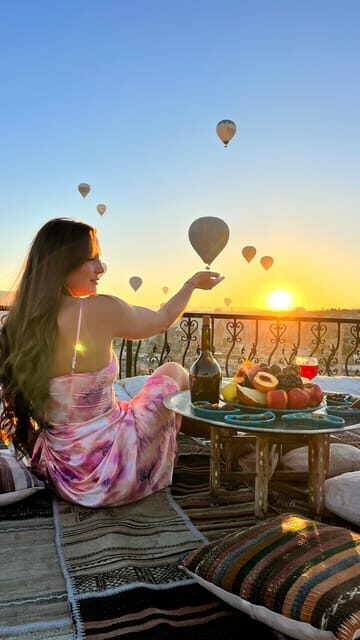
I love two specific things about this plan. First, you get professional English guiding on the major sites, not just someone pointing at ruins. Second, you sleep in a cave hotel in Cappadocia, which is a very practical way to experience the region without doing extra searching or last-minute booking.
One possible drawback: the pace is full. You’ll be out for long stretches, and museum fees are not included, so a little extra budget can help.
In This Review
- Quick reasons this Turkey route works
- Istanbul first: using Day 1 to get your bearings
- Old City Istanbul with Ayasofya and the Blue Mosque
- Dolmabahçe and the Two Continents view: a smarter half-day
- Cappadocia’s main sites in one full day: Göreme and Uchisar
- South Cappadocia day: Kızılcukur and Cavuşin
- The Pamukkale cotton cliffs and Hierapolis ruins day
- Ephesus + Virgin Mary’s House: ruins, then meaning
- Your Istanbul free day: what to do with the extra air
- Pricing and value: what you actually get for $3,150
- Group size and guide service: why it feels smoother
- Who this tour is best for (and who should think twice)
- Should you book this 9-day Turkey package?
- FAQ
- How long is this Turkey package?
- Which cities are included in the itinerary?
- Are flights included?
- What kind of accommodation do you get in Cappadocia?
- Are meals included?
- Are museum fees included?
- What’s the maximum group size?
Quick reasons this Turkey route works
- Small group size (max 20) keeps the day tours easier to manage
- Domestic flights are included, so you skip long overland transfers
- Cave hotel in Cappadocia gives you a memorable place to sleep
- One-day hits for big attractions, with free time built in at least once
- Food coverage: breakfast every morning (8 total), plus lunch (5) and dinner included
Istanbul first: using Day 1 to get your bearings
Your first day is all about landing and settling in. You’re met at the airport and transferred to your hotel, then you’re left to recover before the sightseeing machine starts. That matters, because Istanbul is a city where jet lag can turn a great plan into a blurry one.
Even with a packed itinerary, this start avoids the classic mistake: showing up hungry and exhausted and trying to cram too much on day one. You get overnight in Istanbul and can organize your energy, charge devices, and get comfortable with the neighborhood around your hotel.
Old City Istanbul with Ayasofya and the Blue Mosque
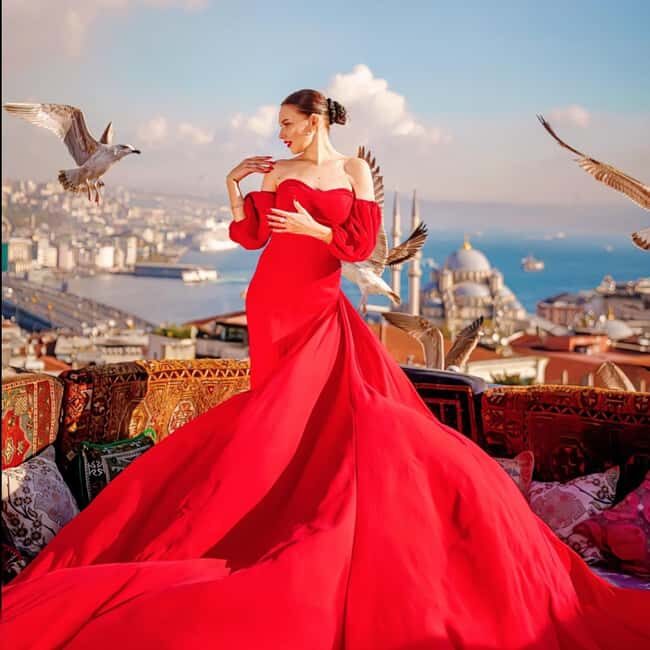
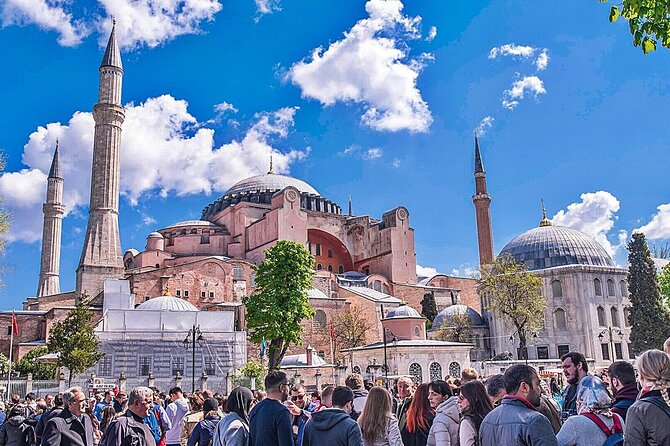
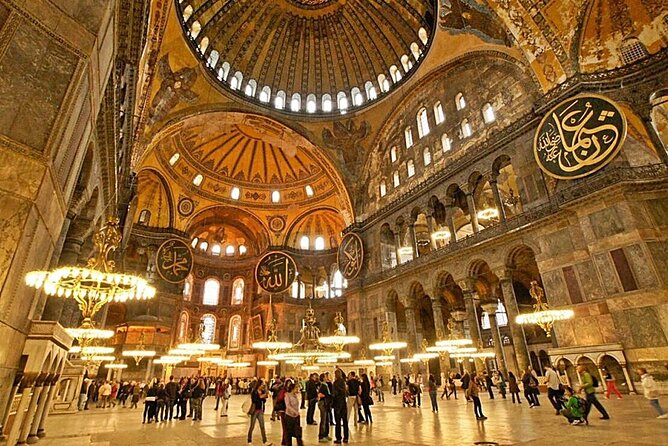
On Day 2, you go straight to the center of Ottoman and Byzantine power. The tour covers Hagia Sophia, the Blue Mosque, the Hippodrome, the Grand Bazaar, and Topkapi Palace. You’ll see how empires layered over each other in the same stones, then end with the kind of shopping stop that Istanbul is famous for.
Hagia Sophia is the anchor here: it’s been a major cathedral and then converted into a mosque, and today it’s a museum. The point of having a guide on a day like this is simple: you want the correct context for what you’re looking at, not just a photo location.
The Blue Mosque is also more than a pretty facade. You learn why it became a symbol of Ottoman ambition, and you’ll notice details like the number of minarets and the scale of the complex. Then you move through the Hippodrome, which helps you connect politics and public spectacle in the Eastern Roman world.
A shopping stop at the Grand Bazaar can feel optional, but here it’s scheduled with intention: it gives you a controlled window to browse carpets, jewelry, leather goods, and more without guessing your route. The caution: if shopping isn’t your thing, you’ll still get value because the bazaar visit breaks up the heavy historical stops.
Dolmabahçe and the Two Continents view: a smarter half-day
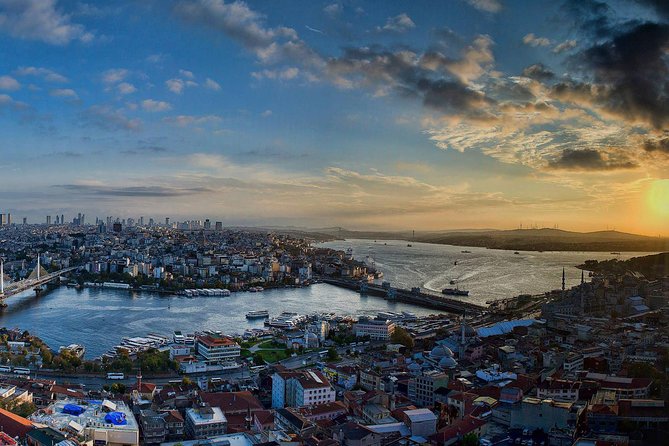
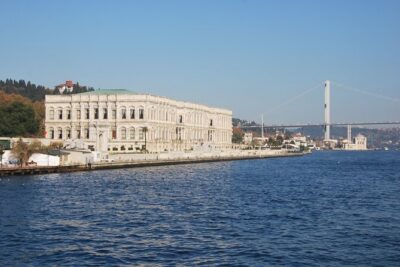
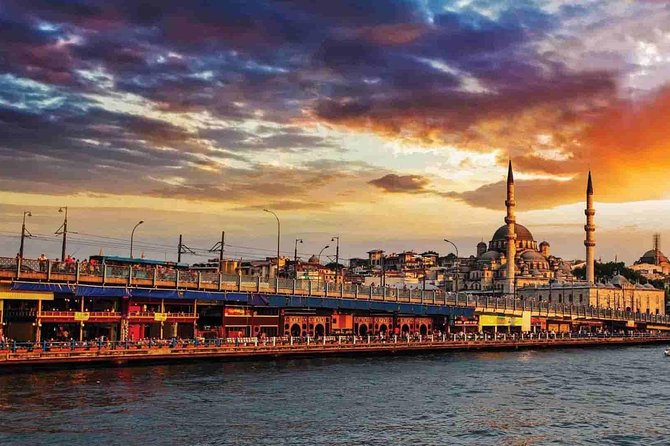
Day 3 keeps the momentum, but changes the mood. You head out for a half-day tour that connects the Spice Bazaar area with the idea of Istanbul as a city split between continents. The tour includes the waterway separating Asia and Europe, plus photo opportunities of Ottoman-era palaces and villas alongside modern life.
The Dolmabahçe Palace is a good choice in this slot. It’s not just about interior grandeur; it’s also an easy visual bridge between the old imperial story and the newer Ottoman period. Pair it with the Spice Bazaar, where you get that immediate sensory hit—different spices, produce stalls, and local foods—and it becomes more than museum time.
This day also has a built-in rhythm break: the tour ends around 1pm, then you transfer to the airport for a domestic flight to Cappadocia at 3pm. That’s efficient, but it also means your schedule is tight. If you’re the type who likes to wander slowly through neighborhoods, you’ll have to switch gears and trust the tour timing.
Cappadocia’s main sites in one full day: Göreme and Uchisar
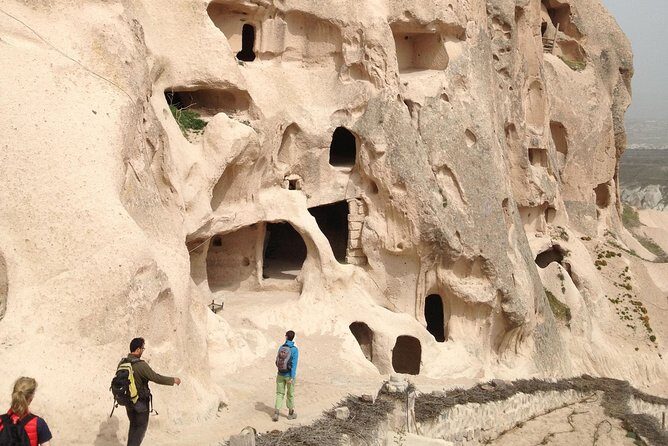
Cappadocia on Day 4 is designed like a greatest-hits package, but with enough structure to make it make sense. You’ll explore the Open Air Museum in Göreme and the natural fortress in Uçhisar, then continue through Pasabag Valley and Avanos.
The Göreme Open Air Museum is usually where people form their first real mental picture of the region: rock-cut spaces, churches, and the way communities carved living and worship areas into the landscape. Having a guide matters here because you’re not just looking at buildings; you’re learning why these places exist where they do.
Then Uçhisar gives you the payoff viewpoint. You go from tight, carved spaces to a broader sense of the area, which helps you understand why travelers say Cappadocia looks the way it does.
A detail I like in this plan is that it’s not only sightseeing. You also get time to understand local handicrafts—things like hand-made carpets, Turkish tiles, onyx, and pottery. Even if you don’t buy anything, it helps you interpret what you’re seeing around you. When you do shop later on your own, you’ll have better instincts for quality.
South Cappadocia day: Kızılcukur and Cavuşin
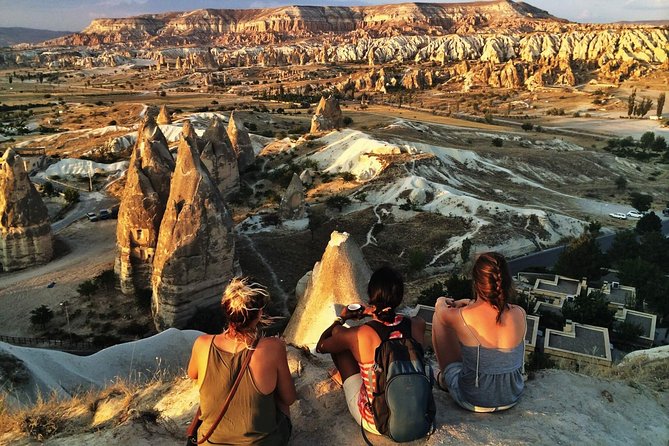
Day 5 shifts from the headline stops to the more local, rock-and-village side of Cappadocia. You’ll see Kızılcukur, Cavuşin, and also spend time around the vineyards and small villages connected through valleys and paths. The tour notes mention that villagers may offer grapes, apples, or apricots, which is a reminder that this is not a theme park.
Kızılcukur is described as an isolated valley with rock formations and hidden rock-carved churches. The vibe you’re aiming for is quieter views, less “line-at-the-main-attraction” energy, and more of that earthy Cappadocia feeling.
Cavuşin is more about history on a smaller scale. You’ll visit the Church of St. John the Baptist and get panoramic views from the area. Again, the practical value of a guided day here is pacing. If you’re on your own, it’s easy to overshoot and end up spending the day in transit. In this itinerary, the stops are connected so you can actually enjoy them.
One thing to keep in mind: this is a full day. Your feet will notice it. Bring comfortable shoes and plan to take breaks when you can. The scenery is better when you don’t rush.
The Pamukkale cotton cliffs and Hierapolis ruins day
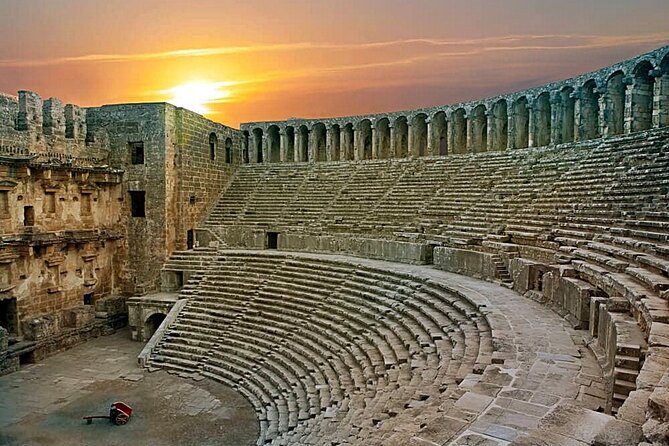
Day 6 is one long, satisfying classic: Pamukkale Natural Park plus Hierapolis. You start after breakfast, with pickup at 8:30am, then spend time at the Cotton Cliffs, followed by ancient ruins including a basilica, theatre, and Roman Baths.
The Cotton Cliffs are the headline, and the itinerary explains what makes them special: deposits of calcareous salts that create the famous white terraces. When you understand the why, the visit feels less like a postcard and more like geology you can walk around.
Then Hierapolis adds the Roman layer. You’ll see enough to grasp how the city functioned: public space in the theatre, major religious structures in the basilica, and daily life through the Roman Baths. If you’re tempted to speed through because you already “know” what the ruins look like, don’t. This is a day where sitting for a minute and letting the scale land pays off.
At the end, you’re transferred to your hotel in Kuşadası around 19:00. That timing matters because it positions you well for Day 7’s Ephesus drive. It’s a lot of hours in one day, but it sets up the next chapter efficiently.
Ephesus + Virgin Mary’s House: ruins, then meaning
Day 7 is your ancient big-ticket day in the Aegean: Ephesus, plus a religious site visit, and then a shopping-adjacent stop that’s more entertaining than it sounds.
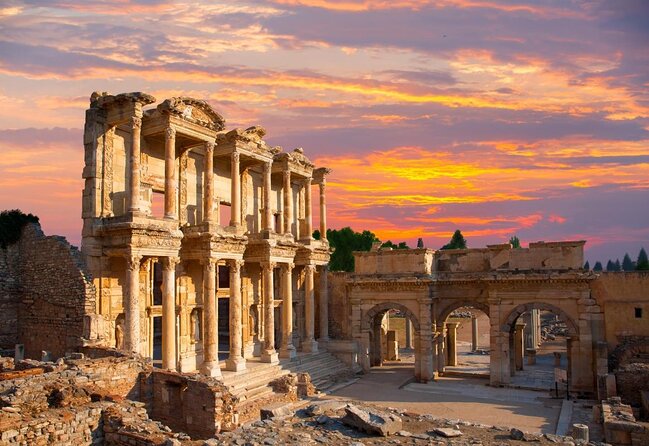
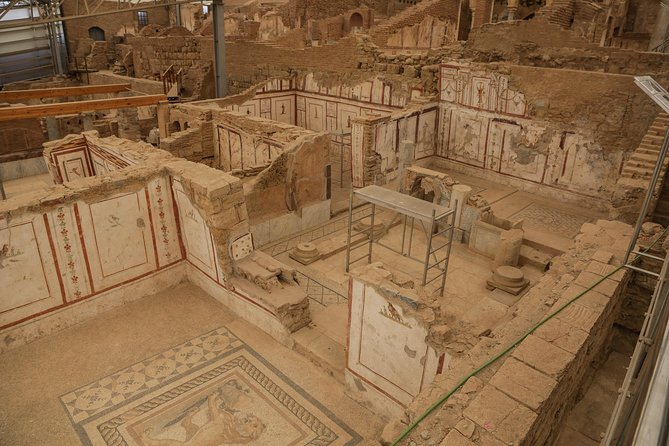
You start with the ancient city, visiting the library, theatre, and temples. Ephesus works best when you can connect the pieces. A guide helps you see the original purpose of each building, rather than treating every stop as a separate photo moment.
After that, you go to Virgin Mary’s House and the Basilica of St. John. That mix is good for two reasons. It slows the day down after the larger ruins, and it gives you a different lens on why people have traveled here for centuries.
Then comes the afternoon fashion show featuring leather products made in Turkey. I’m not going to pretend this is the same as a historical monument, but it can be a practical add-on. If you’re interested in leather craftsmanship, it’s a structured way to see products and learn the basics without going hunting on your own.
Finally, you transfer to Izmir airport for your domestic flight to Istanbul. You arrive and get another overnight in Istanbul, ready for a free day.
Your Istanbul free day: what to do with the extra air
Day 8 is free. That’s important because it gives you room to breathe after back-to-back heavy sightseeing days. You can relax at your hotel or walk around some of Istanbul’s most important streets.
This is the day to match the mood you’ve built. If you loved the Old City sites, you can return to that area at a slower pace. If you want variety, you can use the day to explore on your own terms without worrying about hitting timed group stops.
Practical tip: since you still have a Day 9 airport transfer, keep your plans close to your hotel and avoid anything that would stress your departure timing. Free day is not the same as do-everything day.
Pricing and value: what you actually get for $3,150
At $3,150 per person for about 9 days, this package is not trying to be cheap. It’s trying to be low-stress and efficient. You’re paying for the structure: domestic flights, airport and hotel transfers, all tours, and professional English guiding across multiple regions.
You also get 8 nights accommodation and a very specific lodging win in Cappadocia with a cave hotel. On top of that, meal coverage is meaningful: breakfast is included 8 times, lunch 5 times, and dinner is included as part of the overall package. That can quietly offset the daily costs of eating out.
What’s not included matters for your budget math. The tour list says museum fees are not included, plus drinks, visa, and international flights. If you’re the type who wants to see every museum without skipping, set aside extra cash so the add-ons don’t surprise you.
The bottom line on value: if you want Istanbul-to-Cappadocia-to-Aegean logistics handled for you, and you’re okay with a group pace, this price can feel reasonable for what’s bundled.
Group size and guide service: why it feels smoother
The group limit is 20 travelers, which is big enough to find energy but small enough for the day to feel manageable. You’re not stuck as one face in a crowd.
The service style from the operator is also a highlight from the guest comments shared: the owner and team were described as responsive and professional, with support through WhatsApp. That kind of contact matters when you’re changing cities and moving through airports. Even if nothing goes wrong, knowing you can ask questions reduces the mental load.
You’ll also have professional English guiding, and different stops are paired with the right kind of guidance. That’s a real quality-of-day factor, because a guide doesn’t just narrate. They help you prioritize what to notice and they can keep the tour from turning into random wandering.
Who this tour is best for (and who should think twice)
This tour fits you best if you want a structured sampler of Turkey’s most famous sights without spending days planning routes, flights, and connections. It’s also a great fit if you like having free time built in, instead of being locked into every hour.
You might want to think twice if you hate long days. Several days are full-day blocks, like the 8 hours for the Old City tour and the 9-hour Pamukkale day. If you want a very slow travel style, this itinerary may feel like it moves too fast.
Also consider the lodging style in Cappadocia. Since the highlights call out a cave hotel, it’s worth confirming comfort preferences before you book.
Should you book this 9-day Turkey package?
I’d book this if you want the biggest Turkey hits—Istanbul, Cappadocia, Pamukkale, and Ephesus—with domestic flights, transfers, and guided touring already handled. The cave hotel in Cappadocia is a standout perk, and the itinerary includes at least one genuinely useful break day in Istanbul.
I wouldn’t book it if you’re extremely budget-driven or if you hate group pacing. Because museum fees and drinks aren’t included, you’ll want to plan for extras. And because the schedule is packed, it rewards travelers who can handle a full day outdoors and then still enjoy the evening.
FAQ
How long is this Turkey package?
It’s listed as an approx. 9 days tour.
Which cities are included in the itinerary?
The package includes Istanbul, Cappadocia, Pamukkale (with Hierapolis), and Ephesus.
Are flights included?
Yes. The tour includes domestic flights from İstanbul to Cappadocia and İzmir to İstanbul.
What kind of accommodation do you get in Cappadocia?
You’ll stay overnight in Cappadocia in a cave hotel, as stated in the highlights.
Are meals included?
Yes. The package includes breakfast (8 times), lunch (5 times), and dinner.
Are museum fees included?
No. Museum fees are not included, even though some admissions are marked as included in the tour days.
What’s the maximum group size?
The tour lists a maximum of 20 travelers.