REVIEW · GOREME
Cappadocia, Konya, Pamukkale and Ephesus Tour
Book on Viator →Operated by Stoneland Travel · Bookable on Viator
One week, four head-turning places. This route is built for people who want big Turkey moments without doing the logistics puzzle themselves—airport pickup, private transport, and hotel stays are handled for you, so you can focus on the sights. I like the way Cappadocia’s fairy-chimney world is paired with major historic stops, and I also like that you get Rumi and Ephesus on the same trip, without wasting days on moving around.
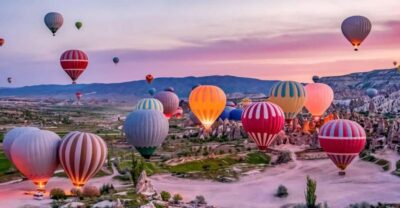
The main trade-off is pace. Days are packed with drives and multiple sites, and a few popular upgrades cost extra, including the hot air balloon and time in Cleopatra’s thermal pool.
In This Review
- Key highlights
- Why This Cappadocia–Konya–Pamukkale–Ephesus Route Works
- Arrival Day in Cappadocia: Get Oriented Fast
- Cappadocia Stops: Uchisar Castle to Pasabag’s Three-Headed Chimneys
- Uchisar Castle views
- Zelve Open Air Museum for fairy-chimney detail
- Pasabag for the three-headed fairy chimneys
- A culture stop that’s not just shopping
- Ürgüp overview
- Underground Cappadocia and the Ihlara Valley Day: More Than Views
- Göreme panorama to set the geometry
- Derinkuyu Underground City
- Ihlara Valley hike: a real change of pace
- Selime Monastery and Pigeon Valley
- Onyx shaping stop in Uchisar
- Konya for Mevlana Rumi and Seljuk Landmarks
- Mevlana Muzesi and Ottoman-era stops
- Alaaddin Hill and the Seljuk remains
- Pamukkale and Hierapolis: Travertines Plus the Theatre Circuit
- Karahayit red springs and the Hierapolis north entry
- Cleopatra Pools time: the optional cost you should plan for
- Travertines and wading time
- End with a late lunch and hotel drop
- Kuşadası Area: Pergamon Acropolis and Asclepion in One Long Day
- Pergamon Acropolis
- Asclepion (ancient hospital) and temple structures
- Ephesus and Meryemana: From Roman Splendor to Mary’s House
- Morning start from Kuşadası port and the Artemis link
- Ephesus museum for context
- Temple of Hadrian, Trajan Fountain, Odeon, and Celsus Library
- Great Theater and end-of-day Selcuk
- Price and Logistics: What You’re Really Paying For
- Who This Tour Suits Best
- The day-to-day reality
- Should You Book This Tour?
- FAQ
- How long is the tour?
- Where do you meet, and is there pickup?
- Is accommodation included in the price?
- What are the main destinations on the route?
- Are entrance fees included?
- Is lunch or dinner included?
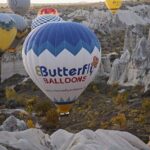
- Is the hot air balloon ride included?
- Is Cleopatra’s thermal pool included?
- Is this a private tour?
- Are tickets mobile, and do I get confirmation?
- What is the cancellation window for a refund?
Key highlights
- Airport-to-hotel pickup in Cappadocia so your trip starts smoothly
- Uchisar, Zelve, Pasabag, and Göreme for a full taste of fairy chimneys
- Ihlara Valley hike plus an underground city for variety beyond the usual viewpoints
- Konya visits to Mevlana (Rumi) and Alaaddin Hill for real Anatolian culture
- Pamukkale’s Hierapolis circuit with time near travertines and the Theatre of Hierapolis
- Ephesus and Meryemana (Mary’s House) in one day, plus a museum stop to set the context
Why This Cappadocia–Konya–Pamukkale–Ephesus Route Works
This tour makes one smart bet: Turkey’s top sights can be stitched together in a week if you trust a solid plan and you’re okay with long days. You’re not just seeing photos. You’ll hit the geological wow-factor of Cappadocia, the spiritual and artistic weight of Konya, the UNESCO-style spectacle of Hierapolis and Pamukkale, and then the Roman scale of Ephesus.
What makes it especially practical is that a lot of the pain points are handled in advance. You get hotel pickup and drop-off, and you ride in a private vehicle with a professional guide. That matters because it keeps transitions tight and reduces the chance you lose time figuring out buses, tickets, and timing.
You can also read our reviews of more tours and experiences in Goreme.

Arrival Day in Cappadocia: Get Oriented Fast
On day one, you meet at Cappadocia’s airport—either Nevşehir or Kayseri—and then you’re driven to your hotel in Cappadocia. For first-timers, this is a big quality-of-life win. It also helps you settle in before the sightseeing starts in earnest.
One note: the tour’s meeting time is listed as 10:00 am, but the day-one plan clearly centers on airport pickup and transfer. So if you’re arriving by air, align your schedule with the operator’s pickup window for a smooth start.
Cappadocia Stops: Uchisar Castle to Pasabag’s Three-Headed Chimneys
Cappadocia is the kind of place where you can easily over-plan and still feel like you missed the best angles. This schedule tries to prevent that by layering viewpoints and iconic valleys.
Uchisar Castle views
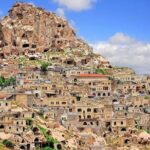
You’ll start with Uchisar Castle, perched at the region’s highest point. It’s unusual because it’s not just a lookout—it’s tied to underground spaces, graves, tunnels, and churches. Even if you only have a short stop, the payoff is quick: you get oriented on how the terrain shapes everything around you.
Zelve Open Air Museum for fairy-chimney detail
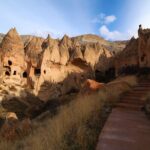
Next up is Zelve Open Air Museum. This is one of those places where the scenery feels like it’s been carved by people and time. You’ll see the sharp fairy chimneys and the rock-hewn spaces that help you understand how locals lived there.



Pasabag for the three-headed fairy chimneys
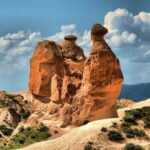
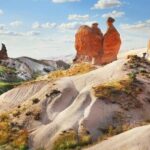
Then comes the headliner: Pasabag, famous for the three-headed fairy chimneys. The setting here is all about rock formations and that dramatic, cap-like look you’ve probably seen in photos. It’s short, but it’s the kind of stop you’ll remember because it’s so specific to Pasabag’s rock geography.
A culture stop that’s not just shopping
The day also includes Bezirhane Culture, Arts and Ceramics Center and an Avanos rug workshop and store. These aren’t listed as major attractions, but they can be useful if you like context. You’ll learn how materials from the region mattered long ago, and you’ll see how patterns connect to beliefs and symbolism.
Ürgüp overview
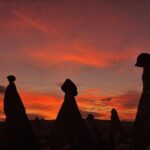
The sequence ends at Ürgüp, where you’ll spot the fairy chimneys known in local descriptions as having mother, father, and son groupings. It’s a gentle close to a day that has already thrown a lot at you visually.
Consideration: this first Cappadocia day mixes landscapes, museums, and craft-related stops. If you’re only after geology and viewpoints, be mentally ready that not every stop is a dramatic ruin or canyon.
Underground Cappadocia and the Ihlara Valley Day: More Than Views
Day three in Cappadocia is where the tour adds variety and movement. It’s not just looking around; it’s a mix of panoramas, underground history, and walking.
Göreme panorama to set the geometry
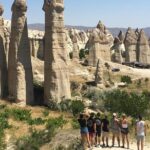
You’ll pick up from your hotel and start with a Göreme panoramic view. This is a smart warm-up because it helps you understand the formation of the fairy chimneys while you’re still fresh. There’s also free time for photos, which matters here because weather and lighting can change the look of the rocks quickly.
Derinkuyu Underground City
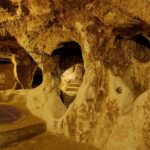
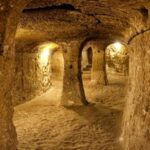
Then you head to Derinkuyu Underground City, where the guide explains how it was used first as a natural deep-freeze and later as shelter against invasions. The value isn’t only the scale—it’s the timeline and why those underground chambers existed. You’ll spend close to an hour there, which is enough to feel the space without rushing through.
Ihlara Valley hike: a real change of pace
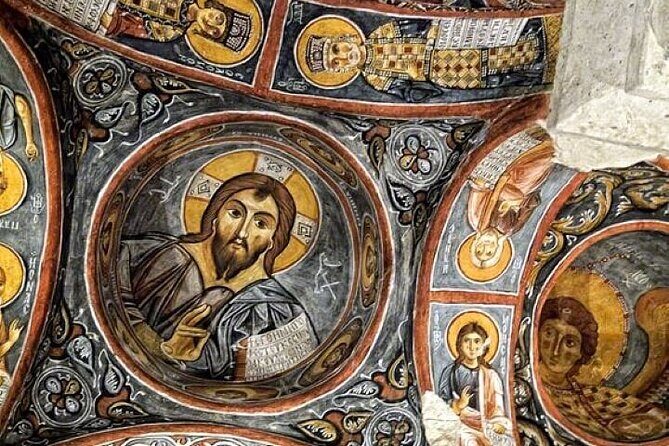
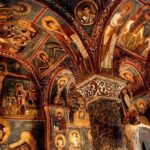
After the underground stop, you’ll reach Ihlara Valley and walk about 3.5 km (about 1 hr 15 min) along the canyon. This section adds something important: it shifts you from rock towers to a river-carved canyon and past church carvings and paintings tied to Christian life. If you’re someone who gets tired of constant uphill walking in Cappadocia, this hike is the kind of effort that feels earned.
Lunch is handled through the day’s flow, and the plan includes time at a restaurant after the hike.
Selime Monastery and Pigeon Valley
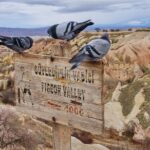
You continue to Selime Monastery, which looks castle-like but functions as a monastery with multiple spaces—churches, chapels, storages, and a bigger cathedral space. Later you’ll get to Pigeon Valley, with time to rest and take in the rock slopes and the pigeon-related houses that local people carved into the valley walls.
Onyx shaping stop in Uchisar
To end the Cappadocia section, you visit a local onyx factory in Uchisar, with an onyx shaping show. Onyx here is described as a volcanic stone with multiple colors. This stop can feel like a quick detour if you’re not into crafts, but it’s also a practical way to understand how “volcanic” is not just a word here—it shows up in the materials people work with.
Consideration: the day includes driving time and a moderate hike. Bring decent walking shoes, and plan for a long day even if you’re fit.
Konya for Mevlana Rumi and Seljuk Landmarks
Konya doesn’t do the thing Cappadocia does. It’s more about ideas, devotion, and layered architecture. This tour makes sure you get both the spiritual centerpiece and a taste of the political landscape of earlier rulers.
Mevlana Muzesi and Ottoman-era stops
You start with Mevlana Muzesi, focused on the Tomb of Rumi in the Museum of Mevlana. It’s also paired with the Sultan Selim mosque before lunch at a traditional Turkish restaurant. This combination is useful because it connects the spiritual site to the broader Ottoman context you’ll see around Konya.
Alaaddin Hill and the Seljuk remains
After lunch, you head to Kultur Park Alaeddin Tepesi, where the Alaaddin Mosque crowns Alaaddin Hill. You also see sheltered, minimal remains of the Seljuk Sultans of Rum palace. The value here is scale and placement: you’re seeing the top-of-hill logic that explains how cities were designed to command space.
Then you move onward, with the drive to Pamukkale built into the flow.
Pamukkale and Hierapolis: Travertines Plus the Theatre Circuit
Pamukkale can be one of Turkey’s most confusing days if you try to DIY it. Here, you get a guided route through Hierapolis that hits the key zones.
Karahayit red springs and the Hierapolis north entry
Your day begins with the red springs in nearby Karahayit and then enters Hierapolis from the North Gate. From there, you’ll see a string of stops including the Necropolis, Bath and Basilica, Frontinius Gate, Frontinius Street, Latrina, Northern Byzantine Gate, the Fountain of the Tritons, and the Temple of Apollon.
This kind of routing works because it gives you a sense of how the city functioned. You’re not only looking at white rocks; you’re also seeing gates, civic streets, and bathing-related structures tied to daily life.
Cleopatra Pools time: the optional cost you should plan for
You get free time connected to the Cleopatra Antique Thermal Pool, but admission is listed as extra. If you’re even mildly tempted, budget for it in advance. You’ll also finish the Hierapolis portion with time at the Theatre.
Travertines and wading time
After that, you visit the Travertines, the white calcium pools. You’ll have time to take photos and wade. This is where Pamukkale earns its reputation—but it also means you’ll want footwear that works for wet surfaces.
End with a late lunch and hotel drop
After leaving the site, you’ll have a late lunch and then you’re dropped back at your hotel before the next stage of the trip.
Consideration: time at Pamukkale includes both guided stops and free time. If you’re easily overwhelmed by crowds, go at your own speed during the wading/photo portion and keep your expectations realistic.
Kuşadası Area: Pergamon Acropolis and Asclepion in One Long Day
Day six shifts you into the wider Aegean region via Kuşadası. This is where the tour leans into ancient medical and civic grandeur, and it does so with a full 6-hour block.
Pergamon Acropolis
You’ll start with Pergamon Acropolis. Even without a deep background, the setting helps you feel why this place mattered: it’s high-ground monumentality, built to impress from afar.
Asclepion (ancient hospital) and temple structures
You then see Asclepion, described as the ancient hospital and health center area, plus the propylaeum of the Temple of Athena. The health-center angle is a good change from purely theatrical ruins. It also helps you connect how Greeks and Romans approached care and worship together.
Then it’s back to the hotel.
Consideration: this is the longest day block so far. Hydrate and keep a snack handy if you’re the type who gets hungry between meal breaks.
Ephesus and Meryemana: From Roman Splendor to Mary’s House
The final day is a classic two-part hit: the huge Roman city of Ephesus and the religious site called Meryemana (The Virgin Mary’s House).
Morning start from Kuşadası port and the Artemis link
You start from the port of Kuşadası and travel past scenic views of the Byzantine fortress in Selcuk and the Temple of Artemis. Then you reach Meryemana, in the Solmissos Mountains. The plan notes that the Vatican considers it the final resting place of the Virgin Mary.
This stop is smaller physically than Ephesus, but it often feels bigger emotionally because you’re in a quiet, set-in-stone place, away from the constant foot traffic of major ruins.
Ephesus museum for context
Before entering the ruins proper, you’ll visit the Ephesus Museum. You’ll then walk downhill into ancient Ephesus through Magnesia Gate, and your guide sets up the city’s layout for you.
Temple of Hadrian, Trajan Fountain, Odeon, and Celsus Library
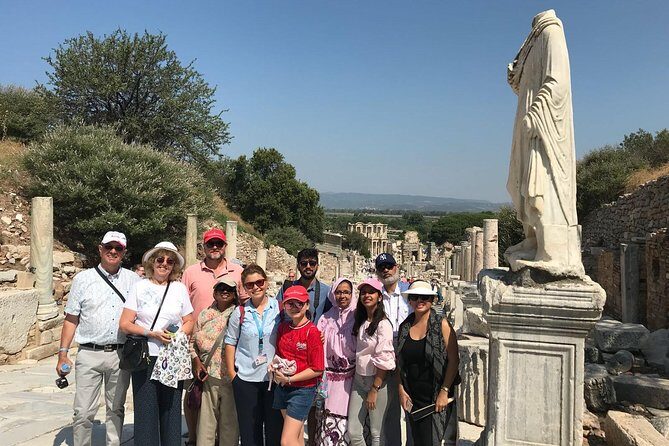
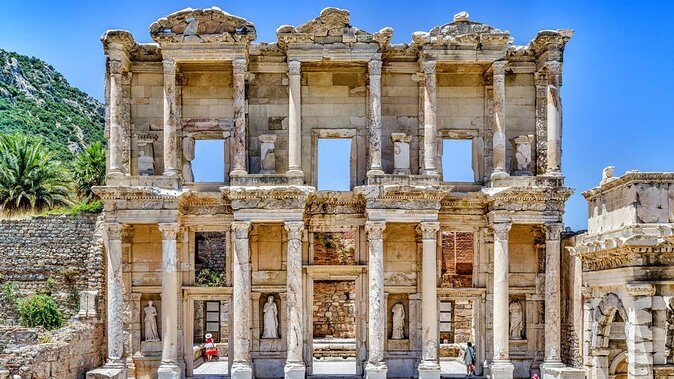
Your guided highlights include the Temple of Hadrian, the Trajan Fountain, the Odeon Theater, and Celsus Library with its imposing façade and two-story Corinthian-style columns. This mix is valuable because it shows Ephesus at multiple scales: emperors, water/civic power, performances, and the grand face of knowledge.
Great Theater and end-of-day Selcuk
You also visit the Great Theater, described as still used today and seating about 25,000. You’ll see it used for annual spring festivals. The day ends with a drive back toward İzmir airport or Kuşadası bus station.
Consideration: Ephesus is spread out and can feel like a lot to absorb. If you like to read every sign, you may want extra time beyond what a day tour allows. If you’re more about the main landmarks, this plan is nicely paced.
Price and Logistics: What You’re Really Paying For
This tour costs $2,315.20 per person and includes 6 nights accommodation, all taxes/fees, hotel pickup and drop-off, private transport, and a professional guide. It also includes breakfast for 6 days and afternoon tea.
That pricing structure matters because the expensive part of multi-region travel is usually not the entry ticket—it’s the coordination. You’re paying to avoid the hours spent comparing hotels, booking transfers, and negotiating route changes. With a private vehicle and pickup/drop-off, you spend less time figuring out transportation and more time at the sites.
What’s not included is also clear. Lunch and dinner are not included, and alcoholic drinks and other extras are purchase-only. The hot air balloon and Cleopatra Pool admission are not included, even if you choose those upgrades. So your true budget depends on how many add-ons you say yes to.
The value sweet spot is for people who:
- want top sights in one week
- don’t want to stitch together logistics on their own
- enjoy a guided pace with planned stops and set time windows
If you’re someone who loves total control and prefers flexible, slow wandering each day, you might feel boxed in by the schedule.
Who This Tour Suits Best
This route fits best if you want major Turkey experiences without the planning headache. It’s also a good match for families, especially because the tour operator is described as willing to make reasonable adjustments when requested. The guides are also described as warm and humble, with strong English.
It’s also a fit if you like variety: rock towers in Cappadocia, spiritual architecture in Konya, geothermal spectacle in Pamukkale, and the Roman grid of Ephesus.
The day-to-day reality
You should be prepared for:
- multiple stops per day
- some free time for photos
- at least one meaningful hike (Ihlara Valley)
- longish driving days between regions
Should You Book This Tour?
If your goal is to check off Cappadocia, Konya, Pamukkale, and Ephesus in a single trip with hotels and transfers handled, this one makes a lot of sense. The included breakfasts, guided circuit, and private transport help it feel less like a scavenger hunt.
I’d skip this if you want slow travel, lots of downtime, or meals fully handled each day. Also, if you’re set on the hot air balloon or the Cleopatra Pool, confirm your upgrade plans early so the day timing feels comfortable for you.
If you like an organized plan with real landmark time, this route is a strong value.
FAQ
How long is the tour?
The tour is 7 days (approximately), with 6 nights of accommodation included.
Where do you meet, and is there pickup?
The tour start time is listed as 10:00 am. In Cappadocia, you’re picked up from Nevşehir or Kayseri airport and driven to your hotel.
Is accommodation included in the price?
Yes. The package includes 6 nights accommodation.
What are the main destinations on the route?
You’ll visit Cappadocia, Konya, Pamukkale, and Ephesus.
Are entrance fees included?
Some site admissions are included and some are not. The itinerary lists admission ticket statuses by stop, and national park fees are included.
Is lunch or dinner included?
No. Lunch and dinner are not included.
Is the hot air balloon ride included?
No. A hot air balloon flight is listed as not included, though there may be an optional upgrade.
Is Cleopatra’s thermal pool included?
Time in Cleopatra’s Antique Thermal Pool is listed as not included, with admission fees extra. You may also have optional upgrades.
Is this a private tour?
Yes. It’s described as a private tour/activity, with only your group participating.
Are tickets mobile, and do I get confirmation?
The tour includes a mobile ticket, and confirmation is received at booking time.
What is the cancellation window for a refund?
You can cancel up to 6 days in advance for a full refund, with smaller refunds available if you cancel closer in based on the local start time.