REVIEW · GOREME
Göreme: The Original Dervish Ritual in Konya or Cappadocia
Book on GetYourGuide →Operated by Paphlagonia Tour Travel Agency · Bookable on GetYourGuide
Dervishes change the pace of a day. This tour takes you to watch real dervishes perform their daily-style ritual setting—either in the Mevlana Art Center in Konya or in the 12th-century Saruhan caravanserai area in Cappadocia—plus hotel pickup so you’re not juggling transport on your own. If you’re traveling in early December, it also lines up with the Şeb-i Arus (Mevlana Rumi reunion) commemoration ceremonies, held between 07–17 December 2024.
What I like most is how the experience feels rooted in place, not staged for tourists. You’re guided through the flow of the evening/ceremony and you’ll see the whirling as part of a full ritual program, not just a quick twirl demo. The setting matters too: the old building atmosphere adds a surreal, focused feeling—especially once the music starts and the ceremony moves into the whirling section.
One thing to plan for: the rules are strict about recording. No cameras, no professional cameras, and no video or audio recording are allowed inside, so if you’re hoping to film the whirling, this isn’t that kind of night.
In This Review
- Key things to know before you go
- Konya vs Cappadocia: what you’re really choosing
- The pickup rhythm from Göreme and Uçhisar
- Saruhan Kervansaray: the pause that makes the ceremony feel bigger
- The Van stop: a brief reset on the road
- Inside the Mevlana Art Center or the ceremony space in Cappadocia
- Rules for cameras and the best way to plan your photos
- Food, drinks, and what to do with downtime
- Price and value: what $50 really buys you
- Who this tour suits best (and who should skip it)
- Small details that can make your day smoother
- Should you book the Konya or Cappadocia dervish ritual?
- FAQ
- Where are the pickup locations for this tour?
- How long does the experience take?
- What’s included in the price?
- Is food or drinks included?
- Are cameras and videos allowed during the ceremony?
- Are there any photo opportunities outside the ceremony?
- What languages are available?
- When is the Şeb-i Arus ceremony held in 2024?
- Is the tour suitable for people with mobility issues or claustrophobia?
- Can I cancel for a refund?
Key things to know before you go
- You choose Konya or Cappadocia style: the great program in Konya or a Cappadocia ceremony at Saruhan Kervansaray
- Saruhan Kervansaray stop: photo stop plus a guided visit (about 1.5 hours)
- Timing is tight: pick-up is either about 4 hours early (if starting from Cappadocia) or about 1.5 hours early (if starting in Konya)
- Şeb-i Arus runs 07–17 December 2024: a special commemoration tied to Mevlana Rumi’s death anniversary
- Photography limits: no shooting inside the ceremony, with rules that may change once the ceremony ends
Konya vs Cappadocia: what you’re really choosing
This is sold as a Göreme-area experience, but the heart of it is a decision: do you want the big Konya Şeb-i Arus ceremony, or the Cappadocia option linked to the Saruhan Kervansaray setting?
Konya’s Mevlana world is the one most people associate with whirling dervishes, and the schedule around Şeb-i Arus in early December is described as a concert plus a grand ceremony. In that season, the event has extra meaning because it coincides with the death anniversary of Mevlana Celaleddin Rumi. If you want the most ceremonial, formal version of the ritual program, Konya is usually the best bet.
Cappadocia’s version is more “you’re here, in this landscape” even when you’re transported by van. The Saruhan caravanserai stop gives you a historical-feeling pause with guided time and photo opportunities, so the experience doesn’t feel like you only show up for 30 minutes and then leave.
If you’re trying to choose, I’d ask yourself what you care about more:
- Do you want the big central program in Konya during Şeb-i Arus?
- Or do you prefer a Cappadocia-based flow that includes a caravanserai visit in the mix?
Either way, the tour is set up so you’re not figuring out tickets, entry timing, and meeting points by yourself.
You can also read our reviews of more tours and experiences in Goreme.
The pickup rhythm from Göreme and Uçhisar
The schedule is built around getting you to the right ceremony time, not just around a comfortable sightseeing pace. Your pickup options include Konya, Çavuşin, Uçhisar, Göreme, and Ortahisar. Drop-off options mirror that list, so you can end the day close to where you’re staying.
The key detail is how early you go:
- If your pickup is from Cappadocia, plan on being picked up at least 4 hours before the ceremony.
- If your pickup is from Konya, plan on pick-up about 1.5 hours before the ceremony.
That early departure sounds extreme until you consider what the schedule has to cover: travel time, waiting around, and the fact that this is a structured religious program. If you hate long waits, you’ll still want to bring something to make time pass (and yes, water helps).
The ride itself can be straightforward. One review described a small group in a minivan, which usually makes the day feel less chaotic than a full bus. I can’t promise group size, but the tour is set up for hotel pickup rather than walking into a public meet-up point, which is already a win on a busy travel day.
Quick practical note: the activity asks you to be in the lobby area about 5 minutes before pickup time if your pickup is included. Build in a little buffer so you don’t start your day stressed.
Saruhan Kervansaray: the pause that makes the ceremony feel bigger
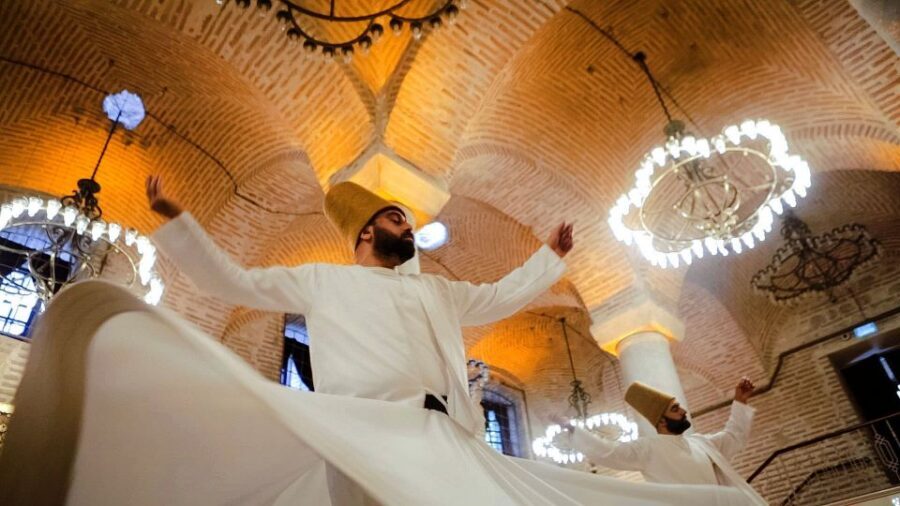
Even if your main goal is the whirling, Saruhan Kervansaray is where the tour often earns its “value” feeling. You get a photo stop plus a guided tour there, about 1.5 hours.
Why that matters: a ceremony like this isn’t just choreography. It’s part of a tradition with a setting that shapes the mood. Sitting in an older caravanserai environment helps you understand the wider culture around the Mevlana tradition, even if you don’t read every plaque.
What to expect practically:
- You’ll have time for photos during the Saruhan portion.
- You’ll also get guided context, which helps the ceremony make more sense later.
A small drawback to consider: your time at Saruhan and your time at the ceremony are both scheduled. So if you’re the kind of traveler who wants a slow, spontaneous wander, this tour will feel more structured than casual independent exploring.
Still, the Saruhan visit is one of the reasons this doesn’t feel like a “drive there, watch, drive back” transaction.
The Van stop: a brief reset on the road
There’s also a stop listed as Van for about 20 minutes. The tour doesn’t spell out what happens there (whether it’s a restroom stretch, quick snack window, or just a break), but treat it as a short reset.
This is where you’ll want to:
- refill water if you’re allowed to bring it,
- use the restroom if needed,
- and keep your day energy up.
Even a short stop can make the ceremony feel better, because you’re not arriving hungry or drained.
Inside the Mevlana Art Center or the ceremony space in Cappadocia
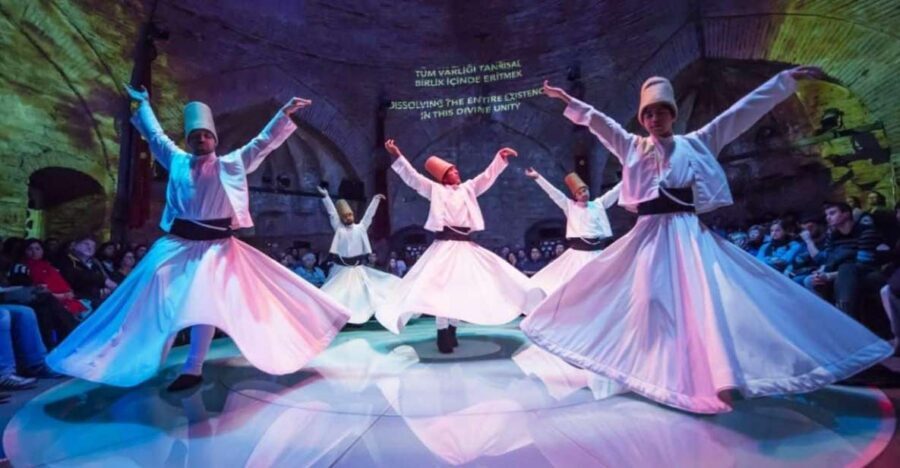
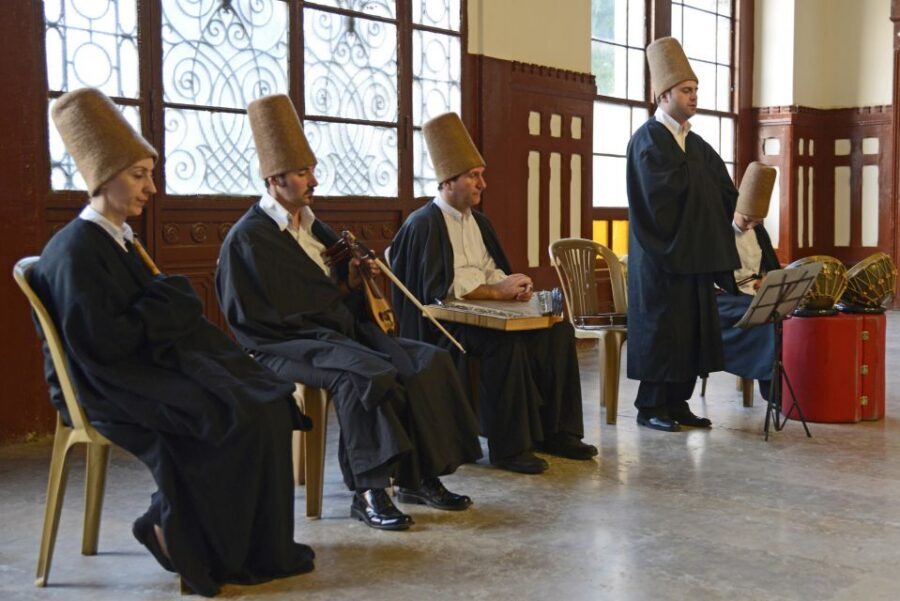
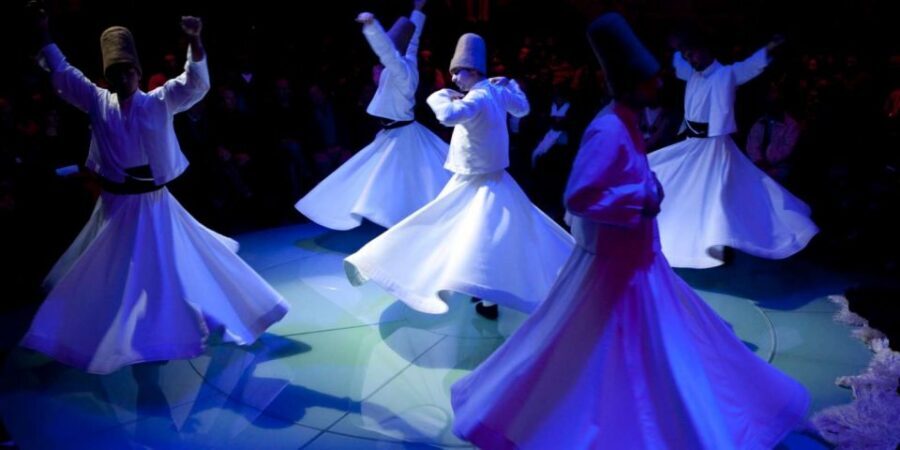
Now the main event: watching dervishes perform the ritual in a formal space. The experience is described as a program prepared by real dervishes of the Konya Mevlana Association, with a specialist guide included on the Cappadocia side.
The ceremony is not presented as a background entertainment show. It has a start, music, prayer, and then the whirling sequence. One review-style detail that really helps you set expectations: the ritual begins with reed music and drums, then shifts into the praying section before the whirling part starts.
That progression matters for your mental setup. If you arrive thinking you’ll only see a single highlight, you’ll miss the way the earlier stages build the mood. Give yourself permission to watch the full flow, even the parts that feel slower.
You should also know the tour is built for you to understand it. In at least one experience, visitors were given a small booklet that helped them follow what they were watching. You may also get spoken guidance depending on your language and the guide/driver.
One more reality check: language. The tour lists English, Russian, and Turkish for the driver, but if your guide happens to focus in another language, it can feel harder to connect the dots. Still, the structure of the ceremony does a lot of the teaching by itself.

Rules for cameras and the best way to plan your photos
This is the biggest “gotcha” in the whole day. During the ceremony, these are not allowed:
- cameras
- professional cameras
- video recording
- photography inside
- audio recording
So how do you handle photos?
Here’s the practical way I’d think about it: treat photography as a separate phase of your day. The tour includes photo opportunities at Saruhan Kervansaray and offers a chance to take photos at the end of the ceremony for a short period.
One review specifically noted that after the ceremony is complete, there’s a final dance where photos and video are permitted. The safest way to work with the rules is to wait until you’re told it’s the photo window, then shoot quickly and respectfully. Don’t try to improvise during the whirling section.
Also, remember that this is a religious ritual space. Even if you could technically capture something, you’ll enjoy it more if you’re fully watching with your own eyes first.
Food, drinks, and what to do with downtime
Food and drinks are not included. That matters when you’re leaving early and spending hours in a program with scheduled transfers.
At minimum, plan to handle:
- water and a simple snack before you leave,
- and any refreshments you can pick up during the Saruhan stop or the road break.
Because the ceremony itself is likely the main timing anchor, you don’t want hunger to distract you at the worst moment.
If you’re the type who gets wobbly waiting around, do yourself a favor and bring something small that won’t be a hassle. Keep it low-key and easy to eat during a short pause, not during the ceremony.
Price and value: what $50 really buys you
The listed price is about $50 per person, with duration ranging from 2 to 6 hours depending on starting times.
On its face, that might sound like a “show ticket.” But the value here is more than entry:
- Hotel pickup and drop-off take away the biggest headache in Cappadocia/Konya travel days.
- A dervish ceremony entrance ticket is included.
- You get a special stop at Saruhan Kervansaray with guided time, not just a quick photo moment.
- You also get language support through the driver (English, Russian, Turkish listed), plus a specialist guide on the Cappadocia ceremony option.
So you’re paying for transportation + structured timing + entry + guided time. If you were to do this independently, you’d likely spend similar money just on transport and tickets, plus you’d add time and stress.
Who gets the best deal?
- You want the ceremony experience without the logistics work.
- You like having a guide when context matters.
- You don’t mind a scheduled day with early departure.
If you’re already comfortable building your own transport and you only care about seeing whirling for a short highlight, you might find a cheaper independent option. But if you want a smoother, more guided route, this tends to feel fair.
Who this tour suits best (and who should skip it)
This isn’t a casual stroll. It’s a structured religious program with real restrictions and a formal setting.
This tour is not suitable for:
- people with mobility impairments
- people with claustrophobia
- people with epilepsy
- people with motion sickness
- babies under 1 year
If any of those apply, it’s worth looking for an alternative activity that fits your comfort level.
Who it fits well:
- Adults who enjoy cultural rituals and don’t need entertainment tricks.
- Travelers who appreciate historical settings and guided context.
- People who can handle no recording during the ceremony and still enjoy it fully.
For families, I’d be careful. One experience guidance point I saw was that it might not be the best fit for kids or teens. The rules and the seriousness of the ritual can make it feel less flexible than a “family show.”
Small details that can make your day smoother
A few practical tweaks can improve how the day feels:
- Arrive early to your pickup point so you don’t lose time.
- Expect long ceremony lead-in time if you’re starting from Cappadocia.
- Keep your camera access for the allowed photo window at the end.
- If you’re relying on English or Russian explanations, double-check in advance which language your driver/guide will use.
Also, since food isn’t included, treat the day like an all-day cultural block, not a quick half-hour activity.
Should you book the Konya or Cappadocia dervish ritual?
I’d book this if you want a respectful, structured look at the Mevlana tradition with the added bonus of a guided Saruhan Kervansaray visit and true hotel pickup. It’s especially attractive in early December when Şeb-i Arus runs from 07–17 December 2024 and the ceremony is tied to Mevlana Rumi’s anniversary.
I wouldn’t book it if:
- you must record video during the main ceremony segment,
- you can’t handle long early pickup windows,
- or the listed unsuitability categories apply to you.
If you’re on the fence, consider this simple test: do you want transportation-and-context handled for you, or do you prefer DIY? This tour is at its best when you want the logistics simplified and the ritual presented as a full experience, not a brief stop.
FAQ
Where are the pickup locations for this tour?
Pickup options include Konya, Çavuşin, Uçhisar, Göreme, and Ortahisar. Drop-off options include the same areas.
How long does the experience take?
The duration is listed as 2 to 6 hours, depending on the starting time you choose.
What’s included in the price?
Hotel pickup and drop-off are included, along with the dervish ceremony entrance ticket.
Is food or drinks included?
No. Food and drinks are not included.
Are cameras and videos allowed during the ceremony?
No. Cameras, professional cameras, video recording, photography inside, and audio recording are not allowed during the ceremony.
Are there any photo opportunities outside the ceremony?
Yes. The tour includes photo stop time at Saruhan Kervansaray, and there is also a chance to take photos at the end of the ceremony (once the ceremony is complete).
What languages are available?
The driver is listed as English, Russian, and Turkish.
When is the Şeb-i Arus ceremony held in 2024?
It is scheduled between 07 and 17 December 2024.
Is the tour suitable for people with mobility issues or claustrophobia?
No. It is not suitable for people with mobility impairments or claustrophobia, and it is also listed as not suitable for epilepsy and motion sickness.
Can I cancel for a refund?
Free cancellation is available up to 24 hours in advance for a full refund.