REVIEW · AUDIO TOURS
Istanbul: Hagia Sophia Entry Ticket with Digital Audio Guide
Book on Viator →Operated by Global Tours and Tickets · Bookable on Viator
Hagia Sophia feels like time travel. This self-paced ticket lets you step into one of Istanbul’s most talked-about buildings, where Christian and Islamic artistry share the same walls, ceiling, and floors. What makes it work so well is the digital audio guide paired with admission, so you’re not just staring at domes and mosaics—you’re also getting the story as you move.
I like two parts in particular: the skip-the-ticket-line entry and the chance to focus on the upper galleries at your own pace. You can also use the audio to understand what you’re looking at, instead of guessing why certain scenes matter.
One thing to consider: the ticket covers the viewing area and upper gallery, but it does not include access to the downstairs prayer area. So if you’re hoping for a full ground-level route, you’ll need a different option.
In This Review
- Key highlights before you go
- Hagia Sophia with skip-the-line access and a phone audio guide
- Entry rules that affect your route: upper galleries, not the prayer area
- Digital audio guide setup: download early and bring your own earphones
- What you’ll spend your time on inside: mosaics, calligraphy, and the dome effect
- Dress code and respectful behavior: plan clothing so you don’t lose time
- Timing at Hagia Sophia: opening hours, peak security lines, and how long to plan
- Price and value: what $40.49 includes and when it’s the right buy
- Should you book this Hagia Sophia ticket with audio guide?
- FAQ
- What is included with the Hagia Sophia entry ticket?
- Is this a guided tour?
- Do I need to download the audio guide app?
- Does the ticket include headphones?
- What parts of Hagia Sophia are included in this ticket?
- What are Hagia Sophia’s opening hours?
- Can I cancel and get a full refund?
- Is Hagia Sophia wheelchair or mobility accessible with this ticket?
Key highlights before you go
- Skip-the-ticket-line entry helps you start faster
- Digital audio guide turns quick sightseeing into a guided-feel visit
- Upper gallery access gives you great views without rushing the crowds
- Download instructions sent in advance so you can walk in ready
- Women cover head and shoulders; headscarves are available on-site for a small fee
Hagia Sophia with skip-the-line access and a phone audio guide
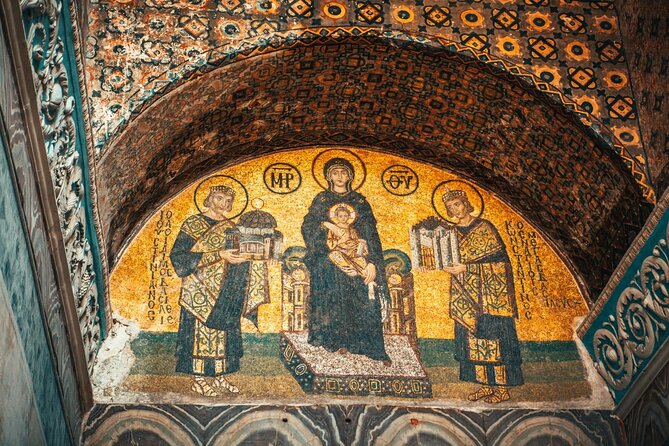
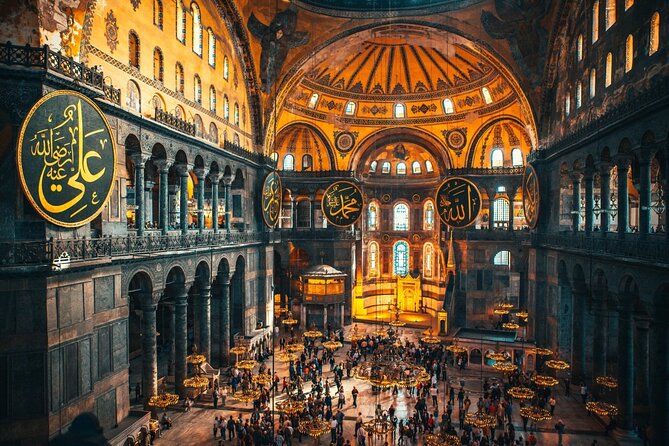
Hagia Sophia is one of those places where photos don’t explain much. The scale hits you first: that huge dome overhead, the layered walls, and the way light moves across interior surfaces. This ticket is built for that kind of reaction. You get entry to Hagia Sophia along with a digital audio guide, so you can connect the visuals to what each area means.
I also like that the audio guide doesn’t lock you into a group schedule. You’re entering on your own (so no waiting for a meeting point, no following a pace that’s too fast or too slow). If you enjoy lingering near mosaics and inscriptions, this format tends to suit you. If you prefer a quick lap with a few big stops, it also works, since the visit duration is listed at about 1 hour.
The practical win here is that admission + audio + skip-the-ticket-line is packaged together. At a site like Hagia Sophia—where lines can form quickly—saving time at the ticket counter matters.
Entry rules that affect your route: upper galleries, not the prayer area
This ticket grants access to the viewing area and upper gallery. It does not include access to the prayer area downstairs. That single detail changes your expectations.
Here’s how I think about it before walking in:
- Upper galleries are where you’ll see sweeping interior views and get a sense of how the building is composed.
- The downstairs prayer area is separate, and you’re not guaranteed access with this ticket.
- If the downstairs space is a major priority for you, double-check other ticket options before you book.
Another route detail matters too. Foreign tourists can enter through a newly opened tourist entrance near Topkapi Palace, then reach the upper floor galleries via a gentle ramp. That’s a nice setup if you want an easier approach to the upper levels. It also helps reduce the “Which door is mine?” stress when you arrive.
Also note: Hagia Sophia serves as a sacred site for worship. You’re asked not to take photographs of, or stare at, Muslims who are praying or performing namaz. Keep your camera down in those moments and you’ll have a smoother visit.
Digital audio guide setup: download early and bring your own earphones
The audio guide is a digital product you download to your phone using instructions in your voucher. You’ll also receive an information text one day before your tour with access and usage guidelines. The good news is that the guide is meant to accompany you during your visit, not replace it.
Here’s how to make it work in real life:
- Download the app in advance. Don’t rely on spotty data while you’re walking inside.
- Bring personal earphones. Headphones are not included.
- Keep an eye out for the email or message trail after booking. One of the common frustrations people note is that instructions can feel like they arrive in steps, so plan to check your inbox so nothing is missing.
In practice, the audio guide is what makes this visit feel more than sightseeing. Instead of standing under the dome thinking, “This is impressive,” you’ll get context that helps you read the building: what you’re seeing, why it’s there, and how Christian and Islamic elements coexist.
One caution: a digital audio guide only helps if you’re actually using it. If you hate headphone time, or you’re hoping for a hands-off experience, this may feel like extra work.
What you’ll spend your time on inside: mosaics, calligraphy, and the dome effect
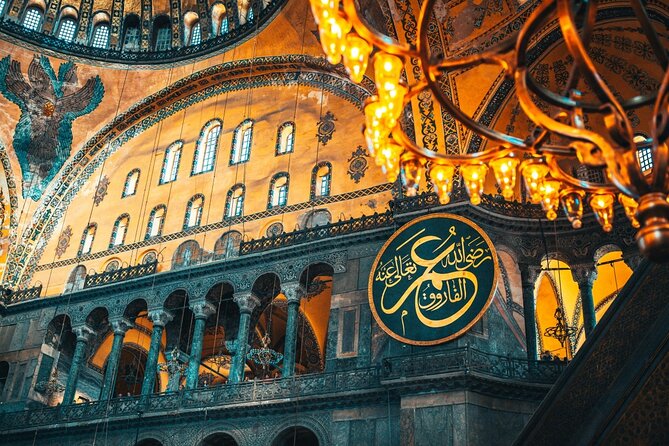
Even with a self-paced ticket, Hagia Sophia pushes you toward a few “must-looks.” From the upper gallery area, you’ll be in the right spot to appreciate the building’s engineering and decoration at the same time.
Expect to focus on:
- The magnificent dome and the dramatic way it visually hangs over the interior
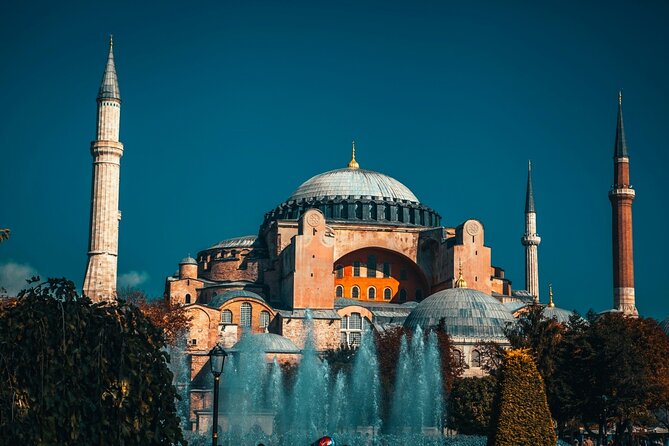
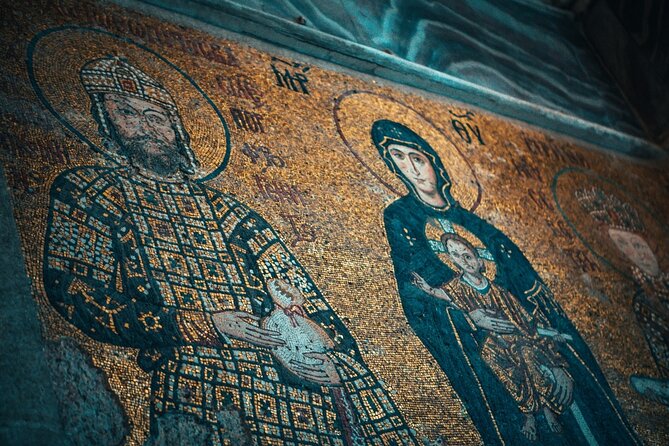
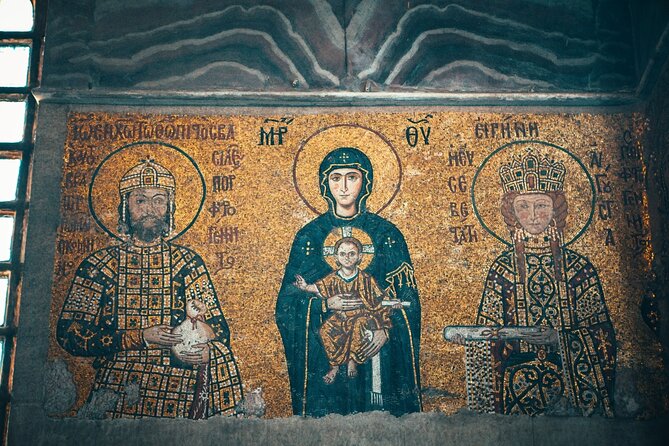
- Mosaics that reflect the building’s Christian-era layers
- Calligraphic panels tied to later Islamic art and tradition
If you’re a person who likes to understand how buildings were made, this is a strong stop. The dome is the star, but it’s not the only one. The way interior surfaces are decorated is part of the story—so pause at eye level, not just at the ceiling line.
The upper gallery also tends to create a “big picture” feeling. You can step back and see how different elements relate to each other. One review noted that the gallery view was beautiful, and I agree with that logic. If you’re only there for the top views, you’ll feel like you got value. If you were expecting a full ground-level route with every area accessible, you might feel slightly capped.
Dress code and respectful behavior: plan clothing so you don’t lose time
Hagia Sophia has clear visitor rules, and they’re not just for show. You’re expected to cover:
- Women: cover head and shoulders
- Everyone: cover knees
Headscarves and body coverings are available at the ticket booth for a nominal fee. That’s useful if you arrive without the right clothing. I’d still try to dress accordingly so you’re not changing in a hurry on-site.
There’s also photo etiquette tied to worship. You’re kindly asked not to take photographs of, or stare at, Muslims praying or performing namaz. Keep your camera ready for the non-worship areas, and when you see people praying, treat it like a museum moment plus a house-of-worship moment: quiet, respectful, and out of the way.
If you’re traveling with kids, remember that children under 7 must be accompanied by an adult with a valid passport or ID card.
Timing at Hagia Sophia: opening hours, peak security lines, and how long to plan
Hagia Sophia is open 9:00 AM to 7:00 PM. The experience duration is listed at around 1 hour, but that’s a baseline. If you use the audio guide seriously—pausing to listen at different stops—you may want closer to 75 to 90 minutes, especially if you arrive during a busy window.
One logistical point is easy to misunderstand: the ticket includes skip-the-ticket-line, but it does not provide priority access at security checkpoints. During peak seasons, security lines can still slow you down, and entry may take longer than usual.
My advice is simple:
- Arrive earlier rather than later if you can.
- Treat security as the bottleneck, not the ticket counter.
- Once inside, use the audio guide to pace yourself instead of rushing to see everything.
Also keep an eye on weather and your energy level. You’ll be standing and walking inside a large, active space with rules to follow. Comfort matters more than speed.
Price and value: what $40.49 includes and when it’s the right buy

The price is $40.49 per person. For that, you’re getting a package:
- Hagia Sophia entry ticket
- Digital audioguide
- Skip the ticket line
- Headphone not included
There’s no guide/host with this ticket, and food and beverages aren’t included, either. That’s not a downside if you like self-guided travel. But if you want a human explanation and Q&A, you’d need a different kind of tour.
Is it good value? I’d say yes if:
- You plan to use your phone for audio during the visit.
- You want upper gallery access and a structured way to understand what you’re seeing.
- You’d rather spend your time inside than wasting it at the ticket counter.
It’s less compelling if:
- You hate downloading apps or troubleshooting phone audio.
- You were hoping for full downstairs prayer area access.
- You’re expecting headphones included.
One extra note on add-ons: the History & Experience Museum ticket is included only if you choose the combined option. This ticket, by itself, doesn’t automatically include that museum entry.
And because availability is tighter than it looks on a casual glance, this experience is booked around 13 days in advance on average. If you’re visiting in high season, planning ahead will save you stress.
Should you book this Hagia Sophia ticket with audio guide?
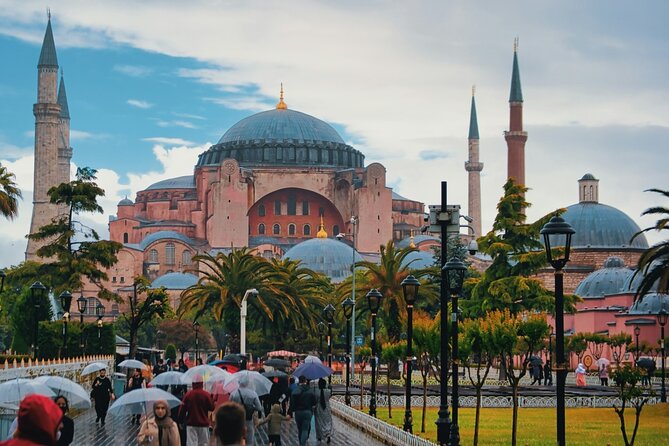
Book it if you want a smooth, self-paced visit with built-in context and you’re happy focusing on the upper galleries. The combination of skip-the-ticket-line plus a downloadable audio guide is exactly the kind of value you can feel during the day—less waiting, more understanding.
Skip this specific option (or check alternatives) if you’re mainly interested in areas outside the viewing area and upper gallery, especially the downstairs prayer area. Also rethink it if you don’t want to manage a phone app, or if you won’t bring earphones.
If your goal is to see Hagia Sophia in a way that actually helps you read the building—dome, mosaics, and calligraphy—this ticket is a strong choice.
FAQ
What is included with the Hagia Sophia entry ticket?
You get Hagia Sophia entry, a digital audio guide, and skip-the-ticket-line access. A History & Experience Museum ticket may be included only if you select a combined ticket option.
Is this a guided tour?
No. This is not a guided tour. You enter the attraction on your own and use the digital audio guide independently.
Do I need to download the audio guide app?
Yes. The audio guide is a digital product you download to your phone using the instructions in your voucher. You’ll also receive more access and usage details by text one day before your tour, so downloading in advance is recommended.
Does the ticket include headphones?
No. Headphones are not included, so you’ll want to bring your own earphones.
What parts of Hagia Sophia are included in this ticket?
This ticket includes entry to the viewing area and the upper gallery. It does not include access to the prayer area downstairs.
What are Hagia Sophia’s opening hours?
Hagia Sophia is open from 9:00 AM to 7:00 PM.
Can I cancel and get a full refund?
Yes. You can cancel for a full refund up to 24 hours before the experience’s start time (based on local time). If you cancel less than 24 hours before, the amount paid is not refunded.
Is Hagia Sophia wheelchair or mobility accessible with this ticket?
The ramps and stairs in this area are not accessible for individuals with disabilities or those who have difficulty walking. The guidance provided is to use the Turkish Citizen Entrance instead.