REVIEW · GOREME
Whirling Dervish Show
Book on GetYourGuide →Operated by Highline Cappadocia Travel · Bookable on GetYourGuide
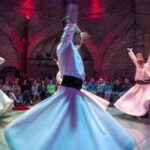
The first spin is always a surprise. This is a Whirling Dervish Sema ceremony in Central Anatolia that feels closer to meditation worship than a typical stage show. The music, the slow ritual pacing, and the dervish’s movements are built around meaning, not entertainment.
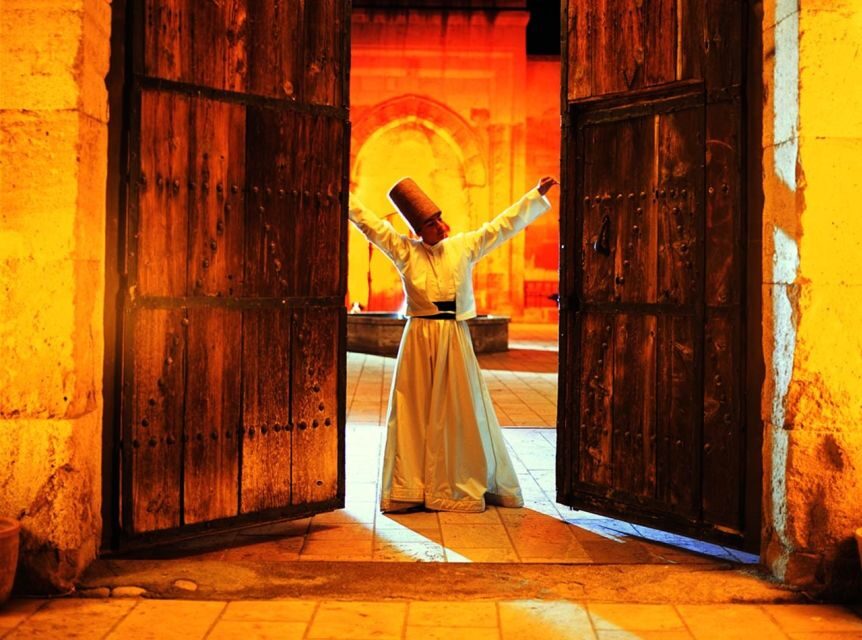
What I really like is how the ceremony explains the spiritual journey in motion. You’ll see the dervish’s symbolism clearly, from the white skirt and the hat that represents the ego, to the black cloak he removes as the ritual progresses. I also like that you get hotel pickup and drop-off, which keeps the day simple when you’d rather spend energy watching than figuring out transport.
One thing to consider: it’s not a casual photo moment. The ceremony focuses on the ritual itself, and based on past visitors’ notes, filming isn’t allowed, and the photo/video time at the end can feel brief.
In This Review
- Key things to notice before you go
- What this Whirling Dervish Sema really is (and why it matters)
- The ceremony symbolism: what you’re watching during the hour
- Your 1-hour plan: how the timing affects your experience
- Hotel pickup and English driver: simple logistics that keep your mind on the ritual
- The venue feel: intimate atmosphere and organized seating
- Photos and video: what you can capture without breaking the moment
- Price and value: is $49 for an hour worth it?
- Who should book this (and who might skip it)
- Should you book the Whirling Dervish show?
- FAQ
- How long is the Whirling Dervish show?
- What is the price per person?
- Is hotel pick-up and drop-off included?
- Is there an English-speaking driver?
- Can I cancel for a full refund?
- Is video or filming allowed during the ceremony?
Key things to notice before you go
- Meditation-style Sema rather than a typical performance
- Religious symbolism shown through the dervish’s cloak, skirt, and hat
- Intimate venue feel with organized seating
- English support from your driver during pickup and drop-off
- Limited media during the ceremony, with a short chance at the end
What this Whirling Dervish Sema really is (and why it matters)
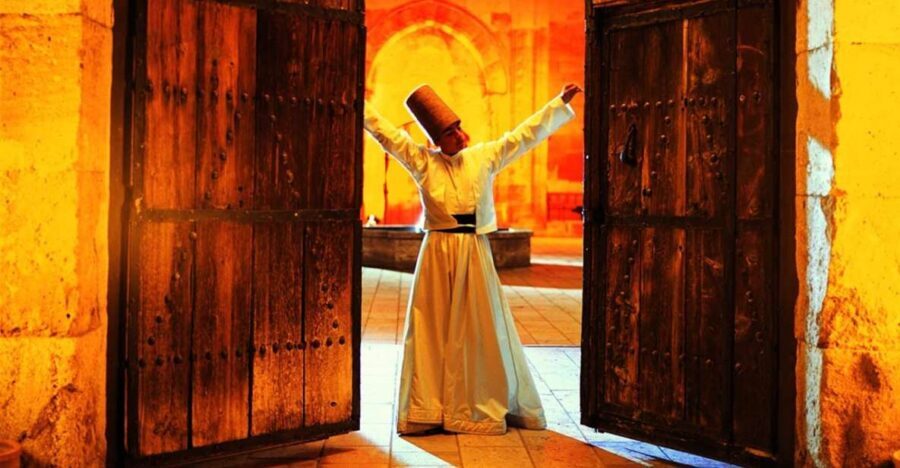
A lot of people book whirling dervishes because they’ve seen a dramatic video clip online. That’s not the vibe here. This ceremony is framed as a genuine meditation worship ritual, using traditional reed instruments and a pacing that feels more like a spiritual service than a “watch and clap” show.
That changes how you should experience it. If you come in expecting a concert, you may feel slightly impatient. If you come in ready to observe, you’ll notice how the dervish’s posture, timing, and gestures carry the message step by step. The Sema is described as a mystical journey where a person moves upward through love, searches for truth, and then reaches “Perfect.” After that transformation, the dervish returns as someone who serves all creatures with love, regardless of faith, class, or race. That’s a big idea, but it’s communicated in a very physical way.
You can also read our reviews of more tours and experiences in Goreme
The ceremony symbolism: what you’re watching during the hour
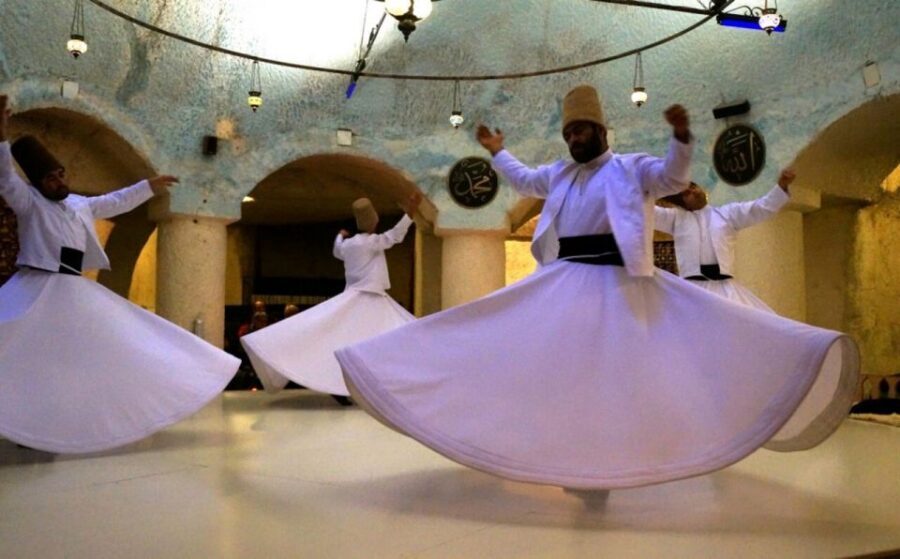
The Sema ceremony has a narrative structure, even if you’re not reading a program. Here’s what you’re meant to notice while you watch the dervish.
Arms crossed at the beginning and at each stage
At the start, and throughout each part of the ceremony, the dervish keeps his arms crossed. The symbolism given is that this represents the number one and serves as a witness to the oneness of Allah. In practice, this means the ritual isn’t just about spinning. It’s about controlled movement and intention.
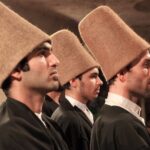
The Cappadocia Whirling Dervish hat and the white skirt
Two items do a lot of storytelling:
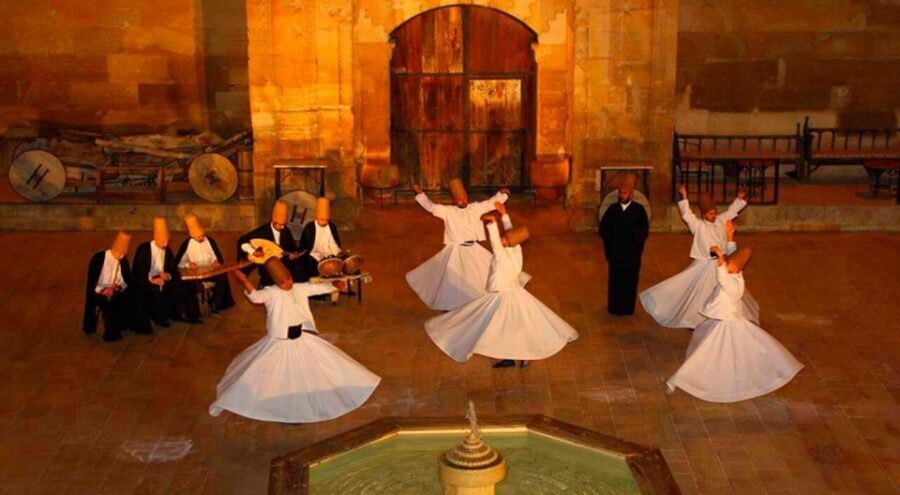
- The Cappadocia Whirling Dervish hat is described as the tombstone of his ego.
- The white skirt is described as the cover of his ego.
So when you see the dervish dressed in those layers, it isn’t costume in the casual sense. It’s part of the “spiritual birth” symbolism: the idea is that the dervish is spiritually born into truth.
Removing the black cloak
When he takes off the black cloak, the ceremony’s meaning shifts toward progression from the heavens to spiritual maturity. Visually, this is one of the clearest “turning points” in the ritual. If you want one moment to keep your eyes locked on, make it this stage.
Even if you’re not religious, the symbolism is still readable. You’ll see a person acting out a transformation arc with posture and garments, not just movement. That’s why this experience can feel meaningful without needing faith.
Your 1-hour plan: how the timing affects your experience
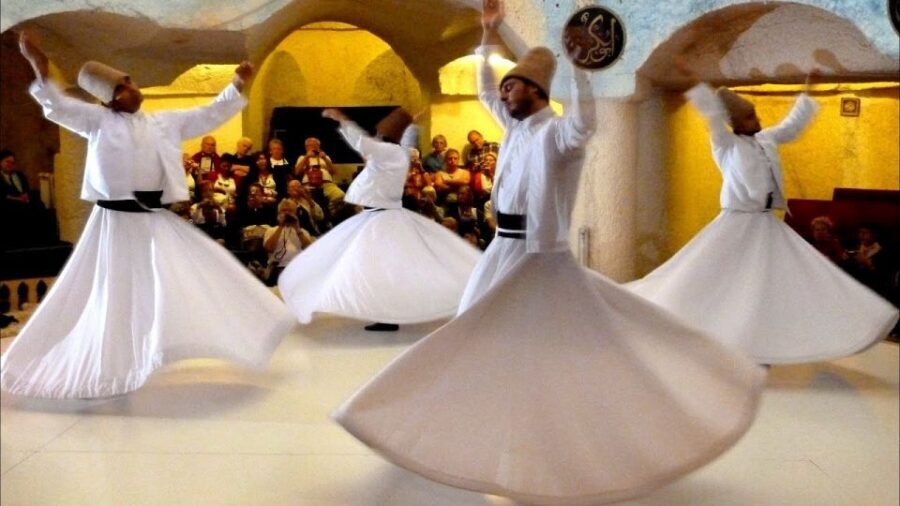
The total duration is 1 hour. In a short window, the organizers can’t afford to waste time, and that’s part of the feel: you get a focused ceremony without a long lead-in.
Here’s how to set your expectations:
- You’ll be transported from your hotel area to the venue and back.
- You’ll have time to sit and watch the ritual in an organized space.
- The ceremony itself runs in one continuous flow, based on the described stages of the Sema.
Because the hour is tight, I recommend arriving ready to settle in quickly. Don’t plan extra wandering right before pickup or you’ll feel rushed. When your schedule is compressed, small delays get loud.
Hotel pickup and English driver: simple logistics that keep your mind on the ritual
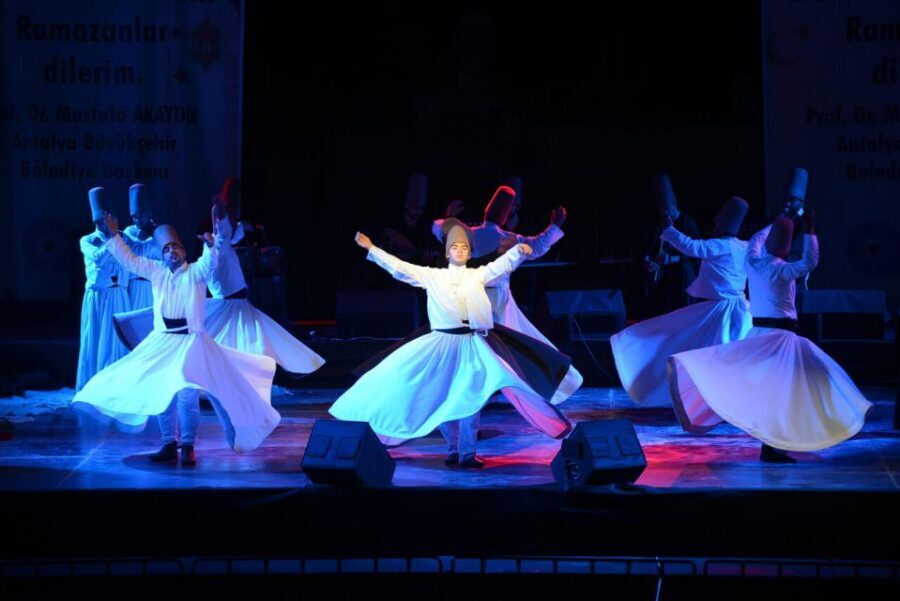
One of the nicest, practical parts here is that hotel pick-up and drop-off are included. You’re not trying to solve taxis on a night that can get busy. You’re also not relying on your own navigation while you’re already mentally switching into “watch mode.”
Past visitors have described pickup by bus from their hotel area, and also pickup via taxi arranged by the provider. In one case, the drop-off happened at a different address in Göreme than expected, though the driver was described as friendly. That’s a useful reminder: confirm the exact drop-off point when your driver arrives, especially if your hotel has multiple entrances or if you’re in a cluster of properties.
English is supported by the driver, which matters. Even a small language gap can become annoying when you’re coordinating timing.
The venue feel: intimate atmosphere and organized seating
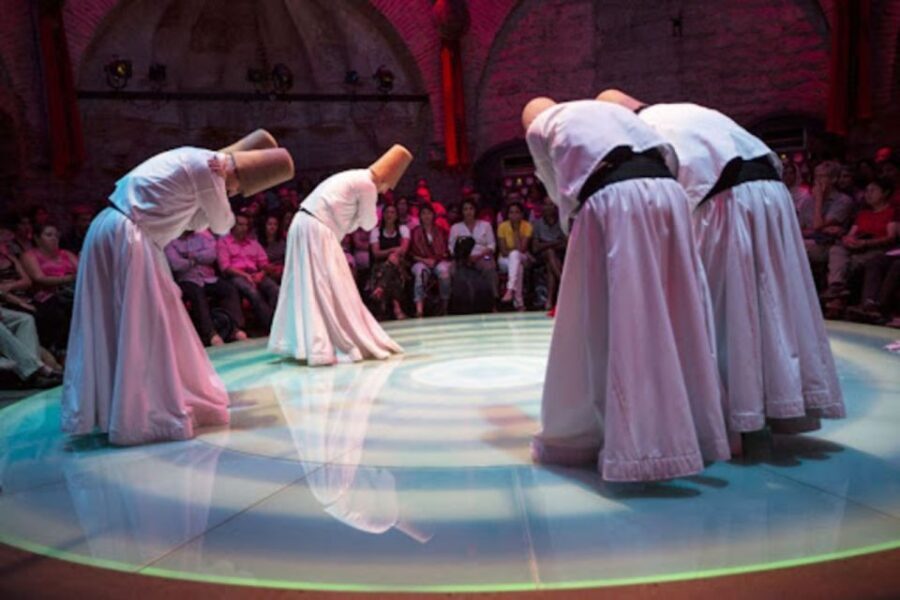
The ceremony is set up to feel intimate and atmospheric, not like a giant arena event. One of the standout comments you’ll notice from people who book this is how organized the whole experience feels: transportation, seating, and the overall structure of the event.
That organization matters for a spiritual-style ceremony. When the room is ordered, you can focus on what’s in front of you instead of dealing with crowd chaos. You also get a better chance to watch details like posture changes and the stage where the black cloak comes off.


Photos and video: what you can capture without breaking the moment
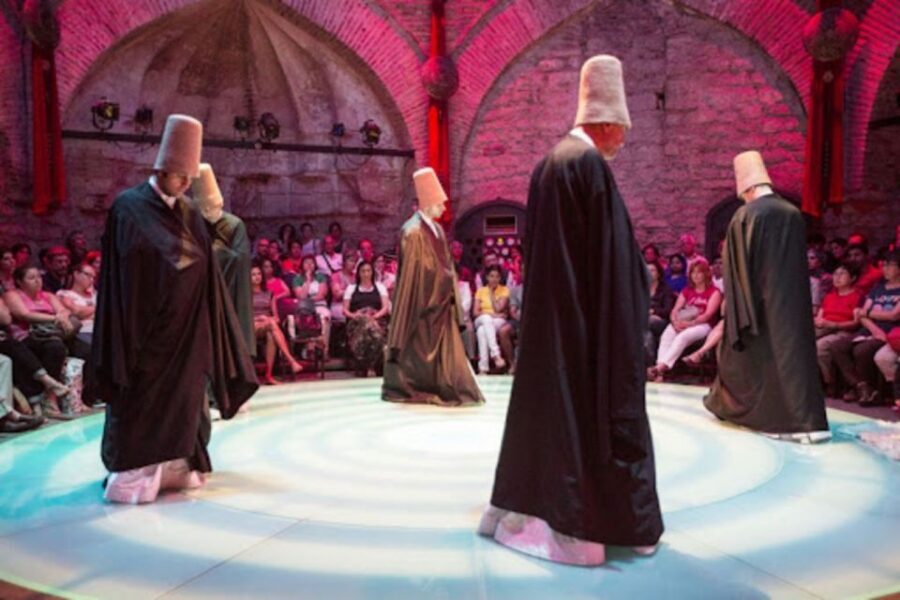
This is the part to plan for. Based on what’s been reported, filming during the ceremony isn’t allowed, and you’re given a brief time at the end to take photos or short video clips. One visitor timed it around 2–3 minutes; another noted the photo moment felt too short to capture the ceremony style they wanted.
So here’s my practical advice:
- Decide in advance how you’ll shoot. If you want video, you’ll likely be limited to the end window.
- If photography matters most to you, prioritize getting a few solid shots during that final moment rather than trying to grab everything.
- Keep your phone charged. A short photo window plus low battery is a rough combo.
The upside is that the ceremony stays respectful and un-rushed. The downside is you may want more media time. If you’re a photographer who needs time to compose, consider going in knowing that your camera won’t run the show.
Price and value: is $49 for an hour worth it?
At $49 per person for a 1-hour ceremony with hotel pickup and drop-off, you’re paying for a packaged cultural experience with transportation included. In Cappadocia, that kind of convenience often saves more time than you expect, especially in areas like Göreme where the streets can be tight and taxi routes can vary.
Is it “cheap”? No. But it’s also not priced like a full-day tour. The value comes from two things:
- You’re buying access to a structured Sema ceremony in an organized venue.
- You’re not taking on logistics alone. Pickup and drop-off remove a layer of stress.
If you care about spiritual ritual and cultural context, this is a good match. If you’re mainly chasing whirling footage for social media, you might feel the limitations around filming and the short end photo window.
Who should book this (and who might skip it)
This works best if you:
- Want a cultural experience that feels ceremonial, not just scenic.
- Enjoy watching symbolism and movement with meaning.
- Prefer an organized event with pickup included, guided only as needed by an English-speaking driver.
You might skip or reconsider if you:
- Need long photo/video time during the ceremony.
- Want a more interactive, narrated tour format. (Here, the ceremony itself does most of the “storytelling,” based on the symbolism described.)
Should you book the Whirling Dervish show?
My honest take: if you’re in Central Anatolia and you’re open to a meditation-style ritual, book it. The combination of meaningful symbolism, organized venue setup, and included transport makes it an easy add-on that doesn’t eat your whole day.
If your top priority is filming or long photo opportunities, read this as a heads-up. The ceremony is protected from distraction, and the media window at the end is brief. In that case, you may still enjoy the ritual, but your camera won’t capture everything the way you’d hope.
FAQ
How long is the Whirling Dervish show?
The experience lasts 1 hour.
What is the price per person?
It costs $49 per person.
Is hotel pick-up and drop-off included?
Yes. Hotel pick-up and drop-off are included.
Is there an English-speaking driver?
Yes, the driver speaks English.
Can I cancel for a full refund?
Yes. You can cancel up to 24 hours in advance for a full refund.
Is video or filming allowed during the ceremony?
Based on notes from past visitors, filming isn’t allowed during the ceremony. A short photo or video time is allowed at the end, about 2–3 minutes.