Rome is waiting under your feet. Going underground in Istanbul is the real wow factor here. You get a guided walk that connects Roman and Byzantine remains with the modern streets above, so the city feels like one long story told in stone, water, and faith.
I especially like two parts of this tour. First, you spend real time with the ancient cisterns and the hidden spaces that explain how the Byzantines kept the city running. Second, you visit landmarks like Kucuk Ayasofya (Gazi Süleyman Paşa Mosque), a church-turned-mosque often described as a kind of rehearsal for Hagia Sophia, plus a stop at the historic Hippodrome area near Sultanahmet Square.
One thing to keep in mind: the format is very “walk + sites,” and the total time can lean closer to the lower end of the range. Also, the tour starts at a fixed meeting point in the old city area, not a hotel pickup, unless you’ve arranged something specific—so plan to reach Binbirdirek by the 10:00 am start.
In This Review
- Key points worth your attention
- Walking From Sultanahmet Into Byzantine Istanbul
- Constantine’s Palace and the Underground Scale of the City
- Kucuk Ayasofya Mosque: A Church Model for Hagia Sophia
- Cisterns and Byzantine Chapels You Only Understand With Context
- Hippodrome Ground Marks Near Sultanahmet Square
- Price and Logistics: Is $45 Actually Good Value?
- What You’ll Notice During the Walk
- Who This Tour Fits Best
- Should You Book Ancient Rome Under Istanbul?
- FAQ
- What time does the tour start?
- Where is the meeting point?
- How long is the tour?
- How much does it cost?
- What’s included in the price?
- Are admissions included?
- How big is the group?
- Is the tour refundable if I cancel?
- Is this tour suitable for most travelers?
Key points worth your attention
- Underground Byzantine Istanbul: you’ll see why so much of the past is literally underfoot.
- Constantine’s Palace focus: the tour ties major imperial sites to the city’s everyday layout.
- Cistern time: you get to understand how these water systems worked, not just look at them.
- Kucuk Ayasofya context: the architecture and transformations between church and mosque matter here.
- Small group energy: up to 15 travelers keeps the walk manageable.
- Best for self-directed travelers: you’ll get enough background to enjoy the sites even after the tour ends.
Walking From Sultanahmet Into Byzantine Istanbul
This is one of those Istanbul tours that feels like a shortcut to understanding the city. Above ground, Sultanahmet and Fatih neighborhoods can look like classic Ottoman-era scenery. But step into the underground and the tone changes fast: suddenly you’re thinking in centuries earlier, when emperors, churches, and civic engineering shaped daily life.
You’ll follow a guide through old corridors and around sites where the past doesn’t sit behind glass. It sits under shops, beside walls, and under structures still in use. That’s the magic of Istanbul: layers, not a museum-like clean break. The tour’s value is that your guide connects the dots between what you’re seeing now and what the buildings originally were.
Expect a mix of street-level context and time spent looking at remains where you’d never think to look on your own. The stops are short enough that you don’t get bored, but long enough that the explanations actually land.
Constantine’s Palace and the Underground Scale of the City
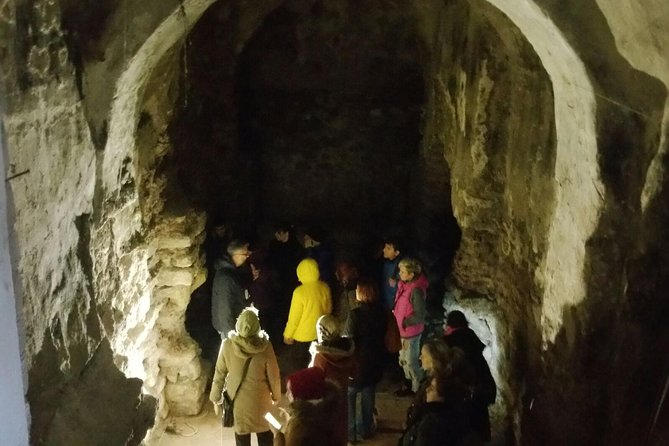
The core theme is Byzantine Istanbul from below ground. The tour highlights Constantinopolitan power and devotion—so you’re not just collecting photos of cool basements. You’re learning how major imperial projects and religious spaces ended up underground as the city kept growing.
Constantine’s Palace is part of the story, and that matters because it anchors the “why” behind the ruins. When you understand that this was an imperial capital with big building ambitions, the scale of the underground spaces makes more sense. Even if you’re not an architecture buff, you start noticing patterns: changes in building layers, reused stonework, and the way later construction wrapped earlier structures.
This is also where a good guide makes the difference. The best tours in Istanbul don’t just tell you names—they help you picture the city’s logic. During this experience, you’ll be guided through that mental map. You come away understanding why these locations are hidden in plain sight and why “underground” is not an exception in Istanbul. It’s the norm.
Practical note: you’ll want comfortable shoes and the patience to move at a walking pace. Underground sections can mean uneven surfaces and stairs. Nothing extreme is promised, but Istanbul rarely gives you flat, simple footing.
Kucuk Ayasofya Mosque: A Church Model for Hagia Sophia
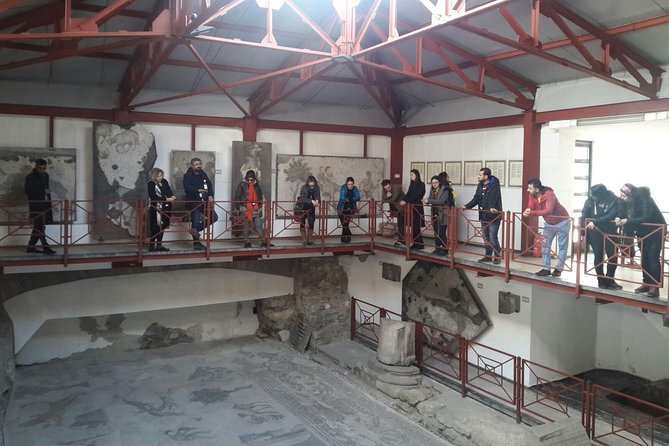
One of the standout stops is Kucuk Ayasofya, also known as Gazi Süleyman Paşa Mosque. This is the kind of site that rewards you with context. If you’ve only seen the big icons, this “smaller cousin” teaches you how ideas spread through design.
You’ll learn that it began as a church and later became a mosque—exactly the sort of cultural shift that shaped Istanbul’s skyline. What makes this stop useful is the architecture talk. The tour frames Kucuk Ayasofya as a model for the architects who later worked on Hagia Sophia. So instead of staring at details without a map, you’re given a lens: this building influenced others.
You’ll also get stories tied to the space. Even when the visible structure seems compact, the guide helps you read it like a timeline. That’s the real payoff: you understand why conversion mattered, why style mattered, and how communities left their marks through centuries of use.
Cisterns and Byzantine Chapels You Only Understand With Context
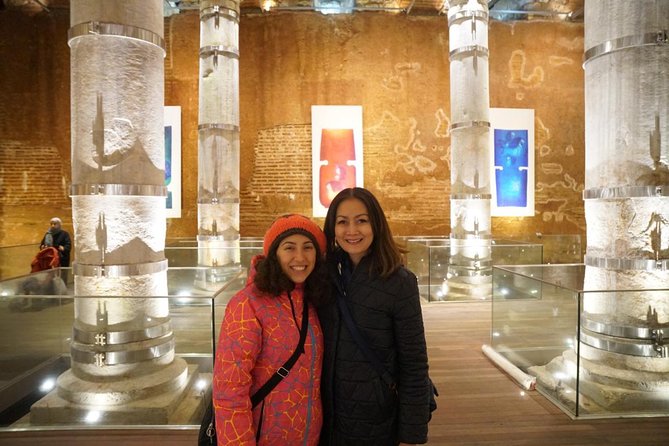
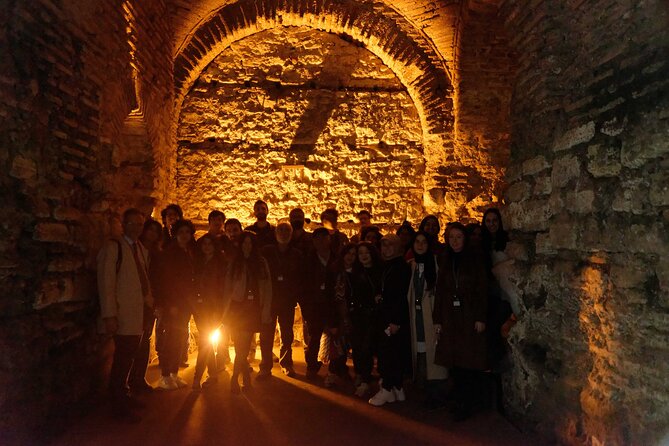
The tour’s strongest content is the underground portion—especially the ancient cisterns. These aren’t just “old water storage rooms.” In Istanbul, cisterns are part of the city’s survival. When your guide explains the function and the engineering logic, you start seeing the space differently.
You’ll look at hidden cisterns and Byzantine chapels remains as part of the same bigger picture: how the Byzantines organized life around water, worship, and monumental design. That connection is what makes this tour feel more than a checklist. You’re learning how different needs—water for daily life and sacred spaces for community—show up in the architecture.
One reason this works well in practice is the pacing. The cistern and chapel time is enough for photos, but also enough for an explanation to stick. You’re not rushing through in silence.
If you’re the kind of traveler who likes to imagine daily routines from long ago, this stop will land with you. The tour encourages that mental visualization: how people moved, where they gathered, and what systems had to work behind the scenes.
Hippodrome Ground Marks Near Sultanahmet Square
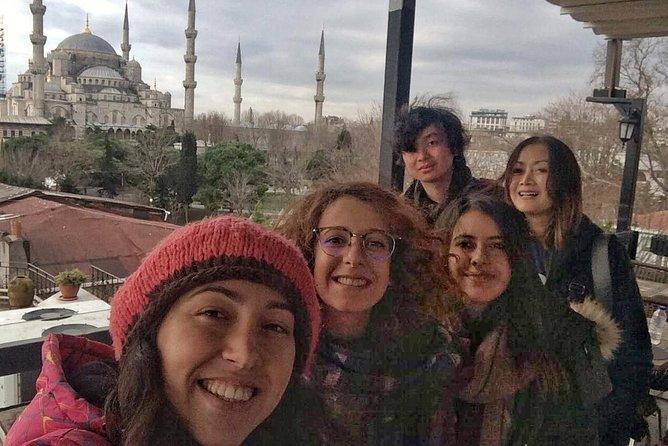
You also get a surface landmark: the Hippodrome area, now associated with Sultanahmet Square. It’s a different kind of “history reading” than the underground cisterns. Here, the guide helps you translate what you see today into what used to happen there—chariot racing, public celebrations, and the political theater of a big capital.
This stop is shorter, but it helps you rebalance the tour. After underground spaces, it’s satisfying to step out and connect the past to the busy modern square above. The Hippodrome lesson is basically this: civic entertainment and power weren’t separate categories. In Byzantium, the public square served as a stage.
Even if the physical remains aren’t dramatic in the way you might expect from Rome, the guide’s context gives it meaning. You’ll walk away with a stronger sense of where the energy of the city used to focus.
Price and Logistics: Is $45 Actually Good Value?
At $45 for a 3 to 5 hour experience, the value largely depends on what you want from a guide. If you enjoy explanations and want access to places you might not find on your own, this price can feel fair.
Several things help the price. You’re getting a professional guide, and the tour includes taxes, fees, and handling charges. You also have a mobile ticket. The itinerary stops are listed as admission ticket free, which can make a big difference in cities where individual site entries add up.
Group size is capped at 15. That’s a sweet spot: large enough that the tour doesn’t feel like a private lecture, small enough that you can actually hear your guide.
Now for the realistic part. One major complaint that can affect your expectations is time. Some people report the experience feeling closer to 3 hours rather than 5. Another complaint is about format and where the time goes, including a tea stop and a shop visit on at least some days. None of that means it’s bad, but it does mean you should treat the listed duration as a range and not a promise. If you’re on a tight schedule, build in buffer time.
Also, start location matters. The meeting point is in the old city area at Binbirdirek, in Fatih. If you’re used to hotel pickup in other cities, this tour won’t operate that way by default.
What You’ll Notice During the Walk
Here’s what the tour tends to emphasize in a practical, day-to-day way.
You’ll notice layers. Modern buildings sit directly above ancient ones, and the underground spaces are the proof. You’ll also notice that the guide talks about architecture, not just dates. That’s important because Byzantine history can feel abstract until someone gives you a way to read buildings.
Guide quality seems to be the main driver of satisfaction. Names that come up often are Ece and Ege, and when the guide is strong, the tour turns into something personal: clear explanations, a friendly pace, and help making sense of what you’re seeing.
You’ll also probably want to plan your energy. Wear comfortable shoes. If you normally skip breakfast or run on empty, consider eating beforehand, because this is active walking plus underground time.
Who This Tour Fits Best
This is a strong match if you want:
- A guided way to understand Istanbul’s Byzantine layer, not just Ottoman icons
- Time in unusual spaces like cisterns and underground remains
- A walking route with short, focused stops
It’s also a good choice if you don’t have a lot of time in the city. You can get a concentrated “under Istanbul” experience in half a day.
It may be less ideal if you hate retail-style interruptions or you’re the type who wants only major open sites with long photo pauses. If your goal is purely to see famous monuments for hours, you might find the pacing and the mixed stop types less satisfying. The tour is built for story and interpretation.
Should You Book Ancient Rome Under Istanbul?
My take: yes, if you enjoy context and you’re curious about the city below the city. For $45 with a guided focus on Constantine’s Palace themes, cisterns, and Byzantine chapels remains, you’re paying for translation—turning scattered ruins into one coherent story.
Book if:
- You want to see Byzantine Istanbul in a way most visitors miss
- You’re comfortable with a walking tour and short site stops
- You like architecture and how buildings change over time
Skip or reassess if:
- Your schedule is very tight and you can’t handle a range closer to 3 hours
- You’re unwilling to spend any time around tea breaks or shop stops if they happen on your day
- You expect hotel pickup as a standard part of the experience
If you do book, the best prep is simple: plan to arrive early enough to find the meeting point, wear sturdy shoes, and go in ready to think in layers.
FAQ
What time does the tour start?
The start time is 10:00 am, and the experience ends back at the meeting point.
Where is the meeting point?
You’ll meet at Binbirdirek, Divan Yolu Cd. No:15, 34122 Fatih/İstanbul, Türkiye.
How long is the tour?
The duration is listed as about 3 to 5 hours.
How much does it cost?
The price is $45.
What’s included in the price?
It includes a professional guide and all taxes, fees, and handling charges. You also receive a mobile ticket.
Are admissions included?
The stops are shown as admission ticket free in the tour structure.
How big is the group?
The tour has a maximum of 15 travelers.
Is the tour refundable if I cancel?
Yes. You can cancel up to 24 hours in advance for a full refund.
Is this tour suitable for most travelers?
Most travelers can participate. Service animals are allowed, and the meeting area is near public transportation.
If you tell me your travel dates and what other Istanbul sights you plan to hit the same day, I can suggest a smart order so this fits smoothly into your schedule.