REVIEW · ISTANBUL
Istanbul: Whirling Dervishes Ceremony and Mevlevi Sema
Book on Viator →Operated by Istanbul E-pass · Bookable on Viator
A meditative whirl in the heart of Istanbul. I love the Mevlevi Sema tradition in Kızlarağa Medresesi, tied to UNESCO Intangible Heritage of Humanity, and I also love the way the live chanting makes the whole room feel focused. One catch: there’s often limited explanation before things begin, so a little prep helps you get the meaning as it unfolds.
This is a 50-minute experience (about an hour) starting at 7:00 pm. It uses a mobile ticket and the venue is near public transportation in Sultanahmet, so you can plan it without complicated logistics. It’s also built for real-world visitors—most people can participate, and it’s a cultural outing you can do with the whole family.
Expect the ceremony to feel intimate. The spinning part is only part of the total time, and the venue is small enough that arriving on time matters for where you sit (or whether you end up standing).
In This Review
- Key highlights you should know before you go
- What the Mevlevi Sema is really about (and why the whirl matters)
- Kızlarağa Medresesi at 7:00 pm: what the venue feels like
- The 50-minute structure: chanting first, whirling later
- Music and instruments: why it feels so close to you
- Respectful etiquette: how to protect the quiet and your view
- Price and value at about $24: what you’re paying for
- Logistics without pickup: simple planning that avoids stress
- Should you book this Whirling Dervishes ceremony in Istanbul?
- FAQ
- How long is the Whirling Dervishes ceremony?
- What time does the ceremony start?
- Where does the ceremony take place?
- Is the admission ticket included?
- Do I get pick-up and drop-off?
- How do I receive my ticket?
- Is free cancellation available?
- Is it suitable for most travelers?
Key highlights you should know before you go
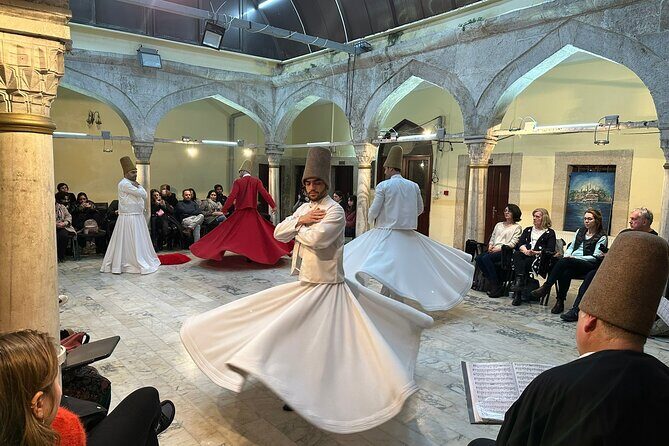
- UNESCO-linked tradition: Mevlevi Sema is recognized as a UNESCO Intangible Heritage of Humanity, with roots reaching back roughly 800 years.
- Symbolic, not theatrical: This Sufi ceremony represents the degrees of the path to Allah, with strict structure and religious meaning.
- Live music first, whirling later: A good chunk of the program is singing and live instruments before the dervishes begin rotating.
- Small venue, good sightlines if you arrive early: Many seats have decent views, but prime spots go to early arrivals.
- Keep expectations respectful: The experience is worship-centered, so latecomers, loud behavior, and blocking the space can ruin the mood.
- Solid value for a real ritual: At $24.02 per person for a full, live ceremony, it’s a strong buy for Istanbul cultural nights.
What the Mevlevi Sema is really about (and why the whirl matters)
The Whirling Dervishes ceremony you’re seeing is the Mevlevi Sema, a Sufi ritual with structure. It’s not just dancing for the sake of performance. The ceremony symbolizes the degrees of the path to Allah, and it’s carried out with religious elements and rules that give the whole experience a disciplined feel.
The Mevlevi tradition traces back through figures connected to Mavlana Jalaluddin Rumi, the poet and spiritual teacher whose name you’ll see everywhere in Turkish Sufi history. The Sema form was refined across generations—from the era of Sultan Veled and Ulu Arif Celebi, then later Pir Adil Celebi—until it reached the disciplined form people recognize today.
So here’s the practical takeaway: if you show up thinking it’s a stage show with a big plot, you’ll feel like something is missing. If you show up ready to watch the rhythm, the music, and the ritual posture, it clicks fast. Even if you don’t know the theology, you can still feel the focus in the way the ceremony moves step by step.
And yes, UNESCO recognition is part of the reason this matters. It’s one of those cultural practices that still lives as worship and tradition, not just a museum reenactment.
You can also read our reviews of more tours and experiences in Istanbul.


Kızlarağa Medresesi at 7:00 pm: what the venue feels like
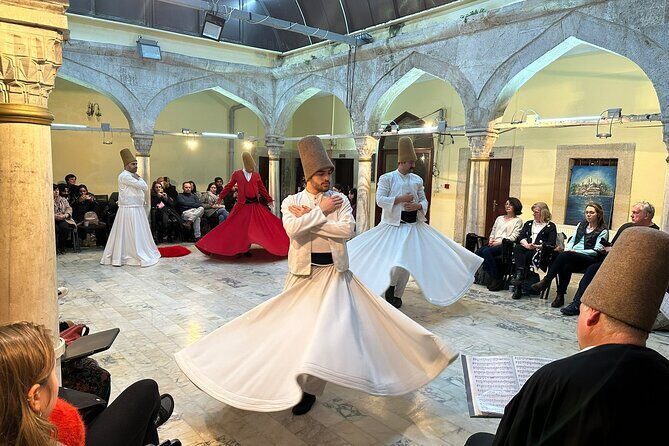
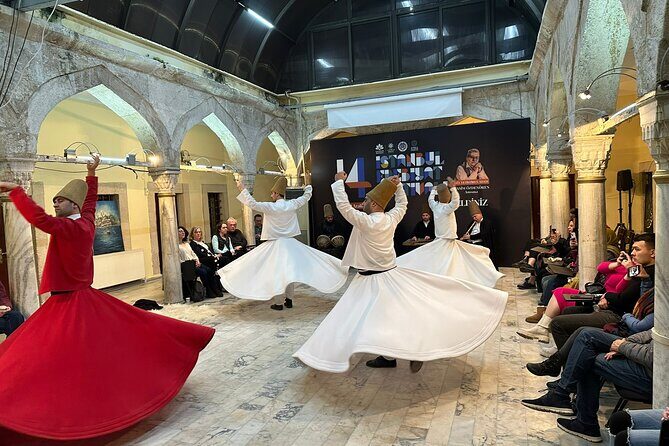
The ceremony takes place at Kızlarağa Medresesi. You’ll want to treat it like a small room show, not a big theater event. The venue is described as centrally located in Sultanahmet, and it’s easy to reach with public transport—some people even call out being near the T1 tram line.
Timing is the real ticket here. The start time is 7:00 pm, and the venue fills. Many people say they arrived early and got pretty good seats, and they note the room is small, with sightlines that can be strong when you’re in the right row.
A few practical warnings based on real-world crowd behavior:
- If the venue is oversold, you may face tight seating and the chance of standing for a while.
- Some parts of the room can be blocked by pillars depending on where you end up.
- Latecomers can cause disruption in a space that’s meant to stay quiet and reverent.
So my advice is simple: go early enough that you don’t have to “fight” for a view. If you’re traveling with kids, arriving early also increases the odds that staff can help you find a workable spot—there are stories of staff making space so a child can see.
If you’re using ride-share, build in time for a short walk. One helpful detail from the field: an English-speaking helper named Faruk is mentioned as someone who has walked visitors to the ceremony when a ride-drop was a couple blocks away. Even if your experience is different, it’s a good reminder to plan for walking time around Sultanahmet.
The 50-minute structure: chanting first, whirling later
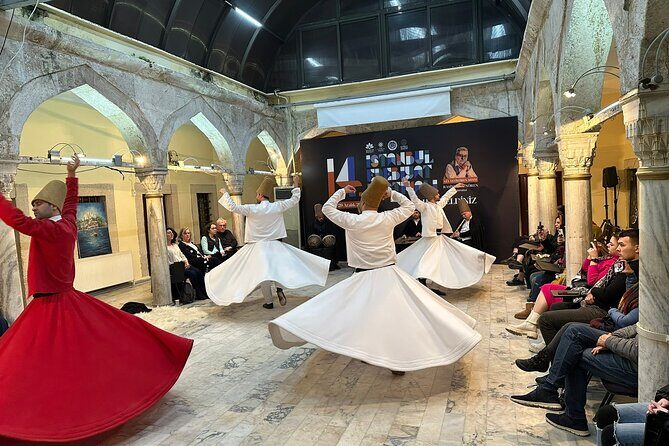
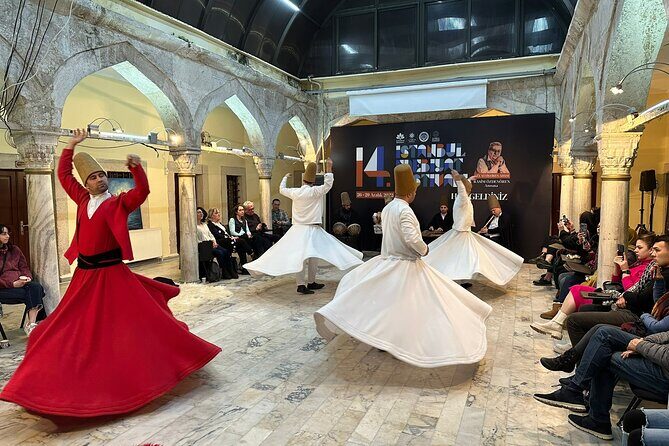
This ceremony is about 50 minutes in total. The pacing is part of the meaning. Most people report that the first stretch is live music and chanting, and only later do the whirling begins.
A few specific timing patterns you should expect:
- The music/chanting phase can run roughly 20–40 minutes.
- The whirling dervishes typically start in the last part of the program, often described as the final 10–15 minutes.
- In some viewings, the whirling may appear to last a bit longer, but don’t count on it.
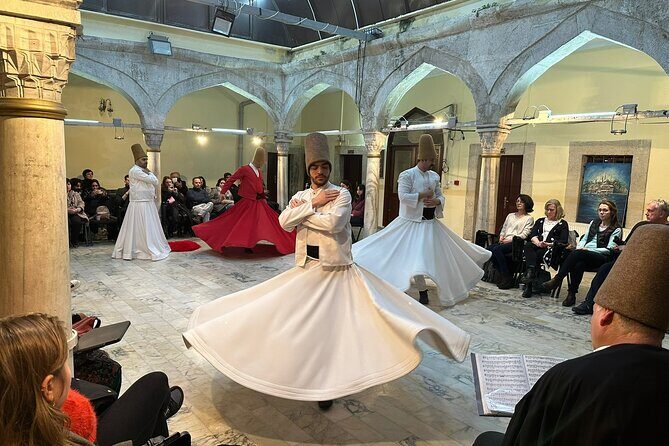
The program often includes a small group: the music is performed live, and then the dervishes enter and begin their rotating whirls. Multiple accounts highlight that it can feel surprisingly meditative once you’re watching closely—like you’re paying attention to breath and timing, not just visuals.
Also, don’t be surprised if the performance feels more “ritual” than “dramatic.” There’s no big story twist. The satisfaction comes from watching how the music, posture, and spinning all stay disciplined.
Music and instruments: why it feels so close to you
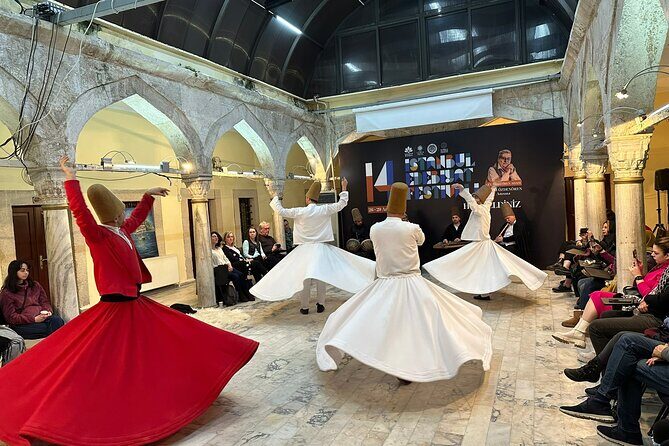
One of the most praised parts of this experience is the soundtrack. People describe the music as beautiful, powerful, and mesmerizing, with a sound that holds your attention even before the whirling starts.
A detail worth knowing: the band is described as small—often three instruments—and the musicians are close enough that you can almost see their focus. That closeness is a big deal. It makes the ceremony feel less like something far away and more like you’re inside the same sound space.
If you’re the type who usually skips music-only portions of a show, this is a good moment to practice patience. The early chanting isn’t filler. It sets the tone and rhythm that makes the whirling feel inevitable rather than random.
And yes, the rotation can become hypnotic to watch, especially once you see how long the dervishes can maintain the spinning while staying controlled.
Respectful etiquette: how to protect the quiet and your view
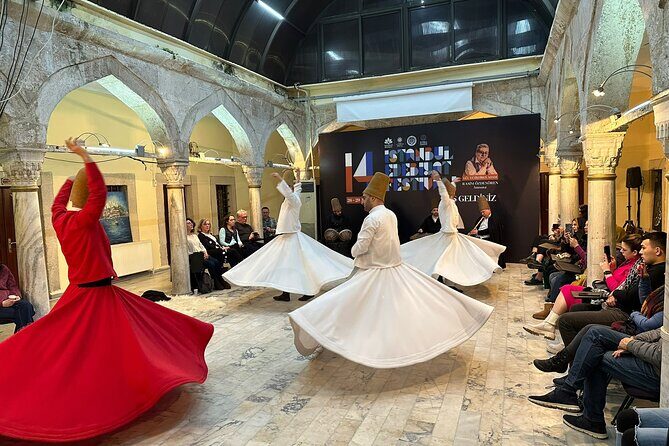
This isn’t a costume spectacle. It’s worship-centered. That means your behavior matters—not because you’re being policed, but because it affects the energy in a small room.
Here’s what to do:
- Arrive on time (or early). Latecomers can interrupt the ritual mood.
- Follow staff instructions about where people should stand or sit.
- Keep talking and phone noise to a minimum.
- Be careful not to block the central space where the dervishes move.
You’ll also want to be realistic about what your camera can and can’t do. In small rooms, photos and constant filming can distract others. If you want to take pictures, do it discreetly and stop when the ceremony needs silence.
If someone behind you laughs, chats, or shifts constantly, it’s not the end of the world—but it can take away from the experience you came for. Treat it like a quiet night of worship, not a concert with random chatter.


Price and value at about $24: what you’re paying for
At $24.02 per person, you’re buying something specific: admission to a live Whirling Dervishes / Mevlevi Sema ceremony, with real musicians and performers in an authentic religious context.
Is it a bargain? For Istanbul show culture, it often feels fair because you’re not paying for a long scripted production. You’re paying for:
- UNESCO-linked cultural significance
- live chanting and music
- a structured ritual that runs about an hour
It’s especially good value if you’d otherwise pay for a generic dance show and regret it. Here, the ritual quality is the point. The biggest thing that can affect your satisfaction isn’t the price—it’s whether you show up ready to watch with respect and attention.
Who this fits best
- First-timers who want an authentic cultural evening in Istanbul
- Families looking for a meaningful activity that isn’t just sightseeing
- People who enjoy live music and symbolic performances
Who might need to adjust expectations
- If you want lots of narration and a full explanation during the ceremony, you may feel like you want more context
- If you dislike tight seating or being close to other audience members, arrive early and be prepared for the room to feel crowded
Logistics without pickup: simple planning that avoids stress
This experience doesn’t include pick-up or drop-off. That’s normal for many Istanbul cultural events, but you should plan your travel like you would for a museum or evening show.
Good news: the venue is near public transportation. The start time is 7:00 pm, and the ticket is a mobile ticket, so you can keep your planning streamlined.
A few practical habits that help:
- Check the exact venue details from your booking confirmation and arrive with buffer time.
- If you’re coming by ride-share, plan a short walk from the drop-off area.
- Wear comfortable shoes. You might be in a tight space where standing or adjusting your position is part of the reality.
If you want the best chance at a clear view, treat this like a popular concert: arriving early isn’t optional if you care about front-row or side views.
Should you book this Whirling Dervishes ceremony in Istanbul?
I’d book it if you want a real, ritual-focused night in Sultanahmet—especially if you enjoy live music, symbolism, and watching something that’s meant to be worship, not entertainment first.
Skip or reconsider if you’re strongly dependent on:
- a lot of in-the-moment explanation
- lots of personal space
- a wide-open venue where crowds won’t affect your view
Here’s the decision shortcut:
- If you’re curious about why the Mevlevi Sema is UNESCO-recognized and you’re willing to do a bit of prep, this is a great Istanbul experience.
- If you hate tight seating and need constant guidance, you might feel frustrated unless you plan carefully and arrive early.
If you do book, I recommend you read up for 10–15 minutes beforehand. Not because you need to study religion—just because it helps you notice what matters while the music is playing and the spinning begins.
FAQ
How long is the Whirling Dervishes ceremony?
It lasts about 50 minutes.
What time does the ceremony start?
The start time is 7:00 pm.
Where does the ceremony take place?
The ceremony is held at Kızlarağa Medresesi in Istanbul.
Is the admission ticket included?
Yes. Admission to the Whirling Dervishes ceremony is included.
Do I get pick-up and drop-off?
No. Pick up and drop off are not included.
How do I receive my ticket?
You’ll use a mobile ticket.
Is free cancellation available?
Yes. You can cancel for a full refund if you cancel up to 24 hours in advance.
Is it suitable for most travelers?
Yes. The experience notes that most travelers can participate.