REVIEW · CAPPADOCIA
Cappadocia: Private Guided Tour
Book on GetYourGuide →Operated by Ephesus Tour Company · Bookable on GetYourGuide
Some places feel like a set. Cappadocia feels like a whole world.
This private guided tour strings together the south side in a smart order: valley walking, cave churches, and then the mind-bending cool-down of the Kaymaklı Underground City. I especially like that you’re not only chasing big viewpoints—you’re also getting close to the real lived-in spaces, from rocky tunnels to dove houses carved into tuff. One thing to consider: you’ll do a fair bit of walking on uneven paths, so you’ll want sturdy shoes and the legs to match.
For me, the standout combo is Rose Valley plus Çavuşin. The rose-colored rock changes with light, and the cave church at St. John the Baptist sits on the hill like a quiet landmark. The tour also earns strong marks for guides who are friendly and patient with questions—people have praised guides like Hayri and Ali Kaya for keeping things fun and informative. The only real drawback is it’s not suitable for mobility impairments, so plan around that if you need step-free access.
In This Review
- Key reasons this tour works well
- South Cappadocia on a Private Clock: what 7 hours really buys you
- Pickup, Comfort, and Timing: your day starts where you sleep
- Meskendir Valley: the cedar tunnel start and why it sets the tone
- Rose Valley between Göreme and Çavuşin: cave churches + rose rock that changes
- Çavuşin Old Town and St. John the Baptist: the hilltop cave church effect
- Kaymaklı Underground City: ventilation shafts and living space under the ground
- Uçhisar Castle panorama and Pigeon Valley walks: the easy finish
- Price and logistics: is $94 a good value?
- Who should book this private south Cappadocia tour
- Should you book it? My practical take
- FAQ
- How long is the Cappadocia private south tour?
- What languages are the guides?
- Is hotel pickup and drop-off included?
- Are entry fees and meals included?
- Is the tour suitable for people with mobility impairments?
- Can I cancel for a full refund?
Key reasons this tour works well
- Rose Valley is built for walking, with routes that range from easier to more challenging.
- Çavuşin Village is a mood shift—you go from hike mode to village-and-church mode fast.
- Kaymaklı Underground City is properly structured, with low, narrow passages and only some floors open to visitors.
- Uçhisar gives the payoff, using the castle rock for wide panoramic views.
- Pigeon Valley is easy on the legs, and it’s full of old dove houses carved into soft volcanic stone.
- It’s private, so your guide can adjust to your pace and questions rather than herding a group.
South Cappadocia on a Private Clock: what 7 hours really buys you
This is a 7-hour private day focused on the south side, starting with hotel pickup and ending with drop-off back in Cappadocia. The big value here is concentration. Instead of bouncing around randomly, you get a coherent route that moves from valley trekking to cave churches to underground rooms, without feeling like you’re constantly starting over.
You travel in a non-smoking, air-conditioned van/coach, which matters in Cappadocia because weather can swing, and you don’t want to bake before your first real hike. There’s also a small but useful bonus: the tour notes skip the ticket line, so you spend less time in queues and more time walking, looking, and reading the details your guide points out.
Because it’s private, the experience isn’t just “see the sites.” It’s also getting answers as you go. In the reviews, guides such as Hayri and Ali Kaya were specifically praised for being patient when people asked questions. That matters when you’re staring at cave churches and trying to understand what you’re seeing.
You can also read our reviews of more guided tours in Cappadocia

Pickup, Comfort, and Timing: your day starts where you sleep
Pickup is offered in Ürgüp, Göreme, Uçhisar, Nevşehir, and Avanos, and drop-off returns you to Uçhisar, Göreme, Ürgüp, Nevşehir, or Avanos. That’s practical. You don’t need to play transportation roulette or guess which meeting point is easiest.
You’ll also have a bit of “travel window” built in—there’s listed van time before you get into the sightseeing. The rest of the day is a mix of guided stops and short guided walks. The pace is travel-realistic: enough walking to feel like you earned the views, but not so rushed that you can’t pause, take photos, or listen.
What I’d plan for: bring comfortable shoes. The itinerary includes valleys with paths and steep entrance sections, plus rock-cut sites. If your shoes are more “sightseeing stylish” than “walking capable,” you’ll feel it by mid-afternoon.
Meskendir Valley: the cedar tunnel start and why it sets the tone
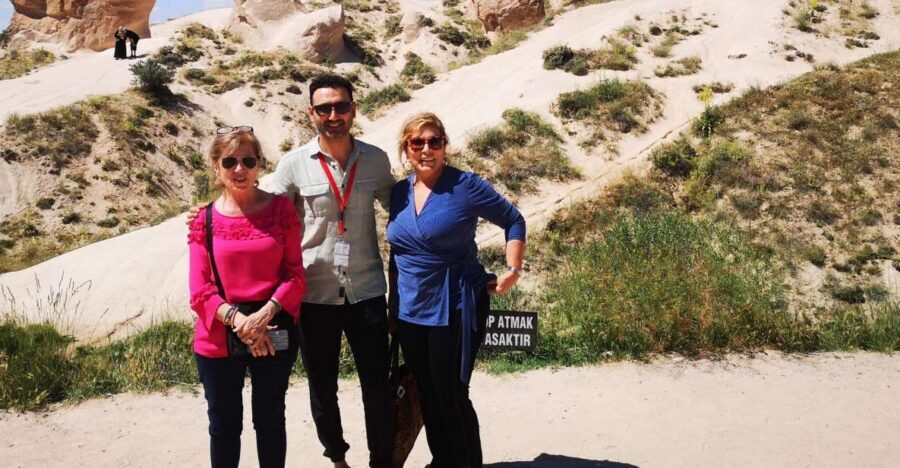
The day begins at Meskendir Valley, an area with a steep entrance and a cedar-covered entrance stretch described as 4400 meters long. If you’re picturing a flat park trail, adjust that expectation. This is a trekking-style start with uneven footing and rising terrain, plus a setting that feels distinctly Cappadocian—tuff formations, passages, and cave spaces woven into the walk.
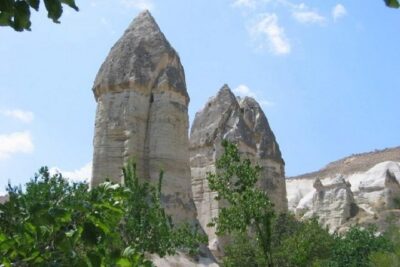
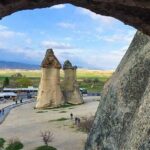
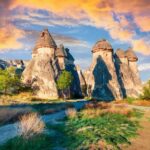
This valley is also described as having fairy chimneys, passages, tunnels, and great vegetation. Translation: you’re not just “walking somewhere pretty.” You’re moving through a built landscape where people carved and used space long before modern tourism arrived. Your guide’s job here is to point out what you might otherwise miss—churches, caves, and the standout Meskendir Church.
If you like understanding places, the church is where the walk starts to click. You get a visible structure to anchor your imagination: this wasn’t only a scenic quarry. It was a community with sacred spaces.
Rose Valley between Göreme and Çavuşin: cave churches + rose rock that changes
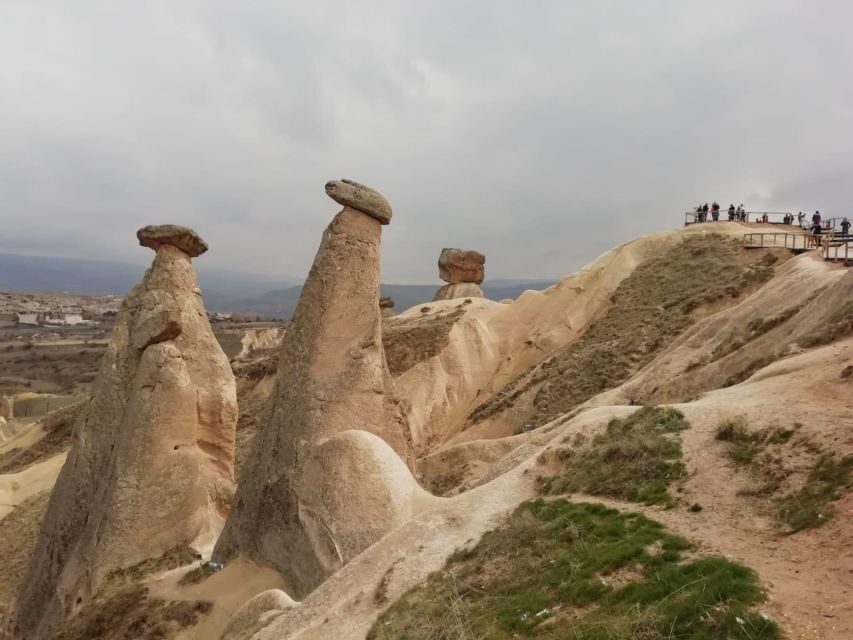
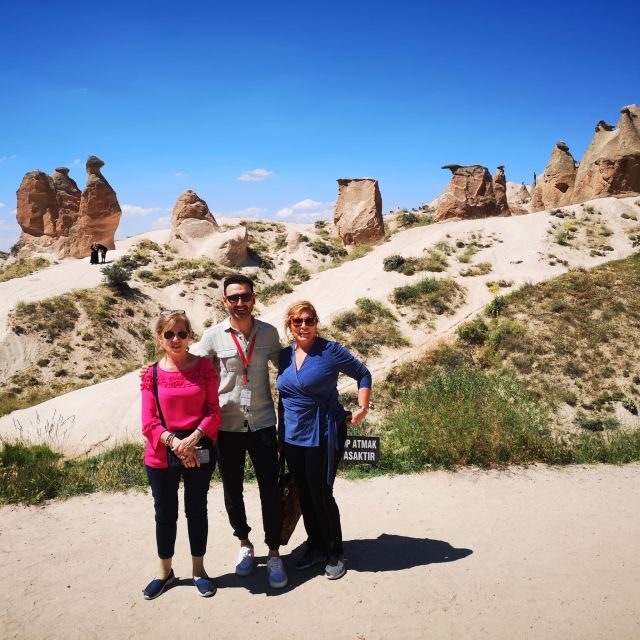
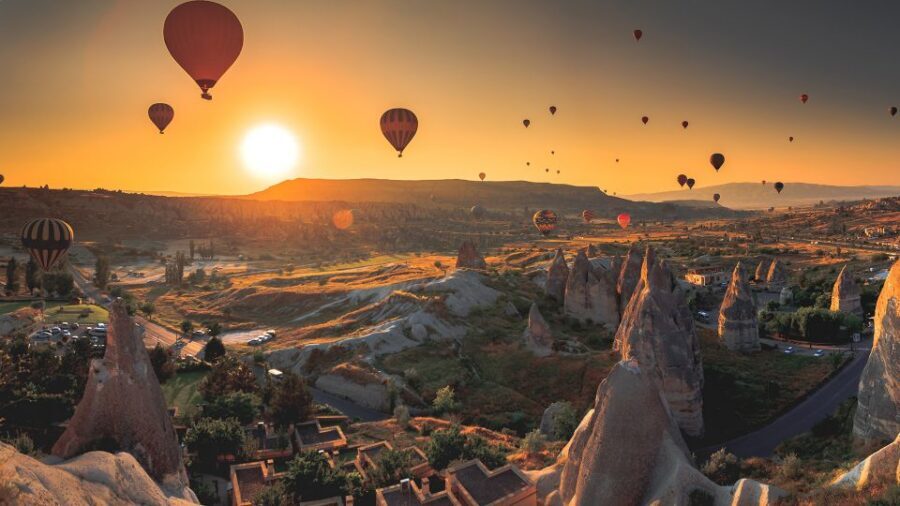
After the cedar-and-chimney start, you shift into Rose Valley, a large valley split into smaller valleys like Güllüdere, Kızılçukur, Meskendir, and Zindanonu. The name comes from the rose-colored rock, and it can vary by time of day, season, and weather. That means the valley can look slightly different depending on when you walk it, which is exactly what makes it more than just a standard “one photo and done” stop.
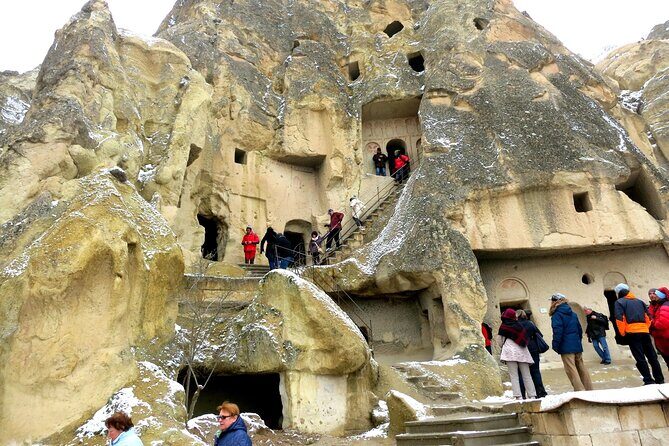
Your walk includes cave churches, cave houses, and cave tunnels. This is the part of the day where you’ll see the practical side of Cappadocia’s architecture: soft volcanic rock made it possible to cut into the earth and create rooms, worship spaces, and shelters.
Rose Valley also has paths with different effort levels. The tour notes a common route of about 2 hours (3.5 km). If you want a moderate hike, you can plan around that. If you’re the type who likes frequent stops for photos and questions, you’ll likely stretch it. Either way, the route structure is helpful because you’re not forced into one pace.
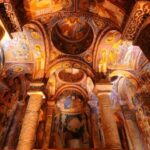
One small practical note: cave interiors and fresco areas can be smoky or faded. That’s not a problem—it’s just how the church surfaces are described. You’ll get the best experience by slowing down and letting your guide narrate what’s visible rather than expecting bright, brand-new paintings.
Çavuşin Old Town and St. John the Baptist: the hilltop cave church effect
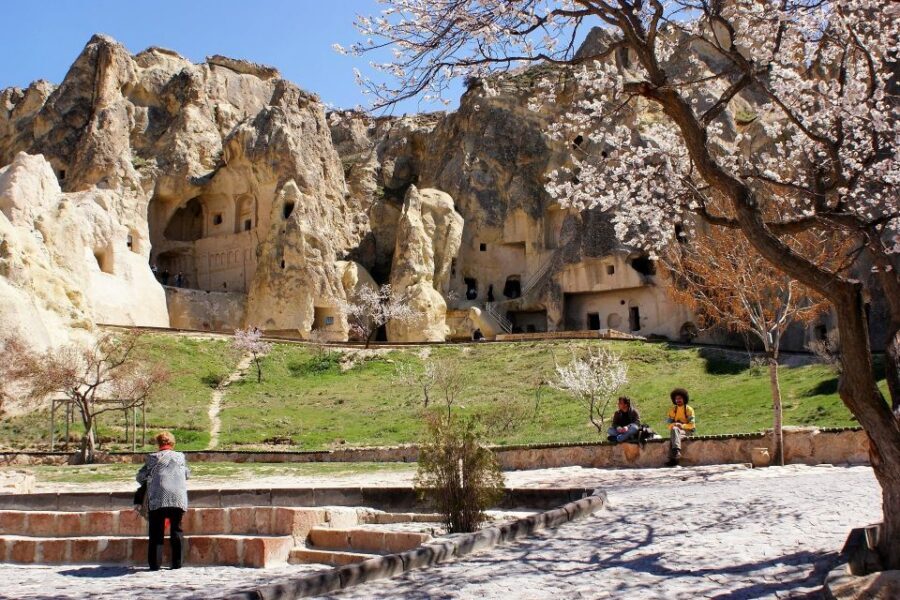
Next comes Cavuşin old town, where the Church of St. John the Baptist sits on top of a hill. The church is described as built in the 5th century, and later divided into three rooms in the 10th century to reduce the risk of collapse. That detail helps you see the site as something people adapted over time, not a static relic.
The tour notes that many frescoes are faded by smoke, though some visible ones remain. I like this kind of realism. It feels more human. You’re not only looking at a preserved monument—you’re seeing evidence of long use, long survival, and long weather.
Cavuşin itself also works as a tonal change after hiking. Instead of chasing footing and distance, you’re scanning the rock cutouts, the churches, and the way the village clings to the terrain. If you enjoy “slow looking,” this stop is a good place to breathe.
You can also read our reviews of more private tours in Cappadocia

Kaymaklı Underground City: ventilation shafts and living space under the ground
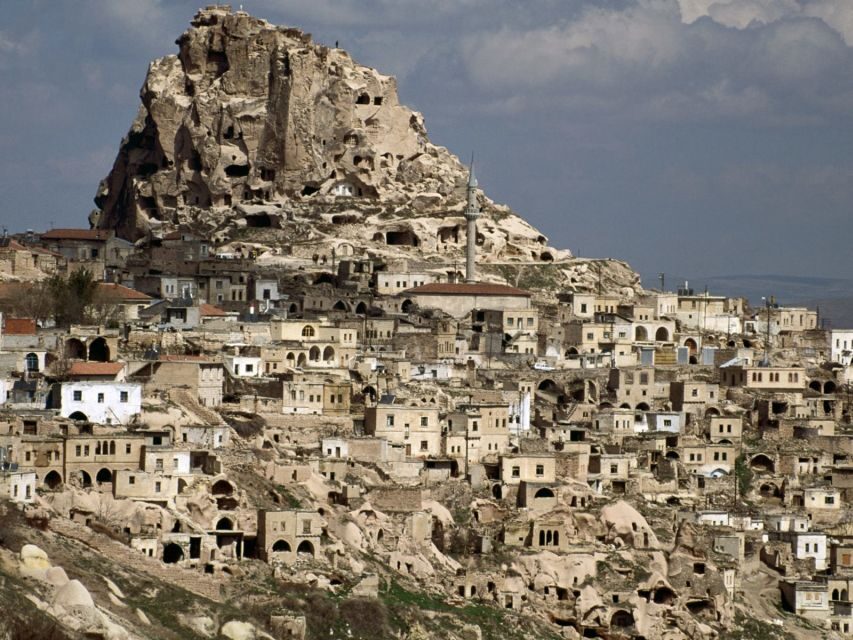
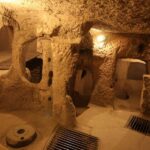
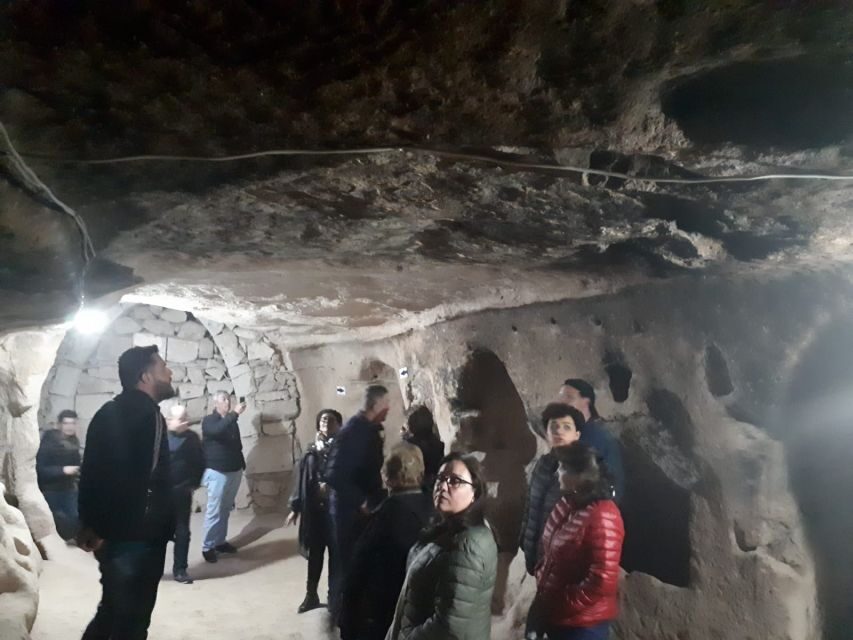
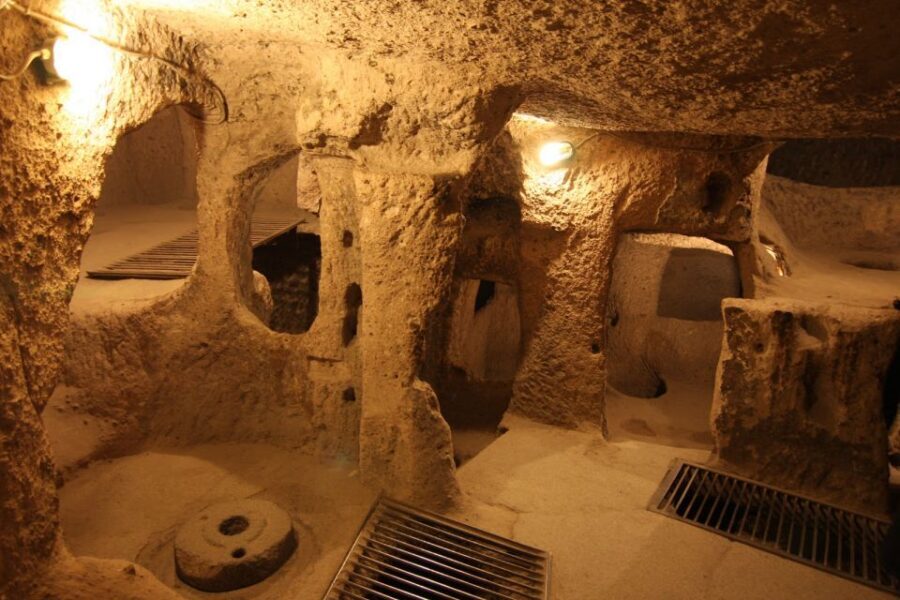
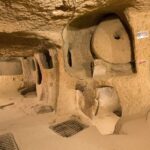
Then you get the highlight many people remember: Kaymaklı Underground City. It’s built under a hill known as the Citadel of Kaymaklı and opened to visitors in 1964. What makes this stop so compelling is the sense that the underground wasn’t a single room. It was a whole settlement system.
The tour description explains that Kaymaklı village residents constructed houses around nearly one hundred tunnels connected to the underground city. Even today, some tunnels are described as being used for practical needs such as cellars, storage areas, and stables, accessed through courtyards.
Up close, expect low, narrow, and sloping passages. There are said to be 8 floors below ground, but only 4 open to the public, with spaces organized around ventilation shafts. That matters because it explains why some corridors feel tighter and why the route you walk has a planned flow for visitors.
This is also where your guide’s narration really earns its keep. Underground cities can look like repetitive hallways unless someone connects the dots—where people might have stored goods, how airflow was managed, and why passage design mattered for safety.
Practical tip: wear the shoes you trust. Underground routes can feel slick or cramped underfoot. Take your time and don’t rush the turns.
Uçhisar Castle panorama and Pigeon Valley walks: the easy finish
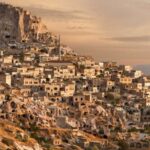
After the underground, the day turns outward again with Uçhisar, described as the highest point in Cappadocia. You’ll get a panorama from the top of Uçhisar Castle, with Mount Erciyes mentioned in the distance. This is where the terrain you’ve been walking starts to make sense as a whole—valleys, chimneys, and carved spaces all falling into a single view.
Uçhisar also features rooms hollowed into the rock connected by stairs, tunnels, and passages. It’s like a final “what else is carved here?” lesson. If you’re the kind of traveler who likes cross-checking what you saw underground with what you see above, this stop ties the story together.
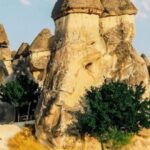
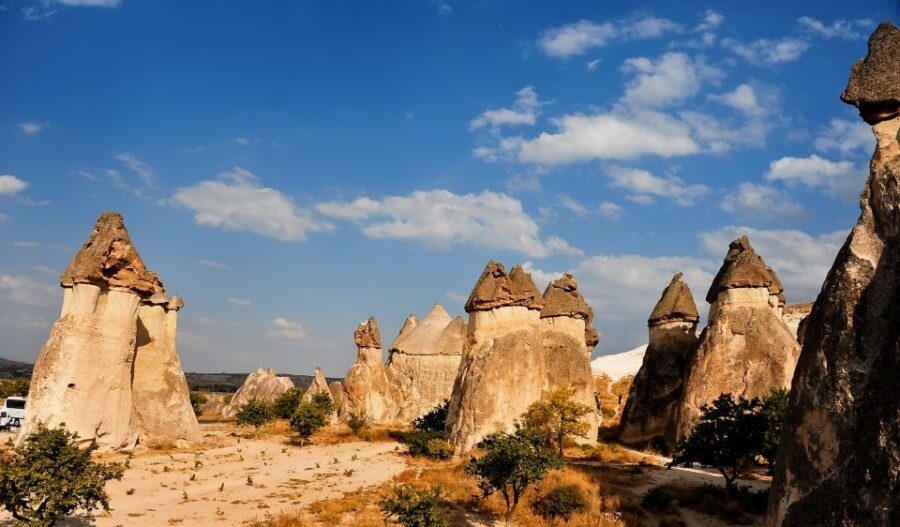
Then you finish at Pigeon Valley, located between Göreme and Uçhisar, where the trek is noted as relatively easy. The name comes from thousands of pigeon houses carved into tuff since ancient times. They appear throughout Cappadocia, but this valley has especially dense numbers.
Pigeons were described as a source of food and fertilizer. That turns a scenic walk into something more grounded: these weren’t only aesthetic carvings. They were part of an old food and farming system.
This makes Pigeon Valley a strong closing chapter. You end with a walk that doesn’t feel like another climb, while still letting you see the old stonework details.
Price and logistics: is $94 a good value?
At $94 per person for a 7-hour private guided tour, you’re paying for three things: time, transport, and a live guide who can explain what you’re seeing. You also get hotel pickup and drop-off, and parking fees are included, which reduces the little headaches that add up on a self-planned day.
What’s not included matters for your budget:
- Entry fees (for cave churches/underground sites)
- Food and drinks
So, the math depends on how you’d otherwise tour. If you’re comparing to a group tour, the private piece often justifies itself because your guide can slow down where you want and speed up where you don’t. And if you’d rather avoid piecing together drivers, tickets, and routes, this kind of guided structure can actually save money overall, not only time.
Also note: the tour is listed as having skip the ticket line. That’s a small line-item value, but in a busy season it can noticeably improve your flow.
Who should book this private south Cappadocia tour
This tour fits best if you:
- Want a structured south-side loop with major sites packed into one day
- Like walking through valleys and cave spaces, not just standing at viewpoints
- Appreciate a guide who will answer questions patiently (people have highlighted that in guides like Hayri and Ali Kaya)
- Prefer a private format over a group herd
It’s also a good choice if you’re mid-range fit and can handle uneven paths. The terrain includes steep starts and low passages in underground spaces, so I’d bring your best walking shoes and go at a calm pace.
Skip it if you need step-free access. The tour is clearly marked not suitable for people with mobility impairments.
Should you book it? My practical take
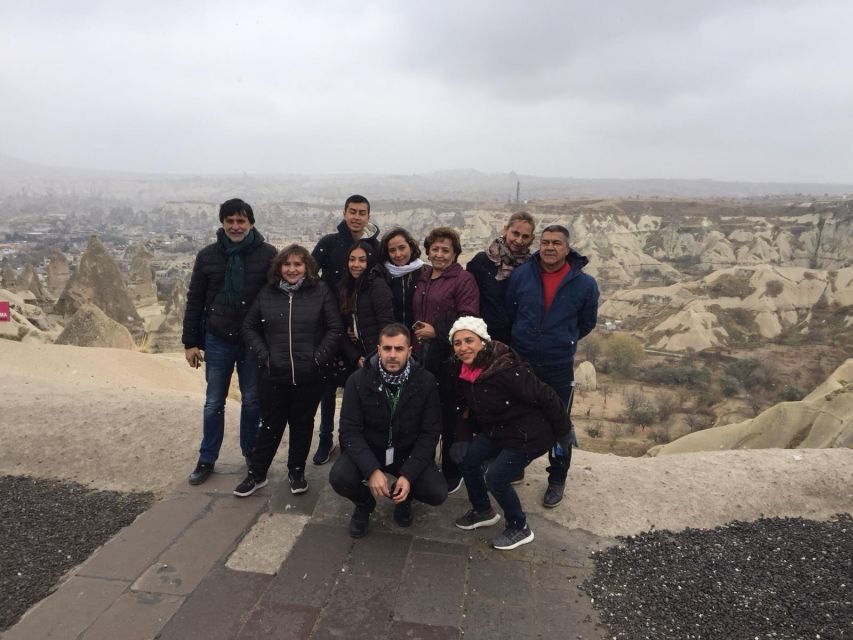
Book this tour if you want a real Cappadocia day that mixes outdoors trekking with the underground world, and you’d rather have someone explain the details than read signs for hours. The route is built around experiences that connect—valleys lead into village churches, then the underground city flips your perspective, and Uçhisar plus Pigeon Valley bring you back to open air.
Don’t book it if you’re hoping for a mostly seated, easy day. This is walking-based. If you’re comfortable with that, the private guide format plus the standouts like Rose Valley and Kaymaklı Underground City make the price feel fair for a full, organized 7-hour experience.
FAQ
How long is the Cappadocia private south tour?
The tour duration is 7 hours.
What languages are the guides?
The live tour guide speaks Spanish and English.
Is hotel pickup and drop-off included?
Yes. Pickup and drop-off are available from several Cappadocia locations, including Ürgüp, Göreme, Uçhisar, Nevşehir, and Avanos.
Are entry fees and meals included?
No. Entry fees and food and drinks are not included.
Is the tour suitable for people with mobility impairments?
No. It is not suitable for guests with mobility impairments.
Can I cancel for a full refund?
Yes. Free cancellation is available up to 24 hours in advance for a full refund.