REVIEW · CAPPADOCIA
CAPPADOCIA : Traditional Local Carpet Weaving Tour
Book on GetYourGuide →Operated by Emoji Turismo · Bookable on GetYourGuide
Turkish carpets have a story at every knot.
This 2-hour Cappadocia carpet weaving tour pairs history with up-close viewing of real designs, then gives you time to try weaving your own pattern. I like that it’s not just talk. You see how the craft works, including the look of the finished pieces and the kinds of techniques that make them durable.
The best part for me is the way the guide connects carpets to daily life and migration routes: how lamb’s wool became the material of choice, how Central Asian weaving traditions traveled with the Turks, and why antique carpets became prized objects in Europe. You also get a practical break in the middle, plus time to walk around and browse if you want to shop.
One consideration: this is a hands-on craft experience, so if you have severe wool allergies, you’ll want to skip it. And if you’re bringing very young kids, plan on it being a bit challenging during the weaving portion.
In This Review
- Key things I found most worth your time
- Turkish carpets in Cappadocia: a 2-hour craft and culture reset
- Why carpets matter: from Central Asian roots to European treasures
- Inside the carpet weaving center: what you’ll actually see
- The hands-on weaving moment: making a design and learning the logic
- The $16 price: good value if you want craft + context
- Pickup, drop-off, and timing across Ortahisar to Avanos
- Shopping time: how to use what you learned
- Languages, group style, and who this tour fits best
- Should you book the Cappadocia traditional carpet weaving tour?
- FAQ
- How much does the Cappadocia traditional local carpet weaving tour cost?
- How long is the tour?
- Where are the pickup and drop-off options?
- What is included in the price?
- Is food and drinks included?
- What languages is the tour available in?
- Is the tour wheelchair accessible?
- Is it suitable for people with wool allergies?
- Is this tour okay for young children?
- Can I cancel for a refund?
Key things I found most worth your time
- Pickup and drop-off across Cappadocia villages like Göreme, Uçhisar, Avanos, and Ortahisar make it easy to go without a car
- Close-up carpet viewing shows you patterns and materials in a way photos never do
- History tied to real techniques, from Central Asia to the Seljuks’ spread toward the Mediterranean
- Hands-on weaving time, so you’re not just watching
- Shop time that happens after you learn, which helps you buy more confidently
Turkish carpets in Cappadocia: a 2-hour craft and culture reset
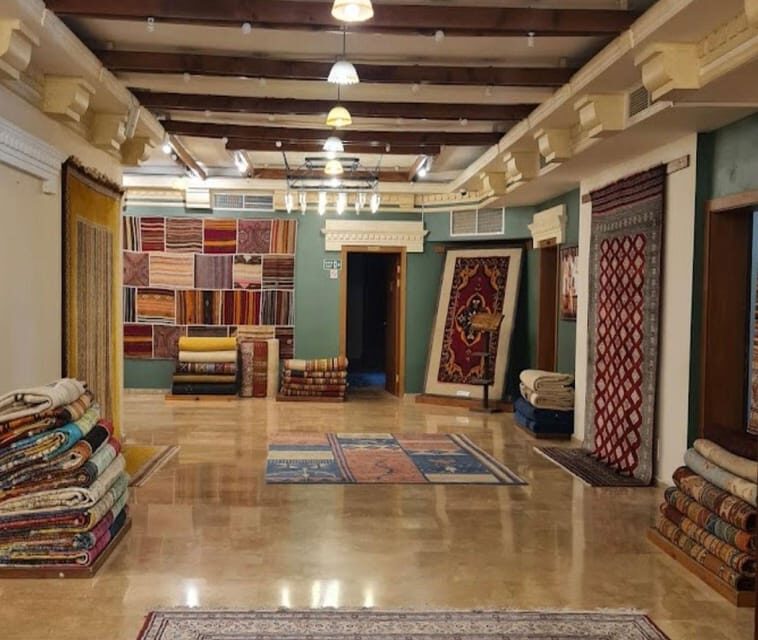
This is a short tour by design. In about two hours, you’ll get a guided overview of Turkish carpets and then have a chance to make your own design. That timing matters in Cappadocia, where your days can get packed with other must-dos, and you may not want a long museum-style stop.
I also appreciate that the experience is built around a carpet weaving center. That means the focus stays on the craft, not on sprinting from one shop to another. You’ll have time to look around, take in the designs up close, and then decide if you want to purchase anything during the included shopping window.
If you’re the kind of traveler who likes learning by doing, this format fits well. You’re shown how patterns come together, and then you put your hands to it, even if it’s just for creating a simple design.
You can also read our reviews of more tours and experiences in Cappadocia.


Why carpets matter: from Central Asian roots to European treasures
The history part is more than a backdrop. It explains why carpets became meaningful in Turkish life and why they spread far beyond the region.
Here’s what you’ll hear, in plain terms:
- Knotted kilim origins trace back to Central Asia, where the Turks lived and developed the craft
- Turks used lamb’s wool because it was abundant and practical for protecting from cold on Central Asian steppes
- As Turks moved, they carried the weaving knowledge with them and spread it to new places
- Over time, carpets became a status item: in the 14th, 15th, and 16th centuries, handmade Turkish carpets were valuable for noble and wealthy families across Europe
- You’ll also learn how collectors, elite families, and museums held onto antique rugs, which is part of why these traditions survived and stayed visible
One neat detail in the story is the durability angle. You’ll hear about double knotted carpets and how Turkish tribes are credited with this durable invention. That helps you understand why certain rugs last for generations and why they’re still sought after today.
Another historical thread connects to broader Mediterranean influence. The Seljuks are mentioned as bringing techniques to the Mediterranean shores in the 12th century. And there’s even a Marco Polo reference about rich exhibitions of carpets in palaces and mosques. It’s the kind of detail that makes the craft feel tied to real power, real movement, and real daily life—rather than just decorative folklore.
Inside the carpet weaving center: what you’ll actually see
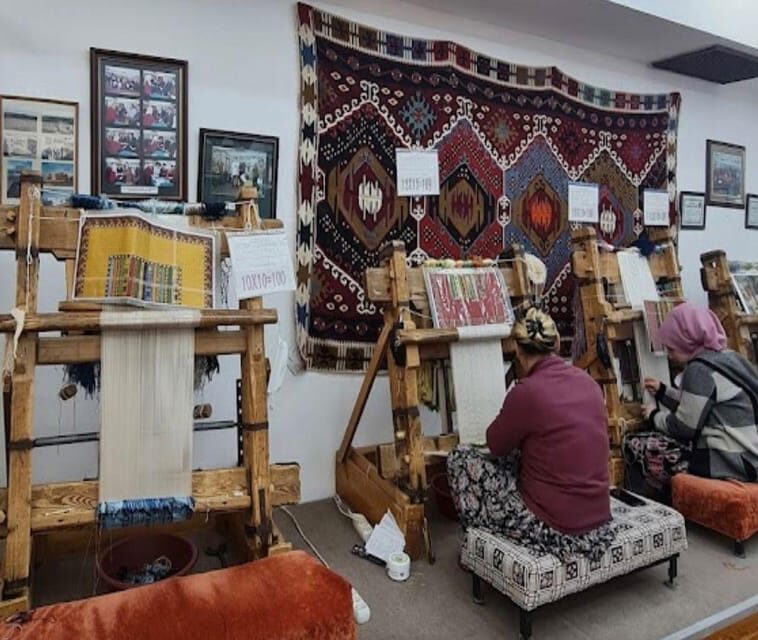
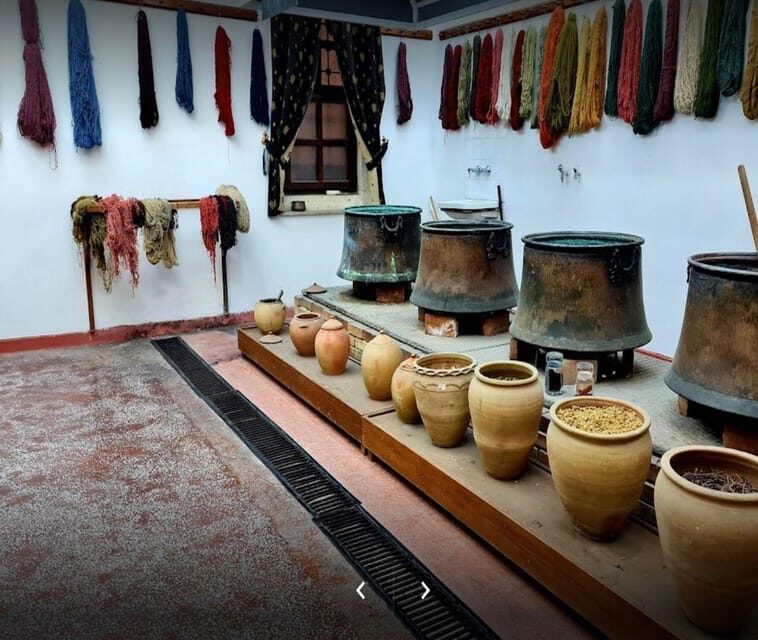
Expect a guided visit where you can see carpets and materials in a focused way. The tour is designed around you looking closely, not just standing in a line.
In the center, I like that the learning stays visual:
- You’ll see intricate patterns and designs up close
- You’ll get an explanation of how those patterns are created
- You’ll likely spend some time in a walk-around phase that feels like a guided browse rather than a rushed checklist
The tour also includes a break time before you move fully into the weaving and viewing segments. That’s useful because carpet shopping can be sensory-heavy—colors, textures, and repeating pattern styles can blur together if you’re tired.
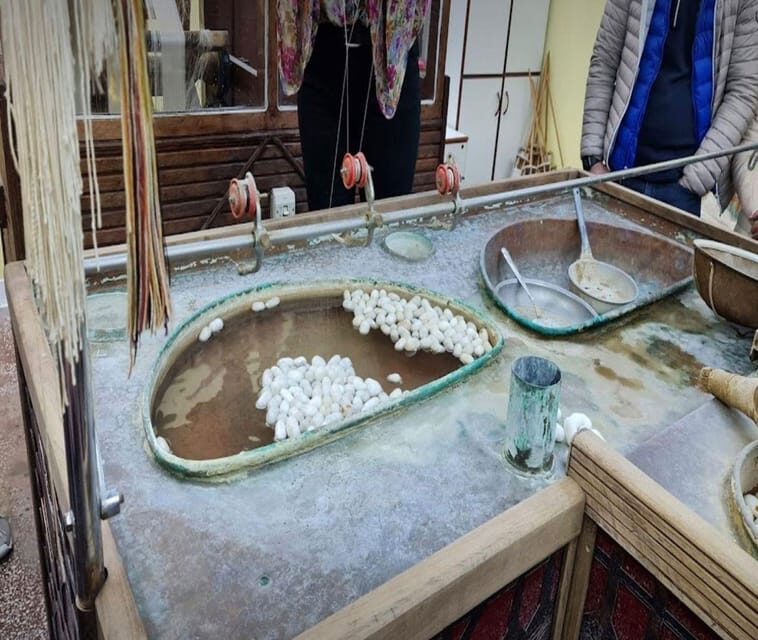
Also, one of the best value points here is the variety. In one experience, the pickup led to another nearby town where the weaving process could be seen, and the demonstration included a huge variety of carpets. Even if your exact route differs, the main idea is the same: you should come away having seen more than a single type of rug.
The hands-on weaving moment: making a design and learning the logic
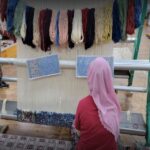
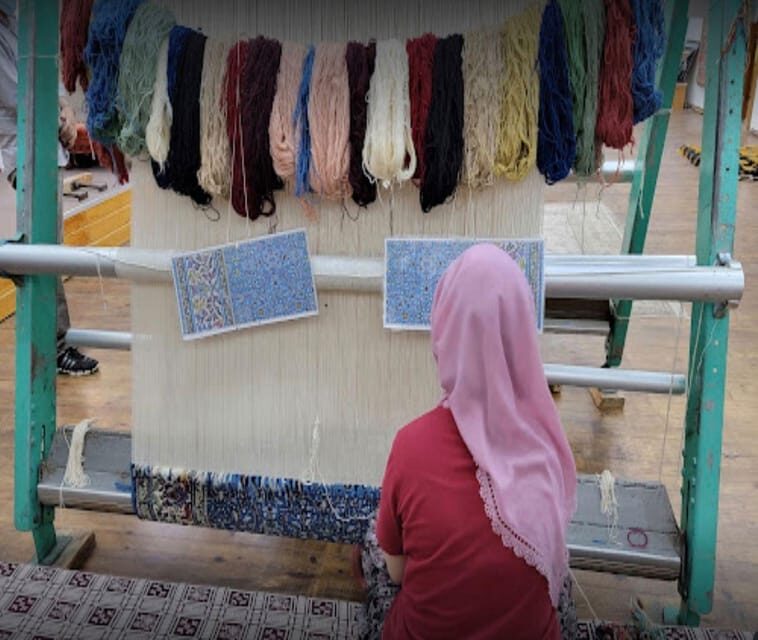
This is a try-it experience. You’re not expected to become a master weaver in two hours, but you are given time to participate in the weaving process and create your own design.
Why this matters: carpet weaving can look mysterious from far away. Up close, it’s really a system. You can start understanding what makes certain patterns repeat cleanly, why some designs feel balanced, and what techniques affect durability and texture.
You’ll learn about:
- The techniques behind the patterns and designs
- The process of making these pieces of art, from the craft logic to the look of finished work
I like that you’re guided through the process before you’re left to admire rugs on your own. That makes your later shopping time more practical. If you can recognize what effort went into a pattern, you can judge what you’re buying with less guesswork.
The $16 price: good value if you want craft + context
At $16 per person for a roughly 2-hour guided experience, this sits in the “high value for what you get” category—especially if you’re someone who enjoys cultural crafts and wants hands-on time.
Here’s what’s included in that price:
- Entrance to the Carpet Weaving Center
- Hotel pickup and drop-off
And what’s not included:
- Food and drinks
That last part isn’t a dealbreaker, but it affects planning. Bring a snack buffer if you know you get hungry. Cappadocia days can involve a lot of movement, and you don’t want to feel rushed during the break time or shop window because your stomach is nagging.
Also, because this is a private group, you may find the pacing feels more comfortable than in large-bus group tours. In a short window, that can make a noticeable difference.
Pickup, drop-off, and timing across Ortahisar to Avanos
This tour is built for convenience across Cappadocia. You’ll have multiple pickup options, and the drop-off covers most major bases.
Pickup areas include: Ortahisar, Mustafapaşa, Ürgüp, Göreme, Uçhisar, Nevşehir, Çavuşin, and Avanos.
Drop-off areas include: Nevşehir, Çavuşin, Avanos, Ortahisar, Ürgüp, Göreme, Mustafapaşa, and Uçhisar.
Why I think this matters: Cappadocia isn’t one single compact town. If you stay in a specific village, a tour that supports pickup and drop-off reduces the friction of getting to the weaving center. You’re spending your time learning, not figuring out transport.
Duration is about 2 hours, which is short enough to fit into nearly any day. The schedule also includes break time, a visit, free time, shopping, and sightseeing, all within that window.
One small practical tip: wear comfortable shoes. There’s some walking, and you’ll likely want to stand to look closely at carpets without your feet punishing you.
Shopping time: how to use what you learned
Shopping is part of the flow here, but it comes after the teaching. That order helps.
You’ll have a window to browse and consider purchases if you want. And if you do buy, try to connect the purchase to what you understood in the workshop segment:
- Look for the patterns and ask yourself whether you can explain how they’re made
- Pay attention to material and texture, not just appearance
- Think about durability—double knotted construction is part of what you’ll learn about, and it’s exactly the kind of detail you can use when comparing pieces
In one experience, the group saw the process and then got the chance to buy if desired. The buyer walked away with multiple rugs and felt confident about the quality. Even if you’re not sure you want to buy, this structure keeps you from getting pitched first and educated later.
A realistic note: in a two-hour tour, you’ll have limited time for deep comparison. If you’re picky, treat the shopping window as a chance to spot what you like and ask your questions, then decide what to do after.
Languages, group style, and who this tour fits best
The tour is available in English and Turkish. The instructor can also speak Japanese, English, Portuguese, Spanish, and German, which is helpful if you’re traveling with mixed language needs or you prefer another language for comfort.
This is a private group experience. That’s a good match if you want:
- more comfortable pacing
- a chance to ask questions without feeling like you’re holding up a big crowd
- a calmer craft setting
Also, it’s wheelchair accessible, which is an important factor in a region where some activities can be hard to navigate.
Who it suits best:
- You like cultural crafts and want the story behind what you see
- You enjoy hands-on activities, even for a short time
- You’re interested in buying a rug but want at least some context first
Who should think twice:
- If you have severe wool allergies, this is not suitable
- Children under 6 may find the tour challenging, especially during the hands-on portion
Should you book the Cappadocia traditional carpet weaving tour?
Book it if you want a compact experience that blends history, close-up viewing, and a chance to create your own design. At $16, the combination of pickup/drop-off plus entry to a carpet weaving center makes it a strong value—especially if you’re trying to cover culture and practical craft knowledge in a short time.
Skip it if wool is a problem for you, or if your group includes very young kids who might struggle with the walking and hands-on weaving segment. And if you’re mainly looking for dramatic scenery, this won’t be that kind of tour. This is about craft and culture, with rugs as the focus.
If you book, go in with one simple goal: leave with a clearer idea of how carpet patterns are made and what makes some designs feel more detailed and durable than others. That way, the shopping time (if you use it) becomes a decision, not a guess.
FAQ
How much does the Cappadocia traditional local carpet weaving tour cost?
The price is $16 per person.
How long is the tour?
The duration is about 2 hours.
Where are the pickup and drop-off options?
Pickup options include Ortahisar, Mustafapaşa, Ürgüp, Göreme, Uçhisar, Nevşehir, Çavuşin, and Avanos. Drop-off options include Nevşehir, Çavuşin, Avanos, Ortahisar, Ürgüp, Göreme, Mustafapaşa, and Uçhisar.
What is included in the price?
You get entrance to the carpet weaving center plus hotel pickup and drop-off.
Is food and drinks included?
No. Food and drinks are not included.
What languages is the tour available in?
The tour is available in English and Turkish. The instructor can also speak Japanese, Portuguese, Spanish, and German.
Is the tour wheelchair accessible?
Yes, it is wheelchair accessible.
Is it suitable for people with wool allergies?
No, it is not suitable for people with severe allergies to wool.
Is this tour okay for young children?
Children under age 6 may find the tour challenging.
Can I cancel for a refund?
Yes. Free cancellation is available up to 24 hours in advance for a full refund.