REVIEW · AUDIO TOURS
Turkish and Islamic Arts Museum: Entry Ticket & Audio Guide
Book on GetYourGuide →Operated by Istanbul Tourist Pass® · Bookable on GetYourGuide
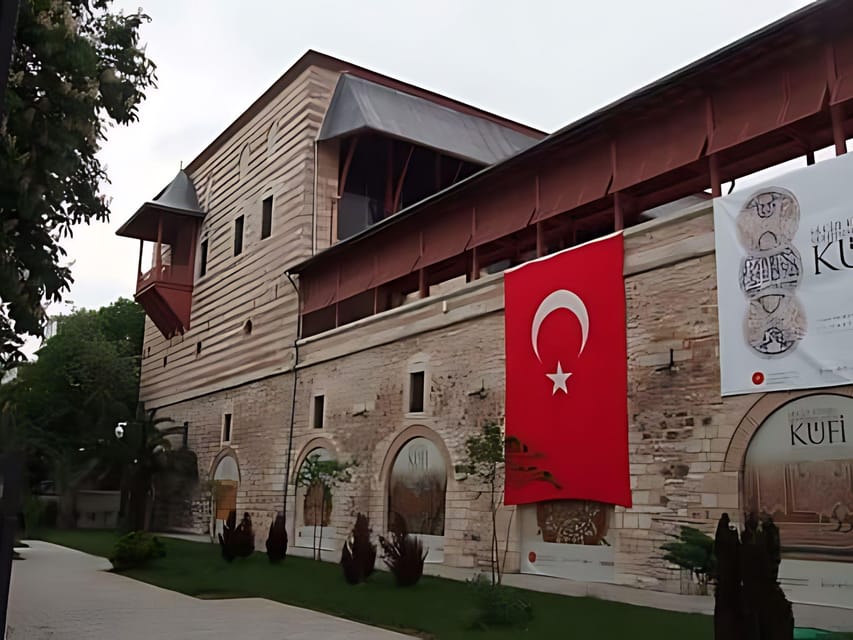
Carpets, manuscripts, and holy relics in one stop. The Turkish and Islamic Arts Museum sits inside the historic Ibrahim Pasha Palace, and with a skip-the-line QR ticket plus a 25-language audio guide, you can pace your visit and learn as you go. I like how easy it is to start (QR entry) and how much you get out of it without a group tour.
My favorite part is seeing how Islamic art connects across materials—especially the carpet galleries and the small religious artifacts. One thing to keep in mind: the audio guide link works best when you’re ready before you get there, because download issues can happen once you’re inside and off Wi‑Fi.
In This Review
- Key Points Before You Go
- Location: Sultanahmet Square, Steps From the Blue Mosque
- Price and Value: What You Actually Get for $28
- Getting Your QR Entry and Audio Guide Link to Behave
- Inside the Ibrahim Pasha Palace: How the Building Changes the Experience
- Carpets and Textiles: The Gallery That Makes the Whole Museum Click
- Manuscripts and Decorative Arts: Calligraphy to Metalwork
- Religious Relics: Small Artifacts With Big Meaning
- How Much Time to Plan for a 1-Day Visit
- Languages and Audio Guide: 25 Options for a Smoother Visit
- Transportation and Arrival Tips From Sultanahmet
- Who This Ticket Is Best For
- Should You Book the Turkish and Islamic Arts Museum?
- FAQ
- Where is the Turkish and Islamic Arts Museum?
- How do I get there using public transportation?
- What’s included with the entry ticket?
- What languages are available for the audio guide?
- Can I skip security lines?
- Is a guided tour included?
Key Points Before You Go
- Skip-the-line QR entry helps you start faster, but security lines still apply.
- Audio guide in 25 languages means you can understand what you’re looking at at your own pace.
- Ibrahim Pasha Palace setting adds history to every room, not just the exhibits.
- Carpets and textiles are a major highlight, with patterns that show centuries of craft.
- Religious relics (including fragments and a footprint) are powerful, small-scale objects with big meaning.
- Sultanahmet location puts you close to the Blue Mosque area, so getting there is straightforward.
Location: Sultanahmet Square, Steps From the Blue Mosque
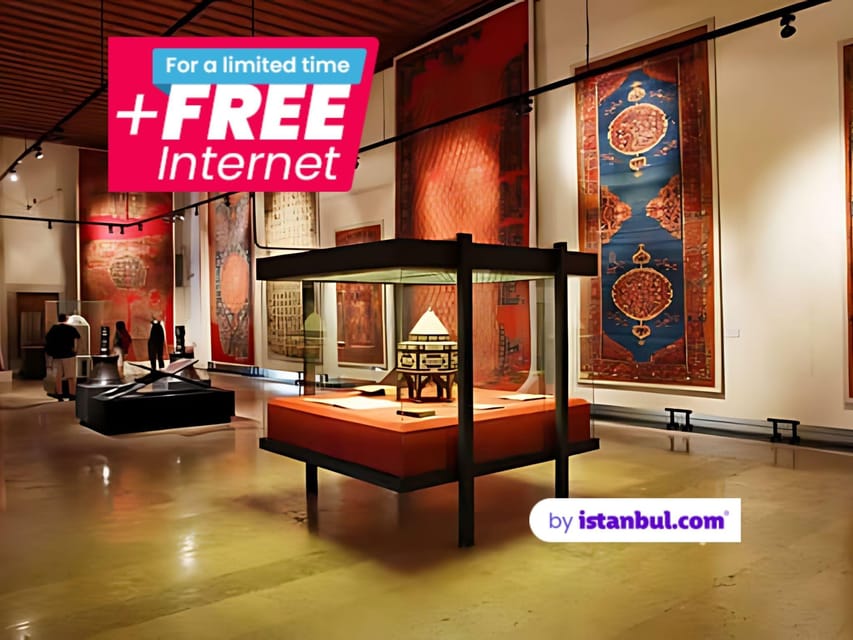
The museum is located in Sultanahmet Square, very close to the Blue Mosque in Istanbul’s Fatih district. This matters because you can build a simple day around it: you’re already in one of the city’s most walkable museum zones, and you’re not fighting long commutes.
If you’re using public transit, the most common route is the Kabatas–Bagcilar tramway to Sultanahmet station, then a short 5-minute walk. From Istanbul’s Asian side, you can also take ferries to Eminönü from Kadıköy or Üsküdar, then continue on to Sultanahmet.
The “local feeling” is real here. You’ll see both tourists and locals around the square, which can make the area feel less like a staged attraction and more like everyday Istanbul.
Price and Value: What You Actually Get for $28

At about $28 per person, this ticket is basically paying for two things: entry with QR and an audio guide included in 25 languages. Since a guided tour is not included, you’re not paying for a person to lead you—so the best value happens when you’re the type who enjoys reading and learning at your own speed.
In practical terms, that means you can spend more time where you care most. If you want carpets, you can slow down there. If you’re more into calligraphy, you can shift focus without feeling like you’re rushing a checklist.
If you’re the type who likes a live guide explaining context, you might want to pair this with something guided later. But for self-guided learning, this setup is efficient and good value.
Getting Your QR Entry and Audio Guide Link to Behave
This experience uses a digital flow. You’ll receive both Entry Ticket QR Codes and the audio guide link via separate e-mails from the Istanbul Tourist Pass provider. Also, even with QR entry, it’s not possible to skip security lines, and there may be a line at the entrance that’s mandatory for everyone.
Here’s the practical move that can save your whole visit: plan to test the audio guide link before you’re standing by the door. One recent visitor experience you should learn from—trying to download the audio guide on the same day ran into Apple security trouble, and without Wi‑Fi inside, it became a headache. You don’t need to overthink it, but do not assume your phone will handle downloads flawlessly at the last minute.
I recommend you:
- Open the audio guide link on a stable connection earlier in the day.
- If possible, have the audio ready before you start walking through the first rooms.
And yes, you’ll still have to go through security. Think of QR as faster entry, not a magic bypass.
Inside the Ibrahim Pasha Palace: How the Building Changes the Experience
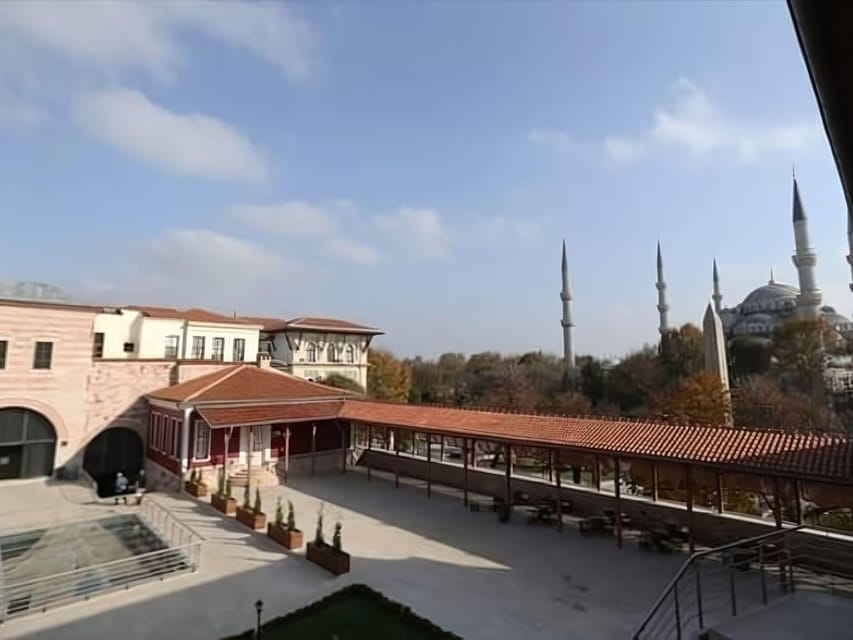
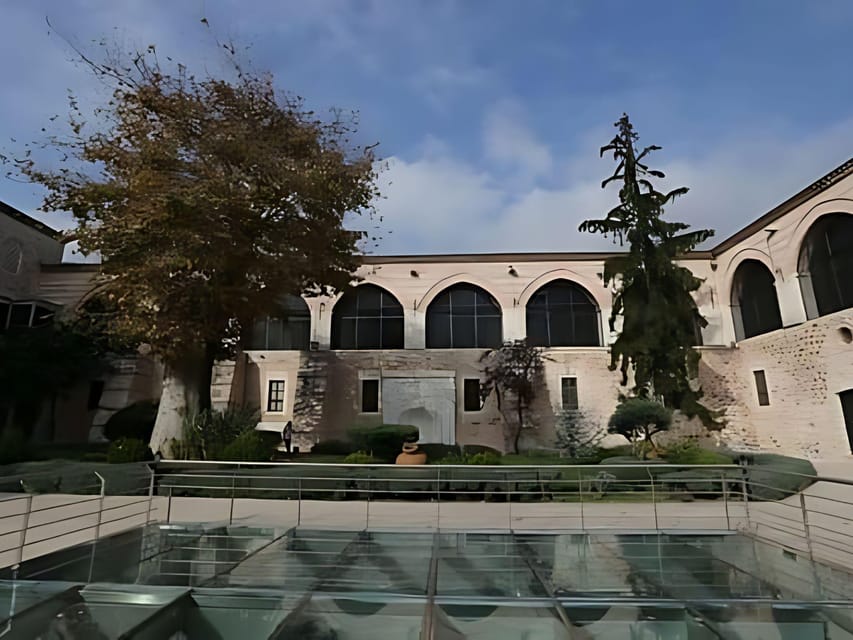
You’re not touring a standalone “museum box.” The collection is housed in the historic Ibrahim Pasha Palace. That changes the feel right away because the building itself already tells a story—so your attention doesn’t stop at objects behind glass.
This is a good museum for a self-paced visit. The audio guide in 25 languages helps you make sense of what you’re looking at across different art forms. You can go straight to your favorite section or let the audio guide nudge you into topics you might otherwise skip.
One more reason the palace setting works well: you can pause. Between galleries and corridors, you get small breaks, which helps if you’re trying to keep a one-day schedule realistic.
Carpets and Textiles: The Gallery That Makes the Whole Museum Click
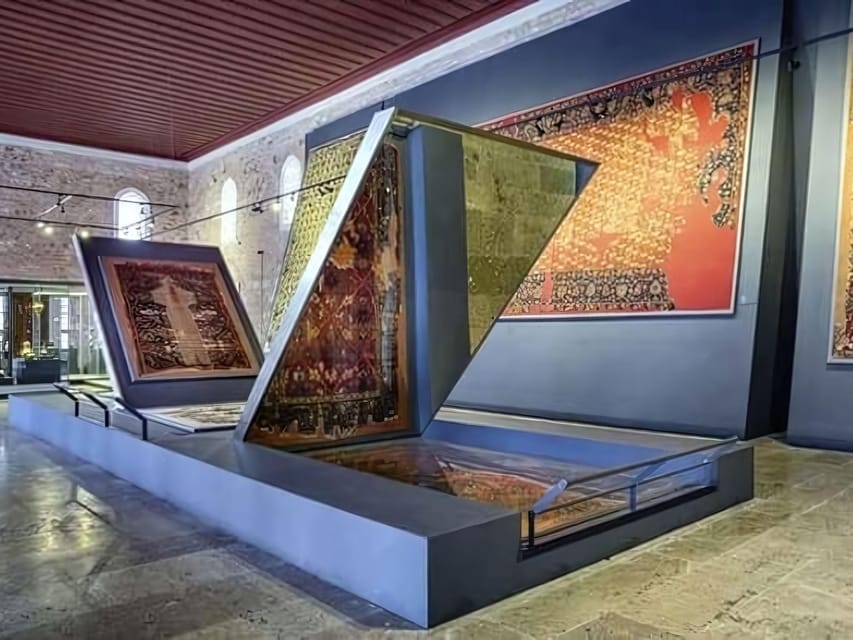
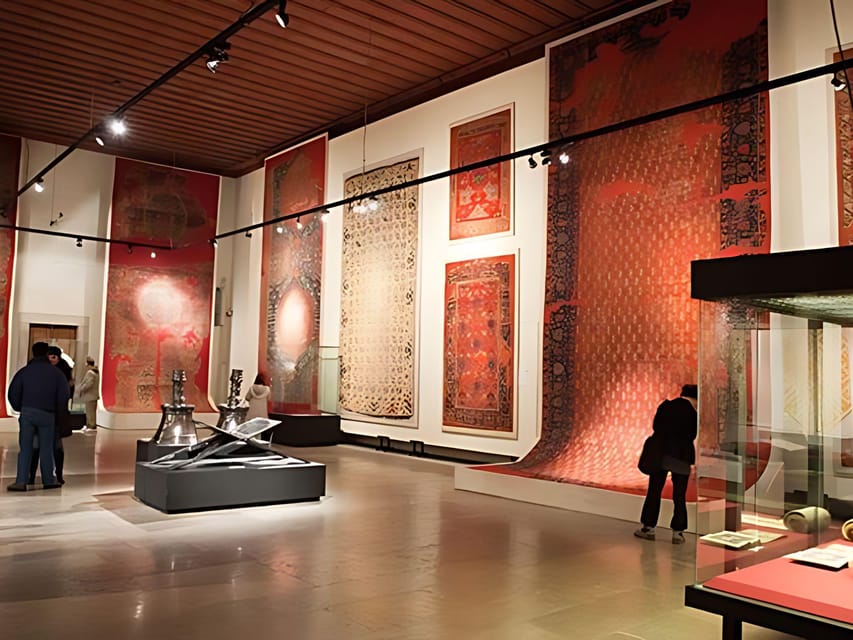
If you come for one category, come for the carpets and rugs. This museum gives them real space and attention, and you’ll see patterns that reflect changing tastes and high-level craftsmanship across Islamic regions.
What I like about these displays is the way they make technique visible. Even without being a textile expert, you can spot the craft choices: repeating motifs, careful border work, and color-and-pattern design that looks intentional rather than decorative for decoration’s sake.
You’ll likely notice a timeline feeling in the carpet displays—from older Seljuk designs toward ornate Ottoman masterpieces. That shift helps you understand Islamic art as something that evolves while still using shared visual language.
Practical tip: don’t race past the biggest carpets. Stand far enough back to read the overall composition, then step closer to catch the detail in the pattern work.
Manuscripts and Decorative Arts: Calligraphy to Metalwork
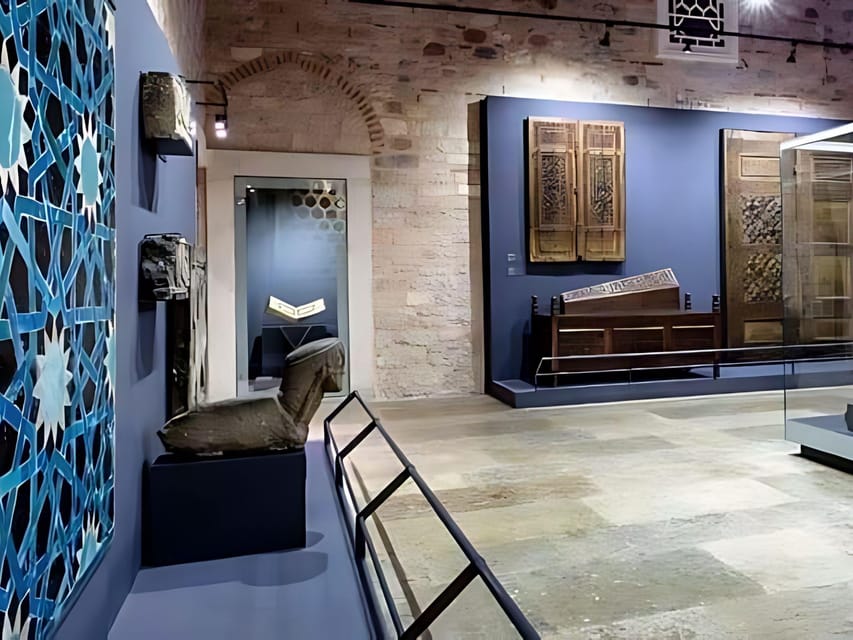
Beyond textiles, the museum spreads across major categories of Islamic art. You can expect sections focused on calligraphy, ceramics, glasswork, and metalwork, plus objects connected to written culture like ancient manuscripts.
This mix is exactly why the museum works. Islamic art often shows up in one material—maybe you only think of tiles, or only think of carpets. Here, you can see the broader creative system: words, surface design, and craftsmanship all support each other.
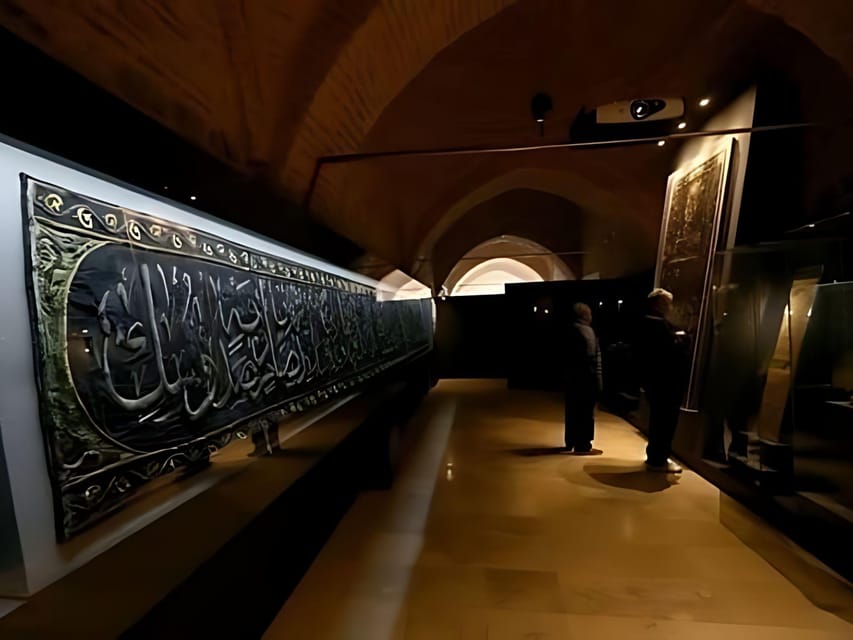
If you’re especially into calligraphy, plan some extra time here. Calligraphy isn’t just “pretty writing” in this tradition; it’s an art form with rules, style changes, and meaning tied to the objects it appears on. The audio guide is useful because it helps translate what you’re seeing into context rather than leaving you with only visuals.
For ceramics, glasswork, and metalwork, the biggest payoff is close looking. These pieces can feel subtle at first—until you notice how the finish, pattern, and craftsmanship relate to the function and era.
Religious Relics: Small Artifacts With Big Meaning
One of the most striking parts of this museum is its collection of religious relics, including fragments attributed to the Prophet Muhammad’s beard and a footprint. These items attract visitors from around the world for a reason: they carry spiritual and historical significance far beyond their size.
In a museum setting, it’s easy to feel like everything is just “art.” This section forces a different lens. Even if you don’t share the same religious background, you can still appreciate the profound care people give to these objects, and the way a museum can document devotion as well as craft.
The audio guide helps here, too, because it frames why these artifacts matter. If you tend to find sacred objects emotionally heavy, this is the area where you may want to slow down, take breaks, and let the room settle your thoughts.
How Much Time to Plan for a 1-Day Visit
The ticket is valid for one day, and the museum experience is designed for self-guided pacing. If you move quickly, you can see a lot, but you’ll get more out of it if you plan a slower rhythm.
My recommended pacing:
- Start with carpets first, since they’re often the biggest “wow” moment.
- Spend time on calligraphy and at least one decorative arts category (ceramics, glasswork, or metalwork).
- Save the religious relics area for when you have mental energy to reflect, not when you’re already tired.
Because your audio guide is included, you can adjust on the fly. If one gallery grabs your attention, you can stay without worrying about a group schedule.
Languages and Audio Guide: 25 Options for a Smoother Visit
The audio guide is included and available in 25 languages. That list is: English, German, Russian, Persian, Arabic, French, Italian, Chinese, Dutch, Spanish, Hindi, Romanian, Ukrainian, Korean, Turkish, Bulgarian, Polish, Swedish, Japanese, Indonesian, Greek, Hungarian, Portuguese, Urdu, Croatian.
This is more than a convenience. When you understand what an object represents—what kind of writing it is, what the motifs suggest, how craftsmanship developed—you stop treating the museum like a gallery of random “cool stuff.”
If you’re going with someone who reads a different language, the variety of options makes it easier to keep everyone following along.
Transportation and Arrival Tips From Sultanahmet
Because the museum is in Sultanahmet Square, getting there is mostly about getting into the right neighborhood. Use Sultanahmet station on the Kabatas–Bagcilar tramway, then walk about 5 minutes.
From the Asian side:
- Take a ferry to Eminönü from Kadıköy or Üsküdar.
- Then continue toward Sultanahmet for the short tram-and-walk combo.
When you arrive, expect the reality of lines. Even with QR, you can’t skip security, and an entrance line can happen. So don’t show up right at the point where you feel rushed. Give yourself a little cushion so your first moments don’t feel like a sprint.
Who This Ticket Is Best For
This experience is a strong fit if you:
- Like museums where you can control your pacing (no guided tour required).
- Want Islamic art across multiple media, not just one type of artifact.
- Appreciate an audio guide that you can use in your preferred language.
- Are visiting Sultanahmet and want a high-value stop close to major landmarks.
It’s also a good option if you’re traveling with mixed interests—someone might love carpets, someone else might focus on calligraphy or ceramics, and the audio guide can keep both sides engaged.
If you need a live guide to explain context in real time, you may find this works best as a foundation visit, then supplement with a guided add-on elsewhere.
Should You Book the Turkish and Islamic Arts Museum?
I’d book it if you want a serious Istanbul museum moment without committing to a guided group format. The QR skip-the-line entry plus a 25-language audio guide at $28 is solid value, especially in a central location like Sultanahmet.
Do book with one mindset: treat the audio guide as part of the ticket you’re using, not an afterthought. Download or verify it before you reach the museum area, so you don’t end up stuck without audio once you’re inside.
If you’re short on time and only choose one museum besides the big sights nearby, this is a smart choice because the collection spans carpets, manuscripts, decorative arts, and even religious relics in one place.
FAQ
Where is the Turkish and Islamic Arts Museum?
It’s in Sultanahmet Square, very close to the Blue Mosque in Istanbul’s Fatih district.
How do I get there using public transportation?
A common route is the Kabatas–Bagcilar tramway to Sultanahmet station, followed by a 5-minute walk. From the Asian side, you can use ferries to Eminönü from Kadıköy or Üsküdar, then continue to Sultanahmet.
What’s included with the entry ticket?
The ticket includes an audio guide available in 25 languages, along with entry with QR codes.
What languages are available for the audio guide?
The audio guide is available in: English, German, Russian, Persian, Arabic, French, Italian, Chinese, Dutch, Spanish, Hindi, Romanian, Ukrainian, Korean, Turkish, Bulgarian, Polish, Swedish, Japanese, Indonesian, Greek, Hungarian, Portuguese, Urdu, Croatian.
Can I skip security lines?
No. Even with QR entry, it is not possible to skip the security lines, and there may be a mandatory line at the entrance.
Is a guided tour included?
No. A guided tour is not included.