REVIEW · ISTANBUL
Turkish Cuisine, Food, and History
Book on Viator →Operated by Sojourn Turkey · Bookable on Viator
Food culture and old empires share the same streets.
This 8-hour Istanbul experience is built around one smart idea: you don’t just see landmarks, you learn how people ate, shopped, cooked, and lived through the Byzantine and Ottoman eras. You’ll pair top historic sites with the food story behind them, so the day feels like one continuous lesson instead of four separate stops. It’s also private, so your group moves together with a professional English-speaking guide.
I especially like that the tour includes lunch and uses it as part of the history lesson, not a random break. I also like the mix of places: Ottoman power at Topkapı Palace, Byzantine art at the Great Palace Mosaics Museum, a late-13th-century palace site at Tekfur Sarayi, then the neighborhood story in Balat. One thing to consider is the pace. You’re looking at several long museum-and-walk blocks across the day, so if you prefer slow, casual sightseeing, you may feel a bit time-pressed.
In This Review
- Key Highlights You’ll Want to Know Before You Go
- Why This Istanbul Food-and-History Tour Feels Different
- Topkapı Palace: Ottoman Power and the Food-Life Connection
- Great Palace Mosaics Museum: Byzantine Art That Explains Daily Luxury
- Tekfur Sarayı: Late-13th-Century Palace Walls and Changing Eras
- Balat Walk: UNESCO Neighborhood Life with Jewish, Christian, and Muslim Landmarks
- Lunch Included: Using the Meal as Part of the Lesson
- Price and Value: What $205 Covers (and Why It Can Be Fair)
- Timing, Group Size, and How to Plan Your Day
- Who Should Book This Tour (and Who Might Skip It)
- Should You Book This Istanbul Turkish Cuisine, Food, and History Tour?
- FAQ
- What time does the tour start?
- How long is the tour?
- Is lunch included?
- Which major sites will I visit?
- Are admission tickets included?
- Is this a private tour?
- What is the cancellation policy?
Key Highlights You’ll Want to Know Before You Go
- Ottoman court history paired with everyday food culture, so palaces connect to real meals and daily routines
- Great Palace Mosaics Museum: Byzantine mosaics tied to how elite life worked in Constantinople
- Tekfur Sarayı: a late-13th-century structure that helps bridge periods and styles
- Balat walk in a UNESCO-recognized heritage area, where Jewish, Christian, and Muslim sites sit close together
- Admission tickets included for the main historic stops, cutting down on hassle
- Lunch included to keep the day comfortable and practical (not just sightseeing)
Why This Istanbul Food-and-History Tour Feels Different
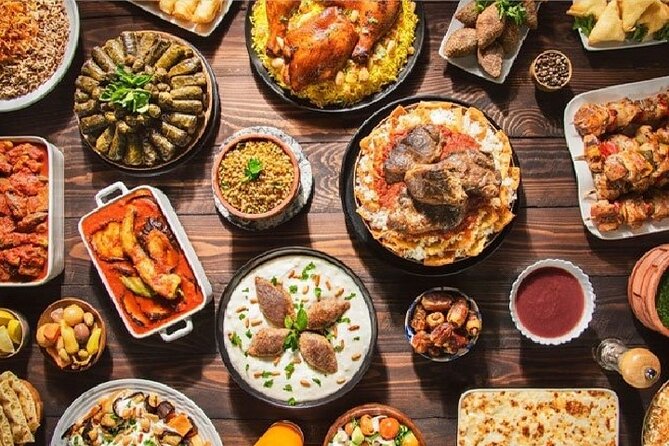
Most Istanbul tours split neatly into either food or history. This one refuses to pick sides. You’ll move through major landmarks that mattered to power and culture, then connect the dots to what people actually ate and how cooking fit daily life. That’s the magic here: food becomes a lens for understanding the city, instead of just a series of tastings.
The itinerary is also structured like a timeline in motion. You start with Ottoman authority, then step into Byzantine visual culture, then shift to a palace site that sits in the overlap of eras. By the time you reach Balat, the story turns outward into community life—religious and cultural coexistence you can literally see around you.
If you enjoy understanding why a place looks the way it does, and what that means for daily routines, this format tends to land well. You’ll spend less time guessing and more time getting clear explanations you can carry with you after the tour.
You can also read our reviews of more tours and experiences in Istanbul.


Topkapı Palace: Ottoman Power and the Food-Life Connection
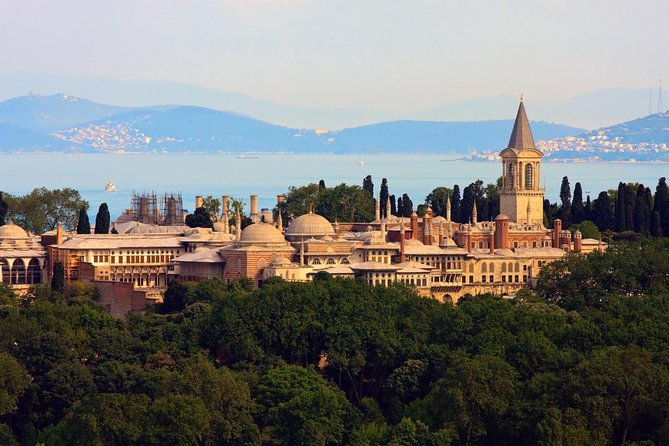
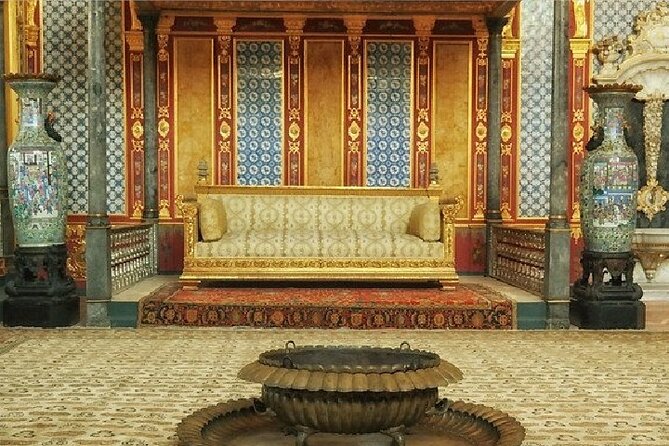
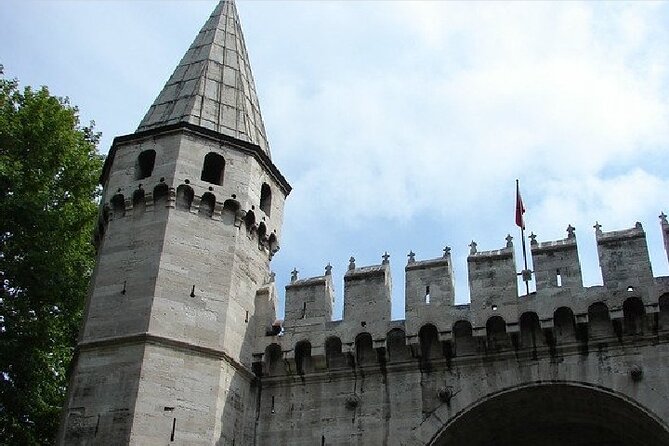
Topkapı Palace is where Ottoman rule showed itself in architecture and everyday access—especially in the 15th and 16th centuries when it served as headquarters for the sultans. You’ll have about 2 hours here with admission included, which is a meaningful chunk of time. That matters because Topkapı is not a quick “see it and move on” stop. There’s a lot to take in, even if you focus on the highlights.
What you’ll likely appreciate on this tour is how the guide brings the story down from grand rooms to human habits. Palaces weren’t just dramatic walls and ceremonies. They were busy places with staff, suppliers, and routines tied to meals. Even without turning this into a cooking class, the setting helps you understand the environment food came from: court standards, supply chains, and the social side of eating.
Possible drawback: Topkapı can be visually overwhelming, and museum time is museum time. If you’re prone to fatigue, plan for breaks where your guide allows them, and keep your expectations realistic. You’re getting history plus food context, not a slow stroll through gardens only.
Great Palace Mosaics Museum: Byzantine Art That Explains Daily Luxury
After Ottoman rule, you’ll shift into Byzantine Constantinople with the Great Palace Mosaics Museum. This stop focuses on Byzantine mosaics connected to the Great Palace of Constantinople. You’ll get around 2 hours here, and admission is included.
Mosaics are one of the best “silent storytelling” art forms. They show patterns, tastes, and the kind of visual language people used to express identity and status. When a guide connects these mosaics to the life that surrounded them, the museum stops feeling like “just images.” Instead, you start to see how elite settings worked—what kinds of spaces existed, what types of gatherings might have happened, and how art and comfort reinforced each other.
Why this matters for food lovers: Byzantine court culture was tied to hospitality and ceremony. Even when you’re not learning a recipe, you can still learn what kinds of meals and hosting customs likely matched the world represented by these mosaics. Food history isn’t only about dishes—it’s also about the settings where food became a social tool.
Practical consideration: this stop is visually intense, but it can feel more “museum-like” than palace-like. If you’re hoping for lots of outside views, you may want to mentally budget for indoor time here.
Tekfur Sarayı: Late-13th-Century Palace Walls and Changing Eras
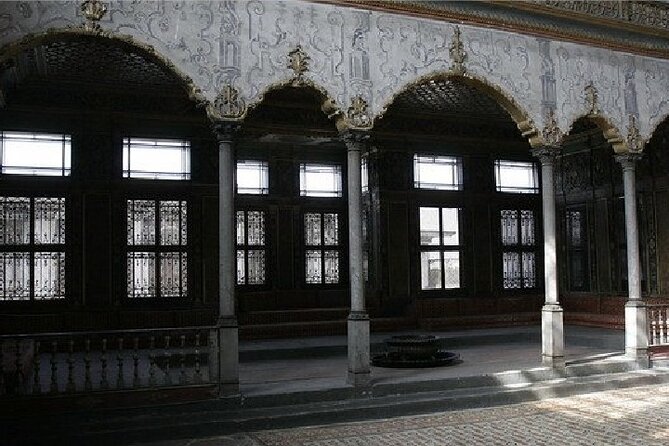
Tekfur Sarayı is a late-13th-century palace built as part of Constantinople. You’ll spend about 2 hours there, with admission included.
This is a great pivot point in the day. By now, you’ve seen Ottoman headquarters power and Byzantine mosaic culture. Tekfur Sarayı helps you understand that Istanbul’s story wasn’t linear. It was layered. The building itself gives you that “in-between” feeling—history changing shape while the city keeps going.
For the food-and-history theme, this stop works best if you pay attention to the idea of daily life inside a palace environment. Even if your guide doesn’t turn every room into a meal plan, you’ll get the bigger picture: palace life depended on routine, staff roles, and the constant movement of goods. Those are the same forces that shape food availability and cooking practices.
Potential drawback: the sites are historic and time is spent in concentrated exploration. If you need a lot of open-air time, this might feel a bit indoor-heavy across the full day. The Balat portion later helps balance that.
Balat Walk: UNESCO Neighborhood Life with Jewish, Christian, and Muslim Landmarks
In the afternoon, you’ll head to Balat and walk the narrow streets. This is where the tour becomes less about courtly walls and more about community life across centuries.
Balat is recognized as a cultural heritage area by UNESCO, and the point is physical and practical: you can see places of worship and cultural identity located close to each other. On this walk, you’ll be oriented to a Greek Orthodox patriarchal church, the oldest synagogue in the city, and some old Ottoman mosques—often almost next to each other.
Why you’ll enjoy this part if you care about food culture: neighborhood life is where food habits become real. It’s where traditions survive, where different communities share trade routes, and where cooking styles adapt to local supplies. Even if you don’t stop for snacks every five minutes, you’ll understand how daily life—and daily meals—were shaped by the people living side by side.
Practical note: narrow streets mean uneven sidewalks and lots of turns. Wear shoes you can walk in confidently. If you’re traveling with anyone who gets tired easily, this is the moment to slow down and take short pauses without guilt.



Lunch Included: Using the Meal as Part of the Lesson
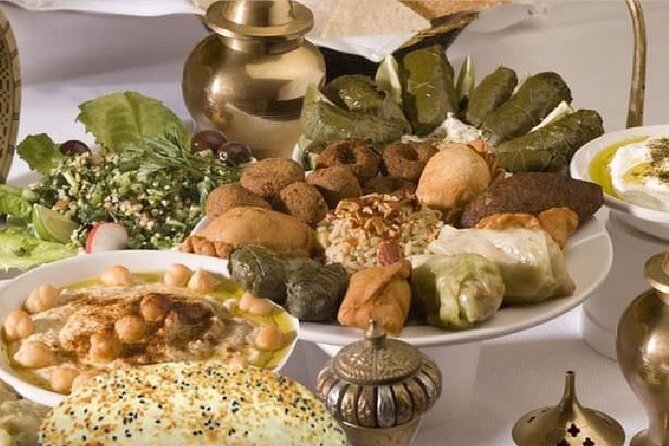
Lunch is included, which is one of the smartest parts of the value here. It keeps your day from turning into a scavenger hunt for food between sites. It also means you can focus on learning instead of logistics.
The tour’s theme suggests lunch isn’t treated as a random break. You’ll be in a mindset where you’re thinking about what foods likely connected to the historical stories you just heard. That’s useful. A meal becomes a memory anchor. You taste something in the present, then recall how daily routines looked in the past—what people had access to, what hosting meant, and how culture shaped eating.
Since the exact lunch style and timing aren’t specified here, you should assume it’s a practical midday stop. If you have dietary needs, plan to address them clearly to your guide at the start.
Price and Value: What $205 Covers (and Why It Can Be Fair)
At $205 per person for around 8 hours, this tour isn’t trying to be a bargain-bin “hop on a bus” day. It’s priced like a guided, ticketed experience—covering key admissions, lunch, and a professional English-speaking guide.
Here’s why that can be good value for the right traveler:
- Admission tickets are included for the main historic stops (Topkapı Palace, Great Palace Mosaics Museum, and Tekfur Sarayi). Those fees add up, and you avoid time spent handling them.
- Lunch is included, which helps you stay comfortable and keeps the day moving.
- Parking fees are covered, which usually means fewer headaches for the driver and group.
- Pickup is offered, and the tour uses a mobile ticket, both of which help reduce friction.
One thing to double-check before you go: the transfer note mentions Antalya City Center. Since you’re doing this in Istanbul, confirm your actual pickup and drop-off details match your Istanbul location and hotel. That quick confirmation can save you stress later.
Timing, Group Size, and How to Plan Your Day
The tour starts at 9:00 am. With multiple 2-hour blocks, you should expect a full day with limited free roam time.
The private-group setup matters. When it’s just your group, you’re less likely to get lost in crowd shuffle or forced pacing. Your guide can also adapt explanations to what your group seems to care about—especially helpful for a tour that blends history and food culture.
Bring what you’ll need for long indoor-outdoor switching: comfortable walking shoes, water, and a light layer. In Istanbul, the weather can shift, and you’ll want to stay comfortable through palaces, museums, and the Balat walk.
Who Should Book This Tour (and Who Might Skip It)
This tour is a strong fit if:
- You like history but don’t want it in a straight lecture style
- You’re curious about how food habits connect to everyday life and different empires
- You want a guided walkthrough that pairs major Istanbul sites with context you’ll actually remember
- You prefer guided museum visits where admissions are handled
You might skip it if:
- You only want street food and quick tastings with no museums
- You dislike paced days with several concentrated visits
- You need lots of unscheduled time to wander independently
This isn’t a pure “food tour,” and it isn’t a pure “architecture tour.” It’s the mix that can feel refreshing—especially if you’ve already seen Istanbul’s big sights and want the stories to land differently.
Should You Book This Istanbul Turkish Cuisine, Food, and History Tour?
I’d book it if you want Istanbul through a food-history lens. The combination of Ottoman headquarters life at Topkapı Palace, Byzantine mosaics tied to Constantinople’s palace world, a late-13th-century palace stop, and then the neighborhood story in Balat is a smart route. It also saves you time by bundling admission tickets and lunch.
If you’re the type who remembers best when you understand context—why a city ate the way it did, and how daily routines worked across centuries—this tour should click. Just make sure your pickup and transfer details are correct for your Istanbul hotel, since the provided transfer note mentions Antalya.
If your goal is exactly that mix of food culture plus real historical places, this is a solid value choice.
FAQ
What time does the tour start?
The tour start time is 9:00 am.
How long is the tour?
The duration is about 8 hours.
Is lunch included?
Yes, lunch is included.
Which major sites will I visit?
You’ll visit Topkapı Palace, the Great Palace Mosaics Museum, Tekfur Sarayı, and then walk through Balat.
Are admission tickets included?
Admission tickets are included for the palace and museum stops.
Is this a private tour?
Yes. It’s a private tour/activity, and only your group participates.
What is the cancellation policy?
Free cancellation is available up to 24 hours in advance of the experience start time for a full refund.