REVIEW · CAPPADOCIA
Visit to Cappadocia ceramic workshop and carpet store
Book on GetYourGuide →Operated by Highline Cappadocia Travel · Bookable on GetYourGuide
Crafts in Cappadocia are never just crafts.
This 2.5-hour workshop visit is built around two real skills from the region: ceramics and carpet weaving, plus a chance to try pottery making. It also sits in Cappadocia’s long trade legacy on the Silk Road, so the shopping isn’t only about souvenirs—it’s about how goods were made and exchanged for centuries.
I especially like the practical value here: you get a clear view of how women’s co-operative carpet workshops work, and why buying a real piece matters more than you’d think. I also like the pottery demonstration and the fact that trying a piece is included (not just a look-and-leave experience).
One thing to consider: while pottery making is described as part of the experience, one past booking reported that they didn’t get a hands-on pottery session and only saw a demonstration. So if hands-on time is your top priority, go in with your eyes open and ask what you’ll actually do during your session.
In This Review
- Key highlights worth your time
- Why this Cappadocia craft stop feels tied to real life
- Private 2.5 hours with car and driver: enough time, not too much
- Women’s carpet workshop: how co-ops change the story
- Pottery workshop: red clay roots and a hands-on chance
- Shopping without getting lost: carpets, ceramics, and what you should look for
- The $30-per-person value: what you really pay for
- Who should do this craft tour (and who might skip)
- A few practical tips before you go
- Should you book this Cappadocia ceramics and carpet visit?
- FAQ
- FAQ
- Where does this experience take place?
- How long is the tour?
- How much does it cost?
- Is pottery making included?
- Do you visit a carpet workshop?
- What’s included besides the workshops?
- Is this a private group tour?
- What languages are supported by the host or greeter?
- Can I get a full refund if I cancel?
Key highlights worth your time
- Women’s co-operative carpet weaving and the skills passed between generations
- Ceramics and pottery making with a demonstration of how a piece starts
- Hands-on pottery try-at-no-extra-cost, if your session includes it
- Silk Road trade context, which explains why Cappadocia craft shopping is so serious
- Reputable shop focus, aimed at helping you avoid fakes or major overpaying
- Private group feel with pick-up and drop-off by car and driver
Why this Cappadocia craft stop feels tied to real life
Cappadocia has been a trade crossroads for ages, and that shows up in the workshops. Long before modern storefronts, this region pulled in merchants and cultures from all over—Hittites, Assyrians, Greeks, Arabs, Jews, and Turks—so crafts weren’t just art. They were market-ready products, made to sell and to travel.
That’s why this experience works better than a quick souvenir grab. You’re not only looking at finished ceramics and carpets; you’re watching the process and hearing the logic behind it. If you care about authenticity, the “how it’s made” part is where your brain gets satisfied.
Also, you’re in Cappadocia itself. The tour is designed around local craft traditions like pottery and textiles, and the workshops you visit connect directly to the regional styles and materials you’ll see everywhere in town.
You can also read our reviews of more tours and experiences in Cappadocia.



Private 2.5 hours with car and driver: enough time, not too much
This is a 2.5-hour activity, and that matters. In Cappadocia, travel time can add up fast, especially if you’re bouncing between viewpoints, hotels, and small towns. Having pick-up and drop-off by a car and driver helps you stay on a schedule without turning your day into logistics.
The tour is listed as a private group, so you’re not squeezed into a big herd where questions get lost. In one booking, the driver Mehmet was praised as very nice and easy to talk to, which is exactly what you want when you’re hopping between workshop stops.
The timing is tight enough that you’ll likely walk out with a clearer sense of what’s worth buying—and what’s just loud marketing. The trade-off is that you won’t have hours to compare every pattern or examine every glaze detail, so if you’re shopping seriously, go in knowing you’ll make decisions during the visit.
Women’s carpet workshop: how co-ops change the story
The carpet part is built around a women’s co-operative carpet workshop. That’s not a side note; it’s the point. The tour explains that women in Turkey historically contribute far less to the economy than men, and co-operatives are set up to help women become financially independent and gain self-confidence.
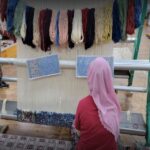
That changes the tone of the workshop. Instead of treating carpets as factory products, you’re seeing them as work tied to education, skill-building, and inheritance. The tour describes how weaving skills are learned within these workshops and passed down through generations. Even if you don’t buy, it makes the craft feel personal and grounded.
What to do while you’re there
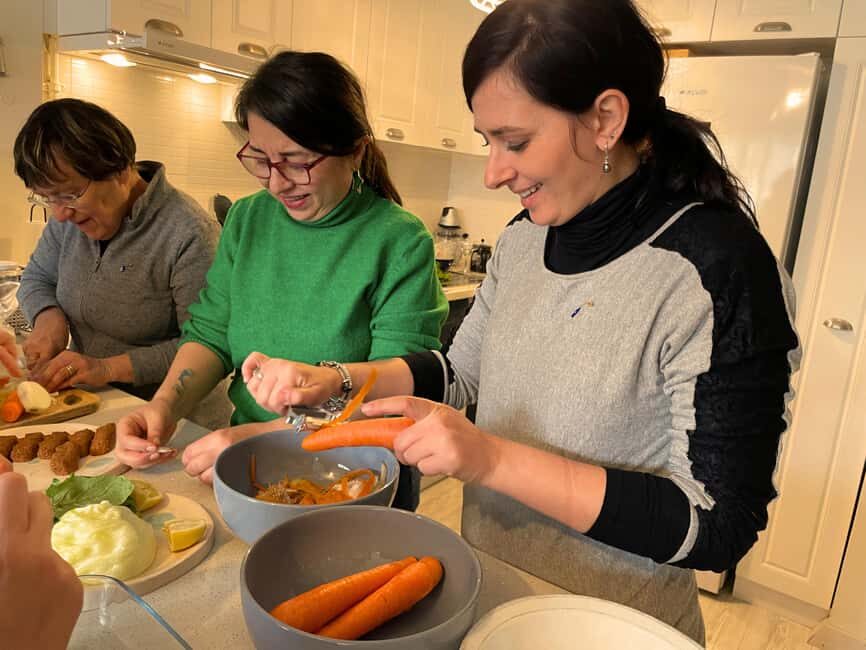
You’ll typically get to watch women weave, and that’s your cue to slow down. Watch how the pattern is built and how consistent tension affects the final look. If you want to shop, this is also when you can ask questions about quality, materials, and what makes one piece different from another.
One useful mindset: plan to buy thoughtfully. Carpet buying is where people can get disappointed by fakes or feel they paid too much. This experience is designed to reduce that risk by steering you toward reputable people in the market, but you’ll still do best if you compare carefully while you’re on-site.
Pottery workshop: red clay roots and a hands-on chance
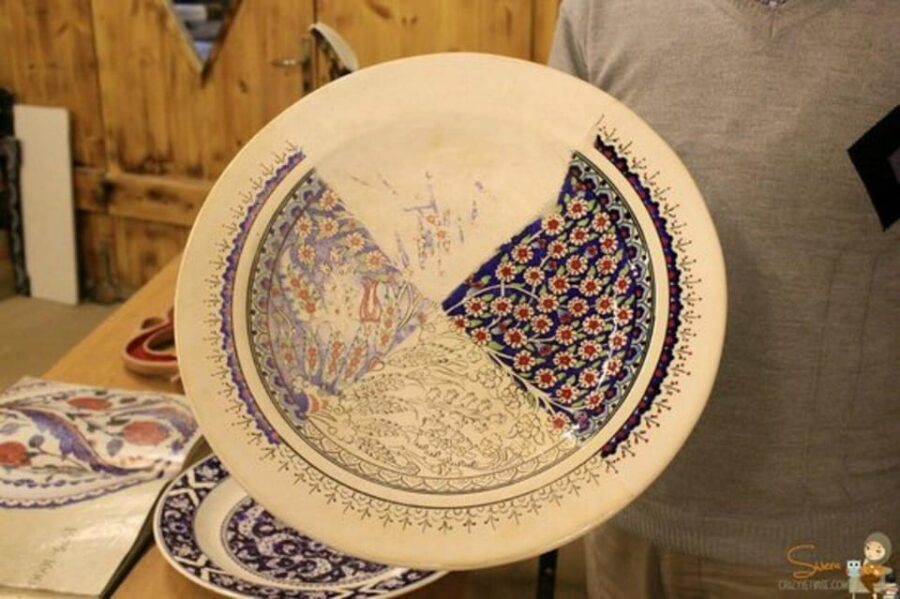
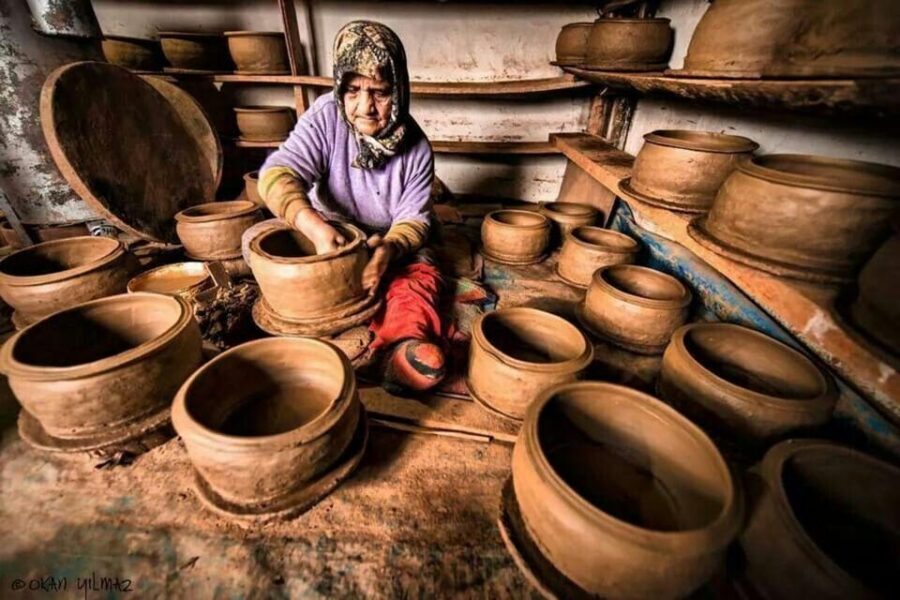
Pottery in Cappadocia isn’t just decorative. It’s described as a tradition with deep roots in Anatolia, and the tour notes that pottery art might date back to around 1750 B.C. with the Hittites. Whether you treat that as the long-arc origin story or simply as context, the takeaway is that pottery here is ancient enough to have developed its own rhythm.
The tour also gets specific about materials. You’re told they get red clay from the Red River (listed length: 1355 km) and white clay from rocky parts of Cappadocia. That kind of detail helps you understand why colors and textures show up the way they do in local ceramics.
How the visit usually feels
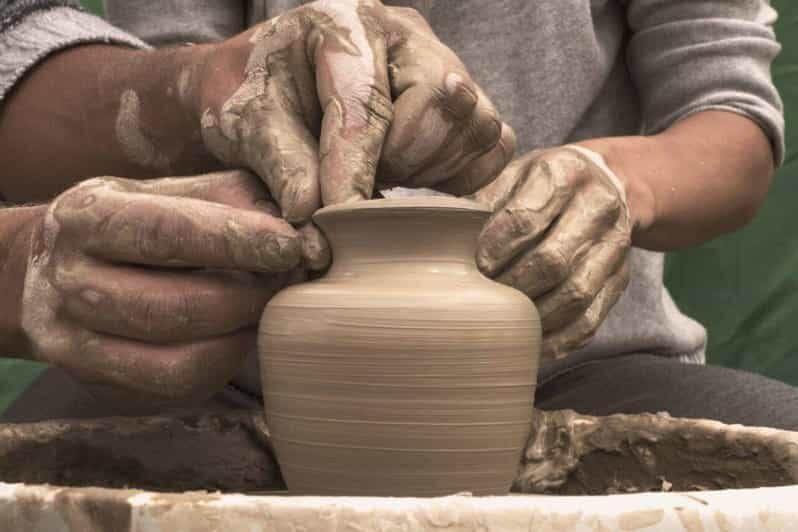
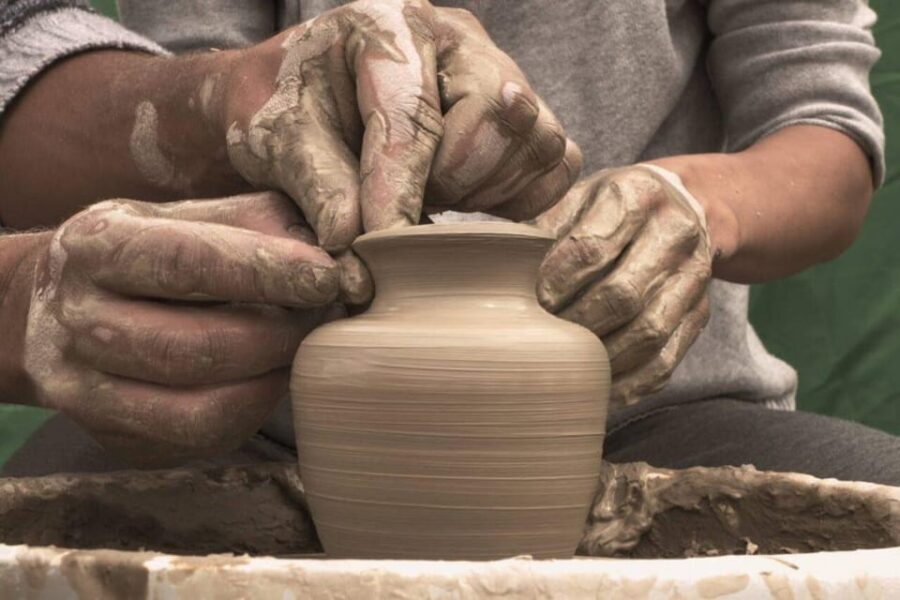
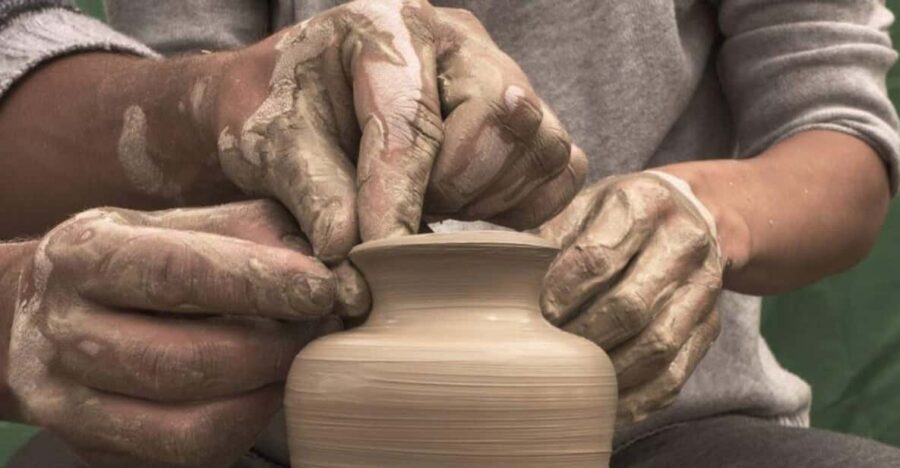
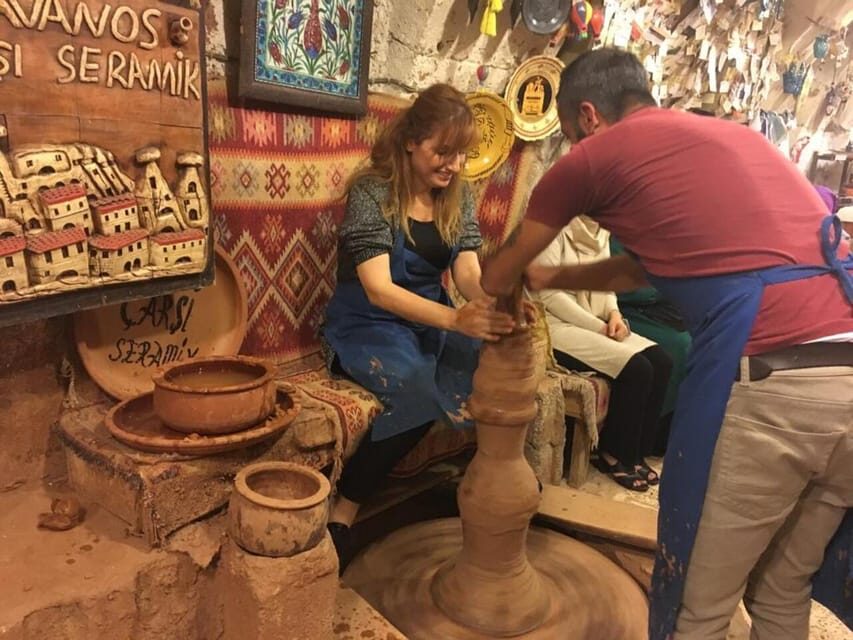
You’ll see a demonstration of how a piece is made, which is useful even if you’re not planning to touch anything. Watching the steps once helps you understand what makes one ceramic more refined than another—shape consistency, surface finishing, and overall thickness.
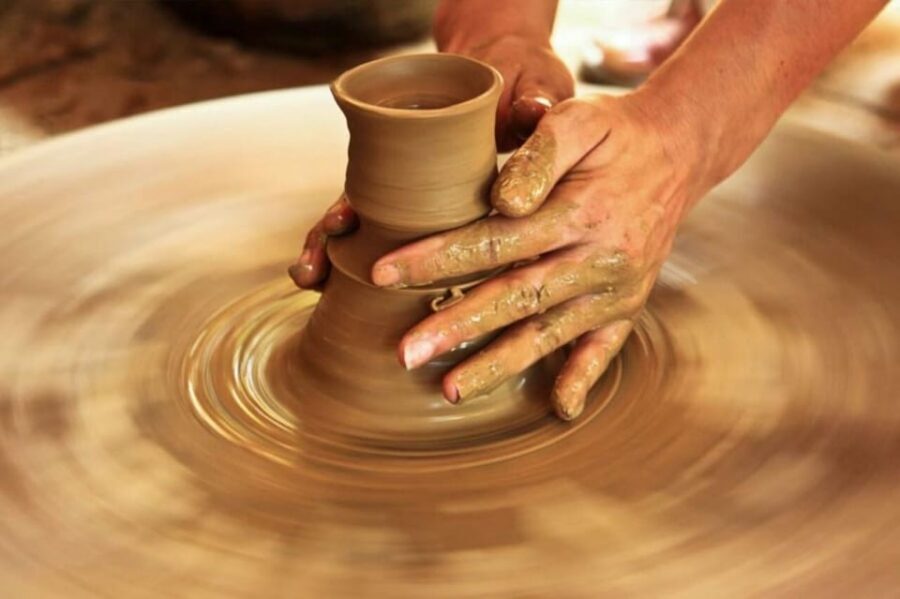
Then, if your session includes it, you can try making pottery. The tour information says this try-out costs you nothing, which is a big value add compared with other “ceramics tours” that mostly sell finished goods with a short photo stop.
A fair warning: one past booking reported they were expecting pottery making but only saw a shop demonstration and price explanations. So if you care about hands-on, ask early in the session whether you’ll actually get to make something during your time block.
Shopping without getting lost: carpets, ceramics, and what you should look for
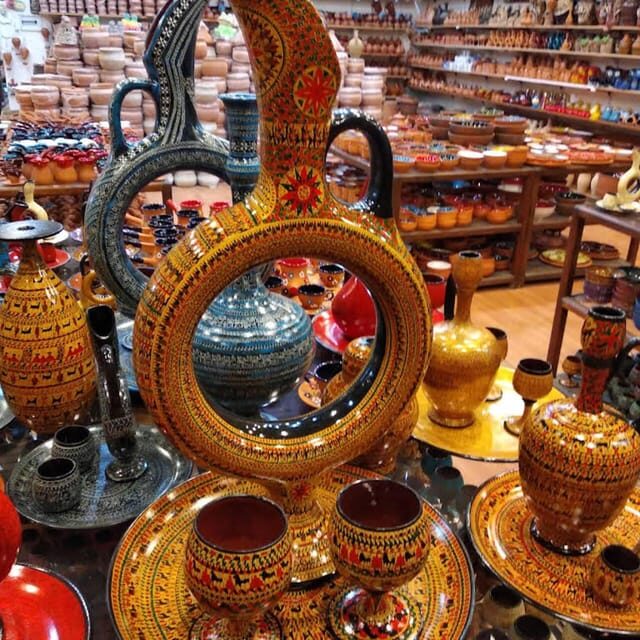
This experience is clearly tied to shopping, but it tries to keep that shopping grounded. The big promise is that you’ll see traditional products from across Cappadocia and Turkey, and you’ll be in workshop environments where you can watch what you’re being asked to buy.
In a place like Cappadocia, the danger isn’t just paying too much. It’s buying something that doesn’t match your expectations, like a carpet that doesn’t reflect the quality you thought you were purchasing. The tour is set up to reduce those concerns by bringing you to trustworthy market people and emphasizing reputable selling.
For ceramics, the “value” part is in understanding. Here are a few ways to shop smarter without needing an expert degree:
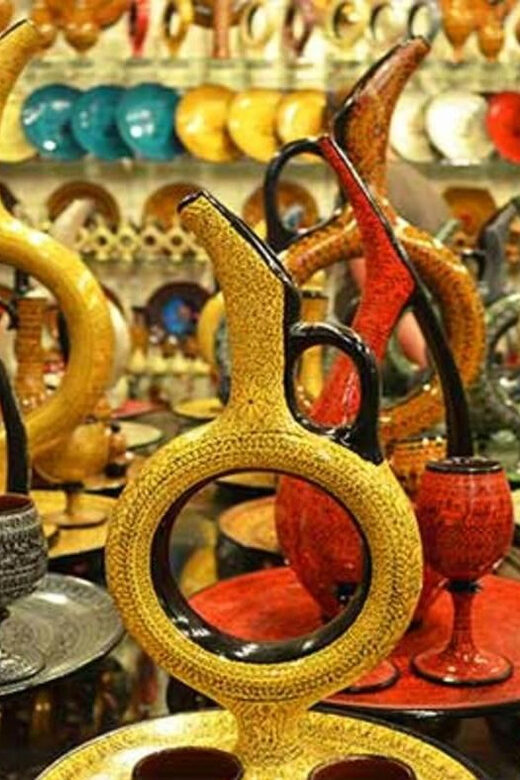
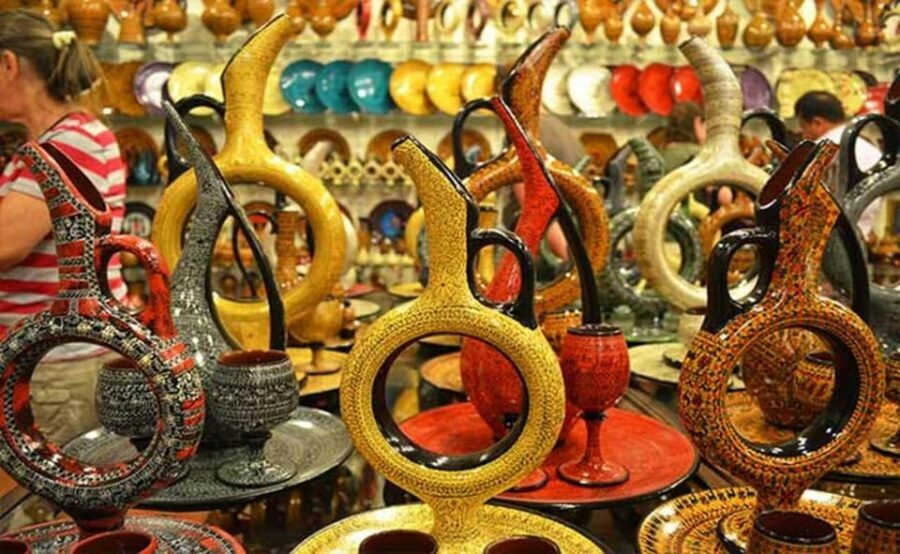
- Look closely at the finish. If surfaces look uneven or glazing looks like it pooled in weird spots, you’re seeing rushed work.
- Ask questions about materials and regional style. This region has recognizable patterns and color palettes.
- Don’t rush into the first price tag you see. You’re only there for about 2.5 hours total, so your best leverage is paying attention early, before you feel pressured.
If you’re buying for a home, think about how the item will live with your life. A smaller ceramic piece or a practical textile can be easier to carry and easier to enjoy daily than something delicate and huge.
You can also read our reviews of more tours and experiences in Cappadocia

The $30-per-person value: what you really pay for
At $30 per person for a 2.5-hour private stop, the headline is affordable craft access. But the better way to judge value is to ask what you get for the price: workshop time, a pottery-making chance, and transportation support.
You’re not just wandering a shop. The experience includes:
- Car and driver
- Pick up and drop off
- Pottery making as part of the visit
- Watching women weaving carpets at a co-operative workshop
That transportation piece can quietly change the economics. Cappadocia is spread out, and getting to craft workshops on your own can mean extra taxi time or adding another hop to your day. Having a driver built in turns the craft visit into a planned block, which is exactly what you want if you’re juggling hikes, valleys, or balloon schedules.
There’s also a value kicker: the pottery try-at-no-extra-cost. If your session includes hands-on time, you’re paying for a practical experience, not only watching.
The main value concern is consistency. If you’re unlucky and your visit leans heavier toward demonstration with less hands-on clay time, it can feel like a normal shop tour instead of a try-it workshop. That doesn’t mean it’s common, but it’s the one risk worth taking seriously.
Who should do this craft tour (and who might skip)
This tour is a strong fit if you:
- Like hands-on learning, even in a short format
- Enjoy shopping when it comes with context, like watching skills in action
- Want a Cappadocia activity that’s easy to slot in between viewpoints
- Prefer a private feel over joining a larger group
You might skip it if you:
- Only want galleries or outdoor sightseeing, with zero shopping focus
- Are specifically chasing a long pottery studio session (this is a 2.5-hour craft stop)
- Get disappointed when a hands-on part turns into a demonstration
If you’re unsure, this is still a good middle option. It’s not a huge commitment, and it gives you two crafts in one block. That makes it a useful add-on day plan when the rest of your Cappadocia time is taken up by landscapes, valleys, or travel days.
A few practical tips before you go
You’ll get more out of this visit if you prepare your expectations in a useful way.
First, think of it as process + shopping context. If you treat it like a pure learning class, you might feel the sales energy. If you treat it like only shopping, you’ll miss what makes it worthwhile.
Second, if hands-on pottery is your priority, ask a simple question early: will you get to make a piece during this time? You’re not being difficult; you’re just making sure the experience matches what you want.
Third, keep your choices realistic. Carpets and ceramics vary a lot in size, weight, and carrying comfort. If you’re traveling by plane, it can be smart to choose something easier to transport or plan for how you’ll pack it.
Finally, enjoy the human element. The co-operative focus on women’s economic independence gives the weaving workshop a different emotional weight than a typical shop stop.
Should you book this Cappadocia ceramics and carpet visit?
I’d book it if you want a short, private workshop experience that pairs carpet weaving with pottery making in one 2.5-hour block. At $30, it’s priced like an easy add-on, especially because you get car pick-up and drop-off and a chance to try clay (when your session includes it).
I’d think twice if you’re mainly looking for a deep, hands-on ceramics class with long studio time. One booking reported less hands-on than expected, so if that’s a dealbreaker for you, ask directly about what you’ll do during your pottery portion before you confirm.
FAQ
FAQ
Where does this experience take place?
It takes place in Cappadocia, Turkey, and it includes workshop visits related to ceramics and carpet weaving.
How long is the tour?
The duration is 2.5 hours.
How much does it cost?
The price listed is $30 per person.
Is pottery making included?
Yes. Pottery making is included, and the tour information says you can try making pottery at no additional cost.
Do you visit a carpet workshop?
Yes. You visit a women’s co-operative carpet workshop where you can watch carpet weaving.
What’s included besides the workshops?
The tour includes car and driver, plus pick-up and drop-off.
Is this a private group tour?
Yes. It’s listed as a private group.
What languages are supported by the host or greeter?
The host or greeter languages listed are Chinese, English, French, Italian, Japanese, Portuguese, Spanish, Turkish, Russian.
Can I get a full refund if I cancel?
The tour offers free cancellation up to 24 hours in advance for a full refund.