REVIEW · CAPPADOCIA
Cappadocia : Dervish Sema Ceremony in Cappadocia
Book on GetYourGuide →Operated by Emoji Turismo · Bookable on GetYourGuide
One hour, and the room changes mood. This Mevlevi Sema ceremony is a UNESCO-protected cultural performance where spiritual dance traces the journey of the soul, not just “pretty spinning.” I love the steady pull of the live musicians and the way the show feels intentionally structured, like it has rules for a reason. My main caution is simple: at this pace, the choreography can feel a little repetitive if you prefer constant variety.
You’ll also get hotel pickup in Cappadocia from several towns, then end with a small but meaningful touch: a glass of sherbet after the ceremony, plus time to speak with performers if the schedule allows. Because the whole experience is about one hour, it’s best for people who want a focused cultural moment, not a long night out.
In This Review
- Key things to know before you go
- Mevlevi Sema in Cappadocia: what you’re actually watching
- The ceremony structure: four sections, seven chapters
- Getting there smoothly: pickup, photo stop, and getting seated
- Inside the atmosphere: live music, spiritual pacing, and etiquette
- Sherbet and a quick chat: what happens at the end
- Price and value: why $34 can work in your favor
- Who should book, and who might find it tough to sit through
- Booking tips that make the experience easier
- Should you book this dervish Sema experience in Cappadocia?
- FAQ
- FAQ
- How long is the Dervish Sema ceremony experience?
- What does the tour include?
- Is the ceremony UNESCO-protected?
- Where are the pickup and drop-off locations?
- Does the performance have live musicians?
- Is there an English-speaking driver?
- Is it wheelchair accessible?
- What is the cancellation policy?
Key things to know before you go
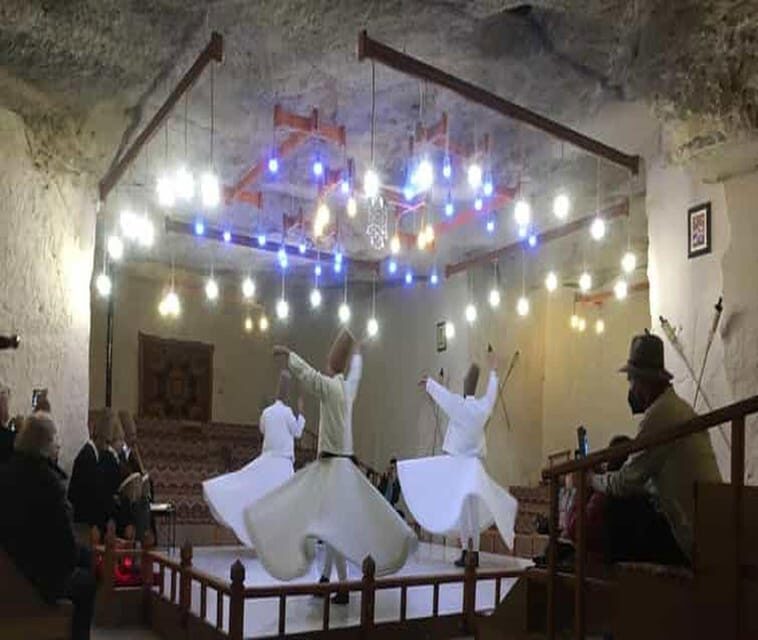
- UNESCO-protected Mevlevi Sema: a Sufi ritual performed for centuries
- Structured ceremony: four sections and seven chapters, lasting at least 45 minutes
- Live music throughout: the performance is driven by musical modes and rhythm
- Sherbet at the end: a small welcome-back-to-reality moment
- Pickup and drop-off: from Ortahisar, Göreme, Çavuşin, Ürgüp, Uçhisar, and Avanos
Mevlevi Sema in Cappadocia: what you’re actually watching
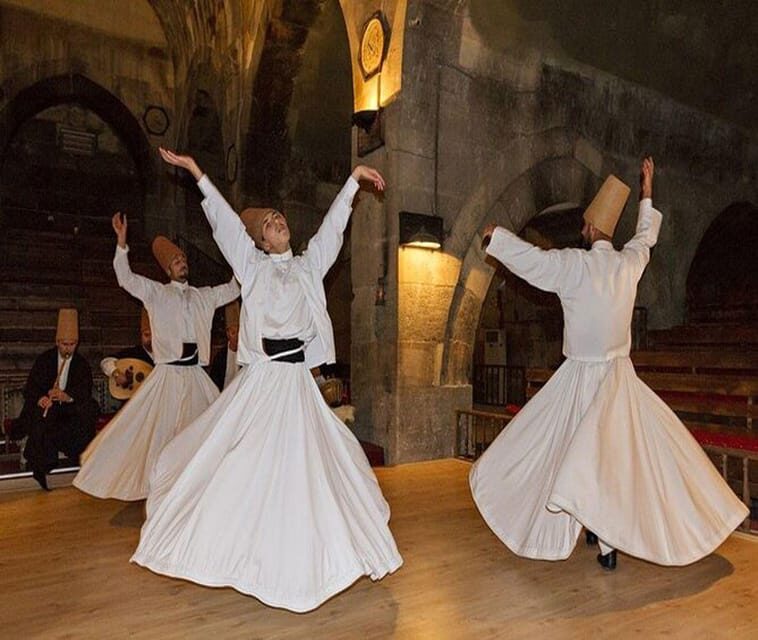
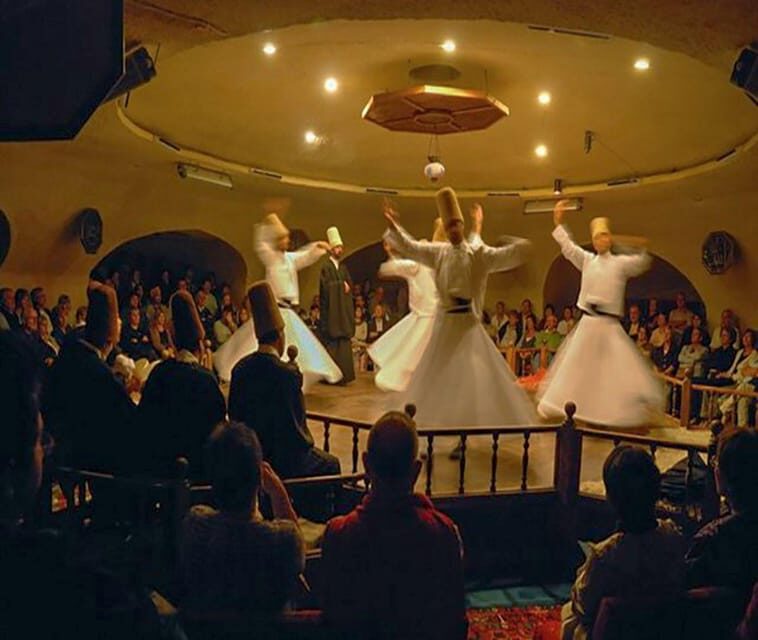
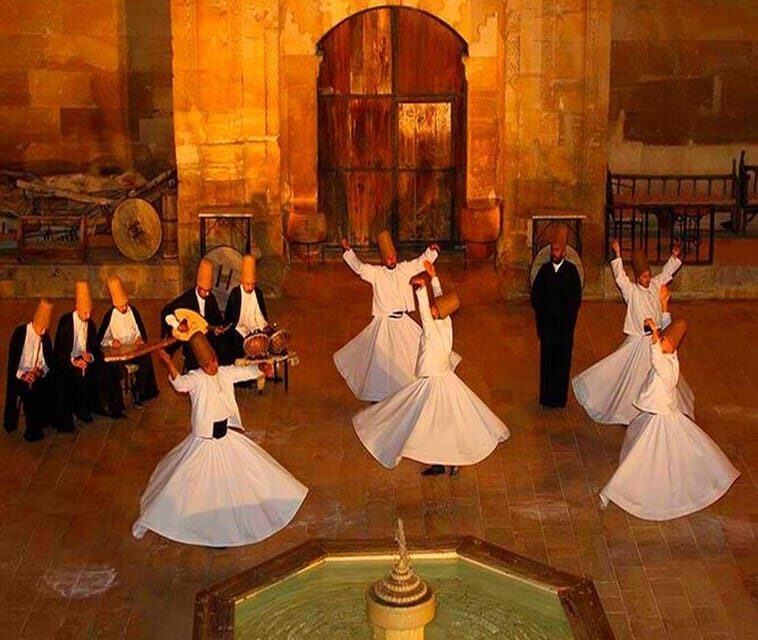
The Mevlevi Sema is a Sufi ceremony expressed through movement, music, and ritual etiquette. In Cappadocia, you’re not getting a casual folk dance show. You’re seeing the Sema as a formal spiritual practice, presented in a performance format that still aims to respect its original meaning.
The big idea is the spiritual journey. The dance represents the journey of the soul, and the ceremony’s progression is meant to feel like stages moving forward. That’s why the pacing matters. This isn’t choreographed for TikTok speed. It’s meant to slow you down and keep you watching closely.
Also, the ceremony is described as being performed secularly by an executive team trained in dervish lodge education and etiquette. Translation: you should expect a disciplined, organized experience where tradition is handled with care, but presented to a general audience. Even if you’re not steeped in Sufi symbolism, the overall rhythm and structure do a lot of the explaining for you.
You can also read our reviews of more tours and experiences in Cappadocia.


The ceremony structure: four sections, seven chapters
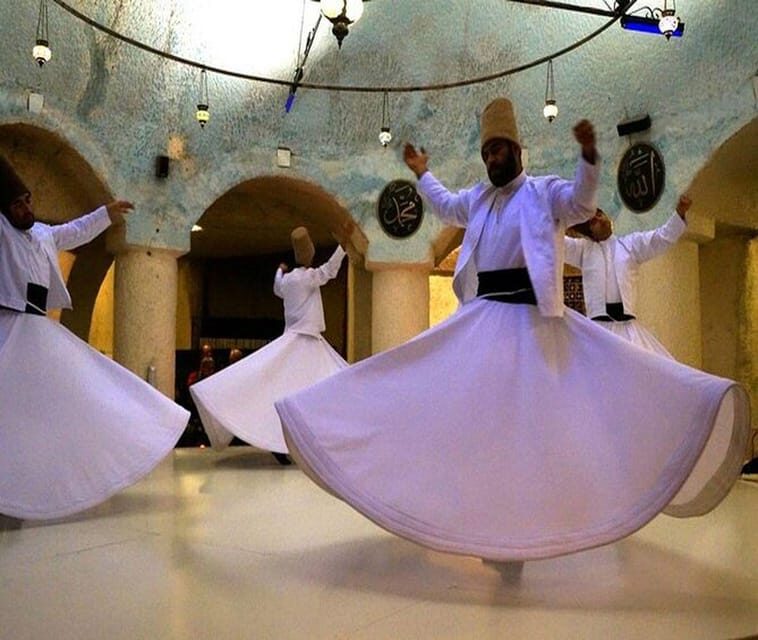
One reason this show feels more than “a dance performance” is how it’s built. The Sema consists of four sections and seven chapters, and it lasts at least 45 minutes. That minimum time matters because you’re given enough runway for the ceremony to develop, not just a quick highlight reel.
You’ll notice that the duration can vary according to musical modes. But the performance time is described as being exactly the same as the performances during the eras of Hazrat Mevlana and Hazrat Sultan Veled in terms of Sufism. So even with changing music, the framework stays anchored.
What you might feel, especially if it’s your first time watching, is a gradual shift from announcement to atmosphere to repetition-with-purpose. Some visitors love how hypnotic it becomes once you settle in. Others, understandably, can find the rotation of movements a bit long because the same core dancing cycles show up more than once.
That’s the trade-off: the ceremony is built on tradition and repetition, not novelty. If you’re open-minded and enjoy music-led performances, you’ll likely find it calming. If you need constant visual surprises, you may wish it had a few more distinct segments.
Getting there smoothly: pickup, photo stop, and getting seated
The logistics are part of the value here. Your experience includes pick-up and drop-off from hotels across Cappadocia, with six pickup options: Ortahisar, Göreme, Çavuşin, Ürgüp, Uçhisar, and Avanos. That matters because Cappadocia spread-out driving can be the real time-sink. This keeps the day simple.
The flow is: you’re picked up, you move into the Cappadocia area for a photo stop and a visit, and then you head into the ceremony. The traditional dance show itself is listed as 1 hour total time for the experience, while the ceremony portion is described as lasting at least 45 minutes. In other words, you’re not spending the whole day waiting around.
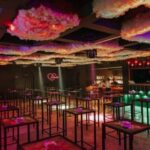
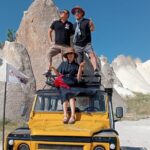
One review highlighted a high-end, private-vehicle feel to the transfer, describing a small party-bus style setup with neon lighting. Another emphasized that the driver walked them into the event and made sure everything was ready before seating. That’s the practical difference between a standard transfer and a smooth one: you lose less time figuring things out.
A small note for your expectations: a photo stop sounds simple, but it usually means quick, practical shots rather than a long walk. If you want dramatic Cappadocia views, you may still need daylight planning later. This stop is best viewed as a bonus, not your main photography session.
Inside the atmosphere: live music, spiritual pacing, and etiquette
The show is built around live music, and that’s a key reason people rate it highly. When music is live, the rhythm feels more alive, and the ceremony transitions land with more clarity. Reviews specifically mention live musicians, and that’s exactly what you should listen for: the ceremony is shaped by musical modes that guide how it moves forward.
You’ll also feel that the event is handled with etiquette. The performance is said to be run according to a circular published by the Ministry of Culture, and the executive team is trained in dervish lodge education and etiquette. That points to a measured, consistent presentation, which helps your attention stay where it should: on the ceremony’s stages.
Now, about comfort and expectations. You’ll likely sit still for the core program. If you go in expecting a fast show like a modern stage production, it can feel slow. But if you like music-first performances, you’ll probably appreciate the steady build.
One review did call the dancing slightly boring due to repeating for around 40 minutes. That’s consistent with what the ceremony structure implies. The upside is that by the time you’ve settled into the rhythm, you may start noticing details you missed at the start—hand positions, timing, and how music cues the next stage.
Sherbet and a quick chat: what happens at the end
The ceremony doesn’t just end with a curtain drop. At the end of the performance, you get a glass of sherbet. It’s a small detail, but it’s a real reset button. After sitting through something spiritual and focused, this gives your body a moment to move back into normal conversation.
You can also chat with the performers. That’s included, and it’s one of the most interesting parts if you’re curious about what you just watched. When you have a moment with performers, you often get more context than any brochure could give—like how they understand the flow of the ceremony or what they think newcomers notice first.
That said, timing can affect it. One review mentioned that chatting was advertised but they didn’t get a chance. So go in with hope, not certainty. If the venue moves quickly to release the audience, the moment may be brief.
If you do get the chance to talk, keep it simple. Ask what the different stages represent in plain language. Or ask what you should watch for next time—music cues, posture shifts, or how the ceremony’s chapters connect. Short questions are usually best because the performers have a schedule too.
Price and value: why $34 can work in your favor
At $34 per person, the value depends on what you compare it to. A “cheap” show often turns into a transport headache or a venue experience that feels loosely organized. Here, the price includes pick-up and drop-off from hotels around Cappadocia, the Sema performance, sherbet, and time to chat with performers.
That bundled setup is where the money can make sense. In Cappadocia, getting from point A to point B can eat your day. When a transfer is included, you’re paying for time saved and fewer stress points.
Also, the performance itself is described as UNESCO-protected cultural heritage. That doesn’t automatically mean it’s your dream show, but it does explain why the ceremony follows a defined structure: four sections, seven chapters, and a duration designed to match the tradition of Hazrat Mevlana and Hazrat Sultan Veled. For many people, that structured, ritual framing is exactly what they came for.
Is it worth it for everyone? If you want a night that includes dinner, longer social time, or lots of variety in a single evening, this is probably too short. It’s a focused experience. Think of it as cultural programming, not a full itinerary.
Still, one review praised the seamlessness from booking to transport back to the hotel, plus driver punctuality and communication. That’s a sign the overall experience is designed to run on time, which is valuable when you’re traveling with limited hours.
Who should book, and who might find it tough to sit through
This is a good fit if you want a serious cultural performance that doesn’t require special prep. You’ll get a clear ceremony format, and the live music helps carry you even if you don’t know the symbolism. It’s also a smart choice if you hate the logistics puzzle of where to park, how to find the venue entrance, and how long you’ll wait.
It’s especially suitable for:
- People who like music-led stage performances
- Visitors who want UNESCO-protected cultural heritage in a short window
- Anyone who values a smooth, hotel-to-venue transfer
It may be less ideal if:
- You struggle with long periods of sitting quietly
- You need lots of visual novelty
- You’re hoping for a long discussion with performers (chat time can be tight)
One review mentioned front-row seats. That’s a big difference for viewing details. If you can request or select seating (depending on what’s offered to you), front row is likely the best way to catch the ritual movement and musical cues without craning your neck.
Booking tips that make the experience easier
A few practical things will help you enjoy this more, even if it’s your first time at a Sema ceremony.
First, arrive ready to be still. The ceremony runs at a ritual pace. Plan your expectations around at least 45 minutes of performance, then quick sherbet afterward.
Second, if you’re sensitive to the length of repetition, watch for the “why” behind it. The repetition is part of the structure, not a mistake or lack of choreography. Once you accept that, you’ll usually find it easier to stay engaged.
Third, bring a calm mindset. This show has etiquette built in. You’ll likely be asked to follow instructions from staff, and the goal is to protect the ceremony’s atmosphere.
Finally, if you’re hoping to chat with performers, be proactive but respectful. Keep your question short. If timing is tight, a quick friendly question can still feel meaningful even if there’s no long conversation.
Should you book this dervish Sema experience in Cappadocia?
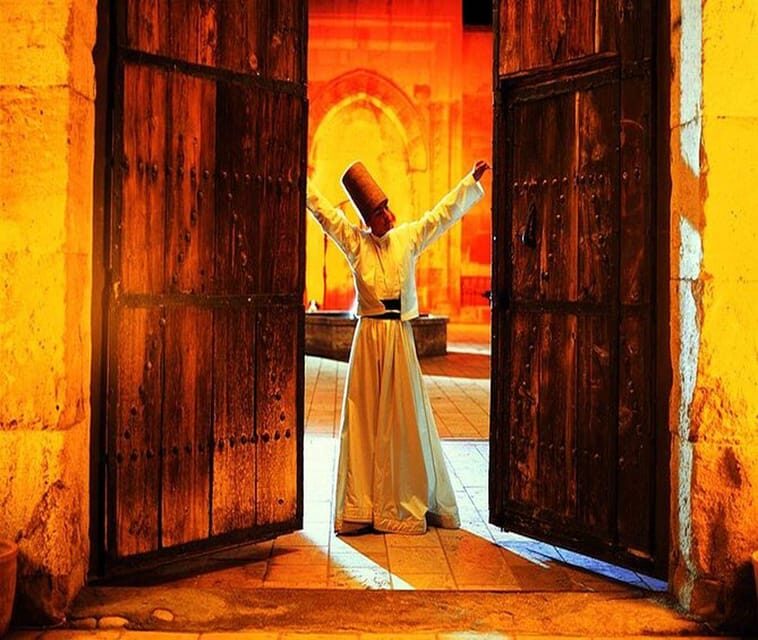
Book this if you want a compact, well-run cultural evening with hotel pickup, a UNESCO-protected Mevlevi ceremony, live music, and a clear end-of-show moment with sherbet. It’s the kind of experience that works well when you have limited time and still want something authentic and structured.
Consider skipping or choosing another option if you’re looking for a longer evening with lots of variety, or if sitting through a ceremonial format feels draining for you. With its short time window, you’ll either love the focused ritual pacing or notice the repetitive segments more than you expect.
FAQ
FAQ
How long is the Dervish Sema ceremony experience?
The total experience is listed as 1 hour. The Sema ceremony itself lasts at least 45 minutes.
What does the tour include?
It includes pick-up and drop-off from Cappadocia hotels, the Sema performance, sherbet, and time to chat with the performers.
Is the ceremony UNESCO-protected?
Yes. The Mevlevi Sema ceremony is described as a UNESCO-protected cultural heritage performance.
Where are the pickup and drop-off locations?
Pickup options include Ortahisar, Göreme, Çavuşin, Ürgüp, Uçhisar, and Avanos. Drop-off locations include the same six areas.
Does the performance have live musicians?
Yes. The ceremony is described as using live musicians in feedback, and the experience is centered on the ceremony and its music.
Is there an English-speaking driver?
Yes. The driver is listed as English-speaking.
Is it wheelchair accessible?
Yes, the activity is listed as wheelchair accessible.
What is the cancellation policy?
You can cancel up to 24 hours in advance for a full refund.