REVIEW · CAPPADOCIA
From Cappadocia: 2-Night Nemrut, Sanliurfa, and Harran Tour
Book on GetYourGuide →Operated by TRAVELUX CAPPADOCIA · Bookable on GetYourGuide
Three days, two sunrises, and a lot of ruins.
This is the kind of trip where Mount Nemrut is the headline, but the route matters too: you move from Silk Road stops in Kayseri to biblical-era sites around Şanlıurfa, then end with the mud-brick “beehive” world of Harran. I also like that it’s set up as a private group, so the pace feels more human than the usual big-bus scramble.
What I really like are the two big “why it’s worth it” moments. I love how Nemrut is timed for sunrise, with the summit walk and the sheer scale of the statues making the experience feel immediate. I also love the variety around Şanlıurfa: Gobeklitepe and then Abraham’s Cave and the Pools of Holy Carp, followed by covered bazaar time.
One consideration: this trip is packed with long driving stretches between regions, and Day 2 starts early with a walk to the Nemrut summit. If you’re not into early mornings and being in a van for a lot of the day, you’ll want to plan your expectations.
In This Review
- Key highlights and what they mean
- Day 1: Cappadocia to Adıyaman via Kayseri’s Silk Road and Kahramanmaraş ice cream
- Mount Nemrut at sunrise: colossal statues, the 25-minute summit walk, and the Commagene story
- Septemius Severus Bridge, Karakus Tumulus, and why the route makes sense
- Şanlıurfa essentials: Atatürk Dam stop, Gobeklitepe, Abraham’s Cave, and the Pools of Holy Carp
- Gobeklitepe: why 11,500 years still feels immediate
- Abraham’s Cave and the Pools of Holy Carp
- Covered bazaar + Gümrük Han
- Harran: mud-brick beehive houses and the biblical setting
- Day 3 return: Birecik Bald Ibis breeding farm, then back through the Taurus Mountains
- Food, timing, and how the included meals actually help
- Price and value: what $3,543 per group buys you here
- Should you book the Nemrut–Sanliurfa–Harran tour?
- FAQ
- What’s the duration and pace of this tour?
- How much walking is involved at Mount Nemrut?
- What major sites does the tour cover?
- What’s included in the price?
- Do I get hotel pickup and how does it work?
- Are there options for cancellation or flexible booking?
Key highlights and what they mean
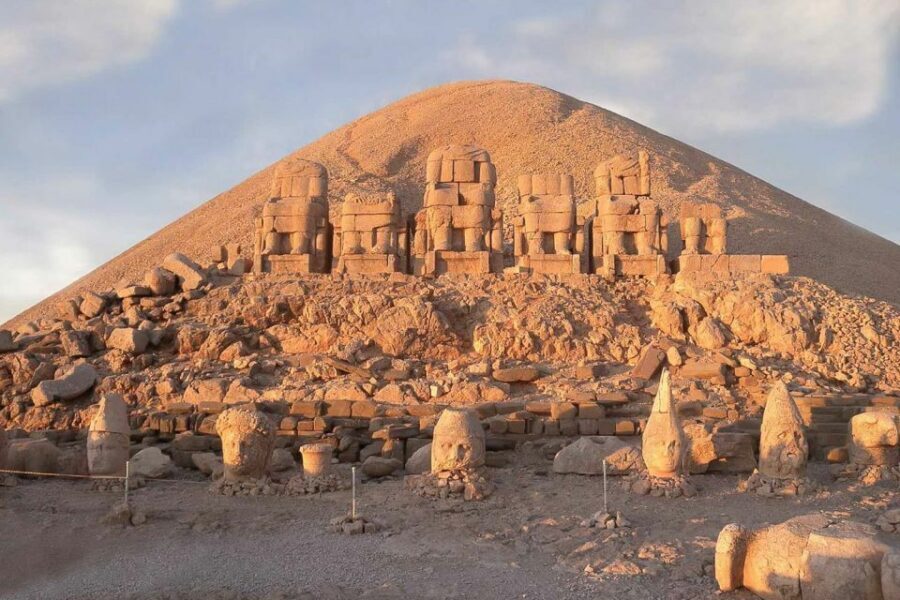
- Nemrut sunrise at the summit: the timing turns “ruins” into a scene you can actually feel.
- Silk Road comfort stop at Karatayhan: history you can break inside, not just look at from a roadside.
- Gobeklitepe plus Abraham’s Cave: you get multiple layers of belief and archaeology in one day.
- Harran mud-brick houses: you see how people lived, not just what they built.
- Birecik Bald Ibis farm stop: a different kind of nature break on the return leg.
Day 1: Cappadocia to Adıyaman via Kayseri’s Silk Road and Kahramanmaraş ice cream
Day 1 has a strong travel rhythm: meet your guide in the morning, ride out of Cappadocia, and spend the day moving through real parts of eastern Turkey rather than only “tour zone” stops. You’ll depart at 8:00 AM from your hotel, then start the day with a countryside drive through and around the Taurus Mountains, watching everyday life go by at the speed of a long-distance road day.
A standout here is the stop at Karatayhan in Kayseri. Caravanserais are easy to treat like “just another old building,” but Karatayhan is the kind of place that reminds you the Silk Road wasn’t an idea—it was people, animals, fatigue, and meals along the way. You get a break from the van, a chance to stretch, and context before the bigger archaeological days start.
Then the route swings toward Kahramanmaraş, where the tour plan includes lunch time and (importantly) an ice cream stop. The ice cream isn’t some random add-on. It’s a practical travel move: you’re in the car for long stretches, and you need a moment that’s simple and satisfying. After that, the drive continues toward Adıyaman, and you overnight there.
My advice: treat Day 1 as the “reset and orientation day.” You’re not just passing through—you’re being gently prepped for what comes next: Nemrut is huge, Şanlıurfa is layered, and Harran is a living-style archaeological stop.
You can also read our reviews of more evening experiences in Cappadocia
Mount Nemrut at sunrise: colossal statues, the 25-minute summit walk, and the Commagene story
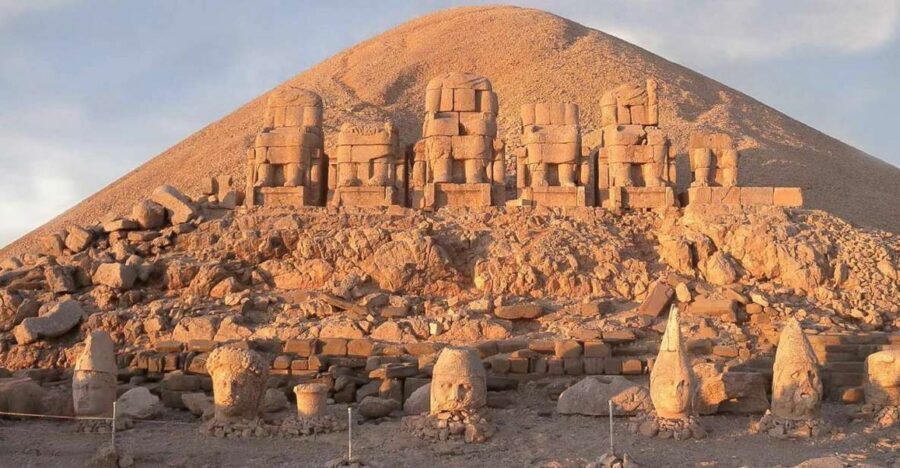
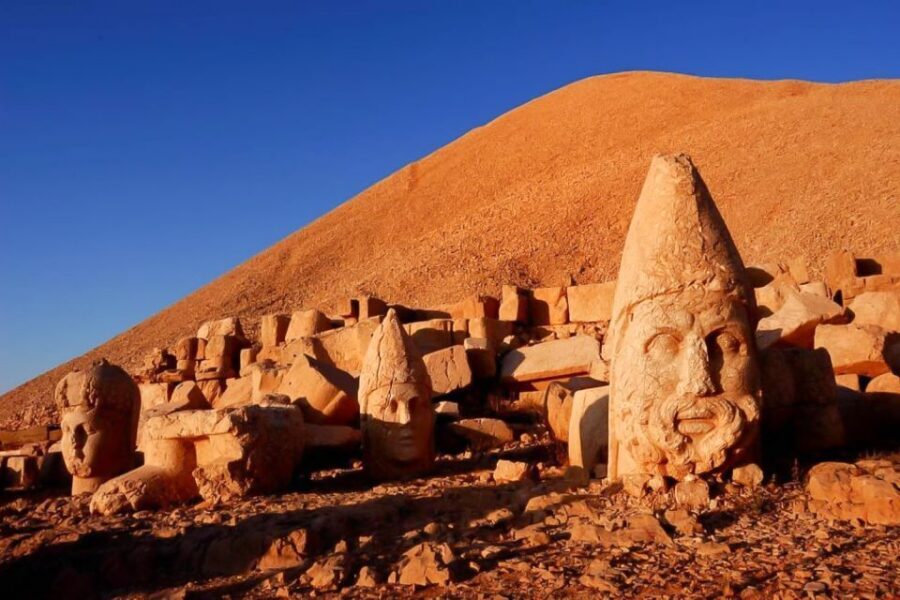
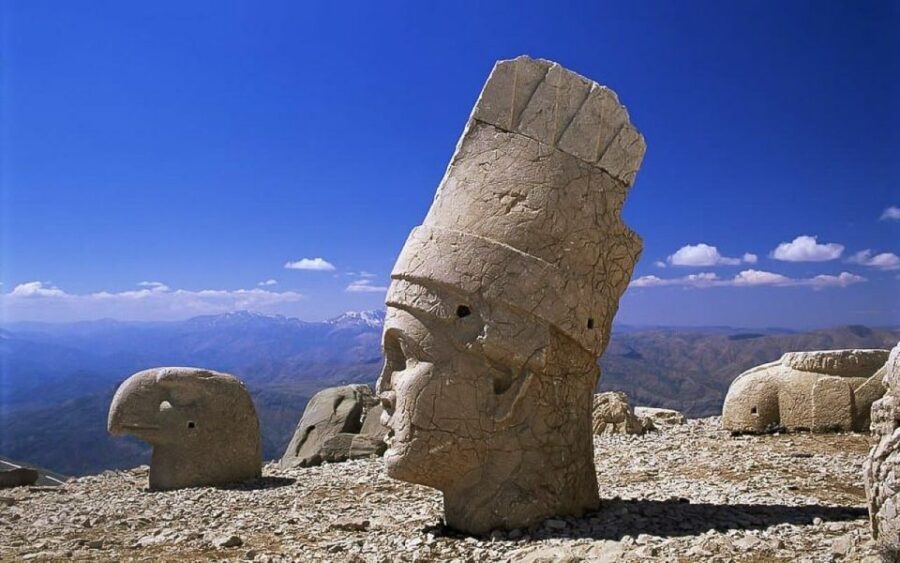
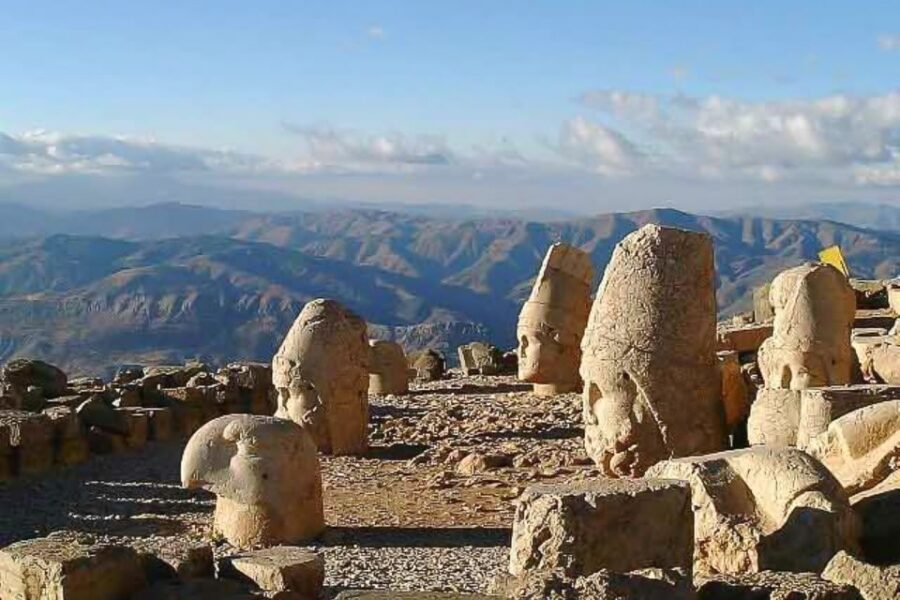
Day 2 is where the tour goes from interesting to memorable. You leave early from your hotel and head straight for Mount Nemrut. The experience is built around a classic move: you park, then walk about 25 minutes up to the summit. It’s not long, but it’s real walking—so wear shoes you trust. Once you’re up there, you wait for the sun and then watch it hit the statues and heads scattered across the summit.
The statues matter because they’re not “generic Roman stuff.” Nemrut is tied to the Commagene Kingdom, and the whole point is that you’re seeing royal propaganda from a mountain top. That’s why sunrise is so effective: you’re not looking at a picture. You’re looking at weathered faces in a changing light, with the scale doing the heavy lifting.
From Nemrut you continue to Arsemia, the former capital of Commagene. This is a good pairing because it helps explain the summit instead of leaving it as a lone landmark. After that, the plan includes the Septimus Severus Bridge over the Cendere Stream and then the Karakus Tumulus, where members of the royal family were buried.
A practical note: the Nemrut section is timed tightly. You’ll want to show up prepared for cool air at dawn, then warmer temps as the day unfolds. I’d also plan for the mental shift from “photos first” to “look slowly.” Nemrut rewards slow looking, especially when you realize the statues are arranged like an intentional message.
Septemius Severus Bridge, Karakus Tumulus, and why the route makes sense
Not every tour stitches together sites as well as this one does. Here’s why the bridge and tumulus stops work: they broaden the story beyond the summit. The Nemrut statues are your dramatic entrance. The bridge is the practical engineering contrast. The tumulus brings you back to royal burial and the idea that these places were meant to be remembered.
This is also the kind of day segment that can feel tiring on paper—drive, stop, drive, stop—but it’s structured around reducing guesswork. You’re not making your own schedule. You’re following a path that naturally leads from Commagene power (Nemrut and Arsemia) into nearby monumental structures (bridge and tumulus).
If you enjoy archaeology but dislike lecture-y tours, you’ll likely feel more at home here. The guide’s job is to give you the “what you’re looking at” connections so the sites don’t stay like separate Wikipedia entries.
Then the plan moves on toward Şanlıurfa and Harran, which is a very different vibe from Nemrut. That contrast is part of the value.
Şanlıurfa essentials: Atatürk Dam stop, Gobeklitepe, Abraham’s Cave, and the Pools of Holy Carp
As you drive toward Sanliurfa (Şanlıurfa), you stop at the Atatürk Dam, described as the largest dam in the Middle East. Even if you don’t become a dam person overnight, it’s a useful pause. Long days in a vehicle are easier when you get a structured break, and big infrastructure viewpoints often give you that quick “stretch and reorient” moment.
Once you reach Şanlıurfa, you check into your hotel and handle lunch there. Then the day becomes a concentrated hit of what makes this region famous: Gobeklitepe, Abraham’s Cave, and the Pools of Holy Carp.
Gobeklitepe: why 11,500 years still feels immediate
You’ll visit Gobeklitepe, a hilltop sanctuary believed by archaeologists to be about 11,500 years old, often described as the oldest sanctuary in the world. That’s the big headline, but the real travel value is the sensation of standing near something so old it changes your frame.
It’s not just a wow-factor site. Gobeklitepe also helps you understand why people have returned to this landscape for millennia: the human drive to gather at meaningful places is older than most religions and younger than some myths.

Abraham’s Cave and the Pools of Holy Carp
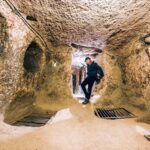
After lunch, you move to Abraham’s Cave and then the Pools of Holy Carp surrounding it. This pairing works because it shows how archaeology and living tradition overlap here. The carp pools give you a sensory anchor—water movement, visible animals, and the feeling that this isn’t a dead monument.
Covered bazaar + Gümrük Han
Next up: time to walk an oriental covered bazaar and visit Gümrük Han. This is where the tour earns its “not just ruins” reputation. Even if you’re not shopping, walking a covered bazaar space helps you understand the everyday geography of the city. You see the layout of trade and the rhythm of merchant life in a place that also has massive religious and archaeological stops.
This day in Şanlıurfa can feel like information overload if you treat it like a checklist. A smarter approach: pick one or two moments to linger on. Gobeklitepe deserves slower attention; Abraham’s Cave and the carp pools are easier to enjoy in a calmer walk; the bazaar is best for simple wandering.
Harran: mud-brick beehive houses and the biblical setting
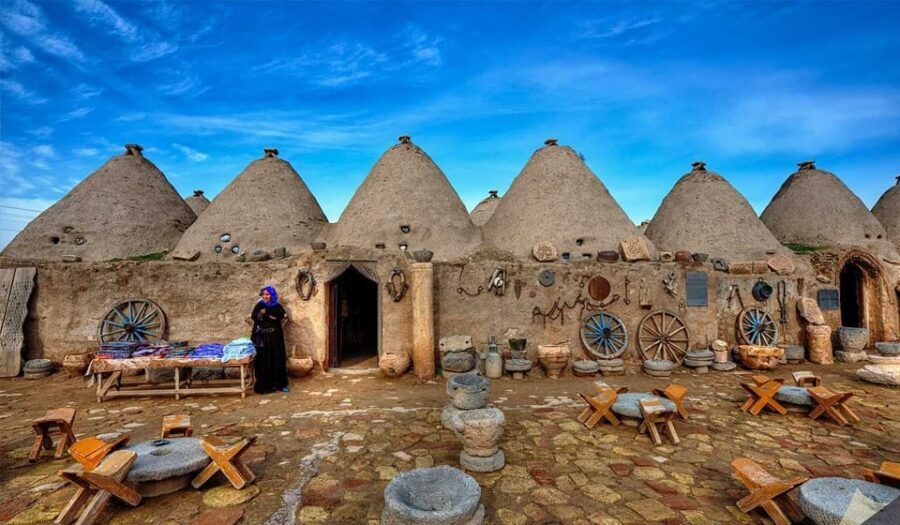
From Şanlıurfa you drive on to Harran, a village known for mud-brick “beehive” houses that show up in connection with biblical stories. The tour plan notes Harran as the place mentioned in the Book of Genesis, where Abraham spent the last years of his life.
Even if you already know the story, the practical value of Harran is visual. Those houses give you a tangible sense of how shelter and daily life can look when architecture is built for local conditions and available materials. It’s not just another photo stop; it’s a living-style time capsule.
You’ll enjoy dinner and then return to overnight in Sanliurfa, which is a smart way to avoid the fatigue trap of sleeping in a smaller village after a big day of sights. You get the calm of a city hotel base while still covering Harran’s distinctive atmosphere.
Day 3 return: Birecik Bald Ibis breeding farm, then back through the Taurus Mountains
Day 3 keeps things moving without feeling like a race. After breakfast, you head to Birecik, which is famous for Bald Ibis birds that live in Birecik. A stop at the Bald Ibis breeding farm is included, which makes this more than just a roadside nature claim.
This is a nice change of pace after days of stone and earth history. It also offers a breather that’s useful if you’ve been mentally full since sunrise at Nemrut.
Then you continue driving back up into the Taurus Mountains. You’ll have a short tea break, and then the tour returns you to Cappadocia.
If your energy is low, focus on the “small wins”: good tea, a quick bird stop, and the satisfaction of knowing the long driving days are organized rather than left to chance.
Food, timing, and how the included meals actually help
This tour includes a lot that affects how your day feels: 2 nights accommodations, 2 breakfasts, 3 lunches, and 2 dinners—plus entry fees. It also includes transportation in an air-conditioned vehicle and a professional English-speaking guide.
That matters more than people think. When meals and admissions are handled, you spend less time negotiating, translating, or figuring out what costs extra. It also means you can keep a steadier rhythm: arrive, see, eat, move on.
The tour includes a mix of experiences that are easy to understand:
- historical monuments (Nemrut, Arsemia, bridge, tumulus)
- archaeological power spots (Gobeklitepe)
- religious tradition sites (Abraham’s Cave, carp pools)
- market and caravan-trade context (covered bazaar and Gümrük Han)
- a living-feeling village (Harran)
- a nature stop (Bald Ibis breeding farm)
My practical tip: eat like a traveler, not like a marathon runner. If you’re going hard on photos at Gobeklitepe and Nemrut, you’ll appreciate having planned meals to stop you from skipping and then crashing later.
Also, the tour is offered in multiple languages, including English, Spanish, Portuguese, Japanese, Italian, French, Arabic. If you care about explanation quality, picking your language option ahead of time is worth it.
Price and value: what $3,543 per group buys you here
The price is listed as $3,543 per group up to 1 for the 3-day / 2-night experience. That’s not cheap on the surface, but this kind of route is expensive to run well: multi-day vehicle time across Adıyaman Province, multiple major sites, entry fees, a guide, and two hotel nights.
Here’s where the value math gets real:
- You’re paying for organized transport across a distance that would be stressful to DIY without local driving confidence.
- You’re paying for entry fees for the included sites, so the “oops, that ticket costs extra” surprises are reduced.
- You’re paying for a guide who helps connect sites into a coherent story, so you don’t leave Nemrut and Gobeklitepe feeling like two random stops.
So who does this fit best? It makes the most sense if you’re okay with spending for time saved and for someone else to handle routing and logistics. If you’re traveling solo, the per-group price can feel steep—but the private group aspect may still be worth it if your priority is comfort, early timing for sunrise, and a steady itinerary.
My advice: if you can share the cost with others, this becomes more reasonable fast. If you’re going alone, think of it as paying for a prepared package that covers both the drive and the admissions.
Should you book the Nemrut–Sanliurfa–Harran tour?
I’d book it if you want a trip that treats the region like one connected story: Commagene power at Nemrut, the deep prehistory of Gobeklitepe, the living religious landscape around Abraham’s Cave and the carp pools, and then the mud-brick architecture of Harran. I also like that it includes a couple of well-placed “reset” moments: Karatayhan for a break from the road, Kahramanmaraş ice cream for a morale boost, and the Bald Ibis stop on the way back.
I would not book it if you strongly dislike early mornings, don’t like walking to viewpoints (the summit walk is about 25 minutes), or you’d rather control your schedule tightly day by day. This tour is designed to follow a plan, and the plan is busy.
If you match the vibe—curious, okay with long drives, and excited by sunrise monuments—this is a great way to see eastern Turkey without guessing your way through it.
FAQ
What’s the duration and pace of this tour?
It runs for 3 days and 2 nights. Day 1 is a long travel day from Cappadocia toward Adıyaman. Day 2 is the biggest sightseeing day with early departure to Mount Nemrut and then onward to Şanlıurfa and Harran. Day 3 includes a return drive with a Bald Ibis stop and a tea break.
How much walking is involved at Mount Nemrut?
After reaching the end of the road, you’ll walk for about 25 minutes to get to the summit where you watch the sunrise.
What major sites does the tour cover?
You’ll visit Mount Nemrut, Arsemia, Septimus Severus Bridge, and Karakus Tumulus, plus Atatürk Dam, Gobeklitepe, Abraham’s Cave, the Pools of Holy Carp, a covered bazaar and Gümrük Han, and then Harran. On Day 3, you stop in Birecik for the Bald Ibis breeding farm.
What’s included in the price?
Included are air-conditioned transportation, a professional English-speaking guide, 2 nights accommodations, 2 breakfasts, 3 lunches, and 2 dinners, entry fees for museums/sites, and hotel pickup and drop-off.
Do I get hotel pickup and how does it work?
Yes. Pickup is included from your hotel. You’ll be asked to wait in the lobby about 10 minutes before pickup, and the driver will hold a sign with your last name. The driver waits no longer than 15–20 minutes after the scheduled pickup time.
Are there options for cancellation or flexible booking?
You can cancel up to 24 hours in advance for a full refund. The tour also offers reserve now & pay later, so you can book and pay nothing today.