REVIEW · URGUP
Private Cappadocia Food and Culture Tour: Turkish Cooking Class
Book on Viator →Operated by Neon Tours · Bookable on Viator
Food culture in Cappadocia feels very different when it happens at a real village home, not a demo studio. This private 4-hour outing takes you to Ayvali in central Cappadocia, where you’ll help cook an Anatolian meal with a villager inside their family house.
I really like the hands-on cooking side, especially practical dishes like vine-leaf rolls and börek. I also love the local guide connection: Tolga Duran and his family set the tone, mixing real teaching with genuine warmth.
One thing to consider: drinks and extra food beyond lunch aren’t included unless specified, so plan your budget around tastings like wine and any additional purchases.
In This Review
- Key takeaways before you go
- Why Ayvali home cooking beats a showroom class
- Getting to Ayvali from Urgup (so you start relaxed)
- Inside the family kitchen: the practical Turkish dishes you’ll make
- Lunch in Ayvali: the part that turns the class into a meal
- Wine cave tastings and the kiraathane coffee stop
- Price and value: what $280 per person really buys you
- Who should book this cooking-and-culture tour
- Practical tips to make your 9:00 am start painless
- Should you book the Turkish cooking class in Cappadocia?
- FAQ
- What time does the tour start?
- Where is the tour based?
- Is hotel pickup and drop-off included?
- How long is the Turkish cooking class tour?
- Is the tour private?
- What language is the tour offered in?
- What’s included in the price?
- Are wine tastings included?
- Can the host accommodate dietary requirements?
- Is it suitable for most travelers?
- What is the cancellation policy?
Key takeaways before you go
- Private transport + hotel pickup from Urgup means less stress and more time on the good stuff
- Ayvali family-home cooking turns classic dishes into something you can repeat later
- Lunch built around what you make plus extra items for a full Anatolian table
- Wine cave sampling gives you Cappadocia flavor beyond the food
- Kiraathane coffee and customs adds village life context, not just recipes
Why Ayvali home cooking beats a showroom class
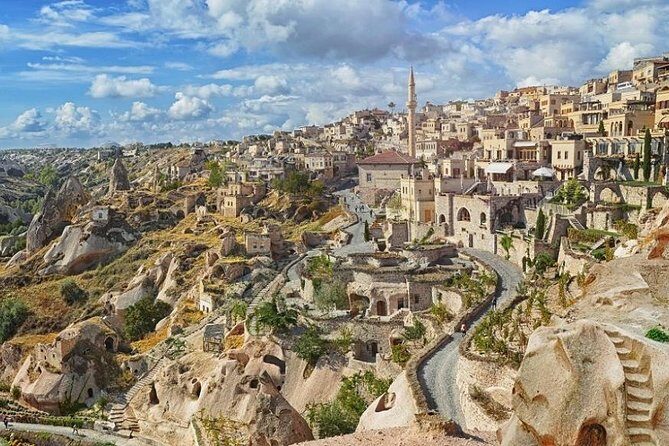
Cappadocia is famous for caves and rock formations, but the real personality of the region shows up in everyday life. Ayvali is the kind of place where food is social and meals come with stories, not just steps. That’s what makes this class work: it’s not a performance. It’s a day inside the rhythm of a family home.
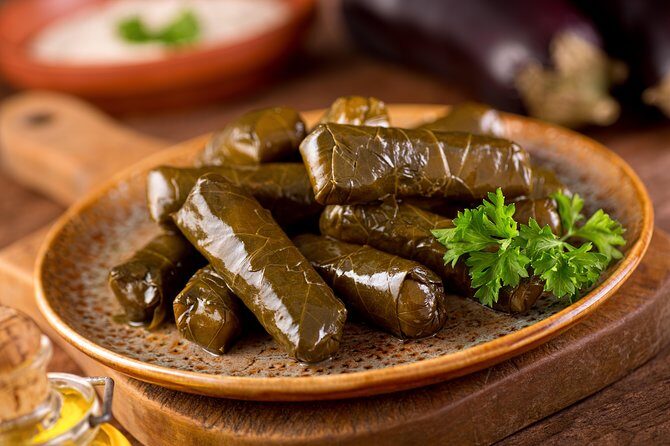
You’ll start with cooking basics, then shift into eating mode quickly. The food is centered on classic Anatolian comfort—vine-leaf rolls (yaprak sarmasi) and börek pastries are specifically part of the menu you’ll work on. If you’ve ever eaten Turkish food and wondered how people actually get the folds and rolling right, this is the moment to learn it.
And the best part is how guided it feels without turning stiff. Tolga Duran is part of the warmth. His family involvement is not a quick cameo; it’s the way the experience stays personal and memorable.
You can also read our reviews of more food & drink experiences in Urgup
Getting to Ayvali from Urgup (so you start relaxed)
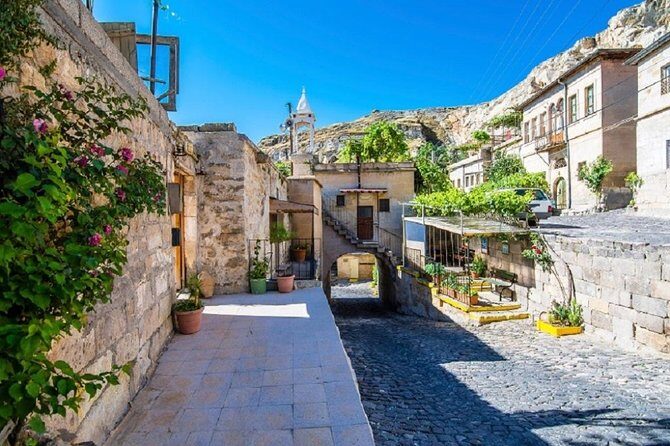
This tour runs about 4 hours with a 9:00 am start, and it includes hotel pickup and drop-off. That matters in Cappadocia because travel time can eat a surprising chunk of your day—especially if you’re trying to stack this with sightseeing. Private transport keeps the morning straightforward.
Because it’s private, you’re not sharing the cooking space with strangers. That usually means you can ask questions without feeling rushed, and it’s easier for the host family to pace the lesson for your group.
You should also plan for the day to move on a village schedule rather than a big-city schedule. When you’re the visitor, your best move is to stay flexible—think of it as a morning with a family, not an airport-style timed attraction.
Inside the family kitchen: the practical Turkish dishes you’ll make
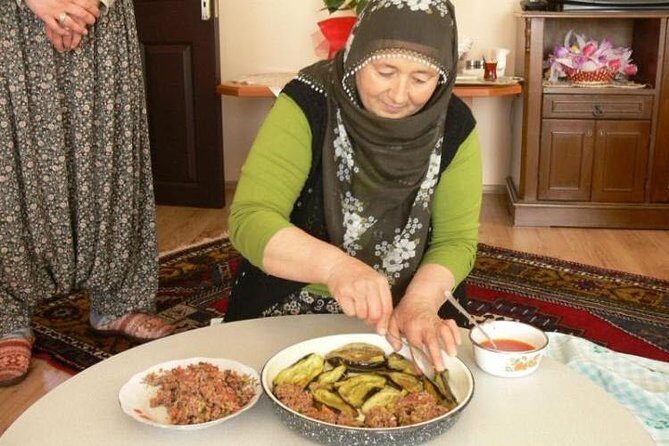
The cooking class happens inside a villager’s family home. That’s the difference between watching food get made and understanding it. You’ll actually help prepare a typical Anatolian meal, with guidance that focuses on doing the work—rolling, filling, shaping, and cooking—rather than only tasting at the end.
A couple of dishes stand out in the plan:
- Yaprak sarmasi (vine-leaf rolls): You’ll learn the roll-and-fill concept that makes these taste like comfort food, not just a texture exercise.
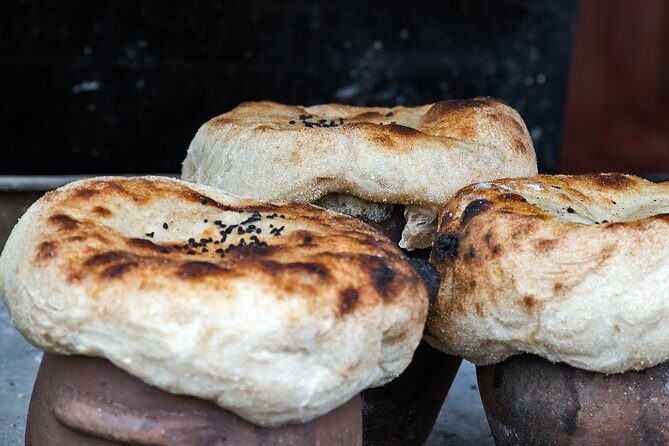
- Börek pastries: Expect to work with layers or shaped dough, and you’ll get a sense of how Turkish pastry turns simple ingredients into something satisfying.
You’ll also get context around what makes the ingredients and methods feel “local.” Even if you only remember a few tips, you’ll leave with a clearer sense of why Turkish home cooking tastes the way it does—seasoning balance, portioning, and the patience behind the shapes.
If you’re a confident cook, you’ll still appreciate the chance to compare your approach to how a family does it at home. If you’re not a cook, don’t stress. This style of class is built for participation, and the tone from Tolga Duran’s family—welcoming, hands-on, and supportive—makes it easier to jump in.
Lunch in Ayvali: the part that turns the class into a meal
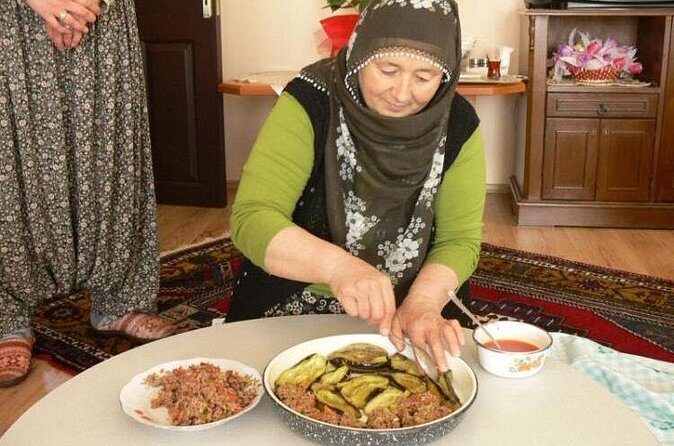
After you help cook, you’ll eat the specialties you helped create. And this is where the experience earns its strong reputation: the lunch isn’t a tiny sample. It’s a real meal on the table—more food than you’ll likely expect for a short outing.
You’ll be eating things like vine-leaf rolls and börek, but you should also plan for additional dishes beyond the ones you personally worked on. The idea is simple: once you’re in a home, you get fed as a person, not as a paying participant who only deserves one bite.
This is one reason this tour feels more valuable than a typical “food demo” stop. Cooking shows often end with a quick taste and a walk away. Here, you’re turning your own work into a full lunch, then staying for the rest of the village program.
Practical note: the tour includes lunch in Ayvali village, and it also includes Turkish coffee later in the experience. If you’re someone who prefers water or non-alcoholic drinks throughout, you may need to plan around what’s included versus what’s not.
Wine cave tastings and the kiraathane coffee stop
Cappadocia has a special link to wine, and this tour treats that as more than a tourist checkbox. You’ll sample Cappadocian wines in a traditional wine cave, which gives you a sense of how the landscape and craft connect. Even if you’re not a wine person, the setting makes the tasting feel like part of a living tradition rather than a tasting flight in a modern room.
Then you’ll shift into village culture at the kiraathane, the male villagers’ meeting place. This is where the tour becomes more than food. You’ll enjoy Turkish coffee and learn about local customs tied to the space—how people gather, talk, and keep community life going.
That coffee stop also makes timing work well. You’ve had hands-on work, then a generous meal, then a calmer cultural segment. It’s the kind of pacing that helps you enjoy the whole experience without feeling like you’re sprinting between highlights.


Price and value: what $280 per person really buys you
At $280 per person for about 4 hours, the price sits in the “premium but focused” category. The key value drivers aren’t just the dishes—they’re the access and pacing.
Here’s what you’re paying for:
- A private tour (your group only), which generally means more attention and less waiting
- Private transport with pickup and drop-off from Urgup
- Lunch in Ayvali village, plus Turkish coffee
- A family-home cooking setting, which is usually the part you can’t replicate on your own easily
Food tours can look similar on paper, but the difference is often the setting and the time. A family-home class gives you a more personal flow, and it’s why the experience can feel like a real introduction to village life instead of a quick stopover.
One caution: the tour info specifies that food and drinks are not included unless specified. Since wine tastings are part of the program, you should assume at least some wine experience is covered in how it’s described—but if you’re a heavy drinker or want extra beverages, budget accordingly. Better to treat included items as your base and keep expectations practical.
Who should book this cooking-and-culture tour

This experience is a great fit if you want:
- Real interaction with a local family (not just watching from a distance)
- Hands-on cooking you can talk about later—especially the classic foods you’ll make
- A morning or early-day plan that doesn’t demand a full-day commitment
It also tends to suit couples and small groups who like structured time. If you’re the type who enjoys community spaces and wants to understand how people live—not only how they cook—your interest level will be high, especially with the kiraathane cultural segment.
And if you have dietary needs, don’t hide them. You can advise specific dietary requirements at booking, and that’s the best way to make sure the menu works for you.
Practical tips to make your 9:00 am start painless

Even when a tour is well-run, your comfort still matters. Here are a few practical moves that fit this kind of village-based cooking day:
- Arrive ready to participate. This isn’t a sit-and-watch class. Wear clothes you’ll be comfortable moving in.
- Come hungry. You’ll be cooking, then you’ll eat. Lunch is a major part of the value.
- Use the coffee stop for a slower moment. After hands-on cooking and a full meal, the kiraathane time is calmer—great for asking questions.
- Think about your preferences before you go. If you don’t like wine, you can still enjoy the wine cave context, but confirm how the tasting portion works for you once you’re booking.
- Plan around additional drinks. Since food and drinks aren’t broadly included beyond what’s stated, it’s smart to keep spending expectations realistic.
Also, note the tour is in English, which usually helps a lot in Cappadocia. That said, the family warmth is the main language here—gestures, food, and conversation do a lot of the work.
Should you book the Turkish cooking class in Cappadocia?
Book it if you want a day that’s more human than scenic—hands-on cooking in Ayvali, a full lunch, wine cave tastings, and Turkish coffee with cultural context. You’ll walk away with practical food skills and a stronger feel for village life, not just photos.
Skip it (or choose a different option) if you’re mainly chasing quick sightseeing highlights and you don’t like meal-based activities. This tour is intentionally centered on cooking and eating, with culture woven in around it.
If your idea of a great travel moment is getting invited into a family rhythm—rolling vine leaves, shaping börek, then sharing lunch in the same home—this one is worth your time.
FAQ
What time does the tour start?
The tour starts at 9:00 am.
Where is the tour based?
It takes place in Cappadocia, with the area specifically tied to Ayvali village, and pickup is offered from Urgup.
Is hotel pickup and drop-off included?
Yes, hotel pickup and drop-off are included.
How long is the Turkish cooking class tour?
It lasts about 4 hours.
Is the tour private?
Yes. It’s a private tour/activity, and only your group will participate.
What language is the tour offered in?
The tour is offered in English.
What’s included in the price?
Included items are hotel pickup and drop-off, lunch in Ayvali village, and Turkish coffee.
Are wine tastings included?
The experience includes sampling Cappadocian wines in a traditional wine cave, but the broader note says food and drinks are not included unless specified.
Can the host accommodate dietary requirements?
You should advise any specific dietary requirements at the time of booking.
Is it suitable for most travelers?
Most travelers can participate.
What is the cancellation policy?
You can cancel for free up to 24 hours in advance for a full refund.