REVIEW · URGUP
2 Days Small Group Cappadocia North and South Tour
Book on Viator →Operated by Turquesa Tours · Bookable on Viator
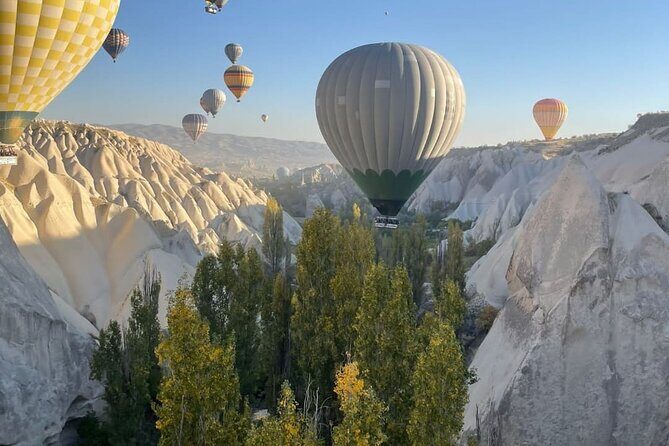
Cappadocia looks fake until you’re there. This 2-day north-and-south style tour strings together iconic rock formations and rock-cut sites so you spend two days seeing why this region got famous in the first place. It’s also run as a small-group outing, with a max of 15, so the pace stays friendly.
I especially like the small-group feel and how it helps you ask questions without feeling rushed.
I also loved the guide energy. In the best-case scenario, you get someone like İnci, who brings the history to life with detailed explanations and real enthusiasm. One trade-off to plan for: the day includes time at a carpet workshop area and a jewelry store, which can feel more shop-focused than some people expect.
This tour is a solid value for the time you get: hotel pickup and drop-off, professional guidance, entrances, and two included lunches. You will do some walking on uneven ground, so keep a moderate fitness level in mind.
In This Review
- Key things to know before you go
- From Urgup Pickup to Fairy Chimneys: the tour vibe
- Devrent Valley and Avanos: Imagination Valley, then pottery country
- Paşabağ Monks Valley and Zelve: where caves and chimneys meet
- Göreme viewpoint time and the carpet workshop stop
- Day 2 starts with Love Valley: fairy chimneys and a quick nature pause
- Özkonak Underground City: Byzantine life underground
- Üç Güzeller, Ortahisar, Pigeon Valley, and Uçhisar: a chain of village viewpoints
- Çavuşin and the Church of St. John the Baptist
- Jewelry store time and Zultanite: what to expect
- Price and value: what you’re really paying for
- Should you book this 2-day North and South Tour?
Key things to know before you go
- Small group, max 15 travelers, which makes photo stops less chaotic and questions easier
- Guide-led storytelling that turns the scenery into something you understand, not just something you photograph
- Two included lunches, so you’re not scrambling at midday
- Packed viewpoints across valleys and villages like Devrent, Uçhisar, and Çavuşin
- Included and free entry mixes, so you’re not constantly paying separately
- Carpet and jewelry stops are part of the route, for better or worse
From Urgup Pickup to Fairy Chimneys: the tour vibe
You start in the Urgup area, and hotel pickup and drop-off are included, which immediately makes the trip easier. Instead of cobbling together rides or chasing buses, you’re placed into a route that covers both the more famous valleys and the quieter village corners people often miss.
The pacing works well for a two-day format. Day 1 leans into geology and early Christian carving. Day 2 shifts toward a mix of valleys, viewpoints, and a Byzantine-era underground complex. You’ll keep moving, but it doesn’t feel like a long bus slog because you’re stopping often—especially at photo points.
The best part, in my view, is the guide layer. When your guide is truly engaged—like İnci, based on what I’ve heard from past guests—you get explanations that help you spot the details: why the rocks shaped the way they did, how carved spaces were used, and what people were trying to protect when they built below ground.
You can also read our reviews of more tours and experiences in Urgup
Devrent Valley and Avanos: Imagination Valley, then pottery country
Day 1 begins at Devrent Valley, also called Imagination Valley. The big draw here is simple: you look at surreal rock formations and start seeing shapes—animal figures, human-like silhouettes, and all sorts of playful patterns. It’s one of the easier places to enjoy without needing a lot of physical effort. You can take your time, walk slowly, and switch between scanning the rocks and grabbing photos of those red and pink tones.
Then you head toward Avanos, a town known for its pottery tradition and its setting by the Kızılırmak River. Even with a short stop, this is a nice change of pace from the valleys. Avanos gives you a sense of how Cappadocia isn’t only stone and views—it’s also craft, tools, and a local economy built around handmade products.
If you like travel that feels more grounded, Avanos is a good palate cleanser. You’ll leave it with an understanding that the area’s identity isn’t just the famous fairy chimneys. It’s also work people do with their hands.
Paşabağ Monks Valley and Zelve: where caves and chimneys meet
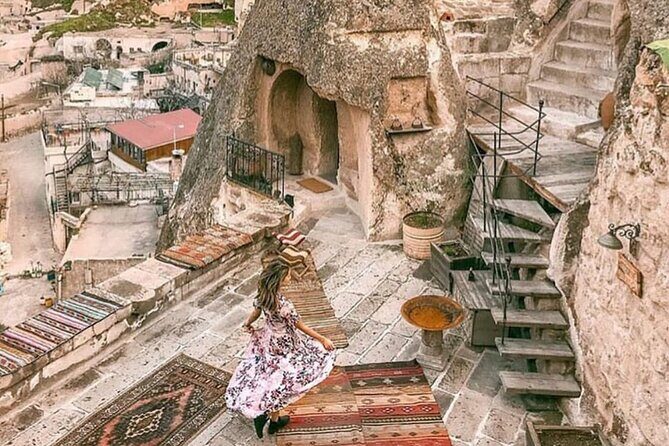
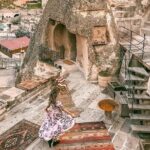
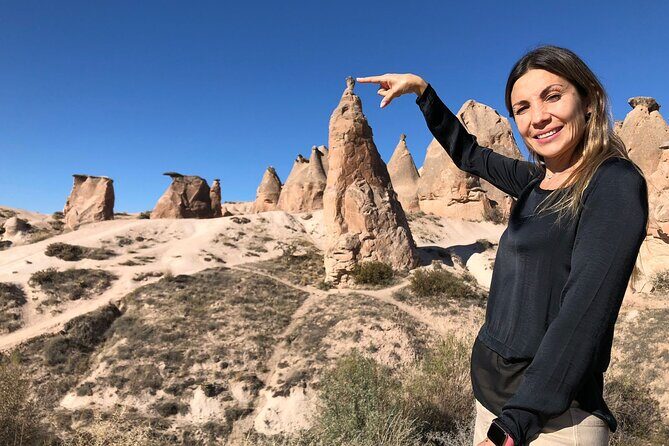
Next comes Paşabağ (Monks Valley), one of the stand-out stops for fairy chimneys. Paşabağ is known for especially impressive formations, including ones with multiple caps sitting on slender rock columns. This is the kind of place where the photos can look dramatic, but the real win is being able to see the shapes up close—like the rock has been sculpted to resemble a set of characters standing in a row.
You’ll also get more context here about how these formations relate to the human story. Cappadocia’s early settlers used caves and carved spaces, and the region’s spiritual life is tied to that rock setting.
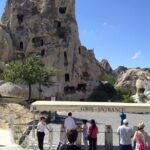
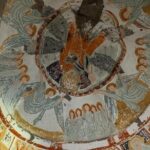
After Paşabağ, you move to Zelve Open Air Museum. This is more than a viewpoint. Zelve is filled with rock-cut churches, homes, and monasteries from an older era, built right into the volcanic rock. You can wander through a network of caves and tunnels and get a sense of how people lived in a world where the rock itself became architecture.
The drawback? Like many rock museums, it can feel like information overload if you rush. The fix is easy: take a slow circuit and let the guide explain as you walk rather than trying to read everything at speed.
Göreme viewpoint time and the carpet workshop stop
Between major sites, there’s time for a panoramic viewpoint over Göreme and its chimneys. This is the moment to step back, let your brain connect the dots, and see how all these shapes fit together across the wider area.
Then comes Bazaar 54, a carpet-making stop that’s timed as an included experience. You’ll see how handmade Turkish carpets are made in stages: materials are gathered, wool is prepared and spun, weaving happens on a frame, and finishing trims the final pieces. It’s not just a showroom visit. The structure of the stop is educational, and it gives you a framework for understanding why handwork costs what it costs.
Possible consideration: if you don’t like any sales-oriented pressure, treat this as a look-and-learn stop, not a must-buy. You can appreciate the craft without committing to a purchase.
Day 2 starts with Love Valley: fairy chimneys and a quick nature pause
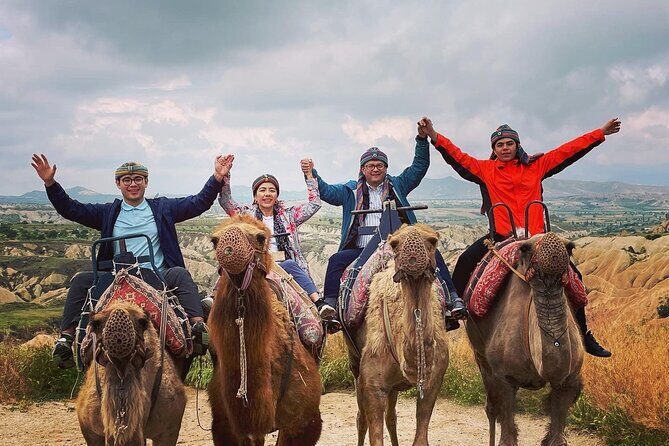
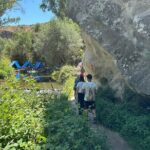
Day 2 begins at Love Valley, a valley famous for fairy chimneys and rock formations that look like tall, exaggerated shapes. It’s also known for greenery and wildflowers, which means this stop feels a bit more like a stroll in nature compared with the more museum-style segments.
Time here is short, so you’ll want to focus your walking. Don’t try to cover every possible angle. Pick one or two viewpoints you like, enjoy the rock shapes, and then move on when it’s time—otherwise you’ll end up sweaty and behind the group.
For many people, Love Valley is also the emotional reset after the heavier history stops. It’s easy to remember how Cappadocia looks and feels when the air is filled with the “walkable valley” version of the fairy chimney story.


Özkonak Underground City: Byzantine life underground
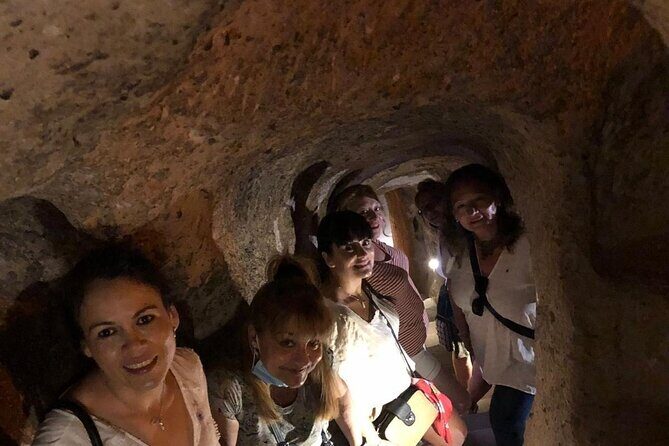
The day’s history-heavy highlight is Özkonak Underground City, carved into volcanic rock and known for its Byzantine-era roots. This is one of the best stops on the tour for sheer “how did they think of this?” factor.
You’ll explore multiple levels with tunnels and spaces used as living quarters, kitchens, and storage areas. There are also features like ventilation shafts and wells, which show how careful builders needed to be to keep life going below ground.
The value here is that the underground city isn’t only about caves. It’s about survival design. When you stand in those chambers, you understand why the region needed protection from raids and why hiding wasn’t just a concept—it shaped the physical environment.
If you’re prone to claustrophobia, pace yourself. Take breaks when the tunnels feel tight, and listen to your guide’s direction so you don’t miss key areas.
Üç Güzeller, Ortahisar, Pigeon Valley, and Uçhisar: a chain of village viewpoints
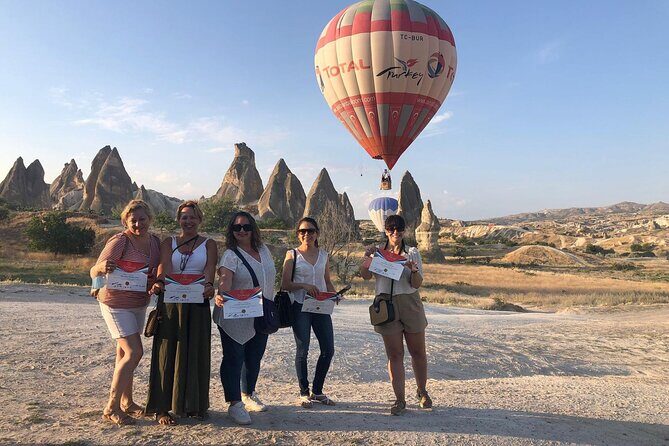
After the underground stop, the route becomes a set of picture-and-wander stops across villages and valleys.
At Üç Güzeller (Three Beauties), you’ll see three especially tall fairy chimneys. This area also sits near vineyards, and it has local legends attached to it—so it’s both visual and story-driven.
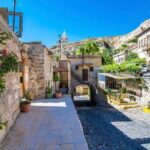
Then you reach Ortahisar, known for its rock castle and panoramic views. Ortahisar’s feel is different from bigger hubs. The village has stone houses and narrow streets, which gives you a break from the open valley stops. You’ll also notice cave dwellings and small shops, which help the place feel lived-in rather than staged.
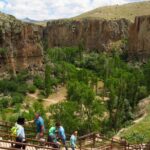
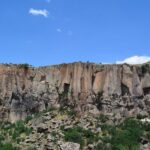
Next is Pigeon Valley, known for historic pigeon houses carved into the cliffs. The core idea is the farming system: people raised pigeons here, and the rock shelters made that possible. You’ll likely find hiking trails and more greenery than you expect in a region that’s famous for bare stone.
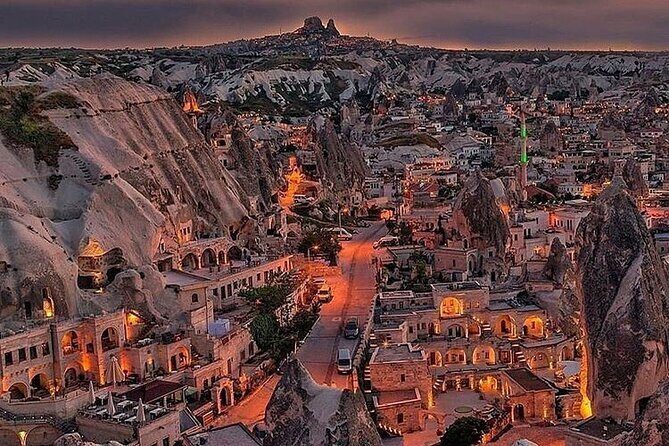
Then you finish this cluster at Uçhisar, famous for its rock fortress and sweeping views. Uçhisar is one of those places where you can spend a little time going up for perspective, then come back down to catch the village texture again.
Çavuşin and the Church of St. John the Baptist
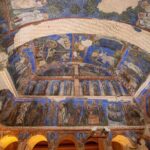
After the viewpoint circuit, the tour heads to Çavuşin, a historic village with rock-cut churches and ancient cave dwellings. This stop is especially meaningful if you like religious history tied to everyday geography.
A key highlight is the Church of St. John the Baptist, described as one of the oldest churches in the area. The streets here feel quieter and more intimate. That matters because Cappadocia can be overwhelming when everything is new and bright and far apart. Çavuşin helps you slow down just enough to notice details in the stonework and the street layout.
This is also a good spot to take a breath before the final shopping-focused segment.
Jewelry store time and Zultanite: what to expect
The last included time block is at a genuine jewelry store where natural gemstones are turned into finished pieces. The notable stone you’ll hear about is Zultanite, described as changing shades depending on the light in your environment.
This stop can be interesting if you like material science and color shifts. It can also feel like the least urgent part of the day if you came for the geology and churches only. Either way, you’ll come out knowing what that stone is and why it gets attention.
Tip that keeps this from feeling frustrating: treat it like a short educational stop. If you want to shop, ask questions. If you don’t, enjoy the light-changing demonstration and move on when the group does.
Price and value: what you’re really paying for
At $139.03 per person for a 2-day small-group tour, the price starts to make sense when you look at what’s bundled.
You’re not just paying for transportation. You’re getting:
- Hotel pickup and drop-off
- Professional guide
- Entrances and all fees and taxes
- Two lunches included
- A route that hits multiple major Cappadocia categories: valleys, cave churches, an underground city, and classic photo stops
The missing piece is drinks, which are not included. That’s normal for tours like this. Still, plan on buying water or soft drinks as needed.
Also consider timing. This kind of tour is booked fairly steadily, with an average booking window of about 9 days in advance. If you’re traveling in peak season or you want a specific start, earlier booking helps.
Who should book? If you want structure, you like guides who explain what you’re seeing, and you’re happy to do short walks on uneven rock paths, this fits well. If you hate shopping stops entirely, you’ll need to mentally prepare for carpet and jewelry time.
Should you book this 2-day North and South Tour?
I’d book it if you want two full days of Cappadocia highlights without planning the route. The included entrances, lunches, and guide time make it feel efficient, and the small-group size helps keep things from turning into a conveyor belt. With a guide like İnci, the experience can be especially strong because you’re not only looking at rocks—you’re getting the story behind them.
I’d skip or choose carefully if shopping segments are a deal-breaker for you. The carpet and jewelry stops are clearly part of the plan, and they take up real time.
If you’re on the fence, here’s the simplest test: do you want a guided route that mixes fairy chimneys, rock-cut history, and an underground city in two days? If yes, this is a good fit.