Nine days, four eras, zero guesswork.
This Turkey itinerary strings together the big names—Blue Mosque, Hagia Sophia, Topkapi Palace, Ephesus, Pamukkale, and Cappadocia—yet it doesn’t feel like a random hits list. You get a guided route that explains what you’re seeing and keeps the travel legwork handled, including airport transfers and an air-conditioned private vehicle.
I especially like the pairing of major sites with practical pacing: you do Istanbul’s old core on Day 2, then reset your brain with a Bosphorus cruise. I also like that the plan builds in memorable “place you can’t fake” moments, like a hot spring in the Travertine pools at Pamukkale and staying overnight in a cave hotel in Cappadocia. The one drawback to consider is the intensity: there are long drive days and flight days, so if you hate early starts or want lots of free time, you’ll have to be flexible.
In This Review
- Key Things to Know Before You Go
- Istanbul to Cappadocia: How This 9-Day Route Works
- Price, Domestic Flights, and What You’re Really Paying For
- Day 1 in Istanbul: Arrival, Check-in, and Letting Your Body Catch Up
- Day 2: Blue Mosque, Hagia Sophia Museum, Hippodrome, and Topkapi Palace
- Day 3: Bosphorus Cruise Views, Then Flight to Izmir and Kusadasi Coast Life
- Day 4: Pamukkale Cotton Castle Hot Springs and Hierapolis Ancient City
- Day 5: Ephesus Ancient City Plus Artemis, the Museum, and the Virgin Mary’s House
- Day 6: Goreme Open-Air Museum, Dark Church, Pottery in Avanos, and Valley Sunsets
- Day 7: Red Valley Hike, Uchisar Views, Pigeon Valley, and Kaymakli Underground City
- Day 8: Konya’s Mevlana Museum and Sultanhani Caravanserai on the Way Back
- Day 9 in Istanbul: Hotel Checkout and Airport Send-off
- Hot Air Balloon in Cappadocia: Worth It, But Confirm Seats Early
- Guides, Organization, and the Practical Stuff You’ll Appreciate
- Who This Tour Fits Best (and Who Should Reconsider)
- Should You Book This Tour?
- FAQ
- How long is the tour?
- Where does the tour start and what time?
- Are domestic flights included?
- What about luggage on the domestic flights?
- Are entrance fees included for sightseeing?
- Is the Cappadocia hot air balloon ride included?
- Do I need an international flight or visa?
- If I cancel, is it refundable?
- Is the tour suitable for most people?
Key Things to Know Before You Go
- Istanbul’s Old City packed into one focused day with Blue Mosque, Hippodrome sights, Hagia Sophia Museum, then Topkapi Palace
- Bosphorus cruise for easy orientation after landing, giving you a built-in “Istanbul geography lesson”
- Pamukkale Cotton Castle with a real hot-spring add-on plus Hierapolis ruins the same day
- Ephesus + museum + Artemis + Virgin Mary’s House in a tight sequence so the story stays coherent
- Cappadocia cave hotel plus an emphasis on churches, valleys, and underground living
- Hot air balloon is optional and limited-seat, so you need to ask ahead of time
Istanbul to Cappadocia: How This 9-Day Route Works
This tour works best if you want history with a guided spine. Instead of bouncing around on your own schedule, you move city-to-city with transport arranged, and an English-speaking guide handles the “what am I looking at and why does it matter?” part.
The route also makes a smart geographic arc. You start in Istanbul (where empires layered on top of each other), then move to the Aegean for Ephesus and nearby relic-rich countryside. After that, you head inland to Pamukkale, then fly to Cappadocia for the rock-and-sky landscape. Finally, you loop back through Konya before returning to Istanbul.
One more practical note: breakfast is included for eight mornings, but nothing else is listed as included meals. That’s good because it gives you freedom to eat when and where you want—just remember to plan for lunch and dinner on your own.
You can also read our reviews of more tours and experiences in Istanbul.


Price, Domestic Flights, and What You’re Really Paying For
At $4,129 per person, this isn’t a budget trip. But you are also buying convenience you’d otherwise have to pay for in time, planning, and logistics.
Here’s what the price covers, based on the tour inclusions:
- Domestic airfares: Istanbul → Izmir and Cappadocia → Istanbul
- English-speaking guides per itinerary
- Private driver and an air-conditioned vehicle
- Entrance fees for the sights included in the plan
- Luggage handling allowance for domestic flights: 15 kilo checked + 8 kilo cabin
- Breakfast (8)
- Taxes and service charges
So the cost isn’t only “tickets to places.” It’s also the cost of being moved cleanly between regions (and having someone handle airport transfers, which is a big deal when you land tired).
If you’re the type who likes to plan everything yourself, you may find cheaper options. But if your priority is getting the core Turkey story without stress, this has a lot of built-in value.
Day 1 in Istanbul: Arrival, Check-in, and Letting Your Body Catch Up
On arrival at Istanbul Airport, a representative picks you up and drops you at your hotel. After check-in, the day is basically yours. That matters. Istanbul can hit hard right after an international flight, and this first day avoids “touring fatigue” before you’ve even reset.
One hour is listed for this part, with admission ticket noted as free. Practically, think of Day 1 as re-entry mode: sleep, water, and a short walk near your hotel so Day 2 doesn’t feel like a cold start.
My tip: if you’ve got WhatsApp set up (and it works consistently), keep it ready. The tour uses WhatsApp as a key communication channel, and it makes day-to-day coordination easier.
Day 2: Blue Mosque, Hagia Sophia Museum, Hippodrome, and Topkapi Palace
Day 2 is the “old Istanbul greatest hits” day, and it’s laid out in a way that keeps the theme coherent.
You start with the Blue Mosque. It’s described as a Byzantine-style building with round roofs and six minarets. Even if you know the mosque already, visiting with a guide helps you read the building rather than just photograph it.
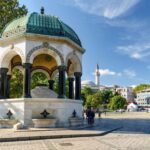
Next is Hippodrome, from the Roman period—an open square with key monuments around it, including the Knitted Obelisk and the Serpent Column, plus a German pavilion connected to the same historic setting.
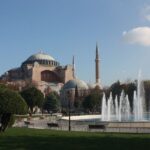
After lunch, you go to Hagia Sophia Museum, highlighted as rare religious architecture from the Byzantine period. This is the part of the day where you can see how different empires used the same city as their stage.
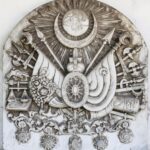
Then it’s Topkapi Palace, the Ottoman sultan’s imperial residence for nearly four centuries. The palace is described like a small city—courtyards, gardens, libraries, schools, mosques, and more. That “small city” description is accurate in spirit. It’s not one building you see and leave; it’s a whole compound.
How to make this day work: wear shoes you can handle for long walking. Also, plan to be museum-and-courtyard tired by late afternoon. That’s normal. The schedule is heavy, but it’s also well-organized.
Day 3: Bosphorus Cruise Views, Then Flight to Izmir and Kusadasi Coast Life
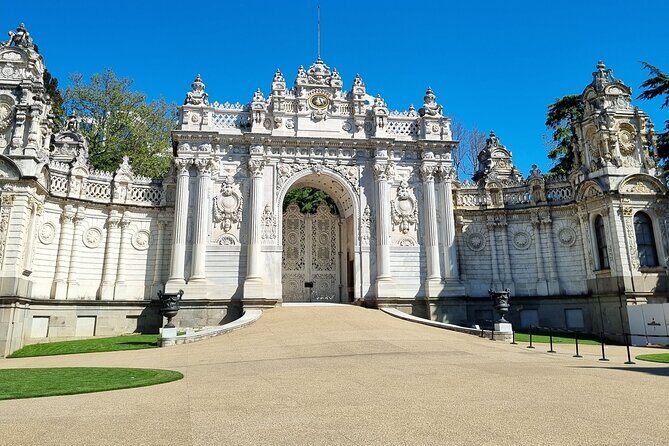
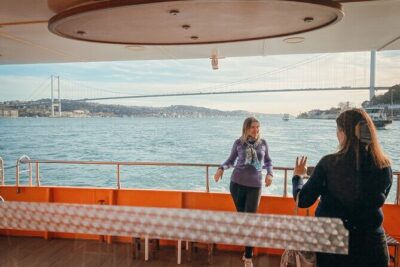
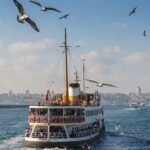
After breakfast, you head to the wharf for a two-hour Bosphorus cruise. This is one of the best “Istanbul orientation tools” because you see the city’s geography from the water: Dolmabahçe Palace, the Bosphorus Bridge, Çamlıca Hill, and Ottoman-style buildings on both banks.
The day then pivots quickly. You’re helped with airport steps and fly to Izmir in the afternoon. From Izmir Airport, a driver transfers you to Kuşadası. The remaining time is left open for you to explore the seaside town at your own pace.
This mix—guided sightseeing plus real free time—keeps Day 3 from feeling like a checklist.

Day 4: Pamukkale Cotton Castle Hot Springs and Hierapolis Ancient City
Day 4 starts with a 2.5-hour drive to Pamukkale, and once you get there, the scenery does the talking. Pamukkale—meaning cotton castle—is described as hot springs gushing from a high rock face and flowing in slow, layered streams. Over time, calcium deposits create the milky-white travertine look.
The schedule includes a special arrangement: a hot spring experience in the Travertine pool. Get your swimsuit ready. This isn’t just “stand on a viewpoint.” You’re meant to relax in the mineral-rich water.
In the afternoon, you move up to Hierapolis, visiting an ancient city on a mountaintop. The plan notes cemeteries, Roman stone pillars, amphitheaters, and city gates. Hierapolis pairs well with Pamukkale because it explains the region beyond the famous white terraces.
What to consider: wear footwear that works on uneven terrain, and bring quick-dry layers if you’re getting wet then walking around. The tour handles the big parts, but you still manage comfort day-to-day.
Day 5: Ephesus Ancient City Plus Artemis, the Museum, and the Virgin Mary’s House
This is one of the biggest “wow” days of the entire route.
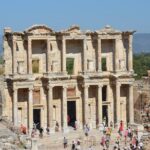
After breakfast, you drive about two hours to Ephesus, described as the world’s largest and best-preserved Greco-Roman city. You’ll walk key highlights: Marble Street, the Temple of Hadrian, Celsus Library, Trajan Fountain, and the Grand Theater (noted as able to seat up to 25,000 at peak times).
The Grand Theater is the kind of place where numbers actually matter. Knowing the seating capacity gives you a better sense of how large public life was here.
After lunch, you go to the Ephesus Archaeological Museum, where relics from the ancient city are displayed. The most famous mention is the statue of the Goddess Artemis. It’s a smart move to visit the museum after walking the ruins—otherwise you only see broken pieces. With the museum, you connect artifacts to their original context.
Then the plan includes the Temple of Artemis, described as one of the Seven Wonders of the Ancient World, emphasizing its decoration and scale.
Finally, you visit the House of the Virgin Mary, where Virgin Mary spent the last five years (as presented in the itinerary). It’s a shorter stop, but it rounds out the day by expanding the story beyond Roman stone.
Later, you transfer to Izmir Airport and fly to Cappadocia, then check into a cave hotel. Cave hotels are the kind of accommodation that changes how you feel about a place. Instead of sleeping in a standard room, you’re inside the geology—warm in a particular way, and often more atmospheric than you expect.
Day 6: Goreme Open-Air Museum, Dark Church, Pottery in Avanos, and Valley Sunsets
Day 6 focuses on northern Cappadocia.
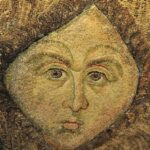
You start with the Goreme Open-Air Museum, known for natural caves turned into monastic residences and churches. Many are described as Byzantine style with murals. A guided visit matters here because murals can look like decoration unless someone connects them to stories and time periods.
One special detail is exclusive access to the Dark Church. The plan explains that Dark Church is the one with the best-preserved murals due to lack of light. Even if you don’t love churches, this is worth it because the lighting conditions are part of why the art survives.
Next you head to Avanos, famous for pottery made from the clay from the Red River. You also get to watch traditional handicraft making and hear from experienced artisans about the challenges of keeping the craft alive.
Then it’s Devrent Valley, also called Imagination Valley. The highlight described is the camel-shaped rock with lifelike humps and head shape. This is the part where you’re invited to look at landscape like sculpture.
After that: Pasabag Valley (Monks Valley), where tall stone pillars rise like fairy-tale chimneys. Finally, you end at Love Valley for sunset views.
Practical advice: bring a light layer even if it’s warm in the daytime. Sunset in Cappadocia can change fast, and you’ll want to stay comfortable while waiting for the view to do its thing.
Day 7: Red Valley Hike, Uchisar Views, Pigeon Valley, and Kaymakli Underground City
Day 7 is Cappadocia’s “you feel like you’re in the middle of the story” day.
You start with Cavusin Village and the Great Basilica (St. John the Baptist Chapel), focusing on murals carved into the rock environment. Short stop, but the setting is different from typical museums.
Then comes a two-hour hike in Red Valley, noted for rock churches. The tour notes multicolored rocks shaped over millions of years and colored lines that indicate age. You’ll also notice that the hike is partly physical and partly visual—walking while the guide points out what geology and human carving combined to create.
Next, Uçhisar Castle is the next anchor point. It’s described as carved from a 60-meter-high boulder, once used as a defensive fortress. Climbing to the top gives you panoramic views, which is exactly what you want after a hike.
In the afternoon, you visit Pigeon Valley, with densely arranged pigeon holes in many sizes, and some described as two stories high. The tour also ties pigeons to local agriculture—fertilizer for vineyards and crops—plus a note that Cappadocia wines are highly regarded.
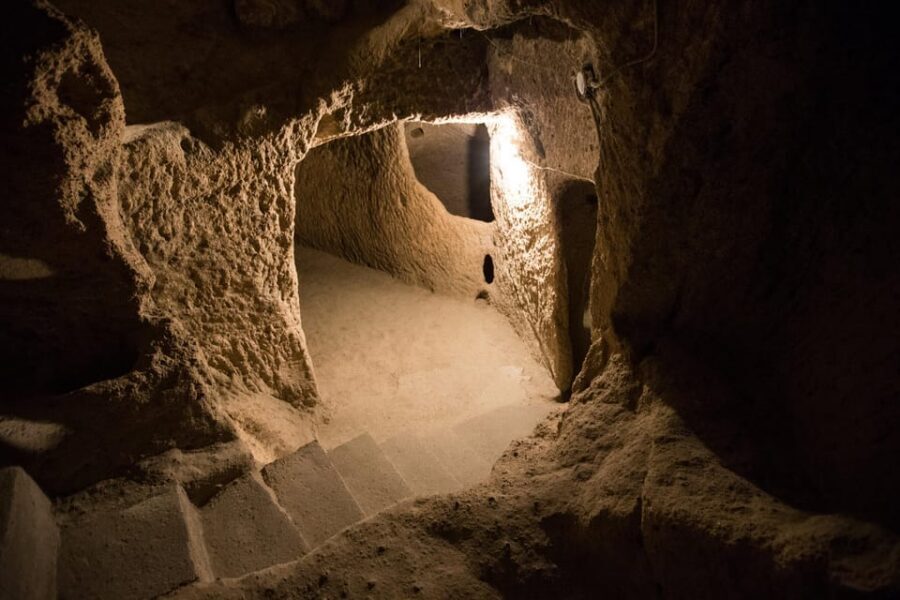
Then you end with Kaymakli Underground City, one of the biggest underground cities in the region, spanning eight stories and described as once home to about 10,000 people. The itinerary emphasizes guided explanations that help you picture rooms with different functions.
What to consider: underground spaces can feel cooler. If you start the day warm, bring a layer so you’re comfortable when you move underground.
Day 8: Konya’s Mevlana Museum and Sultanhani Caravanserai on the Way Back
This is the “Cappadocia to culture beyond” day.
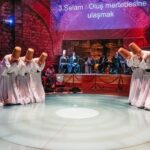
You leave early for Konya, arriving about three hours later. First stop is the Mevlana Museum, presented as the soul of Konya and the birthplace of the whirling dervishes. The itinerary notes that whirling ascetics used it as a practice area. It also mentions the Semahane (Ceremonial Hall) and musical instruments and rosary beads displayed there, plus wax museum scenes.
Then you visit the Sultanhani Caravanserai, a 13th-century Silk Road stop that’s survived and is well protected. It’s described by its tall porches, spacious stables, guest rooms, and warehouses for storing goods and grains.
Later, you drive to the Cappadocia airport and fly to Istanbul, then get transferred to your hotel.
This day is about contrast. After rock churches and valleys, Konya’s museum and caravanserai feel more civic and trade-focused.
Day 9 in Istanbul: Hotel Checkout and Airport Send-off
Breakfast is included, and you check out before 12:00. Then your driver takes you to the airport and sees you off.
It’s a simple ending that keeps you from feeling rushed on your last morning.
Hot Air Balloon in Cappadocia: Worth It, But Confirm Seats Early
Your itinerary lists hot air balloon ride availability in Cappadocia. It’s not automatic—you need to let the operator know in advance because balloon seats can be limited.
If you’re booking this tour and balloon flight is a top priority, treat it like a must-do planning item. It’s the only optional experience called out specifically for limited seats, and it can affect your schedule more than you think.
Guides, Organization, and the Practical Stuff You’ll Appreciate
This tour is built around guides and coordination. You’ll travel with English-speaking guides and use a private driver with an air-conditioned vehicle, which is a big quality-of-life upgrade compared with public transport when you’re juggling multiple long-distance moves.
From the way the tour communicates and organizes, a key theme shows up clearly: responsiveness. When things shift, the group approach is meant to be adaptable. It also pays to keep your main communication channel working—WhatsApp is highlighted as a key form of communication for smooth coordination.
And because it’s a private tour activity limited to your group, you’re less likely to feel like you’re waiting on other people’s pace every time you change stops.
Who This Tour Fits Best (and Who Should Reconsider)
This tour is a strong fit if you:
- Want a guided route through major landmarks without spending days planning logistics
- Like a clear day-by-day structure (with transfers handled)
- Care about seeing both famous sites and the “why” behind them
You may want to reconsider if you:
- Want lots of unstructured downtime
- Have limited stamina for long walking days like Istanbul and Ephesus
- Strongly prefer independent travel with flexible stop-by-stop wandering
The schedule is full, but it’s also coherent: you’re moving through themes—empire layers in Istanbul, ancient cities in the Aegean, geological wonder in Pamukkale, then rock-world living in Cappadocia.
Should You Book This Tour?
I’d book it if you want the essentials of Turkey’s history and the most memorable Cappadocia experiences, while minimizing the planning burden. The domestic flights, luggage allowance, airport transfers, and guided museum/ruins pacing are exactly what turn a complicated country-hopping plan into something you can actually enjoy.
I’d hesitate if you hate tight timing or you’re hoping for a lighter, more casual pace. This itinerary moves. It gives you a lot, and it expects you to keep up—comfortably, not brutally, but still steadily.
If you go in with the right expectations, you’ll leave with a clear story: Istanbul’s layered power, Ephesus’s scale, Pamukkale’s geology and heat, and Cappadocia’s humans carved into stone.
FAQ
How long is the tour?
It’s an approximately 9-day itinerary.
Where does the tour start and what time?
The meeting point is Istanbul Airport (Tayakad in Terminal Street No. 1, Istanbul 34283 Turkiye) with a start time of 9:00 am.
Are domestic flights included?
Yes. Domestic airfares are included for Istanbul to Izmir and Cappadocia back to Istanbul.
What about luggage on the domestic flights?
The tour includes luggage allowance of 15 kilo checked plus 8 kilo cabin.
Are entrance fees included for sightseeing?
Entrance fees for the sights visited in the itinerary are included, along with applicable taxes and service charges.
Is the Cappadocia hot air balloon ride included?
Hot air balloon ride availability is listed as optional. Seats are limited, so you need to let the operator know in advance if you want to add it.
Do I need an international flight or visa?
International flights into and out of Istanbul are not included. The Turkey visa fee is also not included.
If I cancel, is it refundable?
No. The experience is non-refundable and cannot be changed for any reason.
Is the tour suitable for most people?
Most travelers can participate, and the meeting point is near public transportation.