REVIEW · ANKARA
Best of Ankara: Private Walking Tour with a Local
Book on GetYourGuide →Operated by Humrahe · Bookable on GetYourGuide
Ankara feels manageable when someone points the way. This private walk is built around your interests, with a local who helps you see neighborhoods, not just postcards. I like that it’s a genuinely private experience with no outsiders tagging along.
I especially like the balance of old and new: cobblestone corners near Ankara Castle, then modern city life in Kızılay. You also get practical, local culture tips like where to find comfort-food classics such as döner and meze.
One thing to consider: this is a walking tour with no transport included, so you’ll want comfortable shoes and a plan for moving between stops. Also, it’s not designed to be a professor-level history lecture.
In This Review
- Key highlights worth planning around
- Why this private walking tour works so well in Ankara
- Starting at Atakule: an easy place to meet and orient
- Ulus and Ankara Castle: cobblestones, viewpoints, and the city’s older spine
- Museum of Anatolian Civilizations: artifacts that make the streets click
- Kızılay district: shops, cafés, and the Ankara you’ll actually feel
- Atakule views: a simple payoff that ties the day together
- The guides: friendly locals who adjust to your questions
- Price and value: $20 for private time in a major capital
- How long should you book: 1 hour or the full 6?
- Practicalities that will save you stress
- Should you book this Ankara walking tour?
- FAQ
- FAQ
- Where is the meeting point?
- How long is the tour?
- Is this a private tour?
- What languages are the guides?
- Is wheelchair access available?
- Are food and drinks included?
- Is transportation included?
- Are paid attraction admission fees included?
- If we visit a ticketed attraction, do we pay anything for the guide?
- Can children under three join for free?
Key highlights worth planning around
- Private group, customized route so you can steer the pace and themes toward what you care about most
- Atakule is the meeting point, which makes orientation easy and often sets you up for sky-high views
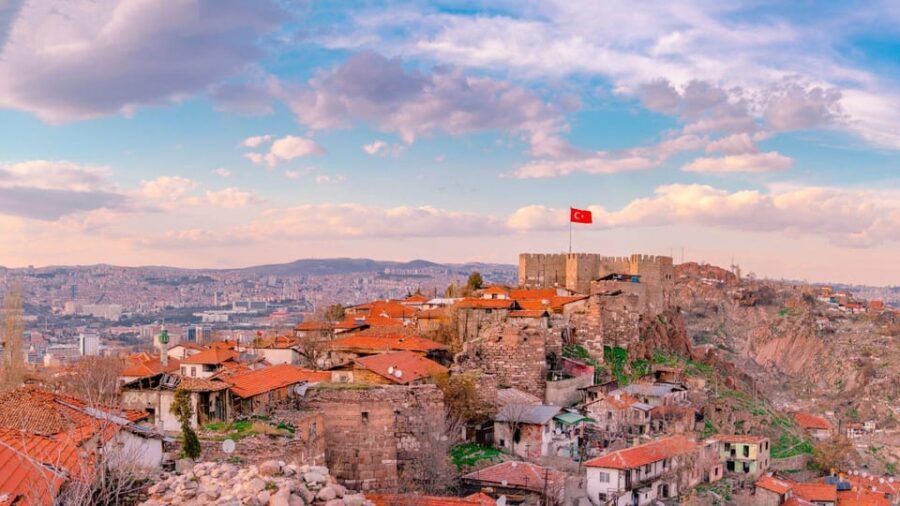
- Ulus + Ankara Castle viewpoints for that classic panoramic Ankara angle
- Museum of Anatolian Civilizations stop to connect what you see outdoors with artifacts from Turkey’s past
- Kızılay district for daily life—shops, cafés, and markets where the city breathes
- Food and culture guidance from locals including recommendations for döner and meze
Why this private walking tour works so well in Ankara

Ankara can be a bit of a slow-burn city. Big sights exist, but the payoff comes when you understand how the different neighborhoods connect. That’s exactly the point of this tour: you’re not speed-running landmarks. You’re walking with someone who knows where people actually go and what’s worth your attention.
The private format matters. No awkward group logistics. No feeling like you have to keep up. You can linger where you’re curious and skip what doesn’t click. This is one of those $20-per-person experiences that feels more expensive because the time is tailored to you.
If you want a purely museum-hopping day, this might not be the best fit. The focus here is local culture and practical storytelling, not deep historical theory.
You can also read our reviews of more walking tours in Ankara

Starting at Atakule: an easy place to meet and orient

You meet at Atakule—an observation tower area that’s also handy for first-day nerves. The big benefit is simple: you get your bearings early. Ankara’s not a city where you instantly “feel” where everything is from just a street map.
From there, your route can flex based on your interests and time. Some people want more viewpoints. Others want religious landmarks and old-quarter texture. Either way, starting at a clear landmark reduces the usual chaos of first meetings in a new city.
Also, Atakule isn’t just for logistics. It’s part of the sightseeing plan. You’ll get cityscape views as part of the experience rhythm.
Ulus and Ankara Castle: cobblestones, viewpoints, and the city’s older spine
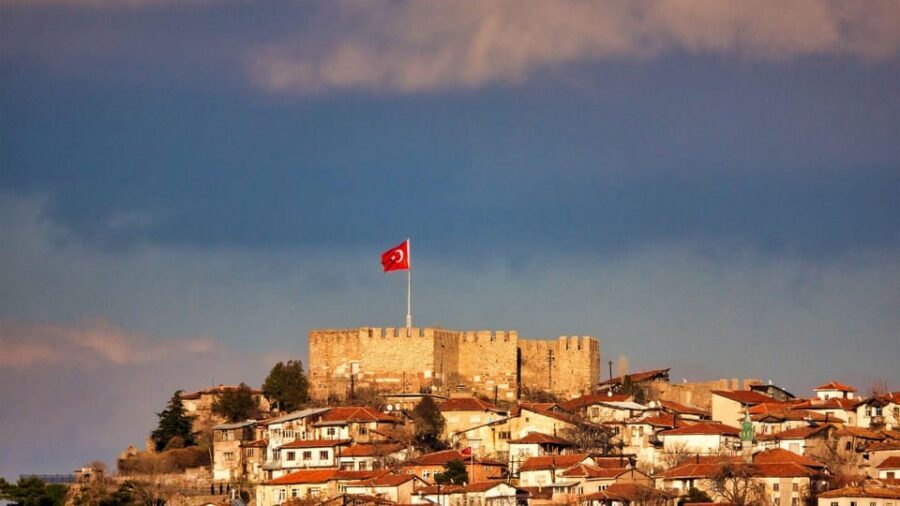
A common highlight is the old-quarter feel around Ankara Castle. Expect cobblestone streets and a sense that you’re moving through layers rather than just crossing a neighborhood.
Why Ankara Castle is such a good anchor stop:
- It gives you a top-down perspective that makes the city’s layout easier to understand.
- It acts like a “history shortcut” in real space—your guide can point out what to notice as you walk.
- It’s a natural place to ask questions because the view encourages comparison: then vs. now, neighborhood vs. neighborhood.
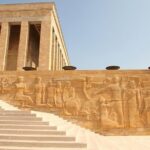
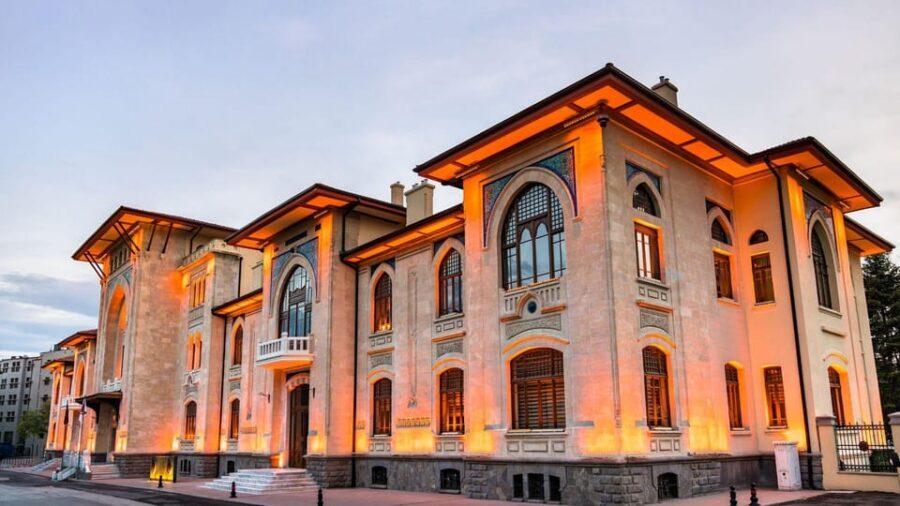
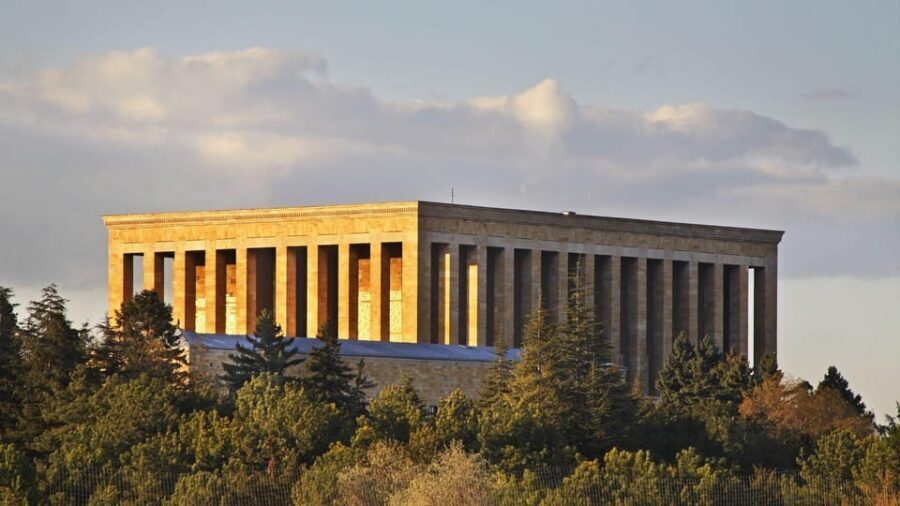
Depending on your interests, your guide may also take you through major sights nearby. One example route you might experience includes stops such as the Atatürk Monument, the Column of Julian, Roman Baths, Social Sciences University, and then the Hacı Bayram Mosque. Even if you don’t see every one of those places, the pattern is useful: you get a compact sweep of notable Ulus-area landmarks without feeling like you’re marching through a checklist.
Practical note: bring a little patience for walking and turning corners. Ulus is the kind of area where small streets can be charming and confusing at the same time.
Museum of Anatolian Civilizations: artifacts that make the streets click
Another scheduled highlight is the Museum of Anatolian Civilizations. This is where the tour can shift from “street-level atmosphere” into tangible context. The museum stop is a smart move for first-time visitors because it helps you interpret what you’re seeing around the city afterward.
What I like about this pairing:
- Outdoors, your guide points to places and stories.
- Indoors, the artifacts give those stories something solid to attach to.
- The tour keeps it human and practical, rather than turning into an exam.
This isn’t presented as a heavy lecture. It’s more like: walk, point, explain, then show you objects that support the big picture. If you’re the type who gets impatient with museum marathons, this can be a good compromise—structured enough to matter, flexible enough to stay enjoyable.
Heads-up on costs: paid entry fees are not automatically covered. If you decide to visit a ticketed site, you cover the guide’s admission cost (optional, based on your choice).
Kızılay district: shops, cafés, and the Ankara you’ll actually feel
After the older layers, you switch gears to Kızılay—a district known for lively streets, shops, cafés, and markets. This is where the city stops feeling like a sightseeing route and starts feeling like a place where people live their day.
This stop is valuable even if you’re not shopping. Here’s why:
- Your guide can help you read what you see: what kinds of places locals prefer, when certain streets feel most active, and how to order without stress.
- You’ll pick up culture in small details—language rhythms, what people snack on, and what feels normal day-to-day.
If you like food culture, this is also where your guide’s recommendations can matter most. The tour includes insider tips for traditional Turkish meals like döner and meze. You pay for what you choose to order, but you’re not guessing.
You can also read our reviews of more private tours in Ankara

Atakule views: a simple payoff that ties the day together
Even if you’ve already started at Atakule, you’ll still get why the tower is part of the plan: city views that help your brain organize the day.
This is the kind of stop that makes photos feel worthwhile. More importantly, it helps you connect the neighborhoods you walked through with how Ankara looks at a distance. It’s not just scenic. It’s functional orientation.
If you’re someone who needs a visual “map” after a few hours on foot, don’t skip the viewpoint time your guide suggests.
The guides: friendly locals who adjust to your questions
What stands out most in the experience is the guide approach. It’s not delivered as a scripted program. It’s delivered as a conversation.
You might be guided by people like Taha Metin, praised for being professional, detailed, and friendly, with a strong ability to explain Ankara’s story in a way that stays engaging. Another guide you could meet is Melih, noted for going above and beyond and helping with whatever you needed during the day. Names that have come up include Taha Halit and Kaan Candemir, both associated with warm, welcoming energy and a focus on matching the route to what the visitor wants to see.
One practical difference you’ll notice: these guides can make the tour feel lighter, even when the topic is history or architecture. You’ll still learn a lot, but you won’t feel trapped inside a lecture.
Price and value: $20 for private time in a major capital
At $20 per person, you’re buying something most “big sightseeing” options don’t offer: direct, on-foot attention from a local for your group.
That value comes from a few factors:
- Private group format means your time isn’t diluted across strangers.
- Flexible duration (1–6 hours) lets you match your schedule instead of forcing a fixed block.
- The tour is customized to your interests, which means you’re less likely to waste time where you’re not curious.
Could it cost more later? Yes, if you add paid attractions or choose to eat during the tour. But that’s typical and fair—you control the add-ons. The base experience is designed around walking, stories, and cultural tips.
How long should you book: 1 hour or the full 6?

This tour is built for different visitor styles, which is rare. Here’s a simple way to choose:
- 1–2 hours: Great if you want a quick orientation and a taste of Ulus or Kızılay without going deep into both.
- 3–4 hours: The sweet spot for mixing old-quarter highlights with at least one major cultural stop.
- 5–6 hours: Best if you want more stops in the Ulus area, extra viewpoints, and time to slow down for cafés and questions.
Because the route is customized, you should treat the duration as your “budget for walking and conversation.” If you’re tired, you’ll get more out of a shorter plan. If you’re energized and want a full day rhythm, go longer.
Practicalities that will save you stress
This is a walking tour, so a few details matter:
- Comfortable shoes are advised. You’ll cover real sidewalks and curving streets.
- Transportation isn’t included. Plan on moving between neighborhoods mostly on foot, or make sure your schedule can handle walking time.
- Food and drinks aren’t included. Your guide can steer you toward good choices for döner and meze, but you pay for what you order.
- Paid attractions: if you choose to enter ticketed places, you cover the guide’s admission cost (optional, depending on what you decide).
- Languages: English and Turkish. If you prefer a specific language flow, mention it early.
- Accessibility: wheelchair accessible.
Also, the tour isn’t marketed as a certified guide operation. Your guide is a friendly local resident, which is exactly why the tour feels conversational—but don’t expect professional guide certification.
Should you book this Ankara walking tour?
Book it if you:
- Want a first-time Ankara plan that doesn’t feel rushed.
- Prefer learning from a local’s day-to-day perspective rather than a strict history lecture.
- Like flexible routes where you can adjust mid-walk.
- Value meeting a person who can point you to good food, not just famous buildings.
Skip or rethink it if you:
- Want a full-day itinerary with lots of paid attractions pre-included.
- Hate walking and need frequent vehicle breaks.
- Expect deep, date-heavy historical analysis as the main event.
If you’re arriving in Ankara and trying to avoid aimless wandering, this is a smart way to get oriented fast while still experiencing the city as locals do.
FAQ
FAQ
Where is the meeting point?
You meet at Atakule.
How long is the tour?
The duration is listed as 1 to 6 hours.
Is this a private tour?
Yes. It’s a private group experience with no outsiders.
What languages are the guides?
The guide speaks English and Turkish.
Is wheelchair access available?
Yes, the tour is wheelchair accessible.
Are food and drinks included?
No. Food and drink costs are not included, though your guide can recommend options.
Is transportation included?
No. Transportation costs are not included.
Are paid attraction admission fees included?
No. Admission fees for paid attractions are not included.
If we visit a ticketed attraction, do we pay anything for the guide?
If you choose to visit an attraction with an entry fee, you cover the guide’s admission cost (optional).
Can children under three join for free?
Yes, children under three years old can join for free.