REVIEW · ANKARA
İstanbul: Full-Day Tour with Grand Bazaar
Book on GetYourGuide →Operated by OKEANOS TRAVEL · Bookable on GetYourGuide
Istanbul can feel like a lot. This tour turns the chaos into a clean, story-driven route. You’ll hit Hagia Sophia and the Blue Mosque (just across the street), then roll into Topkapi Palace and end at the Grand Bazaar, all with an expert guide and comfortable door-to-door transport. I especially like how the guide ties Ottoman and Byzantine details into plain English, and how the day stays organized even when the sights get crowded. One possible drawback: it’s a fast 5.5 hours, so you’ll want comfortable shoes and a mindset of moving with purpose.
What also makes this one work is the human touch. In past tour days, guides like Serdar and Jemil have impressed with warm, clear explanations and real enthusiasm for Turkey’s history. You’ll also appreciate the small group size (up to 10), which makes it easier to ask questions without feeling lost in the pack. Still, the biggest “watch out” is that the Grand Bazaar section is shopping-heavy, so if you hate crowds or haggling energy, plan your mood accordingly.
In This Review
- Key things I’d plan around
- A 5.5-hour Ottoman and Byzantine hit list
- Door-to-door luxury transport and a small-group pace
- Hagia Sophia: where you feel 1,500 years in your neck
- Blue Mosque next door: blue tiles and six minarets
- Hippodrome: Byzantine Constantinople’s stage for spectacle
- Topkapi Palace: sultans at home, plus Bosphorus views
- Grand Bazaar: 4,000 shops, and how to shop smart without losing your mind
- Languages, guides, and why the human part matters
- Price and value: what you’re actually paying for
- What I’d pack and wear
- Who this tour suits best (and who should skip it)
- Should you book this Istanbul Grand Bazaar full-day tour?
- FAQ
- How long is the Istanbul tour?
- What’s included in the price?
- Where will I be picked up from?
- Does the tour include skip-the-line entry?
- What languages are the guides available in?
- Is this tour wheelchair accessible?
- What should I bring or wear?
Key things I’d plan around
- Skip-the-line entry helps you spend time looking, not queuing.
- Two icon churches/mosques in a row: Hagia Sophia first, then the Blue Mosque.
- Topkapi Palace highlights include Bosphorus views and Imperial Treasury items like the Topkapi Dagger.
- Hippodrome stop adds context for Byzantine Constantinople beyond the big two monuments.
- Grand Bazaar orientation helps you find what you want in a maze of shops.
A 5.5-hour Ottoman and Byzantine hit list
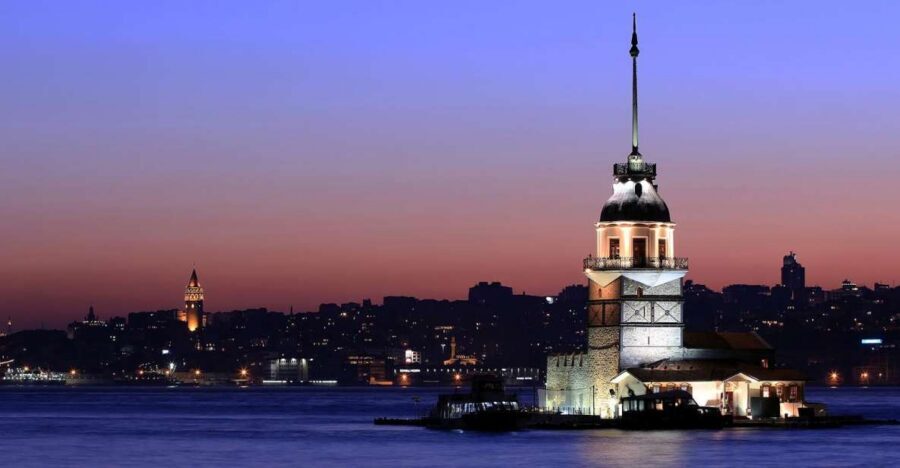
If you’re trying to understand Istanbul in one day, this tour is built for that job. You’re not just checking boxes. You’re moving through the layers of the city: Byzantine power (Hagia Sophia and the nearby imperial sites), Ottoman rule (the Blue Mosque and Topkapi), and everyday Istanbul (the Grand Bazaar).
The rhythm is the point. Hagia Sophia and the Blue Mosque sit close enough that you feel the architectural contrast immediately. Then you expand outward: the Hippodrome gives you the sense of a city built for spectacle, Topkapi shows you how the empire functioned behind palace walls, and the Grand Bazaar finishes with a market full of sensory overload and souvenir possibilities.
This is also a good match if you like guided context. The guide doesn’t just recite dates. The best parts come when they connect what you’re seeing to what people needed—control, worship, ceremonies, and trade. It’s the difference between looking at a building and understanding why it was built that way.
You can also read our reviews of more tours and experiences in Ankara.
Door-to-door luxury transport and a small-group pace
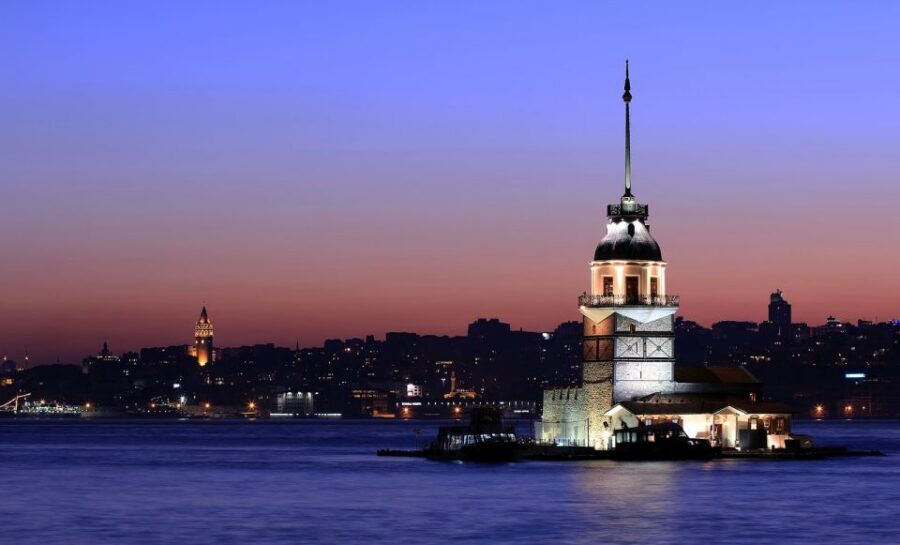
Starting from your hotel, port, or airport is a big deal in Istanbul. Traffic, ferries, and navigation can turn a simple plan into a headache. Here, you get picked up and taken in an air-conditioned luxury vehicle with a professional driver. That matters because the tour is only 5.5 hours. You cannot afford to waste half of that time getting from point A to point B.
The group size is limited to 10 participants. That tends to change the whole feel of a day like this. You can hear the guide, you can ask quick questions, and you’re less likely to get swallowed by a big crowd when you enter major sites.
Now, about expectations: 5.5 hours means you’ll see a lot and you won’t go deep into everything. Think “best-of route” rather than “slow museum day.” If you’re the type who likes to linger, you might want to plan one extra independent visit on a different day.
Hagia Sophia: where you feel 1,500 years in your neck
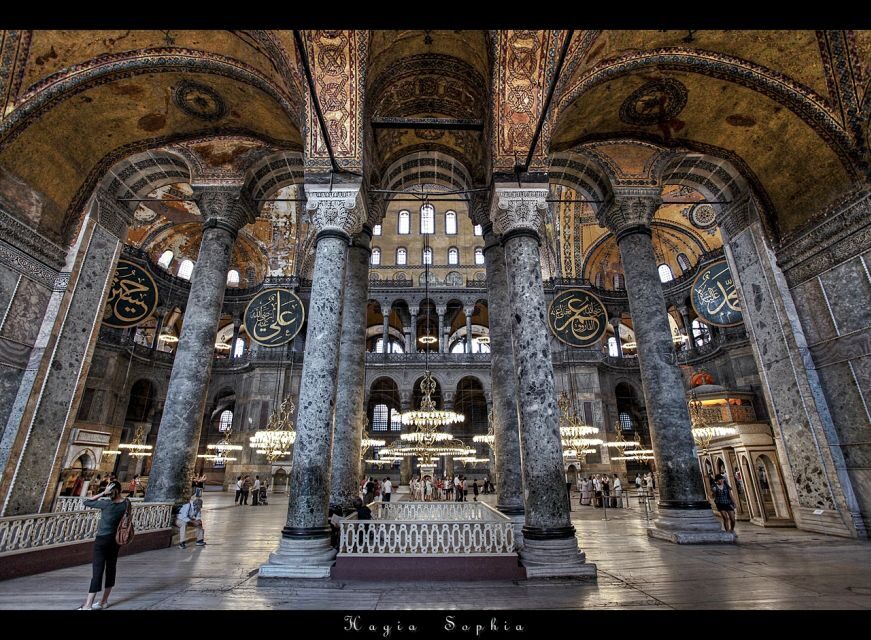
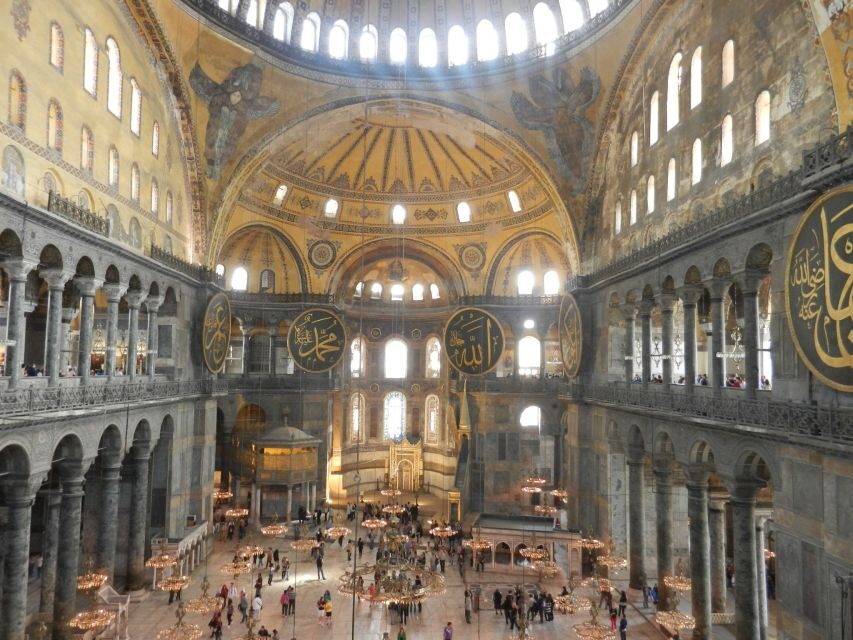
The day begins at Hagia Sophia, and the first thing you notice is how dramatic it still feels. The giant dome is said to be about 1,500 years old, and even if you’ve seen photos, it’s bigger in person than your screen suggests.
Inside, you get the building’s identity in layers: it was first a church, later a mosque, and now functions as a museum. That evolution isn’t a trivia point. It’s visible in the space. Look upward and you’ll see the dome scale; then shift your eyes to the mosaics and the Islamic calligraphy that share the walls.
This is one of those places where your brain wants to slow down, even though the tour moves on schedule. I like that a guide helps you decode what you’re looking at. When someone points out details and explains what they mean, Hagia Sophia stops being just “a famous building” and becomes a story about how power and faith moved through Istanbul.
Practical note: you’ll do more walking than you might expect for a “short” tour. Comfortable shoes aren’t optional.
Blue Mosque next door: blue tiles and six minarets
After Hagia Sophia, you’re in the perfect position for comparison. The Blue Mosque is just across the way, so you get two landmark silhouettes close enough that the differences register fast.
The mosque’s nickname comes from the thousands of hand-painted blue tiles inside. That color theme is the kind of detail you could miss if you’re rushing. The other standout is the minarets: it’s described as the only mosque in Istanbul with six minarets, and that gives the skyline a distinct look.
If you’re new to Ottoman architecture, this is a smart stop. The guide will likely frame it as an example of how the Ottomans built religious spaces with visual impact. And when you’re standing there in person, it’s hard to ignore how much the design communicates authority and devotion.
If you’re sensitive to crowds or noise, go with a calm plan: take a few minutes at the start to settle your eyes on the main features, then let yourself enjoy the details. The space is popular, so steady breathing helps.
Hippodrome: Byzantine Constantinople’s stage for spectacle
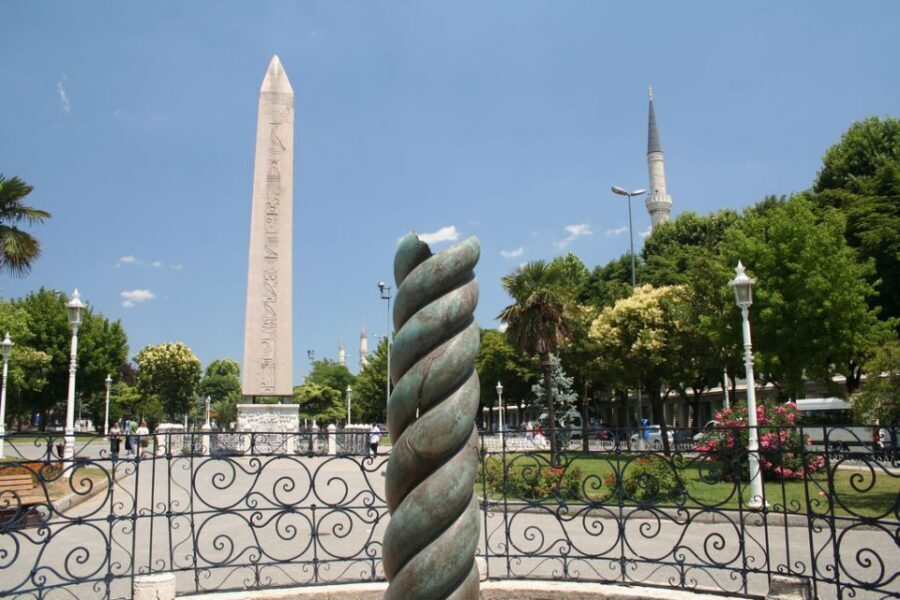
Most first-time visitors focus only on the “headline” monuments. This tour adds a stop at the Hippodrome, which helps you understand the city as a place for public events, not just worship and palace life.
This ancient square was described as the heart of Byzantine Constantinople, where chariot races and big ceremonies happened about 1,500 years ago. You’re walking through a site that once held major crowds, and you can almost feel the “public square” purpose even if the structures you see are mostly remnants.
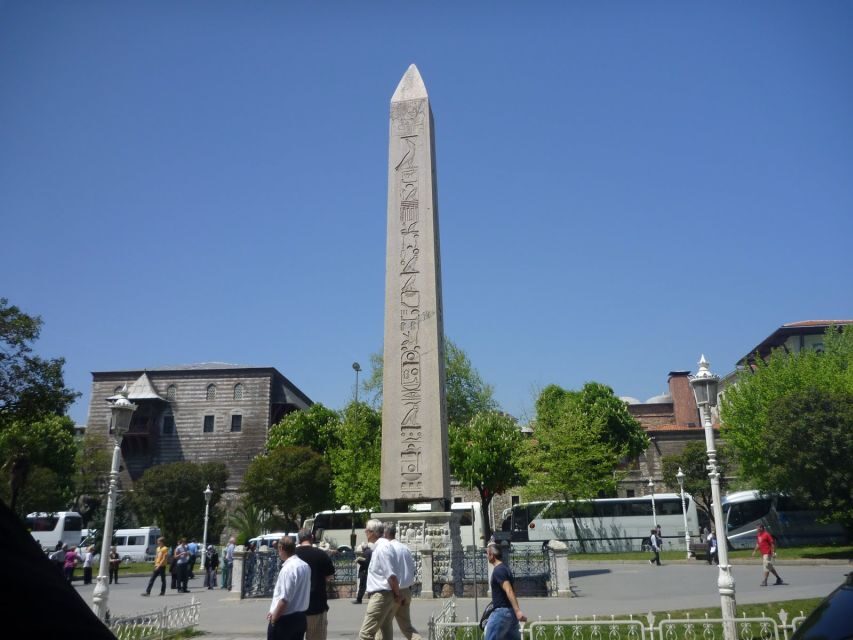
Two featured monuments make the stop concrete: the Egyptian Obelisk and the Serpent Column. These objects act like time anchors. They’re the kind of details that turn an abstract idea of Byzantine life into something you can point to and understand.
This isn’t a long stop, but it’s a valuable one. It gives you a broader mental map of Istanbul’s power centers.




Topkapi Palace: sultans at home, plus Bosphorus views
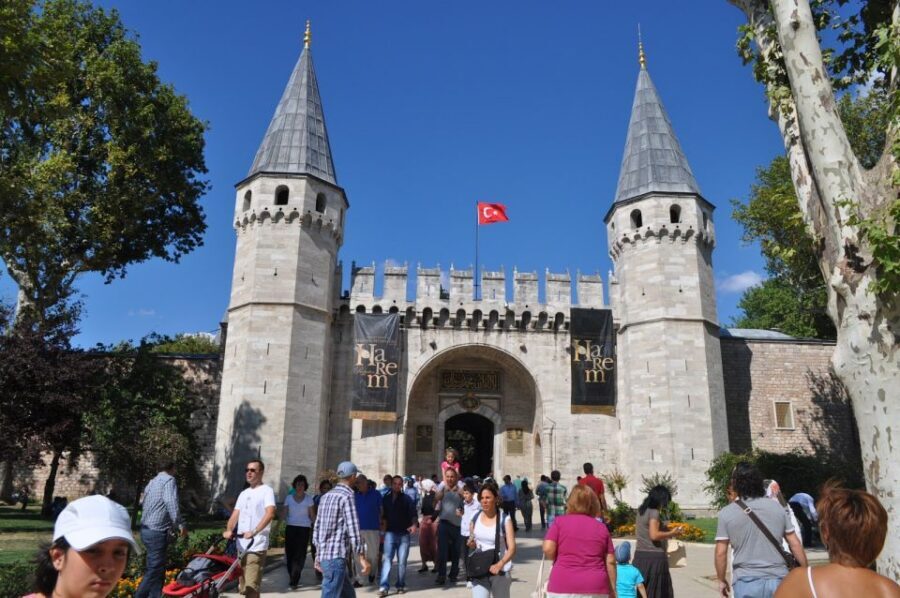
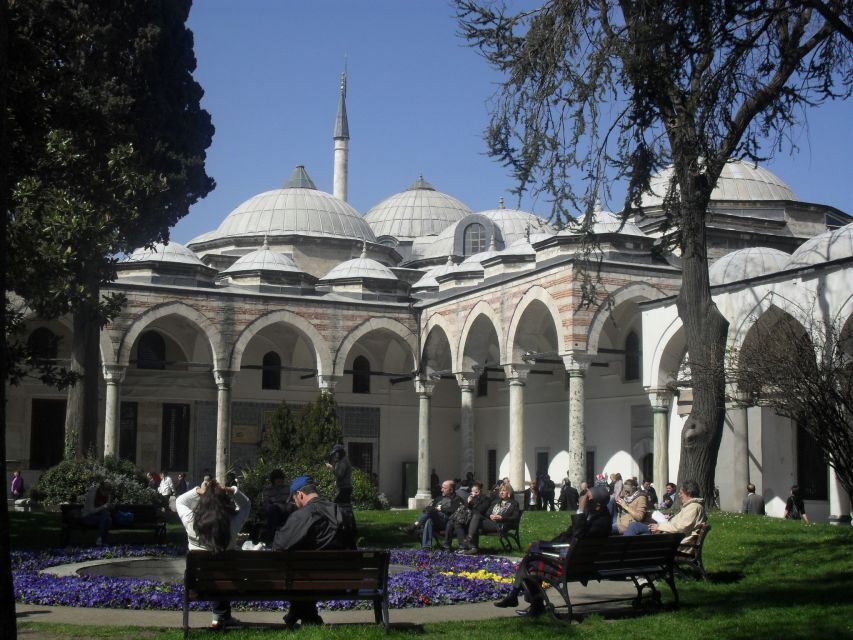
Topkapi Palace is the big Ottoman move in the middle of the day. You’re stepping into the former residence of the Ottoman sultans for about 400 years, and that timeframe changes how you view it. This wasn’t a quick stop palace. It was the center of long-term rule.
What you’ll appreciate most is the mix of settings: the palace interiors and then the outdoor perspectives. The tour highlights Bosphorus views, and those views help you understand the strategic location. Istanbul isn’t just a pretty city. It’s a crossroads, and Topkapi reflects that.
One of the most compelling parts of palace visits is the Imperial Treasury. Here, you may see items like the Topkapi Dagger and the 86-carat Spoonmaker’s Diamond. Those specific objects give your visit a “wow” factor that’s easy to remember later.
Also, the palace gardens matter. Even if you only get a short moment outdoors, it breaks up the intensity of indoor exhibits and gives your feet a chance to recover.
The only caution: Topkapi is a large complex. You’ll be guided through key areas, but you won’t see everything in 5.5 hours. Think of this stop as “Topkapi greatest hits,” not a full palace day.
Grand Bazaar: 4,000 shops, and how to shop smart without losing your mind
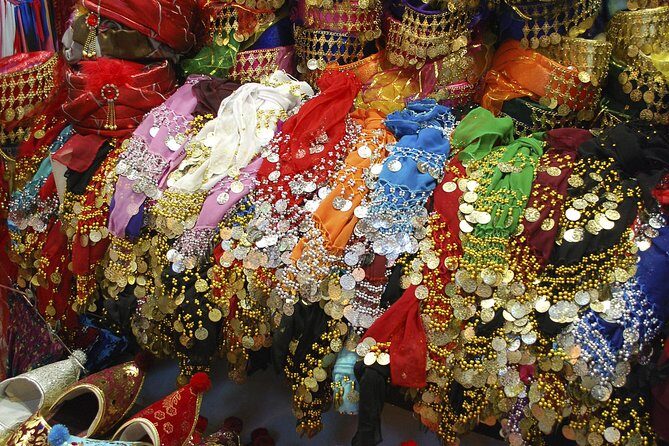
Finishing at the Grand Bazaar is a classic Istanbul ending for a reason. It’s one of the oldest and largest covered markets, with over 4,000 shops. The building itself is a maze, and the atmosphere is all scents and colors: spices, lamps, jewelry, carpets, leather, and everything in between.
The best value of doing this with a guide isn’t just finding shops. It’s learning how to move through the bazaar with a plan. Without help, it’s easy to wander for an hour and buy nothing, or buy the wrong thing at the wrong price because you got tired.
This is also where your personality matters. If you love shopping and you enjoy the energy of bargaining, you’ll probably have a great time. If you hate crowds or you prefer modern stores, the bazaar may feel like sensory overload.
My advice: treat it as a souvenir hunt. Pick 2–3 categories you want before you walk in (like spices plus one textile item). Then let the guide’s route help you see a range quickly. That way you’re not trying to decide everything while surrounded by 4,000 distractions.
Languages, guides, and why the human part matters
One of the most praised aspects of this tour is the guide quality. You might meet guides who are friendly and clearly enthusiastic, and you’ll hear stories explained in simple English (and in other languages depending on the selected option).
In the past, guides with strong language skills stood out, including Serdar for impressive French fluency and Jemil for a genuine love of Turkey’s history. There’s also a pattern of guides adjusting the flow when it helps the group. That adaptability is exactly what you want on a short day, because Istanbul doesn’t always cooperate with strict schedules.
If you’re traveling with a group of mixed interests, a strong guide can steer you between big-ticket monuments and practical context. That turns a “tour bus day” into something that feels thoughtful.
Price and value: what you’re actually paying for
At $216 per person for a 5.5-hour private-feeling small-group tour, the price can look steep until you translate what’s included.
You’re paying for:
- A licensed professional guide (not just a driver)
- Luxury air-conditioned transport with door-to-door pickup and drop-off
- Entrance fees to museums and sites according to the route
- Skip-the-line entry at busy stops
For a first-timer, that combination saves real time and reduces decision fatigue. You don’t have to figure out ticket logistics while you’re trying to take in Hagia Sophia’s dome or stand in front of the Blue Mosque’s tilework.
Also, the short duration can be a value driver. If you’re on a tight schedule, paying for organization can be smarter than spending your day piecing together routes and queues.
The key question is your travel style: if you enjoy guided storytelling and want maximum landmarks with less hassle, the value makes sense. If you prefer independent wandering, you might save money by going on your own and buying tickets at your own pace.
What I’d pack and wear
This tour asks for practical items, and you’ll feel it once you’re outside.
Bring:
- Passport or ID card
- Comfortable walking shoes
- Sunglasses
- Sun hat
- A camera
It also helps to plan for sun and walking. The schedule includes multiple big stops, and Istanbul can turn bright and warm quickly. A hat and sunglasses are not “nice-to-have” during midday.
Who this tour suits best (and who should skip it)
This is a strong fit if:
- You’re visiting Istanbul for the first time and want the big monuments in one day
- You like guided context that explains what you see
- You prefer small-group pacing over being herded in a massive crowd
- You value skip-the-line entry and door-to-door comfort
It may be less ideal if:
- You want a slow, lingering pace at each site
- You dislike shopping zones and bargaining energy
- You need extra mobility support, since the tour information includes a conflict: it lists wheelchair accessibility but also says it’s not suitable for wheelchair users. If accessibility is a priority, ask the operator directly before booking.
Should you book this Istanbul Grand Bazaar full-day tour?
I’d book this tour if you want a tidy introduction to Ottoman and Byzantine Istanbul without wasting time sorting tickets and transport. It’s a smart choice for first-timers who want Hagia Sophia, the Blue Mosque, Topkapi, and the Grand Bazaar in one guided, organized day.
I’d think twice if you’re the type who wants to stare at mosaics for an hour or shop with no pressure. This day is packed, so you’ll work with the schedule, not against it.
If you fall into the first category, you’ll walk away with a much clearer sense of Istanbul’s power centers and daily life, plus a souvenir hunt that doesn’t feel like getting lost on purpose.
FAQ
How long is the Istanbul tour?
The tour lasts 5.5 hours.
What’s included in the price?
The price includes a licensed English guide (or German/French depending on option), air-conditioned luxury transportation with a professional driver, pickup and drop-off service, and entrance fees to museums and sites according to the itinerary.
Where will I be picked up from?
Pickup is available from your hotel, the port, or the airport. You’ll need to indicate your preference when booking.
Does the tour include skip-the-line entry?
Yes. Skip-the-line entry is included to help you save time at busy places.
What languages are the guides available in?
The live guide is available in Spanish, English, Greek, German, and French (depending on the option you choose).
Is this tour wheelchair accessible?
The information provided includes both wheelchair accessibility and a note that it is not suitable for wheelchair users. If wheelchair access matters for your plans, contact the provider to confirm what can be supported on the day.
What should I bring or wear?
Bring your passport or ID card, comfortable shoes, sunglasses, and a sun hat. A camera is also a good idea.