REVIEW · URGUP
Cappadocia: Live Whirling Dervishes Ceremony & Sema Ritual
Book on GetYourGuide →Operated by Rush Travel · Bookable on GetYourGuide
This dance has a mission.
The Cappadocia Dervishes Ceremony turns the whirling into something more than a performance. It’s a symbolic Sema ritual that lays out the stages Dervishes follow in the search for God, with chanting, music, and moving circles that you can feel even if you don’t catch every word.
I like that the show is short—about 1–2 hours—so it works as a real night plan without eating your whole evening. I also like the emotional punch people talk about: the ceremony is presented as a spiritual rite, and the atmosphere reflects that.
One drawback to plan for: this is not a casual, chat-friendly show. During the presentation, photography and filming are not allowed, and applause or talking can break the mood—so go in ready to watch quietly and respectfully.
In This Review
- Key Things To Know Before You Go
- What The Sema Ceremony Feels Like In Cappadocia
- Entering Motif Sema Performance Hall: Set The Right Mindset
- Prayer, Chanting, And The Circling Of Veled
- The Whirling: How Semazens Dance Around The Stage
- Why This Works As A Cappadocia Night Plan
- Transfers, English Driving, And Getting There Without Stress
- Pricing And Value: What $24 Gets You
- What To Watch For If You Want To Understand More
- Who This Is Best For (And Who Might Not Love It)
- Should You Book This Cappadocia Dervishes Ceremony?
- FAQ
- How long is the Cappadocia Dervishes Ceremony?
- Is hotel pickup included?
- What is included in the ticket price?
- Where do I meet the group?
- What language is the driver?
- Are photos or filming allowed during the ceremony?
- What’s the cancellation and payment option?
Key Things To Know Before You Go
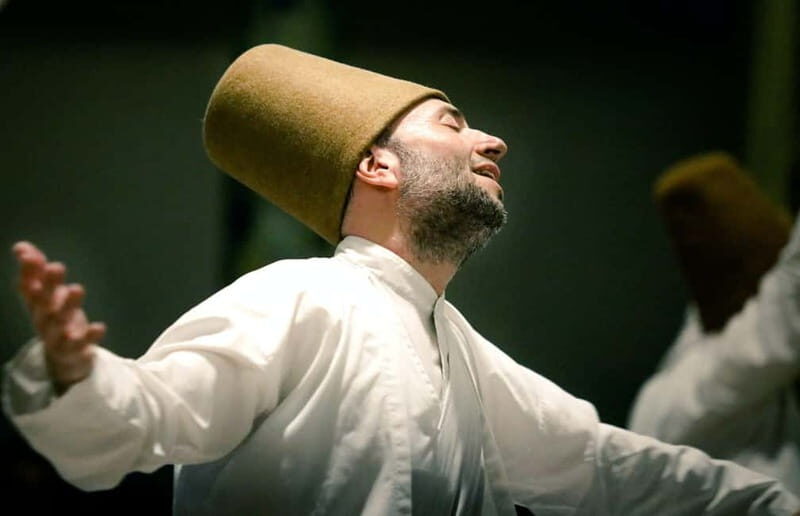
- It’s a symbolic Sema ritual: the “circling” elements represent the path toward God, not just choreography.
- You’ll see the Circling of Veled: a specific phase with deep meaning inside the ceremony flow.
- Chanting and semazen movement matter: watch how the semazens chant and move around the stage.
- No casual crowd behavior: expect rules against photos/filming and disruptive actions during the show.
- An operator with pickup options: Rush Travel offers English driving and optional hotel transfers in air-conditioned vehicles.
- Value fits a night out: at about $24 per person, it’s a compact way to experience this tradition in Cappadocia.
What The Sema Ceremony Feels Like In Cappadocia
Cappadocia already has a talent for making you feel small—in a good way. The rock shapes, the night sky, the whole place feels dramatic. Then you step into this ceremony and it gets dramatic in a different direction: slower, more focused, and far more solemn than you might expect.
The Sema ritual centers on the Dervishes’ spiritual journey. In the ceremony you’ll see the semazens move in circles while chanting, and the whole structure is meant to symbolize steps toward the ultimate goal: God. The point isn’t to “understand everything” like a lecture. The point is to witness the ritual as a lived idea—one that’s meant to be felt, not just watched.
And yes, the tradition goes back roughly 800 years—long enough that it’s shaped into a form people can recognize instantly. That matters. When something has been performed in a similar spirit for centuries, it changes how you interpret it as a visitor: you’re not looking at a staged gimmick; you’re watching a ceremony designed to carry meaning.
You can also read our reviews of more tours and experiences in Urgup.

Entering Motif Sema Performance Hall: Set The Right Mindset
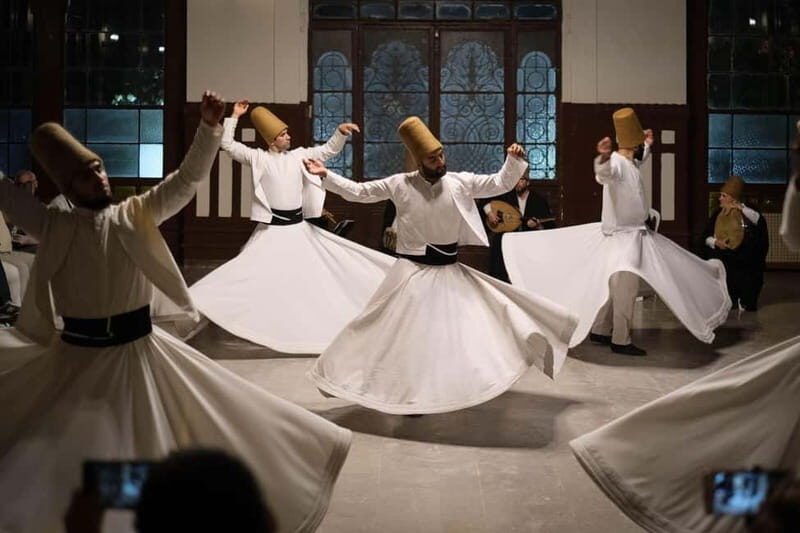
Your meeting point is simple: look for the sign at Motif Sema Performance Hall. That’s useful because on nights like this, the last thing you want is stress about where to go.
Here’s the mindset check that will make or break your experience. This is a ritual. It’s not a sightseeing performance where you can talk through it, laugh at it, or treat it like background entertainment. In fact, one of the clearest lessons you can take from the way the ceremony is described is that it should be appreciated, not “played.”
That also affects your behavior. During the presentation, you should expect restrictions that keep the room quiet and respectful. If you’re the type who takes photos constantly, this might feel like a constraint at first. But if you plan for it, it turns into a benefit: you watch more closely because you’re not constantly switching between phone and scene.
Prayer, Chanting, And The Circling Of Veled
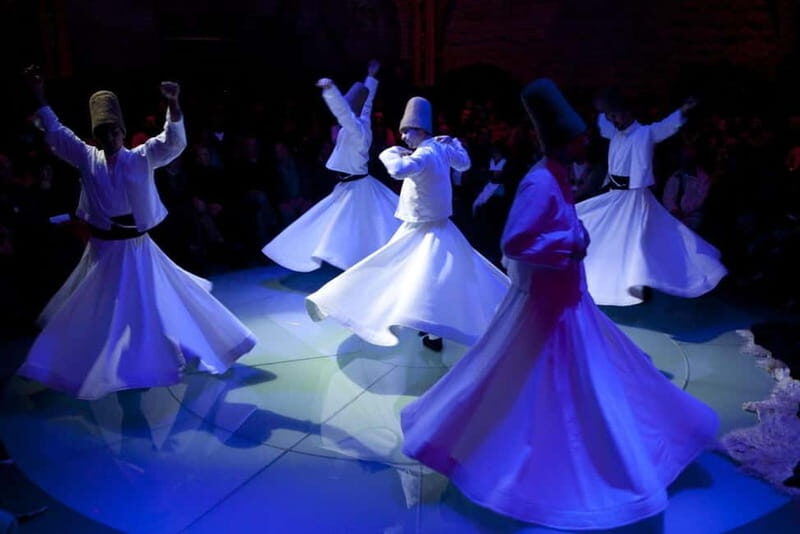
The ceremony begins with a prayer connected to Prophet Mohammed. That opening matters because it frames everything that follows as religious and spiritual, not just cultural entertainment.
After the prayer, you’ll see the Circling of Veled. This part is often called out as infamous, and not because it’s shocking—it’s because it’s powerful and symbolic. It represents a phase of the Dervishes’ journey toward God. In other words, it’s not random turning on a stage. It’s meant to communicate movement through meaning.
What I’d advise you to do here is stop looking for a plot and start looking for pattern. The ceremony is structured in parts, and each part carries its own symbolism. Even if you don’t fully understand every term or reference, you can still follow the emotional arc: a solemn start, then the structured flow into the circles and chants.
If you want to get more out of it, come prepared with the attitude of a student, not a spectator. Think: What is the ritual trying to express? That one shift makes the ceremony feel less like “a show” and more like a window into a worldview.
The Whirling: How Semazens Dance Around The Stage
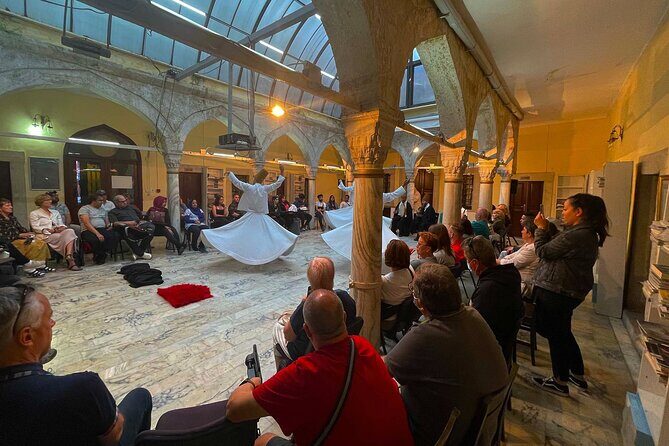
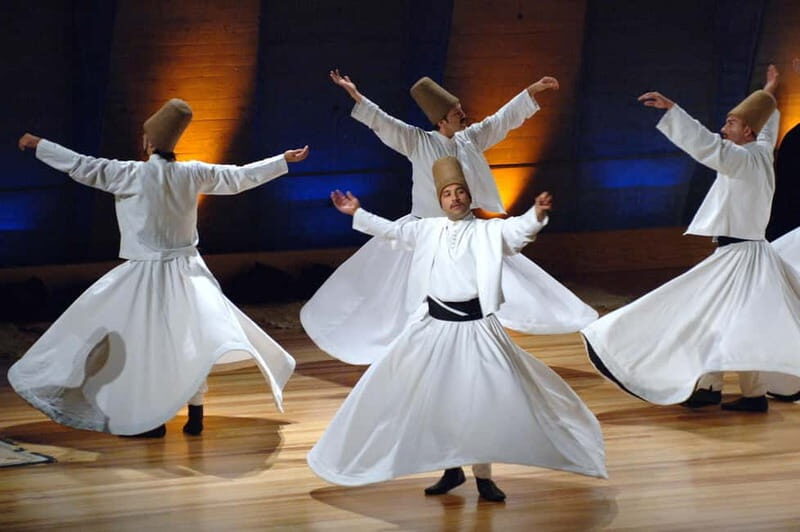
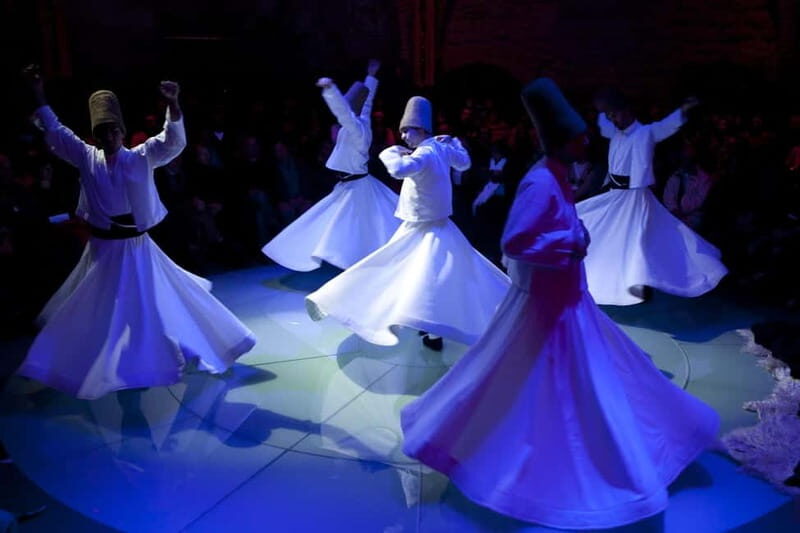
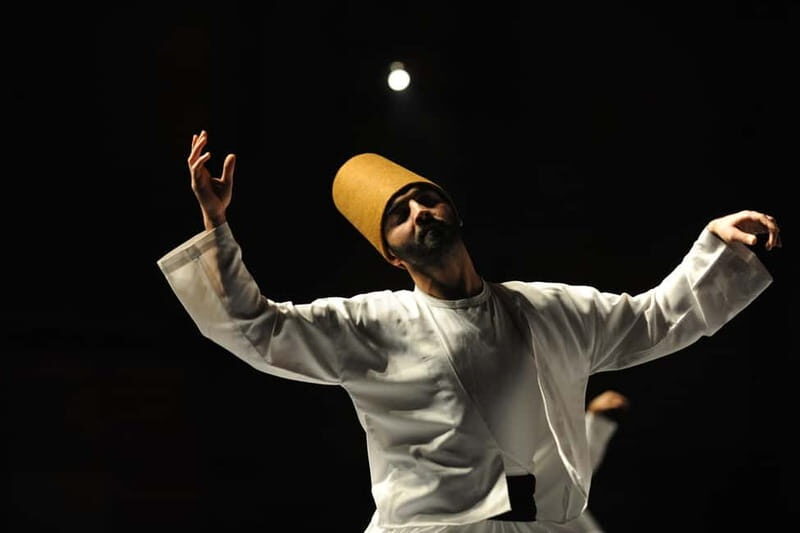
This is the moment most people come for. The whirling dervishes aren’t just spinning for spectacle. The ceremony presents the whirling as a visible symbol of inner transformation—movement that stands for spiritual striving.
You’ll see semazens dance and chant their way around the stage, and the repeated circular motion is the core visual language. Pay attention to how the group moves as a unit. The effect isn’t just individual. The ceremony builds because everyone follows the same rhythmic logic, which makes the whole ritual feel synchronized and intentional.
Also, watch for what’s happening around the whirling. The ceremony doesn’t treat the whirling as the only “interesting” moment. It’s part of an ordered flow, with earlier and later segments that add context. If you come in only for the spin, you might miss why people describe the experience as emotional and spiritually uplifting.
One more practical point: because this is a ritual space, your comfort and focus depend on your cooperation. Keep your voice low. Put your phone away unless the show indicates otherwise. It’s not about being stiff—it’s about respecting the pace of a tradition that isn’t trying to impress you with volume.
Why This Works As A Cappadocia Night Plan
Cappadocia has plenty of classic evenings—dinner, folk shows, and rooftop views. The Dervishes ceremony is a different kind of night out: reflective, structured, and more quiet than you may expect.
That “alternative night outing” quality is real value. If your other days are packed with valleys and cave churches, this gives your brain a break from scanning landscapes. You switch from navigating outdoors to witnessing a ritual indoors. It’s a change of rhythm.
Time also matters. The duration is listed at 1–2 hours, which is the sweet spot for a nighttime activity in Cappadocia. You can still eat before or after without feeling like you’re always rushing.
And if you choose the transfer option, it becomes even easier. The price can include two-way transfer from and to your accommodation in Cappadocia. That means you’re not arranging your own ride at night—less friction, more actual “going out.”

Transfers, English Driving, And Getting There Without Stress
If you select the hotel transfer option, transportation is provided in fully air-conditioned cars. That’s practical in this region because evenings can feel chilly or warmer than you expect depending on the season, and having climate control keeps you comfortable on the way in.
The driver is listed as English, which helps if you need quick clarifications. There’s also a clear pickup expectation: you wait in the hotel lobby about 10 minutes before your scheduled pickup time. After the driver arrives, they’re noted as waiting no longer than 5 minutes past the scheduled time.
That’s a good detail to respect. If you’re the type who runs late, set a calm routine before this evening. Otherwise, your pickup could turn into a stressful scramble. This kind of activity is best enjoyed when you arrive settled.
Pricing And Value: What $24 Gets You
At around $24 per person, you’re paying for a compact experience that includes the entrance fee (and, if you choose it, hotel transfer).
Here’s how I think about value for something like this. You’re not just buying a seat. You’re buying access to a ceremony designed to be followed in order—prayer, chants, a symbolic phase like the Circling of Veled, and then the whirling itself. The structure matters, and you can’t really replicate that at home.
If you already planned to go out at night anyway, this can slot in as a meaningful cultural experience without becoming expensive. It’s also relatively short, so you don’t add extra costs like late-night rides or multiple activities to fill the time.
Where value can change for you is your comfort level with ceremony rules. If you want to constantly take photos or talk during a performance, you’ll likely feel restricted. But if you’re willing to treat it like a ceremony, the ticket price starts to feel more like support for an event that isn’t trying to be consumer-friendly—it’s trying to be faithful to the ritual.
What To Watch For If You Want To Understand More
The ceremony carries symbolism, and one of the practical takeaways from the way people describe understanding it is this: you get more out of it when you approach it like a ritual with layers.
If you’re offered any printed or informational program inside the venue, use it. One of the clear lessons is that the event makes more sense when you’ve got a guide to the meanings behind the parts. Even if the ritual is emotional on its own, having a few signposts helps you connect what you’re seeing with why it’s arranged that way.
Also, keep your focus on the movement language:
- The transition from prayer into the circling sections
- The moment the whirling begins and how the semazens move as a group
- The chanting atmosphere that keeps the rhythm steady
You don’t need to be an expert. You just need to watch with intention.
Who This Is Best For (And Who Might Not Love It)
This ceremony is a great match for you if you:
- want an alternative night plan in Cappadocia
- like cultural experiences that feel serious rather than gimmicky
- enjoy watching traditional performances where behavior matters
It’s also a strong fit for a mixed-age group because the event is relatively short and structured. People often mention it as an experience for all ages, which makes sense: you’re not doing intense physical activity, and the core visual elements are easy to follow.
Where you might want to reconsider is if you’re expecting something like a high-energy entertainment show. The ceremony is meant to be appreciated. If your travel style is chatty, photo-first, and applause-first, this may feel too strict.
A final thought: even if you’re religious or not, the atmosphere can come across as powerful. If you approach it with respect, you’ll likely feel that.
Should You Book This Cappadocia Dervishes Ceremony?
Yes, I’d book it if you want a meaningful night that’s different from the usual tours. It’s short, it’s structured, and it gives you direct contact with a ritual tradition that’s designed to communicate spiritual ideas through movement, chant, and symbolic stages.
I’d think twice only if you strongly prefer performances where you can film freely, talk through scenes, and treat the moment like casual entertainment. If you’re okay watching quietly and letting the ritual unfold on its own terms, this is a good value way to add something genuinely atmospheric to your Cappadocia days.
If you do book, plan to arrive a bit calm and ready to respect the rules—then you can spend the whole time actually watching, not managing your phone or your expectations.
FAQ
How long is the Cappadocia Dervishes Ceremony?
The ceremony is listed as 1–2 hours. Start times depend on availability.
Is hotel pickup included?
Hotel transfer is optional. If you select it, the price includes two-way transfer from and to your accommodation in Cappadocia.
What is included in the ticket price?
The ticket includes the entrance fee. Hotel transfer is included only if you choose that option.
Where do I meet the group?
You can find the meeting point sign at Motif Sema Performance Hall.
What language is the driver?
The driver is listed as English.
Are photos or filming allowed during the ceremony?
During the presentation, photography and filming are not allowed, and it’s also not permitted to applaud or converse. Some time for photos may be available at the end.
What’s the cancellation and payment option?
Free cancellation is available up to 24 hours in advance for a full refund. There’s also a reserve now & pay later option.