REVIEW · ISTANBUL
4 days Turkey highlight: Pamukkale Ephesus and Cappadocia
Book on Viator →Operated by Travel Store Istanbul · Bookable on Viator
That first view of Pamukkale feels unreal. This 4-day highlights route strings together Pamukkale, Ephesus, and Cappadocia’s rock-cut world, with your transport, tickets, and meals largely handled. You spend time on the big-name sites, but the pacing is practical enough that you don’t feel like you’re sprinting through history.
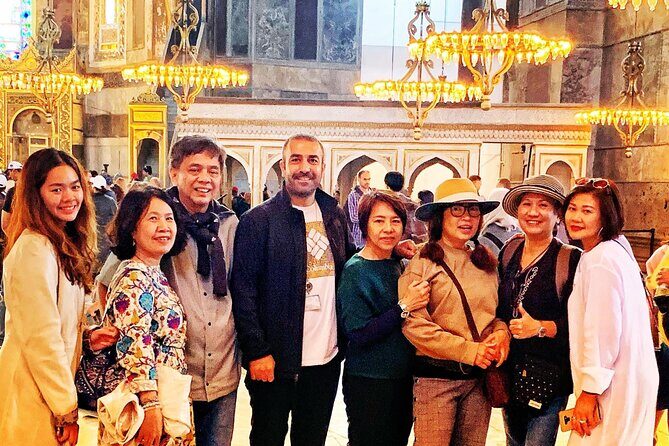
I love how much is included for the price: flights, transfers, English guiding on the main touring days, plus multiple meals and entrance fees. I also like the small-group feel (up to 15 people), which helps you move with less chaos at crowded ruins.
One thing to consider: this is a full itinerary with lots of walking and sightseeing days. If you’re hoping for a slow, do-anything-you-want trip, you may feel a bit schedule-tight.
In This Review
- Key highlights at a glance
- A 4-day Turkey route that hits three icons with less stress
- Day 1: Pamukkale thermal pools, Hierapolis ruins, and the spa-city story
- Day 2: Ephesus and the sites around Selçuk—Artemis, Mary, and Isa Bey
- Day 3: Cappadocia viewpoints, valley walks, Çavuşin, and Derinkuyu Underground City
- Day 4: Göreme Panorama, Open-Air Museum, Avanos pottery, and Paşabağları
- Price and value: what $1,500 actually covers (and what to plan for)
- Pickup, small group pacing, and timing you can actually use
- Who should book this tour, and who might not love it
- Should you book the 4-day highlights route?
- FAQ
- FAQ
- How long is the tour?
- Does the tour include pickup from hotels?
- Is the tour offered in English?
- What’s included in the price?
- Are entrance tickets included for all stops?
- Is dinner included?
- How big is the group?
- Does the tour require good weather?
- What kind of activities can I expect in Cappadocia?
Key highlights at a glance
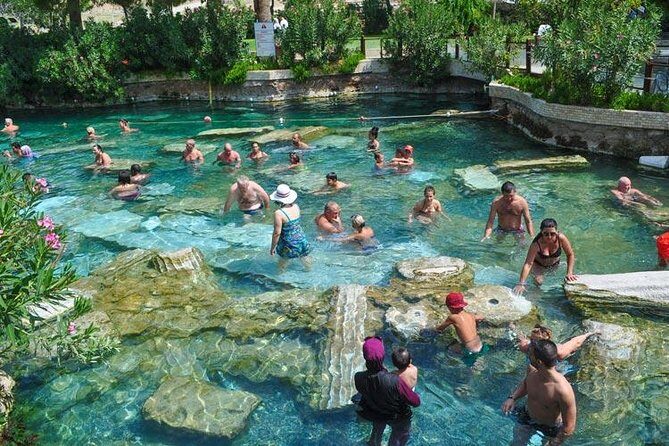
- Pamukkale thermal pools and Cleopatra’s Pool time built in, not just photos
- Hierapolis ruins tied to the ancient spa-city culture
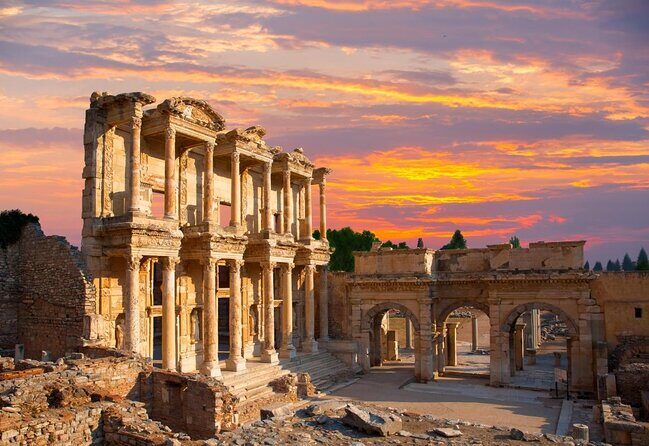
- Ephesus viewed at a comfortable pace with stop-by-stop context
- Virgin Mary’s House and Artemis Temple for myth, faith, and ancient architecture
- Cappadocia valleys plus Derinkuyu Underground City—views and underground history in one arc
- Göreme Open-Air Museum with the Dark Church, Apple Church, and Snake Church
A 4-day Turkey route that hits three icons with less stress
This tour is made for people who want the headline Turkey sights without the planning headache. In a tight 4-day window, you go from western Turkey’s ancient ruins (Pamukkale and Ephesus) to Cappadocia’s carved valleys and underground cities.
What makes it work for real life is the structure: pickup from your hotel or apart hotel, airport transfers, and a schedule where meals show up instead of turning the day into endless searching for food. The tour is offered in English, and the group size caps at 15, so you’re not fighting a giant crowd at every stop.
The itinerary also balances “wow” with “why.” Pamukkale is not only the white travertines; it’s tied to its spa-city reputation. Ephesus isn’t only impressive ruins; you get context that makes the buildings feel less like random stones. Cappadocia adds hikes and viewpoints, but it’s paired with major sites like Göreme Open-Air Museum and Derinkuyu underground.
You can also read our reviews of more tours and experiences in Istanbul

Day 1: Pamukkale thermal pools, Hierapolis ruins, and the spa-city story
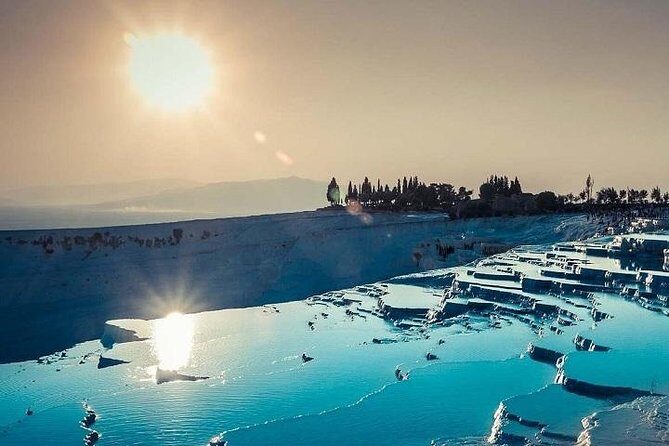
Pamukkale is famous for a reason: the mineral-rich hot springs deposit layers over long periods, creating those iconic white terraces people call the Cotton Castle. On this day, you get 2 hours at the Pamukkale Thermal Pools, which is long enough to actually settle in. If you plan to swim, this is the part of the trip built for it, including time for Cleopatra’s Pool and the thermal waters.
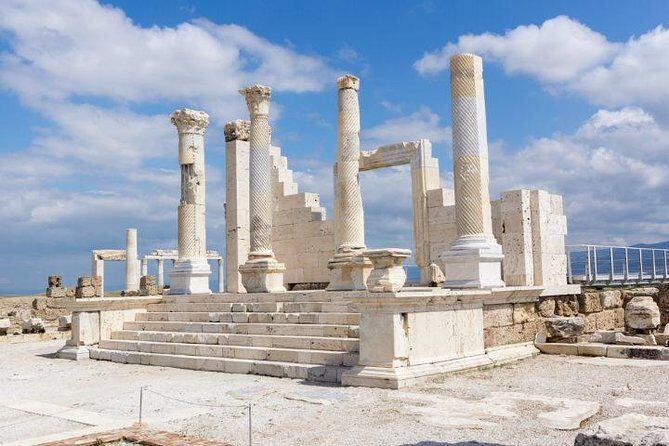
After that, you shift to Hierapolis, an ancient city that dates back at least to the 2nd century. This wasn’t just a place to look at ruins later—it was a destination where people came for treatment and relief, mixing different cultural layers over time (Pagan, Roman, Jewish, and Christian influences). You’ll also get enough time at the ruins to connect what you’re seeing to that spa-city identity.
You then move through a few standout architectural stops:
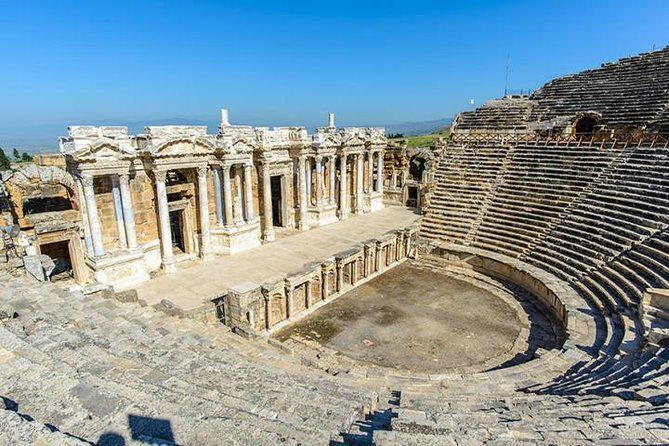
- The Grand Theatre of Hierapolis, designed to hold up to 15,000 people, with steep passageways and aisles leading down toward the main stage area.
- The Byzantine Church / gymnasium ruins connection, rooted in Roman-era use—this is a reminder that the site kept changing role as centuries passed.
Practical tip: bring a swimsuit if you want the thermal swim time to be useful. Also plan for sun and comfortable footwear, because even when you’re “just sightseeing,” Pamukkale still involves a lot of moving around.
Day 2: Ephesus and the sites around Selçuk—Artemis, Mary, and Isa Bey
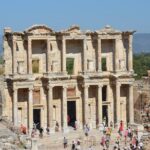
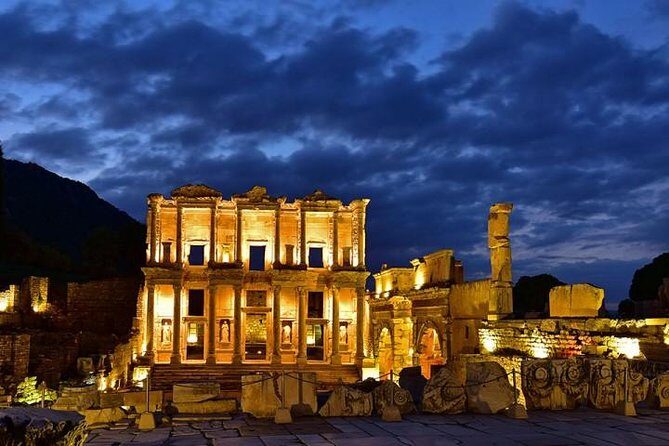
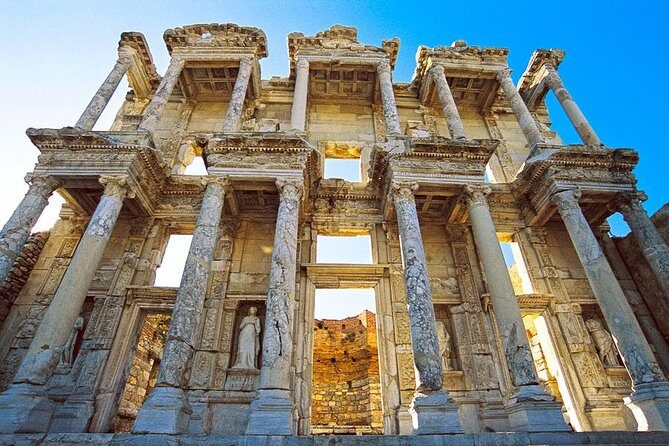
Ephesus is one of those places where you can’t help but stare. The city was home to an estimated 200,000 people at its peak, and it’s often described as one of the best-preserved ancient city experiences. Here you get about 3 hours at Ephesus, which is a solid length of time to see the big structures without feeling like you’re only catching corners.
What I like about starting with Ephesus is that it sets the tone for the rest of the day. After walking through the ancient city, the next stops around Selçuk feel less random: you’re seeing how different eras—myth, faith, and architecture—layer over the same region.
Then you visit:
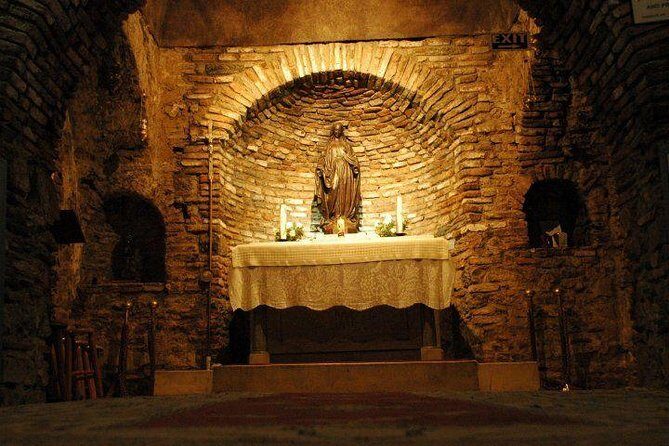
- Meryemana (The Virgin Mary’s House) on Bulbul Mountain overlooking Selçuk. It’s described as a key pilgrimage site, tied to the idea that Mary spent her last years here.
- Temple of Artemis, with roots traced to as early as the 6th century B.C. What’s left today is foundations and some columns, but the scale is still understandable if you give it a few minutes to sink in.
- Isa Bey Mosque, dated to 1374–1375, known for Seljukian architecture, including crown-like door shapes and mosaics.
Consideration: Ephesus is impressive, but it can also be intense in the heat. If you’re sensitive to sun exposure, you’ll be happier if you bring water and plan your pace for comfort rather than speed.
Day 3: Cappadocia viewpoints, valley walks, Çavuşin, and Derinkuyu Underground City
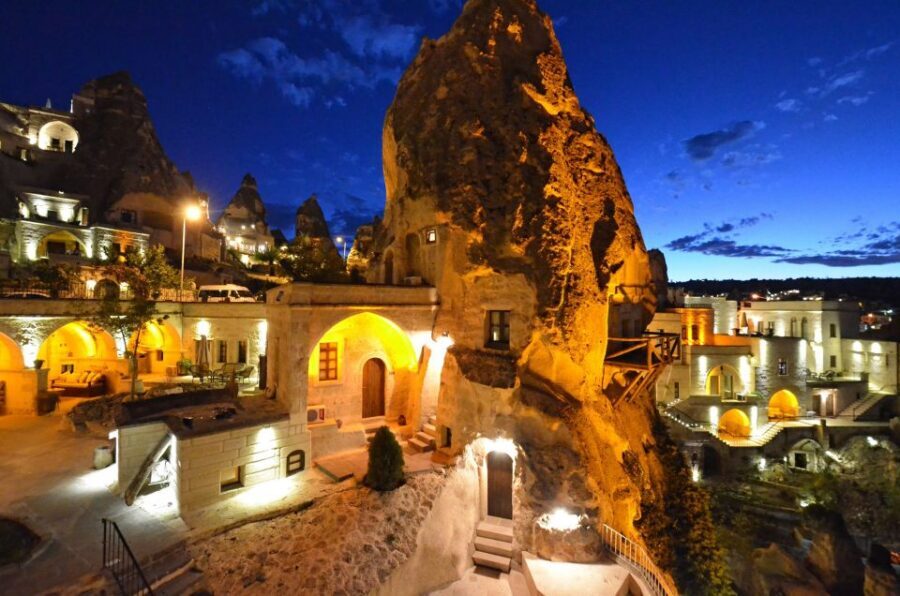
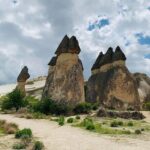
Day 3 is where Cappadocia stops being theory and turns into your own two feet in the valleys. You start at Uçhisar Castle, a natural rock formation carved for defense and later adapted for human use. It has tunnels and rooms, and from the highest point you get sweeping panoramas over the fairy chimneys.
Next comes Kızılçukur Valley (Red Valley) with a 2-hour walk. This is the kind of hike that’s built for photos and slow attention: red and pink rock tones, fairy chimneys, rock-carved churches, and even vineyards along the way. It’s not described as a technical hike, and the route duration suggests a manageable pace for most people who can handle regular walking.
You then move to Çavuşin, a village known for rock-carved homes and churches, including the Church of St. John the Baptist from the 5th century and its frescoes. This stop is valuable because it shows Cappadocia isn’t only one scenery trick; it’s a living history of how communities used the rock.
After that you visit two more valley-style areas:
- Love Valley for its fairy chimney rock formations and peaceful trails (plus the connection to hot air balloon activity in the area).
- Pigeon Valley, where locals historically carved pigeon houses into the soft volcanic rock, using droppings as fertilizer.
Finally, you get one of the most memorable “wow” switches of the whole trip: Derinkuyu Underground City. It’s described as one of the largest and deepest underground cities in the region, dating to the 8th–7th centuries B.C. and built for refuge, including space that could house up to 20,000 people with livestock and supplies. You’ll see multiple levels and details like living quarters, kitchens, chapels, storage areas, and ventilation.
Practical tip: underground spaces can feel cooler but also a bit dim. Wear shoes with solid grip and expect uneven surfaces.
Day 4: Göreme Panorama, Open-Air Museum, Avanos pottery, and Paşabağları
Day 4 is a full “greatest hits” day, but it’s organized around variety: viewpoint first, then museum, then workshops and valleys.
You begin with Göreme Panorama, a viewpoint famous for broad views of fairy chimneys and valleys. It’s especially popular near sunrise or sunset when the light turns the rock formations warm, and balloons dot the sky in the early morning hours. Even if you’re not riding a balloon, this stop helps you understand why Cappadocia attracts so many first-timers.
Then you spend time at Göreme Open-Air Museum, a UNESCO World Heritage Site. Here the focus is rock-cut churches, chapels, monasteries, and living quarters, many with frescoes dating to the 10th–12th centuries. Three named highlights are included: the Dark Church, Apple Church, and Snake Church. This is the stop that turns “cool caves and churches” into a real sense of how early Christians used the area for refuge and monastic life.
After the museum, you head to Avanos, known for pottery and ceramics. The tradition is tied to the Kızılırmak River, including the red clay sourced from it, and the workshop culture is linked back to Hittite times. If you like hands-on moments, this is the day to lean into it, since workshops may offer a chance to try pottery making.
Then it’s back to nature forms:
- Devrent Valley (Imagination Valley), known for wind- and water-shaped rocks that resemble animals and objects.
- Paşabağları (Monk’s Valley) for its mushroom-like fairy chimneys and the rock-cut chapels/dwellings connected to monks in the Byzantine period.
- The Three Beauties (Uç Guzeller) viewpoint over Ürgüp, with wine factories, vineyards, and apricot gardens in the view.


Price and value: what $1,500 actually covers (and what to plan for)
At $1,500 per person for about 4 days, the value comes from the bundle. You’re not just paying for sightseeing—you’re paying for the big cost pieces being arranged for you: round-trip flights with taxes, airport transfers, and guided touring on the main two small-group days.
You also get multiple meals: 3 breakfasts and 4 lunches are included. Dinner isn’t included, so you’ll want to plan on budgeting for evening meals on your own.
Entrance fees are mixed: many key stops list admission as included, while a few are marked free. Either way, the benefit for you is less ticket-shuffling and fewer “wait, what do we pay for?” moments.
There’s also lodging: the tour includes 1 night hotel in Kuşadası with breakfast by the sea. One note to confirm before you go: the info provided only specifies that single hotel night in Kuşadası. If you have extra nights to cover on your own, you’ll want to settle that early so the schedule doesn’t surprise you.
My take: this is a good value if you want structure and you’d rather spend your energy looking at sites than solving logistics.
Pickup, small group pacing, and timing you can actually use
This is where tours either feel easy or stressful. Here, the easing factors are clear:
- Pickup from your hotel or apart hotel
- English guiding
- Maximum 15 people, which keeps the walking stops from becoming a cattle line
- Mobile ticket support so you don’t hunt for paper confirmations
- Airport transfers handled for you
The schedule moves city-to-city and site-to-site, so build your strategy around comfort:
- Wear shoes you can walk in for hours.
- Bring sun protection and water, especially on Ephesus and open-air stops.
- Expect a mix of long outdoor time and short museum-style visits. The stops are timed (some are 30–60 minutes, some are longer), so you’ll likely feel the rhythm more than you’ll feel exhaustion everywhere.
Also, this experience requires good weather. If weather turns ugly, the operator may shift dates or refund, so keep your schedule flexible when possible.
Who should book this tour, and who might not love it
This tour fits best if you:
- Want Pamukkale + Ephesus + Cappadocia in one go
- Like guided explanations alongside the big visuals
- Prefer small-group movement and handled transport
- Don’t want to plan meals and admissions every day
It may not fit if you:
- Want a very relaxed, unstructured trip
- Have limited mobility or strong limits on daily walking
- Are hoping dinner is included, or lodging is fully covered beyond the Kuşadası night
Should you book the 4-day highlights route?
I’d book it if your priority is seeing the major Turkey icons with minimal logistics stress. The best reason is the way it combines real guided context (Ephesus and the Pamukkale spa-city setting) with Cappadocia variety—from viewpoints to underground history.
If you’re the type who likes to research everything and go completely off-menu, you might prefer a DIY plan. But if you want a clean route, English guiding, and a schedule that keeps meals and transfers from turning into chores, this is a strong choice.
FAQ
FAQ
How long is the tour?
It runs for approximately 4 days.
Does the tour include pickup from hotels?
Yes. Pickup is offered from hotels and apart hotels.
Is the tour offered in English?
Yes, the tour is offered in English.
What’s included in the price?
The price includes round-trip flight tickets with taxes, airport transfers, a one-night hotel stay in Kuşadası with breakfast, 3 breakfasts and 4 lunches, guided touring and transportation for the small-group days, and entrance fees where listed as included.
Are entrance tickets included for all stops?
Not for every stop. Some sites are marked as admission ticket included, while others are listed as free entry.
Is dinner included?
No. Dinner is not included.
How big is the group?
The tour has a maximum of 15 travelers (people).
Does the tour require good weather?
Yes. The experience requires good weather, and if it’s canceled due to poor weather, you’ll be offered a different date or a full refund.
What kind of activities can I expect in Cappadocia?
Expect viewpoints and walk-and-sightseeing stops, plus Derinkuyu Underground City. There’s also time at places like Göreme Open-Air Museum and Avanos for pottery-related experiences.