REVIEW · ORTAHISAR
Cappadocia: Pottery Experience – Watch and then Try
Book on GetYourGuide →Operated by Connect Kayata Travel Agency · Bookable on GetYourGuide
Clay and tea in Cappadocia is a simple win. This pottery workshop pairs a watch-and-learn start with hands-on shaping in a cave-like space, then adds a tea break and a look at local ceramics. It’s the kind of activity that fits when you want something creative without committing to a half-day detour.
I especially like the way the session is built around doing, not just watching. The instructor guides you while you make your own piece, and you also get time to explore a small gallery of Cappadocian masters’ work right after. One important catch: the experience is short, and reviews are mixed, so you’ll want to set expectations that you’re making something within a tight time window.
The one possible drawback is pacing and attention to hands-on time. Some people felt the experience went too fast or leaned too much toward selling, while others loved the patient guidance and ended up with something they were proud of. If you care a lot about lots of trial-and-error, or you don’t want any pressure to buy, go in knowing it’s a quick workshop with gallery browsing attached.
In This Review
- Key things to know before you go
- Museum Cave Seramik: the underground start in Ortahisar
- Watch first, then shape: what the 50-minute pottery session really includes
- Tea break and an arts-and-crafts market moment
- The gallery of Cappadocian ceramics: seeing the craft tradition up close
- Instructor energy in English and Turkish: where the experience can shine or feel rushed
- Price and value: how $16 stacks up for Cappadocia pottery
- Who this pottery experience fits best (and who should skip it)
- Final call: should you book this Cappadocia pottery workshop?
- FAQ
- Where is the workshop meeting point?
- How long is the pottery experience?
- What languages are available for the instructor?
- Is pottery making included, or is it just watching?
- Is tea included?
- Are transfers included?
- Is there a market or shopping time during the experience?
- Can I cancel and get a refund?
- Can I pay later after reserving?
- Book now, or wait until I know my time?
Key things to know before you go
- Underground workshop setting at Museum Cave Seramik in Ortahisar, not a bright studio.
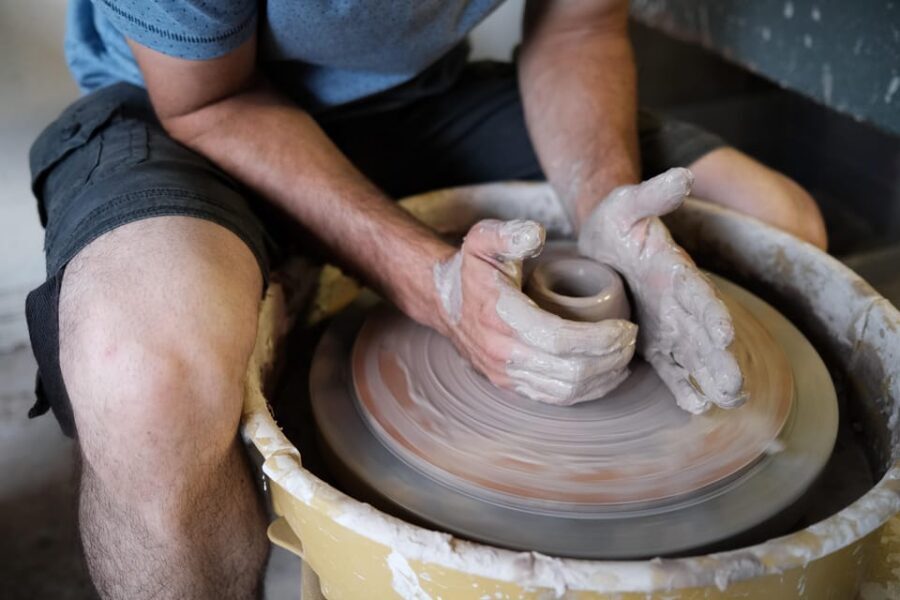
- Watch pottery making first, then you shape your own piece with an instructor.
- Tea is included, with a short pause during the creative process.
- Gallery time is part of the plan, and staff can help you with pieces you’re interested in.
- English and Turkish instruction is offered, so beginners should feel comfortable asking questions.
Museum Cave Seramik: the underground start in Ortahisar
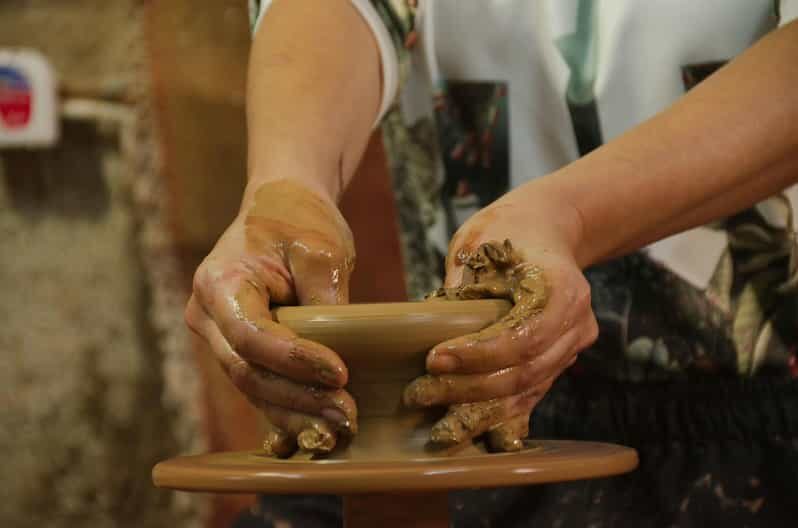
Your experience kicks off at Museum cave seramik, and the workshop is underground. That detail matters more than it sounds. Underground rooms keep the atmosphere cool and quiet, and they also change how you’ll experience the making—hands, tools, and clay work feel more focused when the space isn’t too open or distracting.
Once you book, the organizer checks your available times and sends you your slot. Don’t leave on autopilot before you get that time confirmation—this activity depends on the hours they’re running the workshop. Also, transfer is not included, so you’ll want a plan for getting yourself there (and back) at the exact time you’re given.
If you like activities that feel local and a little off the typical tourist strip, this is a good match. You’re not just stepping into a “show.” You’re stepping into a workshop where the clay process is the point.
You can also read our reviews of more tours and experiences in Ortahisar.



Watch first, then shape: what the 50-minute pottery session really includes
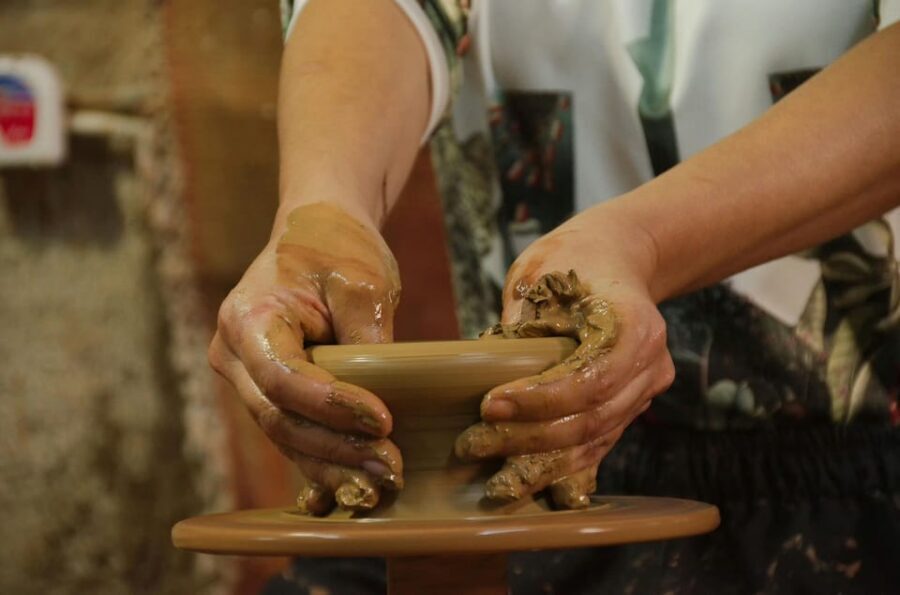
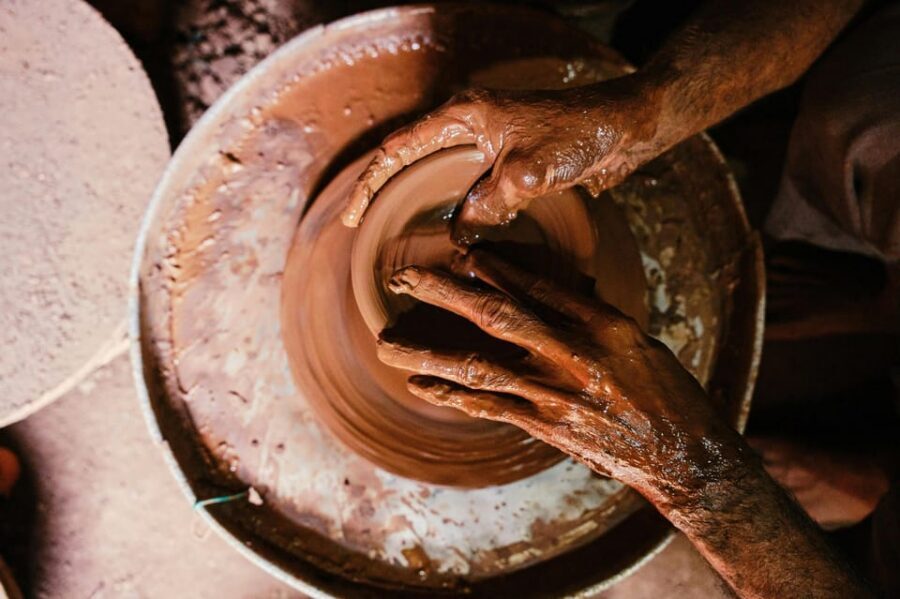
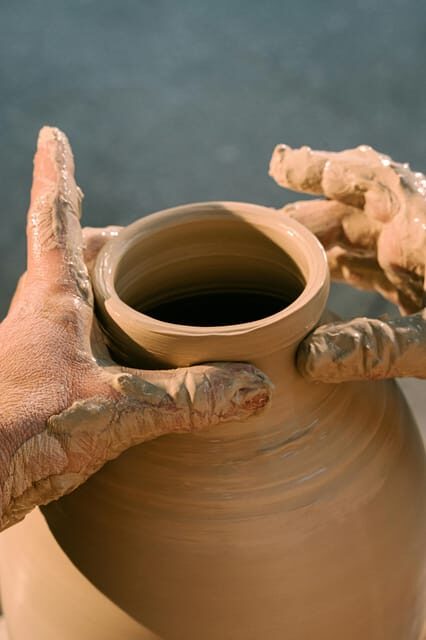
The session is listed at 50 minutes, and the structure is simple: you’ll watch pottery making, then you’ll make your own pottery piece. In practice, that “watch + do” layout is why this is a strong choice if you’re short on time but still want a real souvenir. You get enough instruction to understand the motion, but you’re not stuck for hours in one single step of the process.
In the best version of this experience, the instructor doesn’t just point—you work alongside them. One of the strongest review signals is the difference a patient guide makes: a friendlier, slower instructor style can turn what might feel like “you made a lump of clay” into something you can actually show off.
Still, you should be aware the reviews are not all the same. A couple of lower ratings complained that the time felt extremely brief and that the tutor did too much of the shaping for them. That doesn’t mean it will happen to you, but it does mean you should go in with a clear idea of what you want to do.
My practical advice: arrive ready to participate. Ask early how much you’ll be doing yourself during the shaping portion. If your goal is hands-on control, politely ask the instructor to help you guide your own piece rather than taking over.
Tea break and an arts-and-crafts market moment
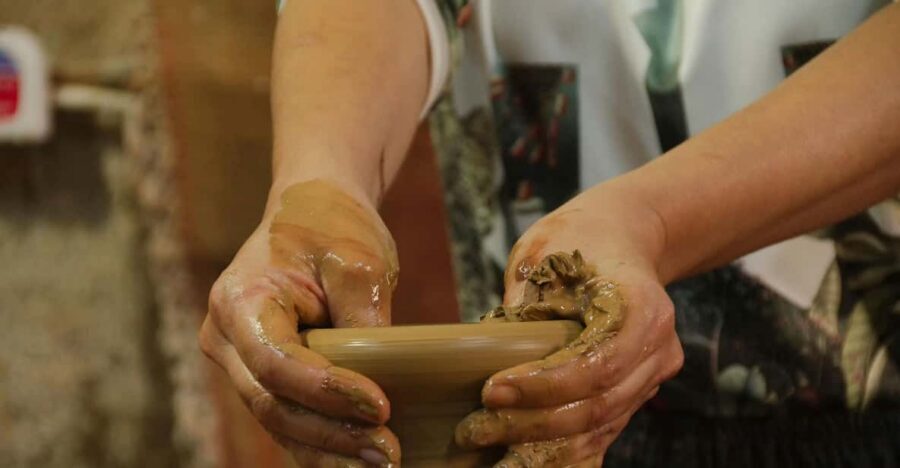
This experience includes special tea, and there’s also a stop in Ortahisar that ties it to the area’s craft scene. The plan includes tea plus an arts & crafts market visit alongside the workshop time (the workshop portion is described as about an hour on the day-of flow).
That tea break is more than a nice touch. In a short workshop, it’s one of the few times you’ll reset your attention while your piece is going through its early stages. Also, tea gives you a natural moment to talk with the staff, ask questions, and get context about what you’re making and why certain forms are common in the region.
The market visit matters for value because it frames your workshop piece inside a bigger ceramic culture. You’ll see what’s for sale and what people actually choose as gifts. If you’re the type who likes to browse and compare, you’ll get more from this than if you only care about finishing your own item.
The gallery of Cappadocian ceramics: seeing the craft tradition up close
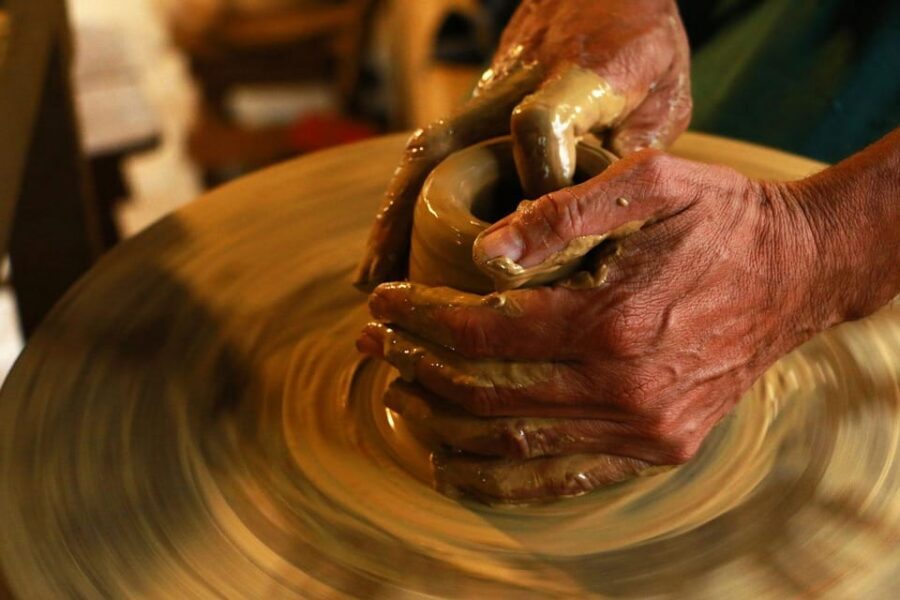
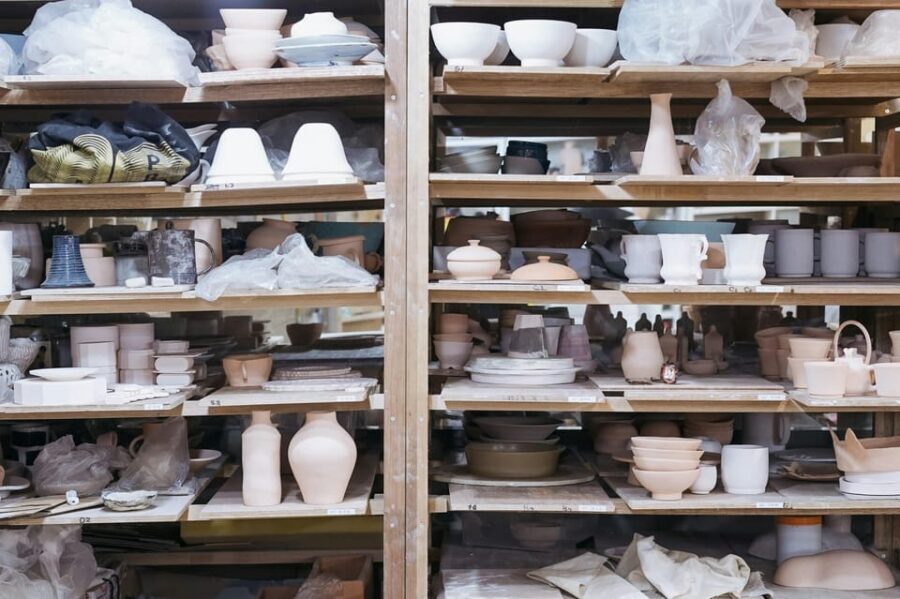
After you craft your piece, you’ll be able to explore the workshop gallery. The idea is that you don’t just make something—you see what local artisans create, so your work feels connected to a broader style rather than being a one-off activity.
This gallery time can also help you decide what to buy (if you want to). The workshop team stays with you while you look around, and they can answer questions about products you like. If you decide to purchase, you’ll be guided toward discounted prices compared with what you might see elsewhere.
That said, a couple of reviews specifically mention selling pressure as a negative when expectations were set on learning only. So keep your own priorities straight. If your main goal is to learn and make, treat the gallery as inspiration and don’t let buying conversations steal your focus. If you do want to shop, go in with a quick price check mindset.
Instructor energy in English and Turkish: where the experience can shine or feel rushed
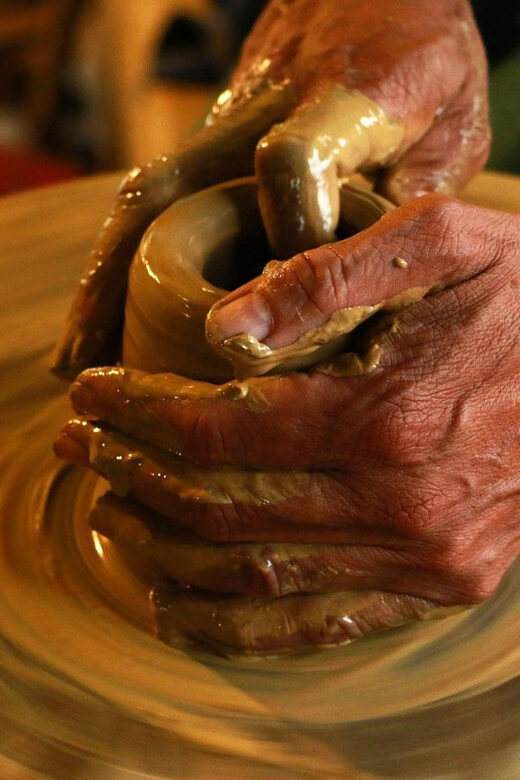
The instructor is available in English and Turkish, which is a huge practical advantage. In a short workshop, the ability to explain steps clearly can make the difference between feeling lost and feeling like you can actually shape something.
The highest-rated feedback points to a particular instructor style: friendly, patient guidance and real help with the molding so the final piece looks better. People also mention a relaxed, fun atmosphere and a sense that the learning experience is paired with context about the handmade souvenir tradition.
The lower ratings are a reminder to think about what “instruction” means in a short time window. If a guide is pressed for time or has a crowded schedule, some activities can turn into “watching with a tiny chance to touch.” If you’re sensitive to that, ask questions early. Simple questions like how long you’ll be working on the shaping, or whether you’ll be able to try again if you’re not happy with the first form, can help you get a better sense of how the session will go.



Price and value: how $16 stacks up for Cappadocia pottery
At $16 per person, this workshop is priced like a quick creative add-on. That’s good news if you want a meaningful souvenir without paying for a longer class.
Here’s the value math that matters: you’re paying for (1) watching pottery making, (2) your own hands-on pottery experience, (3) a special tea, and (4) browsing local ceramics in a gallery setting. For many people, that’s an even deal because tea and the gallery aren’t free elsewhere, and the workshop time turns the visit into something interactive.
But you also have to compare value to expectations. If you’re hoping for a slower pace with lots of trial time, or if you want multiple attempts at shaping, the short duration can feel underwhelming. In a few reviews, people felt disappointed by how quickly the session ended and how much of the work seemed to be done for them.
So I’d call it a fair price for a short workshop—and a questionable fit if you want a deep pottery practice session. If you frame it as a taste of the craft plus a keepsake, it tends to land better.
Who this pottery experience fits best (and who should skip it)
This is a good choice if:
- You want a beginner-friendly activity that doesn’t require experience.
- You like the idea of learning a bit, making a small piece, and then enjoying a tea-and-crafts atmosphere.
- You’re traveling with limited time and want a creative stop that fits inside a short window.
- You want something more authentic than a standard souvenir shop visit, because you’ll actually be shaping clay.
Consider skipping or choosing a longer workshop instead if:
- You hate sales pressure and want zero shopping or buying discussion.
- You’re looking for multiple practice rounds or a long, slow art session.
- You’re very particular about controlling every step of the making process.
- You’re expecting a full pottery-making course rather than a short “watch + try” experience.
Final call: should you book this Cappadocia pottery workshop?
If you want a short, hands-on pottery memory in Ortahisar—plus tea and a look at real local ceramics—this workshop is worth considering. The strongest versions of the experience are the ones where the instructor is patient, lets you work actively, and helps you end up with a piece you like.
My main caution is pacing. Because some reviews mention the experience feeling very brief and sales-focused, you’ll get the best results by going in with realistic expectations: this is 50 minutes, not a multi-hour pottery course. If you’re okay with that trade-off, book it and treat the gallery and market stop as a chance to browse with eyes open.
If you tell me your travel dates and what you’re hoping to make (cup, bowl, small dish, etc.), I can help you decide whether this short session is a match—or whether you should look for a longer class instead.
FAQ
Where is the workshop meeting point?
The meeting point is Museum cave seramik, and the workshop is underground. After booking, you’ll receive the exact details.
How long is the pottery experience?
The duration is 50 minutes.
What languages are available for the instructor?
The instructor provides instruction in English and Turkish.
Is pottery making included, or is it just watching?
Both are included: you’ll watch pottery making and then have a pottery making experience.
Is tea included?
Yes, a special tea is included.
Are transfers included?
No. Transfer is not included.
Is there a market or shopping time during the experience?
Yes. The day-of plan includes time for tea and an arts & crafts market visit, plus a gallery exploration.
Can I cancel and get a refund?
Yes. You can cancel up to 24 hours in advance for a full refund.
Can I pay later after reserving?
Yes. The option is Reserve now & pay later.
Book now, or wait until I know my time?
Don’t go without your time confirmation. After you book, the provider checks available times and informs you of when the workshop runs for you.