REVIEW · ISTANBUL
Göbekli Tepe & Şanlıurfa City Tour 2 Days 1 Night From Istanbul
Book on Viator →Operated by Travel See Life · Bookable on Viator
Göbekli Tepe hits fast.
Going from modern Istanbul to Şanlıurfa in just two days sounds intense, but the payoff is huge: you’ll see Göbekli Tepe, then follow the religious and ancient-civilization thread through Balıklıgöl and the Harran region. The tour keeps things organized with an early start, guided explanations, and timed visits so you’re not wasting daylight on logistics.
Two things I really like are the tight focus on the right places and the way the day plans are built around real context, not random stops. I also like that key museum and site tickets are handled for you, plus you get breakfast and lunch meals included, which matters on a schedule this early.
One consideration: the start is very early (pickup around 04:30 with a flight shortly after), so if you’re not a morning person—or you hate rushing—this may feel like a sprint instead of a slow cultural roam.
In This Review
- Key highlights in plain terms
- From Istanbul to Şanlıurfa: what this trip is really like
- The long morning: flights, transfers, and the best way to prepare
- Day 1 in Şanlıurfa: Göbekli Tepe and the Abraham sites
- Göbekli Tepe: the reason most people book
- Sanlıurfa Archaeology and Mosaic Museum: a smart pause with context
- Balıklıgöl: Abraham’s cave and the Pool of Prophet Abraham
- My take on Day 1 overall
- Day 2 in the Harran region: caves, castles, and ancient trading ground
- Kızılkoyun Nekropolu / Kızılkoyun Caves: a quieter kind of ancient
- Harran Castle (Harran Kalesi): two parts, one sense of place
- Harran Culture House: where texts and local lore connect
- Şuayıpşehri (Şuayb Ancient City): trading center energy
- Flying back to Istanbul at night
- What the included meals and tickets really mean for value
- Timing and walking: who this tour fits best
- Weather and minimum group size: the two real risks
- Should you book Göbekli Tepe & Şanlıurfa as a 2-day add-on?
- FAQ
- How early do I need to be ready in Istanbul?
- Are flights from Istanbul included?
- Is entry to Göbekli Tepe included?
- What meals are included on the tour?
- What sites do we visit in Şanlıurfa and around Abraham’s story?
- How many people are in the group?
- What if the tour is canceled due to weather or not enough travelers?
Key highlights in plain terms
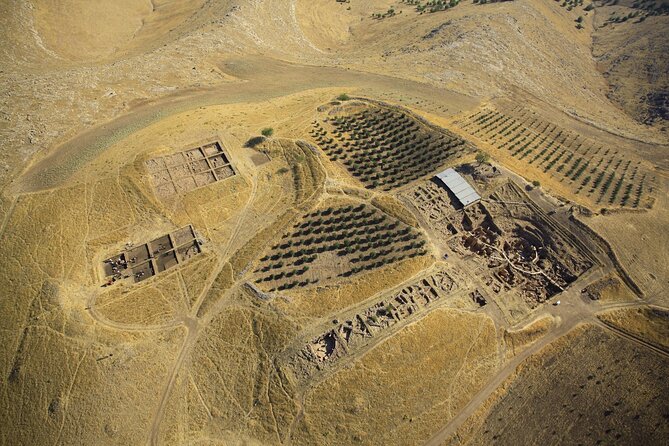
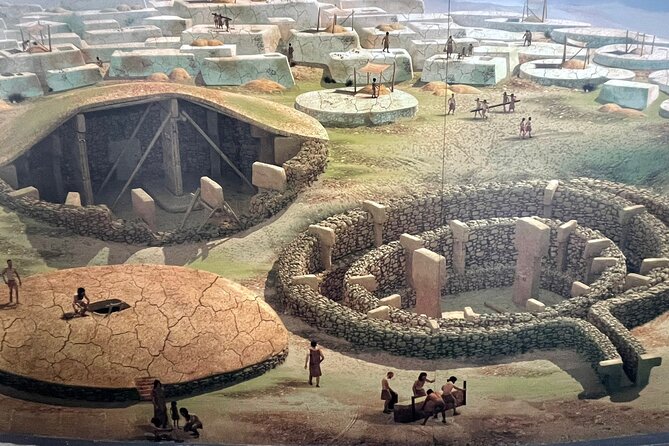
- Göbekli Tepe’s 12,000-year-old ritual complex: a major early step in human history, before writing and pottery.
- Balıklıgöl and Abraham’s cave: a mix of sacred story and distinctive local atmosphere.
- Sanlıurfa Archaeology and Mosaic Museum: a good pairing with the city’s archaeological setting.
- Harran’s layered sites: Harran Castle and the Harran Culture Houses connect local lore to older texts.
- Small group size (max 10): easier pacing and more back-and-forth with your English guide.
- Flights and transfers are built into the plan: you’re moving between regions without planning your own connections.
From Istanbul to Şanlıurfa: what this trip is really like
This is a two-day, one-night style tour with a big geographic jump. You start in Istanbul, fly to Şanlıurfa, and spend your time on the ground hitting the sites that define the region’s story: Göbekli Tepe on the early end, then Abraham traditions, then Harran’s older-world vibe. It’s not a relaxed long stay; it’s a carefully structured route where you get a lot done without feeling like you’re sprinting between totally unrelated stops.
The tour begins with an early hotel pickup in Istanbul around 04:30 and a flight departing at 06:40. That means your “travel day” is mostly already done by the time other people are still waking up. The tradeoff is clear: you’ll need to be ready on time, and you’ll want to protect your energy for daytime walking once you land.
The group is capped at 10 travelers, so you’re not lost in a huge crowd. That small size also helps on guided stops, where questions can actually land and you’re less likely to feel like your guide is only speaking to the front half of the group.
You can also read our reviews of more tours and experiences in Istanbul.



The long morning: flights, transfers, and the best way to prepare
A day like this can go two ways: smooth and focused, or chaotic because everyone is tired and unready. The tour’s structure is designed to avoid the chaos—there’s a planned pickup, airport transfer support, and staff waiting at the exit after you land.
Here’s what you should plan for:
- Sleep and timing matter. If you’re tempted to “just pack in the morning,” don’t. You’ll lose the best part of the day—your focus.
- Wear shoes you trust. Several stops involve walking on uneven ground and around historical areas.
- Keep essentials easy to reach. You’ll be moving between airport, vehicle, and guided sites quickly.
Also note that the tour starts very early, with a listed start time of 5:00 am. Your pickup time is given as around 04:30, so treat that as the real-world target and aim to be ready before it.
Day 1 in Şanlıurfa: Göbekli Tepe and the Abraham sites
Göbekli Tepe: the reason most people book
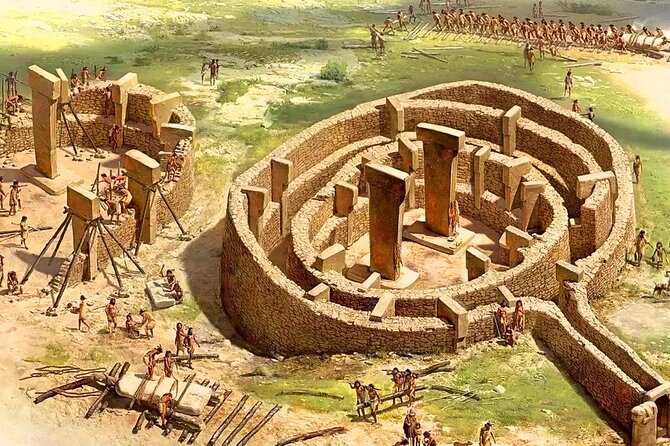
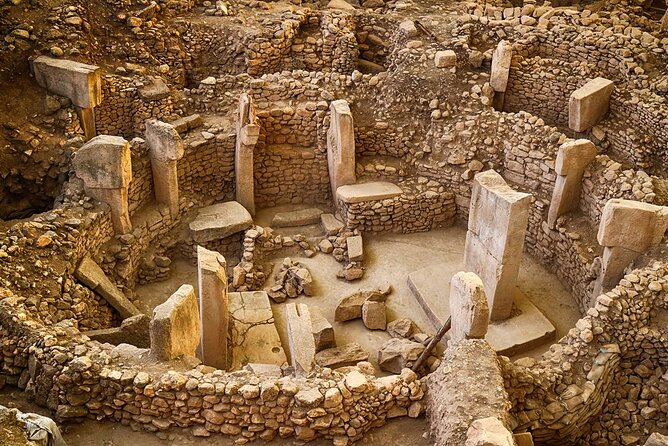
Göbekli Tepe is one of those places you hear about for a reason. The site dates back around 12,000 years, and what’s so striking is that it was built long before writing or pottery. In simple terms: the monument itself makes you rethink what early communities were capable of, and why they may have organized around shared ritual life.
The tour schedules about one hour at Göbekli Tepe. For a site this significant, an hour can feel both short and perfect. Short, because you might want to read every sign and linger over the details. Perfect, because the guided context helps you focus on what matters most so you don’t wander aimlessly.
What I find especially valuable here is the guide’s ability to connect the site’s age and purpose to the broader region you’ll explore later. Even if you only spend one hour, the story sticks, because you’re not just looking at stones—you’re learning why those stones matter.
Sanlıurfa Archaeology and Mosaic Museum: a smart pause with context
After Göbekli Tepe, the plan shifts to a museum stop: the Sanlıurfa Archaeological and Mosaic Museum. The timing works well because you’ve just seen a major ancient monument, and then the museum gives you a way to organize what you saw.
You also get lunch here: the tour includes two lunches, and the Day 1 museum block specifically mentions lunch with kebab. If you’re planning your own food during a fast-paced itinerary, it’s nice when lunch is already built in.
The museum visit is also a chance to understand that Şanlıurfa is not a one-era destination. The tour notes that the region has been occupied across a long chain of civilizations, including Babylonians, Hurrites, Hittites, Assyrians, Greeks. That’s the bigger idea: the sites aren’t isolated time capsules; they’re layers on layers.

Balıklıgöl: Abraham’s cave and the Pool of Prophet Abraham
In the afternoon, you move to Balıklıgöl, and this stop is where religious tradition and local atmosphere blend tightly. You’ll visit Abraham’s cave and the Pool of Prophet Abraham. The story shared here is that Prophet Abraham was thrown into the fire by Nimrod, and the pool is tied to that tradition.
The tour schedules about one hour for Balıklıgöl. This is about the right amount of time for a place like this if you want to soak it in without losing momentum before Day 2. What you’ll likely notice is how the site functions not only as heritage, but as a living spiritual landmark for many visitors.
My take on Day 1 overall
Day 1 is heavy in the best way. You start with the massive historical shock of Göbekli Tepe, add context with the archaeology museum, then bring the story into the religious traditions tied to Abraham. If you’re the type who likes your travel with meaning—temples, texts, tradition—this day hits your target.
Day 2 in the Harran region: caves, castles, and ancient trading ground
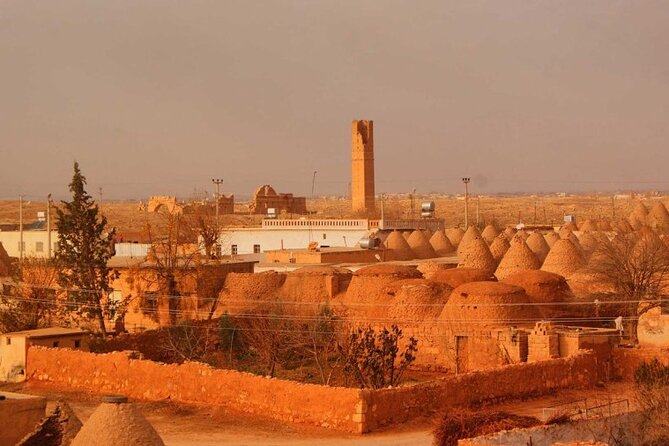
Day 2 continues the “follow the thread” idea. Instead of jumping to random sights, the tour stays focused on the Harran area and its surrounding historical sites.
Kızılkoyun Nekropolu / Kızılkoyun Caves: a quieter kind of ancient
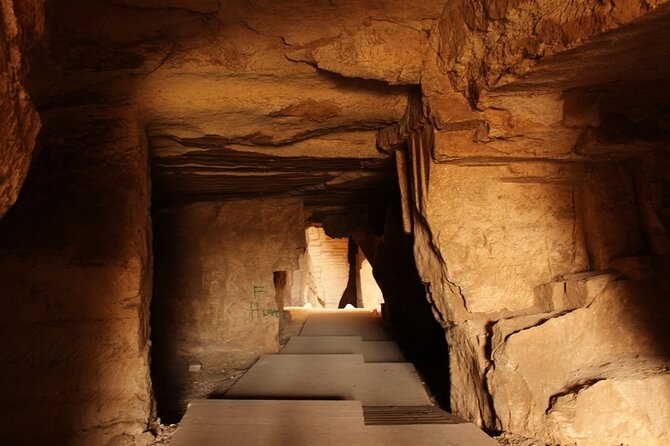
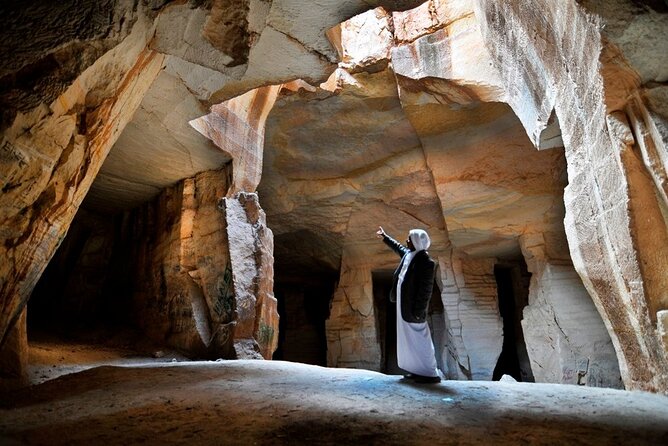
You begin with Kızılkoyun Caves, scheduled for about one hour with admission included. Caves and burial areas can feel like a side trip if you don’t know what to look for. In this itinerary, they work because they fill out the broader picture of the region’s long human presence.
This is also where a smaller group helps: with fewer people, the guide can point out what’s relevant and keep you from getting lost in generalities.
Harran Castle (Harran Kalesi): two parts, one sense of place
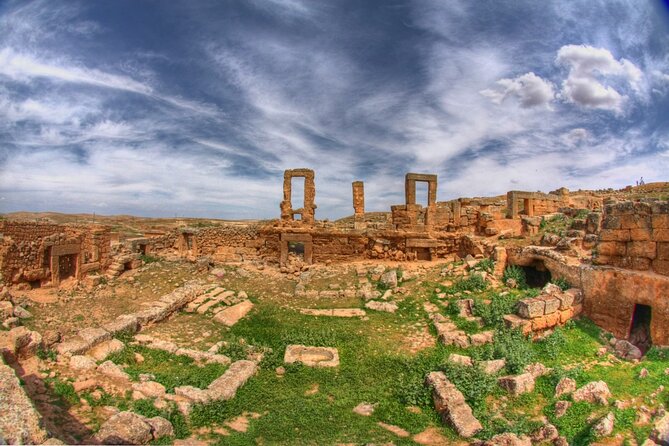
Next up is Harran Castle, with about 30 minutes allocated and admission free. The castle is described as having two parts: an inner castle and lower wall. You’re not going to spend all day here, but the short visit can still be powerful because it gives you structure—an idea of how Harran defended itself and how the city layout connects to the walls.
Even in half an hour, you should come away with a sense that Harran isn’t just about one famous story. It’s about a built environment shaped over time.
Harran Culture House: where texts and local lore connect
After the castle, the tour brings you to the Harran Culture House, with about one hour and admission included. This is the kind of stop that helps you understand why Harran has a reputation beyond archaeology.
The tour describes the site as linked to Hârân mentioned in the Torah, and it adds an Islamic-historical layer about the elements of the frames being attributed in tradition. The details aren’t just trivia—they explain why local people maintain strong cultural meanings around these structures.
Şuayıpşehri (Şuayb Ancient City): trading center energy
The final sightseeing stop before the airport is Şuayb Ancient City, in the Harran district, scheduled for about one hour. The tour notes it was once an important trading center, and that it still holds significance.
This is a smart closing note to the day. Castles and caves tell you how people lived and defended themselves. A trading center tells you how the region connected with others. That connection theme is essential in Southeastern Anatolia, where trade routes and cultural mixing helped shape what you see today.
Flying back to Istanbul at night
After Şuayıpşehri, the vehicle takes you back to the Sanlıurfa airport and you fly back to Istanbul at around 20:30. When you arrive, staff meet you at the airport and drop you off at your place.
This is one of those logistics details that sounds boring until you’ve tried to do it yourself after a long, emotional day of sightseeing. It’s the difference between finishing tired and finishing frustrated.
What the included meals and tickets really mean for value
This tour isn’t just “tickets and a guide.” The inclusions shape your day.
- Breakfast is included, which matters because you start so early that buying breakfast on your own can be hit-or-miss.
- Lunch is included twice, with Day 1 specifically mentioning kebab. That reduces decision fatigue and keeps you from spending time hunting food between sites.
- Site admissions are included for Göbekli Tepe, the museum, Balıklıgöl, Kızılkoyun caves, Harran Castle, and the Harran Culture Houses. Even if you love museums and don’t mind paying entry fees, having them handled keeps the day smooth.
Now the big number: the price is listed as $742.31 per person. That sounds steep at first—until you factor in the early flights and transfers, the guided structure, and the fact that the itinerary includes multiple paid sites plus two lunches and breakfast. Also, there’s a group discount noted, and the group size stays small, which can help the guide keep the experience organized.
One key point: the tour includes domestic roundtrip flights if you select that option. So before you book, double-check whether your package includes flights or if it’s a land-only version. The schedule clearly relies on flying between Istanbul and Şanlıurfa and back, so the option you choose affects your real cost.
Timing and walking: who this tour fits best
This trip lists moderate physical fitness. You’re not dealing with extreme hiking, but you do have early mornings, airport transfers, and multiple historical sites across two days. If you like history but dislike long days on your feet, you’ll want to pace yourself and plan for short breaks where you can.
This tour is a great match if you:
- Want to see Göbekli Tepe without building your own flight + itinerary puzzle.
- Like guided context—especially connecting ancient sites to religious traditions.
- Prefer a small group and a schedule that’s built around the important stops.
It’s less of a fit if you:
- Want a slow travel pace with lots of free time.
- Get stressed by early starts and tight timing.
- Are traveling with someone who can’t handle late-day travel after an early morning flight.
Weather and minimum group size: the two real risks
Two practical conditions can affect your dates.
1) Weather matters. The tour notes that it requires good weather, and if poor weather cancels it, you’ll be offered a different date or a full refund.
2) Minimum travelers matters. If the minimum group requirement isn’t met, you’ll be offered a different experience/date or a full refund.
This is normal for short, targeted regional tours. It’s still worth checking your flexibility—especially if you’re building this trip around a fixed conference, event, or family schedule.
Should you book Göbekli Tepe & Şanlıurfa as a 2-day add-on?
I’d book it if you want one concentrated dose of Southeastern Anatolia’s story without spending days planning. The value is strongest when you:
- Choose the option that includes roundtrip flights (if that’s part of your booking).
- Enjoy the mix of archaeology and Abraham/Harran cultural context.
- Are okay with early mornings and a schedule that stays focused.
I might skip it (or choose a longer stay) if you crave slow wandering, lots of downtime, or you want to explore beyond the core listed sites. This tour gives you a high-impact route; it doesn’t pretend to be a full region immersion.
If you’re ready for a “two days, all the meaning” style trip, this is one of the better ways to do it from Istanbul.
FAQ
How early do I need to be ready in Istanbul?
The pickup is around 04:30, and the flight departs at 06:40. The tour start time is listed as 5:00 am, so plan to be ready early.
Are flights from Istanbul included?
Domestic roundtrip flights are included only if you select the flights option. The itinerary itself uses flights from Istanbul to Şanlıurfa and back.
Is entry to Göbekli Tepe included?
Yes. Entry to Göbekli Tepe is included.
What meals are included on the tour?
Breakfast is included, and lunch is included for two meals during the tour. Dinner is not included.
What sites do we visit in Şanlıurfa and around Abraham’s story?
In Şanlıurfa you visit the archaeological and mosaic museum and Balıklıgöl, including Abraham’s cave and the Pool of Prophet Abraham.
How many people are in the group?
The tour has a maximum of 10 travelers.
What if the tour is canceled due to weather or not enough travelers?
If it’s canceled due to poor weather, you’ll be offered a different date or a full refund. If the minimum traveler number isn’t met, you’ll be offered a different date/experience or a full refund.