REVIEW · ORTAHISAR
Cappadocia: Semi Private Blue Tour with Lunch – pickup hotel
Book on GetYourGuide →Operated by ISTANBUL CENKA TURIZM TIC.LTD.STI · Bookable on GetYourGuide
Cappadocia has a quieter side. This semi-private Blue Tour aims for real village life and off-the-main-path churches, plus a lunch break in Soğanlı Valley. The pacing is calmer than the big set-piece tours, and your guide keeps the history readable and specific.
I especially like the small group feel (max 10), because you can actually look at the cave interiors without feeling rushed. I also love that the route mixes different “Cappadocia layers,” from Greek-influenced Mustafapaşa to Roman mosaics and practical underground living.
One thing to consider: some stops are short (like 20–30 minutes at a couple sites), so you’ll get good highlights, not a slow meander through everything. If you want long, no-pressure time at every photo spot, you may wish you had more hours.
In This Review
- Key Things I’d Put on Your Radar
- Why the Cappadocia Blue Route Feels More Human
- Pickup in Avanos, Ürgüp, Uçhisar, or Göreme (and Why It Matters)
- Mustafapaşa (Sinasos): Greek Houses and Churches, Not Just “Cappadocia Stuff”
- Keslik Monastery Cave Complex: Frescoes Up Close in a Real Cave Church
- Sobesos Ancient City: Roman Mosaics and Heating That Actually Worked
- Soğanlı Valley Lunch: Churches, Tombs, and Pigeon Houses With Real Valley Calm
- Mâzı Underground City: Rooms, Lines, and Self-Paced Discovery
- Ortahisar Free Time and the Carpet Workshop on the Way Back
- Price and Logistics: Is $82 Worth It?
- Who This Tour Suits Best (and Who Should Think Twice)
- Should You Book This Semi-Private Blue Tour?
- FAQ
- How long is the Cappadocia tour?
- Where does the pickup happen?
- What’s included in the price?
- How big is the group?
- Is lunch included, and where is it served?
- Can I cancel and get a refund?
Key Things I’d Put on Your Radar
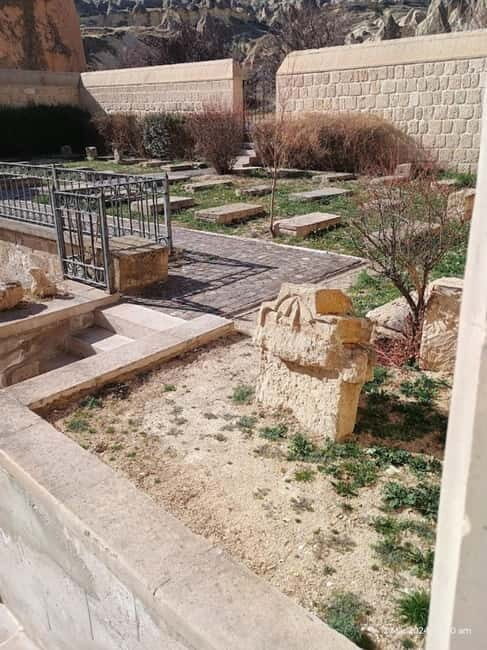
- Mustafapaşa (Sinasos) village time with Greek houses and churches that shaped the region
- Keslik Monastery cave complex with two main churches and frescoes you can view close up
- Sobesos Ancient City with impressive Roman mosaic work and visible Roman heating systems
- Soğanlı Valley lunch plus churches, tombs, and pigeon houses in one of Cappadocia’s distinct valleys
- Mâzı Underground City explored at your own pace inside massive carved rooms
- English live guide plus hotel pickup and drop-off from Avanos, Uçhisar, Ürgüp, or Göreme
Why the Cappadocia Blue Route Feels More Human
Most Cappadocia tours move fast. This one doesn’t try to hit every single landmark on the planet. Instead, it picks a handful of meaningful stops and then gives you time to actually notice what you’re seeing—especially in the cave churches and the underground spaces.
The biggest win is the mix of “ages.” You’re not stuck in one theme. You’ll see the Greek legacy in Mustafapaşa, the monastic cave world at Keslik Monastery, the Roman engineering at Sobesos, and the survival layout underground in Mâzı. That variety makes the day feel more like a story than a checklist.
Also, the tour is semi-private and capped at 10. In one case, the group ended up very small and the day felt effectively private, which meant more breathing room at each stop. Even when it’s not private, the format usually beats the bigger buses.
You can also read our reviews of more private tours in Ortahisar
Pickup in Avanos, Ürgüp, Uçhisar, or Göreme (and Why It Matters)
Your day starts with hotel pickup by van, with options in Avanos, Uçhisar, Ürgüp, and Göreme, then drop-off back to one of those same towns. That door-to-door structure saves you the headache of figuring out transport between villages and valleys.
Van logistics also matter for timing. This tour runs about 8 hours, and it’s built around practical visit lengths: short museum-style stops paired with longer valley time. So you won’t burn half the day on road shuffling.
One more small detail: the tour includes skipping the ticket line at at least one stop (museum ticket is included). It’s not glamorous, but it’s the difference between getting started and losing time before you even begin.
Mustafapaşa (Sinasos): Greek Houses and Churches, Not Just “Cappadocia Stuff”
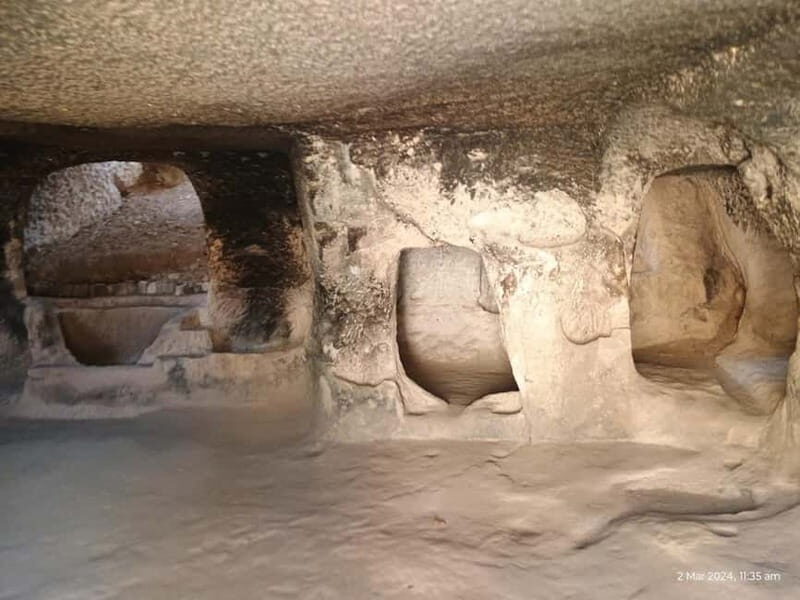
The first real “sense of place” stop is Mustafapaşa, about 10 kilometers from Göreme. The village was known as Sinasos, and that name isn’t trivia—it points to the deep Greek presence that shaped the area.
You’ll get around 30 minutes here. That’s not enough time to become a local, but it’s enough to spot the differences between Mustafapaşa and the better-known tourist bases. The guide focus is on the Greek houses and churches, which used to serve a significant Greek population in Anatolia. If you care about how communities lived—where people built homes, how churches worked in daily life—this stop will feel more grounded than the standard “look at the fairy chimneys” moment.
Trade-offs? Because the visit is time-limited, don’t plan on wandering every side street. Use the time to get the big picture fast: where the main church spaces sit, what the older neighborhood fabric looks like, and how the village blends into the rock and valley terrain.
Keslik Monastery Cave Complex: Frescoes Up Close in a Real Cave Church
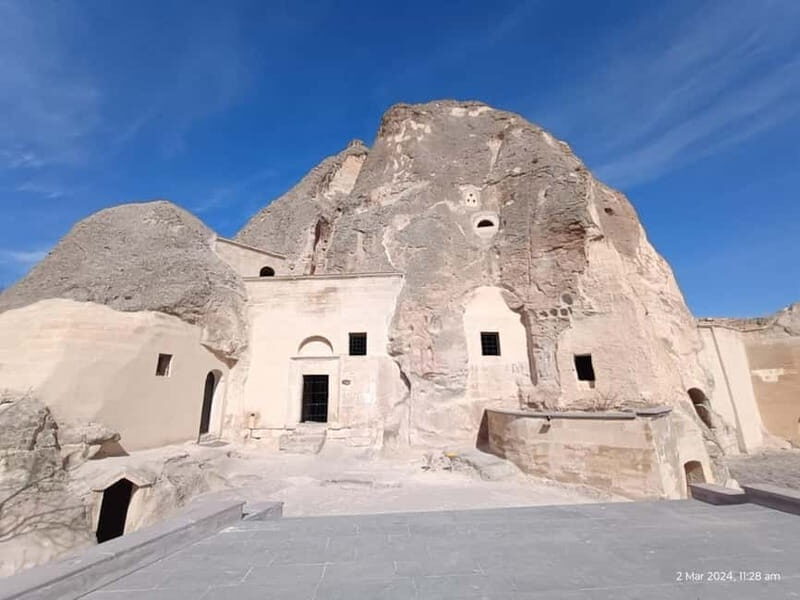
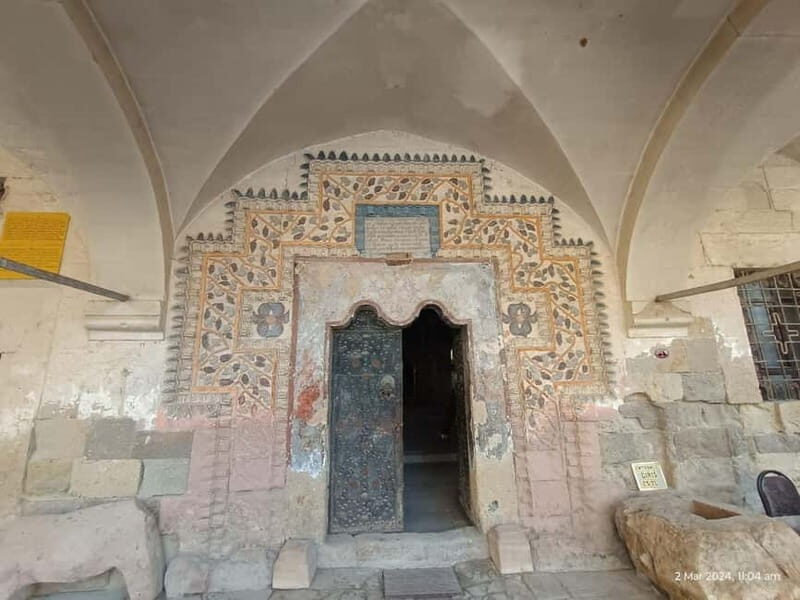
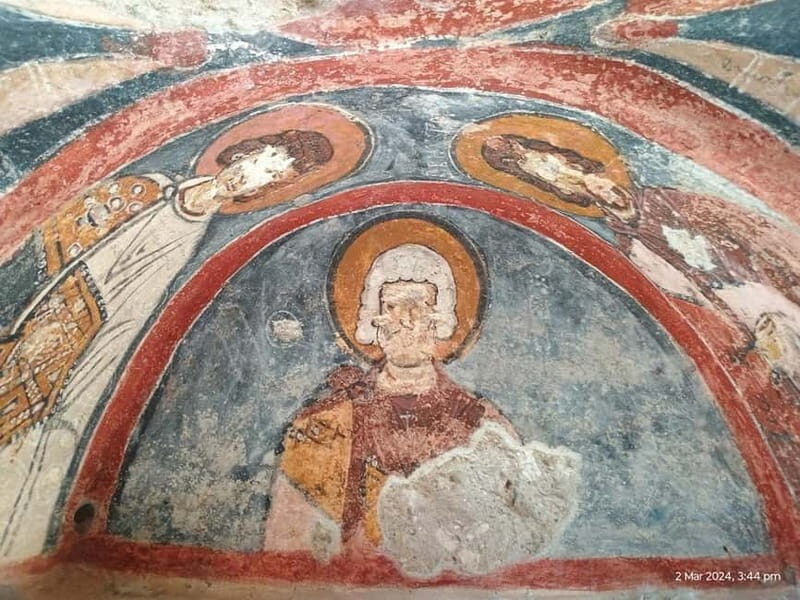
Next is Keslik Monastery, a cave complex with two main churches and over 50 caves. You’ll get about 30 minutes inside, which is exactly long enough for your eyes to adjust and then actually start enjoying the details.
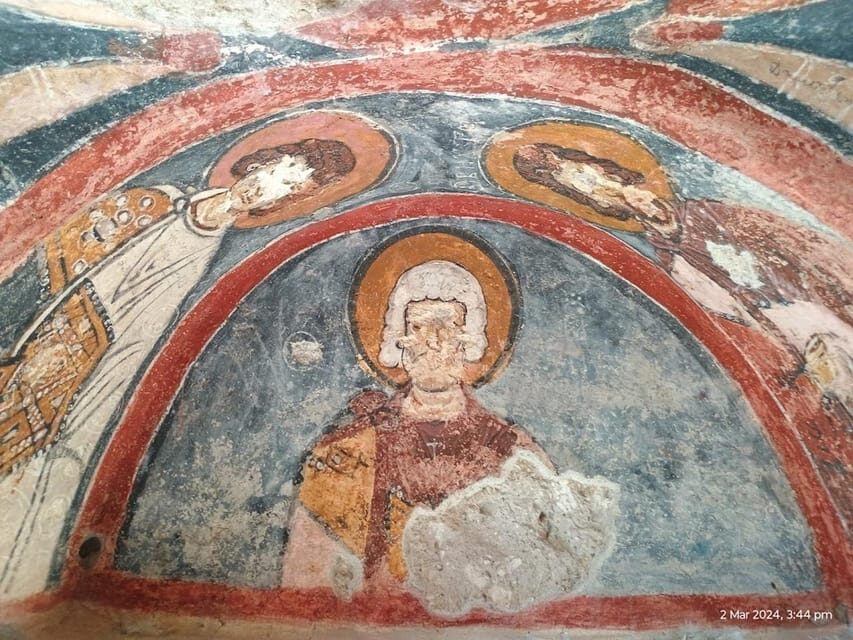
This is one of the places where the guide makes a difference. The churches include frescoes with religious meaning, and the arrangement lets you view artwork from within a short distance—close enough that the images don’t feel like distant, blurry ornaments.
Keslik is also described as showing the lifestyle of monks from a forgotten age. In practical terms, that means you’re not just looking at pretty rock spaces; you’re walking through rooms that connect to daily life—think refectories and springs, plus housing areas inside the broader cave system.
A tip for your photo brain: don’t aim only for the main chapel. If you look around the edges and smaller rooms, you’ll often find the “quiet clues” that make the architecture feel lived-in rather than staged.
One more note from guide experience: some fresco surfaces have been affected by dark deposits, and future restoration work can make the paintings clearer. If you love Christian art and cave church interiors, Keslik is a strong stop even when conditions aren’t perfect.
Sobesos Ancient City: Roman Mosaics and Heating That Actually Worked
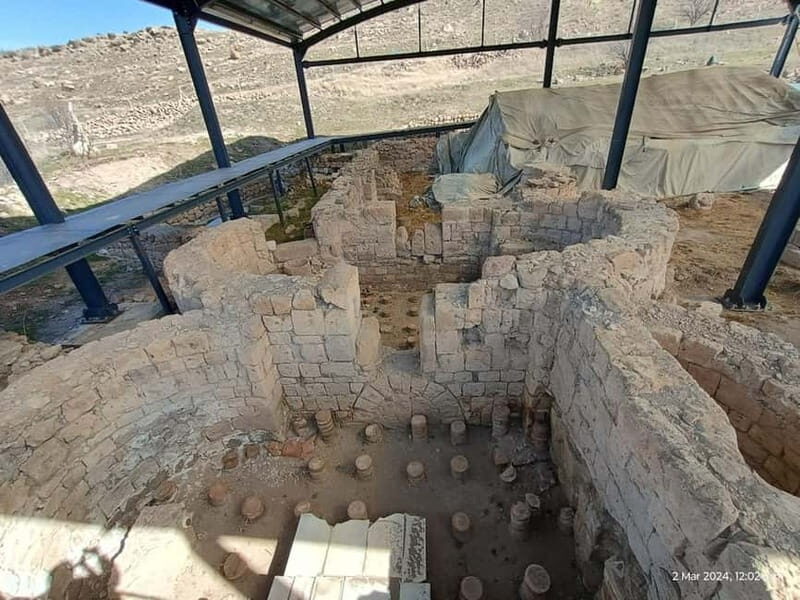
Then you’ll head to Sobesos Ancient City for about 20 minutes. This is quick, but it’s packed. The emphasis here is Roman-era. You’ll see well-preserved mosaic tiles and get a glimpse of Roman heating systems—the kind of engineering detail people tend to miss unless someone points it out.
The heating systems are what I’d call the “wow, that makes sense” moment. It turns ancient building talk from abstract to practical. You start imagining daily comfort: how rooms were warmed, how systems were arranged, and how the Romans solved real problems rather than just decorating stone.
Drawback: 20 minutes goes fast. If you’re a slow reader and you like museum-style pacing, you may wish you had more time. But as part of a full-day itinerary, Sobesos works best as a concentrated hit of Roman craftsmanship and infrastructure.

Soğanlı Valley Lunch: Churches, Tombs, and Pigeon Houses With Real Valley Calm
Now for the heart of the day: Soğanlı Valley. You’ll spend about 2 hours here, and lunch is included in the valley. This is where the tour shifts from “site-hopping” into a more relaxed wandering and exploring rhythm.
Soğanlı Valley is known for unique geology rock formations that you won’t find elsewhere in the same way. The valley also contains churches, tombs, and pigeon houses, so you can connect spiritual spaces with everyday survival and farming life.
The lunch location is part of the charm. You eat in the valley under blossoms and around trees like apricot and walnut (as described for this stop). That matters because lunch time isn’t just a meal break—it’s a chance to slow down, breathe, and actually look around without feeling like you’re rushing to the next entry gate.
What to pay attention to in the churches: the frescoes are described as more local and intimate, reflecting the beliefs and hopes of the Christian community living there. Compared with larger, more famous sites, these scenes often feel closer to daily faith than grand-scale theater.
Practical reality check: 2 hours sounds generous, but valley terrain plus church entry plus lunch can still eat time quickly. If you’re set on photos, plan a simple strategy: one main viewpoint, one church interior you truly want to study, and then time for the “in-between” rock formations and pigeon-house structures.
If the sky is clear, you might also see the snowy slopes of Mount Erciyes from the drive area. You can’t count on it, but when visibility is good, it adds drama to the day’s geology storyline.
Mâzı Underground City: Rooms, Lines, and Self-Paced Discovery
After the valley, the tour heads underground to Mâzı Underground City for about 45 minutes. This stop is special because you explore much of it on your own, so you can move at your pace while still using the guide’s context to understand what you’re looking at.
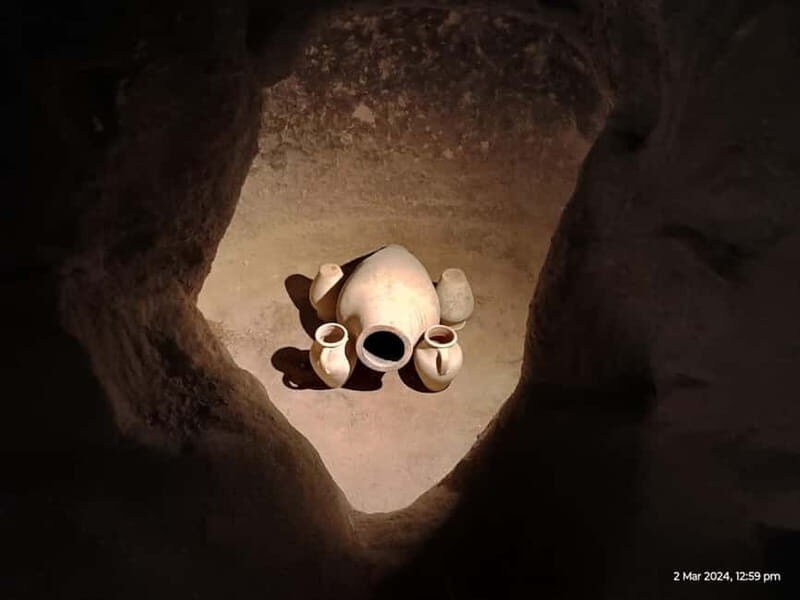
Underground cities in Cappadocia can feel like a maze, but Mâzı is presented as an authentic experience with details of livelihood and lifestyle. The architecture and construction are the big takeaway: massive complexes carved with the intent to function as real living space, not just storage.
If you’re claustrophobic, take it seriously. Underground spaces are narrow, and your comfort will depend on the day’s crowd flow and your own tolerance. The good part is that you still have the freedom to choose how deep you go within the time you’re given.
Best advice: go in curious, not panicked. Start by orienting yourself visually—where the rooms connect, how openings line up, and what features appear to be ventilation or storage. Once you get the layout, the place stops feeling random and starts feeling engineered.
Ortahisar Free Time and the Carpet Workshop on the Way Back
Before you return to your drop-off town, you’ll get 30 minutes of free time in Ortahisar. Ortahisar is known for its rock-castle look, and this short window is enough to stretch your legs, grab a snack if you want, or simply enjoy a calmer moment before the full-day wrap.
The itinerary also includes a local workshop where regional carpets are displayed, and you can observe how they are handcrafted. This isn’t presented as a hard sell—more like a look at traditional craft process and materials.
How to approach a workshop like this: be friendly, ask questions, and treat it like cultural insight rather than a shopping mission. If you’re not in the market for a rug, you can still learn a lot from watching the work.
Price and Logistics: Is $82 Worth It?
At $82 per person for an approximately 8-hour day, you’re paying for a lot more than just transportation. This price includes van transport, a professional English guide, lunch, and a museum ticket, plus skipping the ticket line.
So the real question isn’t only “is $82 cheap?” It’s whether the day saves you effort and gives you better value per hour.
For me, the strongest value signals are:
- The tour is capped at 10 participants, which reduces the “herding” problem.
- You get multiple distinctive sites across different eras, not just repeated viewpoints.
- You’re fed—lunch is included—so your day doesn’t fall apart at meal time.
If you’re comparing to longer all-day tours without lunch, without tickets, or with larger groups, this often looks like the smarter deal. The one potential weakness is time allocation. A couple stops are brief, so you’re paying for highlights, not slow-depth exploration.
Who This Tour Suits Best (and Who Should Think Twice)
This tour is a great match if you want:
- A small-group feel without planning your own route
- Cave church interiors with frescoes you can actually see clearly
- A day that mixes Greek, Roman, and underground Cappadocia stories
- A guided day that doesn’t ignore context (guides like Donna and Anil are mentioned as being especially informative and attentive)
It’s less ideal if you want:
- Lots of free roaming time at each stop
- A slow, multi-stop hike where you can linger for hours
- A tour focused only on the most famous fairy chimneys (this one is more culture- and site-focused)
Should You Book This Semi-Private Blue Tour?
If your priority is Cappadocia that feels human and layered, I’d book this. The itinerary hits several kinds of “Cappadocia authenticity,” especially the cave churches and underground living spaces, and it does it with enough guide time to make the art and architecture make sense.
Book it if you:
- Like learning as you go
- Prefer smaller groups
- Appreciate lunch included in a scenic valley
Skip it if you’re the kind of traveler who needs long hours at one site to feel satisfied. For that style, you might want a more flexible or longer-duration tour.
Either way, it’s a smart choice for anyone who’s already done the classic Red and Green routes and wants a different flavor—one where the frescoes and lesser-visited historical layers get the spotlight.
FAQ
How long is the Cappadocia tour?
The tour duration is 8 hours. Starting times vary, so you’ll need to check availability for the specific day you’re visiting.
Where does the pickup happen?
Pickup is available from Avanos, Uçhisar, Ürgüp, and Göreme. Drop-off is at the same towns.
What’s included in the price?
The price includes van transportation, lunch, a museum ticket, and a professional English live tour guide. Ticket line skipping is also included.
How big is the group?
The group is limited to 10 participants, so it stays small and semi-private.
Is lunch included, and where is it served?
Yes, lunch is included and is served in Soğanlı Valley. The exact menu details aren’t specified, but it’s described as a lunch break in the valley.
Can I cancel and get a refund?
Yes. You can cancel up to 24 hours in advance for a full refund.