REVIEW · ISTANBUL
Magic Explorer 13-Day Tour from Istanbul to Gobeklitepe Mt Nemrut
Book on Viator →Operated by Fez Travel · Bookable on Viator
Turkey throws a lot at you. In a good way.
This 13-day Magic Explorer route takes you from Istanbul’s two continents straight into some of the country’s most important ancient worlds, ending with major sites around Göbekli Tepe and Mount Nemrut. You get a real guided thread through big names like Ephesus and Pamukkale, plus less-familiar places in the south and east—without you needing to figure out every connection.
I especially like that the tour handles a lot of the friction for you: entrance fees are included, along with 12 nights of accommodation, daily breakfast, and select dinners. Another strong point is the human scale. The max group size is 20 travelers, and the reviews repeatedly highlight guides such as Fatih Karci, Eda, and Tamer for clear explanations and patience on long days.
One thing to consider: this is a fast-moving itinerary. You’ll have early starts and long drives, especially when the day ends with a summit climb or a sunset plan like Nemrut. If you’re sensitive to heat, August can be tough—plan on hydration and taking breaks when your guide offers them.
In This Review
- Key Things I’d Prioritize Before You Go
- Price and Value: What You Pay for in This 13-Day Circuit
- Day 1 in Istanbul: Your First Look, Then Real Free Time
- Day 2: Blue Mosque, Hagia Sophia, Topkapi, and a Cruise Option
- Day 3: Gallipoli’s WWI Memorials Without the Usual Tourism Noise
- Day 4: Troy (Truva), Troy Museum, and Behramkale Village Time
- Day 5: Ephesus, Artemis Temple Site, and the Carpet Village Lesson
- Day 6: Pamukkale Travertines Plus Hierapolis Hot Springs
- Day 7: Konya and the Silk Road Stops at Sultanhani and Mevlana
- Day 8: Cappadocia Open-Air Museum, Fairy Chimneys, and Underground City
- Day 9: Mount Nemrut Sunset and the Colossal Statues
- Day 10: Harran on the Way to Sanliurfa (Urfa) and the Pools of Abraham
- Day 11: Göbekli Tepe and the Museums That Make It Make Sense
- Day 12: Gaziantep, Halfeti’s Sunken City Boat Trip, and Zeugma Mosaics
- Day 13: Goodbye Istanbul, Airport Transfer Ready
- Who This Tour Fits Best (and Who Might Feel Cramped)
- The Most Praised Parts: Guides Who Keep You Moving Smart
- Should You Book the Magic Explorer 13-Day Tour to Göbekli Tepe and Nemrut?
- FAQ
- What does the tour price include?
- How many people are in the group?
- Does it include an Istanbul hotel pickup or transfer?
- What major sights are included besides Istanbul?
- Are meals included?
- Are entrance tickets included?
- Is there any option for a Bosphorus cruise?
- What tour documents do I receive?
- Is the tour refundable if I cancel?
Key Things I’d Prioritize Before You Go
- Max 20 travelers keeps the group feel personal, not cattle-herd.
- Entrance fees + transfers mean less ticket hunting and fewer missed check-ins.
- English-speaking guides (with strong reputation in past trips) make the ruins feel understandable.
- Nemrut sunset timing gives you a memorable payoff that’s about more than photos.
- Halfeti + Zeugma pairs a moving boat experience with top-tier mosaics in a museum.
- A lot of variety: WWI history, UNESCO sites, Roman wonders, and early human archaeology.
Price and Value: What You Pay for in This 13-Day Circuit
At $3,560.68 per person, this is not a budget trip. But it does cover several costly items that add up fast if you plan yourself: 12 nights of accommodation, entrance fees, in-country transportation, daily breakfast, select dinners (9), and even a domestic flight to get you back to Istanbul on Day 12.
What makes the price feel more reasonable is the way the itinerary is built around logistics. Turkey is huge. If you tried to stitch together Istanbul, Gallipoli, Troy, Ephesus, Pamukkale, Cappadocia, Nemrut, Sanliurfa, Göbekli Tepe, and Gaziantep yourself, you’d spend serious time (and money) on transportation and ticket coordination. This tour uses an air-conditioned vehicle for the ground legs, and it keeps you moving to where the day’s highlights are happening.
Still, this is a full itinerary. If you prefer slower travel or you want lots of independent wandering, you might find the pace tiring. Think of this as a guided hit-list of Turkey’s major eras, not a relaxed café-and-castles cruise.
You can also read our reviews of more tours and experiences in Istanbul.


Day 1 in Istanbul: Your First Look, Then Real Free Time
You’ll begin in Istanbul with a transfer to your hotel, then the rest of Day 1 is yours. That matters more than it sounds. Istanbul can feel intense on arrival—traffic, languages, the sheer size. A free day segment lets you reset: grab a sim card, do a quick walk to find your bearings, and choose your favorite neighborhood to return to later.
If you want to get ahead of jet lag, use this evening for something simple: a stroll, a meal you can repeat, and an early bedtime. You’ll thank yourself on Day 2, which jumps into major sights.
Day 2: Blue Mosque, Hagia Sophia, Topkapi, and a Cruise Option
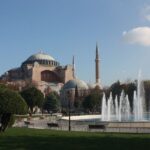
After breakfast, you get a fully guided Istanbul day centered on the city’s landmark core: the Blue Mosque, the St Sophia Museum, Topkapi Palace, and the Hippodrome. This is the kind of day where a guide pays off. You’re not just seeing buildings; you’re learning how the layers of Byzantine and Ottoman Istanbul shaped what you see today.
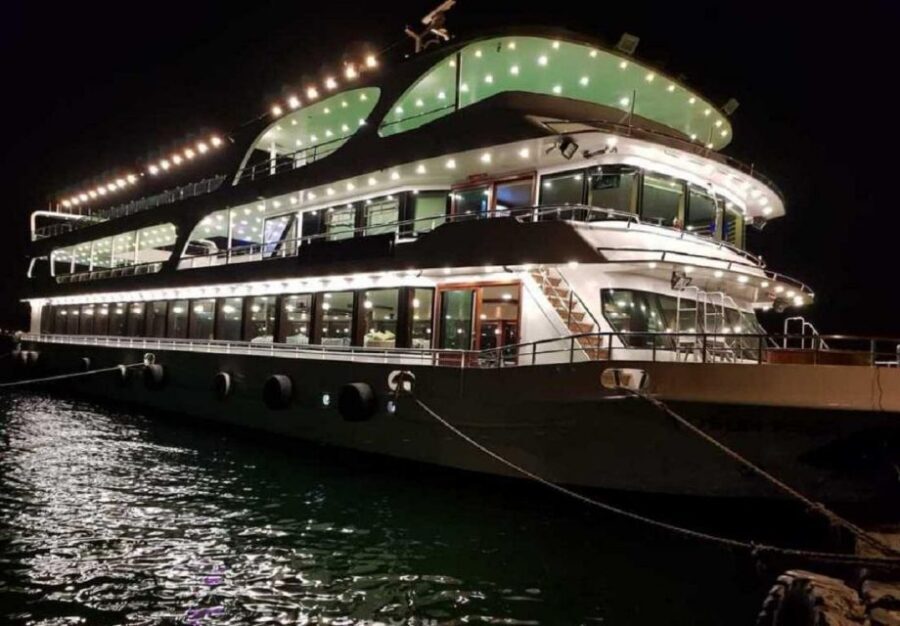
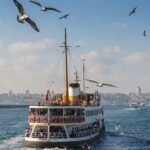
In the afternoon, there’s a cruise between Europe and Asia—built around the water that separates the continents. The itinerary mentions an optional half-day Bosphorus cruise, and that’s a smart add-on if you want views without forcing extra planning.
Possible drawback: Day 2 is a lot of heavy landmarks back-to-back. If lines or crowds wear you out, ask your guide how to pace your time inside each stop. This is one of those days where a short rest matters more than pushing for every last room.
Day 3: Gallipoli’s WWI Memorials Without the Usual Tourism Noise
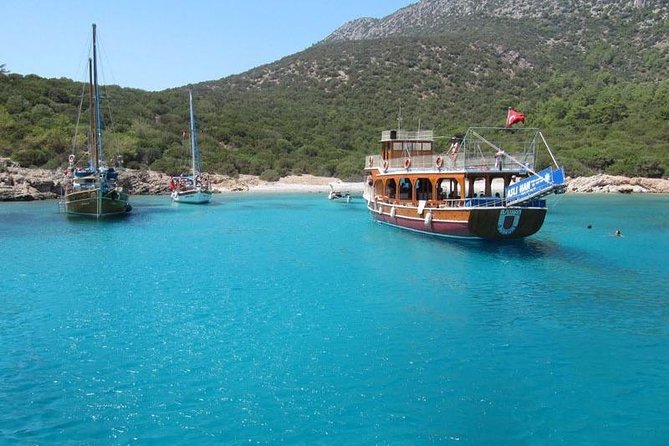
Gallipoli is where Turkey’s history turns from ancient monuments into living memory. Your guided visit covers memorials and battlefield sites such as Lone Pine, Chunuk Bair Memorials, ANZAC Cove, The Nek, Johnston’s Jolly, and the original trenches and tunnels.
This kind of day is emotionally heavy, even if you don’t consider yourself a history nerd. The advantage of a guided format is context: where to look, what a name means, and how the battlefield geography affected the fighting. If your dates line up with commemorations, you may catch ANZAC-style events—nothing is guaranteed day-to-day, but the area is set up for them.
Practical note: battlefield days include walking and exposure. Wear comfortable shoes and keep your water bottle close. Your guide will build in rest stops, but you’ll still feel the site over a long 11-hour day.
Day 4: Troy (Truva), Troy Museum, and Behramkale Village Time
Then comes Troy, a UNESCO World Heritage Site, with a visit to the award-winning Troy Museum and time to explore the ancient city itself. Troy is famous, but it’s also easy to skim if you’re just collecting photo spots. The museum stop helps you connect what you see on the ground to the larger story.
After Troy, the itinerary continues to Behramkale, a scenic old village known for its stone houses and narrow streets. You get time to wander, soak up the slower rhythm, and even stop for Turkish tea or coffee at a local café.
From Behramkale you head south toward Kuşadası. That travel leg is part of the plan: it sets you up for the next day’s Roman/Greek scale.
A consideration: Day 4 includes two very different vibes—big-history tourism at Troy and slow village wandering at Behramkale. If you’re craving downtime, spend your village time intentionally. Don’t rush it just because the next city is calling.



Day 5: Ephesus, Artemis Temple Site, and the Carpet Village Lesson
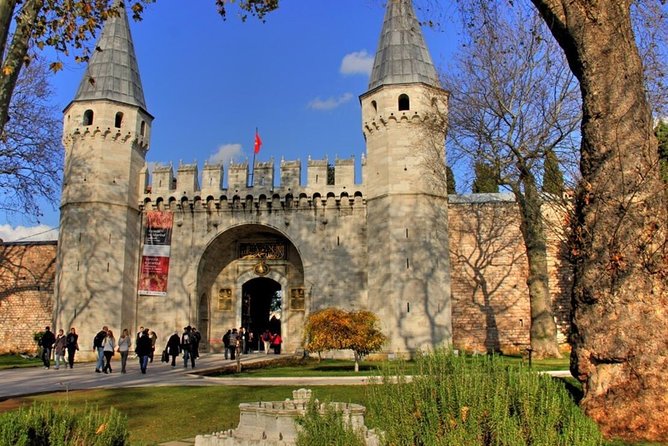
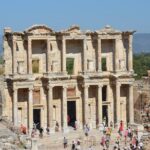
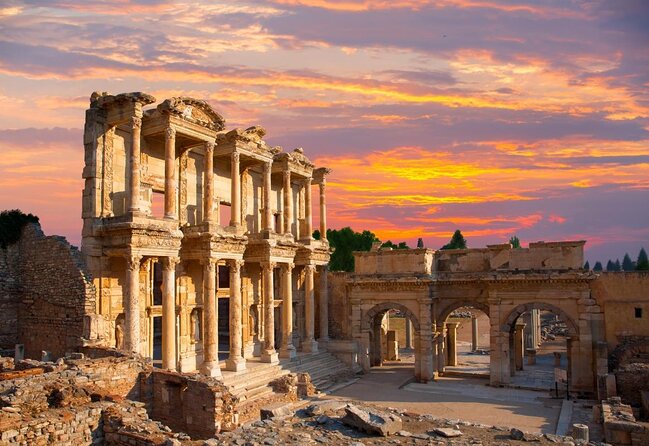
Your guided tour in Ephesus includes highlights like the theatre atmosphere and the Temple of Artemis area. You’ll also visit the Ephesus Archaeology Museum, which keeps the day from being only outdoor walking.
What makes this day more practical than many “ruins-only” tours is the carpet village component. You learn how carpets are made by hand and what determines carpet value. It’s not just shopping talk. It gives you enough context to understand why patterns, materials, and technique matter.
If you’re not into crafts, you can still enjoy it as a window into how traditional work supports local life. And if you are into crafts, you’ll likely find it makes museum artifacts feel more grounded.
Day 6: Pamukkale Travertines Plus Hierapolis Hot Springs
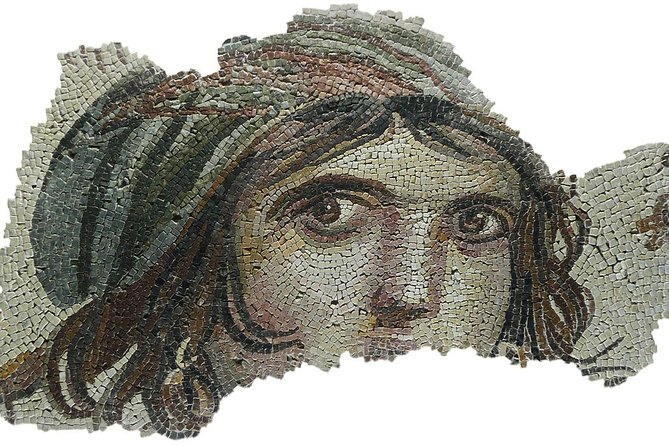
Pamukkale’s travertines are the kind of place where the visual effect hits fast. The itinerary sets aside time for the white calcium terraces, with the visit included.
Then you continue to Hierapolis, including the ancient city and Roman-era hot springs. The plan includes time to take a dip among ancient columns, which is one of those experiences that feels almost surreal once you’re there.
Practical drawback: Pamukkale can feel warm and slippery underfoot. Go at a calm pace on the terraces. If you’re uncomfortable in warm water, you can still enjoy Hierapolis as an archaeological site, but the hot springs are a major part of why people love this stop.
Day 7: Konya and the Silk Road Stops at Sultanhani and Mevlana
Day 7 shifts you onto a different kind of cultural track: Konya. You visit Sultanhani Kervansarayı, a caravansary linked to the old Silk Road routes, and you also visit the Mevlana museum.
There’s also an optional traditional Turkish folklore evening. Even if you skip it, this day is valuable because it broadens the trip beyond classical ruins. You’re seeing how trade routes and spirituality shaped architecture and daily life.
Consideration: after a big string of archaeological days, this one can feel calmer—until you remember the drive time. Keep an eye on your energy level. This is a good day to get an earlier start on sleep.
Day 8: Cappadocia Open-Air Museum, Fairy Chimneys, and Underground City
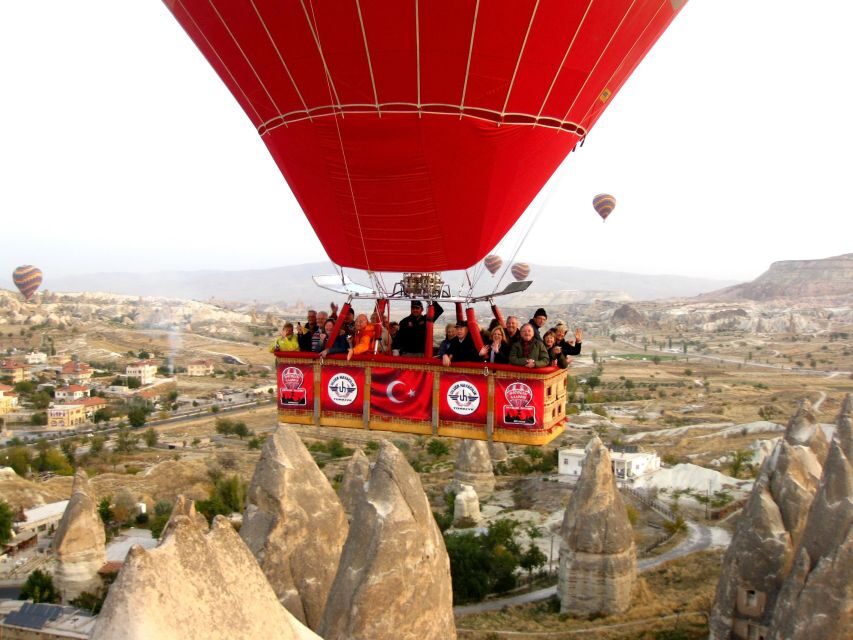
Cappadocia is the visual payoff day for many people, and this itinerary makes sure you don’t just scratch the surface.
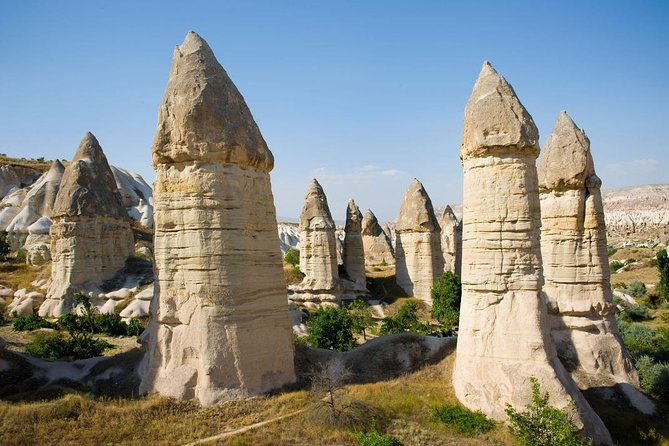
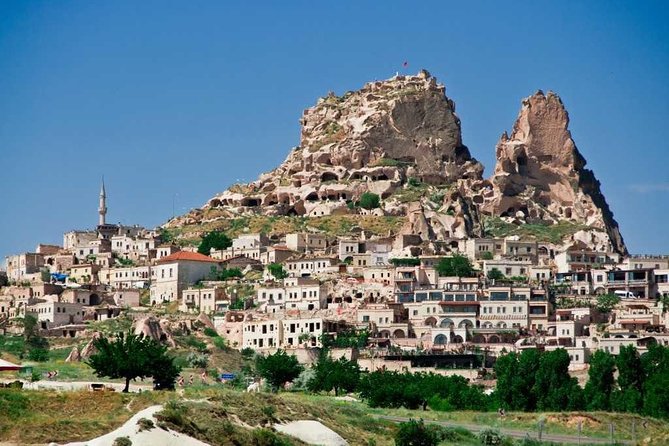
You visit the Göreme Open Air Museum, walk through the fairy chimney area, and also explore an underground city with multiple levels. That underground component is a big deal. It turns Cappadocia from “pretty rocks” into something functional—an answer to safety, survival, and community life.
Possible drawback: Cappadocia days can involve uneven ground and stairs. Comfortable footwear is a must. Also, plan for weather. The itinerary is built around outdoor spaces, and your guide will adjust pacing if needed.
Day 9: Mount Nemrut Sunset and the Colossal Statues
This is a long, special day. You leave Cappadocia early and drive toward Adıyaman, with passing mention of Kahramanmaraş, and then the highlight: Mount Nemrut.
The itinerary’s structure is all about the timing. You ascend to the Tumulus of Antiochos, then watch sunset from the summit area. You’ll see the colossal statues of gods and tomb structures tied to the Commagene Kingdom.
This is the kind of day where a good guide matters because the site can be confusing if you don’t have context. Ask questions. The moment you understand who the figures represent and why they’re placed there, the scenery becomes more than a view.
Consideration: sunset days often mean cold at the top and a physical climb. Even if the guide sets a steady pace, you’ll want warm layers and patience.
Day 10: Harran on the Way to Sanliurfa (Urfa) and the Pools of Abraham
The route continues east, with Sanliurfa (Urfa) as your base for the next stretch. Along the way you stop in Harran, known for its mud-brick houses and ancient city walls, plus a scenic route that includes the Atatürk Dam.
In Sanliurfa, you explore the Holy Pools of Abraham and visit the cave believed to be the birthplace of the Prophet Abraham. This is a spiritual stop, so expect the pace to feel different: more people gathering, more reverence in the atmosphere.
Possible drawback: this is a long day. You’ll spend time in transit, and the sites can be busy. If you’re tired, lean on your guide to help you choose what to focus on first so you don’t feel rushed at the most meaningful spots.
Day 11: Göbekli Tepe and the Museums That Make It Make Sense
Day 11 is the core early-human archaeology day: Göbekli Tepe. The itinerary frames it as one of the most significant sites of the trip, with religious structures dating back about 11,000 to 13,000 years—earlier than many milestones people usually associate with human history.
That timing matters because it changes your mental timeline. You’re not just looking at an ancient place; you’re rethinking how and when organized ritual spaces formed.
After Göbekli Tepe, you visit museums and nearby stops including the Haleplibahçe Mosaic Museum, Kızılkoyun Nekropolis, and the Sanliurfa Archaeology Museum. This museum chain is what turns a mind-blowing main site into a full story.
Consideration: Göbekli Tepe is outdoors. Wear sun protection and go slow. If it’s hot, your enjoyment will depend on how well you manage hydration and breaks.
Day 12: Gaziantep, Halfeti’s Sunken City Boat Trip, and Zeugma Mosaics
You travel toward Gaziantep, and the day starts with a boat trip at Halfeti, exploring the sunken city under the water. Halfeti’s waters add a different mood to the trip. After all the statues, ruins, and tombs, it’s a moment where you can breathe and look at history from the surface.
Then you visit the Zeugma Mosaic Museum, which displays mosaics recovered from the submerged city of Zeugma. This museum is a highlight for art lovers. The mosaics feel detailed, colorful, and almost too perfect until you remember they survived underwater and were carefully retrieved.
The day ends with a flight back to Istanbul. This matters because it prevents an extra day of road travel and helps you land in Istanbul ready to close out the trip.
Day 13: Goodbye Istanbul, Airport Transfer Ready
After breakfast, the tour concludes and you’re transferred back to the meeting point for your onward flight. It’s a clean ending. No last-minute detours, no scrambling for transport.
Use the morning wisely: if your flight is later in the day, you might have time for a small final walk near your drop-off area. If it’s earlier, your best move is an easy breakfast and a calm exit.
Who This Tour Fits Best (and Who Might Feel Cramped)
This tour is a strong match if you want a guided route that covers Turkey’s key eras without planning stress. It suits history buffs, culture seekers, and people who like structured days with enough explanation to make ruins feel real.
It can feel cramped if you:
- want lots of unplanned free time every day
- don’t like long drives between regions
- struggle in hot weather and don’t plan for it
- prefer a smaller number of sites per day
On the bright side, the tour’s small-group size (max 20) helps. It’s easier to get questions answered and easier to coordinate breaks without the group feeling too big.
The Most Praised Parts: Guides Who Keep You Moving Smart
Across the positive feedback for Fez Travel, the common thread is guide performance. Names like Fatih Karci, Eda, Tamer, Orçun Kamit, Mujdat/Mudjat, and Goksu show up in past experiences tied to the company: clear explanations, careful organization, and patience when groups get tired or curious.
You can’t choose your guide from the info here, but you can choose your expectation. This itinerary works best when you’re willing to ask questions and accept a plan. In practice, that’s what transforms a list of sites into understanding.
Should You Book the Magic Explorer 13-Day Tour to Göbekli Tepe and Nemrut?
I’d book this tour if you want an efficient, guided Turkey circuit that hits the big, high-impact sites—plus a few that help you see the country beyond the obvious postcard stops. The value comes from how much is handled: entrance fees, transfers, solid guiding, accommodations, and the mix of meals.
I’d hesitate if you’re the type who likes to linger, or if you hate early mornings and long travel days. This trip is built to cover ground, and it will reward you most if you treat it like a structured journey rather than a casual wander.
If your dates match and your walking tolerance is solid, this is one of the more focused ways to experience both the “classical” Turkey (Ephesus, Pamukkale) and the “deep time” Turkey (Göbekli Tepe and Nemrut) in a single sweep.
FAQ
What does the tour price include?
The price includes 12 nights of accommodation, entrance fees, inbound and outbound Istanbul transfers, a professional English-speaking guide, select dinners (9) and daily breakfast (12), transportation in a fully air-conditioned non-smoking vehicle, and a domestic flight (mentioned as part of the tour overview).
How many people are in the group?
This tour has a maximum of 20 travelers.
Does it include an Istanbul hotel pickup or transfer?
Yes. You’ll get an inbound transfer into Istanbul at the start, and an outbound transfer when the tour ends back in Istanbul.
What major sights are included besides Istanbul?
The itinerary includes Gallipoli battlefields, Troy (Truva) and the Troy Museum, Ephesus (including the Temple of Artemis area), Pamukkale and Hierapolis, Konya stops (including Sultanhani Caravansary and the Mevlana museum), Cappadocia’s Göreme Open Air Museum and an underground city, Mount Nemrut at sunset, Sanliurfa (Urfa) and Harran, Göbekli Tepe, Halfeti, and Zeugma.
Are meals included?
Breakfast is included for 12 days, and select dinners are included (9 dinners). Other meals are not listed as included.
Are entrance tickets included?
Yes. Entrance fees are included throughout the itinerary as specified day by day.
Is there any option for a Bosphorus cruise?
Yes. The itinerary mentions an optional half-day Bosphorus cruise on Day 2.
What tour documents do I receive?
The tour lists a mobile ticket.
Is the tour refundable if I cancel?
The experience is non-refundable and cannot be changed for any reason. If it’s canceled due to poor weather, you’ll be offered a different date or a full refund. If the minimum number of travelers isn’t met, you’ll be offered a different date or a full refund.