REVIEW · ISTANBUL
Istanbul: Hodjapasha Whirling Dervishes Show & Exhibition
Book on GetYourGuide →Operated by HodjaPasha Culture Center · Bookable on GetYourGuide
Sufi prayer moves differently when you’re in the room. This Istanbul experience lets you witness the Mevlevi Sema ceremony in a restored 550-year-old Ottoman bath, with live classical music and the whirling dervishes. I really like the setting: the stone, dome space, and intimate layout make the ceremony feel serious, not stagey. I also love that you get a booklet and an exhibition area that helps you follow the seven-part structure. One drawback to consider: photography is not allowed inside, and the no-talking, no-applause rule means you’ll have to lean into quiet.
The program is short—about an hour—but it’s built like a real ritual. It starts with a classical Turkish music concert, includes praise and chanting, then moves into the seven-part Sema ceremony performed by the dervishes, and finishes with a Fâtiha and a prayer. Come early, because the building involves steps to reach the venue, and once it begins, you’re expected to keep your attention on what’s happening.
In This Review
- Key Things to Know Before You Go
- Hodjapasha Culture Center: An Ottoman Bath You’ll Feel in Your Bones
- What the Mevlevi Sema Ceremony Includes (Step-by-Step)
- Music You’ll Hear Up Close (Ney, Oud, Kanun, and Drums)
- The Whirling Dervishes: How to Watch Without Fighting the Rules
- You can’t record, so use your eyes
- Silence is part of the experience
- Seating is assigned based on bookings
- Comfort note: seats can feel close
- Exhibition Time and Complimentary Drinks: The Extras That Make It Click
- Price and Value for a 1-Hour Ritual in Central Istanbul
- Location and Timing: Get There Early, Especially if You Hate Steps
- Who This Experience Fits Best (And Who Might Want Another Option)
- Should You Book the Istanbul Hodjapasha Whirling Dervishes Ceremony?
- FAQ
- How long is the HodjaPasha Whirling Dervishes experience?
- Where is the HodjaPasha Culture Center?
- What is included with the ticket?
- Are photos allowed during the ceremony?
- Is this experience suitable for children?
- Is it accessible for wheelchair users?
- What happens first in the program?
- How would you describe the ceremony structure?
- Can I choose my seating?
Key Things to Know Before You Go
- A restored Ottoman bath setting: Hodjapasha Culture Center is a 550-year-old hamam-style building in Sultanahmet–Sirkeci.
- A real ritual pace: no applause, no talking, and no photos inside the ceremony space.
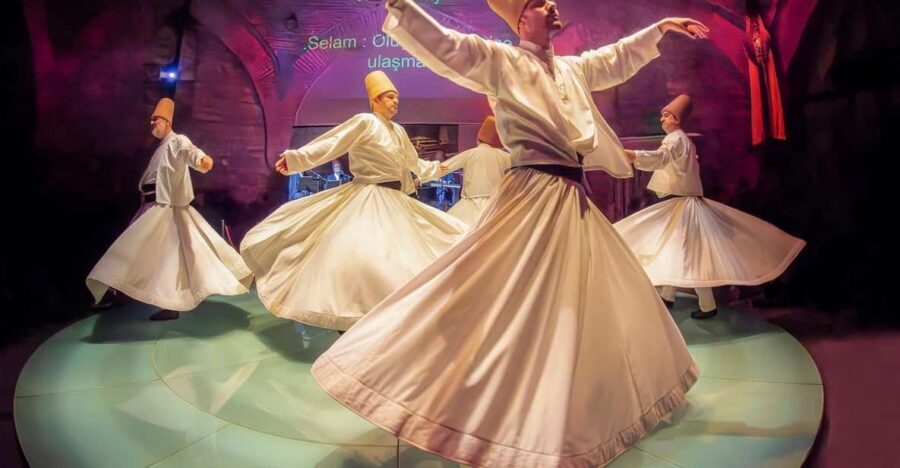
- Seven-part Sema ceremony: designed to represent man’s spiritual ascent, from thought and love to the end prayer.
- Live music that drives the ritual: you’ll hear classical Turkish music before the whirling begins, plus drum cues.
- Useful booklet and exhibition: helps you understand what you’re seeing before the dervishes start turning.
- Location near tram: about 100 meters from Sirkeci Tram Stop, easy to combine with nearby sightseeing.
Hodjapasha Culture Center: An Ottoman Bath You’ll Feel in Your Bones
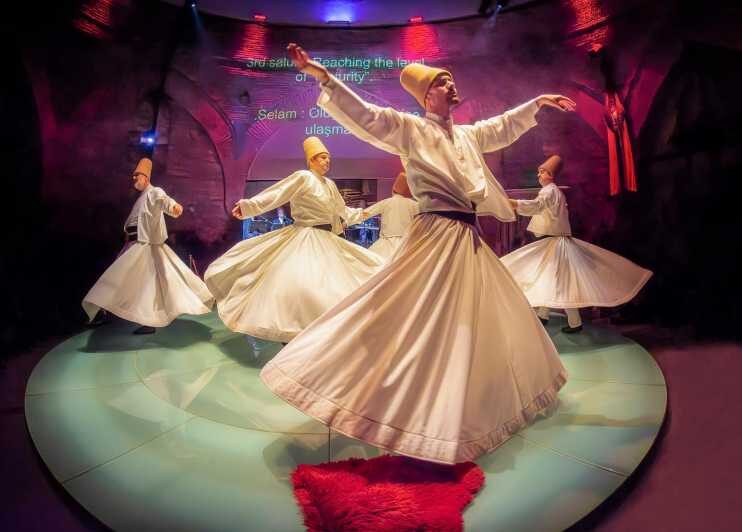
If you like your culture experiences grounded in real spaces, start here. Hodjapasha Culture Center is not a generic theater. It’s a restored Ottoman Turkish bath dating back about 550 years, and the architecture matters. The dome-like room and stone surfaces help the music and voices carry, so the ceremony doesn’t just play at you—it fills the space.
You’ll likely spend a bit of time in the exhibition area before the performance. Plan on this. The display explains the history and meaning of whirling dervishes, and it gives you context for what the ritual is trying to express. Many people have an easier time appreciating the Sema once they know what the different stages symbolize.
The atmosphere stays intentionally quiet and focused. This is one of those experiences where the venue itself sets the tone: you’re entering a place of worship, not a casual entertainment pit stop. If you’re hoping for a loud, tourist-friendly spectacle, you’ll probably find it too restrained. If you’re open to a solemn ceremony, you’ll likely find it powerful.
You can also read our reviews of more museum experiences in Istanbul
What the Mevlevi Sema Ceremony Includes (Step-by-Step)
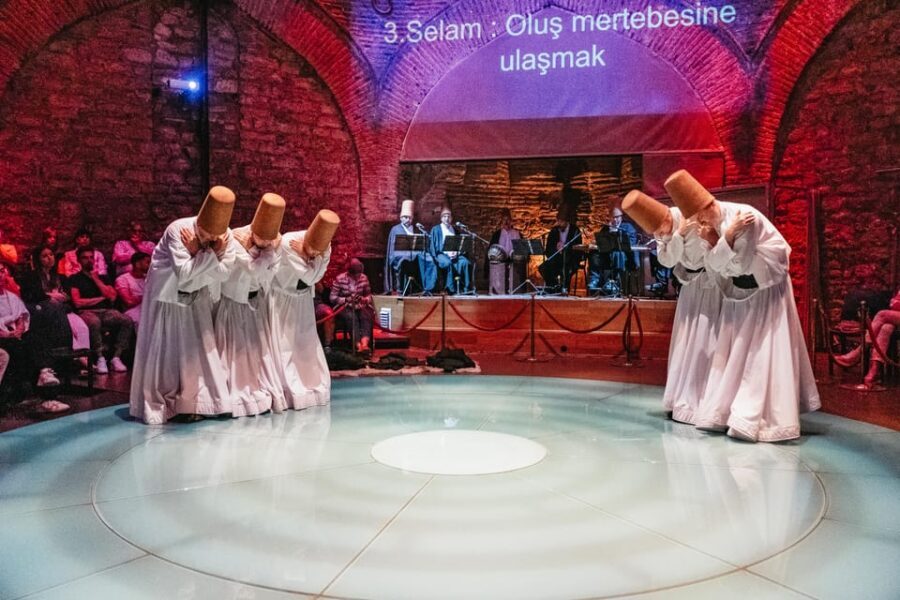
The heart of the evening is the Mevlevi Sema ceremony. The flow is structured, and the show is designed to be followed in order. Here’s what you can expect, in practical terms.
First, the program begins with a classical Turkish music concert. You may hear vocal elements alongside traditional instruments, and the overall sound sets the spiritual and emotional tone. Then the sheikh and dervishes take their places, and there’s praise connected to the Prophet Mohammed.
After the chant, you’ll hear the drum voice as the performance transitions into the seven-part Sema ceremony. The meaning is explained as representing man’s spiritual ascent—through thoughts and love—and the ceremony is tied to symbolic ideas about humanity’s birth.
The Sema ends with a Fâtiha for the souls of prophets, martyrs, and believers, followed by a prayer for the salvation of the country. That ending matters. A lot of whirling-dervish experiences online focus on the spinning. This one frames the spinning inside a complete ritual arc with an opening, a middle, and a closing prayer.
It’s also worth knowing what the rules mean for how the ceremony feels. Inside, you won’t be able to take photos, and you’re expected not to disrupt the performance. No talking, no applause—so the emotional tone stays steady all the way through.
Music You’ll Hear Up Close (Ney, Oud, Kanun, and Drums)
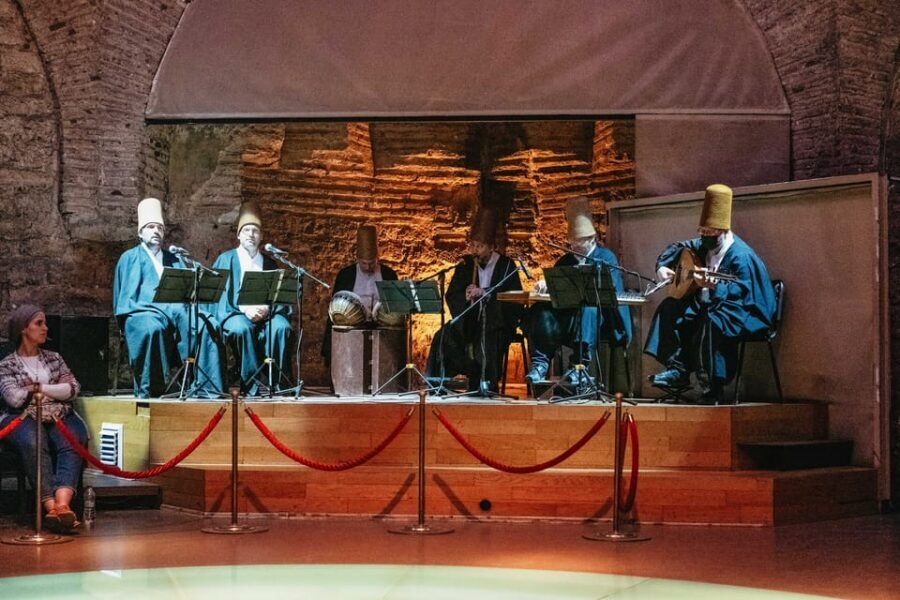
The whirling doesn’t work without the music. The sound is part of the choreography. In the lead-up and throughout the ceremony, you’ll hear classical Turkish music and a mix of traditional instruments.
From what you’re told to expect and what people describe after attending, these are the instruments you should listen for during the music sections: ney (a reed flute), oud (a lute-like instrument), kanun (a plucked zither), plus traditional Ottoman-era percussion. The drum voice is especially important because it signals shifts in the ceremony as the dervishes move into the Sema stages.
One of the most useful things you can do as a viewer is to treat the music like a guide. Let your attention track the transitions. When the tempo or feel changes, the ceremony changes. It’s not a random performance; it’s built to unfold.
Also, plan for your own comfort in a room where sound matters. There’s no permission to distract with phones or conversations. If you’re prone to throat dryness, bringing a small drink or a cough drop can help you stay quiet and focused.
The Whirling Dervishes: How to Watch Without Fighting the Rules
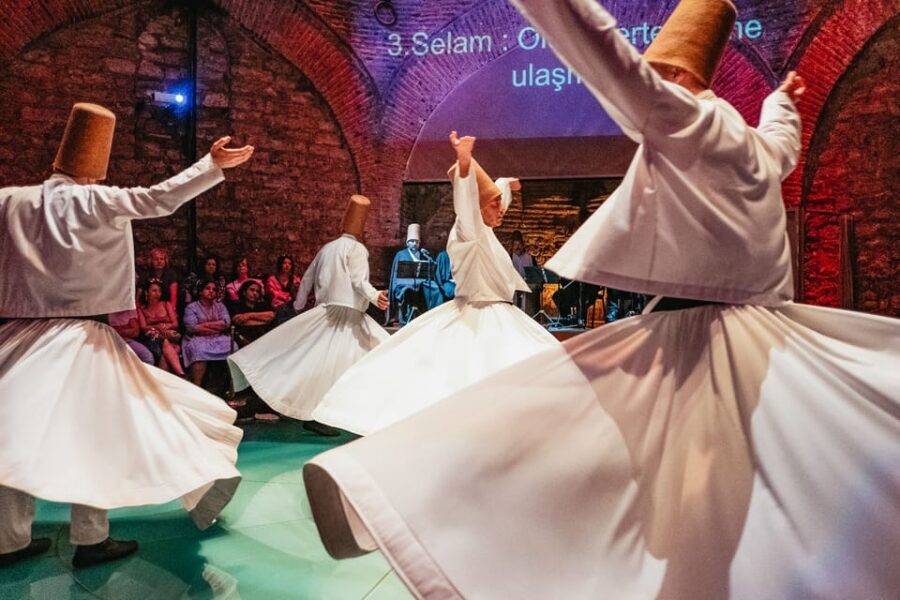
The whirling is the part many people come for. But the bigger trick is learning how to watch it well given the rules.
You can’t record, so use your eyes
Photography is not allowed inside, including during the ceremony. That restriction can feel limiting at first. Then you’ll realize it’s doing something helpful: it forces you to be present, not hunting for a shot.
You can also read our reviews of more tours and experiences in Istanbul



Silence is part of the experience
Talking and applause are prohibited during the ceremony. That means your fellow audience members won’t be clapping, and you won’t have the usual tourist rhythm of reaction shots and chatter. For some visitors, that silence is what makes the experience feel more like a ritual than a show.
Seating is assigned based on bookings
Seats are allocated on a first-booked, first-served basis. In practice, that means earlier bookings tend to help you get a better view. If you want to see the dervishes clearly from where you sit, treat seat choice as part of your planning.
Comfort note: seats can feel close
Some people note that chairs can be tight and not very comfortable. If you’re sensitive to sitting for an hour, wear comfortable clothes and bring whatever helps you wait patiently. You’ll thank yourself during the quiet parts.
Exhibition Time and Complimentary Drinks: The Extras That Make It Click
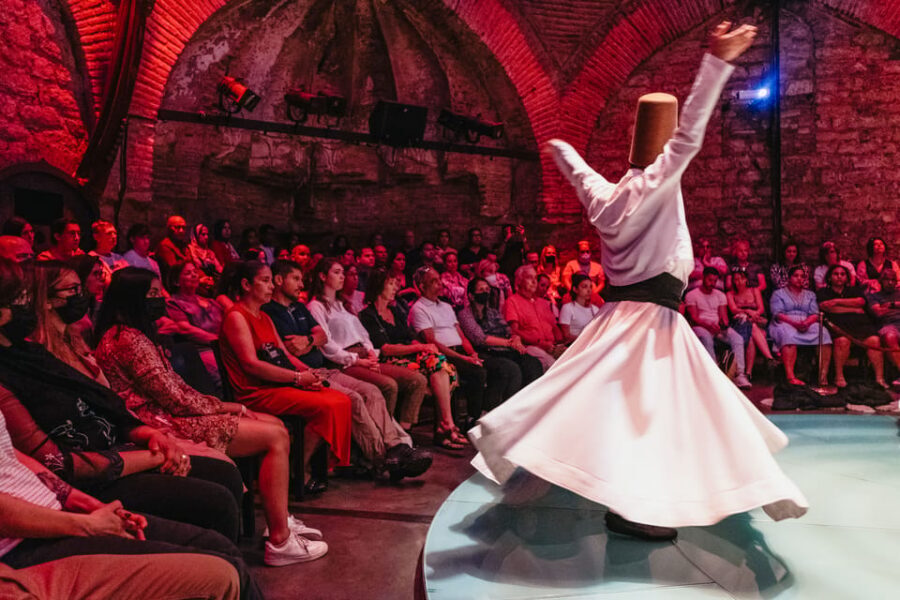
A lot of value here is “before the whirling.” There’s an exhibition and booklet that help you understand what you’re seeing, and that can turn a fascinating performance into something you actually grasp.
Included in your ticket are a program booklet and bottled water. Plus, there are complimentary drinks available during the show. These aren’t the main event, but they help you settle in without hunting for refreshments in the middle of a strict, no-disruption ceremony.
In the exhibition area, you’ll find panels explaining the history and importance of whirling dervishes. If you arrive early, you can read at your own pace instead of rushing. The best version of this experience usually comes when you walk in with a few basics: what Sema means, why there are stages, and what the final prayer is connected to.
Price and Value for a 1-Hour Ritual in Central Istanbul
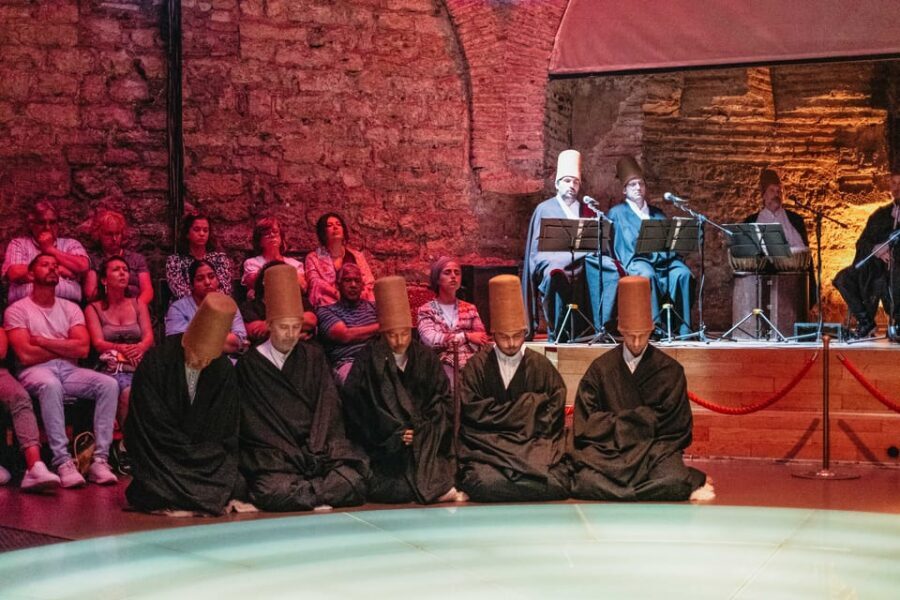
The price is $32 per person, and the ceremony lasts about 1 hour. On paper, that can sound like a lot for an hour. In practice, the value comes from three places.
First, you’re paying for access to a live ceremony in an authentic religious-cultural setting. This isn’t a “dance performance” detached from the tradition. It’s presented as a Mevlevi Sema ritual in a space designed for it.
Second, the ticket includes a booklet and bottled water. Those small extras help you understand what’s happening instead of just watching spinning skirts.
Third, the venue itself is part of the attraction: a restored Ottoman bath built centuries ago. The architecture is not scenery; it’s part of how the ceremony is experienced.
If you only do one “whirling dervishes” event in Istanbul, I’d steer you toward this kind of setting that prioritizes ceremony and context over flash.
Location and Timing: Get There Early, Especially if You Hate Steps
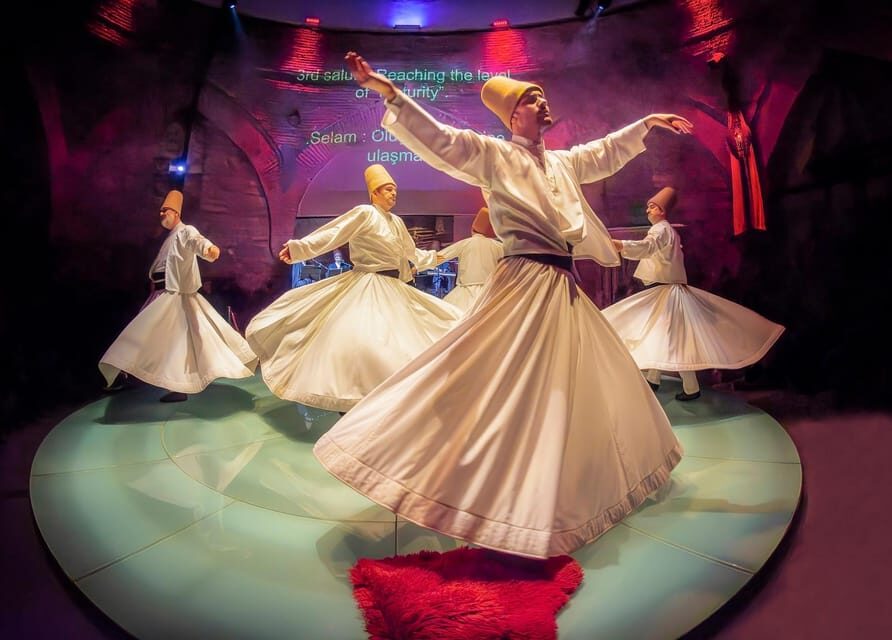
The meeting point is Hocapaşa Culture Center, about 100 meters from Sirkeci Tram Stop. That location is convenient for combining with a day around Sultanahmet–Sirkeci.
Here’s the practical advice: arrive early. The building involves steps to reach the venue area, and you don’t want to scramble once you’re supposed to be quiet and settled.
Also, plan your timing so you’re not arriving right as the ceremony begins. Once it starts, the rules tighten. No photos, no talking, no applause—so if you arrive late, you’ll likely feel rushed, and you’ll miss the parts that help you understand the flow.
Who This Experience Fits Best (And Who Might Want Another Option)
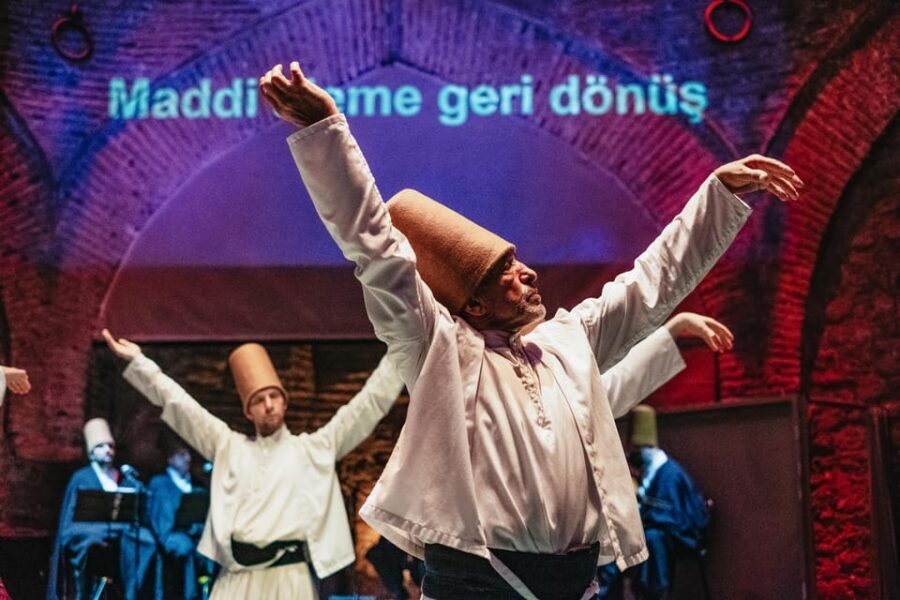
This fits best if you want culture with structure and a respectful tone.
You’ll probably love it if:
- you like Sufi traditions and want to see the Mevlevi Sema as a complete ritual
- you enjoy live traditional music and want to hear instruments like ney, oud, kanun, and percussion in action
- you’re okay with rules that keep the room quiet and focused
It may not fit as well if:
- you’re traveling with kids under 7 (children under 7 aren’t permitted)
- you use a wheelchair (the experience is not suitable for wheelchair users)
- you expect a tourist-friendly show with easy audience interaction
One more reality check: the whirling can feel repetitive to some people if you don’t connect to the spiritual or cultural meaning behind it. For that reason, the booklet and exhibition matter. Spend time reading before it begins, so you’re not just watching motion.
Should You Book the Istanbul Hodjapasha Whirling Dervishes Ceremony?
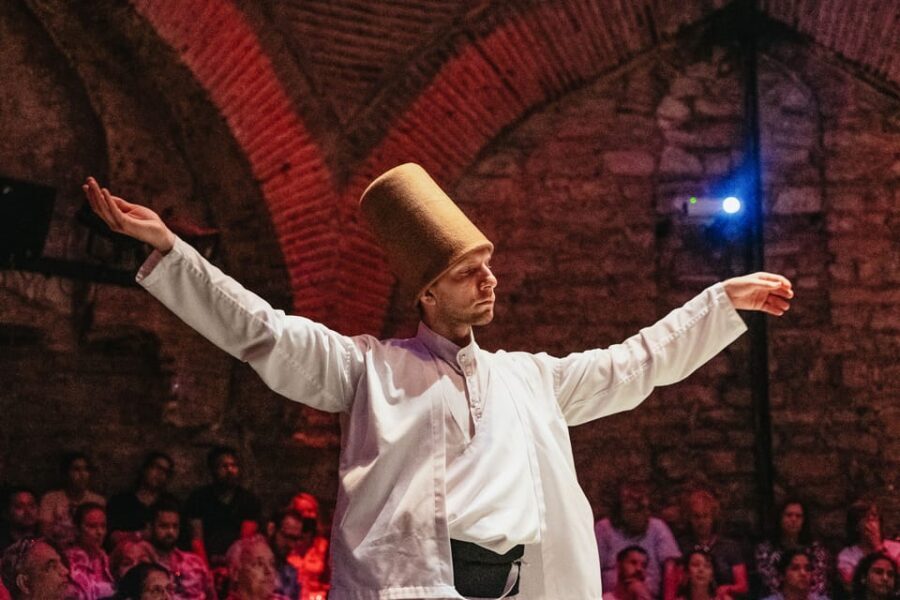
Book it if you want a calm, serious window into a centuries-old tradition, in a real Ottoman-era setting. The strongest reasons to go are the ritual atmosphere, the live music that supports each stage, and the context from the booklet and exhibition that helps you follow the ceremony.
Skip or rethink if you need photos for your memories, can’t sit through an hour of strict silence, or you’re traveling with children under 7 or someone who needs wheelchair accessibility.
If you’re on the fence, here’s my rule of thumb: if you’re looking for authenticity and quiet attention more than entertainment, this is the kind of experience that can become a highlight of your Istanbul trip.
FAQ
How long is the HodjaPasha Whirling Dervishes experience?
The duration is about 1 hour.
Where is the HodjaPasha Culture Center?
It’s located about 100 meters from the Sirkeci Tram Stop in the Sultanahmet–Sirkeci area. Your meeting point is Hocapaşa Culture Center.
What is included with the ticket?
Your ticket includes the Mevlevi Sema ceremony admission, a program booklet, and bottled drinking water. Complimentary drinks are also offered during the show.
Are photos allowed during the ceremony?
No. Photography is not allowed inside.
Is this experience suitable for children?
Children under age 7 are not permitted.
Is it accessible for wheelchair users?
No, the experience is not suitable for wheelchair users.
What happens first in the program?
The program begins with a classical Turkish music concert before the ceremony stages with praise and chanting.
How would you describe the ceremony structure?
You’ll see the seven-part Sema ceremony, which represents man’s spiritual ascent, followed by a Fâtiha and a prayer.
Can I choose my seating?
Seats are allocated based on first booked, first served. Taking your time to book early can help with better views.