REVIEW · ISTANBUL
1, 2 Or 3 Days Private Istanbul Guided Tour
Book on Viator →Operated by Moira Travel Agency · Bookable on Viator
Istanbul can feel like 1,000 stories at once. This private 3-day guided tour helps you stitch them together with a licensed guide and a route built around the city’s big Ottoman and Byzantine touchpoints. I especially like how day one strings together Istanbul’s must-see Sultanahmet landmarks in a way that makes the religious and political shifts feel connected, not random.
My second favorite part is the balance between formal sights and everyday Istanbul: from the palace world at Topkapi to the market energy of the Grand Bazaar and the neighborhood wanderings of Balat. The main drawback to keep in mind is cost add-ons: several major sites have tickets not included, so you’ll want to budget for that before you go—especially on days packed with museums and palaces.
In This Review
- Key highlights
- The Real Value: How a Private 3-Day Plan Saves You in Istanbul
- What you should budget for (because tickets vary)
- Day 1 in Sultanahmet: Topkapi Palace to Grand Bazaar Without Getting Lost
- Topkapı Palace: The Ottoman “control room” you can read in layers
- Blue Mosque (Sultan Ahmed Mosque): Architecture you can spot fast
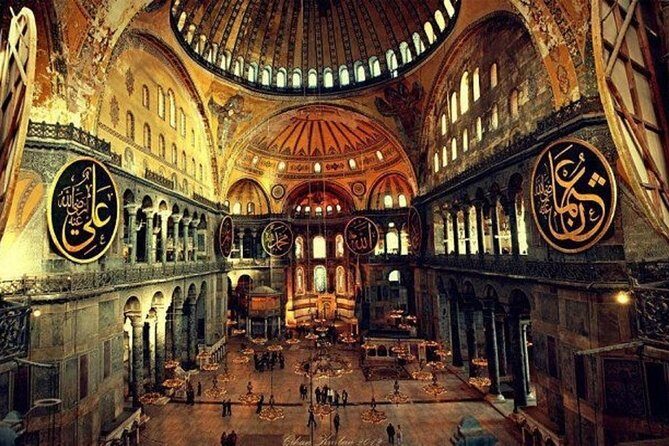
- Hagia Sophia Grand Mosque: Same building, changing identity
- Basilica Cistern: The Istanbul underworld
- Grand Bazaar and Sultanahmet District: Buying time for souvenirs and street rhythm
- Day 2: Dolmabahçe, the Bosphorus, and Beyoğlu’s Easy-to-Enjoy Mix
- Dolmabahçe Palace: Ottoman late-era glamour by the water
- Bosphorus Strait: The views do half the work
- Taksim Square and İstiklal Caddesi: Modern Istanbul you can walk
- Spice Bazaar (Misir Çarşısı): Smell-first, shop-second
- Galata Tower: A simple viewpoint payoff
- Day 3: Süleymaniye, Balat, Pierre Loti, and the Golden Horn Quiet Arc
- Süleymaniye Mosque: Mimar Sinan’s masterpiece and a full complex
- Balat: Pastel houses, narrow streets, and multiple communities
- Pierre Loti Tepesi: One viewpoint break that actually feels like a break
- Halic (Golden Horn): Where trade shaped the city’s bones
- Price, Group Size, and Ticket Reality Check
- Guide Quality: The One Variable You Can Control
- Should You Book This Istanbul Private Tour?
- FAQ
- How long is the tour?
- Is the tour private?
- What language is the guide?
- Is pickup included?
- Where does the tour start?
- Are attraction tickets included?
- Is lunch included?
- What’s the group size limit?
- What’s the cancellation rule?
Key highlights
- Private licensed guide for your group: you move at your pace, not on a loud bus schedule
- Day 1 power route through Sultanahmet: Topkapi, Blue Mosque, Hagia Sophia, Basilica Cistern, then the Grand Bazaar
- Bosphorus views built into the plan: Dolmabahçe and the waterway itself are front and center
- Old meets modern: Taksim Square, İstiklal Caddesi, and Galata Tower mix history with current city life
- A calmer third day: Süleymaniye, Balat, Pierre Loti Hill, and Golden Horn viewpoints
The Real Value: How a Private 3-Day Plan Saves You in Istanbul
Istanbul is huge, and walking between the big sights can turn into a time sink. This tour’s real value is that it organizes your days around clusters: one day in the historic peninsula zone, one day mixing Bosphorus and Beyoğlu, and one day leaning into viewpoints and neighborhoods.
You’ll also like the “group-first” style. Because it’s private (only your group), you’re not sharing audio headsets with strangers, and your guide can adjust for your questions—if they’re a good talker. In one past experience I saw, a guide named Flower handled explanations well and kept the day moving with clear mosque and history context. In contrast, another guide named Imran was reported to speak very briefly on the second day. That’s a reminder: with a private tour, the guide matters as much as the route, so you’ll get the best value if you choose a guide known for explaining, not just moving.
You can also read our reviews of more guided tours in Istanbul


What you should budget for (because tickets vary)
Some places on the route are free, some are ticketed, and several major ones are not included. In practical terms, plan to pay for things like Topkapi Palace, Hagia Sophia Grand Mosque, Basilica Cistern, Dolmabahçe Palace, and similar paid stops on your own. The tour price itself is listed as $160 per group (up to 15), but your total day costs depend on how many ticketed sites you hit and which ones you choose to enter.
Day 1 in Sultanahmet: Topkapi Palace to Grand Bazaar Without Getting Lost
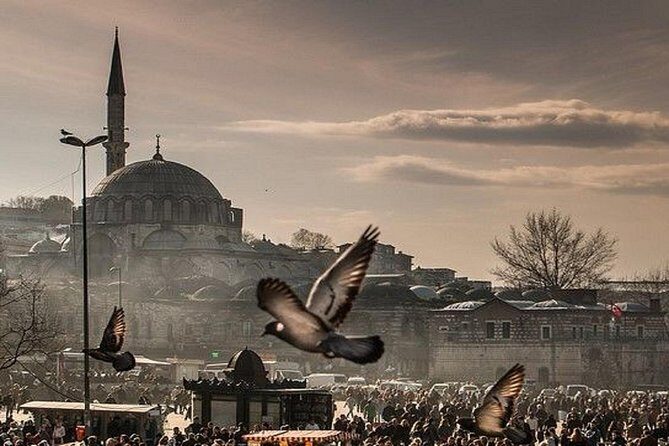
Day one is the backbone of many first trips to Istanbul. It stays anchored around Sultanahmet District, which is where you get the sense of Ottoman and Byzantine Istanbul side by side—often within the same walking bubble.
Topkapı Palace: The Ottoman “control room” you can read in layers
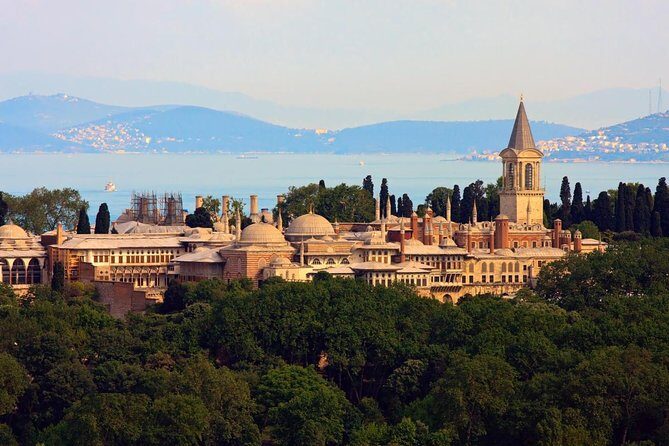
Topkapi Palace served as the Ottoman sultans’ main residence and administrative center for centuries. Even if you’re not a museum person, it helps to think of the palace as a political machine: rooms and courtyards built for governance, display, and ritual power.
What I like about seeing it with a guide is interpretation. You’re not just looking at stone; you’re connecting why it was placed where it was (on the historic peninsula overlooking the Marmara Sea, Bosphorus, and Golden Horn). One practical note: admission isn’t included, so check ticket options before you go and decide how long you want to stay inside.
Blue Mosque (Sultan Ahmed Mosque): Architecture you can spot fast
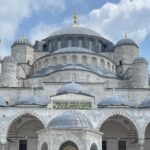
The Blue Mosque is still active, which changes the feel in a good way. You’ll notice the six minarets, the grand domes, and the interior’s blue İznik tiles. It’s not a “stand in line and stare” attraction—your guide can point out how the details fit together, so it’s easier to appreciate even if you only spend about an hour.
Since admission is listed as free, it’s a good place to spend time without worrying about ticket timing. The mosque’s working status also means you should expect a respectful atmosphere and possibly prayer-time limitations.
You can also read our reviews of more private tours in Istanbul


Hagia Sophia Grand Mosque: Same building, changing identity
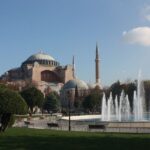
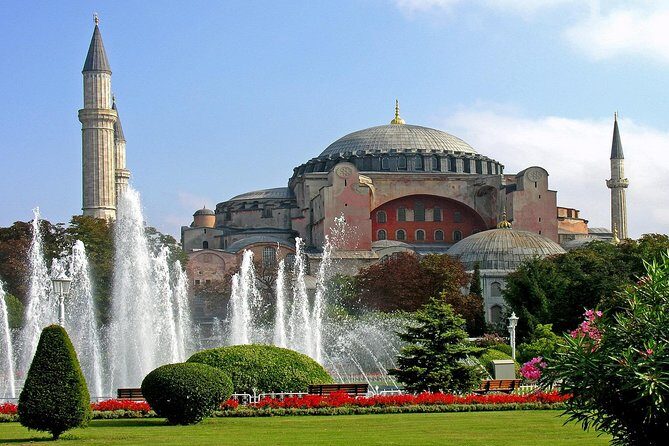
Hagia Sophia’s story is the reason it’s a must. It began as a Byzantine cathedral under Justinian I (537 CE), later became a mosque after the Ottoman conquest in 1453, was turned into a museum in 1935, and then reconverted into a functioning mosque in 2020.
The big value here isn’t just the building. It’s how one site can teach you about empire change without needing a long lecture. You’ll likely spend around an hour here, and admission is not included, so budget accordingly.
Basilica Cistern: The Istanbul underworld
Basilica Cistern is a different kind of stop—quiet, atmospheric, and wildly photogenic in a low-light way. Built in the 6th century as an underground reservoir, it once supplied water to the Great Palace and nearby buildings.
If you’ve already spent hours on mosques and palaces, this is a smart reset. You’re still in Byzantine-era Istanbul, but from a utility angle: how a city kept running. Admission is listed as not included here, so factor that into your ticket budget.
Grand Bazaar and Sultanahmet District: Buying time for souvenirs and street rhythm
The Grand Bazaar is one of the largest and oldest covered markets in the world. It’s crowded for a reason: it’s an actual functioning marketplace, not a dead “theme market.” You’ll walk through colors, aromas, and the labyrinth feel that people come for.
Sultanahmet District ties the day together. Even if you don’t enter every monument, being in the area helps you understand the geography—Byzantine Constantinople and Ottoman Istanbul sharing the same ground.
Tip for making this part enjoyable: go in with a short list of what you want to buy (or at least what you want to look for). The bazaar can eat time if you treat it like a full-day shopping mission.
Day 2: Dolmabahçe, the Bosphorus, and Beyoğlu’s Easy-to-Enjoy Mix
Day two widens the view. Instead of staying only in the historic peninsula, you push into the Bosphorus and then into the modern city feel of Beyoğlu.
Dolmabahçe Palace: Ottoman late-era glamour by the water
Dolmabahçe Palace is a symbol of the late Ottoman westernization period, built between 1843 and 1856 under Sultan Abdülmecid I. It served as the main administrative center and imperial residence until the empire fell.
This is the day’s “wow” building. The palace blends Ottoman, Baroque, Rococo, and Neoclassical styles, which means it doesn’t feel monotonous. Plan on about 90 minutes, and remember admission isn’t included.
Bosphorus Strait: The views do half the work
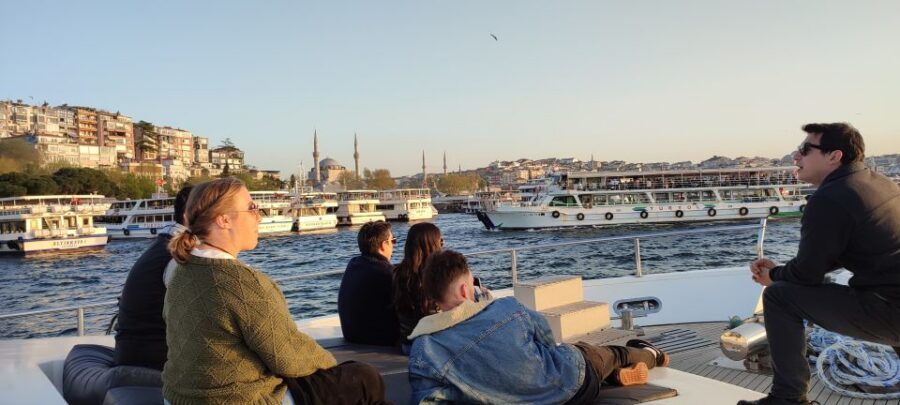
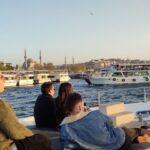
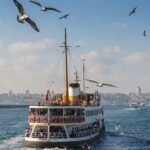
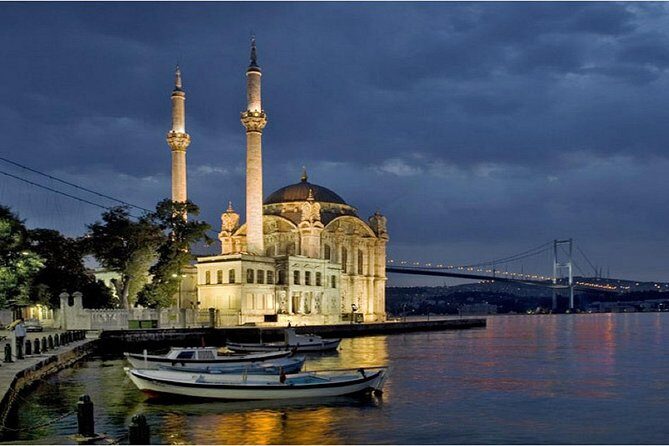
The Bosphorus Strait separates Europe and Asia while connecting the Black Sea to the Sea of Marmara. It’s about 31 kilometers long and has long been a trade and strategic route. On this tour, it’s treated as a core experience rather than a quick photo stop.
I like this approach because it gives you context. When you see the palaces, mansions, mosques, and fortresses along the shores, you start to understand why Istanbul mattered so much.
Taksim Square and İstiklal Caddesi: Modern Istanbul you can walk
Taksim Square is the modern heart of Istanbul, famous for gatherings, events, dining, shopping, and nightlife. Then İstiklal Caddesi carries you along a pedestrian avenue stretching about 1.4 km, lined with shops, cafes, restaurants, and historic buildings.
This is also where you’ll feel Istanbul as a living city, not only a museum. You can keep it light: choose one coffee stop, wander a block or two side streets, and watch daily life. If you’re the kind of traveler who likes history but also wants fresh energy, you’ll enjoy this segment.
Spice Bazaar (Misir Çarşısı): Smell-first, shop-second
The Spice Bazaar, also called the Egyptian Bazaar, is all about senses. It was built in the 17th century and became the center of the spice trade in the Ottoman Empire. Today, it’s still a place to pick up spices, sweets, and small gifts.
Even if you don’t buy much, it’s a great place to slow down and let your senses do the exploring. Admission is listed as free here, which is a nice bonus.
Galata Tower: A simple viewpoint payoff
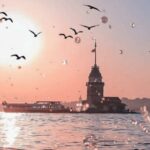
Galata Tower dates back to the Genoese presence in Constantinople in the 14th century. You’ll likely ride an elevator to a viewing platform under the roof for panoramic views of the Old City peninsula and Beyoğlu.
This stop works well if you want an orientation tool. From the top, the city’s patchwork geography makes more sense—and you’ll be better prepared for what you see in your remaining time.
Day 3: Süleymaniye, Balat, Pierre Loti, and the Golden Horn Quiet Arc
Day three shifts into a calmer, more local-feeling rhythm. It’s a great choice if you want your last day to feel less like a checklist and more like a thoughtful stroll with big views.
Süleymaniye Mosque: Mimar Sinan’s masterpiece and a full complex
Süleymaniye Mosque is considered the masterpiece of Mimar Sinan. Commissioned by Sultan Süleyman the Magnificent and completed in 1557, it wasn’t only a mosque—it was a külliye complex with social functions. The idea was that religious life and everyday services lived side by side, including education and community facilities.
You’ll spend around two hours here. Since admission is listed as free, this is one of the best “time value” stops on the tour.
Balat: Pastel houses, narrow streets, and multiple communities
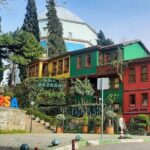
Balat sits on the Golden Horn in the Fatih district. Historically, it housed Jewish, Greek, and Armenian communities, and today it’s known for pastel-colored houses, narrow streets, antique shops, and cozy cafes.
This is where you get a different Istanbul texture from the monumental days. You’re looking at neighborhood history in the form of streets and buildings rather than only grand architecture. Admission is listed as free, but the real cost here is time: you’ll want to keep wandering.
Pierre Loti Tepesi: One viewpoint break that actually feels like a break
Pierre Loti Hill is named after the French novelist Pierre Loti, who lived in Istanbul in the late 19th century and wrote about the city. He also frequented a hilltop cafe, which is part of why the place has that literary, reflective reputation.
From the viewpoint, you get a peaceful pause from the city’s intensity. It’s a solid way to end the tour because it’s not another “walk through a building.” Admission is listed as free, and the time here is worth it for the change of pace.
Halic (Golden Horn): Where trade shaped the city’s bones
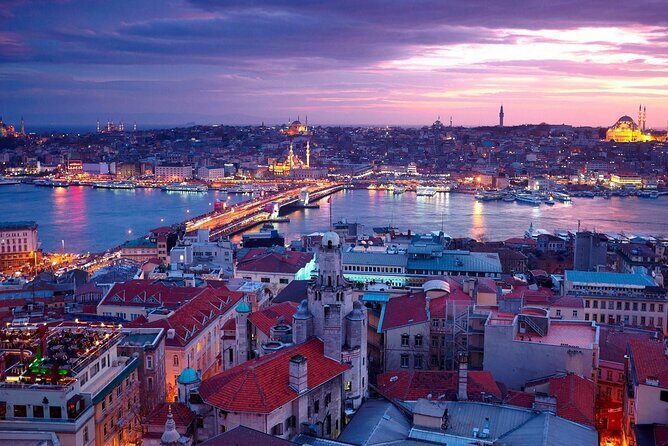
Finally, you’ll look at the Golden Horn (Haliç), the horn-shaped estuary that separates the historic peninsula from Beyoğlu and Eyüp. It’s about 7.5 km long, and at its widest it’s about 750 meters.
This stop is about context again. Golden Horn waters served as a harbor for thousands of years, helping Istanbul grow into a trading and naval center. If you’ve seen palaces and mosques the last two days, this is the reminder that geography and water routes built the city’s power.
Price, Group Size, and Ticket Reality Check
At $160 per group (up to 15), the tour pricing can be excellent value—especially if you’re traveling with friends, family, or a mixed group that wants a structured plan. The private part matters most when you can split costs without feeling like you’re paying premium rates per person.
The main thing to understand: the tour price doesn’t automatically mean all entry fees are covered. Several major stops show admission not included, including Topkapi Palace, Hagia Sophia Grand Mosque, Basilica Cistern, and Dolmabahçe Palace. On a ticketed-heavy itinerary, your total trip cost can jump.
So here’s my practical way to think about it:
- If you already plan to enter the big sights, this tour can save time and stress.
- If you only want a couple of paid interiors, you may spend more than expected compared to a self-guided plan plus a couple of paid tickets.
Guide Quality: The One Variable You Can Control
Because this is private, your guide is your product. You’re buying a licensed guide, and that should translate into better pacing and clearer connections between sites.
Based on real examples connected to guides named Flower and Imran, I’d treat guide speaking style as a key decision factor. If possible, ask what kind of explanations they give (short practical context, longer storytelling, or both). The best tours are the ones where you ask questions and your guide can answer them without turning the day into a lecture—or, on the other side, without going silent.
Should You Book This Istanbul Private Tour?
I’d book it if:
- You want a structured 3-day plan across Ottoman and Byzantine highlights without spending hours planning.
- You care about understanding what you’re seeing, not just collecting photos.
- You’re traveling with people who will share the group cost, making the price per person more reasonable.
I’d think twice if:
- You’re trying to avoid paying extra for ticketed entries like Topkapi, Hagia Sophia, Basilica Cistern, and Dolmabahçe.
- Your group prefers long free time and less guiding. This tour is built around guided stops, so you’ll be happiest if you like a steady pace.
If you’re a first-timer who wants Istanbul to make sense fast, this is a strong match—especially because you get both the monumental classics and the neighborhood-feel day.
FAQ
How long is the tour?
It runs for about 3 days.
Is the tour private?
Yes. It’s a private tour/activity, and only your group participates.
What language is the guide?
The tour is offered in English.
Is pickup included?
Pickup is offered. The guide meets you at central Istanbul hotels or the port. If your hotel isn’t centrally located, the meeting point can be the front of Hagia Sophia.
Where does the tour start?
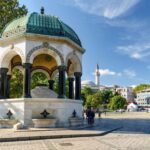
The start point is German Fountain at Binbirdirek, At Meydanı Cd, 34122 Fatih/İstanbul.
Are attraction tickets included?
No. Museum and attraction tickets are not included. Some listed stops are free, but several major ones are not.
Is lunch included?
Lunch is not included.
What’s the group size limit?
The price is per group for up to 15 people.
What’s the cancellation rule?
You can cancel for a full refund if you cancel up to 24 hours in advance of the experience’s start time.