REVIEW · ISTANBUL
2 Days Cappadocia tour from Istanbul
Book on Viator →Operated by Turkey Tourism · Bookable on Viator
Cappadocia in two days, without the headache. This trip strings together Roman-era ruins, early Christian cave life, and the surreal rock scenery that makes Cappadocia famous, with hot-air balloon sunset views as a big visual payoff. It’s run in a small group (max 15) and offered in English and Spanish, with pickup and a mobile ticket so you’re not stuck figuring out logistics.
I particularly love the way the sites connect. You start with places like Kizilcukur’s Roman gymnasium and then move into Cavusin’s cave village, where you can see how everyday life blended with faith. Then you go underground—Kaymakli Underground City turns the whole region from scenery into something you can almost walk inside, not just photograph.
One thing to note: dinner isn’t included. That means you’ll want to plan ahead for an evening meal (and keep your energy for the next morning’s sights), especially after a full day that includes lots of stops and time in open-air rock sites.
In This Review
- Quick hits before you go
- Why this Istanbul-to-Cappadocia trip feels efficient (and still fun)
- Day 1: Roman ruins, cave villages, and the fairy-chimney warmup
- Kızılçukur: a Roman gymnasium you can read with your imagination
- Çavuşin (Cavusin): old Christian roots inside a cave village
- Love Valley: short stop, strong shapes
- Kaymaklı Underground City: survival architecture with real details
- Pigeon Valley: a reminder that the rock shelters had agriculture jobs
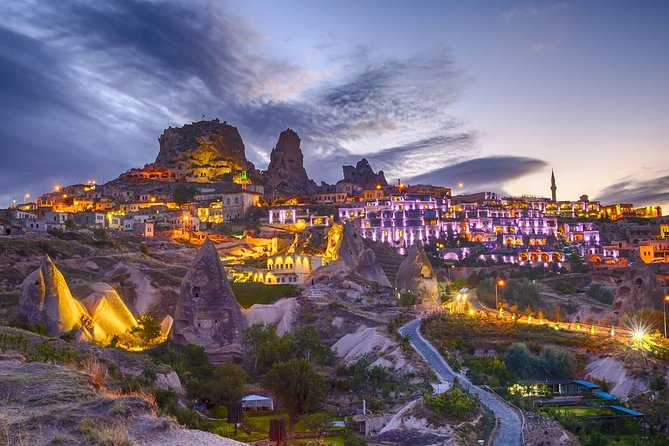
- Uçhisar Castle: your first big panorama push
- Day 2: Göreme views and frescoed churches carved into rock
- Göreme Panorama: cave houses from above, then you move into the details
- Göreme Open Air Museum: frescoes in rock-cut churches
- Avanos: pottery craft tied to the river’s red clay
- Devrent Valley: fairy chimneys shaped by erosion
- Pasabag (Monks Valley): the multi-stem fairy chimneys and the St. Simeon site
- Ürgüp: the wine-and-gardens side of Cappadocia
- The hot air balloon highlight and why weather rules everything
- Cave hotel nights: what you gain from staying in a cave suite
- Food planning: two lunches included, dinner is your call
- Price and value: what $700 per person is really paying for
- Who this tour suits best
- Should you book this 2-day Cappadocia tour from Istanbul?
- FAQ
- How long is the 2 Days Cappadocia tour?
- Is pickup offered for this tour?
- What languages is the tour available in?
- How big is the group?
- What’s included in the price?
- Is dinner included?
- Which underground city will you visit?
- Does the tour include entrance fees?
- What happens if weather is poor?
- How far in advance can I cancel for a full refund?
Quick hits before you go
- All transport handled: round-trip flights, airport transfers, and guided in-region transport
- Cave suite hotel included: with breakfast, so you start the day fed
- Kaymakli Underground City: one of Cappadocia’s biggest underground complexes with storerooms, church areas, and defensive systems
- Göreme Open Air Museum: churches and chapels carved into rock with frescoes dated 10th–13th centuries
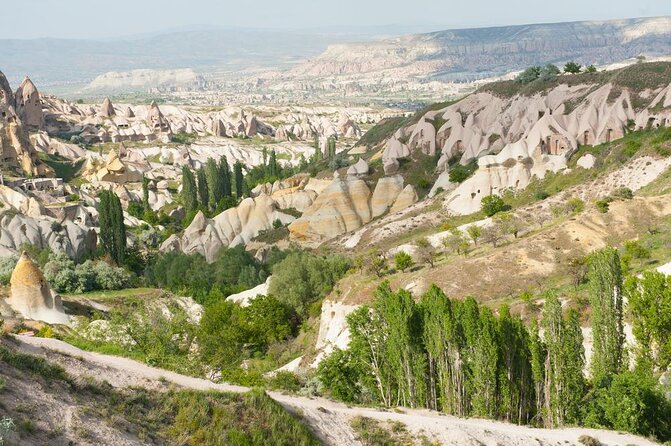
- Fairy chimney valleys at multiple angles: Love Valley, Devrent, Pasabag (Monks Valley), plus views from Uchisar and Göreme Panorama
- Two lunches included, dinner not: budget for evenings on your own
Why this Istanbul-to-Cappadocia trip feels efficient (and still fun)
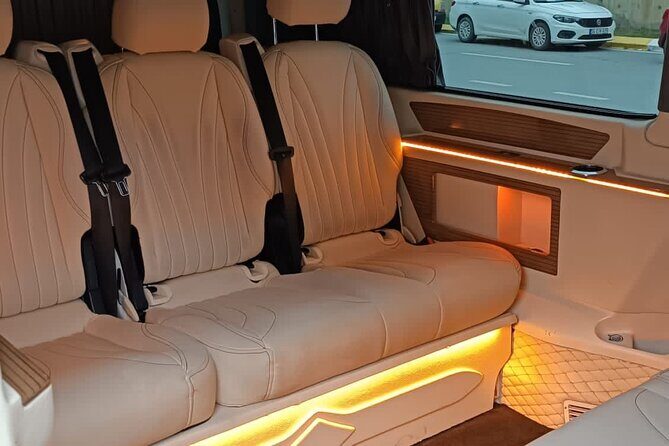
The biggest win here is that you’re not doing the heavy lifting. You get round-trip flight tickets with taxes, plus airport transfers and guided transport between stops. That matters because Cappadocia isn’t “next door” to Istanbul—you’re paying for time and stress reduction, not just sightseeing.
This is also built around a practical pace. You’re moving through a lot of different kinds of places: archaeological sites, cave villages, valleys, viewpoints, and an underground city. Even if some stops are short, the mix keeps things interesting. And because it’s max 15 people, you’re less likely to feel like you’re on a cattle-car schedule.
Another quiet plus: it includes entrance fees for the visits marked as included, and lunch twice. When a tour package bundles those costs, it’s easier to keep the day from turning into a surprise expenses game.
You can also read our reviews of more tours and experiences in Istanbul
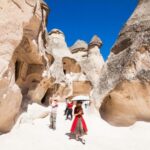
Day 1: Roman ruins, cave villages, and the fairy-chimney warmup
Your first day sets the tone fast. Cappadocia can feel like a fantasy map from the air. On the ground, it’s more human than that—schools, homes, churches, and survival spaces carved into tuff.
Kızılçukur: a Roman gymnasium you can read with your imagination
Kızılçukur is the kind of site that helps you understand what people did before the caves became the headline. This Roman gymnasium was a gathering place where athletes trained and spectators watched. It’s a one-hour stop with free admission, so you’re not losing a big chunk of the day.
What I like about this kind of opening stop is the context. You start seeing the region as a long-used crossroads, not a single-era theme park.
Çavuşin (Cavusin): old Christian roots inside a cave village
Next is Çavuşin, a village known for early Christian settlement patterns, including the oldest church in the region dating back to the 3rd century. You’ll notice cave rooms that used to be living spaces—sleeping areas, kitchens, and even wineries. In other words: this wasn’t just a refuge. It was home.
There’s also a 1960 landslide element in the mix, and the description leans into the gorgeous viewpoints you get when caves and ruins meet the valley light. This stop is free admission and scheduled for about an hour, which is enough time to soak in the atmosphere without rushing every corner.
Practical note: cave villages can mean uneven steps and mixed terrain. Comfortable shoes matter more than you think.
Love Valley: short stop, strong shapes
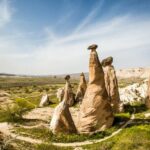
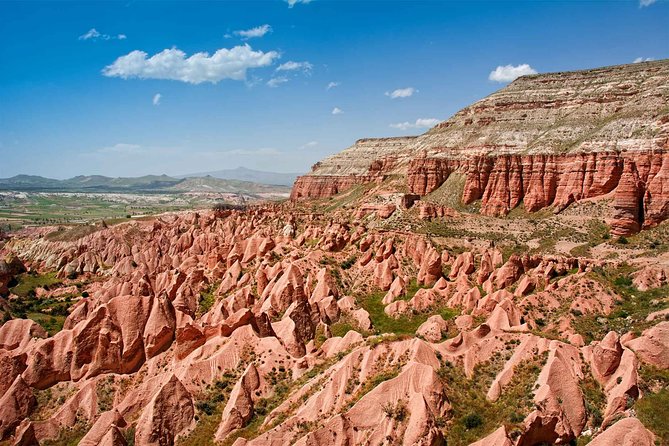
Love Valley (also known as White Valley) is quick—about 30 minutes—and it’s focused on the rock formations that look like fairy chimneys. This is your “get your eyes adjusted” moment. After Roman and cave-village context, it’s a clean visual reset.
It’s also a good stop for photos with minimal waiting. Short stops can be a blessing when your legs start to get used to the day’s rhythm.



Kaymaklı Underground City: survival architecture with real details
Then you go underground: Kaymaklı Underground City. This is one of the most interesting underground cities in the region, especially because it connects the Hittite use of these spaces with later Christian use during Roman persecution times.
You’re guided through interconnected rooms and tunnels, including areas used for living, food storage, kitchens, and church-related spaces. The fascinating bit is how practical it all feels. Chimneys and defense systems are built into the design in a way that makes it clear this wasn’t just “living in caves” as a style choice—it was survival engineering.
This is a two-hour visit with admission included, so it’s one of the day’s anchor experiences. If you’re the type who likes your sightseeing to feel grounded in how people actually lived, this is the moment you’ll remember.
Pigeon Valley: a reminder that the rock shelters had agriculture jobs
After underground life, Pigeon Valley shifts you back to the surface. It’s a panoramic viewpoint where you’ll see pigeon houses that were used to keep pigeons for collecting droppings. Those droppings were used to fertilize earth, especially around vineyards.
It sounds niche, but that’s part of the charm: Cappadocia wasn’t only faith and legends. It was also work, farming, and feeding communities.
Uçhisar Castle: your first big panorama push
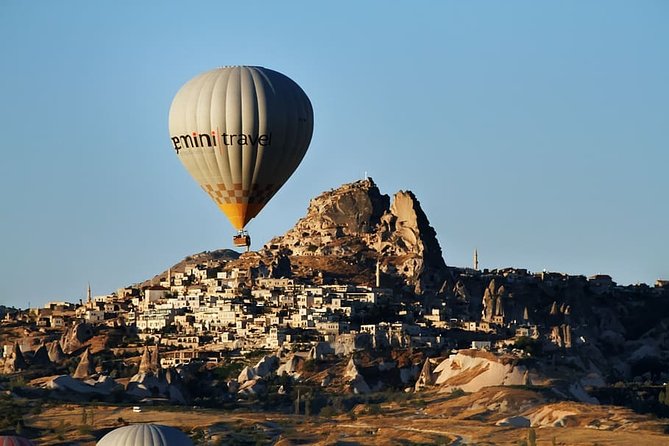
You finish day one at Uçhisar Castle, the highest point in the area. The castle and surrounding settlement were used for surveying enemies, so it’s both a lookout and a strategic high point. The scheduled time is about 30 minutes.
This stop is where I’d suggest you slow down. Don’t just shoot a panorama and move on. Use the time to orient yourself—Cappadocia’s valleys start to “make sense” once you can match the views to what you’ve already seen.
Day 2: Göreme views and frescoed churches carved into rock
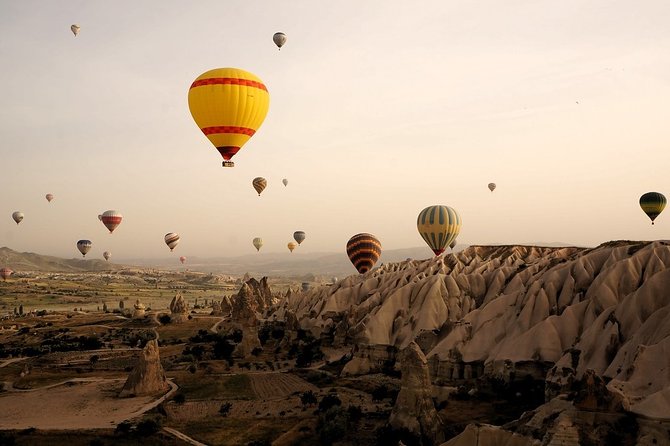
Day two brings more of the famous Cappadocia centerpiece. It’s also where the religious art becomes the real conversation.
Göreme Panorama: cave houses from above, then you move into the details
The day starts at Göreme Panorama for about 30 minutes. You look over Göreme town and the cave-house setting. This is a helpful transition stop—now you’re not just seeing formations, you’re seeing how modern-looking life sits inside the same rock framework.
Göreme Open Air Museum: frescoes in rock-cut churches
Then comes Göreme Open Air Museum, about two hours, with admission included. This is described as the first and biggest monastery where religious education took shape in the region. You’ll visit churches, chapels, and monasteries carved into the fairy chimneys, with frescoes painted on the walls from the 10th to 13th centuries.
What makes this stop valuable is the scale of time in one place. You’re not only seeing carved rock; you’re seeing layers of artistry across centuries. It also references three important men tied to the tradition of the region in the 4th century: Great St. Basil, St. Gregory of Nyssa, and St. George of Nazianus. Even if you don’t know their names before you arrive, seeing them referenced gives the art and architecture a clearer cultural backbone.
If you like art that has survived hard conditions, this is a great match.
Avanos: pottery craft tied to the river’s red clay
After the museum, you head to Avanos for about an hour. Avanos is known for pottery, a craft with roots reaching back to the Hittite period. The clay is red and connected to the Kızılırmak river, described as the longest river of Turkey, which divides Avanos.
This is a good counterbalance to all the rock and tunnels. It returns you to hands-on craft and local materials. If you’re the kind of person who wants one “buyable memory” (even if it’s just a small item), pottery shops in Avanos-style towns are the place to focus.
Devrent Valley: fairy chimneys shaped by erosion
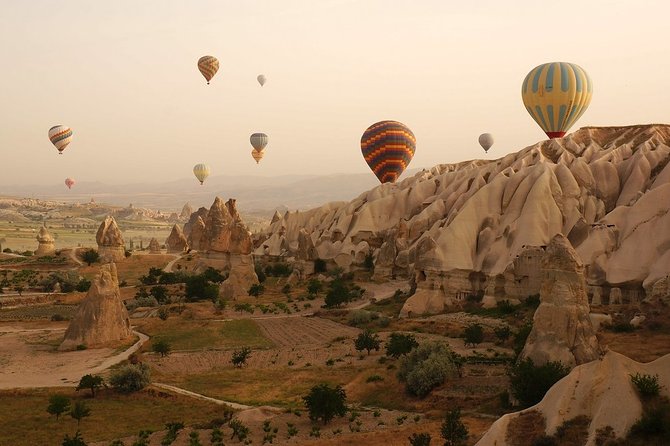
Devrent Valley is about an hour with admission included. It’s known for rock formations often called fairy chimneys—shapes like caps, cones, mushroom-like forms, pillars, and pointed rocks.
The explanation here is natural forces at work over time: smaller volcanic activity, river action, wind, and flood waters eroded the tuff layer. The result is what you see now. The walk through the valley matters more than the words, because the shapes are easier to recognize when you’re moving.
Pasabag (Monks Valley): the multi-stem fairy chimneys and the St. Simeon site
Next is Pasabagları, known as Monks Valley, around 30 minutes with admission included. This area is especially famous for fairy chimneys with multiple stems and caps, and there’s a site tied to a chapel dedicated to St. Simeon plus a hermit’s shelter built into one of the fairy chimneys with three heads.
This is the kind of stop that feels strange in a good way. You’re looking at rock that looks artistic, and then you realize people built religious spaces into the shapes. It connects geography to lived belief again.
Ürgüp: the wine-and-gardens side of Cappadocia
You wrap up at Ürgüp (about 30 minutes), with views over the town and the famous Three Beauties rock formation. The area is also linked with wine factories, vineyards, and apricot gardens, so it’s a different mood than the underground and the museum.
This is a good place to take a few last photos without trying to cram in one more “must-see” detail. You’ve earned the right to enjoy the view.
The hot air balloon highlight and why weather rules everything
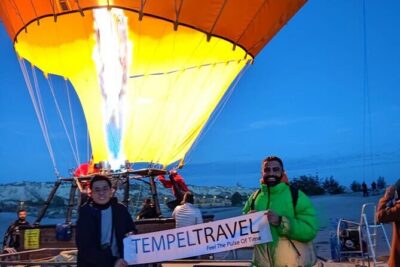
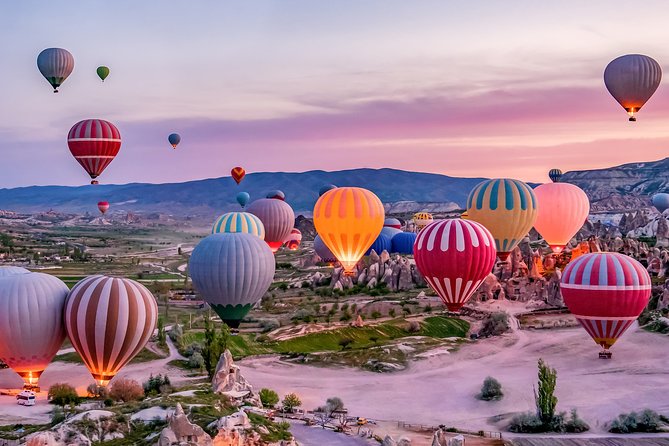
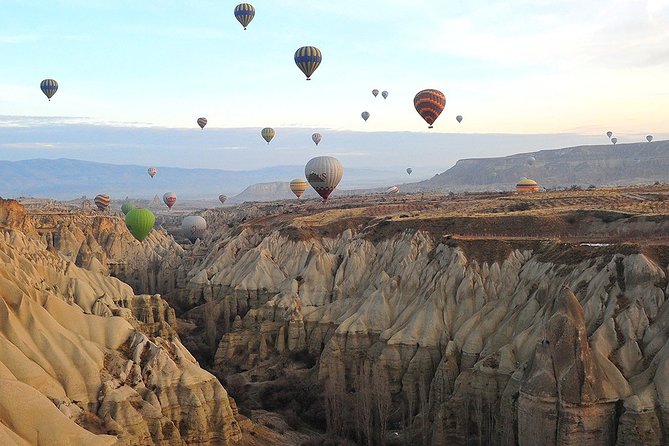
The tour is positioned around seeing sunset from a hot air balloon, which is the Cappadocia moment most people picture first. Even if you don’t care about the history as much, the balloon view is hard to beat because you’re seeing valleys and rock formations as a whole map.
The catch is weather. The experience notes that it requires good weather, and if it’s canceled due to poor conditions, you’ll be offered a different date or a full refund. So if you’re planning flights tightly around this tour, keep some buffer in your overall Istanbul schedule when you can.
Also, remember that balloon operations depend on how the morning sets up. Your day’s flow can feel “early and watchful.” That’s normal here, but it’s worth going in with patience.
Cave hotel nights: what you gain from staying in a cave suite
You get an overnight stay in a cave suite hotel with breakfast included. Cave hotels are one of those “sounds gimmicky, actually works” travel choices in Cappadocia. The rock walls help keep temperatures steadier, and the whole experience feels more connected to the place.
You also get breakfast as part of the package, which is a real convenience on a tight schedule. And the hotel is described as near public transportation, which can help if you want to do something simple on your own after the guided stops.
The tradeoff is that cave hotels can have a particular feel: stone textures, tight corridors, and a vibe that’s more “historic lodging” than “big modern resort.” If you’re expecting plush sameness, you might find the atmosphere charming but different.
Either way, after a day underground and in open-air sites, a cave night feels like part of the story.
Food planning: two lunches included, dinner is your call
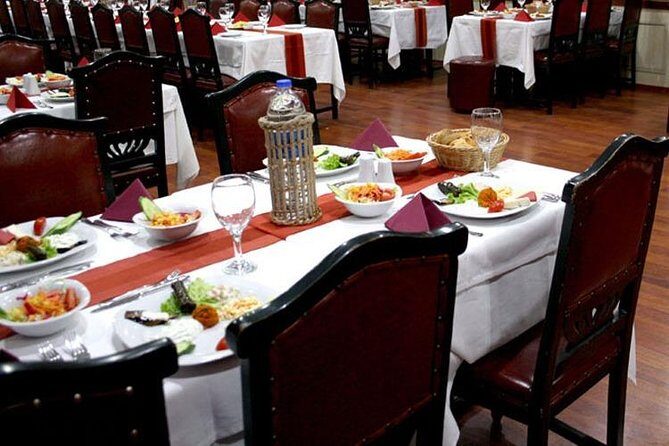
Lunch is included twice, and breakfast comes with the cave hotel. Dinner is not included. That’s not a problem if you treat it as a plan: you’ll likely have a straightforward evening where you can eat something local without worrying about an included group meal.
Because dinner isn’t part of the package, you can also adjust to how tired you are. If your legs are done, you can choose a simpler place close by. If you want a more relaxed meal, you can look around the Ürgüp/Göreme area with the time you have.
Price and value: what $700 per person is really paying for
$700 per person is not “cheap,” but it’s also not just paying for a few bus rides. You’re covering round-trip flights with taxes, airport transfers, a cave suite hotel with breakfast, two lunch meals, an English/Spanish guided small group experience, and included entrance fees for the key sites.
If you were to DIY this, you’d likely spend a lot of time coordinating transport timing, ticket entry costs, and hotel choice. Here, that work is handled. For many people, that’s the real value: you trade a chunk of money for a chunk of calm.
What you should still watch: the tour doesn’t include dinner, and hot air balloon rides can depend on conditions. Those are the main cost variables you’d need to factor into your personal budget and expectations.
Who this tour suits best
This trip is a strong fit for you if:
- You want a guided overview of Cappadocia in a short window
- You care about underground cities and rock-cut spaces, not only viewpoints
- You prefer a small group (max 15) and don’t want to plan transport
- You like art and frescoes as much as you like geology
It may be less ideal if you hate tight timing, because the schedule packs a lot into two days. It also isn’t built for people who want long, slow stops where you can linger for hours per site.
Should you book this 2-day Cappadocia tour from Istanbul?
I’d book it if you want Cappadocia’s highlights handled in one package: flights, cave hotel, guided visits, and the big-name stops like Kaymaklı and Göreme Open Air Museum. The value is strongest when you consider what’s included—transport, entrances, meals—and when you factor in how much easier it makes the whole trip.
I wouldn’t book it if you’re picky about dinner plans, or if you’re allergic to weather-dependent experiences connected to balloon viewing. In this region, the rock doesn’t change, but the skies do.
If you want a focused, efficient introduction with real variety—Roman ruins, cave villages, underground cities, frescoed churches, and balloon sunset views—this is a solid choice.
FAQ
How long is the 2 Days Cappadocia tour?
The tour lasts about 2 days.
Is pickup offered for this tour?
Yes, pickup is offered.
What languages is the tour available in?
The experience is offered in English and Spanish.
How big is the group?
The tour has a maximum of 15 travelers.
What’s included in the price?
It includes breakfast, round-trip flight tickets with taxes, all airport transfers, a cave suite hotel with breakfast, a 2-day small group tour with guide, lunch (2), transport, and all entrance fees.
Is dinner included?
No, dinner is not included.
Which underground city will you visit?
You’ll visit Kaymakli Underground City.
Does the tour include entrance fees?
Yes, all entrance fees are included for the included visits.
What happens if weather is poor?
This experience requires good weather. If it’s canceled due to poor weather, you’ll be offered a different date or a full refund.
How far in advance can I cancel for a full refund?
You can cancel up to 6 days in advance for a full refund.