REVIEW · ISTANBUL
2-Days Private Tour to Gobeklitepe and Karahantepe from Istanbul
Book on Viator →Operated by Gobekli Tours · Bookable on Viator
Two days in Urfa rewrites early human history. This private trip strings together the big names in southeastern Turkey—starting with a museum that sets the stage, then moving into sites that date back over 11,000 years. You get private time with your own group, plus an English-speaking guide, which makes the history feel clear instead of confusing.
I especially like the built-in sequence: the Sanlıurfa Archaeology and Mosaic Museum first, then Göbekli Tepe. I also like the mix of archaeology and lived-in culture—Balıklıgöl with families gathered around the sacred fish pool, followed by a bazaar stop where daily life is part of the picture. The only real drawback to consider is practical: meals besides breakfast are not specified, and you’ll be on the move for two full days, so bring your patience (and budget) for food and drink.
In This Review
- Key Points I’d Tell a Friend
- Sanlıurfa Museum First: A Perfect Warm-Up for Göbekli Tepe
- Göbekli Tepe: What You’re Actually Looking At
- Balıklıgöl and Abraham’s Cave: Belief Meets Everyday Life
- Quick Stops That Add Depth: Kızılkoyun Necropolis and Sanlıurfa Tombs
- Sanlıurfa Bazaar Time: Local Life Between Major Sites
- Soğmatar (Sogmatar): Moses, Rain, and the Seven-Temple Hill Story
- Han El Ba’rur Caravanserai: Silk Road Stopovers in 30 Minutes
- Karahan Tepe (Karahantepe Orenyeri): T-Shaped Pillars Near the Main Stage
- Private Tour Value: What You’re Paying For (And What You Still Need to Plan)
- Who This Tour Fits Best
- Should You Book This 2-Day Göbekli and Karahan Private Tour?
- FAQ
- Is this a private tour?
- How long is the tour?
- What language is the tour offered in?
- Do I get hotel pickup from Istanbul?
- What’s included in the price?
- Which admissions are included?
- What if the weather is poor?
- What’s the cancellation cutoff for a full refund?
Key Points I’d Tell a Friend
- Private group touring across multiple major sites, so you can move at your pace
- Museum access before Göbekli Tepe, with standout exhibits tied to Nevali Cori and Enclosure D
- Göbekli Tepe + Karahan Tepe in the same program, both pre-pottery, both with famous pillar art
- Sacred Abraham stops around Balıklıgöl, plus quick views into Urfa’s older tombs
- Soğmatar (Sogmatar) stop with the Moses well story and a hill that connects planets and worship
- Silk Road-era Ayyubid caravanserai ruins at Han el Ba’rur, short but historically sharp
Sanlıurfa Museum First: A Perfect Warm-Up for Göbekli Tepe
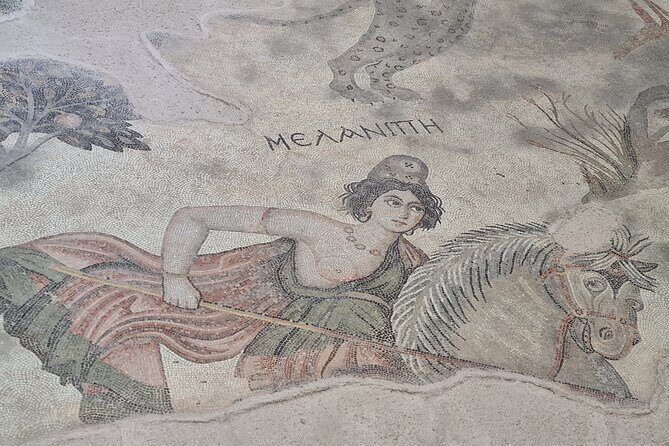
Your day has a smart rhythm. You start at the Sanlıurfa Archaeology and Mosaic Museum, and it does a lot more than “hold artifacts.” The museum’s collection runs from the Neolithic era forward, all the way to Crusader Edessa. That span helps you understand that Urfa is not just one famous site—it’s a layered region where cultures keep building on top of older ideas.
Two parts matter most for this trip:
- The museum includes a replica tied to Göbekli Tepe, specifically Enclosure D. Seeing a reconstruction before you stand in the original helps your brain connect shapes, layout, and what you’re looking at outside.
- There’s also a cult-site story connected to Nevali Cori. The listing explains that Nevali Cori was submerged by the Atatürk Dam and that its original stones were moved into the museum. Even if you only have two hours, those moved stones make the whole experience feel urgent and real. It’s not ancient history sitting politely in a glass case—it’s surviving history.
This museum stop lasts about 2 hours with admission included, so it’s not a quick “hit and run.” It’s a proper setup.
You can also read our reviews of more private tours in Istanbul
Göbekli Tepe: What You’re Actually Looking At
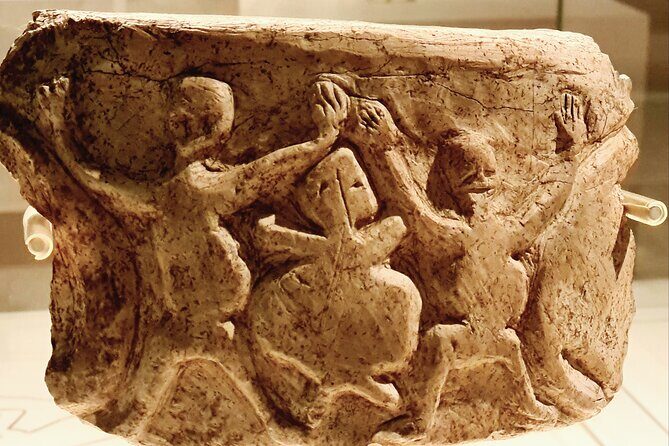
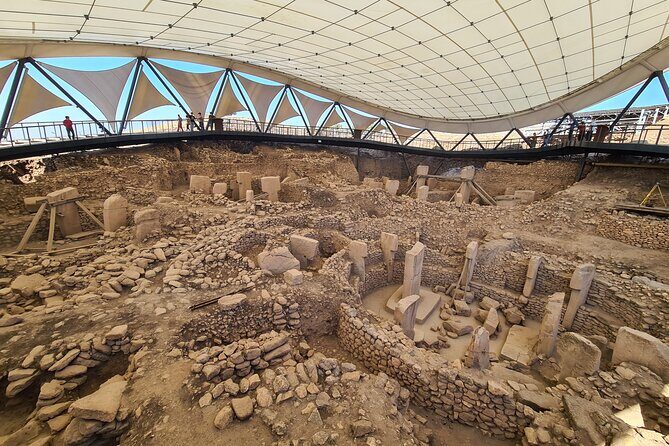
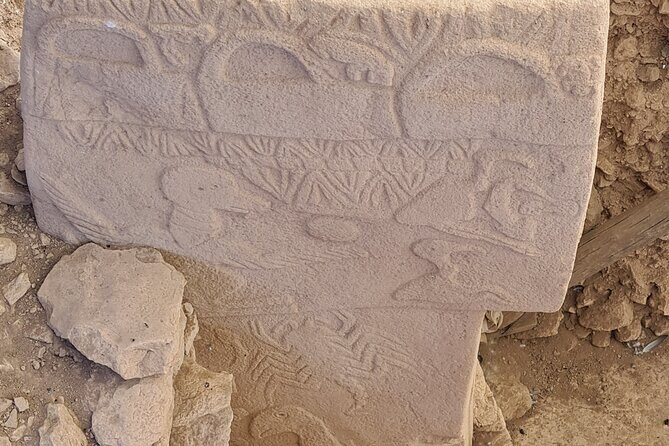
Then comes the main event: Göbekli Tepe. You’re going to see a ritual complex dating back as far as 12,000 years. That age is the headline, but the site’s real power is how it challenges the normal timeline people expect—built long before writing or pottery.
Here’s what helps you get more from the visit:
- Treat the carvings and pillar shapes like a map, not decoration. The reason archaeologists get excited is that these were deliberate human creations—ritual architecture, not just random stones.
- Expect that the site can feel both small and huge. You’re close to the stones, yet they’re tied to a time most of us can’t picture.
You’ll have about 2 hours here, and admission is included. This is enough time to slow down, look closely, and understand why the site forces archaeologists to rethink early human history.
Balıklıgöl and Abraham’s Cave: Belief Meets Everyday Life
After Göbekli Tepe, the pace turns more human. You head to Abraham’s Cave and the Pool of Prophet Abraham area, including the Balıklıgöl setting (the sacred fish pool).
Two things make this stop different from the prehistory sites:
- It’s a living religious story tied to Abraham, including the belief that Nimrod threw Abraham into the fire.
- It’s also a place where people show up in daily life. The experience description notes the Pool of Prophet Abraham, and one of the practical joys of this area is that you’re not wandering through an empty ruin. You’re in a public space where families often spend time.
This stop runs about 1 hour, and admission is free. If you want photos, bring your phone battery. If you want quiet, go in with the expectation that this is a place people visit, not a museum wing.
Quick Stops That Add Depth: Kızılkoyun Necropolis and Sanlıurfa Tombs
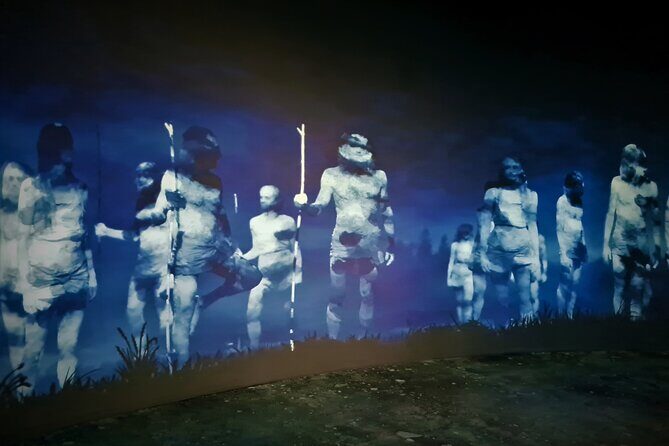
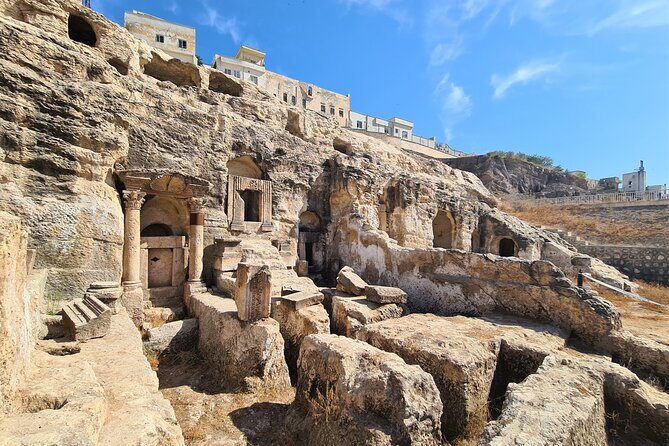
You’ll also pass by the newly excavated tombs of the Kızılkoyun Necropolis. This is a shorter stop, about 30 minutes, and it’s free to enter.
What’s useful here is the context. This necropolis is dated between the 2nd and 4th century AD, with over 61 excavated tombs carved into bedrock limestone. In practice, that means you get a glimpse of how later communities used the same kind of terrain—rock-cut, carved, intentional. It’s not the same as Göbekli Tepe, but it adds a “what happened next” layer.
If you’re tempted to rush it, don’t. Thirty minutes is tight, yet these rock-cut tombs reward a slower walk, even if you only get one good look at each cluster.
Sanlıurfa Bazaar Time: Local Life Between Major Sites
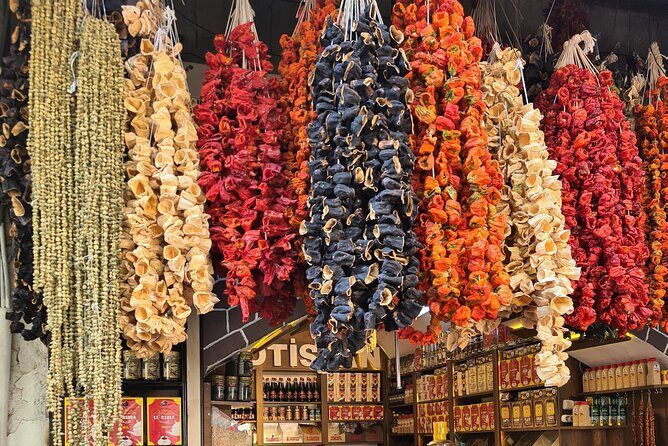
Day 2 starts with the lively bazaar of Urfa. This is about 2 hours and free.
This is where the trip stops feeling like an archaeology binge and starts feeling like travel. The bazaar is described as selling everything from sheepskins to jeans and colorful local scarves. You can also look for ancient workshops and craftsmen you might not see elsewhere.
A good way to approach this:
- Pick one or two items you actually want, not a full shopping list. That keeps it fun instead of stressful.
- Use the bazaar as a reset. Grab water, look around, and let your eyes rest after two heavy days of stone symbols and religious stories.
You can also read our reviews of more tours and experiences in Istanbul


Soğmatar (Sogmatar): Moses, Rain, and the Seven-Temple Hill Story
Next is Soğmatar (Sogmatar)—a stop built around a mix of legend and archaeology. The name is tied to Arabic, with Soğmatar connected to the idea of rain (through the word matar).
This area has a belief story that Prophet Moses escaped Pharaoh and that a well hole was opened by a miraculous scepter. Even if you treat the legend as spiritual history, it gives a clear narrative hook for what you’re seeing and why the place mattered.
Then there’s the hill. You’re told it has remnants dating back to the 2nd century, where it was first considered a pagan center with seven temples connected to planets: Sun, Moon, Saturn, Jupiter, Mars, Venus, and Mercury. Later investigation is described as suggesting the hill is actually a grave monument and sacred area, interpreted as a representation of Mare-late, with worshippers praying toward the center much like modern prayer direction.
This stop lasts about 2 hours and is free. Bring curiosity. The information is layered, and you’ll get more from it if you stay open to both the story side and the archaeological side.
Han El Ba’rur Caravanserai: Silk Road Stopovers in 30 Minutes
Then you hit Han el Ba’rur, a short 30-minute visit to the remains of an Ayyubid dynasty caravanserai.
It was built in 1228 to serve trading caravans on the Silk Road. That’s exactly why this stop works in a two-day schedule: you don’t need hours to feel the importance. Caravanserais were the glue of long-distance travel—places built for fatigue, food, and safety.
This is free, so it’s a good time to pay attention to structure and shape. If you’re the type who loves travel history, you’ll enjoy how this stop connects Urfa’s old trade routes to the modern city life you see in the bazaar.
Karahan Tepe (Karahantepe Orenyeri): T-Shaped Pillars Near the Main Stage
The final archaeology highlight is Karahantepe (Karahantepe Orenyeri), near Göbekli Tepe. You’ll have about 2 hours, and admission is free.
This site dates back over 11,000 years and belongs to the Pre-Pottery Neolithic period, which means you’re still in the time window where humans were building ritual sites without the later tools that usually help archaeologists classify societies.
Here’s what makes Karahan Tepe stand out in the description:
- T-shaped pillars
- human and animal carvings
- elaborate stone structures
If Göbekli Tepe is the big headline, Karahan Tepe is the chance to compare. Seeing both gives you a better sense of whether these sites share a design language, or whether they show different styles of ritual architecture.
Private Tour Value: What You’re Paying For (And What You Still Need to Plan)
The price is $2,760 per person, and it’s not “cheap.” But for a private two-day program from Istanbul with English guidance and multiple major stops, the cost is easier to justify.
What you’re getting that supports the price:
- A private experience restricted to your own group (so you’re not stuck waiting for other people’s pace).
- Admission tickets included for key sites: the Sanlıurfa Archaeology and Mosaic Museum and Göbekli Tepe.
- Breakfast included, which matters on a travel-heavy schedule.
- Mobile ticket use and pickup coordination from your Istanbul hotel or address.
What you still need to plan:
- Food and drinks are not mentioned as included beyond breakfast. Build in spending for lunches, snacks, and water.
- The tour requires good weather. If weather goes sideways, it can be rescheduled or refunded.
One more practical note: the opening hours listed run Monday–Sunday from 5:00 AM to 8:00 PM, so you should expect early starts or long days.
Also, the average booking window is about 47 days in advance. If your dates are fixed, booking earlier gives you more options.
Who This Tour Fits Best
This is ideal if you:
- love archaeology and want structured context instead of just arriving at sites and guessing what everything means
- care about a quieter experience with your own group
- want a two-day blend of Neolithic ritual sites plus living Urfa culture (bazaar and Balıklıgöl)
It’s also a great fit for first-time visitors to Sanlıurfa who want a tight plan without DIY stress. If you’re already a specialist, you might still appreciate the museum setup and the chance to compare Göbekli Tepe and Karahan Tepe closely.
Should You Book This 2-Day Göbekli and Karahan Private Tour?
If you want the big Urfa sites on a private schedule, I’d say yes—especially because the tour pairs Göbekli Tepe with Karahan Tepe and adds the Sanlıurfa museum as a real warm-up. That order makes the whole experience easier to understand.
I’d think twice only if:
- you hate long travel days and you prefer total control over meals
- you’re traveling on a week where weather uncertainty would ruin your flexibility
If you can handle a busy, history-forward weekend and you want your group to move together, this is a strong way to experience southeastern Turkey’s early-history story in two days.
FAQ
Is this a private tour?
Yes. It’s a private tour/activity, and only your group will participate.
How long is the tour?
It runs for 2 days (approximately).
What language is the tour offered in?
The tour is offered in English.
Do I get hotel pickup from Istanbul?
Pickup is offered. It’s arranged as pickup from your hotel or address, and the exact details are confirmed between you and the provider.
What’s included in the price?
Breakfast is included. Admission tickets are included for some stops, and other stops are listed as free.
Which admissions are included?
Admission tickets are included for the Sanlıurfa Archaeological Museum and for Göbekli Tepe. Balıklıgöl, the necropolis tombs, and several Day 2 sites are listed as free.
What if the weather is poor?
The experience requires good weather. If it’s canceled due to poor weather, you’ll be offered a different date or a full refund.
What’s the cancellation cutoff for a full refund?
You can cancel up to 6 days in advance for a full refund, based on the experience’s local time.