REVIEW · ISTANBUL
Bosphorus Boat Cruise & Two Continents Tour with Lunch
Book on GetYourGuide →Operated by Gray Line Turkey · Bookable on GetYourGuide
Two continents, one long day.
This tour is interesting because you get Ottoman palace views and Golden Horn scenes, but also the quieter, lived-in edges of Istanbul like Balat and the Spice Bazaar. I especially love the panoramic outlooks—from the Golden Horn area to the Bosphorus cruise—because they make Istanbul’s geography click. I also like how the stops mix old churches and minority history with real street-level browsing in color-filled markets. The main drawback is that the schedule can feel tight, and pick-up timing or a small swap of stops can change your experience (that’s an 8-hour reality, not a deal-breaker, but it’s worth knowing).
Expect a guided day that tries to cover a lot of ground, with an expert in the language you book. When your guide is solid—like one named Umut I came across—his explanations can make even quick stops feel meaningful. If you want a slow, unhurried Istanbul day, this isn’t it.
In This Review
- Key highlights that make this tour worth your time
- Two continents in 8 hours: what this day is really like
- Golden Horn morning: Balat lanes, walls, and the story behind the landmarks
- Spice Bazaar break: shopping as culture, not just a stop
- The Bosphorus cruise and Rumeli Fortress: the water view that ties it together
- Lunch + the leather showroom possibility: where the day can feel commercial
- Dolmabahçe Palace, Bosphorus Bridge, and Çamlıca Hill viewpoints
- Mondays and Thursdays: what changes when Dolmabahçe is closed
- Price and logistics: whether $177 feels fair for your style
- How to have a smoother day (and avoid common trip-hassles)
- Who this tour fits best
- Should you book this tour?
- FAQ
- How long is the Bosphorus Boat Cruise & Two Continents tour?
- Is lunch included?
- What parts of the tour include tickets or entrance fees?
- Does the tour include a Bosphorus cruise?
- Where does hotel pickup happen?
- What should I know about Dolmabahçe Palace days?
Key highlights that make this tour worth your time
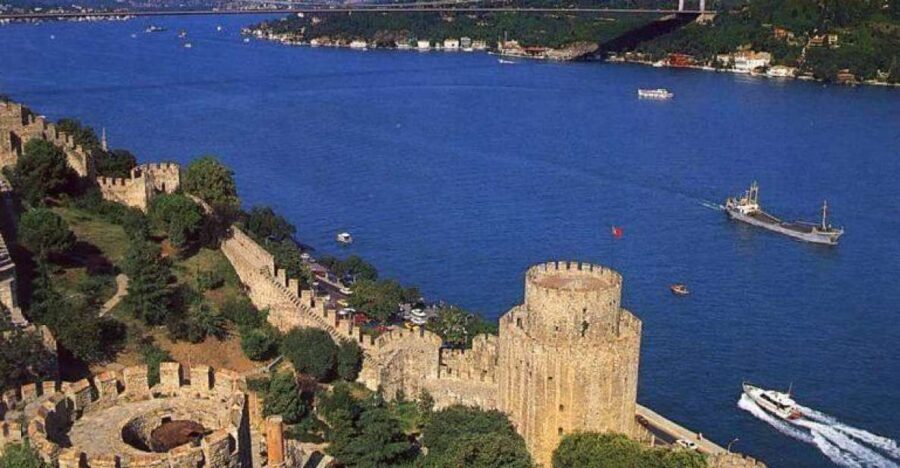
- Golden Horn viewpoints that help you understand Istanbul’s “old vs. new” split
- Bosphorus cruise (1.5 hours) with big-picture water views and easy photo angles
- Balat-area stops tied to Byzantine and non-Muslim community history
- Spice Bazaar browsing with fruit, vegetable, and flower stalls for real sensory color
- Dolmabahçe + Çamlıca Hill (or an alternate plan on Mondays/Thursdays) for sweeping city views
Two continents in 8 hours: what this day is really like
Istanbul has a talent for confusing people at first. Streets curl, ferries crisscross, and suddenly you realize you’ve been living next to history without noticing it. This tour helps you see the map with your own eyes: Golden Horn to Bosphorus to Europe/Asia viewpoints.
The best part is the mix of perspectives. In the morning you focus on the peninsula and neighborhoods tied to Byzantine and early non-Muslim communities. Later, the day pivots to grand Ottoman-era symbols like Dolmabahçe Palace and then high viewpoints like Çamlıca Hill.
But yes, it’s a packed schedule. You’re in a group, on a set route, using air-conditioned transport, and moving on when the clock says so. If you’re the type who likes to linger, you may feel a bit rushed at the markets or photo stops.
You can also read our reviews of more boat tours in Istanbul

Golden Horn morning: Balat lanes, walls, and the story behind the landmarks
The day starts with the historical peninsula views—the kind of scenery that makes Istanbul feel like a layered city, not a single “attraction.” From the Golden Horn direction toward the Bosphorus arm, you’re guided through the logic of the city’s geography: water, hills, and the old neighborhoods that grew up along it.
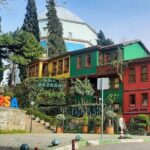
What I like here is that it’s not just “look at a building.” You get a guided walk-and-look approach tied to real places in Balat-area history: residential areas linked to Byzantine Jews, Italian traders, and other non-Muslim minorities. Even if you’ve read about it before, seeing it on foot changes the way it lands.
You’ll also be brought to stops connected to major religious and cultural sites, including the Balat area and its landmarks such as St. Stephen the Bulgarian and a glimpse of life connected to the Jewish Hospital. If you’re interested in how communities changed over centuries, this portion gives you the names and the connections so you can keep thinking after the tour ends.
And then there’s the stop you might not expect to care about until you see it: a stroll along the Byzantine City Walls. It’s one of those stretches that gives you physical scale. You can spot why walls mattered—because the city geography makes defense practical, not theoretical.
Spice Bazaar break: shopping as culture, not just a stop
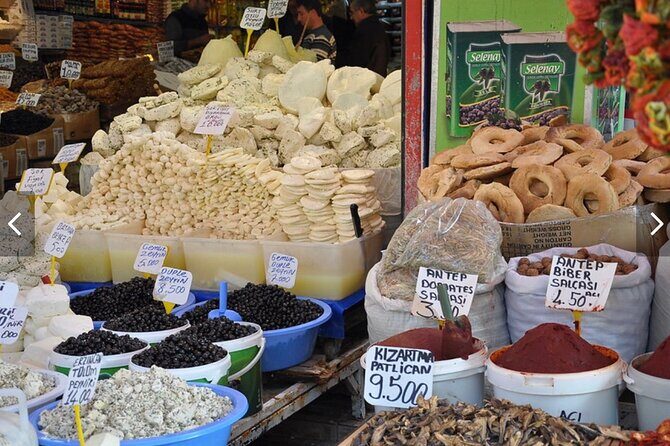
After historic sights, the tour shifts gears with the Spice Bazaar. This is one of my favorite parts of the day because it turns history into everyday life. You’re not just passing through; you’re actually stopping in a place designed for browsing and bargaining energy.
You’ll see fruit, vegetables, and flowers stalls. That detail matters because it’s not souvenir-only browsing. The bazaar atmosphere is louder and more immediate than the palace museums, and it’s a good mental reset after church-and-wall sightseeing.
I’ll add a practical note: this is also where timing can feel short. When the group is moving quickly, you’ll have to choose what you care about—photos, tasting, or a careful look at products. If you want spices to take home, buy with a plan: pick what you’ll actually use back home, and don’t let it turn into a random impulse spree.
The Bosphorus cruise and Rumeli Fortress: the water view that ties it together
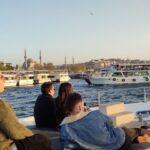
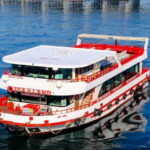
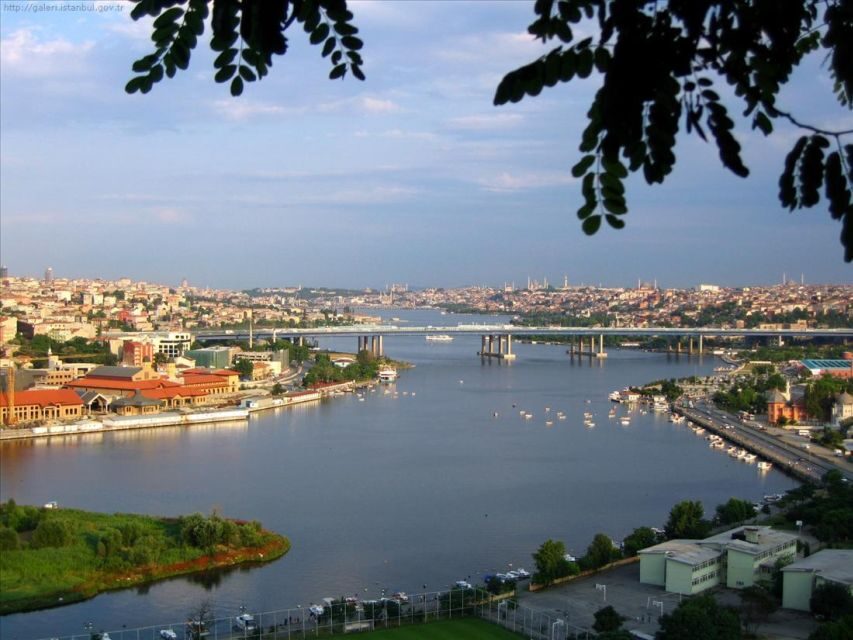
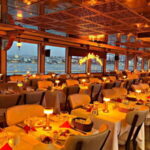
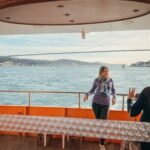
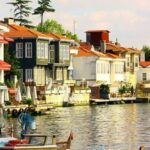
The tour’s centerpiece is the 1.5-hour Bosphorus cruise. On a clear day, it’s the most straightforward way to understand Istanbul. You see palaces, old wooden villas, and the more modern look of luxury residential apartments along the shore. It turns the city into a continuous panorama instead of separate stops.
What makes this portion valuable is how it links everything you saw earlier. Balat and the Golden Horn give you historical context, then the Bosphorus makes the “why” visible. The strait is the reason Istanbul mattered—commercially, strategically, and culturally.
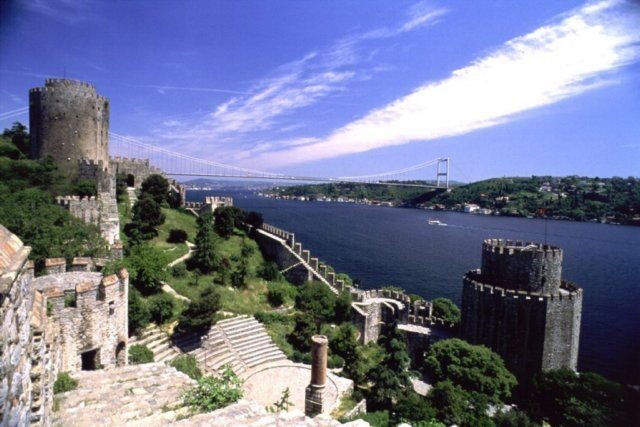
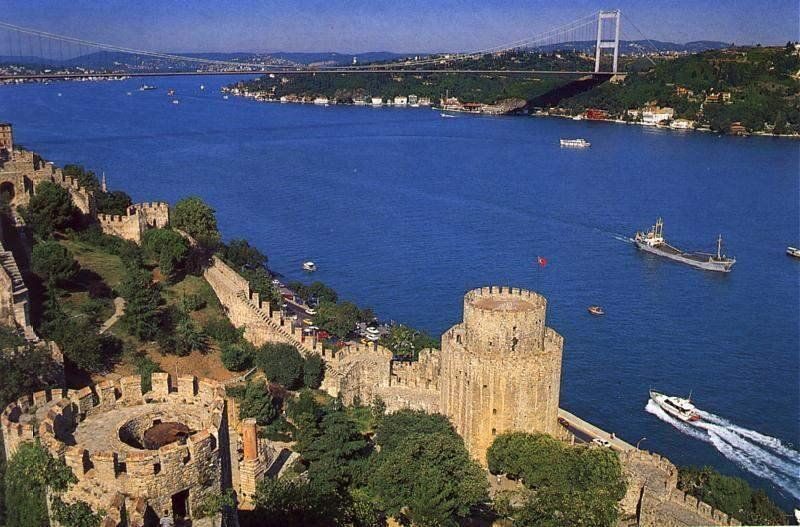
From the boat you’ll also view Rumeli Fortress. The fortress is described as a unique example of military architecture built by the conqueror to control and protect the Bosphorus. Even from a distance, that purpose is easy to understand. It sits where a controlling position would make sense, and the waterway gives it meaning.
If you’re a photographer, go ready. Bring sunglasses, secure your phone, and keep your arms inside when you’re moving around on the deck. Boats are great, but they also punish fumbling.
Lunch + the leather showroom possibility: where the day can feel commercial
Lunch is included, but the tone of lunch depends on where the group gets fed. One thing I’d watch for is the difference between a meal that feels local and a meal that’s simply convenient for a tour schedule. Even when it’s fine food, it may not feel Turkish in the way you expected.
There’s also a mention that, if there’s time, you may visit a leather showroom. This kind of stop is common in tour formats because it’s an easy add-on for a driver or supplier to schedule. If you hate shopping detours, treat it like a question you’ll decide on in the moment: look quickly if you’re curious, and if you’re not, stick with the schedule and don’t get pulled into long conversations.
One more reality check from experience with similar Istanbul days: when a tour is trying to cover many sites, shopping stops can quietly eat your buffer time. If your priority is photos and walking, you’ll feel it.
You can also read our reviews of more tours and experiences in Istanbul

Dolmabahçe Palace, Bosphorus Bridge, and Çamlıca Hill viewpoints
After lunch, the day turns toward the grand Ottoman look and the big skyline moments.
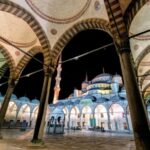
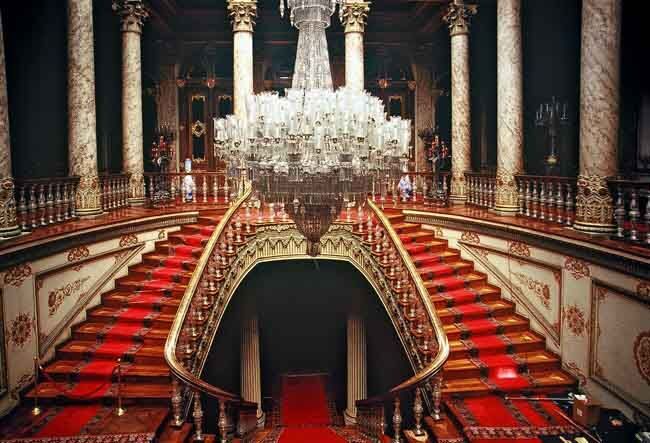
You’ll visit Dolmabahçe Palace, described as the official home of Ottoman Sultans and now a museum site. It’s known for European furniture, art, and antiquities, so the style shift is part of what makes it interesting. You’re not only seeing Ottoman architecture; you’re also seeing how the empire presented itself through European-influenced interiors.
Then you cross the Bosphorus Bridge—a quick but important geography lesson. The bridge doesn’t replace the cruise, but it anchors Europe and Asia in a single modern line you can’t miss.
Finally, you head to Çamlıca Hill, near 300 meters above sea level for panoramic city views. This is the kind of finish that helps your brain file everything in order. You look down, and the neighborhoods, the water, and the density start making sense as one connected Istanbul.
Mondays and Thursdays: what changes when Dolmabahçe is closed
Here’s the key thing to plan around: on Mondays and Thursdays, Dolmabahçe Palace is closed. On those days, the tour makes different stops instead.
The alternate plan includes Eyüp Sultan Mosque and Tomb, a stop at Pierre Loti Coffee House, and Miniatürk Park. That swap matters because it changes both the feel and the pacing. Coffee house time can give you a calmer pause and a view moment, and Miniatürk offers a more condensed “model city” approach.
So if Dolmabahçe is your must-see, book a day other than Monday or Thursday. If you like flexibility and don’t mind seeing different symbols, the swap is still packed with variety.
Price and logistics: whether $177 feels fair for your style
At about $177 per person for an 8-hour guided day, the value depends on what you want most.
You’re paying for:
- Hotel pickup from centrally located hotels (drop-off isn’t included)
- Air-conditioned transport
- Museum entrance fees
- A guided route that links multiple neighborhoods and viewpoints
- A Bosphorus cruise plus lunch
If you’re traveling with limited time, the “do a lot without planning” value is real. You won’t have to coordinate ferry timing or build a route from scratch across districts. Also, the tour notes skip-the-ticket-line, which can save stress at the bigger sites.
But if you hate tight schedules, you may feel the cost more than the benefit. Mixed experiences reported in the real world often come down to timing at pickup, meeting points, and whether the guide keeps the day close to what you expected.
How to have a smoother day (and avoid common trip-hassles)
You can’t control traffic or group speed, but you can control your readiness.
- Wear comfortable shoes. You’ll be walking enough that blisters would ruin your Bosphorus photos.
- Bring your passport or ID card. Turkey-based entry checks can happen fast.
- Bring sunglasses—the water glare on the cruise is real.
- Avoid oversize bags. The tour says no pets, no smoking, and no luggage or large bags.
- After booking, call the local supplier to confirm the exact pickup time and shuttle availability.
One more practical tip: meet-up confusion is usually about last-minute pickup details. Confirm the meeting point and the exact pickup window so you don’t lose that first hour.
Also, remember you’re dealing with a live guide and translations in English, German, or Spanish. If you’re sensitive to language nuance, double-check you booked the language you want.
Who this tour fits best
This is a good match if you:
- Want a guided day that covers Golden Horn + Balat + Spice Bazaar + Bosphorus cruise in one sweep
- Like city viewpoints and want the Çamlıca Hill panorama as a payoff
- Prefer structure when you’re in Istanbul for a short stay
It’s less ideal if you:
- Want lots of free time to wander alone without group pacing
- Need step-free accommodations, since the tour is not suitable for wheelchair users
If you’re a history-and-views traveler, this day hits a sweet spot.
Should you book this tour?
I’d book it if your priority is seeing Istanbul’s geography and major landmarks in a single day, with a guided route and a Bosphorus cruise included. The combination of historical peninsula scenes, a bazaar break, and the later panoramic finishes at Dolmabahçe and Çamlıca Hill is a strong use of time.
I’d reconsider if you’re extremely schedule-sensitive or you expect a perfectly customized day with zero shopping detours. On top of that, remember Dolmabahçe can switch out on Mondays and Thursdays—plan around your must-see.
If you decide to go, do two things: confirm pickup timing by calling the supplier, and set your expectations for a fast-moving, group-paced day. Then you’ll get the best of it.
FAQ
How long is the Bosphorus Boat Cruise & Two Continents tour?
The tour lasts 8 hours.
Is lunch included?
Yes. Lunch is included in the tour.
What parts of the tour include tickets or entrance fees?
Museum entrance fees are included, and the tour notes skip the ticket line.
Does the tour include a Bosphorus cruise?
Yes. You get a 1.5-hour cruise on the Bosphorus.
Where does hotel pickup happen?
Pickup is from centrally located Istanbul hotels. The tour also notes a free shuttle pickup offered between 08:00 and 09:00 (depending on your hotel), and it can take 45 to 60 minutes. Drop-off to hotels is not included.
What should I know about Dolmabahçe Palace days?
On Mondays and Thursdays, Dolmabahçe Palace is closed, so the tour makes three different stops: Eyüp Sultan Mosque and Tomb, Pierre Loti Coffee House, and Miniatürk Park.