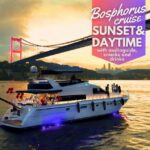
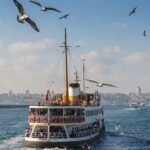
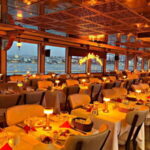
Two hours, and the Bosphorus explains itself. This afternoon cruise is interesting because you’re not just seeing Istanbul from water—you’re getting a guided run of what you’re looking at, from the strait’s geography to Ottoman power displays along the shoreline. I love the luxury yacht feel and the snack-and-tea setup that turns a sightseeing spin into a proper break. One drawback: it’s not for you if you get seasick or have vertigo, since you’ll be on the water the whole time.
The plan is simple and efficient: meet at 1:00 pm in Beyoğlu, ride out with a small group (up to 30), then return to the same meeting point. The tour is offered in English and backed by a professional licensed guide—plus one review specifically thanked Shah and the team for the service and pacing.
In This Review
- Key Highlights You’ll Care About
- Price and Logistics: What You’re Really Paying For
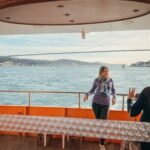
- Your “Afternoon Reset”: Timing, Group Size, and Pace
- The Bosphorus Strait: The “Why” Behind Every View
- Dolmabahçe Palace From the Water: Ottoman Power Up Close
- Çırağan Palace: Marble Splendor and Prison-Past Drama
- Ortaköy: The Neighborhood Between Views and Cafés
- The Bosphorus Bridge: A Landmark You See in Full Scale
- Bebek: Old Charm, University Presence, and a Nice Stretch of Shore
- Rumeli Hisarı Fortress: Built Fast, Used Strategically
- Fatih Sultan Mehmet Bridge: Modern Engineering in the Istanbul Skyline
- Anadolu Hisarı: Outer Walls and the City Passing Through
- Küçüksu Pavilion: Ottoman Summer Pleasure and Hunting Lodge
- Beylerbeyi Palace: Baroque, Renaissance Mix, and Gardens You Can’t See Fully
- Galata Tower and Galata Bridge: A Different Istanbul View From the Water
- Maiden’s Tower: Legend Meets the Skyline
- Snacks and Drinks: Why the Included Treat Matters
- Who This Cruise Is For (and Who Should Skip It)
- Should You Book Bosphorus on a Luxury Yacht?
- FAQ
- What time does the Bosphorus afternoon cruise start?
- How long is the cruise?
- How much does it cost?
- Is the tour in English?
- What is included in the price?
- Are alcoholic beverages included?
- How many people are on the boat?
- Where does the tour start and end?
- Is a mobile ticket used?
- Who should avoid this tour?
- What if the weather is bad?
- Can I cancel for a full refund?
Key Highlights You’ll Care About
- Luxury yacht vibes without the full-day time sink: 2 hours is just enough to see the Bosphorus rhythm.
- Snack value that actually feels like a treat: tea, lemonade, water, fruit, cookies, and baklava are included.
- A guide who connects the dots: you’ll hear why the strait mattered and how Ottoman sites fit together.
- High-photo landmarks, low-stress format: bridges, palaces, fortresses, and famous towers are framed from the water.
- Small group size (max 30): easier listening and a calmer boat experience.
- Seasonal reality check: the experience depends on good weather, and they adjust if conditions are rough.
Price and Logistics: What You’re Really Paying For
At $35.39 per person for about 2 hours, this isn’t a budget “walk-and-stand” tour. You’re paying for a guided luxury yacht cruise with included refreshments and a structured route through some of Istanbul’s most recognizable waterways-and-monuments views.
What makes the price feel fair is the combo: a licensed guide, English service, and food/drinks that keep you comfortable. You also get a guided rhythm that matters in Istanbul. If you’ve ever tried to piece the Bosphorus together on your own, you know how quickly you can lose the thread. Here, the guide helps you connect what you see—bridges, palaces, and fortresses—to why they were built where they were.
Logistics are also straightforward: the tour starts at 1:00 pm and ends back at the meeting point. There’s a mobile ticket, and the meeting area is near public transportation, which helps if you’re staying anywhere on the European side. Also, keep it in mind that the boat experience is not recommended if you’re prone to seasickness or vertigo.
You can also read our reviews of more boat tours in Istanbul

Your “Afternoon Reset”: Timing, Group Size, and Pace
This is designed for a comfortable second half of the day. With a 1:00 pm start and roughly 2 hours on the water, you can fit it between museum time, dinner plans, or a long lunch.
The group limit of up to 30 people is a big deal. You’ll usually spend your time looking out at the Bosphorus, not fighting for space in a crowded line. That smaller size also makes it easier to hear the guide’s explanations—especially when the story shifts from geography to architecture to Ottoman intrigue.
If you’re the type who likes to move at a human pace, this works well. You get the big visual hits plus enough context to make those hits mean something.
The Bosphorus Strait: The “Why” Behind Every View
The Bosphorus is the point where the Sea of Marmara connects to the Black Sea. It stretches roughly northeast to southwest and forms the divider between Istanbul’s European Side and Anatolian Side. It’s also an international waterway—so it’s not only a scenic corridor; it’s an active passage of water and ships.
Here’s what I like about how the guide frames this section: the strait’s behavior is part of the story. You learn that there are currents flowing from the Black Sea to the Marmara near the surface, while currents move the other way underwater. Even counter currents can show up. That’s the kind of detail that makes the water feel alive instead of just pretty.
You also get a sense of scale: about 30 kilometers long, around 60 meters average depth, and up to 120 meters at the deepest point. The width varies depending on where you are—at its widest, roughly 3,500 meters. Standing on shore, those numbers can feel abstract. From the water, they click.
This is where the cruise earns its keep. Once you understand what the Bosphorus is doing, every palace frontage and fortress line you see next starts to feel like it has a strategic reason.
Dolmabahçe Palace From the Water: Ottoman Power Up Close
Dolmabahçe Palace sits in Beşiktaş, on a large 250,000 m² area, between Dolmabahçe Street (running from Kabataş to Beşiktaş) and the Bosphorus. The guide positions it as a left-bank landmark at the entrance from the Sea of Marmara, opposite Üsküdar and Kuzguncuk.
What’s special from a cruise perspective is that you’re seeing the palace in its natural setting: the shoreline and water that helped make it a statement. Dolmabahçe used to be a cove where ships anchored in ancient times, and then it became the sultanate’s favored residence. That change—from practical anchorage to imperial stage—hits harder when you can see how the waterfront sits right next to the city.
A practical note: a cruise doesn’t replace palace interiors. If you want to walk through rooms, you’ll need separate museum/palace tickets. But as an exterior lesson in Ottoman presence along the water, it’s excellent.
Çırağan Palace: Marble Splendor and Prison-Past Drama
Çırağan Palace was commissioned by Sultan Abdulaziz and designed by Sarkis Balyan. Construction finished in 1871. The palace is made of marble and spread across about 80,000 square meters.
The story gets darker and more human from there. After Abdulaziz was deposed, he was imprisoned there with his family. Later, after Murat V was deposed, he was also imprisoned at Çırağan for years with his family. After that, the site shifted roles again: in 1908 it was used as the House of Parliament, then a fire damaged it in 1910. The grounds later became part of the Besiktas Sports Club and were used as Seref Stadium before the palace was restored in the early 1990s and reopened as a luxury hotel.
From the boat, you’re mainly absorbing the exterior and the setting, but the guide’s framing makes it more than a pretty façade. It’s a reminder that Istanbul’s grand architecture often carried real consequences.
If you’re the kind of person who likes your sightseeing layered, this is one of the stops that lands.
You can also read our reviews of more guided tours in Istanbul


Ortaköy: The Neighborhood Between Views and Cafés
Ortaköy is on the European side, in Beşiktaş. The cruise route passes through the area, and the guide highlights how this district functions day-to-day. Ortaköy Bazaar is described as lively throughout the day, with an “intellectual market,” souvenir shops, and lots of cafés and bars inside the bazaar.
One timing detail I found useful: the market movement starts after 10:00 am. Since your cruise is in the afternoon, you’re arriving when the energy is already established, even if you’re not doing a long walk from the boat.
Again, this isn’t a bazaar tour with a deep shopping time block. It’s more about getting the feel of the area’s vibe from the water and then deciding later if you want to hop off for dinner or snacks on your own.
The Bosphorus Bridge: A Landmark You See in Full Scale
The feet of the Bosphorus Bridge are located in Ortaköy (European side) and Beylerbeyi (Anatolian side). The bridge is part of Istanbul’s iconic pairing with the later Fatih Sultan Mehmet Bridge, plus the ferries that keep the city connected.
What I like here is that the guide gives you the timeline: the idea of building a bridge was old, construction began in 1970, and it opened on October 29, 1973—the 50th anniversary of the Republic. From the boat, that history helps you understand why the bridge feels like a modern statement in a city that loves older layers.
You also learn it’s a major symbol of Istanbul and a transportation link with constant activity. The guide notes it’s also a crossing point for the Istanbul Eurasia Marathon. Even if you’re not running it, it gives you a sense of how central this bridge has become to everyday movement.
Bebek: Old Charm, University Presence, and a Nice Stretch of Shore
Bebek is a historic neighborhood on the European shore of the Bosphorus, surrounded by Arnavutkoy, Etiler, and Rumeli Hisarı. The name translates to baby, tied to the neighborhood’s attractive position along the Bosphorus.
This stop matters because Bebek represents a different side of Bosphorus life: residential character and waterside elegance, not only monuments. The guide points out historic buildings like Bogazici University and waterside mansions. There are also fancy restaurants, so the area tends to feel polished.
From a cruise, you’re not going to experience Bebek the way you would with a stroll. But you will get a clear visual sense of the “shoreline identity” Istanbul is famous for—how the city keeps decorating itself right at the edge of the water.
Rumeli Hisarı Fortress: Built Fast, Used Strategically
Rumeli Fortress (Rumeli Hisarı) sits in Sariyer on the European side, constructed directly across from Anadolu Hisari. Construction began in 1453 by order of Sultan Mehmet the Conqueror, placed at the narrowest point of the Bosphorus. The fort was completed in three months—fast enough to feel engineered for a specific moment.
Before the conquest of Istanbul, it protected against naval attacks. After conquest, it served as an inspection point for maritime traffic on the Bosphorus. That’s a key theme: the Bosphorus wasn’t just a view corridor; it was controlled and monitored.
Today, the fortress grounds connect to culture. After restoration work in 1953 removed small wooden houses, Rumeli Hisarı became known for summer concerts. It now serves as an open-air theater and museum.
From the water, fortress walls look different than from street level. You get a stronger sense of the defensive positioning—how the walls relate to the choke point.
Fatih Sultan Mehmet Bridge: Modern Engineering in the Istanbul Skyline
The Fatih Sultan Mehmet Bridge spans the Bosphorus between Kavacik and Hisarustu. Construction began in 1986 and the bridge opened on July 3, 1988. The guide notes it’s the 14th largest steel suspension bridge in the world.
The bridge carries a significant portion of Istanbul’s trans-Bosphorus traffic, sharing the job with ferries and the Bosphorus Bridge. From your seat on the yacht, it becomes part of the skyline picture that Istanbul does so well: old shoreline, then modern steel, all in one frame.
If you’re a photo person, this is one of the easier moments to capture scale because you’re moving past the view instead of trying to hold still on a street.
Anadolu Hisarı: Outer Walls and the City Passing Through
Anadolu Hisarı is on the Asian side in Beykoz at the narrowest point of the Bosphorus. It was built in 1395 by Beyazit I. The structure includes a citadel and exterior castle walls.
After the conquest, its strategic importance declined. The area became a military hospital over time, and settlement grew around the castle. Today, waterfront houses and old mansions are dispersed among the ruins. Restoration work lasted from 1991 to 1993, and afterward it became a museum, though the guide’s notes say it’s not open to the public. What you can visit is described as the outer walls, and the road passes right through the site.
This stop is a good reminder that Istanbul’s “historic” places are often not isolated. They exist in active city life, with roads and neighborhoods around them. From the boat, you get a sense of how the fort and the modern shoreline share the same space.
Küçüksu Pavilion: Ottoman Summer Pleasure and Hunting Lodge
The cruise also points out the Küçüksu Pavilion museum. The guide shares that Ottoman emperors used it as a summer palace and a hunting lodge.
This is the kind of stop that helps you understand Ottoman leisure was still tied to power. The Bosphorus was a natural setting for escapes, and the palaces and pavilions along it were designed to take advantage of that.
If you’re the type who likes stories with atmosphere, this stop usually feels like a small but meaningful scene change from the fort-and-bridge segments.
Beylerbeyi Palace: Baroque, Renaissance Mix, and Gardens You Can’t See Fully
Beylerbeyi Palace is an Ottoman summer palace complex built in the 1860s on the shores of the Bosphorus and located right under the Bosphorus bridge. It was designed by Sarkis Balyan, the same architect associated with Çırağan Palace.
Stylistically, the guide describes it as combining elements of renaissance and baroque with other influences from both East and West. The main building is two-storey stone construction on a high basement, set on about 2,500 square meters. The palace includes six halls, 24 rooms, plus a hamam and bathroom across two stores. The south side is described as Imperial Mabeyn, while the north side is the Valide Sultan’s Apartment.
Even more, it’s known for the lily pond and large garden. From a cruise, you’ll likely only catch parts of the palace setting. Still, hearing about gardens and pond features changes what you’re looking at—suddenly the shoreline becomes a designed space, not just a backdrop.
Galata Tower and Galata Bridge: A Different Istanbul View From the Water
The itinerary also includes views connected to Galata Tower and Galata Bridge.
Galata Tower is described as a nine-story tower built by Genoese in 1348, reaching 66.90 meters. It used to serve different roles in the Ottoman era, including a fire observatory and a jail. One of the most striking stories tied to it is from 1632: Hezarfen Ahmet Celebi glided from the top of Galata Tower across the Bosphorus to Üsküdar with self-constructed wings. After a storm in 1875 destroyed the conic roof, it wasn’t restored during the Ottoman era, but later restoration in the 1960s brought back the cap and replaced the wooden interior with concrete. Today, it’s open to the public and has a restaurant and café on its upper floor, and it’s positioned as a strong panoramic viewing spot.
Then comes Galata Bridge (Galata Koprusu), spanning the Golden Horn. The guide notes its history begins in 1845, and that the bridge has changed over time. It was damaged by fire in 1992, and a new bridge was built, while the beloved old bridge was moved to Halic. The guide also explains why the bridge is alive day-to-day: restaurants, cafés, and hookah lounges below, plus tramway and pedestrian traffic above. It’s also framed as a great evening picture spot.
Even though you’re not going there on foot during the cruise, these landmarks matter because Istanbul is really three waters, three stories, all woven together.
Maiden’s Tower: Legend Meets the Skyline
Maiden’s Tower (Kız Kulesi) is one of the most distinctive Bosphorus features, built on a tiny island about 200 meters from the shore of Üsküdar.
The guide tells the legend of a sultan and his daughter. An oracle prophesied she would be killed by a snake bite on her 18th birthday. The sultan built the tower in the Bosphorus to keep her safe in secrecy. On her 18th birthday, he brought her a basket of fruits as a gift. A hidden snake in the basket bites her, and she dies in his arms—exactly as foretold.
Standing on a shoreline, the tower is already dramatic. From the water, it turns into a moving target in the best way. You also get to place it with the rest of the Bosphorus skyline in your head, so later, if you walk nearby, you’ll recognize the geometry of the view.
Snacks and Drinks: Why the Included Treat Matters
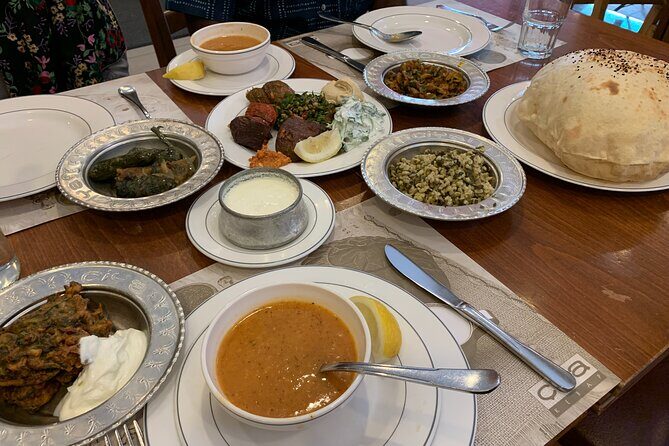
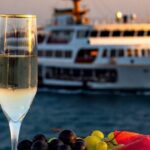
This cruise includes snacks and refreshments: cookies, baklava, Turkish tea, lemonade, fruit plates, and water. That’s more than a token snack. It makes a 2-hour cruise feel like a complete experience instead of just transportation with views.
I also like that tea is included. Istanbul afternoons get warm, and tea fits the whole day rhythm. Lemonade and fruit help if you want something lighter than sugary sweets. Baklava is there for the classic reason: it’s easy to enjoy without fuss while you’re watching the shoreline slide past.
Also: alcoholic beverages are not included. The notes mention a minimum drinking age of 18 and above, but since alcohol isn’t part of the package, you won’t feel like you missed something if you’d rather keep it non-alcoholic.
Who This Cruise Is For (and Who Should Skip It)
This fits best if you:
- Want big Bosphorus views without doing a full day of back-and-forth.
- Like your sightseeing guided, with context as you go.
- Prefer a small group (max 30) and a comfortable boat experience.
- Appreciate included snacks and a simple afternoon plan.
Skip it if:
- You’re prone to seasickness (the tour isn’t recommended for that).
- You have vertigo (also not recommended).
- You need museum interior time. This is primarily a cruise with views, not a ticketed walking tour through multiple interiors.
If it’s your first time in Istanbul, this is a smart way to get your bearings fast. The Bosphorus becomes a map in your mind instead of a line on the brochure.
Should You Book Bosphorus on a Luxury Yacht?
Yes, I’d book it if you want a focused afternoon that hits major sights with less effort than piecing together routes on your own. The value is strong at $35.39 because you’re getting a licensed guide, English service, a small-group experience, and real included food like tea and baklava.
The only real caution is comfort on the water. If you’re sensitive to motion, don’t gamble. If you handle boats fine, this is the kind of cruise that turns Istanbul into something you can understand, not just something you pass by.
FAQ
What time does the Bosphorus afternoon cruise start?
It starts at 1:00 pm.
How long is the cruise?
It lasts about 2 hours.
How much does it cost?
It costs $35.39 per person.
Is the tour in English?
Yes, it is offered in English.
What is included in the price?
A professional licensed tour guide, plus snacks such as cookies and baklava, Turkish tea, lemonade, fruit plates, and water.
Are alcoholic beverages included?
No, alcoholic beverages are not included. The minimum drinking age is listed as 18 and above.
How many people are on the boat?
The tour has a maximum of 30 travelers.
Where does the tour start and end?
It starts at Türkiye Petrolleri Ömer Avni, Meclis-i Mebusan Cd. No:34, 34427 Beyoğlu/Istanbul, Turkey, and ends back at the meeting point.
Is a mobile ticket used?
Yes, it includes a mobile ticket.
Who should avoid this tour?
It is not recommended for people who have vertigo or who are prone to seasickness.
What if the weather is bad?
The experience requires good weather. If it’s canceled due to poor weather, you’ll be offered a different date or a full refund.
Can I cancel for a full refund?
Yes. You can cancel up to 24 hours in advance for a full refund. If you cancel less than 24 hours before the start time, it won’t be refunded.