REVIEW · ISTANBUL
Bosphorus Sightseeing Cruise Tour with Audio Guide
Book on Viator →Operated by SeaLand Trip Bosphorus Cruise · Bookable on Viator
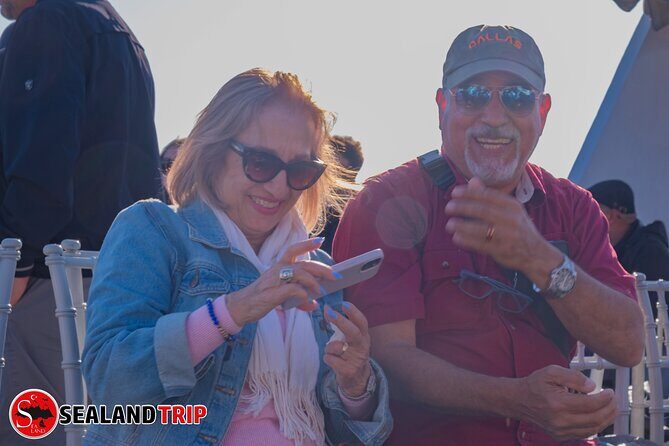
Two hours on the Bosphorus feels like Istanbul’s greatest hits. You sail between Europe and Asia while the skyline slides by: palaces, fortresses, bridges, and the iconic entrance tower at Kız Kulesi (Maiden’s Tower). I like that the cruise keeps it easy, with unlimited Turkish tea and Nescafé onboard so you can sip, relax, and stay present.
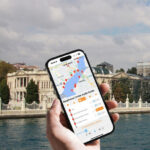
What makes this one especially useful is the smartphone audio guide (no app download). Explanations are available in English plus 10 other languages, and they’re designed to match the landmarks as you pass them, which is handy when the boat is moving and you’re snapping photos.
One thing to plan for: the narration you hear over the boat speakers can be hard to catch in real-world conditions like wind, crowding, or engine noise. Bring your own headphones and make sure your phone battery is fully charged so you can switch to the audio guide if needed.
In This Review
- Quick reasons to go
- Bosphorus in 2 Hours: the Istanbul skyline you can actually digest
- Finding the best deck: front seats, left side angles, and crowd reality
- The smartphone audio guide: how to make it work when the wind wins
- European shore highlights: from Galata to the palaces edge
- Galata Bridge and the Golden Horn feel
- Galata Tower: Genoese watchtower energy
- Hagia Sophia: huge dome, changing role
- Topkapi Palace: palace courtyards from the waterline
- Dolmabahçe Mosque and palace surroundings
- Çırağan Palace and sports flavor near Beşiktaş
- Ortaköy, Kuruçeşme, and Arnavutköy: cafés to old houses
- The bridge moment: crossing the Bosphorus skyline
- Asian shore highlights: fortresses, summer pavilions, and the Maiden’s Tower effect
- Rumeli Hisarı and the start of fortress views
- Anadoluhisarı: the sister fortress viewpoint
- Üsküdar, Kuzguncuk, and the residential rhythm
- Küçüksu Pavilion and the idea of imperial leisure
- Küçüksu to Beylerbeyi: Ottoman palaces along the waterline
- Istanbul Yalı: the mansions that define the shore
- Maiden’s Tower: the iconic punctuation mark
- Time your cruise right: daylight vs sunset and what changes
- Price and value: what you’re paying for at $12-ish
- Practicalities that can make or break your experience
- Wi‑Fi and using your phone
- Restrooms and comfort
- Crowds and finding outside deck space
- Board smart: headphones solve more problems than you’d expect
- Should you book this Bosphorus cruise?
- FAQ
- How long is the Bosphorus Sightseeing Cruise?
- Is the audio guide included, and do I need an app?
- What do I need to use the audio guide?
- What refreshments are included?
- Is there Wi‑Fi on the boat?
- Where does the cruise start and end?
Quick reasons to go
- Unlimited Turkish tea and Nescafé keep the cruise feeling like more than just transportation.
- 11-language audio via smartphone helps you follow the route without needing to crowd around a live host.
- Two-shore route: you’ll see major waterfront landmarks and both fortress areas on the way.
- Seat choice matters: the upper deck can be crowded, and engine noise is a reason to favor the front for clearer sound.
- A modern port stop at Galataport (Galata Cruise Port) gives you a sharp contrast to the historic shoreline.
- You get perspective fast: even if you do only a few sights on land, this cruise helps you understand where everything sits.
Bosphorus in 2 Hours: the Istanbul skyline you can actually digest
This cruise is built for people who want the big picture without committing to a full day on the streets. You get water-level views of the Bosphorus strait, which is the watery spine of Istanbul. From the deck, you can spot the way neighborhoods line the coastline, how the palaces sit right on the shore, and why the bridges feel like instant landmarks instead of far-away trivia.
Timing matters, too. A two-hour window is long enough to notice details like tower profiles and domes, but short enough that you still feel fresh for dinner or a museum stop afterward. If you’re arriving late or trying to shake off jet lag, this is the kind of outing that feels like a reset.
The boat experience is also part of the value story. You’re not just looking at Istanbul; you’re moving along it. That movement changes your perspective every few minutes, especially when you pass points like Ortaköy and Kuruçeşme, where the waterfront is packed with cafés and sea-facing buildings.
You can also read our reviews of more boat tours in Istanbul
Finding the best deck: front seats, left side angles, and crowd reality
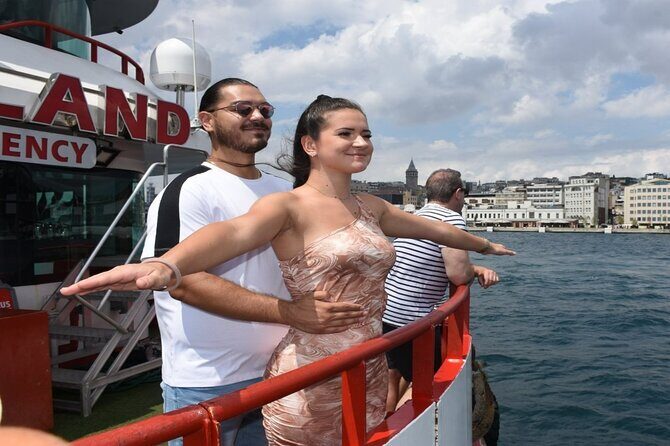
Let’s talk practical comfort, because the Bosphorus cruise is short on time and long on views, so where you sit can change what you notice.
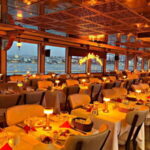
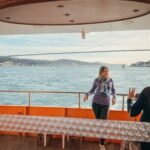
First, the upper deck is where many people want to be—better sightlines and a more open feeling. But if you’re sensitive to sound, crowding, or engine noise, you’ll want to bias toward the front of the boat. Reviews repeatedly call out that the farther back you sit, the harder the on-deck speaker narration can be because engines are louder and sound doesn’t travel well.
Second, if you care about angles, consider the left-hand side strategy. One tip that came up clearly: the left side can give you better views of certain landmark areas as you head back, including darker-looking stretches near major sights like Hagia Sophia in twilight conditions. That doesn’t mean the right side is useless—it just means you may get slightly better framing for some highlights.
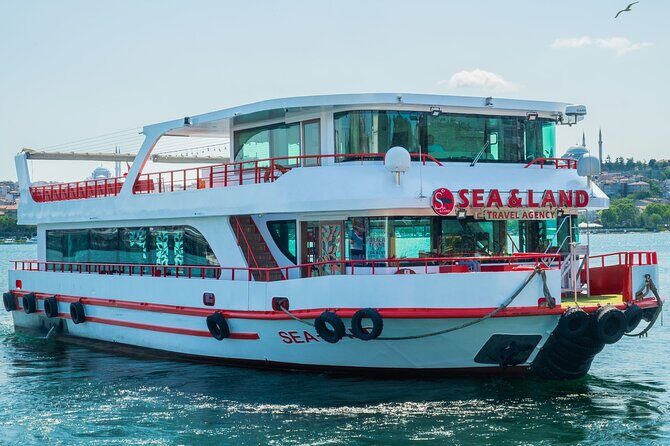
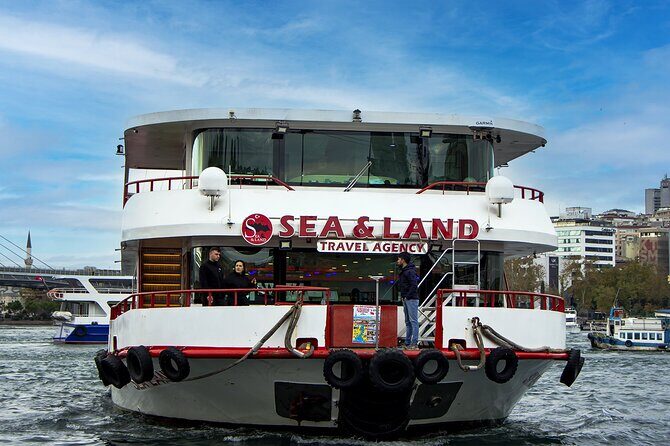
Third, expect the boat to fill up during peak times. Even though the operator limits size to a maximum of 250 travelers, peak hours can still feel busy on the top deck. The good news: seats tend to be available on the lower deck as well. If the upper deck is packed, dropping down is usually the fastest fix.
And if stairs are an issue for you, plan ahead. There can be stairs between levels, and boarding involves stepping onto the boat via stairs. In that case, it’s smart to ask staff where you can sit comfortably and still use the smartphone audio guide if onboard sound is annoying.
The smartphone audio guide: how to make it work when the wind wins
This is the big differentiator—and it’s also where you can avoid disappointment.
The cruise provides a multilingual audio guide in 11 languages, delivered primarily through a smartphone website (no app download). Live loudspeaker announcements are limited mainly to general information and safety messages, not full historical narration.
To use the guide, you need:
- your own headphones
- a fully charged smartphone
- to access the audio guide website (instructions are posted on the boat)
This matters because wind and crowd noise can swallow the onboard speakers. Even when the speaker system is working, open-deck conditions can make it difficult to hear clearly. Using your phone audio cuts through that. It’s also more controllable: you’re not relying on timing when you’re busy looking through your camera lens.
One more practical note from real-world behavior: don’t wait until the middle of the trip to figure things out. Start early, get the audio running, and give GPS a minute to lock on so it can match landmarks as you pass them. Some people feel confused if they don’t know where they are in the audio flow—starting sooner prevents that.
European shore highlights: from Galata to the palaces edge
Your cruise typically kicks off from the Eminönü area near the old city waterfront, then moves along the Golden Horn and out toward the Bosphorus proper. Even if you’ve never mapped Istanbul before, you start to recognize the coastline like a picture that finally clicks.
Galata Bridge and the Golden Horn feel
You’ll see Galata Bridge linking historic and modern districts over the Golden Horn. It’s known for two layers of activity: seafood restaurants underneath and fishermen up top. From the water, the bridge becomes a moving viewpoint—part architecture, part neighborhood life.
You can also read our reviews of more guided tours in Istanbul


Galata Tower: Genoese watchtower energy
Next is the Galata Tower, built in 1348 by the Genoese and standing about 67 meters tall. It was originally a watchtower, and it’s tied to the legend of Hezarfen Ahmed Çelebi’s flight. On the cruise, you don’t just see height—you see how it anchors the shoreline visually.
Hagia Sophia: huge dome, changing role
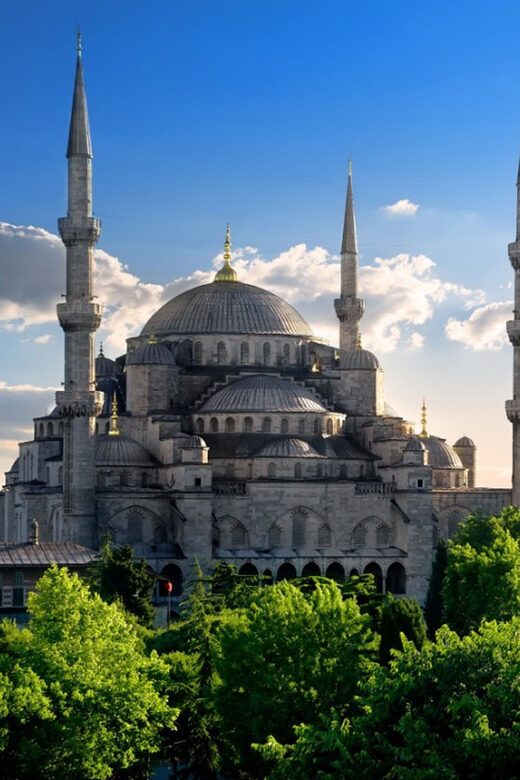
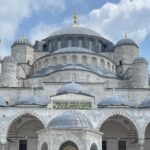
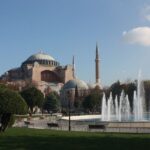
When Hagia Sophia appears in view, you get one of Istanbul’s most dramatic silhouettes: the massive dome and the look of mosaics from a distance. Historically it started as a Byzantine cathedral, then became an Ottoman mosque, and is now a mosque again. The cruise won’t replace a close visit, but it does show you scale and placement.
Topkapi Palace: palace courtyards from the waterline
From the Bosphorus perspective, Topkapi Palace feels like a crown perched above the strait. It was the grand residence of Ottoman sultans for nearly 400 years and holds royal treasures and sacred relics. On the deck, you mainly get exterior and skyline impressions—think orientation more than inside-the-rooms details.
Dolmabahçe Mosque and palace surroundings
As you pass toward the Dolmabahçe area, you’ll catch views near Dolmabahçe Mosque, completed in 1855. Its design blends Ottoman mosque architecture with Western influences. Nearby, the larger Dolmabahçe Palace dominates the waterfront scene, serving as the Ottoman Empire’s administrative center from 1856 to 1922. If you like architecture, this is where you’ll start noticing European-style details showing up alongside classic Ottoman elements.
Çırağan Palace and sports flavor near Beşiktaş
You’ll also spot Çırağan Palace along the water. It began as an Ottoman imperial palace in the 19th century, which helps explain why this stretch looks so ceremonial even from a distance.
A bit further along, Beşiktaş Stadium, officially Vodafone Park, adds a different mood. It’s the home of Beşiktaş J.K. Seeing a major sports venue from the Bosphorus side reminds you this is a living city, not a museum postcard.
Ortaköy, Kuruçeşme, and Arnavutköy: cafés to old houses
As the shoreline continues, the cruise passes by neighborhoods known for their sea-facing culture:
- Ortaköy: cafés and art galleries with Bosphorus views.
- Kuruçeşme: upscale dining lines along the waterfront.
- Arnavutköy: narrow streets and old wooden houses with traditional Ottoman architecture, keeping a more village-like feel close to the center.
These aren’t landmarks you climb or tour from the boat. They’re the texture of the city—small-scale life stitched along the water.
The bridge moment: crossing the Bosphorus skyline
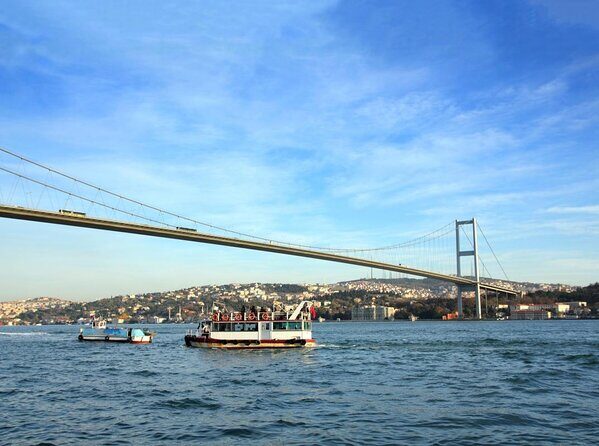
At some point you’ll see the Bosphorus Bridge (15 July Martyrs Bridge). Later you may also pass the Fatih Sultan Mehmet Bridge (Second Bosphorus Bridge). Bridges on a cruise work differently than bridges on land: they become framing devices that cut the city into layers, showing you how the European and Asian sides relate.
Asian shore highlights: fortresses, summer pavilions, and the Maiden’s Tower effect
The second half of the cruise is where many people feel the route broaden. The Asian shoreline has a slightly different pace—more forts, more waterfront residences, and more “layers” of hills and coastline.
Rumeli Hisarı and the start of fortress views
Before you fully commit to the Asian-side arc, you’ll pass Rumeli Fortress, also called Rumeli Hisarı. Fortress views from the Bosphorus are effective because you can see their strategic position: they look like they were built to watch ships move through the strait.
Anadoluhisarı: the sister fortress viewpoint
On the opposite side, you’ll see Anadoluhisarı (Anatolian Fortress). These paired fortresses give you a quick lesson in why the Bosphorus mattered so much historically. Even if your phone audio is doing most of the talking, your eyes do the rest: you’ll understand the geography more easily than reading it.
Üsküdar, Kuzguncuk, and the residential rhythm
You may pass by Üsküdar and Kuzguncuk, both historic neighborhoods on the Asian side. From the deck, they read as residential coastline with strong neighborhood identity rather than “monument zones.”
Küçüksu Pavilion and the idea of imperial leisure
Near the water you can also catch the Küçüksu Pavilion, a charming Ottoman-era palace built in the 19th century by Sultan Abdulmecid I. It served as a summer retreat, and that detail makes the architecture feel more human. This isn’t only about power; it’s about seasonal life.
Küçüksu to Beylerbeyi: Ottoman palaces along the waterline
Another highlight on the Asian side is Beylerbeyi Palace. It’s a beautiful Ottoman-era palace directly on the Bosphorus, and it pairs nicely with the European palaces you saw earlier. Seeing both shores’ palace architecture from one moving platform makes the Ottoman waterfront feel like one continuous story.
Istanbul Yalı: the mansions that define the shore
You’ll also see the term İstanbul Yalı—historic waterfront mansions lining the Bosphorus. Even if you don’t stop on land, these mansions show why the coastline became so prestigious.
Maiden’s Tower: the iconic punctuation mark
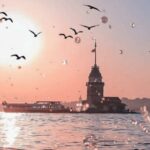
Then comes the moment many people came for: Maiden’s Tower (Kız Kulesi) at the entrance of the Bosphorus. It’s a small historic tower sitting on a tiny islet, and from the boat it looks like a floating comma in the sentence of Istanbul. This stop is hard to forget because it’s visually distinct and tightly framed by water on all sides.
Time your cruise right: daylight vs sunset and what changes
If you have flexibility, timing affects mood a lot. A common recommendation from people who do the cruise around sunset is that you’ll get both daylight orientation and nighttime atmosphere. In daylight, you spot domes, towers, and palaces cleanly. At night, lights turn the waterfront into a moving postcard, especially around major shoreline areas where reflections stretch across the water.
Even without a strict schedule, you can use a simple strategy: plan your photos for the moments when landmarks are most frontal to the boat rather than when they’re behind railings. And remember sound can shift with wind. If speakers are struggling, prioritize the smartphone audio guide and keep enjoying the view.
Price and value: what you’re paying for at $12-ish
At around $12.07 per person for a roughly 2-hour cruise, the value is mainly in three things:
- you get a long slice of coastline without navigating traffic
- you see major landmark groups in one shot (palaces, towers, fortresses, bridges)
- you get free tea and Nescafé so you can settle in instead of feeling nickel-and-dimed
This is not a private yacht. It’s also not an all-in-one guided lecture with a live host narrating every minute from a professional microphone. Instead, it’s closer to a scenic ride with smart support: the audio guide does the heavy explanation lift when you’re ready.
So who gets the best match? If you want a practical orientation of where Istanbul’s big sights sit relative to each other, this cruise is a strong buy. If you want very detailed, in-depth commentary delivered flawlessly via boat speakers, you may feel underwhelmed unless you rely fully on the smartphone audio guide.
Practicalities that can make or break your experience
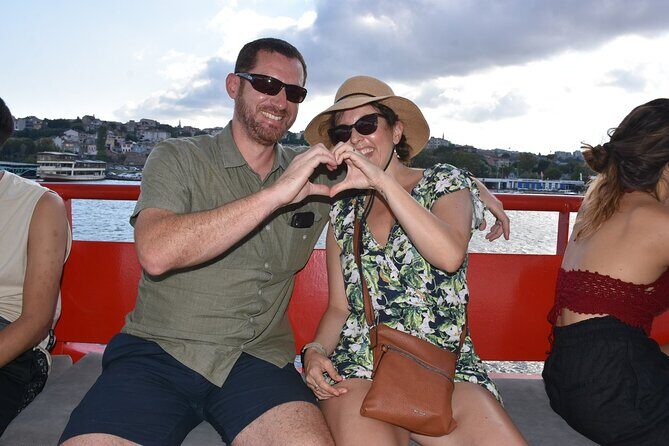
Let’s keep it real about the onboard setup.
Wi‑Fi and using your phone
The tour lists Wi‑Fi on board, but signals can be inconsistent in open areas. If your plan depends on the internet working perfectly, don’t assume it will. Your safer fallback is having the audio guide working on your phone with a stable connection when you’re in range.
Restrooms and comfort
There is a restroom on board. Based on experience shared by others, restroom quality may vary, and some people found it unpleasant. Bring the mindset that this is a boat amenity, not a spa.
Crowds and finding outside deck space
Even with a 250-traveler cap, peak times can feel packed. Upper deck space can be limited, so arrive ready to adapt: choose a view-first strategy, then use the lower deck seating if standing outside is hard.
Board smart: headphones solve more problems than you’d expect
When the audio is limited over speakers, headphones become your best tool. They’re cheap insurance against wind noise and engine rumble. Also, keep your phone charged because the audio guide relies on you.
Should you book this Bosphorus cruise?
Book it if you want:
- an affordable way to see both sides of the Bosphorus in one outing
- quick orientation to major areas like Dolmabahçe, Beylerbeyi, and the Maiden’s Tower zone
- the option to use an 11-language smartphone audio guide when boat speakers aren’t enough
Skip it or consider another style if you:
- expect a lively, speaker-led narration all the way through with perfect volume
- don’t want to handle headphones and a charged phone
- need a very spacious, quiet boat experience
If you’re flexible and you come prepared with headphones and phone battery, this cruise is one of the easiest ways to understand Istanbul’s geography fast—without spending your whole day in transit.
FAQ
How long is the Bosphorus Sightseeing Cruise?
It runs for about 2 hours.
Is the audio guide included, and do I need an app?
Yes, an audio tour guide in 11 languages is included. It uses a smartphone website and does not require any app download.
What do I need to use the audio guide?
You need your own headphones and a fully charged smartphone to access the audio guide website.
What refreshments are included?
Unlimited free Turkish tea and Nescafé are included.
Is there Wi‑Fi on the boat?
Yes, Wi‑Fi is available on board.
Where does the cruise start and end?
It starts at SeaLand Travel Agency in Eminönü and ends back at the same meeting point.