REVIEW · CANAKKALE
Canakkale: 6-Hour Gallipoli Tour with Lunch
Book on GetYourGuide →Operated by Crowded House Tours · Bookable on GetYourGuide
Sacred ground, mapped to your ears. This 6-hour Gallipoli tour links the Dardanelles crossing with the key sites of April 25, 1915, then carries you along the battle line that still shows up in the terrain today.
I especially like the way the tour is structured around named places: ANZAC Cove for the first landing, then the hills and ridges where the fighting froze into a months-long stalemate. I also like that the guide work sounds personal and balanced; some guides (like Hassan, Burak, Ibrahim/Ibo, Charie, Orkan, Bulent, and Çağrı) are praised for tying the Australian/New Zealand perspective to the Turkish viewpoint without turning it into a lecture-only day.
The main drawback to plan for: lunch takes a full hour in Eceabat, which can make the day feel a bit tight later on when it’s hot and you want a little more time at each stop.
In This Review
- Quick, worth-know highlights
- Çanakkale to Gallipoli: the ferry crossing you’ll actually feel
- Timing and logistics: what the 6 hours really buys you
- Brighton Beach and ANZAC Cove: seeing April 25 from the shoreline
- Climbing into the hills: Second Ridge and the trench still visible
- Lone Pine Australian Memorial: when the names matter most
- Johnston’s Jolly: abandoned trenches and tunnel entrances
- Chunuk Bair and the New Zealand memorial: the high point and the turning tide
- Lunch in Eceabat: good fuel, but plan your expectations
- Price and value: is $81 a fair deal for Gallipoli?
- What I’d pack and how I’d sit on the bus
- Who this tour fits best
- Should you book this Gallipoli tour with lunch?
- FAQ
- Where do I meet for the Çanakkale Gallipoli tour?
- What time does the tour start?
- How long is the tour?
- Is lunch included?
- What does the tour include besides lunch?
- Do drinks come with lunch?
- Do I get hotel pickup?
- Which major sites are visited?
- Is the tour guided in English?
- Is free cancellation offered?
Quick, worth-know highlights

- ANZAC Cove and Brighton Beach: See the shoreline where plans met reality on April 25.
- Second Ridge trench lines: You can still spot the battle positions on both sides of the ridge.
- Lone Pine Australian Memorial: A haunting stop for almost 5,000 Australians with no known grave.
- Johnston’s Jolly: Expect an atmospheric walk through abandoned trenches and tunnel entrances.
- Chunuk Bair: The high point tied to the New Zealand memorial and a major turning moment.
Çanakkale to Gallipoli: the ferry crossing you’ll actually feel
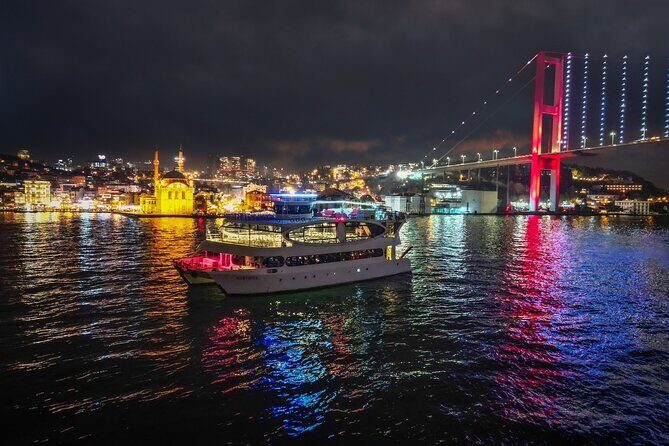
The tour begins in Çanakkale at the Tourist Information Center by the ferry harbor, with departure around 10:45 AM. From there, you take a short ferry crossing of the Dardanelles Strait—just enough time to get oriented before you’re dropped into the places you’ve probably only seen on maps.
This is one of those practical details that matters. Gallipoli isn’t one compact “thing” you visit once. It’s spread out across peninsulas, ridges, and coastal bends, so starting with the ferry helps everything feel connected from minute one.
You can also read our reviews of more tours and experiences in Canakkale
Timing and logistics: what the 6 hours really buys you
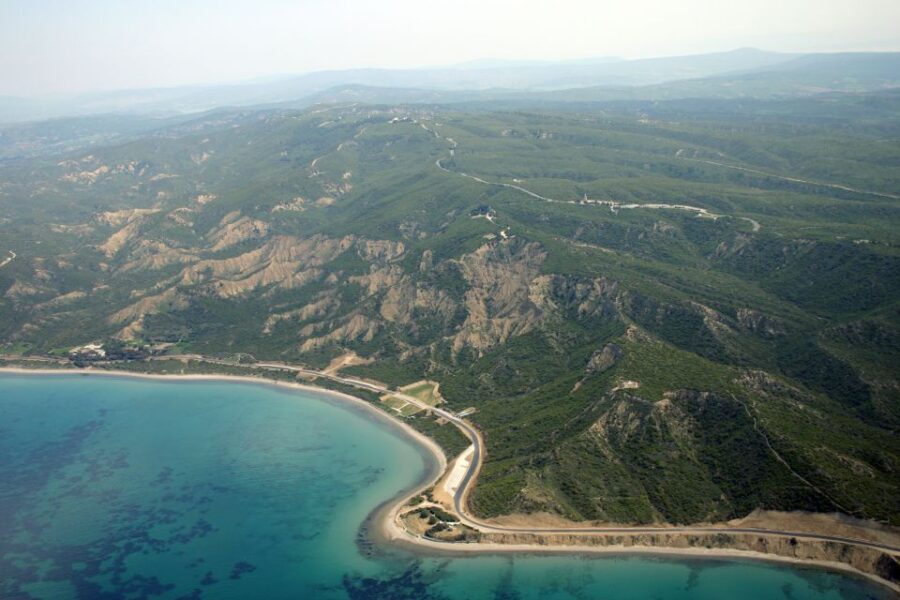
This is a six-hour day trip with transport by an air-conditioned, non-smoking vehicle and an English-speaking guide. The pacing is designed for key stops rather than slow wandering, so you’ll move through several major memorials and viewpoints without feeling stuck in one place.
Here’s the shape of the day:
- Ferry crossing (about 25 minutes)
- Lunch in Eceabat (about 1 hour)
- Coach transfer out to the peninsula and coast (about 15 minutes)
- Guided battlefield touring (about 4.5 hours)
- Ferry back (about 25 minutes)
One timing thing to keep in mind: several guides and routes run in a way that can start driving to sites after lunch, depending on the day. If you’re the type who likes extra time to soak in each cemetery quietly, plan to bring patience (and water and sunscreen) for the midday heat.
Brighton Beach and ANZAC Cove: seeing April 25 from the shoreline
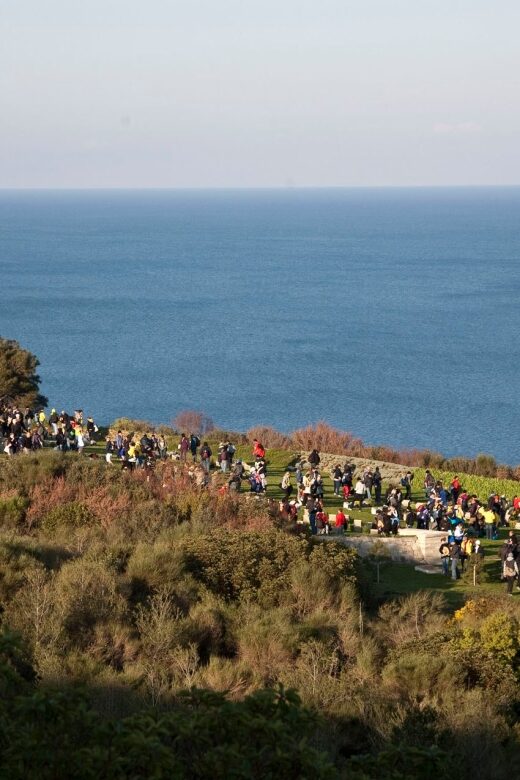
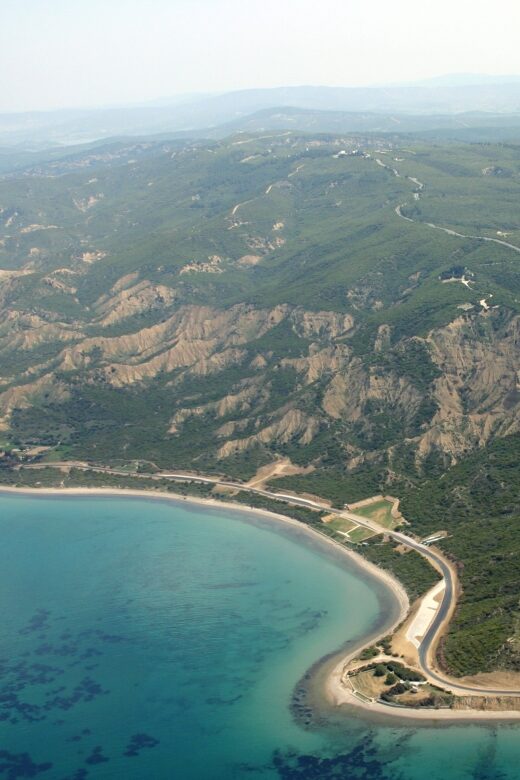
The first battlefield segment focuses on the beach landings. You’ll start at Brighton Beach, the intended landing area for April 25, then shift to ANZAC Cove, where the first landing actually happened.
What makes these stops work is the ordering. You go from plan to reality. That small switch helps you understand why the campaign unfolded the way it did—because on a battlefield, “intended” rarely matches “received.”
Also, ANZAC Cove isn’t just a viewpoint. You’ll be on the ground where movement, confusion, and positioning mattered. Even with only a short time here, the shoreline gives you a mental baseline for what you’ll see later on the ridges.
Climbing into the hills: Second Ridge and the trench still visible
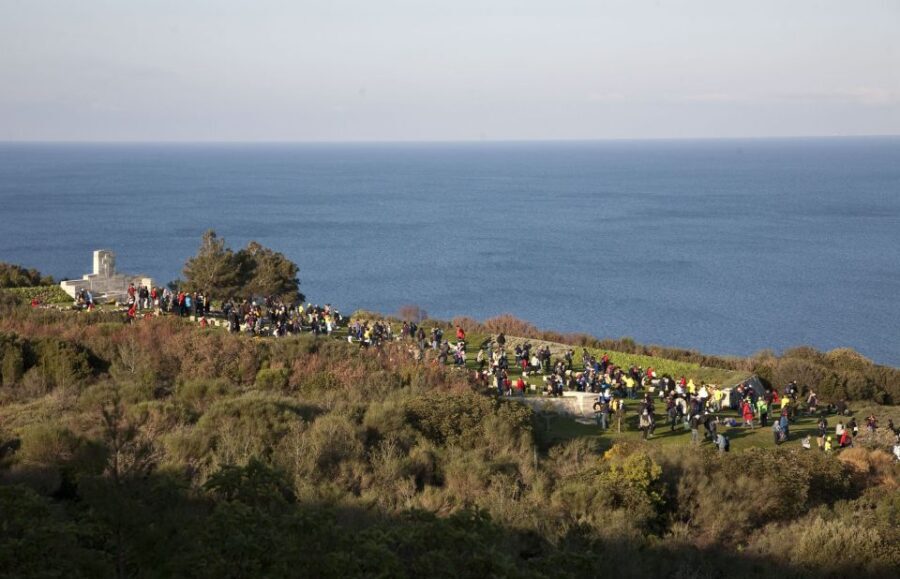
After the beaches, the tour moves up into the hills above ANZAC Cove. This is where you trace what became known as Second Ridge, the Allied advance halted on the first day and then held to as the front line for the next seven months.
This stop is powerful because you’re not just reading about trenches—you’re seeing the trench logic in the terrain. The ridge layout helps your brain connect why attackers had to cross exposed ground, why defenders could hold key lines, and why the campaign turned into a long grind instead of a quick break-through.
If you like photos, bring your phone up early and take a few shots from the same angle the guide uses. The guide’s narration tends to “lock in” the landmarks, so your later photos make more sense instead of looking like a random set of cemeteries.
Lone Pine Australian Memorial: when the names matter most
One of the most moving stops is The Lone Pine Australian Memorial. It commemorates almost 5,000 Australians who have no known grave.
This is the kind of site that can feel overwhelming, even when you’re not from Australia or New Zealand. The value of a guided stop here is practical: you’ll get help putting the memorial in context without being rushed past the emotion.
It also sounds like some guides actively help people connect personally. Several reviews mention guides assisting with finding family names on memorials, and that kind of extra care can turn a standard stop into something deeply personal for those who came with names.
Tip for your visit: if you have a name you want to look for, don’t treat it like a quick glance. Pause, read slowly, and let the guide’s explanation help you know where to focus.
Johnston’s Jolly: abandoned trenches and tunnel entrances
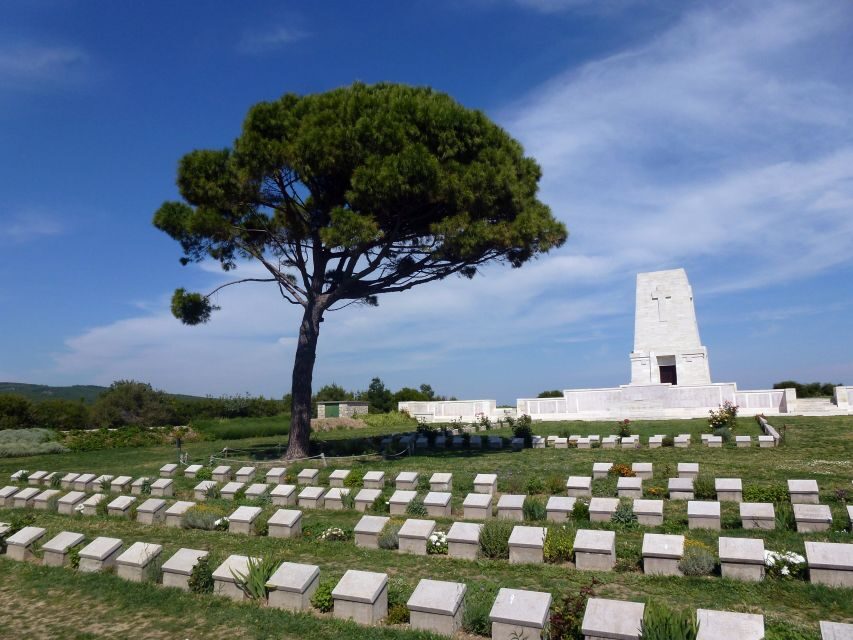
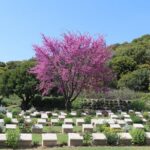
Next comes Johnston’s Jolly Cemetery, on the northern side near the Ariburnu area. Here you can walk through the abandoned trenches and tunnel entrances.
This is where the battle history becomes physical. Instead of only memorial stone and flags, you’re stepping into a landscape shaped by dug-in survival. It’s one thing to learn that troops lived underground and sheltered where they could; it’s another to stand near the places that made that possible.
If you’re visiting in warmer months, remember you might be moving along uneven ground. Wear shoes that won’t slip and that can handle short walks, not just flat walking around town.
Chunuk Bair and the New Zealand memorial: the high point and the turning tide
The final stop is Chunuk Bair, one of the highest points on the peninsula and the site of the New Zealand National Memorial. The hill was captured by New Zealand troops in August, held for two days, and then recaptured by Ottoman forces under Mustafa Kemal (later President of modern Turkey).
The guide’s storytelling here tends to land the biggest campaign lesson: this is not only about bravery. It’s also about timing, terrain, and momentum—why one hill matters and why the fight for it became a symbol.
This stop also commemorates more than 850 New Zealand soldiers who fell in the area. It’s a fitting closing point because it ties the entire day together: beaches, trenches, and then the high-ground fight that helped end Allied hopes for victory.
Lunch in Eceabat: good fuel, but plan your expectations
Lunch is included in Eceabat, the town area that was once ancient Madytos. Reviews describe it as a simple local meal, with examples like lentil soup and meat with rice, plus watermelon.
I like that the tour uses lunch to break the day in the right place geographically. You’re not starving while transferring between sites, and you’re not expected to hunt for food in a very limited area.
The trade-off is time. Some people felt the lunch block could be shortened or that it reduced the overall time at later stops. In plain terms: if you want maximum hours on the peninsula, the lunch is not the part you’d add on your own later. It’s built into the package for convenience.
Practical move: if you’re sensitive to heat, eat earlier in the lunch window when you can. Then be ready to move.
Price and value: is $81 a fair deal for Gallipoli?
At $81 per person for a guided half-day, the value comes from what you’re not doing yourself: managing the ferry timing, organizing peninsula transport, and paying for an English-speaking guide who can explain why each site matters.
You’re also getting ferry fees and transportation included, plus lunch in Eceabat. That matters because Gallipoli’s big sites aren’t close together, and the day can turn into a logistical puzzle if you’re trying to DIY it efficiently.
Where the value can feel less perfect: if your priority is lingering at fewer places, this kind of itinerary is built for highlights. You’ll see the major memorials and terrain points, but you won’t get hours and hours at each one.
What I’d pack and how I’d sit on the bus
Because the tour spends time outdoors and can get hot after lunch, come ready:
- Sunscreen and a hat
- A bottle of water (a few reviews mention water not being provided)
- Comfortable shoes with grip
- A light layer (buses can swing temperature)
Also, sound matters. One review mentioned it was harder to hear from seats toward the back with air conditioning noise. If you can, choose a spot closer to the front where the guide’s voice carries.
Finally, keep your phone charged. Even if you’re not a photo person, having maps in your pocket makes the ridge and trench explanations easier to remember.
Who this tour fits best
This day trip is a strong match if you:
- Want the core Gallipoli sites without planning ferry and transport
- Care about ANZAC battlefield context, not just sightseeing
- Prefer a guide to connect shoreline, ridge fighting, and memorial meaning
- Are visiting from Australia or New Zealand (many guides are known for bringing in that viewpoint in a thoughtful, respectful way)
It also fits solo travelers who want conversation. Several reviews mention small groups and a friendly mix of people.
If you’re the type who wants a slow, reading-heavy visit at each cemetery, you might want a longer independent day too. But as a first visit, this is built to help you get your bearings fast.
Should you book this Gallipoli tour with lunch?
Yes—if you want a guided route that hits the major ANZAC and New Zealand memorial points in one organized half-day from Çanakkale. The best reason to book is the structure: beaches first (Brighton Beach and ANZAC Cove), then the ridge and trench logic (Second Ridge and Johnston’s Jolly), then the high-ground finale (Chunuk Bair and the New Zealand memorial).
Hold off or rethink only if you’re heat-sensitive and would rather control your own timing, especially for lunch. Otherwise, for first-time visitors, this is a solid, focused way to understand why Gallipoli still matters—and to pay respect in the right places, in the right order.
FAQ
Where do I meet for the Çanakkale Gallipoli tour?
Wait in front of the Tourist Information Center at the ferry harbor in Çanakkale.
What time does the tour start?
Your tour starts around 10:45 AM.
How long is the tour?
The duration is 6 hours.
Is lunch included?
Yes. Lunch is included at a local restaurant in Eceabat.
What does the tour include besides lunch?
A fully guided English-speaking tour, ferry fees, and transportation in an air-conditioned non-smoking vehicle.
Do drinks come with lunch?
No. Drinks during lunch are not included.
Do I get hotel pickup?
Pickup is optional. If your hotel is in the city center, pickup can be arranged; if not, you’ll be set up with a meeting point in the city center near the ferry harbor.
Which major sites are visited?
You visit Brighton Beach, ANZAC Cove, Ariburnu Cemetery, Lone Pine Australian Memorial, Johnston’s Jolly, the 57th Regiment Turkish Memorial, and Chunuk Bair (New Zealand National Memorial).
Is the tour guided in English?
Yes, the tour has a live guide in English.
Is free cancellation offered?
Yes. You can cancel up to 24 hours in advance for a full refund.