REVIEW · CANAKKALE
Troy and Gallipoli Day Trip from Canakkale
Book on Viator →Operated by Hassle Free Travel · Bookable on Viator
One day can hold two worlds—and this trip does. You’ll start with Troy’s layered ruins, then spend the afternoon at Gallipoli’s WWI sites and cemeteries where the names and places still matter. I especially love how the day connects Greek mythology to what archaeologists found on the ground, and then pivots to the Gallipoli campaign with a guide who tells the stories in a steady, human way (Ercan’s style shows up in one of the standout write-ups I saw). The main drawback to plan for is that it’s a long day (about 10 hours) with a fixed meet point, and there’s no hotel pickup, so you’ll need to get to Anzac House Youth Hostel yourself.
You’re also paying for more than sightseeing: transportation in an air-conditioned minivan, a ferry ride, entrance fees, and lunch in Çanakkale are wrapped into the tour cost. The group stays small (max 15), which helps keep pacing from turning into a sprint, and it’s offered in English. Still, bring the right expectations: this is physically mixed terrain and emotionally heavy moments, especially around ANZAC Cove and multiple memorials, so comfy shoes matter.
In This Review
- Key Things to Know Before You Go
- Troy and Gallipoli From Çanakkale: Why This Mix Works
- Starting at 8:30 AM: The Practical Logistics That Shape the Day
- Troy Ruins: Seeing Myth Through Layers of Archaeology
- Odeon, City Walls, and That Feeling of Built-Over Time
- The Replica Wooden Trojan Horse: Fun, But Also a Teaching Tool
- Troy Museum Time: Why It Helps More Than You Think
- Lunch Back in Çanakkale: A Needed Reset Before Gallipoli
- Gallipoli’s WWI Sites: How the Route Builds a Clear Mental Map
- ANZAC Cove to Beach Cemeteries: Remembering the Dead in a Real Place
- Transport, Entrance Fees, and Group Size: What You’re Actually Paying For
- Pace and Comfort: Small Warnings That Prevent Big Frustration
- Who Should Book This Troy and Gallipoli Day Trip?
- Should You Book It? My Straight Answer
- FAQ
- How long is the Troy and Gallipoli day trip from Çanakkale?
- What time does the tour start, and where do I meet?
- Is hotel pickup included?
- What’s included in the tour price?
- Are drinks included with lunch?
- Is the tour offered in English?
- How big is the group?
Key Things to Know Before You Go
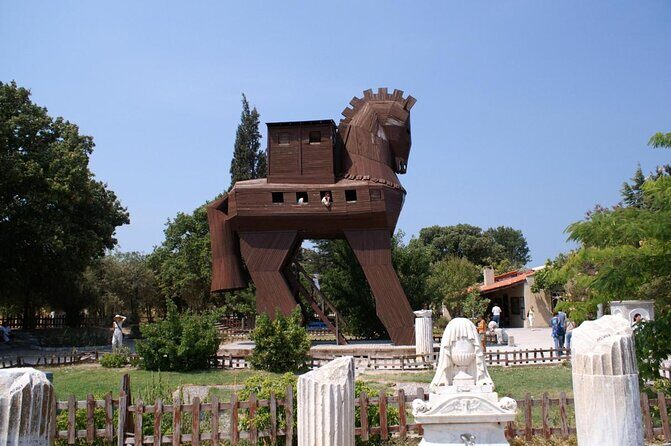
- Troy ruins plus a replica Trojan Horse stop you can actually point to, not just vague mythology
- Gallipoli’s exact battle area sites named on the route (Brighton Beach, ANZAC Cove, Johnston’s Jolly, and more)
- A small group size (max 15) that makes the history easier to follow and the day feel organized
- Transport + lunch + entrance fees are included, so you’re not juggling extra tickets all day
- A guide makes or breaks this day—one write-up praised Ercan’s warmth and scholarship, and the organizing support from Ezgi at Hassle Free Travel also stood out
Troy and Gallipoli From Çanakkale: Why This Mix Works
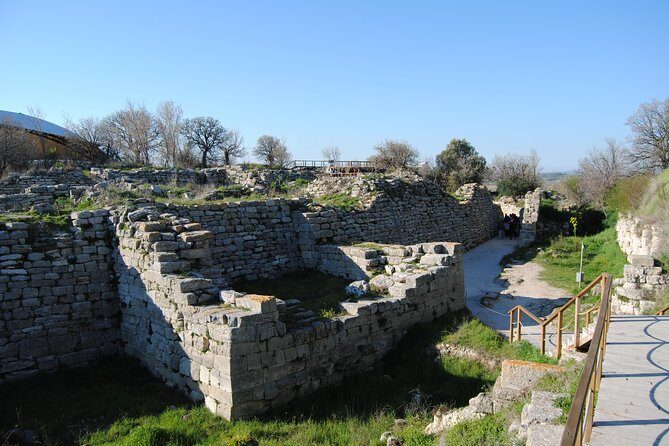
This is the kind of day trip that makes sense if you’re in Çanakkale and you want two major “why people came here” reasons handled in one go. Troy gives you the myth-and-evidence combo: a place that people long associated with Homer, but that also has deep archaeological layers. Gallipoli then shifts gears into the WWI campaign terrain—mostly not about monuments as backdrops, but about sites where individuals were lost and later remembered.
What I like for you here is the pacing philosophy: the Troy portion is structured around key layers and standout remains, then the Gallipoli portion moves site-to-site so you understand the battlefield geography. And because transport is handled (air-conditioned minivan plus ferry ride), you’re not spending your best daylight wrestling buses and crossings.
You can also read our reviews of more tours and experiences in Canakkale.
Starting at 8:30 AM: The Practical Logistics That Shape the Day
The tour starts at 8:30 AM at Anzac House Youth Hostel, Kemalpaşa, Cumhuriyet Blv. No:59, 17100 Çanakkale Merkez/Çanakkale. It ends back at the same meeting point. That sounds simple, but it matters: you’ll want to arrive early enough to check in without rushing.
Because hotel pickup and drop-off aren’t included, you should plan to get yourself to the hostel area comfortably. If you’re staying outside central Çanakkale, factor in that extra time. The good news is the end-point is the same, so your return logistics are predictable.
Also note the max group size: 15 travelers. On a tour that moves between two big destinations, that headcount helps keep the flow under control.
Troy Ruins: Seeing Myth Through Layers of Archaeology
You’ll travel from Çanakkale to the archaeological site of Troy and start with the bigger story: Troy as a likely setting tied to Homer’s Iliad, including the Trojan War triggered in the myth by the abduction of Helen by Paris. The tour doesn’t treat that as “just a legend,” though. It uses mythology as a doorway, then grounds you in what archaeologists uncovered.
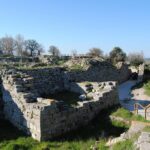
Here’s what you’ll get at Troy: the ruins span major periods, and you’ll hear about the discovery of the site in the 1870s and ongoing excavations. The scale is part of the point—nine cities have been identified here dating back to around 3,500 BC, including sacrificial altars and city walls that are thousands of years old.
What I think you’ll appreciate is the way the tour moves from the “wow factor” to the human one. Instead of only big structures, you’re pointed toward the idea of daily life across centuries—like the first house of Troy (dated roughly 3,000 to 2,500 BC)—and then onward through later phases, including Troy IX.
Odeon, City Walls, and That Feeling of Built-Over Time
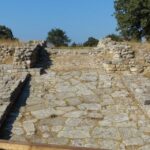
Once you’re on site, you’ll see several highlights that help you visualize how the city evolved. The Odeon (Concert Hall) is one of those anchors people remember because it gives shape to the idea of public life—an architectural “you are here” moment.
You’ll also hear about the city walls and the long timeline of occupation. This is one of the places where a guided explanation really earns its spot. Even if you know a few facts already, the guide helps connect what you’re looking at to why it matters: how later settlements reuse space, how layers build on layers, and why the same ground can tell multiple stories.
A potential consideration: Troy is an archaeological site with uneven surfaces and lots of walking. If you’re the type who needs frequent stops, bring that up mentally beforehand and pace yourself.
The Replica Wooden Trojan Horse: Fun, But Also a Teaching Tool
One of the more memorable stops is the replica of the wooden Trojan Horse. I like these replicas when they’re used like props with purpose: not as a “gotcha” for tourists, but as a way to connect the myth to the site’s layout and the concept of how a story took on physical form in culture.
The replica is especially useful on this tour because you’re already seeing multiple layers of the city. That means you’re not treating Troy as a single freeze-frame tale; you’re understanding it as a place where meaning was built over centuries. In other words: the horse helps you connect the narrative arc, even after the day shifts into real historical layers.

Troy Museum Time: Why It Helps More Than You Think
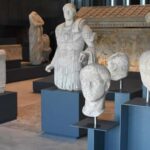
You’ll also have time at the Troy Museum. A museum stop can feel optional on a day trip, but here it works because it pairs with the site visit. Ruins alone can be confusing—what looks like a pile becomes clearer when you’ve been guided to how archaeologists interpret what’s there.
One key theme you’ll hear reflected in the experience: the depth of time is hard to grasp until you see it explained. In at least one standout account, the museum and the guide’s “scholarly and skilled” approach made the day memorable, especially when the person walked away thinking about how many eras overlap at Troy.
Lunch Back in Çanakkale: A Needed Reset Before Gallipoli
After Troy, you’ll head back to Çanakkale for lunch. The tour includes lunch, but drinks aren’t included, so it’s smart to bring a little cash or card comfort for a soft drink or water if you want it.
This meal break matters because Gallipoli’s portion is emotionally intense. You’ll spend time visiting multiple combat sites and memorials, including places tied to those who died and those commemorated afterward. A proper break between the two halves helps you shift gears without feeling rushed.
Gallipoli’s WWI Sites: How the Route Builds a Clear Mental Map
After lunch, the tour moves into the Gallipoli campaign sites from 1915—terrain tied to a brutal Allied-Turk push. The big value here is geography. Instead of only seeing one famous cove and calling it done, the route connects several named locations that help you understand the battlefield line.
You’ll visit sites including:
- Brighton Beach
- ANZAC Cove
- Johnston’s Jolly
- The Nek and Walker’s Ridge
Those names aren’t just trivia. With a good guide, they become coordinates in a story—where troops advanced, where fighting concentrated, and how the shoreline and ridges shaped what was possible.
A practical heads-up: the day becomes more walking and standing, and the emotional tone turns heavier. If you’re sensitive to war memorials, take breaks when you need them. You’re allowed to slow down.
ANZAC Cove to Beach Cemeteries: Remembering the Dead in a Real Place
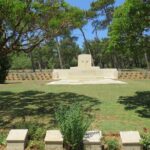
Some stops at Gallipoli are hard to describe because they’re not “sights” in the usual way. ANZAC Cove is one of them. You’ll hear the story behind the fighting, then you’ll move onward into memorial spaces and cemeteries that make the human cost unavoidable.
The tour includes visits to multiple memorial sites and cemeteries, such as:
- Ari Burnu
- Beach Cemetery
- Lone Pine Cemetery
- Turkish Memorial
- Chunuk-Bair
The reason this matters is that you see layers of remembrance. You’re not only looking at one national narrative; you’re moving through a set of sites that honors people on multiple sides. One highly rated account described a prevailing feeling of peace while contemplating the cemeteries of young soldiers now lying together in death—an emotional contrast that you’ll likely notice too when you slow your pace.
If you want a takeaway that helps you understand why this tour is worth your time: it’s built to prevent you from treating Gallipoli like a checklist. The route guides your attention so you connect the places to the campaign.
Transport, Entrance Fees, and Group Size: What You’re Actually Paying For
The price is $250 per person for an approximately 10-hour day. On the surface, that might sound steep—until you break it down by what’s included and what you’d otherwise spend energy managing yourself.
Included in the package:
- Local guide
- Round-trip shared transfer (meeting point to destinations and back)
- Air-conditioned minivan
- Ferry ride
- Entrance fees
- Lunch
- Mobile ticket
- Offered in English
Not included:
- Drinks
- Hotel pickup and drop-off
Value-wise, you’re buying three things:
- Time savings (no solo organizing across Troy and Gallipoli)
- Interpretation (the guide connects what you see to what it means)
- Reduced hassle (transport and key entries are handled)
If you were to DIY this, you’d spend hours figuring out transport and likely pay for individual entries anyway. The group size (max 15) helps too—this isn’t a huge bus where you lose the thread.
Pace and Comfort: Small Warnings That Prevent Big Frustration
This is a full day. Expect early travel, long stretches of walking, and a late emotional wind-down. Wear comfortable shoes and plan for uneven ground at archaeological and memorial sites.
Also, the tour requires good weather. If conditions are poor, you’ll be offered a different date or a full refund. It’s one of those things you can’t fully control, so it helps to keep your expectations flexible.
Finally, it’s non-refundable and can’t be changed once booked. That doesn’t mean you shouldn’t go—it just means you should book confidently if your dates are solid.
Who Should Book This Troy and Gallipoli Day Trip?
This tour is a great fit if you:
- Want two major destinations in one day without self-planning
- Enjoy guided storytelling that ties sites to larger narratives
- Are comfortable with a long day and emotionally weighty memorials
- Appreciate the mix of archaeology (Troy) and WWI battlefield geography (Gallipoli)
It might be less ideal if you:
- Hate structured schedules and prefer deep solo wandering
- Have mobility limits that make long walking hard
- Don’t want an emotionally heavy itinerary
Should You Book It? My Straight Answer
Yes—if you’re short on time in Çanakkale and you want both Troy and Gallipoli handled in one organized day, this is a smart booking. You’re getting a guided experience that connects myth, archaeology, and real WWI sites without leaving you to guess what you’re looking at.
The decision comes down to one question: are you okay with a 10-hour day where Gallipoli’s cemeteries are the emotional center? If that works for you, this tour is well set up to give you a memorable, meaningful route rather than two disconnected stops.
FAQ
How long is the Troy and Gallipoli day trip from Çanakkale?
It’s approximately 10 hours.
What time does the tour start, and where do I meet?
The tour starts at 8:30 AM at Anzac House Youth Hostel, Kemalpaşa, Cumhuriyet Blv. No:59, Çanakkale Merkez.
Is hotel pickup included?
No. Hotel pickup and drop-off aren’t included, and the tour starts and ends back at the meeting point.
What’s included in the tour price?
Included are lunch, a local guide, round-trip shared transfer, air-conditioned minivan transport, and other elements mentioned as part of the day such as a ferry ride and entrance fees.
Are drinks included with lunch?
No. Drinks aren’t included.
Is the tour offered in English?
Yes, it’s offered in English.
How big is the group?
The tour has a maximum of 15 travelers.