REVIEW · CANAKKALE
Full Day Private Tour of Helles and Anzac
Book on Viator →Operated by Crowded House Tours · Bookable on Viator
This battlefield day moves fast. It’s a private 9-hour tour built around the two most important parts of the Gallipoli campaign: Helles and the Anzac sector. I love that you get enough time to actually walk the ground (not just peek from a bus window), and I love the way the guides translate what you’re seeing into plain, human stories. One possible drawback: it’s a long day in the field, and since lunch isn’t included, you’ll want to plan your eating around the tour timing.
You start in Canakkale with a short ferry ride that turns the geography into a quick “wait, we’re really here” moment. Then it’s on to the sites—batteries, memorials, cemeteries, trenches—where the landscape explains why the fighting went the way it did. It’s not a casual sightseeing loop; it’s a focused military-history walk, paired with a respectful, empathetic approach from the people leading it.
If you want one day that covers both sides of the story, this is a strong fit—especially if you care about details, timing, and terrain. Just know it’s worth dressing for walking and sun, and bringing your questions so your guide can tailor the route to what matters most to you.
In This Review
- Key highlights worth your attention
- Canakkale to Gallipoli: the ferry ride that sets the tone
- Helles sector: walking the Allied landing focus
- Anzac sector: trenches, memorials, and the shape of resistance
- Eceabat or back to Canakkale: finishing with the waterway
- Guides and pacing: why the private format matters here
- What you should know before you go (so the day feels easy)
- Price and value: is this worth $336.44 per person?
- Should you book this private Helles and Anzac tour?
- FAQ
- What time does the tour start?
- How long is the tour?
- Is lunch included?
- Do I get a ferry ride?
- What parts of the Gallipoli area are included?
- Is the tour in English, and is it private?
Key highlights worth your attention
- Two-sector coverage: Helles in the morning, then the Anzac sector after lunch break
- Time on the ground: 4 hours at Helles and 4 hours at Anzac, with major memorials and cemeteries included
- Private guide + transport: only your group, with pickup from hotel or cruise port
- Ferry crossing included from Canakkale: continent-to-continent change on your way in and out
- Admissions handled for the core sites: included at Helles and Anzac stops; ferry legs are listed as free
- Strong guide track record: named guides you may get include Otak, Hasan, Ibrahim, and Charlie
Canakkale to Gallipoli: the ferry ride that sets the tone
The tour starts at 8:00 am with pickup from your hotel or cruise port in Canakkale. The first stop includes a short ferry crossing across the Dardanelles, and it’s more than a transport break. When you ride across, the setting snaps into place: this is a narrow place with big consequences, and the waterway is part of the logic of the campaign.
If you’re staying in Eceabat, you should skip the ferry portion. That matters because you’re trading time and energy for the same battlefield day. Either way, you’re building momentum early, and you’ll get to the memorial areas while the light is still decent for looking closely at terrain and inscriptions.
This is also one of those days where private timing helps. You’re not forced to wait with a large crowd, and you can move at the pace your guide thinks best for comprehension—not just checkmarks.
You can also read our reviews of more tours and experiences in Canakkale.
Helles sector: walking the Allied landing focus
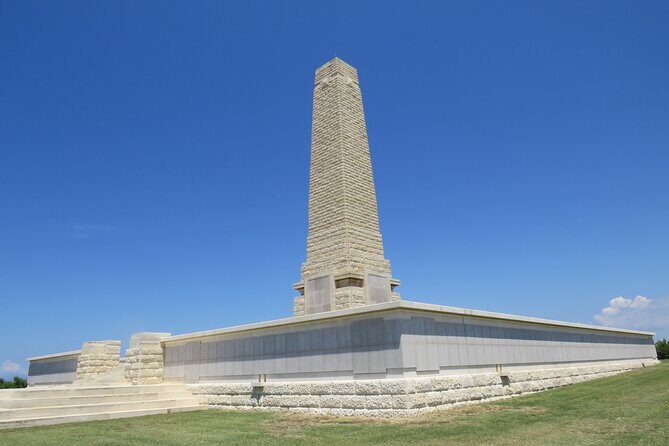
The heart of the morning is Helles, the main focus of the Allied landings on April 25 and the battle front through the summer months until early 1916. This isn’t a single monument stop. It’s a chain of places that, together, explain the fight: how artillery positions worked, where units landed, and where memorials mark what was lost.
You’ll spend about 4 hours in the Helles area, with admissions included. Expect stops such as:
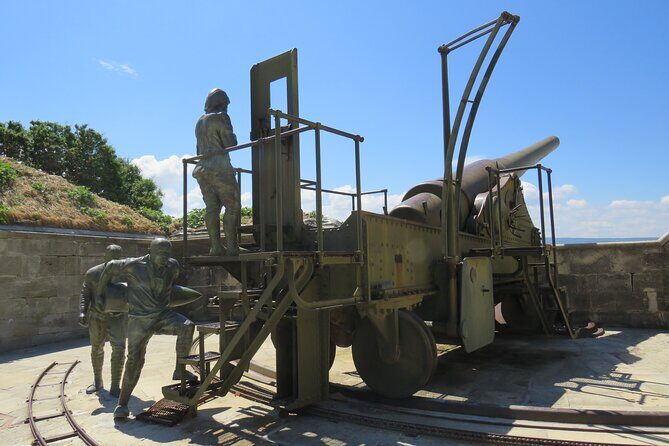
- Namazgah Battery and Rumeli Mecidiye Battery
Batteries matter because they explain the battlefield in terms of sightlines and firepower. You can look at the terrain and better understand why positions were fought over.
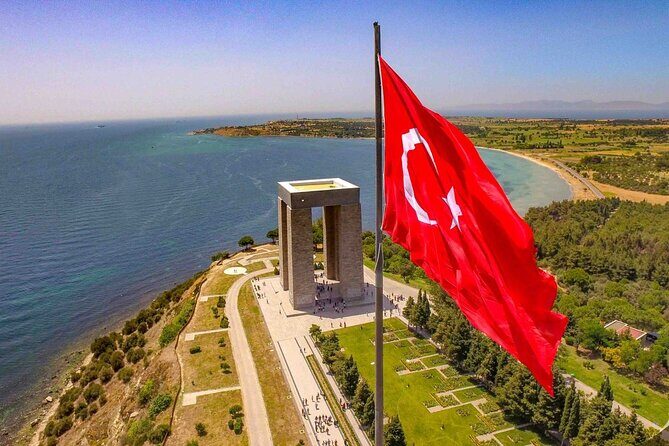
- Turkish Monument and V Beach
These are points where the story becomes physical. At V Beach in particular, you’re standing near the landing logic—exactly the kind of place where context helps a lot.
- Helles Memorial
Memorials here aren’t just names. They connect missing people to real geography, which is why spending time matters.
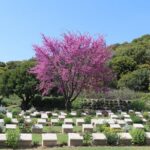
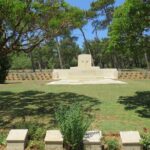
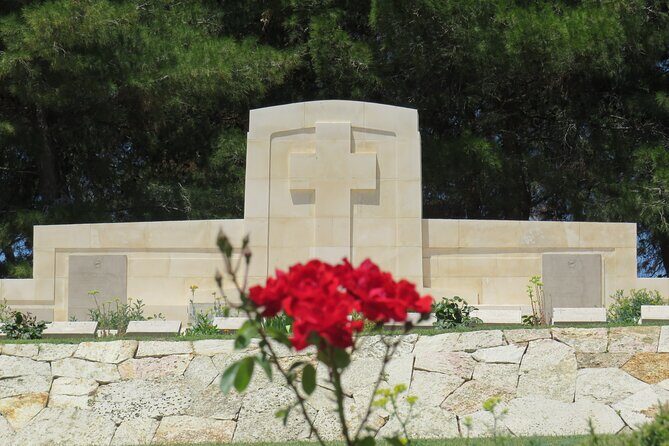
- Lancashire Landing Cemetery and Twelve Trees Copse Cemetery
Cemeteries tend to be the most emotionally grounding stops. When you pair them with earlier battlefield points, the day stops feeling abstract.
I like the way this tour structures Helles: it feels like a guided path across a working map. And if you’re the type who wants to understand the “why,” you’ll appreciate that the guide isn’t only reading plaques—they’re linking what you’re seeing to how the ground affected movement and survival.
A practical note: you’ll likely do more walking than you expect. Wear shoes you trust on uneven ground and bring sun protection. This is Turkey in a good season or not-so-good season, and you don’t want blister math happening mid-day.
Anzac sector: trenches, memorials, and the shape of resistance
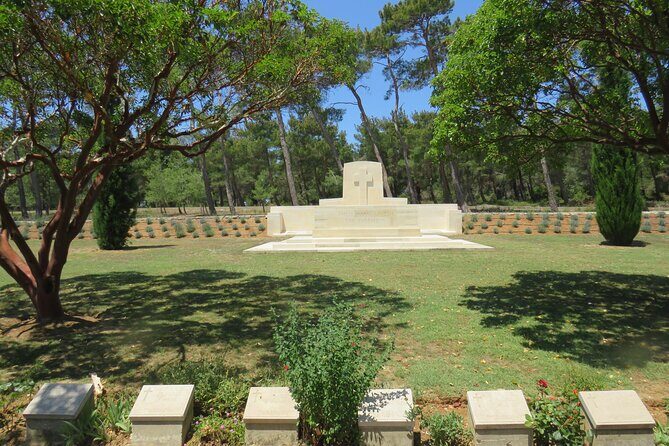
After a lunch break (not included), you head to the Anzac sector for another 4 hours in the Gallipoli National Park area. This stretch is where the ground becomes a story of positions—how troops held, shifted, and suffered, and how later memorials preserve those hard edges.
You’ll cover key sites including:
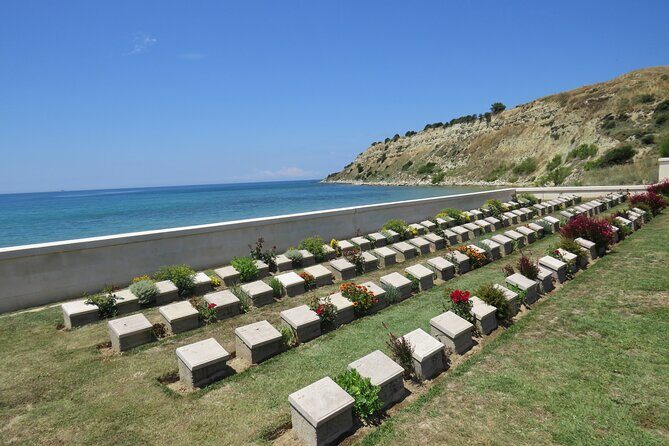
- Anzac Cove
The name hits you fast, but the place also helps you understand how exposure and movement shaped outcomes.
- Anzac Commemorative Site
This is the kind of stop where the guide’s tone matters. It’s respectful and personal rather than “touristy.”
- Ariburnu Cemetery and The Sphinx
Cemeteries give the day weight; landmarks give it shape.
- Lone Pine Australian Memorial
A major focal point for Australian commemoration, and a place where it’s easier to connect the battlefield to the families and communities behind it.
- Johnston’s Jolly: tunnels and trenches
Underground and close-range features are where you start understanding the claustrophobic side of the conflict.
- Chunuk Bair New Zealand Memorial
Memorials here help tie the terrain to the fighting ambition of units from New Zealand.
This is the part of the day that many people remember as the most powerful. Not because it’s dramatic, but because it’s specific. When you stand at Lone Pine or walk near the tunnel and trench areas, you can see why the battle was so hard to escape.
A nice touch: the better guides don’t just list names. In the past, this tour has been led by guides such as Otak, Hasan, Ibrahim, and Charlie, and their common thread (as reflected in their approach) is clear English, strong battlefield context, and an empathetic style. One guide even tailored the day to a personal connection, which is exactly the kind of advantage you get with private guiding.
Eceabat or back to Canakkale: finishing with the waterway
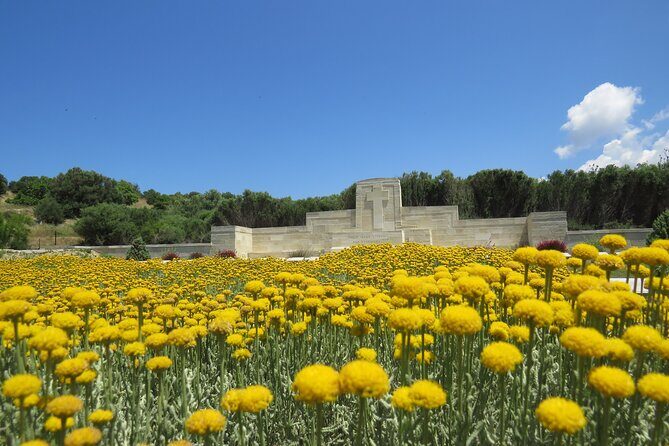
You end in Eceabat or return to Canakkale by ferry, depending on where you started. Stop 4 lists another short ferry ride (about 30 minutes) and the guide will drop you back at your hotel or cruise port in Canakkale if that’s where you’re based.
If you’re staying in Eceabat, you can skip the ferry leg on the way back. That’s not a small detail. It can mean less travel fatigue when the day is already emotionally heavy.
Either way, this final ferry ride gives your brain a reset. It’s the last reminder that the battlefield isn’t only land and memorial stone—it’s the waterway that forced the campaign in the first place.
Guides and pacing: why the private format matters here
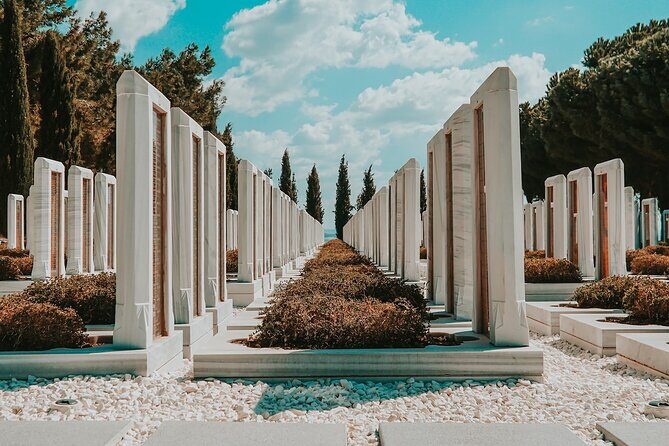
This tour is priced like a premium private experience—$336.44 per person—and that number makes sense when you consider what’s included and what’s not. You get private transportation, English-speaking guiding, and admissions covered for the two main battlefield blocks. You also avoid the group bottleneck effect, which is important at sites where you’re trying to read inscriptions and understand terrain.
It’s also why guide quality matters so much. In the experiences associated with this tour, guides have been praised for being engaged and well-informed in plain terms, with fluent English and a calm, safe approach from the driver. Named examples include:
- Otak: described as engaging, well-informed, and able to keep the day on time
- Hasan: highlighted as energetic, knowledgeable, and able to tailor the tour to what the group wanted to see
- Ibrahim: noted for organizing the Anzac battlefields and delivering it with style
- Charlie: praised for friendly, clear explanations for people who care about military history
I’ll add my own practical angle: on battlefield days, you don’t just want facts. You want pacing that matches your emotional bandwidth. Too much information too fast turns it into noise. The best guides keep it readable—stop, look, understand, then move.
You can also read our reviews of more tours and experiences in Canakkale
What you should know before you go (so the day feels easy)
This is a full-day tour running about 9 hours. The main time cost is simply that you’re moving through two major sectors and walking between meaningful sites. Plan for a long morning, a midday break, and a late finish.
A few practical tips that will help:
- Bring comfortable walking shoes and sun protection
- Expect more walking than a museum day
- Since lunch isn’t included, decide in advance how you’ll handle the break—either pack something or plan where you’ll eat when you stop
- If you have a family connection, a specific unit, or a memorial you care about, tell your guide early. Private guiding is where you actually benefit from personalization.
Also note the weather dependency. The tour states it requires good weather, and if it’s canceled due to poor weather you’ll get a different date or a full refund. That’s the reality of outdoor battlefield walking.
Price and value: is this worth $336.44 per person?
Let’s be honest. This is not the cheapest way to reach Gallipoli. But it can be good value compared to the alternatives because of how the day is built.
Here’s where your money is going:
- Private transportation for pickup and round-trip movement
- Private guiding (and you’re not sharing it with strangers)
- Admissions included at the core stops: Helles and Anzac sectors
- A smoother flow that helps you spend the full time at each area instead of losing it to waiting
The price is especially easier to justify if you’re traveling as a couple, a small group, or you care about military-history detail. One of the strongest arguments for booking is simple: you’re paying to make sure the day doesn’t turn into a rushed checklist.
If you’re only interested in one sector or you’re very price-sensitive, you might choose a more limited tour. But if you want both Helles and Anzac in one day, with time to walk and a guide who can connect the dots, this format is often the smarter spend.
Should you book this private Helles and Anzac tour?
Book it if:
- You want both Helles and the Anzac sector in one day
- You care about understanding terrain and memorials, not just taking photos
- You prefer a private pace, with pickup and no shared logistics hassle
- You want an English-speaking guide and you appreciate context delivered in a respectful way
Skip it (or consider a different option) if:
- You don’t want a long day of walking on uneven ground
- You’d rather DIY with maps and a flexible schedule
- You’re not prepared for lunch not being included
If you do book, go in with one or two goals. Maybe it’s a specific memorial you want to see. Maybe it’s understanding why certain positions mattered. That’s when a strong guide adds real value, and the day stops being just informative—it becomes personal in the best way.
FAQ
What time does the tour start?
The tour starts at 8:00 am.
How long is the tour?
It runs for about 9 hours.
Is lunch included?
No. Lunch is not included.
Do I get a ferry ride?
Yes, the tour includes a ferry ride if you stay in Canakkale. If you stay in Eceabat, you do not need the ferry ride.
What parts of the Gallipoli area are included?
You visit the Helles sector and the Anzac sector, including major sites and memorials in each area, along with time at the Gallipoli National Park.
Is the tour in English, and is it private?
It’s offered in English, and it’s private, meaning only your group participates.