REVIEW · ISTANBUL
From Istanbul: Troy and Gallipoli 2-Day Trip
Book on GetYourGuide →Operated by Gray Line Turkey · Bookable on GetYourGuide
History lands hard here.
This Istanbul-to-Gallipoli-and-Troy trip turns two distant themes into one unforgettable drive-by-eras itinerary: Gallipoli’s battle memorials and cemeteries on Day 1, then Troy’s layered ruins on Day 2. The day-one focus is the emotional payoff, with stops like ANZAC Cove, Lone Pine, and Johnston’s Jolly. The possible drawback is pacing: the Troy portion can feel quick once you’re on the clock, so plan to take photos fast and ask questions early.
If you like your history with clear explanations, the format helps. You get live English guidance and a group route that hits the key sites without you needing to figure out crossings and backroads. Also, the experience is known for strong guides in both halves of the trip, with names like Barkut and Burak on the Gallipoli side and Cindy on the Troy side showing up as standouts. Just remember it’s a long transport day overall, so comfortable shoes and a low-friction day bag matter.
In This Review
- Key Points to Know Before You Go
- The Big Picture: Why This Two-Day Route Works
- Day 1 Gallipoli: Cemeteries, ANZAC Cove, and the Trenches at Johnston’s Jolly
- Brighton Beach and the Beach Cemetery: Starting with the coast
- ANZAC Cove and Ariburnu Cemetery: The emotional center
- ANZAC Commemorative Site and the Mehmetcik Statue: Shared memory, different voices
- Lone Pine Australian Memorial: Names you can trace
- Johnston’s Jolly and trench/tunnel areas: Where “history” turns physical
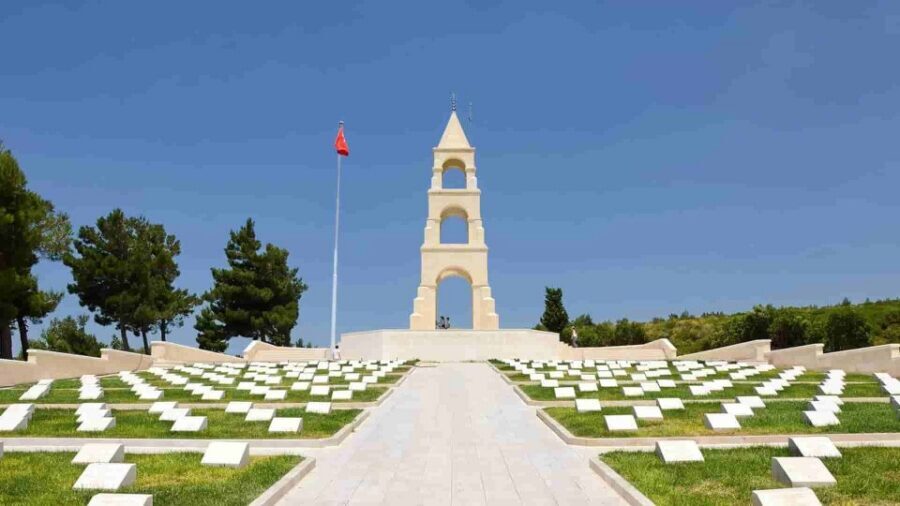
- The Nek, 57th Regiment Turkish Memorial, and Chunuk Bair New Zealand Memorial: Ridgelines and hard choices
- Timing and comfort reality check
- Where You Sleep: Canakkale/Eceabat Base and the Included Dinner
- Day 2 Troy: From the Trojan Horse to Troy IX Layers
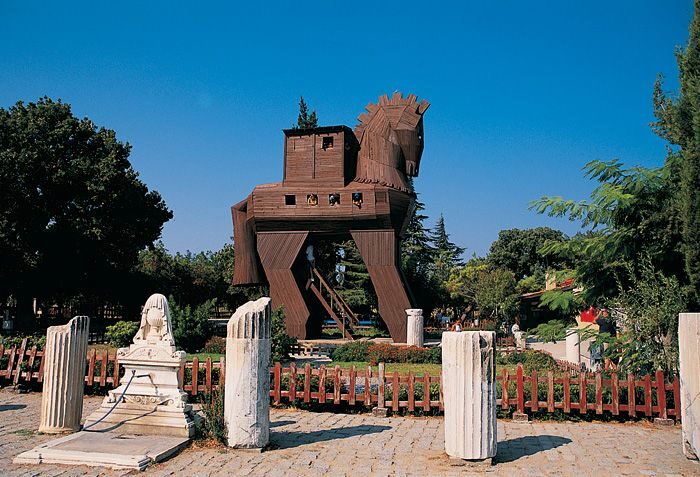
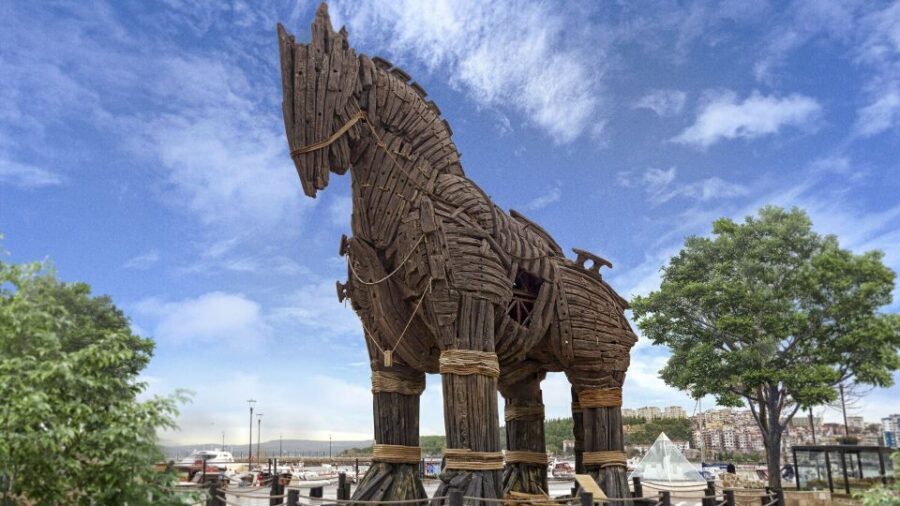
- Trojan Horse and the battle-place storytelling
- Sacrificial altars and the 3,700-year-old walls
- Houses of Troy I (around 3000 BC to 2500 BC) and the rebuilding pattern
- Bouleuterium (Senate Building) and Odeon (Concert Hall)
- Current excavations: watching archaeology in progress
- The pacing trade-off
- Skip-the-Line, English Guide, and Ferry Crossings: The Practical Stuff That Saves Time
- Price and Value: Is $886 Per Group Worth It?
- Who This Trip Suits (and Who Should Think Twice)
- Should You Book This Istanbul-to-Gallipoli-and-Troy Tour?
- FAQ
- What time are pickups in Istanbul?
- What’s included on the Gallipoli guided tour?
- Which sights are included on the Troy tour?
- Do ferry tickets and hotel stay come with the price?
- What meals are included, and what isn’t?
- Is there an English guide and ticket-line help?
Key Points to Know Before You Go
- Battlefields first, not just monuments: You’ll cover ANZAC Cove, cemeteries, memorials, and trench/tunnel areas like Johnston’s Jolly.
- Troy isn’t a single stop: You’ll move through multiple layers, from Troy I walls to later excavated remains.
- One night in the Canakkale/Eceabat area: Dinner is included, and it sets you up for a quieter Day 2 start.
- Lunch is only on Day 1: Plan on buying Day 2 lunch on your own.
- Guides can make or break it: The best Gallipoli days tend to come from energetic, story-driven guides (names that often get praised include Barkut, Burak, and Charles).
The Big Picture: Why This Two-Day Route Works
This is one of those trips that saves you from the most annoying part of a historic itinerary: logistics. Gallipoli and Troy sit far from Istanbul, and going DIY means timing ferries, choosing a route across the Dardanelles, and trying to hit memorials efficiently. Here, the day is built around an organized loop—so you can focus on places, not planning.
On Day 1, you’ll work your way around the Gallipoli Peninsula with a battlefield sequence that makes the geography make sense. You start in Eceabat, then push through a line of beaches, cemeteries, and memorial landmarks. The stops are not random. They’re arranged so the coast, ridges, and burial grounds connect into one storyline you can actually follow.
Day 2 switches gears. Troy is not a “walk one street and call it a day” site. You’ll see major remains connected to the traditional Troy narrative and also the archaeological idea that the city was rebuilt over and over for thousands of years. If you enjoy ruins that show time layers, this format fits.
You can also read our reviews of more tours and experiences in Istanbul
Day 1 Gallipoli: Cemeteries, ANZAC Cove, and the Trenches at Johnston’s Jolly
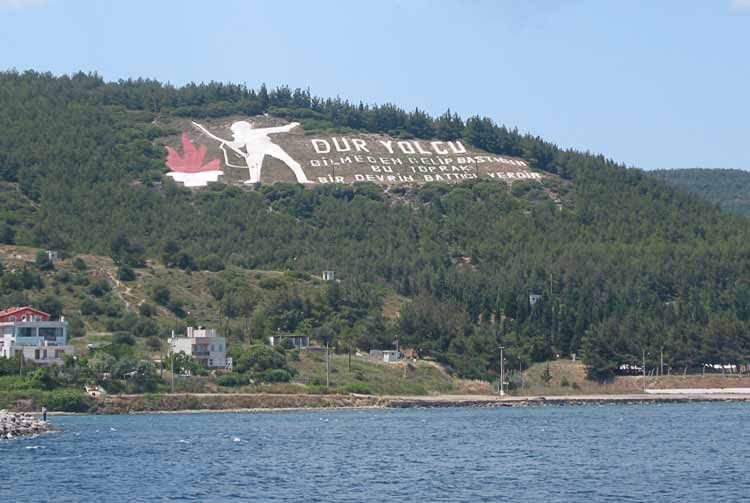
Day 1 is the heart of the trip, and the itinerary makes that obvious. After hotel pickup in Istanbul (either the Taksim area or the Sultanahmet area), you transfer toward the Gallipoli region and arrive around midday. Then lunch in Eceabat keeps the schedule moving before the full guided battlefield tour begins.
Once you’re on the peninsula, expect a steady sequence of short stops—enough time to orient yourself, read what you can, and move on. If you’ve ever been frustrated by tours that either sprint or drag, this tends to land in the middle: you get time at each key point without losing the day.
Here’s how the major stops fit together:
Brighton Beach and the Beach Cemetery: Starting with the coast
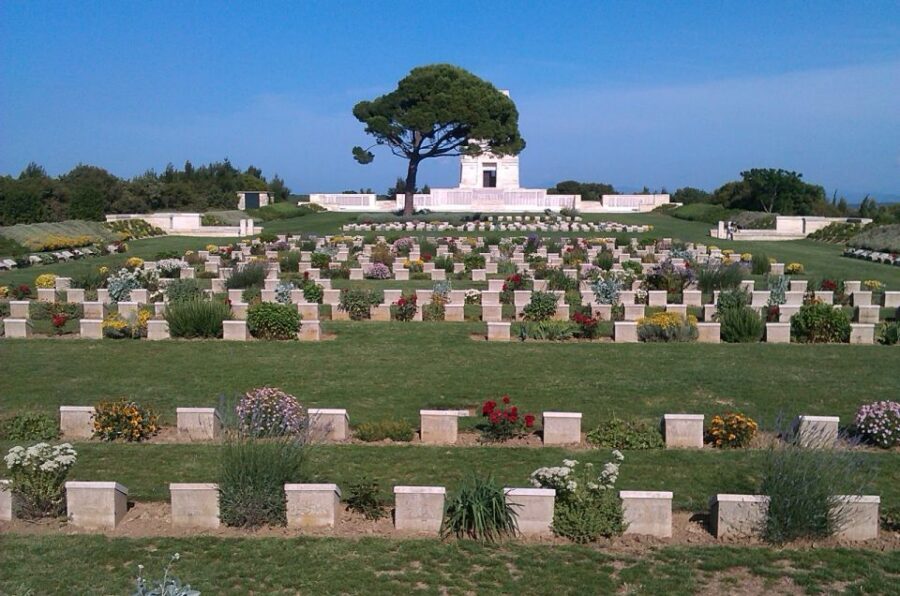
The early coastal stops—Brighton Beach and Beach Cemetery—matter because Gallipoli is a story of ground. It isn’t abstract. You’re looking at a shoreline where the landscape affected movements and survival. The cemeteries also set the tone quickly, so the day doesn’t turn into sightseeing-only.
ANZAC Cove and Ariburnu Cemetery: The emotional center
ANZAC Cove is the name that pulls people in from around the world. Seeing it as part of a longer route (not as a single isolated photo spot) helps you understand why it became so symbolically heavy. Nearby, Ariburnu Cemetery reinforces the human reality behind the map.
This is also where an excellent guide can change how you experience the day. When an English guide is strong, they tend to connect the dots between the terrain, the landing points, and the memorial names you’re reading.
ANZAC Commemorative Site and the Mehmetcik Statue: Shared memory, different voices
You’ll also visit the ANZAC Commemorative Site and pay respect to the Mehmetcik Statue. These stops help you see the battle as shared memory, not only one national narrative. Even if you came for your own country’s connection, you’ll get better context by keeping both sides in view.
You can also read our reviews of more tours and experiences in Istanbul



Lone Pine Australian Memorial: Names you can trace
Lone Pine is one of the most recognized memorials on the peninsula. It’s also a place where taking a minute to scan names can feel surprisingly personal. The structure of the day supports that—you’re not dropped there at random; it sits in the sequence that leads from beach areas to deeper fighting zones.
Johnston’s Jolly and trench/tunnel areas: Where “history” turns physical
Johnston’s Jolly is special because it’s about what soldiers actually used: trenches and tunnels. If you like your history to feel tangible, this stop does it. It also helps explain how fighting wasn’t just on open ground—it was fought in narrow channels, under pressure, with limited visibility.
The Nek, 57th Regiment Turkish Memorial, and Chunuk Bair New Zealand Memorial: Ridgelines and hard choices
The Nek and the Chunuk Bair area pull you into ridge-country logic. The terrain here is why the battle is remembered as such a brutal grind. The memorial stops keep you connected to the human cost while you’re also learning the tactical reasons behind the layout.
If you’ve got time for only one “I want the key places” day in this whole itinerary, this is it. Day 1 is where the route earns its reputation.
Timing and comfort reality check
The day runs long—pickup in the early morning, then you’re touring until late afternoon, with an arrival back to the Eceabat area around 18:00. You’ll want comfortable shoes and a jacket you can layer. The weather on the peninsula can feel different from Istanbul, and you’ll be standing more than you expect because of the nature of memorial viewpoints and cemetery ground.
Where You Sleep: Canakkale/Eceabat Base and the Included Dinner
After the Gallipoli tour, you’ll check in for one night at a 4-star hotel in the Canakkale/Eceabat area, with dinner included. A good overnight matters here because it keeps the second day from feeling like another sprint.
The hotel location is practical: you’re based near where the next-day route starts, which helps you avoid extra “getting out of the city” time. The dinner situation can vary in quality because the deal can restrict what you can order. If you know you’re picky about meals, plan to eat early and keep expectations realistic for the included dinner format.
Day 2 Troy: From the Trojan Horse to Troy IX Layers
Day 2 begins with a freer morning, which I love in theory. It’s enough time to grab a coffee, take a slow walk, and reset before you head out for the guided Troy tour.
You depart around 13:30, and the Troy portion is scheduled so you can cover major highlights and still get back to Istanbul by evening. That means you’ll move, and you’ll likely have to choose what to linger on.
Trojan Horse and the battle-place storytelling
You’ll visit the Trojan Horse area and also the site connected to the fight between Achilles and Paris. This is where mythology and archaeology meet in public-facing form. Even if you’re skeptical about myth as fact, it’s still useful because it shows how later stories shaped what people wanted to see at Troy.
Sacrificial altars and the 3,700-year-old walls
The Sacrificial Altars and the city walls (about 3,700 years old) give you a sense of scale. Walls aren’t scenery—they’re evidence. They show you the city was defended and rebuilt. Looking at fortifications helps your brain stop treating Troy like a single legend and start seeing it as a place that mattered for centuries.
Houses of Troy I (around 3000 BC to 2500 BC) and the rebuilding pattern
The tour includes Houses of Troy I, then moves across the idea of multiple cities. That’s the key to Troy: you don’t just see one Troy. You see Troy after Troy, with remains of different phases—Troy I through Troy IX—layered into the site.
Bouleuterium (Senate Building) and Odeon (Concert Hall)
The Bouleuterium and the Odeon connect Troy to civic life. You’re not only looking at defensive ruins; you’re also seeing where people gathered, governed, and staged cultural events. It helps the site feel less like a blank historical stage and more like a lived-in settlement.
Current excavations: watching archaeology in progress
You’ll also see areas of current excavations in progress. That’s a rare bonus because it reminds you the site isn’t finished. People keep uncovering new pieces, and your visit is part of a living research project, not just a museum stop frozen in time.
The pacing trade-off
The most common Day 2 complaint tends to be speed: you may feel like you’re always moving and checking your watch. If you want to read everything slowly, this format might frustrate you. If you’re the kind of traveler who enjoys guided orientation first and detailed self-guided reading later, Day 2 can be a perfect match.
Skip-the-Line, English Guide, and Ferry Crossings: The Practical Stuff That Saves Time
This trip includes transportation by air-conditioned vehicle, plus ferry tickets (Kilitbahir/Eceabat/Canakkale). That matters because it cuts out a lot of decision fatigue. You’re not guessing which crossings work best, and you’re not trying to coordinate transport and timetables yourself.
It also includes a live English guide and a skip-the-ticket-line benefit. Those two items sound small until you’re standing with time pressure, wanting to get from one viewpoint to the next.
One more logistics note: pickup points can vary if your Istanbul hotel can’t be accessed easily. You’ll get alternative meeting instructions from your local supplier. In practice, that means you should double-check the day before departure and be ready to walk a few minutes to the assigned meeting spot.
Price and Value: Is $886 Per Group Worth It?
At $886 per group (listed for up to 1), this isn’t a budget tour. So the real question isn’t just the dollar amount. It’s what you’re buying:
- Two full guided blocks (Gallipoli day + Troy day) with English interpretation
- One night in a 4-star hotel with dinner included
- Day 1 lunch in Eceabat
- Transport from Istanbul, plus air-conditioned vehicle time back and forth
- Ferry tickets across the Dardanelles area
- Access and routing to memorial-heavy sites that are harder to string together efficiently solo
If you were doing this yourself, the biggest costs you’d feel are time and coordination, plus you’d likely pay for guides locally or spend long hours figuring out a route. This tour packages that work into a structured itinerary.
Where the value can feel weaker is on Day 2 if you’re expecting a slow, in-depth Troy experience. The timing can be tight, and you’ll have to accept that this itinerary prioritizes coverage over unhurried museum-level reading. For many people, that’s fine—you get the essentials and you can always come back later for deeper solo exploration.
Who This Trip Suits (and Who Should Think Twice)
This fits well if you:
- Want Gallipoli’s core memorials in a single guided circuit
- Like mythology-and-archaeology connections at Troy
- Prefer transportation and cross-ship logistics handled for you
- Can handle a fast-moving Day 2 and still enjoy the big highlights
You might want to think twice if you:
- Want a slow, detailed Troy visit with lots of reading time
- Are sensitive to changes in pickup location or meeting instructions
- Are very picky about included meals (the Day 1 lunch is provided, and dinner is included, but meal choices can be limited)
Should You Book This Istanbul-to-Gallipoli-and-Troy Tour?
I’d book it if you want a clean, structured way to hit the places people come to remember. Day 1’s focus on ANZAC Cove, Lone Pine, Johnston’s Jolly, and the memorial ridgeline stops is the core reason this trip works. Add Troy as a guided “big picture” tour of the layers of the city, and you’ve got a two-day combo that’s hard to replicate efficiently on your own.
If you’re the type who hates rushing, or you’re hoping for a leisurely Troy day, consider either going in a different style or planning a return visit later. But for most first-time visitors who want both Gallipoli and Troy covered with competent English guidance and built-in logistics, this is a solid choice.
FAQ
What time are pickups in Istanbul?
Pickup is listed for the Taksim area (around 06:00–07:00) and the Sultanahmet area (around 06:30–07:00). The exact meeting point can change if your hotel is hard to access.
What’s included on the Gallipoli guided tour?
The Gallipoli stops listed are Brighton Beach, Beach Cemetery, ANZAC Cove, Ariburnu Cemetery, ANZAC Commemorative Site, a respect stop at the Mehmetcik Statue, Lone Pine Australian Memorial, Johnston’s Jolly, the 57th Regiment Turkish Memorial, The Nek, and Chunuk Bair New Zealand Memorial.
Which sights are included on the Troy tour?
The Troy tour includes the Trojan Horse area, Sacrificial Altars, the 3,700-year-old city walls, Houses of Troy I, the Bouleuterium (Senate Building), the Odeon (Concert Hall), current excavations, and remains from various cities from Troy I through Troy IX.
Do ferry tickets and hotel stay come with the price?
Yes. Ferry tickets are included (Kilitbahir/Eceabat/Canakkale), and you get one night’s accommodation at a 4-star hotel in the Canakkale/Eceabat area, with dinner at the hotel.
What meals are included, and what isn’t?
Lunch on Day 1 is included in Eceabat, and dinner on Day 1 is included at the hotel. Lunch on Day 2 is not included, and drinks aren’t included.
Is there an English guide and ticket-line help?
Yes. You’ll have a live English-speaking guide, and there’s also a skip-the-ticket-line benefit.