REVIEW · ISTANBUL
Istanbul: Chora Church (Kariye Camii) & Digital Audio Guide
Book on GetYourGuide →Operated by Herms · Bookable on GetYourGuide
A single room can look back 1,500 years. Kariye Camii, the Chora Church, is famous for its Byzantine mosaics and frescoes—the kind of Christian storytelling in color that makes you stop mid-step. I especially liked how the artwork feels preserved and close-up, and I also like the Greek-cross-plus-domed layout that shapes the way you move through the space. One thing to consider: this is not a guided tour, so you’ll need to lean on the audio guide and your own attention to get the most out of it.
The ticket gives you entry plus a multilingual digital audio guide you listen to on your phone, which is handy when you want to go at your pace. Just plan around clothing rules, phone silence, and the mosque closing briefly for prayer, and you’ll have a smooth visit.
In This Review
- Key highlights you’ll care about
- Kariye Camii: Byzantine mosaics in today’s Istanbul
- Ticket value: entry plus a digital audio guide, no live guide
- How the building shapes your walk: Greek cross and domes
- What to look for: mosaics and fresco stories of Christ and Mary
- A monastery connection: St. Saviour in Chora
- Byzantine to Ottoman to museum: the building’s cultural fusion
- Rules that affect your visit: dress, photos, and what you can bring
- Timing: open hours, Friday limits, and prayer-time closures
- Practical way to enjoy the audio guide without getting distracted
- Who should book Kariye Camii, and who might skip it
- Should you book? My call on Kariye Camii
- FAQ
- What’s included with my ticket?
- Is this a live guided tour?
- What are the opening hours?
- Will parts of the site close during prayer?
- Do I need to bring anything?
- Are there restrictions on photos or items?
Key highlights you’ll care about
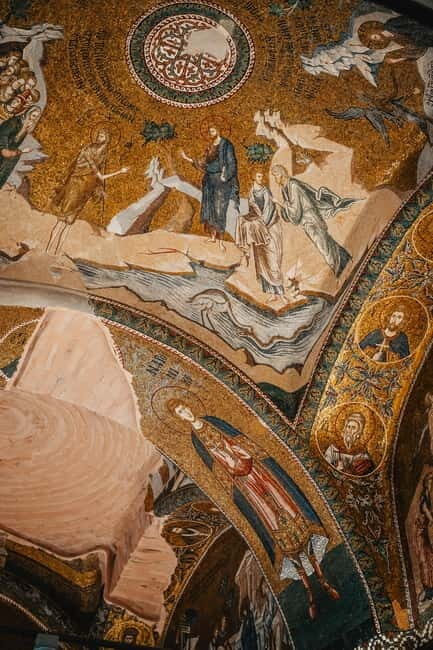
- Byzantine mosaics and frescoes: story scenes from the life of Christ and the Virgin Mary, with careful detail and bright color.
- Self-paced visit: no live guide, so you can spend longer where your eye lingers.
- Architecture you can feel: a blend of Greek cross layout and domes that affects how the interior reads.
- A place that changed hands: built as a Byzantine church, later converted into a mosque, now a museum.
- Closeness of the artwork: the preservation of frescoes and mosaics makes the scenes easier to appreciate.
Kariye Camii: Byzantine mosaics in today’s Istanbul
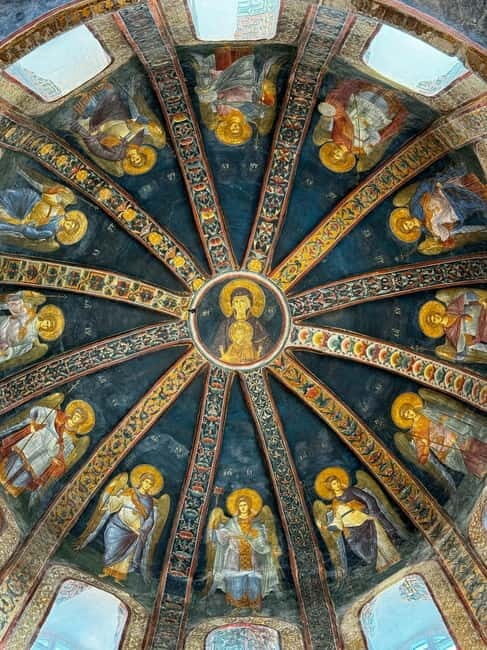
If you like religious art, this is one of the rare places in Istanbul where the “wow” comes from careful work that still looks sharp. The Chora Church was originally built as a Byzantine church in the 4th century. Later, it was converted into a mosque, and today it operates as a museum. That timeline matters because the building itself is part of the experience: you’re seeing layers of faith and culture in the same physical space.
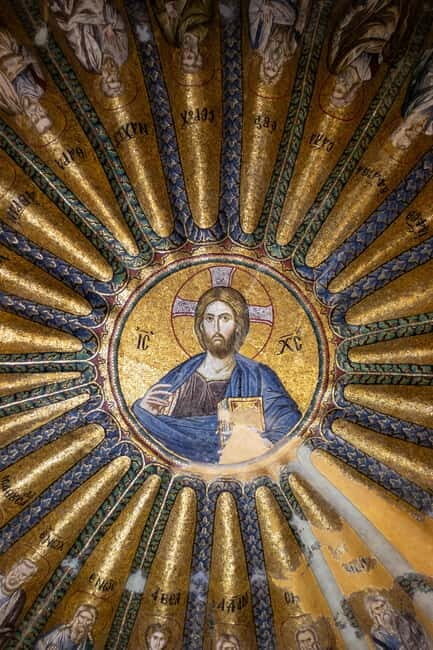
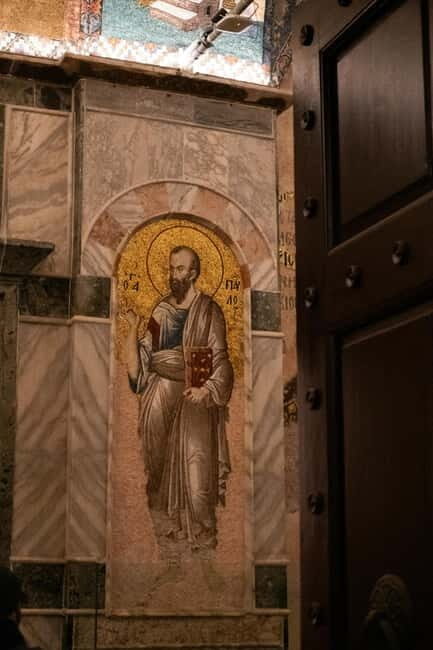
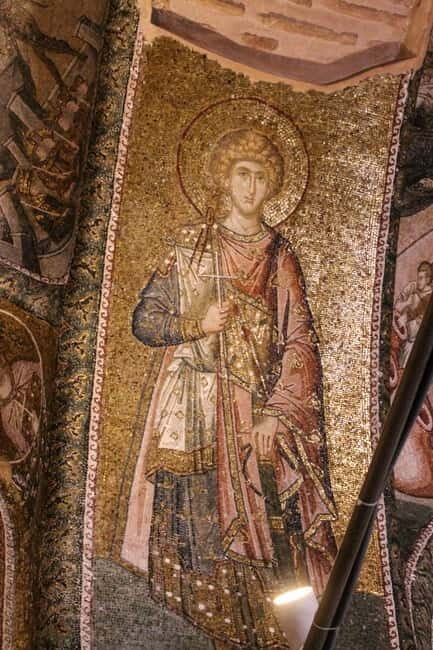
What you’re really paying attention to are the interior scenes. The mosaics and frescoes depict biblical stories—especially scenes from the life of Christ and the Virgin Mary—and they’re considered some of the finest examples of Byzantine art. I like art like this because it’s not only pretty. It’s organized, narrative, and detailed, so your eyes keep finding new parts of the story as you move.
You can also read our reviews of more guided tours in Istanbul



Ticket value: entry plus a digital audio guide, no live guide
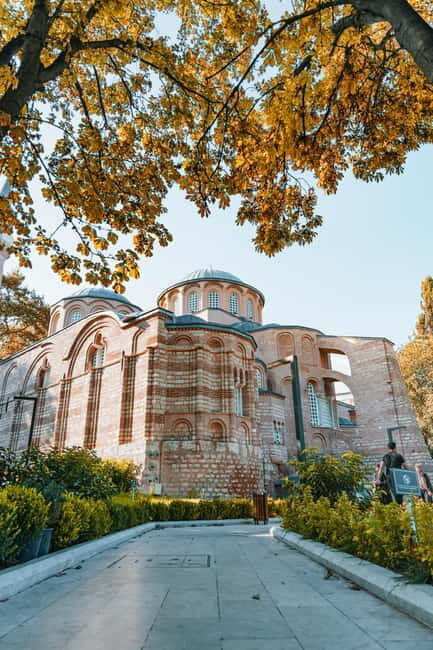
Your ticket includes entry to Kariye Camii and a multilingual digital audio guide app. There’s no live guide, which is a big deal for your expectations. If you want a person to explain the iconography step-by-step, you won’t get that here. If you’re okay with self-guided learning and you like your own pace, this format works well.
The audio setup is also pretty specific. The downloadable app link is sent to you one day before your tour date and it’s also visible on your voucher. You’ll get the tickets from the provider a day before too. In practice, that means you should charge your phone, and you should have time to get the audio app ready before you show up.
At $34 per person, you’re paying for access plus an audio layer that helps you interpret what you’re seeing. You’re not paying for a guide walking you through, so your “value” depends on whether you’ll actually use the audio guide while you’re there.
How the building shapes your walk: Greek cross and domes
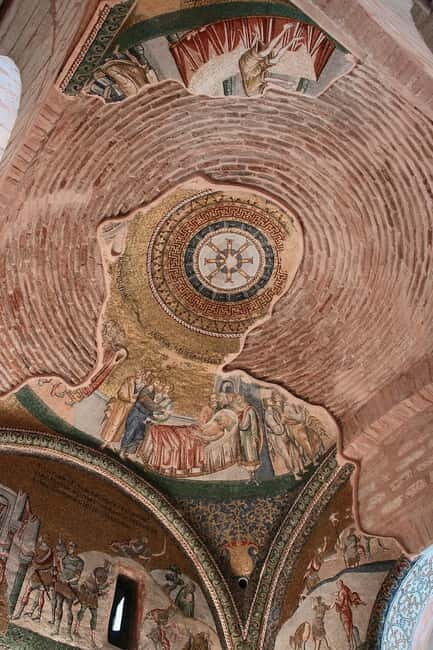
Kariye Camii isn’t just a box with paintings. The architecture uses a blend of a Greek cross layout and a domed layout. Translation: the space encourages movement, and it affects how the scenes feel in relation to each other.
As you enter, you’ll notice that the layout doesn’t let you speed-run the place. The domes and the cross-like geometry pull your attention upward and around. That’s important because mosaics and frescoes aren’t all “front and center.” Some areas become meaningful when you angle your head and let the room frame what you’re looking at.
This layout also supports the spiritual and aesthetic effect people talk about. Even if you’re not there for religious reasons, the building’s form makes the art feel placed with intention, not tacked on. It’s the kind of design choice that turns a self-guided visit into a structured experience.
What to look for: mosaics and fresco stories of Christ and Mary
When you think of Kariye Camii, your mind probably goes to the famous imagery. That’s the right instinct. The church is celebrated for the stunning Byzantine mosaics and frescoes that depict biblical scenes. The standout subject focus is the life of Christ and the Virgin Mary, shown in detailed sequence.
Here’s how I’d use your time once you’re inside:
- Start with a quick sweep to understand where the main story areas seem to sit.
- Then slow down and pick one section of scenes to study, not just glance at everything.
- Use the audio guide at moments when you feel stuck, like when you can’t tell what scene you’re seeing or what connects one panel to the next.
The “why” is preservation. The frescoes and mosaics are known for being preserved well, so you can see the craftsmanship clearly. You’re not trying to imagine a faded image. You’re reading scenes with color and detail intact enough to make the narrative feel alive.
Also, pay attention to how the artwork feels like it belongs to the building. Byzantine art often works like this: the art and the architecture team up. In Kariye Camii, the result is that you get a sense of religious storytelling told through space, not only through individual images.
A monastery connection: St. Saviour in Chora
The site’s significance isn’t only artistic. Kariye Camii was built as part of the monastery of St. Saviour in Chora—a place connected with both religious worship and theological study.
That matters for how you interpret what you see. When a site is associated with study and devotion, the art tends to function like teaching material. It’s not random decoration. It’s structured visual theology, and the scenes you’re watching are part of that larger purpose.
Today, the museum role adds another layer. You’re still seeing the same art, but you’re viewing it through a preservation and public-access lens rather than a strictly worship-centered routine. That shift is part of why the place feels like a time capsule without being sealed off.
You can also read our reviews of more tours and experiences in Istanbul


Byzantine to Ottoman to museum: the building’s cultural fusion
One of the most interesting parts of Kariye Camii is that it carries a cultural blend. Built as a Byzantine church in the 4th century, it was later converted into a mosque. Now it functions as a museum.
That history creates a practical experience for you. You’ll be moving through a site with today’s museum expectations, but you’ll also face operational rules tied to ongoing religious use in parts of the building. The fusion of Byzantine and Ottoman influences isn’t just in a brochure idea—it shows up in how the place operates and how different areas may be treated at different times.
Even if you only care about the mosaics, it helps to know you’re visiting a building that has been adapted over time. The art is the headline, but the adaptation is the context that makes the visit feel real rather than purely “historic viewing.”
Rules that affect your visit: dress, photos, and what you can bring
If you want a stress-free visit, read the rules before you leave your hotel. This place has clear boundaries, and they’re not suggestions.
- Dress code matters: women are required to cover their heads and shoulders. Both men and women must cover their knees before entering.
- Flash photography is not allowed. No flash, period.
- Silence your phone during your visit, and use it only in designated informational areas.
- Don’t bring food and drinks, and avoid luggage or large bags.
- Umbrellas are not allowed.
- Pets are not allowed, but assistance dogs are allowed.
- Weapons or sharp objects are not allowed.
The practical angle: wear clothing that already covers what you need. If you’re improvising at the entrance, you can waste time and get flustered. And if you’re used to filming everything, remember that flash photography is forbidden, and phone use is limited.
Also bring a charged smartphone. The audio guide lives in a separate app you’ll download, so your battery is part of your ticket experience.
Timing: open hours, Friday limits, and prayer-time closures
Kariye Camii has a schedule that can change your plan even when you have a day ticket. The church portion is open every day from 9:00 a.m. to 6:00 p.m., except Fridays.
Then there’s the mosque timing. The mosque is closed 15 minutes before and during prayer times between 9:00 and 18:00. That means if you arrive near prayer, you may see short interruptions depending on where you are in the building and what area is active at that moment.
What I recommend: don’t make Kariye your last stop of the day unless you have time slack. Arrive earlier in your visit window so you can adjust if prayer affects access to certain parts.
Also, since this is self-guided, you’ll benefit from building extra time for the audio guide. Listening while you look takes longer than just walking through.
Practical way to enjoy the audio guide without getting distracted
Because this is not a guided tour, the audio guide becomes your “coach.” It’s multilingual and built into a downloadable app, with the link sent to you the day before.
Here’s how to use it effectively:
- Listen in chunks, not nonstop. You’ll learn more by pairing audio with what you’re seeing right then.
- Pause when you need to look closely. The point isn’t to finish tracks. The point is to understand the scene while your eyes can still match it.
- Don’t rely on your phone for everything. The phone should be silenced and used only in designated informational areas.
If your goal is art appreciation, this setup works well because it gives you control. You can spend two minutes where the guide speaks fast, then switch to slow, quiet looking where the story visuals need time.
Who should book Kariye Camii, and who might skip it
This ticket makes the most sense for you if you fit at least one of these:
- You love Byzantine art, especially mosaics and fresco cycles.
- You prefer self-guided visits where you can spend more time on specific scenes.
- You want a single Istanbul stop that mixes architecture, art, and religious-cultural history in one compact experience.
- You’re comfortable following rules for dress and phone use.
You might hesitate if you want a live storyteller, or if you dislike spending time figuring things out without a guide. Since it’s self-paced and not a live tour, the experience depends on your willingness to use the audio guide and pay attention to details.
Should you book? My call on Kariye Camii
I think you should book this if you care about art that tells a story—especially the life of Christ and the Virgin Mary shown in Byzantine mosaics and frescoes. The preservation of the artwork, plus the Greek-cross-and-domed layout, is exactly the kind of combo that turns “a museum stop” into a meaningful experience.
If you’re the type who enjoys guided facts but hates rigid schedules, the digital audio option is a good match. The main tradeoff is simple: there’s no live guide here, so your best results come from using the app and slowing down instead of rushing.
In short: if mosaics and frescoes are your thing, this is a strong use of your time in Istanbul.
FAQ
What’s included with my ticket?
Your ticket includes entry to Kariye Camii (Chora Church) and a multilingual digital audio guide app.
Is this a live guided tour?
No. You enter and explore on your own, using the digital audio guide app.
What are the opening hours?
The church is open every day from 9:00 a.m. to 6:00 p.m., except Fridays.
Will parts of the site close during prayer?
Yes. The mosque closes 15 minutes before and during prayer times between 9:00 and 18:00.
Do I need to bring anything?
Bring a charged smartphone for the digital audio guide.
Are there restrictions on photos or items?
Flash photography is not allowed. Food and drinks, luggage or large bags, umbrellas, and weapons or sharp objects are not allowed. Pets are not allowed (assistance dogs allowed).