That first taste of Turkey hits fast.
I love the small group setup (max 20), because it keeps the day-to-day feeling personal rather than rushed and generic. I also love that the tour bundles entrance fees and guided visits into one plan, so you spend less time guessing what costs extra. The main drawback to think about is the pace: you’ll fly domestically, and several days run long, so you need decent energy for early starts and packed schedules.
What makes this trip especially workable for you is the way it strings together big hitters in a sensible flow, from Istanbul’s landmark sites to Ephesus, Pamukkale, Konya, Cappadocia, and even an Ankara stop. You also get hotel pickup and drop-off in Istanbul, plus a professional guide throughout, which helps if you want structure without doing all the homework yourself.
In This Review
- Key Things You’ll Notice on This Tour
- Istanbul to Ephesus to Cappadocia: The Value of a Built-In Route
- Day 1 in Istanbul: Optional Bazaar and Mosque, Plus Bosphorus Views
- Day 2: Hagia Sophia Area, Blue Mosque, Museums, Then Flight to the Aegean
- Day 3: Ephesus and Artemis, Plus the Archaeology Museum and Carpet Village
- Day 4: Pamukkale’s White Travertines and Roman-Era Hierapolis
- Day 5: Silk Road Stops in Konya, Caravansary Time, and Mevlana Museum
- Day 6: Goreme Valley Open Air Museum, Fairy Chimneys, and Underground City Levels
- Day 7: Ankara’s Anitkabir, Ataturk’s Mausoleum, and Back to Istanbul
- What’s Included in the Price, and Where Your Budget Needs to Stretch
- Small-Group Comfort: How Max 20 Changes the Experience
- Language and Coordination Check: What to Confirm Before You Go
- Should You Book This Turkey Beauty Highlights Tour?
- FAQ
- Is airport pickup and drop-off included?
- Does the tour include entrance fees?
- Will I travel by air during the trip?
- How big is the group?
- Is breakfast included?
- Are there optional activities or evenings?
- What happens if weather is poor?
Key Things You’ll Notice on This Tour
- Max 20 travelers means more time for questions and a calmer experience at major sites
- Entrance fees included removes a lot of budget and planning friction
- Domestic flight (Istanbul to Izmir) saves hours versus driving back and forth
- Guided visits all the way through keep you oriented in places with confusing layouts
- Ancient ruins plus natural wonders means you’re not stuck in museums the whole time
Istanbul to Ephesus to Cappadocia: The Value of a Built-In Route
This tour works because it’s designed to cut the “Turkey planning headache.” You start in Istanbul, then you fly to Izmir so you can hit Ephesus and the Aegean side without wasting a full day on roads. After that, the trip keeps moving west-to-central and then into Cappadocia, so you’re constantly traveling, but not in a looping, backtracking way.
You also get real comfort built into the plan. Transportation is in a fully air-conditioned, non-smoking vehicle, and you’re picked up and dropped off from the airport in Istanbul. For first-time visitors, that matters more than it sounds. When you land and you’re immediately handed a plan, you get to spend your energy on sights—not logistics.
One more practical note: the tour runs with a professional guide for the full experience, and all entrance fees are included. That means you can focus on learning what you’re seeing rather than standing at ticket counters wondering if you’re on the right line.
And yes, it’s a good fit for a “see the best” mindset. The itinerary is built around major names: Hagia Sophia area, Ephesus, Pamukkale, Konya, Goreme, and Anitkabir.
You can also read our reviews of more tours and experiences in Istanbul.


Day 1 in Istanbul: Optional Bazaar and Mosque, Plus Bosphorus Views
On day one, you’re welcomed in Istanbul with airport-to-hotel transfer. This is one of the most helpful parts of any first-day travel plan. You’re not trying to figure out transit after a flight; you can settle in and get your bearings.
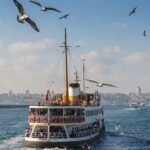
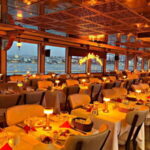
You may also choose an optional half-day outing that starts at 1 p.m. It pairs the Egyptian Spice Bazaar and Rustempasa Mosque with a cruise along the European and Asian shores of the Bosphorus. The cruise portion is the kind of experience that instantly makes Istanbul feel like a city you can understand, not just a list of famous buildings.
Why this option can be worth your time: the Spice Bazaar gives you sensory orientation—smells, crowds, and everyday market rhythm—while the Bosphorus cruise offers a broader view of the city’s geography (and the fact that it’s spread across continents). It’s a strong first-day mix.
The drawback is simple: optional means you’ll decide whether to jump in right away or save your energy for the next day’s heavier schedule. If you land tired, taking the evening to rest isn’t wrong.
Day 2: Hagia Sophia Area, Blue Mosque, Museums, Then Flight to the Aegean
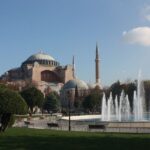
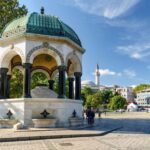
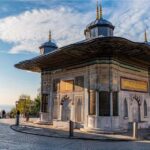
After breakfast, you get a fully guided tour in the Hagia Sophia Grand Mosque area and its immediate surroundings. This includes the Blue Mosque, the St Sophia Museum, the Turkish and Islamic Arts Museum, and the Hippodrome. The guide component is key here. These sites are close, but the stories and architecture overlap in ways that can be confusing if you’re wandering on your own.
Here’s what you’ll likely appreciate most: the way the tour stitches together religious, artistic, and civic history in one walkable pocket. Even if you don’t consider yourself a “history person,” you’ll notice how the city layers eras on top of each other. The Hippodrome helps you understand the city wasn’t only about monuments—it was also about public life.
Then the pace shifts hard. After the guided block, you’re transferred to the airport for the flight to Izmir and then moved on to Kusadasi. So day two isn’t a “one neighborhood” day. It’s a day of two modes: museum-walk energy, then travel mode, then settling into your next base.
That’s manageable, but you should plan your expectations accordingly. If you hate changing hotels or bases, you’ll feel it more on this itinerary than on slower tours.
Day 3: Ephesus and Artemis, Plus the Archaeology Museum and Carpet Village
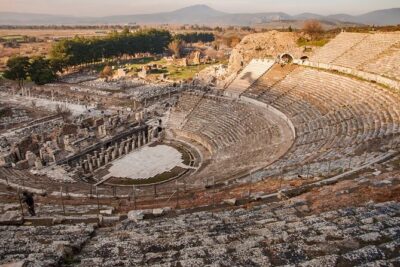
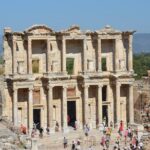
Day three is built for people who want ruins with context. You’ll tour Ancient City of Ephesus with a guide, including a visit to the Temple of Artemis site, plus stops at the theatre atmosphere and then the Ephesus Archaeology Museum, which holds an impressive collection of regional artifacts.
What makes this stop work is the pairing. Ephesus is impressive on its own, but the museum helps you connect what you’re seeing in the open air to objects people made, used, and brought from the area. That combination makes it easier to remember the experience later, not just take photos and move on.
Then you add the carpet village visit and learn how carpets are made by hand and what determines their value. This is one of those “included shopping-adjacent” experiences that many travelers have mixed feelings about. In a well-run tour, it’s more informative than pushy—you get the process, the materials, and the pricing logic. It also gives you a real cultural skill rather than just a sales pitch.
Possible consideration: if you strongly dislike any crafts-and-sales environment, treat this part as an education stop, not a shopping deadline. You can always enjoy watching and skip buying.
Day 4: Pamukkale’s White Travertines and Roman-Era Hierapolis
Pamukkale is the kind of sight that feels unreal at first glance: white calcium terraces known as travertines. On this day, you also tour the ancient city of Hierapolis, then you get time at hot springs used in Roman times.
It’s a great day for variety. You’ll go from gleaming natural formations to a major archaeological site and then into the hot water experience. And since the tour includes entrance fees, you’re not juggling paperwork or additional ticket hunts while your energy is already going into walking and soaking.
You should know this stop typically has sun exposure and lots of open areas, so bring a mindset that includes hydration and comfortable footwear. The tour also includes a display of locally handcrafted leather goods before heading to Pamukkale. Again, this is the sort of culturally linked stop that may or may not lead to buying, depending on your style.
One more practical tip: hot springs time is best when you pace yourself. Don’t rush the archaeological side and then try to do everything at the pools with the energy you have left. The day works best when you treat it as three parts you can alternate between calm and active.


Day 5: Silk Road Stops in Konya, Caravansary Time, and Mevlana Museum
This is one of the longer days (it runs about 9 hours), and it leans into the idea of Turkey as a crossroads. You travel along the ancient Silk Road route and stop at Sultanhani Caravansary, then you visit the Mevlana Museum in Konya.
The caravansary stop is more than a photo stop. It helps you visualize how travel used to work: people and goods moving through set points for rest, safety, and repairs. Then, with Konya, the focus shifts to a different kind of history—religious and cultural influence that shaped the city’s identity.
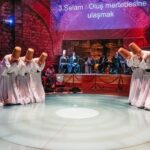
In the evening, there’s an optional traditional Turkish folklore evening. If you want one night that’s lighter and more performance-based, this is the built-in choice.
Drawback to consider: it’s a lot to pack into one day—caravansary, museum, optional evening, and the transit between them. If your travel style is slow and spacious, you may want to skip the optional folklore evening and just rest.
Day 6: Goreme Valley Open Air Museum, Fairy Chimneys, and Underground City Levels
Cappadocia day feels like a change in genre. You visit the Goreme Valley Open Air Museum and the fairy chimneys, then you explore many levels of an underground city.
What you’ll likely enjoy most is the contrast. Above ground, it feels surreal—rock formations shaped by time, wind, and volcanic activity. Then the underground city flips your perspective: you suddenly think about protection, storage, and how people lived when they needed to be hidden.
The fact that this is guided matters here. Underground cities are easy to get turned around in, and the open air museum is a place where you’ll get more out of the experience if someone points out what you’re actually looking at.
Practical consideration: underground spaces can mean tight areas and stairs. The tour says most travelers can participate, but if you’re sensitive to enclosed spaces or uneven steps, plan your pace and take breaks.
Day 7: Ankara’s Anitkabir, Ataturk’s Mausoleum, and Back to Istanbul
Day seven starts early with a transfer to Ankara, where you visit Anitkabir, the mausoleum of Mustafa Kemal Ataturk. Then you return to Istanbul.
This is a smart addition for people who think of Turkey only in terms of ancient ruins. Ankara gives you modern political history and a different perspective on how the country defines itself after the Ottoman era.
The trade-off is time. This is another “long day with a lot of movement.” If you’re hoping for one more relaxed sightseeing day in Istanbul’s neighborhoods, you’re giving that up a bit here.
Still, if you want the trip to feel complete—ancient, cultural, and modern—this Ankara stop adds weight to the whole story.
What’s Included in the Price, and Where Your Budget Needs to Stretch
The price is $1,979.15 per person for the 8-day (approx.) trip. That’s a serious number, so it’s worth checking where the value comes from.
Here’s what the tour includes:
- 7 nights accommodation
- Professional tour guide
- Hotel pickup and drop-off
- Transportation in an air-conditioned vehicle
- Domestic flight between Istanbul and Izmir
- Entrance fees
- Breakfast is listed as included in the highlights
- A dinner is listed in the included section as optional, and breakfast shows up as optional in the included list text, so you’ll want to confirm your exact meal inclusions at booking
Where to budget extra:
- Tips for driver and guide (not included)
- Compulsory travel insurance (not included)
- Suggested optional activities (not included)
- Any meals not listed in inclusions (lunch isn’t mentioned in the provided details)
Also, the tour uses a mobile ticket system. That’s handy, but bring a backup plan anyway in case your phone runs out of battery mid-day.
Overall, the value is strongest if you’d otherwise pay for guided tours and separate entry fees. You’re not just buying transport—you’re buying the structure that keeps you from spending time on logistics and tickets.
Small-Group Comfort: How Max 20 Changes the Experience
A maximum group size of 20 can sound like a small number on paper, but it changes the vibe in real life. You generally get:
- easier navigation between stops
- more chances to ask questions
- less time waiting for the slowest person (and yes, there’s always one)
The tour also offers pickup and drop-off from Istanbul airport, which is huge for reducing stress. You’re not doing a scavenger hunt at arrival.
One more practical point: the vehicle is non-smoking and air-conditioned. Given you’ll be dealing with full days, that comfort adds up.
If you’re the kind of traveler who likes flexibility and free time to wander alone, the built-in schedule can feel tight. But if you want help prioritizing your time in major destinations, this structure is a big win.
Language and Coordination Check: What to Confirm Before You Go
One detail that’s worth taking seriously: tour coordination across platforms and languages. The experience provider is Fez Travel, and there’s a specific example of language mismatch when a Spanish service request ended up delivered in English, while a Fez Travel staff member named Nurseda was described as excellent, and Feysa was also involved in coordination.
So here’s my practical advice: when you book, confirm the language you’ll receive for guiding and key communications. Don’t assume it will match your preference automatically. A quick check can save you from a lot of frustration once you’re on the ground.
Should You Book This Turkey Beauty Highlights Tour?
You should book if you want a well-paced, first-timer-friendly overview of Turkey with major sites, included entrance fees, and guided context—without spending your vacation time on ticket lines and route planning.
You might skip it if you dislike long travel days, early starts, or switching locations often. This itinerary moves, and it moves on purpose.
Also, this experience requires good weather. If you’re traveling during a period where conditions can be unstable, build in the idea that outdoor stops like travertines and Cappadocia experiences depend on the sky doing its job.
If your goal is to see Istanbul, Ephesus, Pamukkale, Konya, and Cappadocia in one trip with minimal hassle, this one is built for you.
FAQ
Is airport pickup and drop-off included?
Yes. You get hotel pickup and drop-off, and the tour notes pickup and drop-off from the airport in Istanbul.
Does the tour include entrance fees?
Yes. Entrance fees are included.
Will I travel by air during the trip?
Yes. There is a domestic flight between Istanbul and Izmir. You may need to send passport copies to book the flights.
How big is the group?
The tour has a maximum of 20 travelers, which is part of why it can feel more personal.
Is breakfast included?
Breakfast is listed as included in the highlights. The included section text also shows breakfast as optional in one place, so confirm the exact meal inclusions when you book.
Are there optional activities or evenings?
Yes. There are optional add-ons such as a half-day Istanbul outing (Spice Bazaar, Rustempasa Mosque, and Bosphorus cruise) and an optional Turkish folklore evening in Konya. Suggested optional activities are not included.
What happens if weather is poor?
The experience requires good weather. If it’s canceled due to poor weather, you’ll be offered a different date or a full refund.