REVIEW · ISTANBUL
Istanbul: Vegan/Vegetarian Cooking Class with Locals at Home
Book on GetYourGuide →Operated by Lokal Bond · Bookable on GetYourGuide
Cooking at home beats any restaurant.
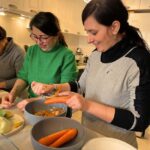
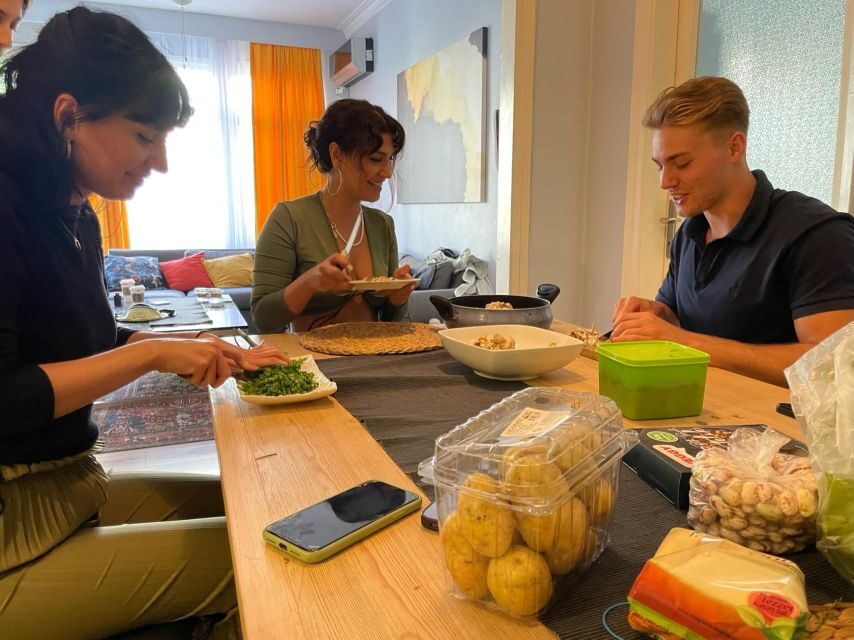
This Istanbul class is built around a cozy local home near Taksim, not a formal venue, so the whole evening feels personal from minute one. I love the way the host team starts with tea and warm conversation, then folds that into the cooking. I also love the hands-on focus: you make plant-based versions like vegan kokoreç and homemade mantı (Turkish dumplings) from scratch. The one thing to consider is that this is a small, home-style setup—so if you’re expecting a big, polished “show” or lots of sightseeing, you’ll want to adjust your mindset.
You’ll keep it practical and tasty. With a small group limited to 6, you cook side by side and get real guidance from the instructor, English and Turkish included. And because the menu centers on vegan/vegetarian Turkish classics, you don’t just learn recipes—you learn how locals think about adapting beloved flavors into plant-based form.
In This Review
- Key things you’ll remember
- Entering a Local Kitchen Near Taksim
- Tea, Warm Conversation, and a More Relaxed Start
- Cooking Vegan Turkish Classics Without Feeling Like You’re Missing Out
- Vegan kokoreç: a street-food twist that still feels Turkish
- Dolma: the wrapping and stuffing skills you can reuse
- Mantı: homemade dumplings with that clear comfort-food payoff
- More dishes, same theme: plant-based Turkish care
- What You’re Really Learning: Plant-Based Adaptations That Still Taste Local
- The Real Value of a Small Group Cooking Class (Max 6)
- Eating the Meal You Made: The Best Part Isn’t Just the Food
- Instructor Rojda: Guidance Plus Istanbul Stories
- Price and What You’re Actually Getting for $106
- Where This Class Fits Best in Your Istanbul Plan
- Getting to the Home and Settling In
- Should You Book This Vegan/Vegetarian Cooking Class in Istanbul?
- FAQ
- How long is the cooking class?
- Where is the meeting point?
- Is the class vegan or vegetarian?
- How many people are in the group?
- What dishes will you learn to make?
- What languages does the instructor speak?
- Is there free cancellation?
Key things you’ll remember
- Home-hosted near Taksim makes the evening feel like a visit, not a class in a room full of strangers
- Tea-first welcome sets a relaxed pace before you even touch a cutting board
- Vegan kokoreç + mantı gives you street-food energy and dumpling satisfaction in one night
- Dolma from scratch helps you understand the stuffing-and-wrapping basics behind a lot of Turkish home cooking
- Small group (max 6) means more attention while you cook, not just watch
- English/Turkish instruction helps you follow steps clearly, even if your Turkish is still in progress
Entering a Local Kitchen Near Taksim
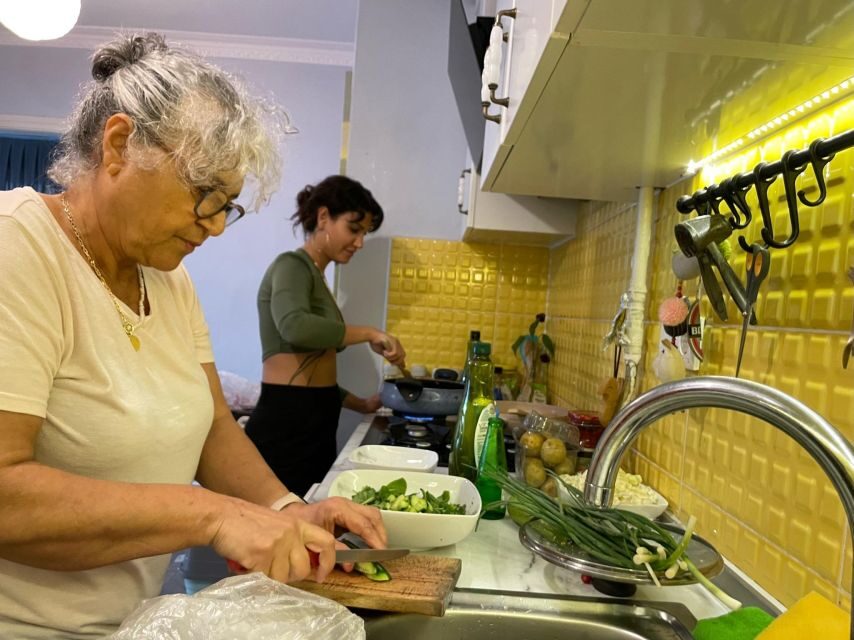
In Istanbul, you can eat your way around the city forever. But a cooking class in a real home gives you something food alone usually can’t: the rhythm behind the cooking.
This experience is hosted in a local home near Taksim, which is one of the most central areas of the city. That location matters because it keeps the night from feeling like a logistical mission. Instead of commuting for hours, you can plan a simple day, then step into an evening that’s focused and comfortable.
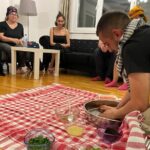
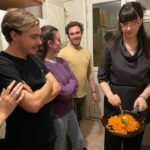
And yes, it’s literally at someone’s home. That changes the vibe fast—in a good way. The space feels lived-in, the pace feels human, and the conversations feel less like “tour talk” and more like real people trading stories. In reviews, the host and instructor role is tied closely to the host herself, Rojda, and it comes through: she doesn’t just run the kitchen steps, she shares personal insight about life in Istanbul as you go.
The only drawback to keep in mind is also the point: being in a home means you’re dealing with a more intimate setup. That’s great if you like hands-on learning. It’s less ideal if you want lots of elbow room or a very formal teaching environment.
You can also read our reviews of more tours and experiences in Istanbul


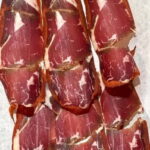
Tea, Warm Conversation, and a More Relaxed Start
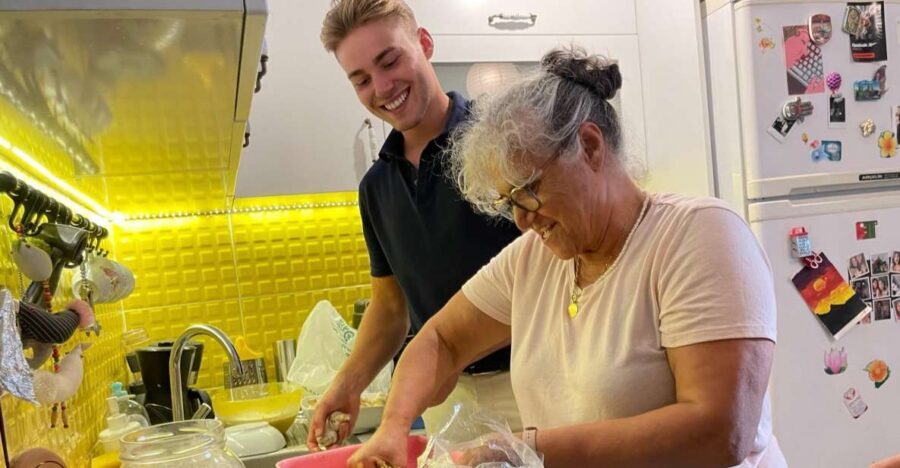
Most cooking classes jump straight into the chopping. Here, you start softer. Expect a warm welcome, plus tea or coffee and a bit of conversation before the cooking begins.
This first part is more than a nice gesture. It’s how you get into the mindset of Turkish home hospitality. You’ll likely hear context around what you’re making and how it connects to everyday life in Istanbul. It also helps you relax, which sounds small until you realize you’re going to be cooking with your hands for a couple of hours.
In reviews, people specifically highlighted the comfort factor—warm conversation, meaningful chatting, and the feeling of spending time with a good friend rather than attending a timed “activity.” That’s exactly what makes this class feel memorable, even if you don’t consider yourself a super confident cook.
Cooking Vegan Turkish Classics Without Feeling Like You’re Missing Out
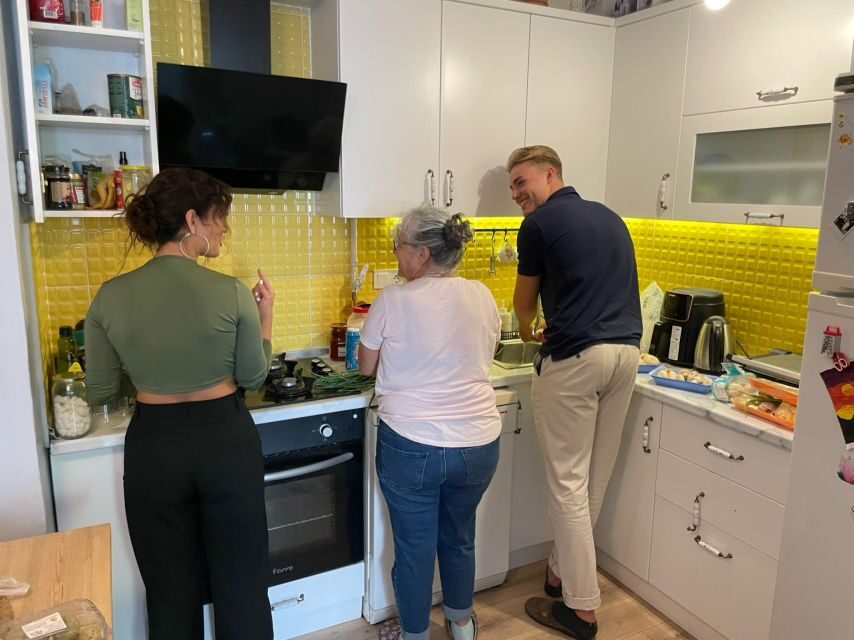
The core promise of the class is plant-based Turkish cooking done at home style. The focus is vegan and vegetarian adaptations of recipes you’d recognize from Turkish cuisine, plus the techniques that make them work.
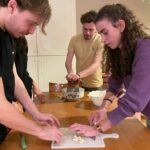
You’ll cook side by side with the group and instructor. The idea is simple: you don’t just watch steps—you do them. That’s where the experience becomes useful. You leave with muscle memory, not just a list of dish names.
Vegan kokoreç: a street-food twist that still feels Turkish
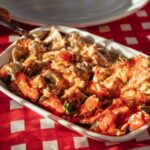
Kokoreç is one of those Turkish street-food concepts people talk about because it’s bold and flavorful. Here, you make a vegan kokoreç version. That matters because it shows you how Turkish street flavors can translate into plant-based cooking, rather than becoming a “totally different” dish.
From a learning standpoint, it’s also a confidence builder. Street-food dishes often have a reputation for being hard. Doing a vegan version at home helps you understand how seasoning, texture, and cooking method create the same craving.
Dolma: the wrapping and stuffing skills you can reuse
Dolma is a Turkish staple, and this class includes making dolma from scratch. Even if you’ve eaten dolma in restaurants before, making it yourself is different. You learn what matters in the stuffing—balance of flavor, how it behaves during wrapping, and the way the dish comes together when cooked.
If you want take-home value, dolma is one of the best things to practice. The technique travels. Once you understand the stuffing and wrapping process, you can adapt it for different vegetables and different occasions.
You can also read our reviews of more cooking classes in Istanbul
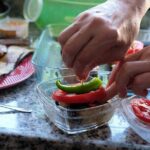
Mantı: homemade dumplings with that clear comfort-food payoff
The class includes homemade mantı, the Turkish dumplings that are famous for their satisfying bite. You’ll make it from scratch here. Reviews specifically call out learning vegan manti, and that’s a standout because dumplings can feel intimidating.
But dumpling making is also the best kind of learning. It teaches you consistency—how dough should feel, how filling distribution works, and how to shape so you get that classic result. If you like food that looks like work but tastes like comfort, mantı will deliver.
More dishes, same theme: plant-based Turkish care
You’ll also make a variety of vegan/vegetarian dishes beyond the big names above. The common thread is that you’re exploring how traditional recipes can stay faithful to Turkish flavors while shifting to plant-based ingredients.
That’s a big deal for anyone who worries vegan cooking will feel generic. Here, it feels like Turkish cooking with a new ingredient set, not a completely different cuisine.
What You’re Really Learning: Plant-Based Adaptations That Still Taste Local
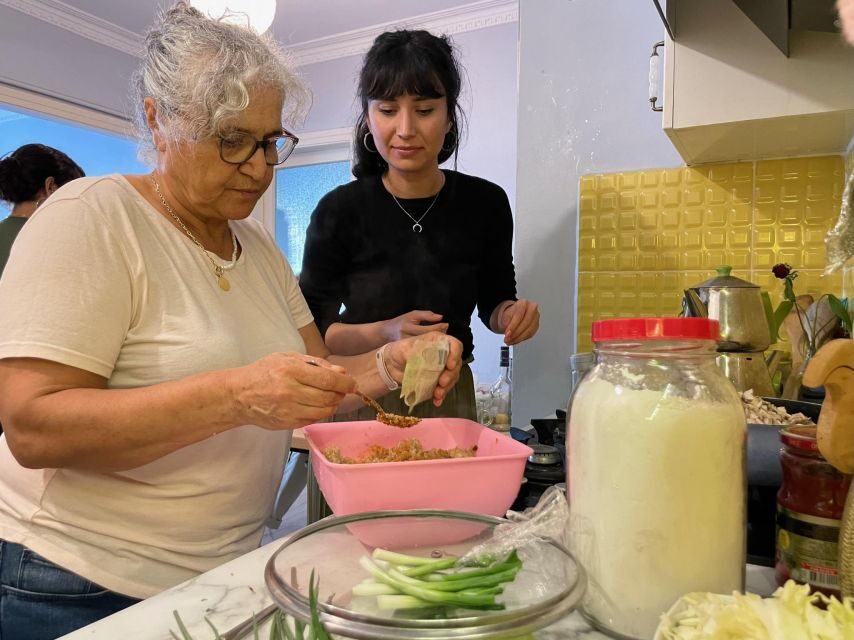
A lot of vegan cooking lessons stop at recipe swaps. This one goes further because it focuses on how Turkish recipes are adapted into plant-based versions.
That means you’re paying attention to patterns:
- How familiar flavors are built with the right herbs and seasonings
- How texture can be created without relying on meat-based ingredients
- How a dish can stay Turkish in spirit even when it changes on the ingredient level
This matters because it helps you cook outside the class later. You’re not just copying a finished dish. You’re learning why the dish works.
In reviews, people praised the sense that Rojda shared personal cultural insight alongside the cooking. That combination is what turns a “meal” into something you can remember. You learn the food and also the context that explains it.
The Real Value of a Small Group Cooking Class (Max 6)
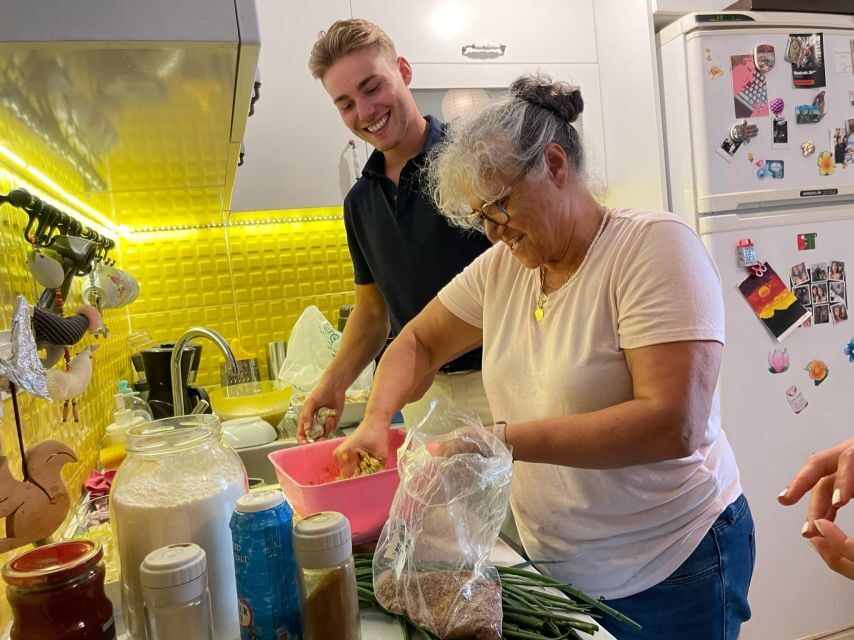
Group size sounds like a minor detail until you try it. A class for 30 people turns into a show. A class for 6 turns into real participation.
With small group limits, you get more attention while you cook. You’re also more likely to chat with the other participants, which makes the shared meal feel easier and more social. And because the instructor speaks English and Turkish, you’re not stuck guessing what you did wrong or what a step is supposed to accomplish.
In reviews, several people mention the relaxed and fun pace, plus the feeling of learning a lot. That usually comes from having time to ask questions and from not being rushed through steps. Here, the structure supports that.
Eating the Meal You Made: The Best Part Isn’t Just the Food
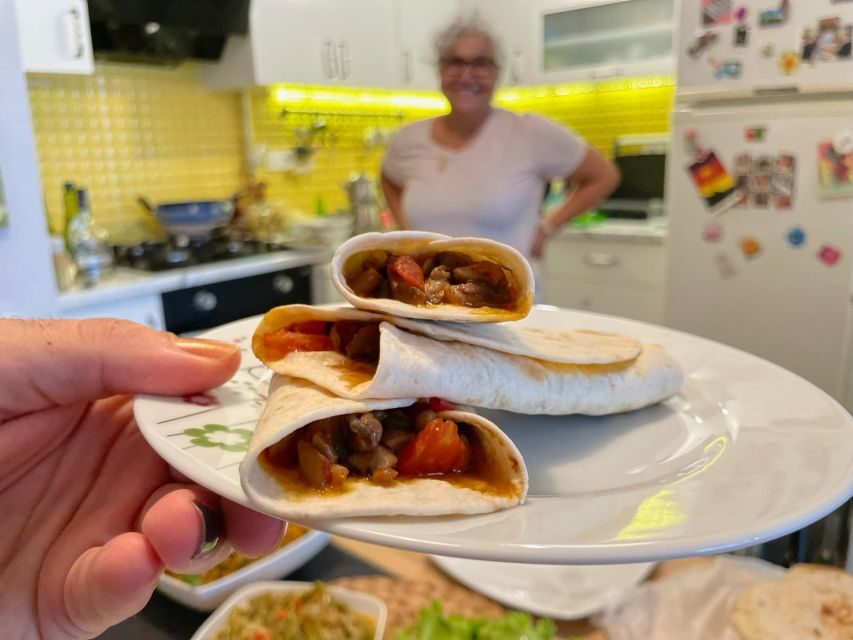
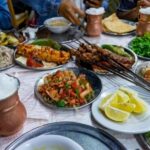
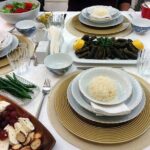
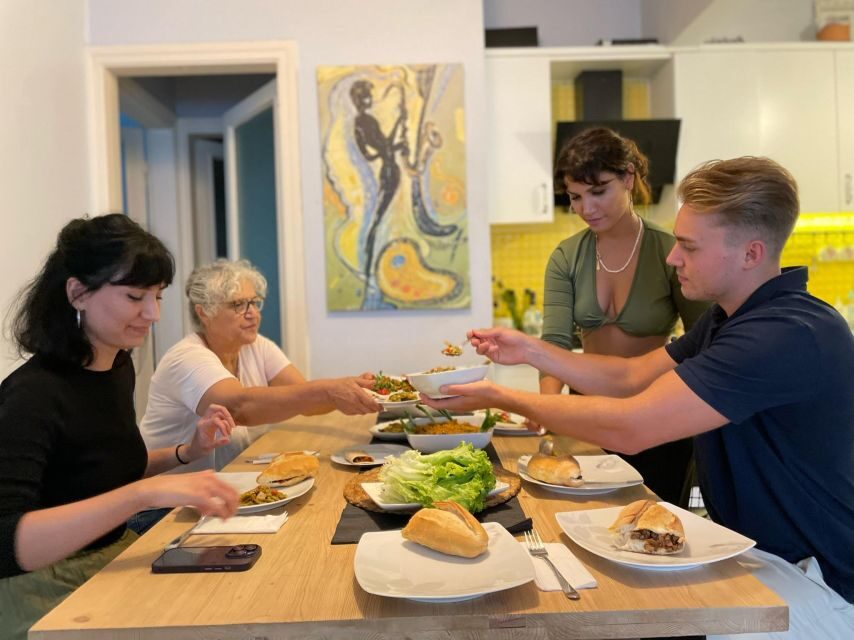
The cooking is only half the story. This experience ends with shared eating—your group sits down after cooking and you enjoy the meal together.
That matters for two reasons:
1) You get to taste what you made immediately, so lessons land faster.
2) The conversation keeps going. Food is the easiest way to talk about culture without forcing it.
In reviews, people described it as a meaningful conversation and a warmth-heavy evening. That’s the goal. You’re not just checking off a cooking class. You’re building an Istanbul connection through a kitchen meal.
Also, since the dishes are vegan/vegetarian Turkish classics adapted into plant-based form, the shared meal feels coherent rather than random. You leave with a sense of what a plant-forward Turkish table can look like.
Instructor Rojda: Guidance Plus Istanbul Stories
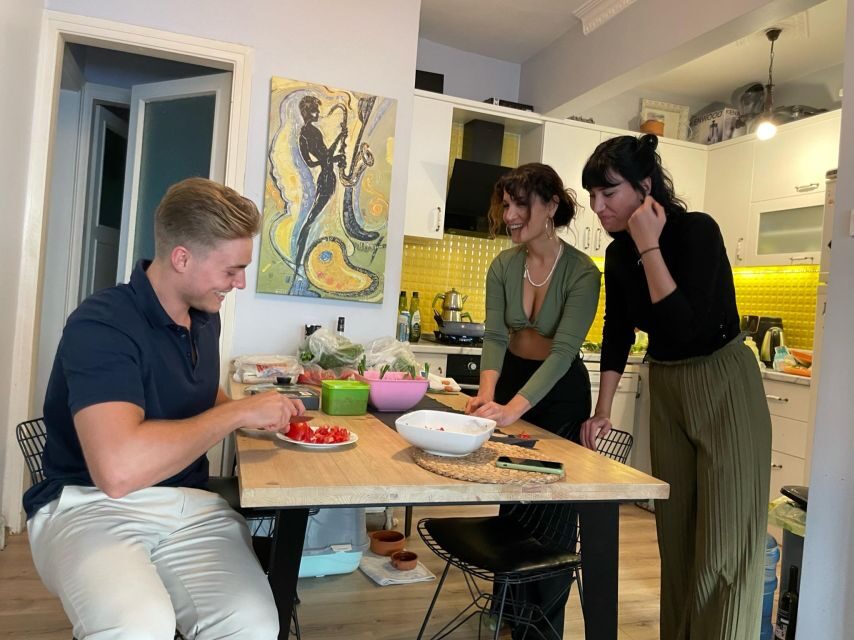
A cooking class is only as good as the instructor, and the instructor here is a real highlight.
Rojda is specifically praised in reviews for warm welcomes and clear guidance. People also mention that she shares personal stories and insights about Istanbul and life there. That detail changes the experience. You’ll likely find yourself asking more questions because the answers feel personal.
Language is another factor. The instructor is English and Turkish, which means you can follow steps clearly and still experience the Turkish flavor of the evening without feeling left out.
If you’re the type of traveler who likes learning how people actually live, this kind of instructor-led storytelling is a huge part of the value. It’s not just “how to cook.” It’s “how to see Istanbul through food.”
Price and What You’re Actually Getting for $106
At $106 per person for about 2.5 hours, this isn’t a budget snack. But it’s also not overpriced in a way that feels out of line for what you receive.
Here’s the value math that makes sense:
- You get a guided, small-group cooking class limited to 6
- You cook a variety of vegan/vegetarian Turkish dishes
- You make notable items like vegan kokoreç, dolma, and mantı
- You sit down and eat the meal you helped prepare
- You get cultural exchange time, not just recipe instruction
When a class includes both hands-on cooking and the full shared meal experience, $106 starts to look reasonable. You’re paying for time, instruction, ingredients, and hosting in a local home. And because the dishes include techniques you can reuse, you’re leaving with skills—not just photos.
Where This Class Fits Best in Your Istanbul Plan
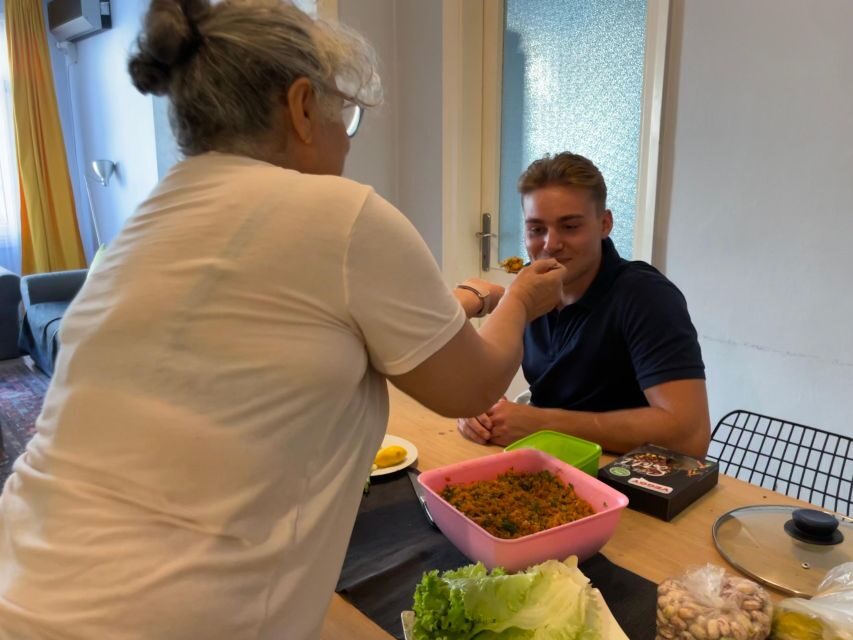
You’ll love this class most if you’re aiming for a more local, human Istanbul experience. It’s ideal for:
- Food lovers who want practical cooking skills
- Vegans or vegetarians who want Turkish flavor with plant-based technique
- Travelers who like conversation and cultural context, not just a checklist activity
- Small-group seekers who hate crowds and prefer one-on-one instruction time
It’s less ideal if you want an itinerary packed with major landmarks. This is not a sightseeing tour. It’s an evening in a kitchen, with a strong meal and strong conversation.
Getting to the Home and Settling In
This class is near Taksim, and the meeting approach is straightforward: you can call when you’re here or ring the bell number 11. That’s helpful because home-hosted activities can be hard to locate if you rely only on a vague landmark.
My practical advice: build a little buffer into your schedule. Wear comfortable clothes you’re fine getting food on. Cooking in a home means you’ll likely be moving, tasting, and working with dough or stuffing tasks, so skip anything delicate.
Also, come hungry. You’re going to work for your dinner, and the best part is you get to eat what you helped make.
Should You Book This Vegan/Vegetarian Cooking Class in Istanbul?
Book it if you want a real Istanbul evening, not just a meal. The combination of home hospitality, hands-on vegan Turkish cooking (especially mantı and dolma), and the warm conversation angle makes it stand out.
Skip it if you want a large, structured production or if you’re only interested in the biggest tourist sites. This is for people who like kitchens, technique, and people stories.
If you’re on the fence, ask yourself one question: Do you want to leave Istanbul with the feeling of having cooked with someone you trust? If yes, this class is a strong choice.
FAQ
How long is the cooking class?
The experience runs for 2.5 hours.
Where is the meeting point?
You meet at the home near Taksim. You can call when you are here or ring the bell number 11.
Is the class vegan or vegetarian?
It’s a vegan/vegetarian cooking class focused on plant-based versions of Turkish dishes.
How many people are in the group?
The group is limited to 6 participants.
What dishes will you learn to make?
You’ll learn dishes like vegan kokoreç, dolma, and homemade mantı, plus a variety of other vegan/vegetarian dishes.
What languages does the instructor speak?
The instructor speaks English and Turkish.
Is there free cancellation?
Yes. Free cancellation is available up to 24 hours in advance for a full refund.