REVIEW · ISTANBUL
Private Hagia Sophia Sultanahmet Blue Mosque Cistern Grand Bazaar
Book on Viator →Operated by DESTINOLOGY TOUR · Bookable on Viator
That’s a lot of Istanbul packed in.
This private route strings together the big-ticket sights around Sultanahmet with a private professional licensed guide, plus help with museum tickets so you spend less time stuck and more time seeing. I especially like the way the day is paced—slow enough to understand what you’re looking at, fast enough to keep moving—plus the added lunch stop at Deraliye, known for dishes linked to the Ottoman court.
One thing to plan for: the main museum entry fees for Hagia Sophia and Basilica Cistern are not included, so the final cost is more than the $150 group price.
You’ll also like that this is a small-group setup (up to 15 people) with a flexible plan, English-speaking guide, and a walking format that works well if you enjoy getting your bearings on foot.
If you want the short version: this is a guided “greatest hits” day that still tries to teach you how Istanbul layers Byzantium and Ottoman eras on top of each other.
In This Review
- Quick highlights from Hippodrome to Grand Bazaar
- Price and what you actually get for $150 per group
- Your guide experience: what “private and licensed” means in practice
- A smooth start at Hippodrome, where Byzantium sets the stage
- Blue Mosque logistics done right: meet at gate C
- Basilica Cistern: the Sunken Palace beneath your feet
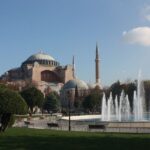
- Hagia Sophia Grand Mosque visit: queues, tickets, and pacing
- Grand Bazaar: shopping with context, and a Sunday workaround
- Deraliye lunch break: Ottoman-court style food near Sultanahmet
- The pace: why little waiting and a leisurely rhythm matters
- English-speaking private guide and what to expect from the explanations
- Who this tour fits best (and who might want something else)
- Booking timing, pickup, and the small logistics that matter
- Should you book this private Hagia Sophia, cistern, and Grand Bazaar day?
- FAQ
- How long is the private tour?
- How much does the tour cost?
- Is this a private tour or shared with other people?
- What language is the tour offered in?
- Are museum entrance tickets included in the price?
- How much are the Hagia Sophia and Basilica Cistern tickets?
- Is pickup included?
- Is lunch included?
- Does the tour include coffee or tea?
- What happens on Sunday at the Grand Bazaar?
Quick highlights from Hippodrome to Grand Bazaar
- Meet guidance at Blue Mosque gate C so you don’t waste time guessing where to go first.
- Museum-ticket support included to cut down the usual queue stress at the big indoor sites.
- Basilica Cistern scale facts: about 80,000 tons of stored water and a footprint around 140 m by 70 m.
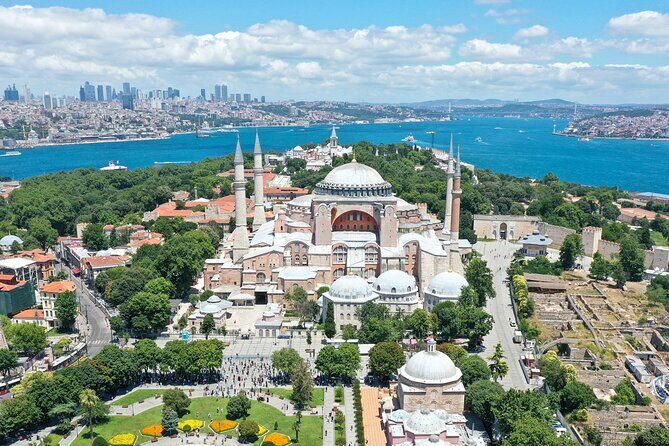
- Hagia Sophia access with queue avoidance focus using a licensed guide for the museum complex.
- Grand Bazaar timing note: Sunday bazaar closure means a replacement visit to craft centers.
- Deraliye lunch break near Sultanahmet, with an Ottoman-court menu style and optional add-on.
Price and what you actually get for $150 per group
This tour is priced at $150 per group (up to 15 people), and that matters because you’re not paying “per person” for the guide. With a full group, the guide cost per head is low; with a small group, it’s still fair because you’re covering multiple major sites in one go.
The value is strongest when you care about three things: a real guide, fewer wasted moments, and organized ticket handling. You’re also getting coffee and/or tea included, plus a walking day that doesn’t require you to coordinate between stops.
The catch is the add-on costs. The museum tickets for Hagia Sophia and Basilica Cistern are listed separately (prices are given in both USD and Euro amounts), and lunch at Deraliye is optional. If you’re counting pennies, you’ll want to budget those entrances before you book.
You can also read our reviews of more private tours in Istanbul
Your guide experience: what “private and licensed” means in practice
This is set up as a private tour/activity, meaning it’s just your group and not a big shared bus crowd. The day runs with a flexible programme, so your guide can adjust pacing to your interests while still hitting the main stops.
The tour also includes a mobile ticket, pickup is offered, and the guide helps you purchase museum tickets quickly. That last part is not a small detail. When you’re juggling Hagia Sophia and Basilica Cistern on the same day, ticket lines can eat up the hours you hoped to spend inside.
From the way guides are described, the standout theme is clarity and real cultural context—people consistently mention guides who explain things in a way that sticks, not just recite facts.
A smooth start at Hippodrome, where Byzantium sets the stage
The day begins at the Hippodrome, a place people often connect only to Constantinople’s glory days. I like how this stop resets expectations: it existed before the city became an imperial capital.
You get a history thread that starts with Septimius Severus rebuilding and expanding the city and constructing a hippodrome for chariot racing and entertainment. Then Constantine the Great re-establishes Byzantium as Nova Roma after victory near Chrysopolis—an idea that didn’t stick, and the city ends up called Constantinople anyway.
The practical payoff is that the Hippodrome becomes more than an outdoor landmark. With the guide’s framing, you’re seeing a timeline of who built what, and why the names matter. Even if you’re not a chariot-race person, the scale numbers give you a sense of why this site mattered.
The Constantine-era Hippodrome is described as roughly 450 m long and 130 m wide. That kind of size helps you imagine the noise, movement, and competition that once filled the area.
Blue Mosque logistics done right: meet at gate C
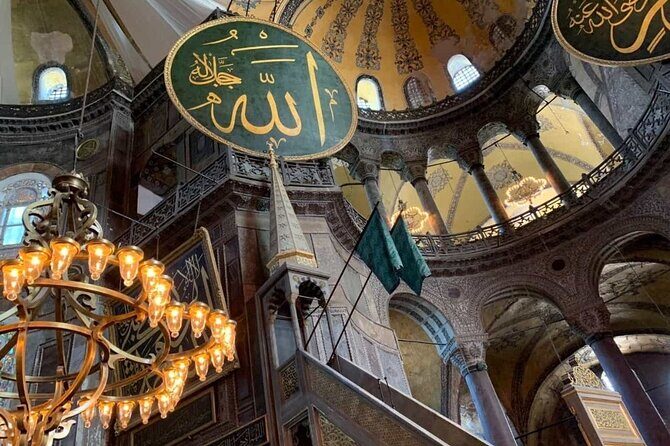
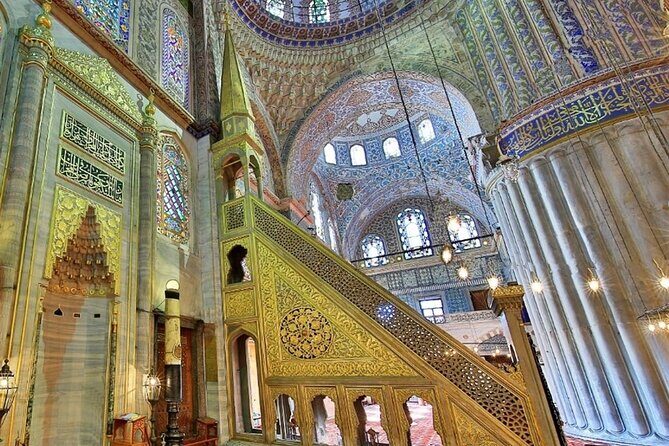
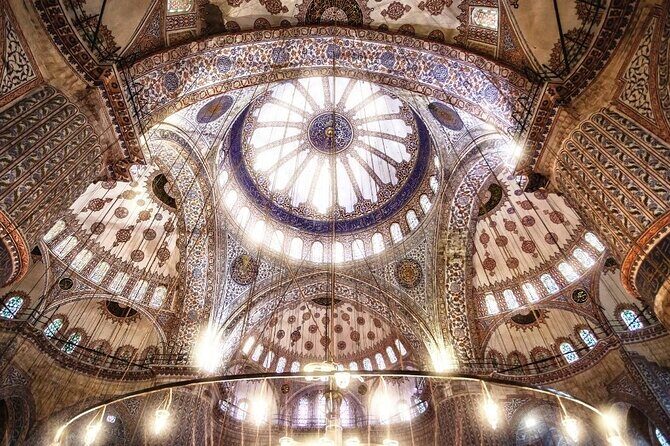
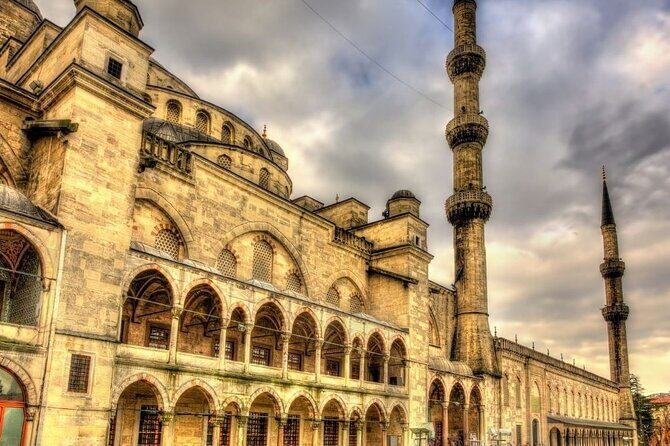
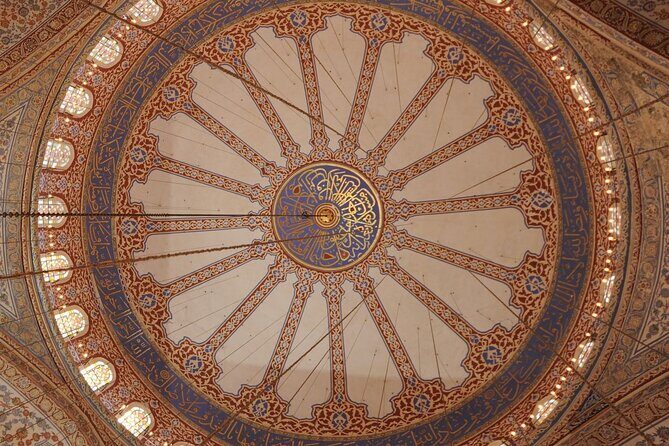
Next is the Blue Mosque (Sultanahmet Camii), with a licensed guide approach that avoids the usual first-time confusion. The key detail: you meet your guide at gate C.
I like this setup because it removes the hardest part of a mosque visit when you’re short on time—finding the correct entrance, figuring out where to start, and getting your bearings in the first minutes. With the guide on board, you can spend attention on what you’re seeing instead of scanning maps.
The tour lists a 55-minute window here. That’s long enough to appreciate the main features without turning it into a rushed checkmark stop, especially when you’re moving through the complex with someone who can point out the small details that most people miss.
Basilica Cistern: the Sunken Palace beneath your feet
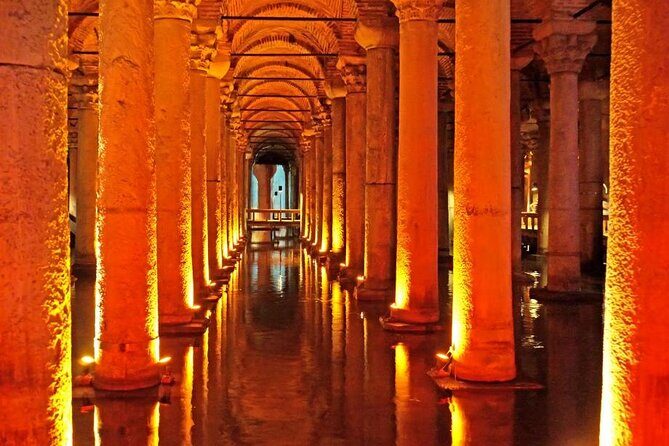
The Basilica Cistern Museum is the kind of stop you feel in your body because it’s cooler, darker, and entirely different from the open air above. It’s also one of the best places in the city to connect Istanbul’s Byzantine-era engineering with the way the city still uses (and reuses) space.
This is identified as Yerebatan Sarayı, often translated as Sunken Palace, because of the many marble columns rising from the water. Another name you’ll hear is Bazilika Sarnıcı—built on the site of the earlier Stoa Basilica.
The scale numbers are impressive and they help you understand why the cistern feels so theatrical even before you notice the columns:
- 80,000-ton water storage capacity
- about 10,000 square meters of covered area
- roughly 140 meters long by 70 meters wide
It’s described as the largest covered cistern in the city, and also noted for having more reclaimed supporting elements than other covered cisterns. That’s not just trivia. It gives you something to look for as you walk through—how the structure is put together and why it was built the way it was.
One practical thing: the Basilica Cistern ticket is not included. The provided pricing is listed around $40 USD (and also appears as 35 Euro). So you’ll want to be ready to pay the separate entrance fee on the day.
You can also read our reviews of more shopping tours in Istanbul


Hagia Sophia Grand Mosque visit: queues, tickets, and pacing
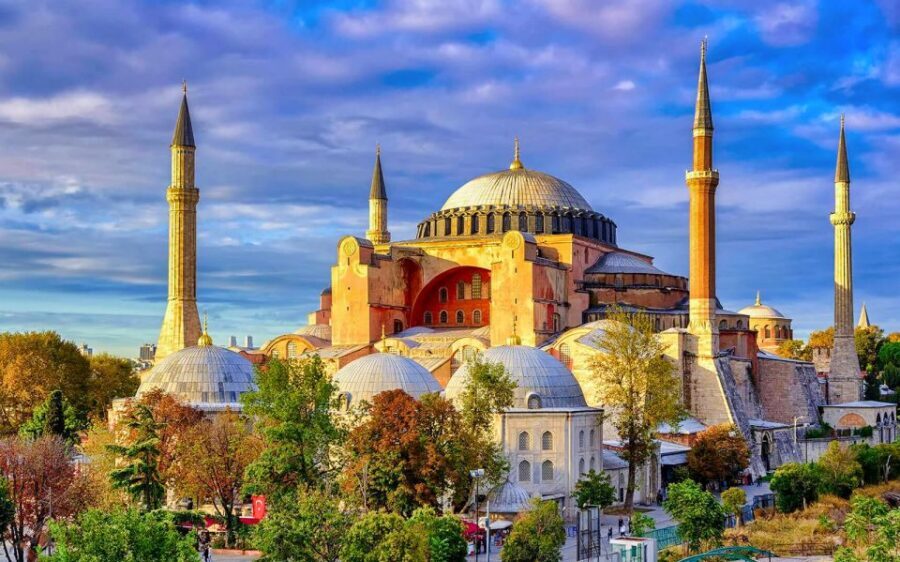
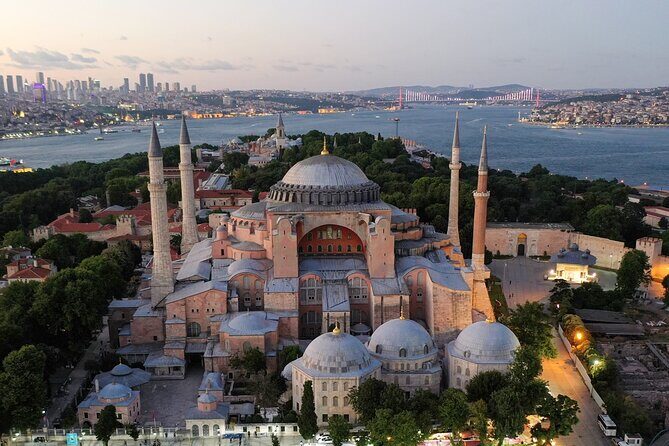
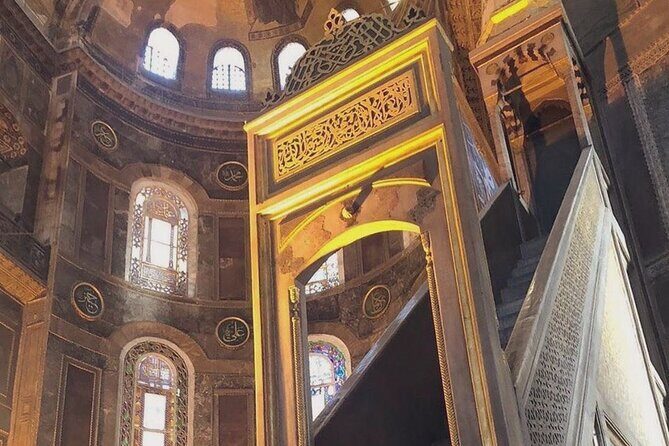
After the cistern, you move into the Hagia Sophia Grand Mosque experience via the museum complex. The tour is designed to help you avoid lengthy queues by using a licensed professional guide for access.
This stop is listed for about 1 hour, and the timing is realistic. Inside, attention tends to expand and contract with every turn—one guided hour is often the difference between “I saw a lot” and “I understand what I saw.”
As with the cistern, the ticket cost is not included. The tour data lists Hagia Sophia museum entrance at 31 USD (also shown as 25 Euro). Budget for that if you want the day to stay within plan.
In terms of experience value, this is where the private guide can shine. You’re not just paying to enter; you’re paying for someone to help you read the building—how different eras shaped what you’re seeing, and why the museum complex feels like a layered story.
Grand Bazaar: shopping with context, and a Sunday workaround
Then comes the Grand Bazaar, and this is where the day shifts from temples and architecture to street-level commerce and craft. It’s described as part of the Historical Peninsula on the UNESCO World Heritage list since 1985.
The bazaar is also described as a place with huge daily foot traffic—over half a million visitors every day is the number you’ll see in the tour info. Even if your own day feels smaller, it’s still a good reminder: it’s crowded, it’s maze-like, and you’ll enjoy it more if you don’t wander blindly.
The tour includes about 1 hour 30 minutes here, which is enough to browse with purpose. You’ll get suggestions for shopping categories such as carpets, jewelry, Iznik tiles, and also leather jackets and furs.
A very practical timing note: the bazaar closes on Sunday. If your tour lands on Sunday, the tour replaces it with a visit to around-the-bazaar craft centers. That’s a big deal because it means you’re not stuck with an empty shopping day if the bazaar itself is closed.
Deraliye lunch break: Ottoman-court style food near Sultanahmet
Between monuments, you get a lunch break at Deraliye Restaurant. It’s positioned right where you want to be—next to Hagia Sophia and only a few steps from the Blue Mosque—so you don’t lose time traveling across town.
Deraliye is described as serving dishes that used to be offered at the Ottoman Empire court, and the lunch is framed as a menu fit for a Sultan. That’s the kind of detail that turns “we ate somewhere” into a small cultural experience.
This lunch is not included in the base price; it’s an optional lunch extra. If you’re trying to keep costs predictable, you can skip it. If you want the full day feeling complete, it’s a nice way to rest your legs without abandoning the Istanbul theme.
The pace: why little waiting and a leisurely rhythm matters
The tour is structured to reduce common time sinks: the guide helps you purchase museum tickets quickly, and the day is paced so you can move between locations without feeling like you’re sprinting.
That pacing shows up in the tour descriptions as “little or no waiting” at the major sites. I’d treat that as a major selling point. When you’re trying to hit Hippodrome, Blue Mosque, Basilica Cistern, Hagia Sophia, and the Grand Bazaar in one day, waiting around is the difference between a satisfying itinerary and a tired blur.
The walking tour format also matters. You’re not just seeing buildings from a bus window; you’re moving through the same neighborhoods you’d navigate yourself. That’s one of the reasons the tour feels like a coherent loop rather than separate drop-offs.
English-speaking private guide and what to expect from the explanations
The tour is offered in English, and it’s built around professional licensed guiding. In practice, the best part isn’t only facts—it’s how the guide turns a site into a story you can repeat.
In the feedback you’ve been given, guides like Liz, Serkan, Yusuf, and Sara get specifically praised for being passionate, patient, and clear. People also emphasize that these guides connect buildings to the wider community of Istanbul, not just architecture trivia.
If that’s your style, you’ll feel it immediately when the guide explains the “why” behind what you’re looking at—like how the Hippodrome’s identity shifts as emperors rename and rebuild the city.
If your style is more independent, this still works because the tour gives you a clear map for where to look, while keeping the day private to your group. You can ask questions, slow down, or speed up within reason.
Who this tour fits best (and who might want something else)
This is a great choice if you want a single-day sampler of Sultanahmet without planning headaches. It’s especially suitable for:
- first-timers who want the main sights in a sensible order
- small families or groups who prefer private pacing
- people who value clear guidance and queue reduction at indoor sites
- shoppers who want to browse the Grand Bazaar with categories in mind, not random wandering
You might think twice if you’re trying to keep the total cost as close as possible to $150. Once you add Hagia Sophia and Basilica Cistern tickets (plus optional lunch), the day becomes more expensive. Still, the structure is efficient, so it’s not wasted spending—just a cost you should expect.
Also, it’s a 6 to 7 hour walking day. If you know you get tired quickly, plan comfortable footwear and take advantage of the time your guide gives you to settle and regroup.
Booking timing, pickup, and the small logistics that matter
The tour notes that it’s booked on average about 29 days in advance. If your travel dates are fixed, booking earlier is smart since this is a private, guided setup.
Pickup is offered, and the tour is listed as near public transportation. Transportation fees are not included if you need extra transport beyond what’s covered by the pickup arrangement, so it’s worth checking what your pickup includes before you confirm plans.
You’ll also get confirmation at booking time. The tour supports free cancellation, so you have flexibility if your schedule shifts.
Should you book this private Hagia Sophia, cistern, and Grand Bazaar day?
I’d book it if you want one guided day that ties together Byzantium and Ottoman Istanbul with a smooth route and real help at the biggest indoor sites. The combination of a private licensed guide, included coffee/tea, and assistance with museum tickets is where the time savings and value come from.
I’d also book it if your goal is clarity. This tour isn’t just about seeing famous places; it’s designed to help you understand what you’re looking at—especially at Hippodrome, Blue Mosque, Basilica Cistern, and Hagia Sophia.
Skip or rethink if you’re very cost-sensitive after add-on fees. Hagia Sophia and Basilica Cistern entrances are separate, and lunch at Deraliye is optional. But if you plan for those costs up front, you’ll likely feel like you got your money’s worth because you’re covering a lot of ground in a manageable way.
FAQ
How long is the private tour?
The tour runs about 6 to 7 hours.
How much does the tour cost?
The price is $150 per group, with a maximum group size of up to 15.
Is this a private tour or shared with other people?
It’s private. Only your group participates.
What language is the tour offered in?
The tour is offered in English.
Are museum entrance tickets included in the price?
No. Hagia Sophia and Basilica Cistern tickets are not included, and you’ll purchase them separately.
How much are the Hagia Sophia and Basilica Cistern tickets?
The tour info lists Hagia Sophia at 31 USD (and also shows 25 Euro) and Basilica Cistern at 40 USD (and also shows 35 Euro). These are not included in the $150 base price.
Is pickup included?
Pickup is offered, but any transportation fee if needed is not included.
Is lunch included?
Lunch is not included in the base price. There is a lunch break at Deraliye, but it’s an optional extra.
Does the tour include coffee or tea?
Yes. Coffee and/or tea are included.
What happens on Sunday at the Grand Bazaar?
The bazaar closes on Sunday, so the tour replaces it with visits to craft centers around the bazaar.