REVIEW · ISTANBUL
Roman Aqueduct, Sehzade Mosques &Women’s Market
Book on GetYourGuide →Operated by My Local Guide Istanbul · Bookable on GetYourGuide
Istanbul has a quieter face, and this tour shows it fast. I love the way it threads through Fatih residential streets, then drops you into places most visitors never slow down for—especially the Şehzade mosque area. I also love the food stops: boza from a long-running spot and a proper Buryan kebap lunch cooked the slow way. One drawback to flag: you’ll walk and use public transport, and lunch is extra.
The backbone here is that small-group pace. With a licensed English-speaking guide (often Salih or Onder, based on past tour experiences), you get context as you go—why these buildings matter, and how everyday neighborhoods live around them. You also get tram tickets to Fatih and back to Sultanahmet, which keeps the day smooth without fighting traffic.
If you’re expecting nonstop “major sights” only, this may feel a bit more local and a bit less postcard. But if you want non-touristy mosques, neighborhood markets, and a food-focused route in about 3 hours, this is a very good fit.
In This Review
- Key highlights I’d plan around
- The real draw: quiet Istanbul in Fatih, not the usual checklist
- Şehzade Mosque: the dramatic story and the calmer setting
- Zeyrek Mosque (Pantokrator complex): the church-to-mosque timeline you can see
- The Valens Aqueduct walk: Roman engineering you can actually trace
- Vefa neighborhood and the boza tradition that tastes like Istanbul
- The market walk: where Eastern and Southeastern flavors show up in Fatih
- Buryan kebap lunch: lamb cooked underground for about five hours
- Price and value: is $71 fair for 3 hours?
- Meeting point at the German Fountain, then tram your way to Fatih
- Who this tour suits best (and who should think twice)
- Should you book this hidden Istanbul tour?
- FAQ
- How long is the Roman Aqueduct, Şehzade Mosques & Women’s Market tour?
- What is included in the tour price?
- Is lunch included?
- Where is the meeting point?
- What should I bring?
- Is this tour walk-and-transit friendly?
Key highlights I’d plan around
- Şehzade Mosque for Sultan’s story: a dramatic mosque tied to the son who died under mysterious circumstances
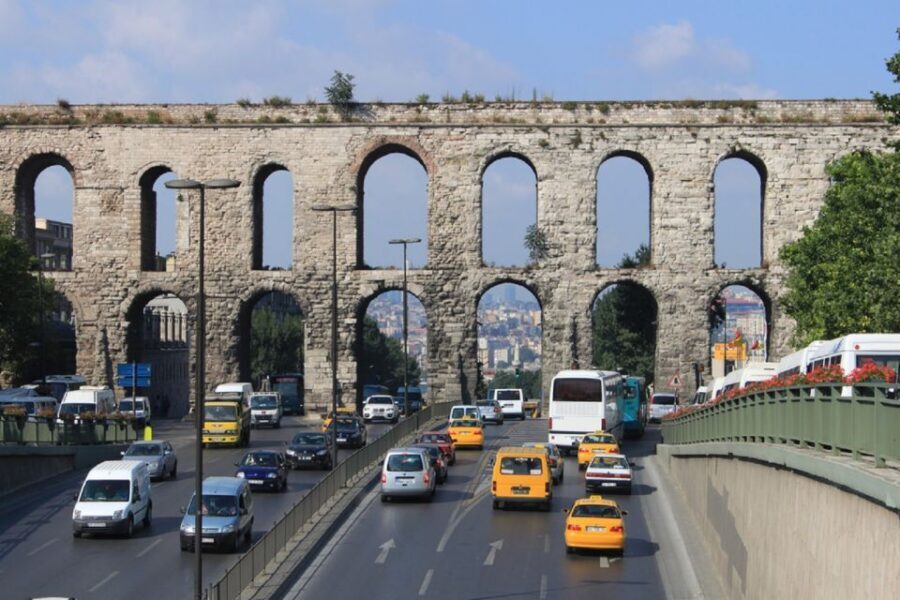
- Valens Aqueduct walk (Roman, 6th century): see Istanbul’s water infrastructure up close
- Vefa boza stop: boza served from the same place for about 150 years
- Zeyrek Mosque (former Pantokrator complex): a church-to-mosque layer you can read on-site
- Kurdish-style lunch with Buryan kebap: lamb baked underground for around five hours
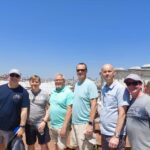
- Small group, about 10 people: quieter, easier conversations with your guide
The real draw: quiet Istanbul in Fatih, not the usual checklist
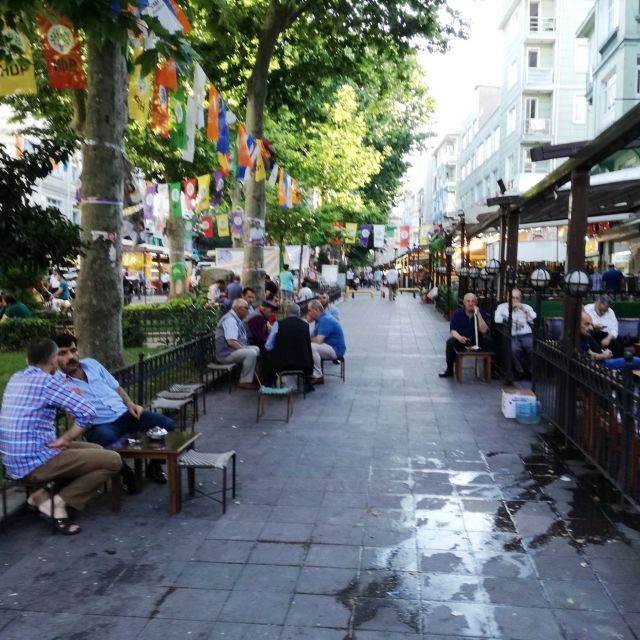
This tour is built for people who are tired of sprinting between the biggest icons. The route centers on Fatih, one of Istanbul’s more lived-in districts on the European side. You’re not just looking at monuments; you’re walking through the everyday blocks around them—where storefronts, mosques, and family routines share the same streets.
That focus changes the feel immediately. Instead of crowds swallowing every photo and conversation, you get long-enough moments to notice details: the mood inside a mosque, the way streets funnel toward a courtyard, and how the neighborhood market smells and sounds when you’re walking through it as part of a group.
It’s also timed well. At about 3 hours, you get a satisfying “mini day” without burning half your schedule, and the walking segments are typically short (around 5–15 minutes between sites). That matters because Istanbul days can get heavy fast.
You can also read our reviews of more shopping tours in Istanbul
Şehzade Mosque: the dramatic story and the calmer setting
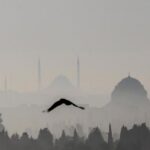
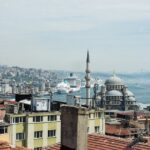
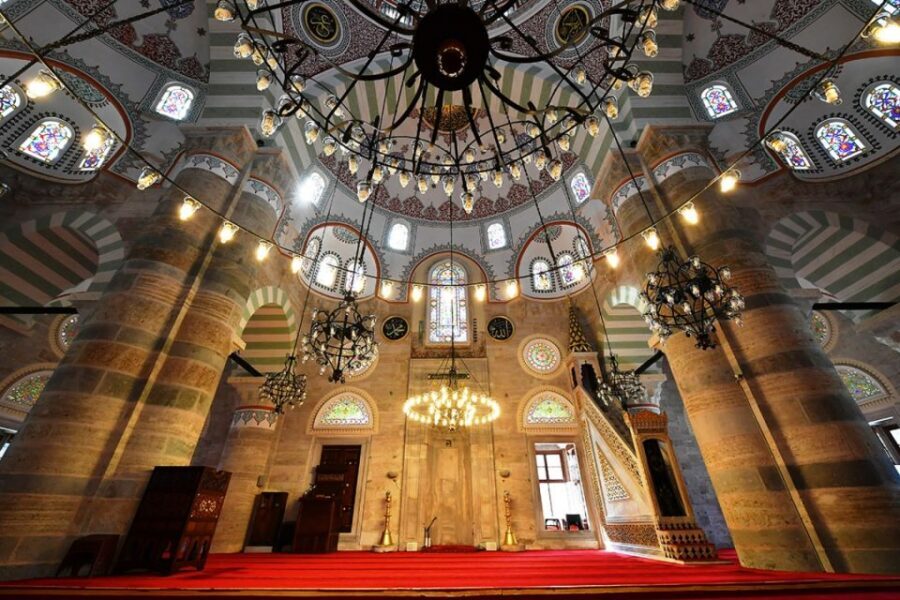
The star of the religious sights is the Şehzade Mosques complex, tied to the son of Sultan Mehmet the Conqueror. The tour framing here is clear: this isn’t just architecture you’ll glance at and move on. It’s a place with a built-in mystery—constructed for a son who died mysteriously—which gives your guide a reason to explain what you’re seeing and why it was commissioned.
What I like about this stop is the contrast with the big-name sites. You’re aiming for a quieter experience in the neighborhood rather than fighting peak crowd levels. Even if the complex isn’t empty, the vibe is usually more manageable when the route is designed for locals first.
Practical note: mosques mean respect and readiness. Bring a scarf (women will need one for entering worship spaces) and plan for a modest clothing approach. Comfortable shoes matter because you’ll be moving continuously.
Zeyrek Mosque (Pantokrator complex): the church-to-mosque timeline you can see
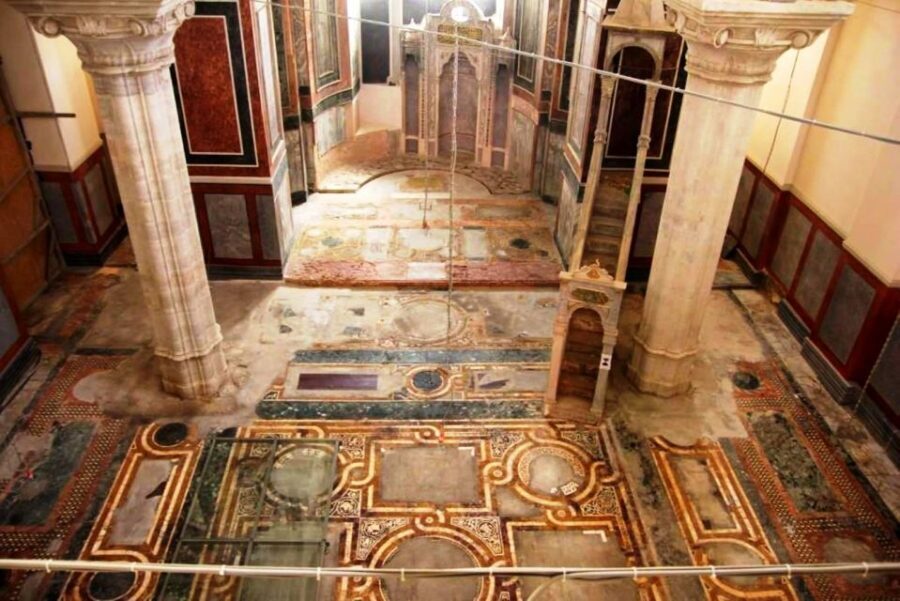
After Şehzade, the itinerary shifts into another layer of Istanbul’s past: Zeyrek Mosque, which was part of the former Pantokrator church complex dating to 1118 A.D. This is where Istanbul’s “layers” stop being an abstract idea. You can stand in the space and connect the religious function, the architectural style, and the time gap your guide explains.
Why this is valuable on a short tour: it gives you a timeline you can hold in your head. The route links one mosque complex to another religious site with a different origin story, so you’re not just collecting stops—you’re building a clearer sense of how the city changed over centuries.
Expect your guide to point out the cues that help you read the building. And expect a different atmosphere than the major tourist hubs. If you’re sensitive to crowd noise and prefer calm rooms, this stop tends to deliver.
The Valens Aqueduct walk: Roman engineering you can actually trace
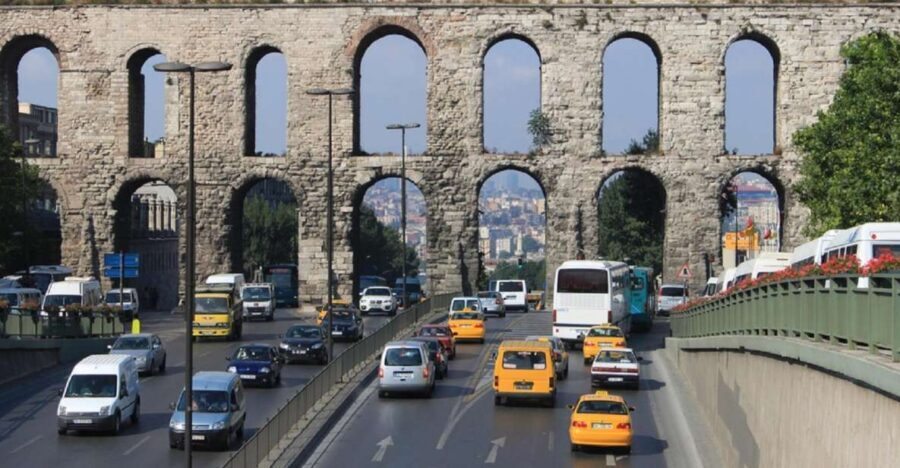
One of the most memorable segments is the walk by the 6th-century A.D. Roman Valens Aqueducts, which served as major city water suppliers. This is the kind of sight that works even for people who aren’t “into ruins.” It’s not about dramatic collapse. It’s about structure you can follow with your eyes.
I like aqueducts in Istanbul because they anchor you to real function. These were not monuments built to impress; they were infrastructure built to keep a city alive. On this tour, you don’t just see a fragment from far away. You walk in the neighborhood and pass by the aqueduct sections as part of the route, so you get a better sense of how it threads through daily space.
If you’re photographing, this is also a good time to pause. The walk gives you multiple angles without requiring you to hunt for the “perfect” viewpoint.
Vefa neighborhood and the boza tradition that tastes like Istanbul
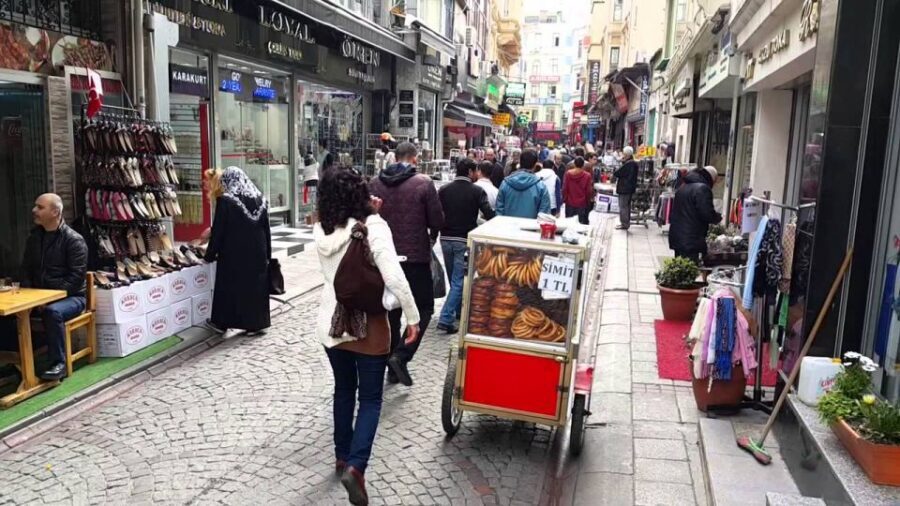
Then you hit the neighborhood rhythm in Vefa, where the tour aims for a less touristy street feel and a classic local drink: boza. You’ll taste it as part of the plan at a place that has served boza for about 150 years.
Boza is slightly tangy, lightly sweet, and warming—more like a seasonal comfort drink than a sugary soda. And the best part isn’t just the flavor. It’s the idea that you’re drinking something that locals have come back to for generations, right in the middle of the city’s daily motion.
This stop also works as a reset. You’ve been walking mosques and stone structures; boza gives you a slower moment. You’ll get to slow your pace, ask questions, and get a feel for how Istanbul tastes in an ordinary moment rather than a staged one.
You can also read our reviews of more tours and experiences in Istanbul
The market walk: where Eastern and Southeastern flavors show up in Fatih
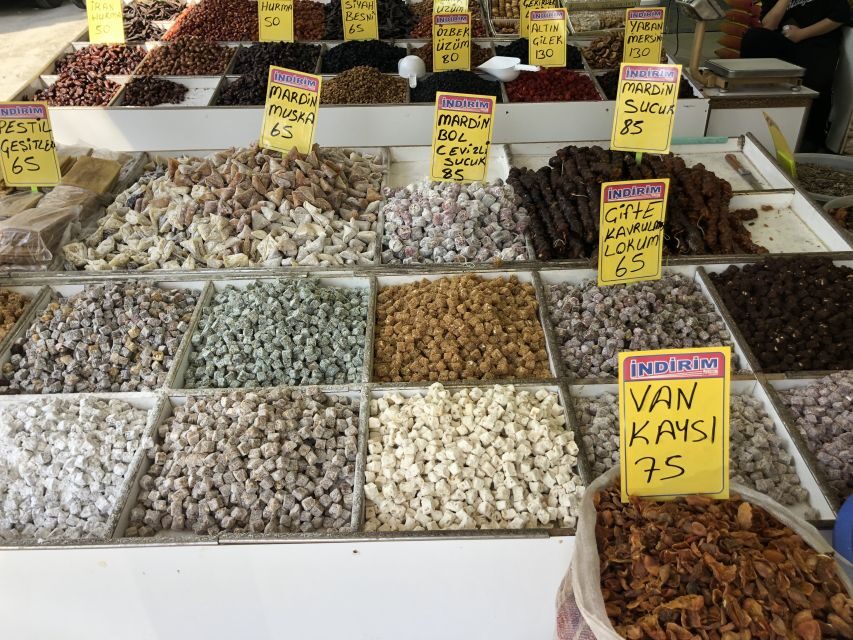
Between religious sights and lunch, you move through a market area with strong ties to Eastern Turkey. The tour is specifically oriented toward food culture from the Southeast and East, which is why the market section feels like more than a quick snack stop.
On a good day, the market walk helps you understand what “local” means beyond geography. People talk about Istanbul as one big blend, but markets show the ingredients and cooking traditions that make the blend believable.
What you’ll likely do here is simply observe and sample the vibe: where vendors set up, how people shop, and what kinds of foods are common. Your guide can connect those details to what you’re about to eat for lunch.
Buryan kebap lunch: lamb cooked underground for about five hours
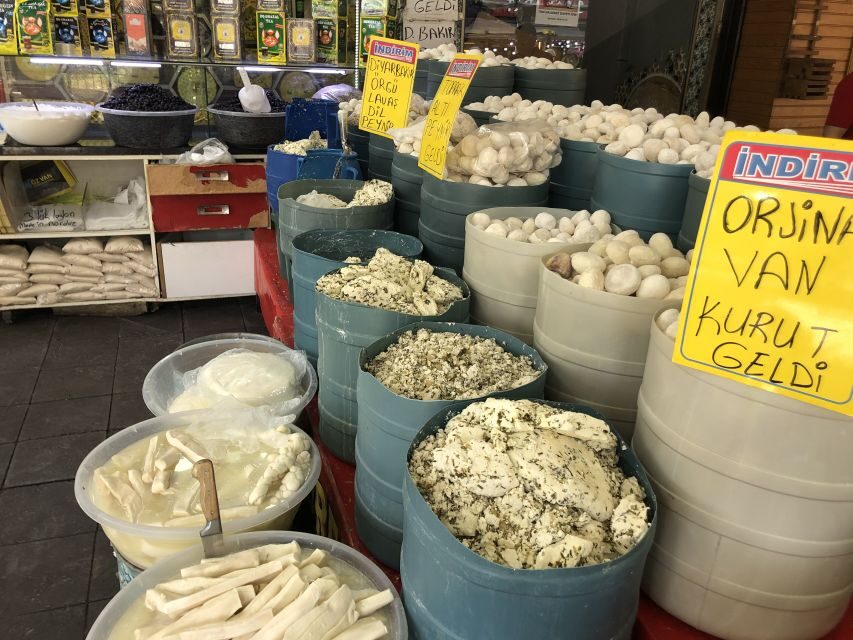
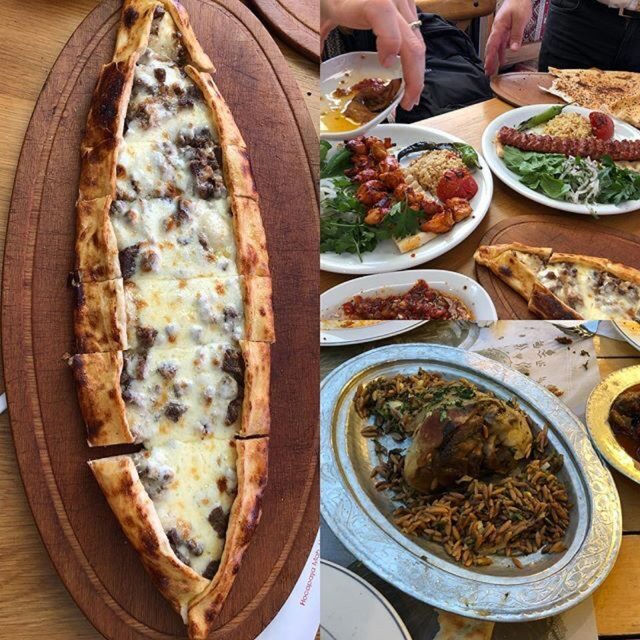
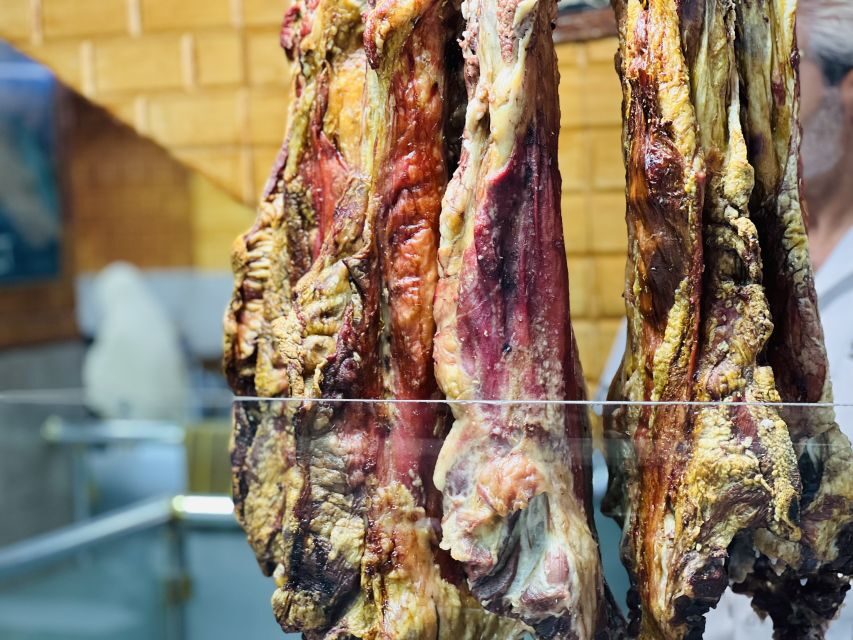
Lunch is a real highlight: Buryan kebap, lamb baked in an underground clay oven for around five hours. This is one of those dishes where time is the secret ingredient. The low, steady heat softens the meat and develops a deeper, slow-cooked flavor that you just don’t get with quick roasting.
The lunch spot is described as non-touristy and focused on southeast Kurdish cuisine. In practice, that means fewer “tour lunch” vibes and more homey, straightforward cooking. Past experiences tied to this route mention things like lamb served with rice and even a pumpkin dessert, which is exactly the kind of finishing touch you hope for on a neighborhood meal.
You should plan for lunch to be extra. The tour price covers the guide and the boza drink, but lunch runs about 10–15 USD per person on top.
If you’re choosing between food-only and sightseeing-only tours, I’d say this one earns its keep because the food isn’t an afterthought. It’s the culmination of the route’s regional theme: religious sites, Roman engineering, neighborhood streets, then the flavors of the Southeast and East.
Price and value: is $71 fair for 3 hours?
At $71 per person for about 3 hours, you’re paying for more than entry tickets. You’re paying for:
- a licensed English-speaking guide
- tram tickets to Fatih and back to Sultanahmet
- the boza drink
- skip-the-line access via a separate entrance
- VAT included
Then add what you’re not paying: lunch is extra (around 10–15 USD pp), but that’s common for tours where the meal is part of the experience. Considering the route includes multiple religious and historical stops plus food, it’s fairly good value—especially because the day is designed around public transport efficiency instead of vehicle transfers.
The small-group limit (up to 10 people) also matters for value. A group that small is easier for your guide to manage, and it makes the mosque and market explanations more conversational.
Meeting point at the German Fountain, then tram your way to Fatih
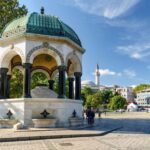
Your meeting point is the German Fountain (Alman Çeşmesi) at Binbirdirek, Atmeydanı Cd., 34122 Fatih/İstanbul. From there, the tour uses the tram to travel to Fatih and return to Sultanahmet.
If you’re arriving from Sultanahmet, the instructions are simple: head to the Sultanahmet tram station, then walk down the hill on the right toward the little mosque Firuz ağa. Continue to the first right onto the Hippodrome square, and look for the green-domed fountain in front of you.
What I like about this setup is that it keeps the day flexible. You’re not stuck waiting for a van. Tram + short walks is often the most stress-free way to move in Istanbul, especially when traffic gets unpredictable.
Don’t forget the basics: comfortable shoes and a scarf. It’s a small thing, but it prevents the annoying scramble before mosque time.
Who this tour suits best (and who should think twice)
This is ideal if you:
- want mosques and neighborhood streets instead of only headline attractions
- like food that’s tied to region and tradition, not just convenience
- enjoy walking short segments and using public transport
- want a small-group day (up to 10) where questions are easy
You might want to think twice if you:
- want a mostly vehicle-based tour with minimal walking
- don’t want to pay anything beyond the base price (lunch costs extra)
- only care about the most famous sights in Sultanahmet and nothing else
Should you book this hidden Istanbul tour?
If your goal is Istanbul after the main crowds, I’d book it. The combination is the selling point: Şehzade Mosques + Zeyrek + the Valens Aqueduct walk, then boza in Vefa, then a Buryan kebap lunch cooked slowly underground. It’s exactly the kind of route that helps you feel the city rather than just check boxes.
If you’re on the fence, choose this tour when you want one strong half-day that connects history, neighborhoods, and regional food. Skip it only if you’re trying to do Istanbul like a museum route with zero walking and no local flavor—because this day is built for the neighborhood side of the city.
FAQ
How long is the Roman Aqueduct, Şehzade Mosques & Women’s Market tour?
It lasts about 3 hours.
What is included in the tour price?
Included items are a licensed English-speaking guide, boza drink, tram tickets to Fatih and back to Sultanahmet, professional licensed guiding, and VAT.
Is lunch included?
No. Lunch is not included, and you should budget about 10–15 USD per person if you choose to eat.
Where is the meeting point?
The meeting point is German Fountain (Alman Çeşmesi) in Fatih, at Binbirdirek, Atmeydanı Cd., 34122 Fatih/İstanbul.
What should I bring?
Bring comfortable shoes and a scarf.
Is this tour walk-and-transit friendly?
Yes. It involves walking and uses public transport (tram). Walking between stops is generally 5–15 minutes and described as easy.