REVIEW · ISTANBUL
Shopping in Grand Bazaar
Book on Viator →Operated by Istanbul Walks · Bookable on Viator
Lose the stress, gain the deals.
This is a guided shopping walk through the Grand Bazaar’s 15th-century Ottoman maze, where history is only half the point and good navigation is the other half. I like that it stays small (max 5 people), so you can ask questions and move at a pace that fits you. I also like the focus on bargaining coaching so you’re not just wandering and guessing what a fair price looks like, with guides such as Tayfun, Lutfallah, Serhat, Apo, and Yuke showing the kind of insider routes that save you time.
One thing to watch: some tours can include stops at rug or carpet places outside the bazaar, even if you came for the Grand Bazaar itself. If that matters to you, tell your guide early what you want (and what you do not), so your time stays on your kind of shopping.
In This Review
- Key highlights worth your attention
- Stepping into the Grand Bazaar’s Ottoman maze (and not getting lost)
- Meeting, timing, and how long you’ll spend shopping
- What you see inside: crafts, trades, and the “why” behind the stalls
- Bargaining skills: the practical lessons you’ll use after the tour
- Tea, coffee, and snack timing inside the bazaar
- Small-group shopping (max 5) and why it changes the experience
- Price and value: what $264.34 buys you (and what it doesn’t)
- The “watch-outs” that can affect your enjoyment
- Rug and carpet detours
- Too much history vs. too much shopping
- Opening-time surprises
- Sundays can be tricky
- Who this tour is best for
- Who should consider skipping or customizing
- Should you book the Grand Bazaar shopping tour?
- FAQ
- Where does the tour start?
- What time does the tour begin?
- How long is the walking tour?
- How many people are in the group?
- Is pickup included?
- Is the tour led by an English-speaking guide?
- Is admission included?
- Are food and drinks included?
- What’s the best way to get to the meeting area?
- Can I cancel for a full refund?
- What if the tour can’t run on my date?
Key highlights worth your attention
- Small-group pace (up to 5) keeps the tour from feeling like a conveyor belt
- English-speaking licensed guide brings Ottoman-era context and practical shop pointers
- Bargaining tips that feel usable, not just theory
- You’ll see serious craft variety: jewelry, ceramics, woven rugs, plus items like alabaster-style pieces
- A built-in break for Turkish tea/coffee or a snack (own expense)
- Morning touring can be calmer, which helps you actually talk to shopkeepers
Stepping into the Grand Bazaar’s Ottoman maze (and not getting lost)

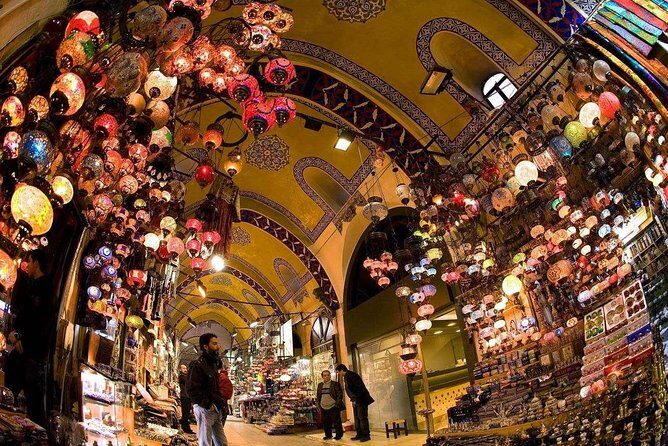
The Grand Bazaar is famous for a reason: it’s huge, covered, and packed with corridors that all start to look the same after about five minutes. That’s where a guide earns their fee. You’re not just seeing shops—you’re learning how the market is laid out and how to read the “signals” that point you toward the good stores and the right kinds of goods.
The market you’ll enter is tied to the Ottoman era. You’ll hear how the bazaar was built in the 15th century by the Ottomans after they took over Constantinople. That matters because it explains why so much of the bazaar feels intentionally designed: covered sections, dense access routes, and clusters of similar trades.
What you’ll actually spot as you walk:
- storefronts with striking jewelry and metalwork displays
- artisan ceramics and patterned wares
- woven Turkish rugs sold in different qualities and price tiers
- lots of smaller specialist stalls, where the best buys often hide behind the first layer of tourist-facing inventory
And yes, the “world-famous souk” nickname is earned. But without someone who knows how to move through it, you can end up walking in circles with your wallet getting testy.
You can also read our reviews of more shopping tours in Istanbul



Meeting, timing, and how long you’ll spend shopping
This tour is designed as a 3 to 4 hour walking experience (about 3.5 hours). It starts at 9:00 am, and you meet near Çemberlitaş tram station before heading to the entrance area of the Grand Bazaar.
That timing choice is practical. Morning is often when shopkeepers are still setting up or just opening, so you can get a more conversational vibe and sometimes better access to the owner or staff behind the counter. One common pattern in successful tour experiences is getting in early enough that you’re not just pushing through people and rushing between exits.
Your pace is guided. Since the max group size is 5, your route can be adjusted in real time—especially if your goal is shopping for a specific item like locally crafted jewelry or ceramics instead of doing a general scan of everything.
The tour ends back at the meeting point, and hotel drop-off is not included. In other words: you’ll be back in the same central area, but don’t plan on a car taking you home afterward.
What you see inside: crafts, trades, and the “why” behind the stalls
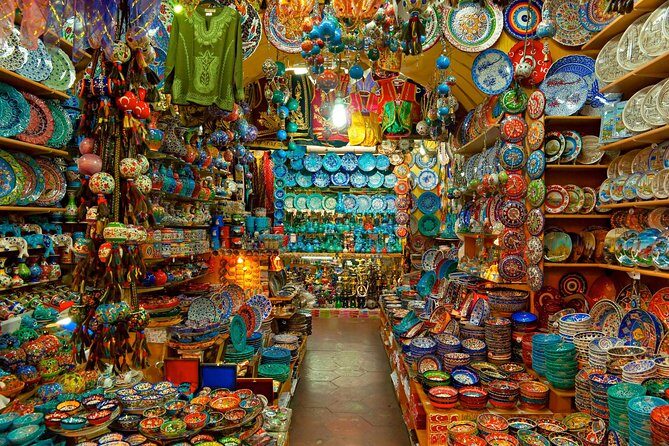
Inside the Grand Bazaar, your guide helps you connect what you’re looking at with how the trade works. You’ll hear about the market’s scale too: it’s described as home to upwards of 4,000 stalls and shops across nearly 60 blocks. That can sound like a lot on paper, but once you’re inside it becomes obvious why you need a strategy.
Here’s what the walk is really like, in human terms:
- You’ll walk from one cluster of shops to another, instead of wandering randomly.
- You’ll get pointed to the kinds of stores that specialize in what you’re trying to buy.
- You’ll learn what to ask and how to compare—especially with items where quality varies widely.
Common stop types and what they mean for you:
- Jewelry stalls: These are often where you’ll feel price differences fast. Bargaining matters, but so does knowing what metal type or stone is being offered.
- Ceramics and artisan crafts: Look for consistent painting/finish quality and shop-to-shop comparison. You’ll get guidance on where you can actually see craftsmanship rather than just mass-produced patterns.
- Woven rugs: Rugs are where shopping turns into decision-making. You’ll get the reality check you need so you’re not upsold into a style or material you didn’t come for.
- Metalwork areas (often including gold and silver shops): These are fun stops if you want to understand technique and design, not just buy a souvenir.
A few caution flags do show up in the experience pattern. Some routes can include visits to a rug shop or carpet outlet, even if your main goal is the Grand Bazaar stalls themselves. That isn’t automatically bad—some people enjoy the extra context—but it can feel like wasted time if you’re not shopping rugs.
Bargaining skills: the practical lessons you’ll use after the tour
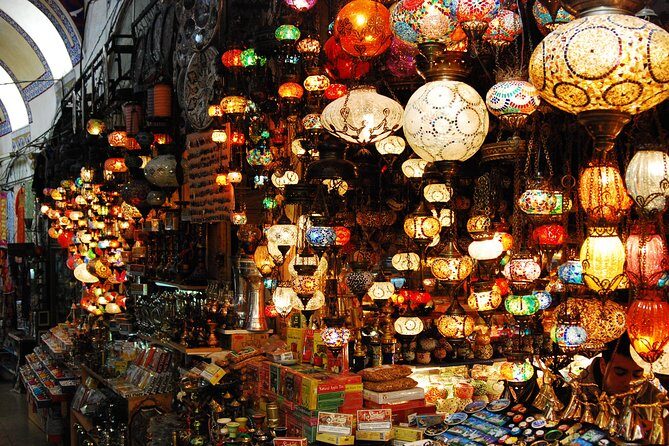
This is the part of the tour that can change how your trip feels. Bargaining in the Grand Bazaar is not random arguing. It’s a structured social dance, and when you know the basic moves, you get better results with less stress.
During the walk, your guide will explain bargaining tricks for:
- starting negotiations in a way that keeps the conversation friendly
- reading the shopkeeper’s pricing posture (and when a price is firm vs. flexible)
- asking questions that help you compare value instead of just chasing the lowest tag price
- understanding that quality cues matter just as much as the first offer
If you want proof that guides often make this more effective, look at the pattern in strong tour outcomes: guides like Serhat and Apo are praised for showing people where to go and for teaching bargaining so you’re not stuck with tourist pricing.
My practical advice: before you start negotiating, decide what matters most to you—design, size, material, or “I just want a good deal.” Your bargaining strategy should match your priority. If you’re clear, the back-and-forth gets shorter.
Tea, coffee, and snack timing inside the bazaar
You’ll get a break option during the tour. Expect time for Turkish tea or coffee, or a snack at a place you can find between shops and stalls. Food and drinks aren’t included, so budget for your own stop.
Why this matters: the Grand Bazaar can fatigue you faster than you expect. Breaks help you reset your eyes and your decision-making brain. That’s important because shopping under stress leads to impulse buys and regret-y choices.
Also, tea breaks can help with bargaining dynamics. If you stop for a drink and cool your head, you’re more likely to negotiate calmly and compare properly.
You can also read our reviews of more tours and experiences in Istanbul






Small-group shopping (max 5) and why it changes the experience

A group of five sounds small until you’re inside a market that can swallow a crowd. Here’s what small-group size buys you:
- You can ask more pointed questions without waiting your turn.
- Your guide can tailor the route if you’re focused on a shortlist, like locally crafted jewelry or ceramics.
- The guide can slow down if you found something you want to compare more carefully.
This also explains why some experiences end up feeling almost private. When only a couple of people book, the guide can adjust the pace and route to what you actually want to see.
It’s not magic, though. If your heart is set on rug shopping but the route emphasizes metalwork or jewelry, you may feel it. And if you’re primarily a browse-and-bargain person, your guide’s approach to history and context will either help you or slow you down.
Price and value: what $264.34 buys you (and what it doesn’t)
At $264.34 per person for about 3 to 4 hours, you’re paying for more than entry access. The package includes:
- an English-speaking licensed professional guide
- an A/C deluxe chauffeur-driven vehicle
- pickup from centrally located European side hotels
- a mobile ticket
- admission is listed as free
What that translates to in real value:
- You’re buying time and direction inside a huge, confusing market.
- You’re buying someone who can explain what you’re looking at and help with negotiations.
- You’re reducing the odds of wasting an hour walking in the wrong direction.
What’s not included:
- food and drinks
- hotel drop-off
So, the best value happens when you use the guide as intended: ask questions, tell them your price range, and steer the route toward the items you want.
If you tend to be a fast shopper who can navigate on your own, you might decide this costs too much. If you want a guided shopping strategy, it’s easier to see where the money goes.
The “watch-outs” that can affect your enjoyment
This type of tour can be wonderful—but there are a few predictable friction points based on the information you have.
Rug and carpet detours
Some versions of the tour route people through rug or carpet outlets, sometimes outside the Grand Bazaar area. If you don’t want that, say it upfront. Bring your own list: what you want to buy, and what you absolutely don’t.
Too much history vs. too much shopping
The tour includes Ottoman and market background. That’s great if you like context while you shop. If you went specifically for maximum buying time, ask for a route that prioritizes stalls and minimizes lengthy stops.
Opening-time surprises
There can be timing quirks around when parts of the bazaar are ready to receive tours. In one case, a booking was delayed when the bazaar wasn’t open as expected. My advice: if you’re traveling on a tight schedule, keep your day flexible.
Sundays can be tricky
One booking pattern included a Sunday issue where the experience couldn’t run as planned due to no tours to the site, leading to postponement. If your trip is on a Sunday, double-check your date before you lock in other plans.
Who this tour is best for
I’d put this in the “good choice” bucket if you:
- want the Grand Bazaar experience with less aimless wandering
- enjoy shopping but want help with bargaining so you don’t feel lost or overcharged
- like learning a bit about the market’s Ottoman background while you hunt for crafts
- appreciate small-group attention instead of being herded through stalls
It’s also a solid choice if you like seeing specific categories: jewelry, ceramics, woven rugs, and artisan crafts. The guide’s job is to connect you with the right stores and bargaining approach.
Who should consider skipping or customizing
You might not love this tour if:
- you only want to shop independently and you dislike any structured route
- you hate rug/carpet stop possibilities and don’t plan to negotiate preferences ahead of time
- you strongly prefer minimal history and maximum free time inside the bazaar
If any of those are you, your best move is to communicate preferences clearly before meeting your guide.
Should you book the Grand Bazaar shopping tour?
Yes—if you want a guided shopping plan inside a place so large it can swallow your energy. The big win is the pairing of licensed English guidance with bargaining coaching and a small group pace that helps you actually compare items.
Book it especially if you’re shopping for Turkish keepsakes like locally made jewelry, ceramics, or other artisan goods and you want to feel confident negotiating. Just do one thing that protects your enjoyment: tell your guide your priorities at the start. If rugs are not your plan, say so early and keep your route focused on the Grand Bazaar stalls you came for.
FAQ
Where does the tour start?
You meet near Çemberlitaş tram station in Istanbul before walking to the Grand Bazaar entrance area.
What time does the tour begin?
The start time is 9:00 am.
How long is the walking tour?
It lasts about 3 to 4 hours, roughly 3.5 hours.
How many people are in the group?
The tour has a maximum of 5 travelers.
Is pickup included?
Pickup is included only from centrally located European side hotels. Hotel drop-off is not included.
Is the tour led by an English-speaking guide?
Yes. It includes an English-speaking licensed professional tourist guide.
Is admission included?
Admission is listed as free.
Are food and drinks included?
No. Food and drinks are not included, but you’ll have a break option for tea, coffee, or a snack you pay for yourself.
What’s the best way to get to the meeting area?
The start location is near public transportation.
Can I cancel for a full refund?
Yes, free cancellation is offered. You must cancel at least 24 hours before the experience start time for a full refund.
What if the tour can’t run on my date?
This experience requires a minimum number of travelers. If it’s canceled because the minimum isn’t met, you’ll be offered a different date/experience or a full refund.