REVIEW · ISTANBUL
Turkey Boutique 14-Day Private & Small-Group Guided Tour
Book on Viator →Operated by Small Group (Max. 10 Pax) & Private Tours in Turkey · Bookable on Viator
Turkey moves fast, in a good way. This 14-day boutique tour strings together the big icons and the best regional classics, with max 10 people, pre-booked sights, and comfortable rides between stops. I like that it gives you a slow-and-steady overview of Turkey instead of forcing you to race from one photo spot to the next.
I also really like the way the days are structured: you get guided highlights, then you’re given breathing room to wander on your own in places like the Grand Bazaar, Ortaköy, and Sirince. One thing to keep in mind: the pace is still active. A moderate fitness level helps, and you’ll do plenty of walking, plus some long travel days and early airport transfers.
Finally, it’s worth knowing that Hagia Sophia now has specific rules. For the interior visit, live guiding isn’t allowed, and you’ll need smartphone + headphones (or buy headphones on site) so plan for that.
In This Review
- Key things to know before you go
- Price and logistics: what $4,849 actually buys you
- Boutique group size: how max 10 affects your Istanbul days
- Istanbul essentials: Hippodrome to Hagia Sophia to Topkapi and the Grand Bazaar
- Bosphorus day by ferry: Ortaköy and the Europe-Asia line
- Cappadocia: fairy chimneys, rock-cut churches, and underground silence
- Konya on the way to the Mediterranean: caravanserai to Mevlana
- Antalya and Roman showpieces: Perge, Aspendos, and Kursunlu Falls
- Turquoise Coast tempo: Kekova boat time, Oludeniz swim, and Pamukkale thermal hours
- Ephesus and the Mary house: long walks with payoff
- Hotel choices and comfort: boutique charm with real daily movement
- Should you book this Turkey 14-day tour?
- FAQ
- How many people are in the group?
- Is pickup offered, and how do airport transfers work?
- Are domestic flights included?
- What meals are included?
- Are entrance fees included?
- What should I bring for the Hagia Sophia interior visit?
- What is the cancellation window for a full refund?
Key things to know before you go
- Small-group max 10 keeps conversations real and helps you get attention for practical questions.
- Pre-paid entries for skip-the-line access at major sites saves time when crowds spike.
- Domestic flights included (Istanbul → Kayseri/Cappadocia area, and Izmir → Istanbul) cut down long overland travel.
- Boutique hotels with specific options named (including cave hotels in Cappadocia and thermal hotels in Pamukkale).
- Most breakfasts plus 3 dinners included, so you’re not constantly checking menus or chasing last-minute reservations.
- Hagia Sophia rules changed in 2024: you’ll follow signage and use headphones since live guidance isn’t permitted inside.
Price and logistics: what $4,849 actually buys you
This tour is priced at $4,849 per person, and in exchange you’re getting a lot of the heavy lifting handled. The value is strongest if you hate planning and want the trip stitched together for you: airport/area transfers, new air-conditioned vehicles, a licensed guide, hotel bookings, and tickets that are pre-arranged.
Here’s what’s included based on the tour details:
- 13 nights in selected boutique hotels (with several named hotel options by region)
- Entrance fees (with the guide managing pre-paid tickets)
- Domestic flights: Istanbul to the Cappadocia region (Kayseri/Nevşehir area) and Izmir back to Istanbul
- Breakfasts (13 total) plus 3 dinners
- Transportation via new air-conditioned minivan/minibus
- Professional licensed tour guide
What’s not included:
- International flights (you still need to get yourself into Istanbul and out of Istanbul)
- Drinks and meals not listed as included
- Personal expenses
My practical take: you’re paying for time saved. If you were to self-plan hotels across six-plus regions and line up major attractions plus domestic flights, you’d spend a lot of energy—and likely still lose time to ticket queues and unclear logistics.
One more logistics note that matters on day-to-day comfort: you’ll rely on several different hotels as you move from Istanbul to Cappadocia to Konya to the Mediterranean coast, then onward to Ephesus country. The upside is variety. The downside is you won’t have one base for the whole trip.
You can also read our reviews of more guided tours in Istanbul

Boutique group size: how max 10 affects your Istanbul days
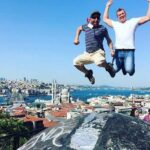
A max group size of 10 changes the feel of the tour. In Istanbul, where you can drown in crowds, a small group helps you keep momentum without feeling like a herd. It also makes it easier to ask questions at the right moment—like what to prioritize at Topkapi or how to navigate the Grand Bazaar lanes without getting turned around.
You’ll see that structure play out in the Istanbul portion:
- a classic walking day through the old center and palace complex
- then a second day that mixes covered-market time with a ferry ride on the Bosphorus system
Also, if guide style affects you, pay attention early. One past experience singled out a guide named Tan as a problem point for someone, while other feedback praised learning and pacing. If your travel style is picky about communication, I’d set expectations on day one and address issues quickly rather than hoping they fix themselves.
Istanbul essentials: Hippodrome to Hagia Sophia to Topkapi and the Grand Bazaar
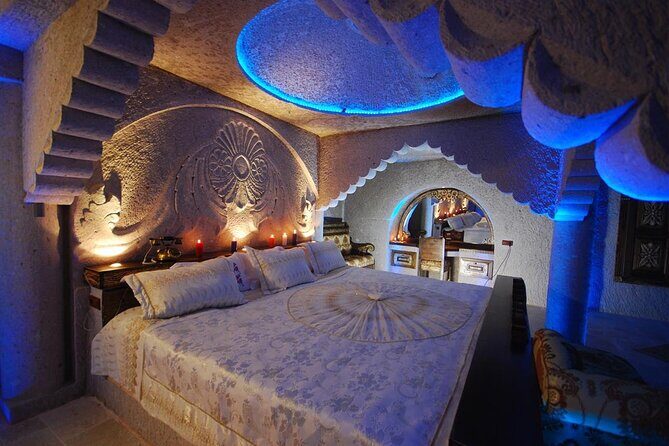
This is a strong introduction to Turkey because Istanbul is layered. The tour starts with the Hippodrome Square, linking you to Byzantine-era and Roman-era chariot race history. It’s a short stop, but it gives you context for what you’re about to see and why people keep returning to this spot.
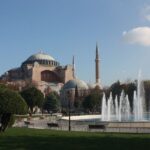
Next comes Hagia Sophia Grand Mosque. The key practical update is the one you should plan around:
- Live guiding isn’t allowed inside after January 15, 2024
- You’ll need a smartphone and headphones
- If you don’t have headphones, you can buy them at the entrance (the tour lists a cost of 3.5 USD)
- If you don’t have a smartphone, you follow signage and the information displayed
This isn’t a dealbreaker, but it does change how you experience the interior. Bring charged headphones and confirm they work. Once inside, the experience becomes self-guided with signage and audio-like info.
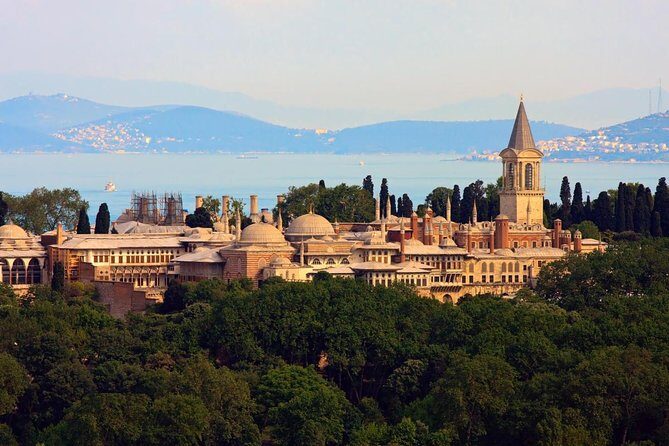
Then you’ll visit the Blue Mosque for its famous Iznik tiles, followed by Topkapi Palace. Topkapi is a “walk until your feet complain” kind of place, but the payoff is real: it wasn’t just a residence for Ottoman sultans. It was the state’s administrative and educational center. This tour also includes the weapons section, which is a nice twist if you like seeing how empires protected and projected power.
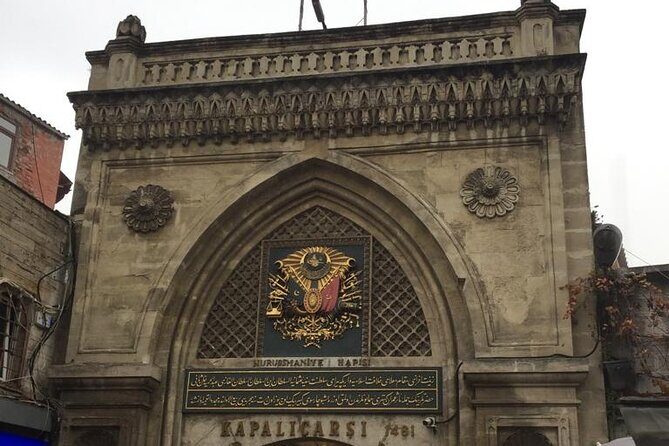
The day ends with time at the Grand Bazaar—over 58 covered streets and 1,200+ shops. The value here isn’t buying things. It’s getting an understanding of how the city trades, and giving yourself enough free time to wander rather than rushing through with a checklist.
Bosphorus day by ferry: Ortaköy and the Europe-Asia line
On the second Istanbul day, you start underground with the Basilica Cistern. It’s a major “wait, how is this real” stop. The marble columns rising from water make the scale feel cinematic, and it’s one of those places where the guide’s explanations can turn a quick visit into a memorable one.
Then you hit the Spice Market (Misir Çarşısı / Egyptian Bazaar). You’ll get time to browse domed and vaulted shops selling spices and herbs. It’s a different mood from the palace-and-mosque day: smell, color, bargaining energy, and snack potential.
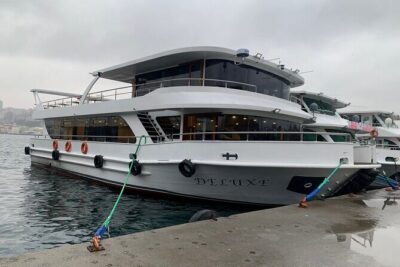
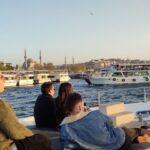
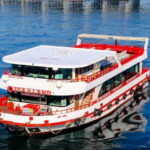
The highlight here is the Bosphorus Strait cruise by public ferry. This isn’t a private boat with a crew telling you where to take photos. It’s more local. You’ll sail between the Golden Horn and the wider Bosphorus passage that separates Europe and Asia. The tour also mentions the chance to spot Ottoman-era wooden villas and modern residences, and then you land in the Sariyer district.
Ortaköy is the final anchor point. The tour frames it as a trendy, artsy neighborhood where locals spend time and where you’ll find cafes and boutique-style browsing. I like this stop because it gives you an Istanbul neighborhood experience, not just monuments.
Cappadocia: fairy chimneys, rock-cut churches, and underground silence
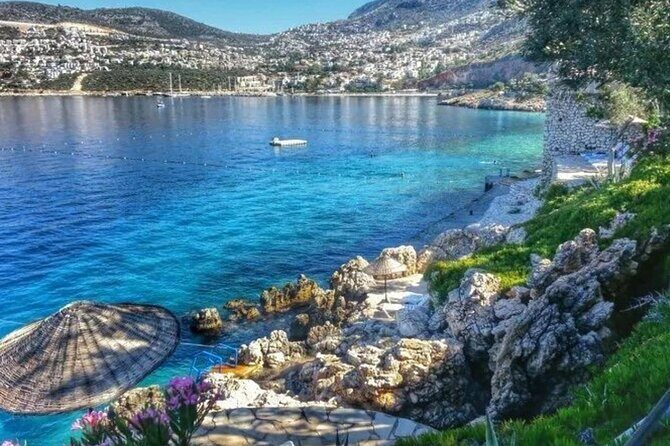
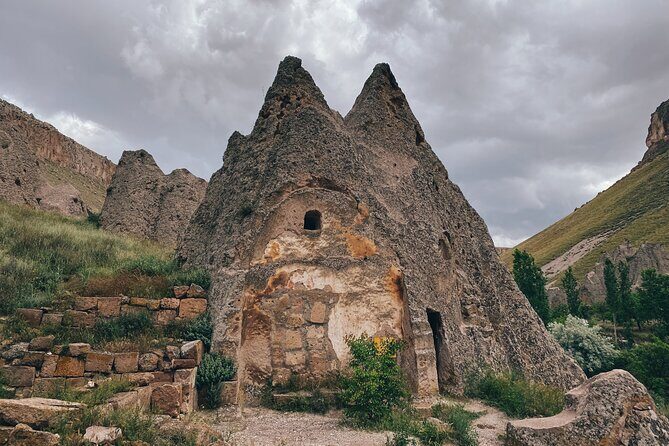
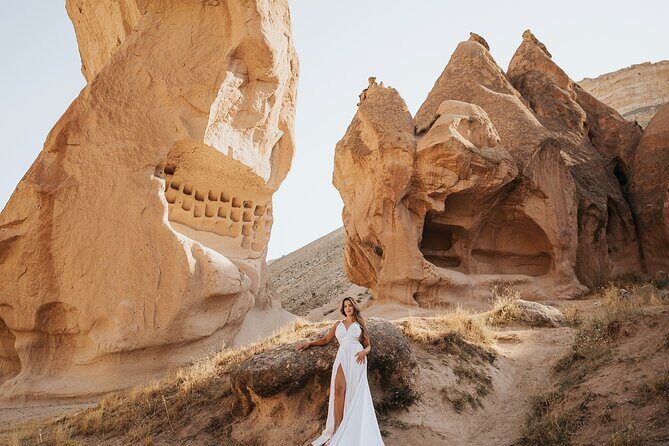
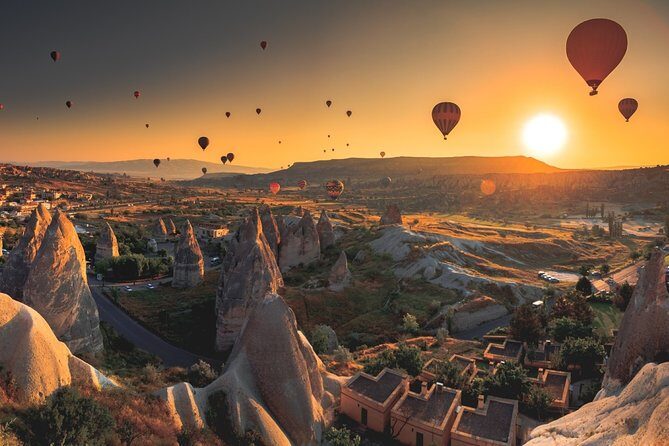
Cappadocia is where the tour really earns its keep. The region is built for slow looking: carved valleys, chimney-like rock forms, and sites that feel like they belong to different eras at once.
Day 4 starts with an early transfer to the airport for the flight into the Cappadocia area (Kayseri/Nevşehir). After landing, you’re met and transferred to the region, and you get a first panoramic hit at Uchisar Rock-Castle. Even before you reach the “best of” museums, you’ll understand why postcards here look like fantasy.
Day 5 is the classic rock-formation sweep:
- Devrent Valley for the lunar-style formations
- Pasabag (Fairy Chimneys), plus mention of Zelve and wind-made sounds
- Avanos for lunch and a pottery workshop/demonstration (Avanos is the terra-cotta arts center going way back)
- Goreme Open-Air Museum for Byzantine rock-cut churches and frescoes (10th to 13th century)
- back to Uchisar Castle again for another valley viewpoint
It’s a lot of sites, but the tour keeps it varied: weird rocks, then human history carved into cliffs, then artisan life in Avanos.
Day 6 adds a darker, quieter side: Kaymakli Underground City. You descend into one of the largest and deepest underground cities in Cappadocia. It’s not just a tunnel tour—it’s about imagining survival underground and how people organized space. Then you head through more unspoiled villages to Mustafapaşa (Sinasos), including the Ayvali Village stop on the way.
For me, the Mustafapaşa part is a payoff because it’s less “iconic poster” and more old-town feel, with Greek-town architecture mentioned as a major theme. If you’re the type who likes seeing how places look outside peak tourist corridors, this is one day to lean into.
You can also read our reviews of more private tours in Istanbul


Konya on the way to the Mediterranean: caravanserai to Mevlana
After Cappadocia, you travel to Konya with a meaningful stop: Sultanhan Caravanserai (13th century). Caravanserais are the infrastructure of empire-era travel, and seeing one in person helps you understand how cities stayed connected long before modern roads.
In Konya, the Mevlana Museum (Mausoleum of Mevlana) anchors the spiritual story. The tour also includes Karatay Theological School with its display of beautiful tiles. If you’re only thinking in terms of mosques and churches, this adds a different thread: mysticism, learning, and how art shows devotion.
This is also where the tour gives you a hotel base for the night in Konya (the listed option is the 5-star Dedeman Hotel or similar). That overnight matters because it keeps the transition smoother before you jump toward Antalya.
Antalya and Roman showpieces: Perge, Aspendos, and Kursunlu Falls
You’ll drive about four hours to Antalya on day 8. That travel time is a small tax for hitting big sites in a row, but it’s efficient given the overall route.
The day is built around Roman-era excellence:
- Perge Antik Kenti: a UNESCO World Heritage Temporary List mention and a focus on how the site survived as a whole. The tour also connects it to sculpture production and points you toward the Antalya Museum with statues from excavations.
- Aspendos Ruins: the tour calls out the theatre as one of antiquity’s best-preserved. The “balance” between the auditorium and the stage building is the key detail here, and you’ll feel it when you’re standing inside.
- Kursunlu Waterfalls: a 2 km canyon with seven connected lakes and an 18 m fall height. It’s the nature break that balances the Roman stone.
This day is one of the best examples of why the tour works for people who dislike planning. You get a coherent arc: city ruins, museum context, then a natural reset so you don’t end the trip with museum fatigue.
Turquoise Coast tempo: Kekova boat time, Oludeniz swim, and Pamukkale thermal hours
Day 9 shifts to the Mediterranean coast, where the pace relaxes slightly and the views do more of the work.
Kekova is the first major stop. You visit St. Nicholas area and then take a private boat to see the Sunken City and Simena. It’s about water, ruins, and the sense of something frozen in time.
After that, you move to Kas for fish lunch in a village, then drive toward Kalkan through Kas and the Kaputas Beach route. You end the day in Fethiye. This isn’t just sightseeing; it’s movement along a scenic corridor.
Day 10 is built around two hit points:
- Oludeniz for swimming and/or optional paragliding
- then a drive to Pamukkale for the night
Pamukkale is where the tour turns practical. You’re staying in a thermal hotel (Colossae Thermal or Pam Thermal or similar). The tour specifically says you can use the thermal pools until 21:30. That matters because it gives you a quiet window after sightseeing, when the area feels calmer and the warm water turns walking into a tolerable activity.
Day 11 then goes back to history plus wonder:
- Hierapolis: theatre, Apollo Temple, and the necropolis
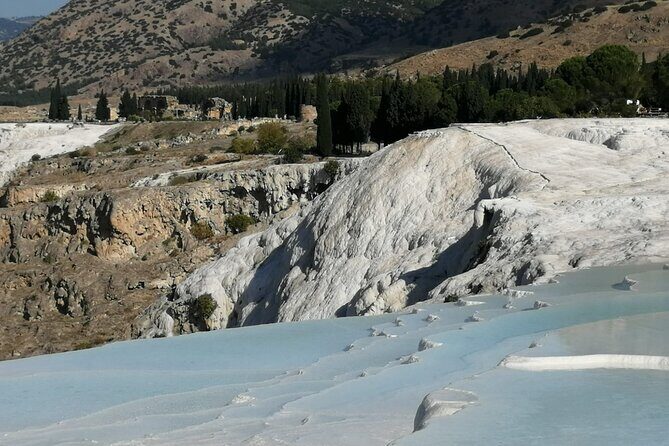
- the travertine terraces at Pamukkale, described as white mineral springs that look like snow or cotton-like forms
This is the kind of place where your photos will look “too perfect” compared with reality. In person, the textures and color shifts are what you’ll remember.
Ephesus and the Mary house: long walks with payoff
The Ephesus day (day 12) is the kind of classic that can go either way depending on your interests. Here, the tour helps by pairing major ruins with smaller stops that fill in the human story.
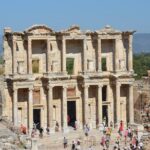
You’ll spend several hours at Ancient City of Ephesus. The tour’s framing emphasizes walking in the footsteps of figures like Alexander the Great, Caesar, Cicero, and Apostles Paul and John. After that, you visit Ephesus Terrace Houses—with mosaics and frescos highlighted as spectacular.
Next is Meryemana (The Virgin Mary’s House). The tradition shared by the tour is that St. John brought Mary here and she lived her final years near Ephesus, on an isolated mountaintop. The chapel exists on site, maintained by Franciscans, and the tour notes it’s a pilgrimage site designated by the Pope.
Finally, you end with Sirince Village. This is where you catch the small-town texture—walkable, atmospheric, and a good way to soften the history-heavy day. The tour then drives you back to your Kusadasi hotel.
Hotel choices and comfort: boutique charm with real daily movement
The tour lists specific boutique hotel names by region, which helps you sanity-check the comfort level:
- Istanbul options include Sultania or Sura Hagia Sophia or similar
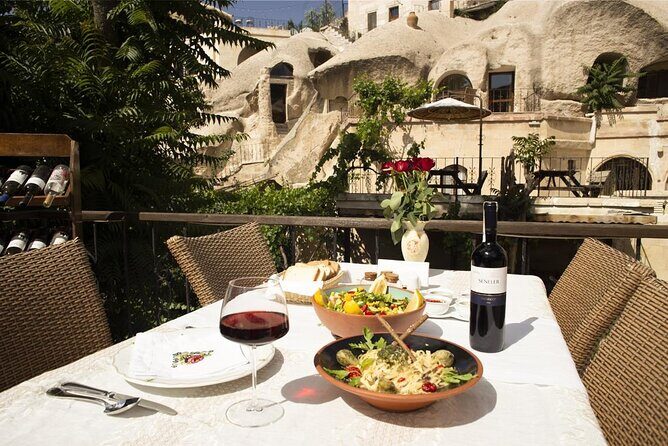
- Cappadocia includes cave hotel choices like Yunak Evleri or Gamirasu Cave Hotel or similar
- Konya includes 5-star Dedeman Hotel or similar
- Antalya includes Alp Pasha Hotel or Tuvana Hotel or similar
- Fethiye includes Yacht Boheme or similar
- Kusadasi includes La Vista Boutique Hotel
- Pamukkale includes Colossae Thermal or Pam Thermal Hotel
Cave hotels can be memorable, but the practical tradeoff is that rooms may feel tighter and stair access may matter. Thermal hotels are a treat if you plan downtime, not just a quick dip. If you like comfort, pack for real daily walking and bring the most supportive shoes you own.
One more comfort consideration: most days include at least one “stop where you walk around.” The tour does include guided portions and free time, but you’ll still want a moderate fitness level. You’re traveling across multiple regions and doing active sightseeing in each.
Should you book this Turkey 14-day tour?
Book it if you want a structured Turkey trip that handles logistics and gets you into the main places without the planning headache. I’d especially recommend it if you:
- value small-group attention (max 10)
- want domestic flights included instead of long road transfers
- like a mix of monuments, markets, and scenic coastal time
- appreciate a tour that keeps giving you free time to wander on your own
Think twice if:
- you dislike early starts or airport transfers
- you’re sensitive to walking volume and day-to-day movement
- you’d rather build your own itinerary with fewer regions and less hotel switching
If you do book, do a little prep so you don’t lose time: confirm headphone readiness for Hagia Sophia, bring good walking shoes, and plan to pace yourself during the longer travel days so you don’t feel rushed.
FAQ
How many people are in the group?
This tour is designed for a small group with a maximum of 10 travelers.
Is pickup offered, and how do airport transfers work?
Pickup is offered. The tour includes transfers from Istanbul airports on arrival and transfers between hotels and airports at key points, including Istanbul at the start, Istanbul at the end, and an Izmir airport transfer during the trip.
Are domestic flights included?
Yes. The tour includes a domestic flight from Istanbul to the Cappadocia region (Kayseri/Nevşehir area) and a domestic flight from Izmir back to Istanbul. It also lists baggage allowances for check-in and cabin.
What meals are included?
The tour includes 13 breakfasts and 3 dinners. Drinks and any other meals are not included unless specifically listed.
Are entrance fees included?
Yes. Entrance fees are included, and the guide has pre-paid tickets intended to help you skip the line at major sites.
What should I bring for the Hagia Sophia interior visit?
Live guiding isn’t allowed inside after January 15, 2024, so you’ll need a smartphone and headphones. If you don’t have headphones, you can buy them at the entrance (the tour lists 3.5 USD).
What is the cancellation window for a full refund?
You can cancel up to 6 days in advance for a full refund (and changes made less than 6 full days before the experience’s start time aren’t accepted).