REVIEW · ISTANBUL
10-Days Istanbul, Ephesus, Pamukkale, Antalya & Cappadocia Tour
Book on Viator →Operated by Travel Store Turkey · Bookable on Viator
Some tours hit the highlights. This one strings them together well.
This 10-day Turkey route takes you from Istanbul’s grand historic core to Roman ruins, white travertine terraces, coastal waterfalls, and Cappadocia’s fairy-chimney world. What makes it especially interesting is how the pace is built around major sites plus easy “reset” days where nature does the heavy lifting.
I like two things most: you get a guide-led structure for the big museum-and-ruins days, and the trip includes smart extras like domestic flights, transfers, and a Bosphorus dinner cruise with transfers.
One caution: airport pickup is part of the experience, and any mismatch in flight info can create a slow start, so you’ll want to double-check names, dates, and arrival details.
In This Review
- Key Things That Make This Tour Work
- Sultanahmet Base Camp Makes Istanbul Feel Easy
- Hagia Sophia, Topkapi, and the Blue Mosque Without the Full-Day Burn
- Basilica Cistern and the Hippodrome: Istanbul Under Your Feet
- Grand Bazaar and Spice Bazaar: Buy, Don’t Rush, Bargain Like a Pro
- Bosphorus Cruise Adds a Big-View Reset
- Ephesus and the Virgin Mary’s House: One Day, Two Deep Themes
- Pamukkale Cotton Castle, Hierapolis, and Cleopatra Pool: A Full Thermal Story
- Antalya’s Waterfall Day Turns the Trip Toward Nature and Coast
- Cappadocia Viewpoints, Valleys, and One Very Serious Underground City
- Göreme Open-Air Museum and the Rock-Church Circuit
- Pottery, Animal-Shaped Rocks, and Monk’s Valley Chimneys
- Price and Logistics: What $2,908.91 Buys You Here
- Should You Book This 10-Day Turkey Tour?
- FAQ
- What does the tour include for meals?
- Are there domestic flights?
- Is the hot air balloon ride included?
- What sites are covered in Istanbul?
- What are the main stops in Ephesus and Pamukkale?
- Does the tour include transportation?
- What is the group size?
- What ticket format is used?
- When does the experience start?
- How does cancellation work?
Key Things That Make This Tour Work
- Prime Istanbul base in the Old City/Sultanahmet area, close to Hagia Sophia and the Blue Mosque
- Guide-led classics: Hagia Sophia, Topkapi Palace, Blue Mosque, plus major Ephesus highlights
- Pamukkale time that isn’t rushed: terraces plus Hierapolis and a thermal break at Cleopatra Pool
- Cappadocia mix of lookouts and walking: valleys, underground city, rock-cut churches, and viewpoints
- Real logistics handled: domestic flights, transfers, and multiple included meals and entrances
- Optional hot air balloon in Cappadocia if you want the signature sunrise moment
Sultanahmet Base Camp Makes Istanbul Feel Easy
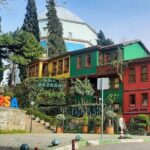
Day 1 starts with the kind of arrival help you’ll thank yourself for later. You meet the team at the airport with your name, then transfer to a hotel in the Old City area near Sultanahmet. That location matters. You’re not losing your day to long commutes, and it keeps you close to the sights you’ll want to see before crowds thicken.
After check-in, you get free time—use it to get oriented. Walk a few side streets, grab simit or a quick Turkish coffee, and save your energy for a full day of monuments tomorrow. The tour also lists a start time of 12:00 pm, so if you’re tying in other plans, plan around that rhythm.
Hotel-wise, the trip is built around “best location” with breakfast included for 9 nights, which is a solid value in Istanbul. You’re basically paying for convenience and saving yourself from daily transportation debates.
You can also read our reviews of more tours and experiences in Istanbul.


Hagia Sophia, Topkapi, and the Blue Mosque Without the Full-Day Burn
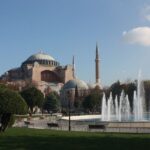
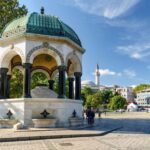
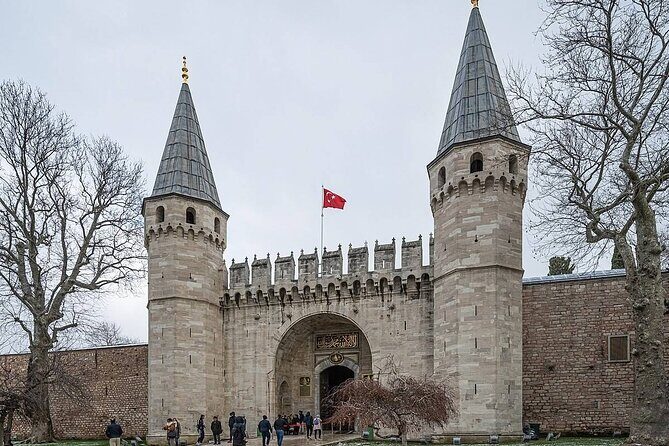
On Day 2, the tour hits the biggest name cluster in Sultanahmet: Ayasofya (Hagia Sophia), Topkapi Palace, and the Blue Mosque. This is the part you’ll feel immediately. Istanbul’s old center can be overwhelming at first, but putting these together in one guided block helps you connect the dots between Byzantine and Ottoman eras.
Hagia Sophia is included with admission. You’ll get the dome and the mosaic-heavy interior experience—plus the full timeline: built as a church in 537 AD, converted to a mosque in 1453 after the Ottoman conquest, made a museum in 1935, then reconverted into a mosque in 2020. That history isn’t just trivia. It changes what you see when you’re standing under the dome.
Topkapi Palace is also included with admission. It’s a palace complex rather than one building. The big “wow” areas in your visit include the courtyards, imperial-harem spaces, and highlights like the Treasury and the Holy Relics Room. If you like artifacts, Topkapi delivers. If you prefer architecture and layout, it still works because it’s sprawling and layered.
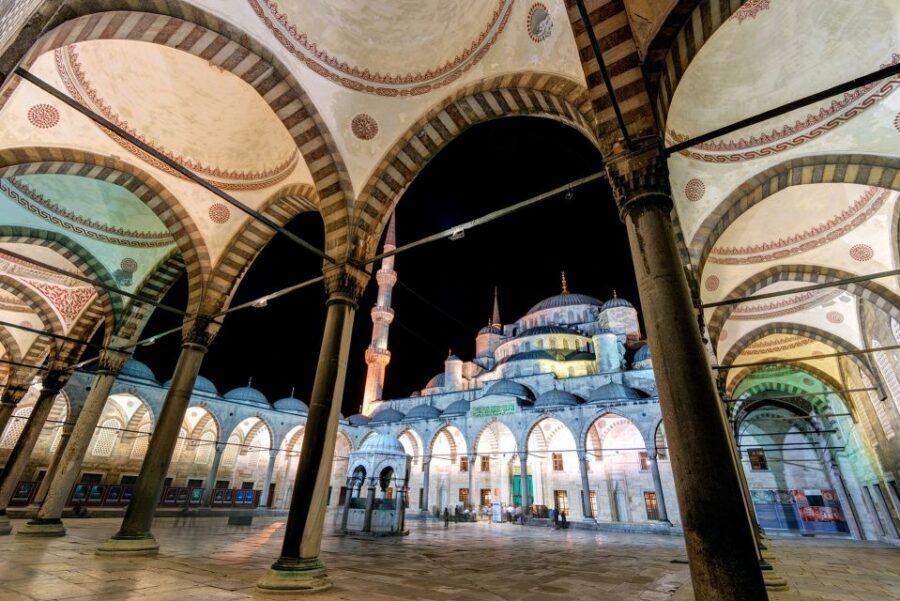
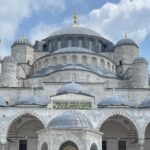
The Blue Mosque comes next with admission included. You’ll recognize it fast for the signature blue İznik tiles and the overall Ottoman design. Practical tip: plan for prayer times and be respectful when you’re inside.
The drawback to note: this is a lot of marble, domes, and indoor areas in one day. Even with a guide, you’ll want water and comfortable shoes. If you’re the type who needs lots of breathing-room, pace yourself in each site.
Basilica Cistern and the Hippodrome: Istanbul Under Your Feet
Later on Day 2, you go underground with the Basilica Cistern (Yerebatan Sarnıcı). This included stop is one of the most unusual experiences in Istanbul. It’s a Byzantine water reservoir built under Emperor Justinian I, designed to supply water to the Great Palace. In plain terms: it’s a cool, quiet cavern full of stone columns.
You’ll notice the grid of marble columns—336 of them arranged in rows. The “extra” detail is that a pair of columns at the base feature Medusa heads. It’s one of those “blink and you’ll miss it” things, so keep your eyes up and don’t rush your photos.
Then you shift back to outdoor history with the Hippodrome area, now tied to Sultanahmet Square. The included stop is mostly about what’s still visible: monuments and spolia. Among the listed remnants are the Serpent Column, the Obelisk of Theodosius, and the Walled Obelisk. It’s not a full museum moment, but it helps you understand the old city’s political and public-life center.
If you like context, this day is worth it. You’re not just collecting selfies. You’re learning how Constantinople and then Ottoman Istanbul organized space.
Grand Bazaar and Spice Bazaar: Buy, Don’t Rush, Bargain Like a Pro
Shopping time can either be fun or stressful. This tour schedules major market time in a way that keeps it from stealing your whole vacation.
You get Grand Bazaar on Day 2 with free admission time. The market is covered, older than most malls, and designed like a maze of lanes. With thousands of shops and 60+ streets, you’ll want a plan: pick one category first (carpets, ceramics, spices, jewelry), wander for texture, and leave time for the rest of your day.
On Day 9, you’ll return to the Grand Bazaar again for a longer block, and you’ll also visit the Spice Bazaar (Mısır Çarşısı) in Eminönü. This is a different vibe than Grand Bazaar: stronger smells, snack-ready souvenirs, and more bright color on the stalls.
Practical approach I recommend: treat markets like a sensory museum. Taste teas, smell spices, and buy small things that won’t ruin your luggage. If bargaining makes you nervous, it’s okay. You can still shop; you just need to set a budget and move on.
Bosphorus Cruise Adds a Big-View Reset
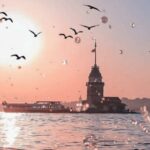
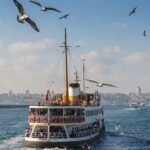
One of the tour’s smartest “energy moves” is getting you out on the water. Day 3 includes a 3-hour Bosphorus tour with admission ticket listed as free. You’ll pass Ottoman waterfront landmarks and see the strait that literally separates Europe and Asia.
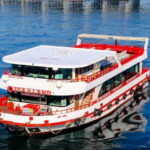
Then on Day 9, you add a Bosphorus dinner cruise with dinner included and transfers. That’s a different experience: you’re eating while the skyline glows, and the landmarks feel like a movie set when you’re watching from the water.
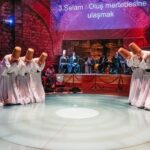
The dinner cruise is listed as about 3 hours, and the experience typically includes Turkish dinner plus entertainment such as live music and folk dance, with a Whirling Dervish show mentioned. Even if you skip the show, the view alone can make this night worth it.

Ephesus and the Virgin Mary’s House: One Day, Two Deep Themes
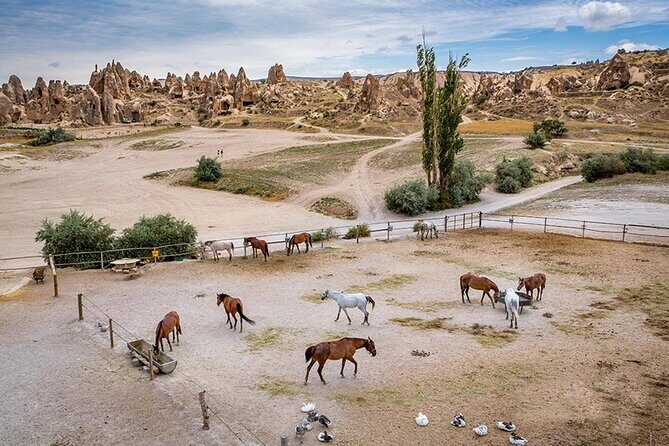
Day 4 and Day 4’s pairing is one of the main reasons this trip feels “complete.” You’re combining classic Roman city scale with a major Christian pilgrimage site.
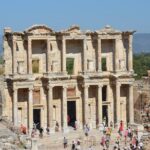
The centerpiece is Ancient City of Ephesus, included with admission. You’ll walk among the most recognizable ruins: the Library of Celsus facade, the Great Theatre (built for up to about 25,000 people), and the Agora, the bustling marketplace area. Ephesus also connects to the Temple of Artemis, listed as a separate stop.
The Temple of Artemis visit is short, and admission is listed as free. That’s fine. The temple itself is mostly remnants now, so the point is to put it on your mental map: one of the Seven Wonders, originally built around 550 BCE. If you go in expecting towering columns, you might be disappointed. But if you go expecting “this is where the wonder was,” it clicks.
Then you head to Meryemana (House of Virgin Mary). This stop is included with admission and stands apart from the ruins. It’s a modest hillside stone house tied to Christian tradition as Mary’s final residence, and it’s also considered sacred in Islam. The atmosphere is quieter and more reflective than Ephesus.
After that you see Isa Bey Mosque in Selçuk. This included stop adds Ottoman-era religious architecture to balance the Roman day. The mosque’s mix of stone and brick and the Seljuk-Ottoman style blending helps you understand how layers of faith sit on top of layers of empires.
If you’re the type who loves “big day, multiple time periods,” this one fits.
Pamukkale Cotton Castle, Hierapolis, and Cleopatra Pool: A Full Thermal Story
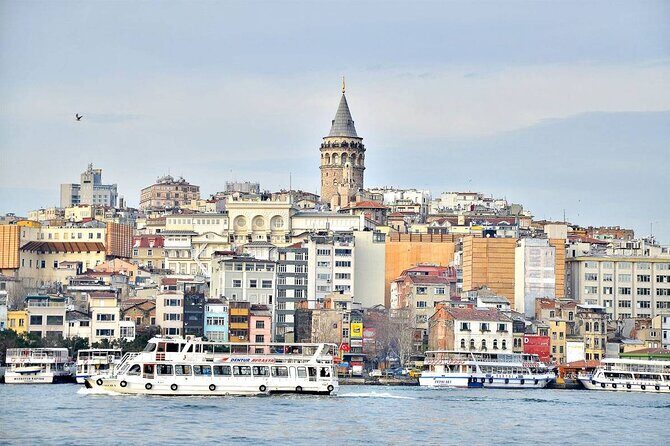
Day 5 is your white-terrain day. Pamukkale is famous for the calcite-rich thermal water that creates the terraces people call the Cotton Castle. You’ll spend time on the terraces and also get history close to your feet.
First stop: Pamukkale Thermal Pools, included with admission. You can walk barefoot through the mineral terraces and then relax in the warm water. That barefoot part isn’t optional in the experience—this is why this place is famous. The water has been used for bathing since ancient times, and it’s easy to see why the Romans were obsessed with spa culture.
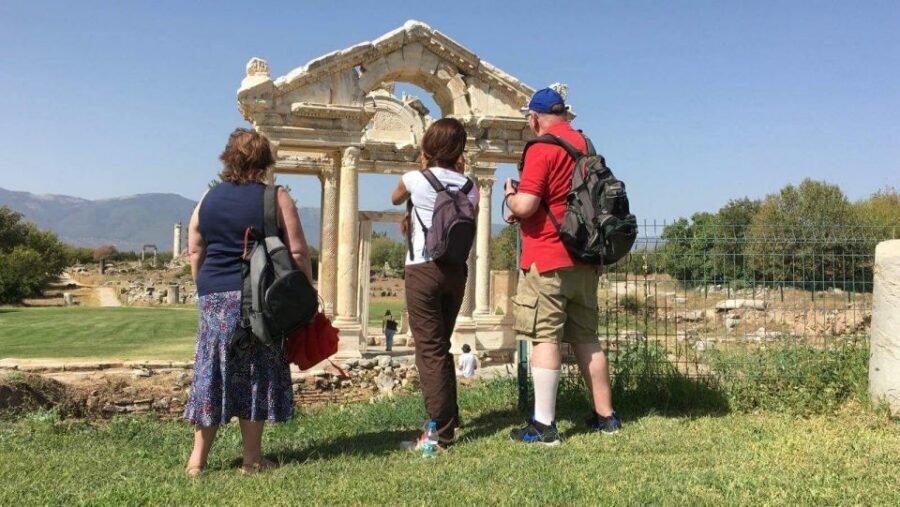
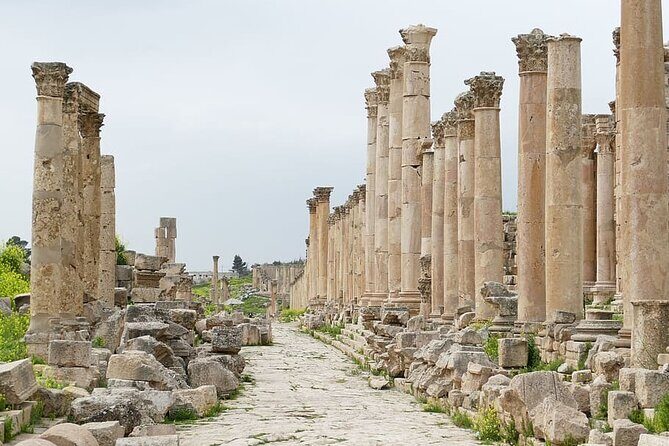
Next: Hierapolis & Pamukkale, included with admission. Hierapolis is the Roman spa city tied to the same thermal tradition. You’ll see key ruins like the Roman theatre, Temple of Apollo, fountain and agora areas, plus the Ancient Necropolis, one of the largest burial sites in Anatolia. This is where you get meaning beyond postcards.
Then you finish with Cleopatra Pool, also included with admission. The tour includes the legend that Mark Antony gifted the pool to Cleopatra. Whether you believe the story or not, the setting is the point: a thermal pool surrounded by ruins, with warm mineral water and submerged columns. It’s a relaxing finale to a day that starts with bright white steps.
One consideration: Pamukkale is a photo-friendly site, so manage your time and take breaks. Your feet will feel the terraces, and your patience will feel the crowds. A guide helps keep you moving without feeling like you’re sprinting.
Antalya’s Waterfall Day Turns the Trip Toward Nature and Coast
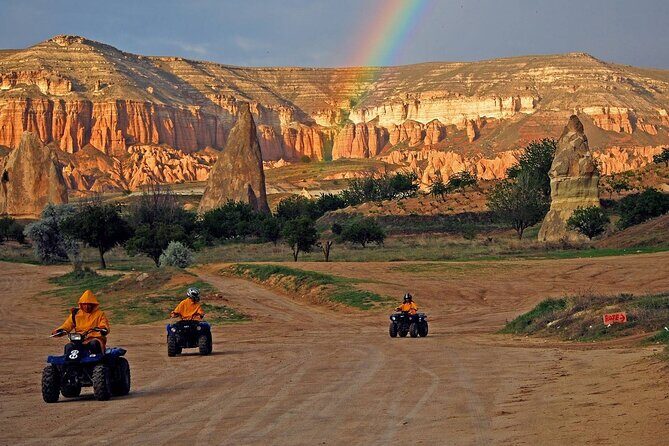
Day 6 is a change of pace. Instead of ruins, you get waterfalls and green space around Antalya.
You’ll visit Düden Park and then the Lower Düden Waterfalls, where the river drops about 30 meters off a cliff directly into the Mediterranean. This is one of those “fresh water meets sea” moments that feels dramatic even if you’re not chasing adventure.
Then you go to Upper Düden Waterfall, a quieter forested pool area. The tour also includes Kursunlu Waterfalls, set about 19 km from Antalya in a pine forest with a calmer ambiance and walking areas.
This day works for three reasons:
1) It breaks up the heavy history days.
2) It gives you a chance to sit, breathe, and cool off.
3) It keeps Antalya from becoming only a transit stop.
If you’re traveling in summer, this is a good day to plan for sun and water. Even with included time at stops, you’ll be out walking.
Cappadocia Viewpoints, Valleys, and One Very Serious Underground City
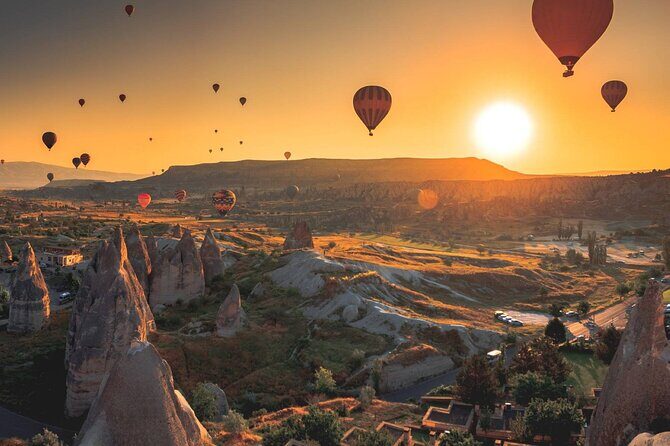
Cappadocia starts on Day 7, and it’s structured like a highlight reel you can actually handle. You begin with Uchisar Castle, a rock formation with carved spaces and panoramic views over valleys and fairy chimneys.
Then you walk a valley: Kızılçukur Valley (Red Valley) in the morning-friendly, sunset-friendly zone. The listed walk is about two hours, and it takes you along fairy chimneys and rock-carved elements.
You then visit Çavuşin (Cavusin Village) with the Church of St. John the Baptist and its 5th-century frescoes. This part matters because it connects the landscape to how people lived there.
Next comes Love Valley. It’s famous for its fairy-chimney rock formations and the way the valley looks from paths used by both hikers and balloon watchers.
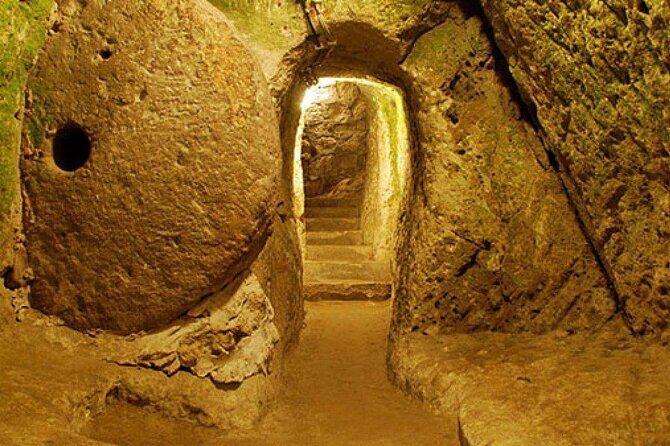
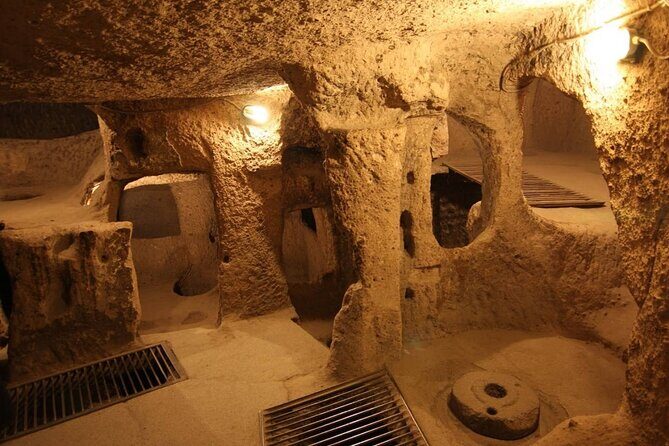
Then you hit one of Cappadocia’s big “how did they do this” moments: Derinkuyu Underground City, included with admission. It’s described as one of the largest underground cities, with multiple levels for housing, kitchens, chapels, storage, and ventilation. It’s a refuge story. It makes the region feel less like a set and more like a place built for survival.
To close the day you also go to Pigeon Valley, where pigeon houses are carved into volcanic rock and were used historically for fertilizer. It’s another scenic walk that connects you to everyday rural practices, not just grand monuments.
Göreme Open-Air Museum and the Rock-Church Circuit
Day 8 is about Cappadocia culture and craft—plus that one optional sunrise float if you want it.
You get time for an optional hot air balloon ride. It’s described as a sunrise experience with about a one-hour flight, hotel pickup, and light breakfast at the launch site. You’ll receive a flight certificate after landing. This is the iconic view everyone pictures, but it’s optional for a reason: weather can affect balloon flights, and ballooning is an expense add-on.
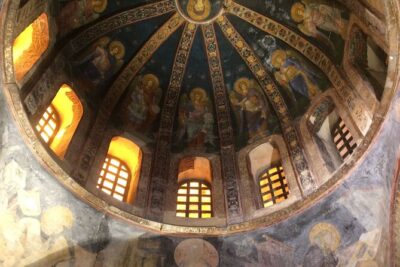
After that, you go to Göreme Panorama for classic fairy-chimney views and a good chance to see balloons in the sky. Then you visit the Göreme Open-Air Museum, included with admission. This is the major rock-cut church complex with frescoes from the 10th–12th centuries. Highlights mentioned include the Dark Church, Apple Church, and Snake Church.
The value here is that you get art plus architecture plus place. It’s not just “pretty rocks.” You’re seeing the religious life carved into volcanic soft rock.
Pottery, Animal-Shaped Rocks, and Monk’s Valley Chimneys
Still in Cappadocia on Day 8, the tour shifts to hands-on and scenery stops.
You visit Avanos Pottery Workshop. Avanos is known for pottery using red clay tied to the Kızılırmak River. Workshops and demonstrations are part of it, and you might even try a hands-on pottery experience depending on the studio setup.
Then comes Devrent Valley (Imagination Valley), where wind and water erosion created rock shapes that resemble animals and objects. This stop is included with admission. It’s a lighter break from museums and underground spaces.
Next: Paşabağları (Monk’s Valley), included with admission. This is where fairy chimneys have those mushroom-like forms. Some still have rock-cut chapels and dwellings, so you’re seeing how monks used the formations for solitude.
Finally: Üç Güzeller (Three Beauties). This is the quick, iconic photo-and-lookout stop near Ürgüp with tall conical chimneys.
If you’re worried you’ll get “Cappadocia fatigue,” this itinerary usually prevents it. Each stop changes the lens: viewpoint, museum, workshop, imagination rocks, then valley shapes.
Price and Logistics: What $2,908.91 Buys You Here
Let’s talk value with clear eyes. At $2,908.91 per person for about 10 days, this is not a budget backstreet deal. You’re paying for:
- 9 nights of breakfast-included hotel in a “best location” setup
- A 7-day guided plan with included lunches and entrance fees listed across major stops
- 3 domestic flight tickets with all taxes and luggage limits (15 kg checked + 8 kg handbag)
- All airport transfers, plus Pamukkale to Antalya private transfer
- A Bosphorus dinner cruise with transfers and dinner included
That package can work out well if you’d otherwise have to book flights, private transfers, and guided entry tickets one by one. It also helps when you’re tired—someone is handling the jump from city to city.
My main “value-fit” advice: this tour makes the most sense if you want to see the big names without spending days building your own plan. If you want full independent control, you might find it too structured.
Also, group size is listed as maximum 15 travelers, which is a sweet spot for staying social without feeling like you’re on a school trip bus.
Should You Book This 10-Day Turkey Tour?
Book it if you want a fast, well-connected circuit that covers Istanbul classics, Ephesus, Pamukkale, Antalya nature breaks, and Cappadocia’s signature sights—while someone else handles the timing, entries, and big transfers.
Think twice if you’re very sensitive to first-day logistics. Airport pickup is part of the program, and any mismatch can slow you down. If you go this route, send your flight details carefully and keep your day-1 expectations flexible.
Overall, I’d say this is a strong choice for first-timers to Turkey who don’t want to gamble on planning. You get the headline sites, but the pacing also leaves room for real “stand and stare” moments—especially in Pamukkale and Cappadocia.
FAQ
What does the tour include for meals?
The tour includes breakfast daily and includes lunch for 6 days. It also includes a dinner cruise on the Bosphorus with dinner included.
Are there domestic flights?
Yes. The tour includes 3 domestic flight tickets with all taxes, plus luggage limits listed as 15 kg checked and 8 kg handbag.
Is the hot air balloon ride included?
No. The hot air balloon ride is an optional experience in Cappadocia. If you want it, you pay in Cappadocia.
What sites are covered in Istanbul?
You’ll see Hagia Sophia, Topkapi Palace, the Blue Mosque, Basilica Cistern, the Hippodrome area, plus time for the Grand Bazaar and Spice Bazaar, and you get a Bosphorus dinner cruise.
What are the main stops in Ephesus and Pamukkale?
You’ll visit the Ancient City of Ephesus, the Temple of Artemis area, Meryemana (House of the Virgin Mary), Isa Bey Mosque, then Pamukkale Thermal Pools, Hierapolis, and Cleopatra Pool.
Does the tour include transportation?
Yes. Pickup is offered, and the tour lists all airport transfers, plus transport between cities. It also includes a private transfer from Pamukkale to Antalya.
What is the group size?
The maximum group size is listed as 15 travelers.
What ticket format is used?
The tour offers mobile tickets.
When does the experience start?
The meeting/start time is listed as 12:00 pm.
How does cancellation work?
You can cancel for a full refund up to 24 hours before the experience start time. Within 24 hours, the paid amount is not refunded.