REVIEW · ISTANBUL
10 Days Private Turkey Tour incl. Gobeklitepe, Cappadocia, Ephesus, Istanbul
Book on Viator →Operated by Small Group (Max. 10 Pax) & Private Tours in Turkey · Bookable on Viator
Twelve thousand years starts this trip. This private route stacks Turkey’s biggest mind-benders—Göbeklitepe and the sunrise at Mt. Nemrut—then adds major classics like Cappadocia, Ephesus, and Istanbul. I like that it’s private and paced so you get a thorough overview without feeling yanked around every hour, and I also like how the plan handles the heavy logistics like domestic flights and booked entry tickets. The one drawback to plan for is physical strain: you’ll do real walking, plus an extremely early start for Nemrut.
What makes this work well on the ground is the guide support and the practical visit rules. For example, St. Sophia interior access has changed: after Jan 15, 2024 there’s no live guiding inside, so you need a smartphone plus headphones (or you can buy them at the site for about 3.5 USD). And yes, names do matter here—guides like Yavuz are specifically called out for making sites feel alive, with humor and smart timing.
You’re also paying for a smoother travel day rhythm. Boutique stays in Istanbul and a cave hotel in Cappadocia are built into the route, so you’re not hunting for rooms while trying to catch flights and sunrise hikes. Just know this is not a light, sit-on-the-bus kind of trip; it’s best for travelers with moderate fitness and a tolerance for early mornings and lots of steps.
In This Review
- Key highlights you’ll actually feel on the trip
- Why this 10-day Turkey route feels full, not frantic
- Istanbul days 1–2: two continents, four big landmarks, one big bazaar
- Hippodrome Square: chariot chaos and Byzantine noise
- Hagia Sophia (St. Sophia): a must-see with a modern audio workaround
- Blue Mosque: classic Ottoman tilework, no extra effort required
- Topkapi Palace: power, rooms, and a weapons section
- Grand Bazaar: browsing time that doesn’t feel like homework
- Cappadocia days 3–4: underground cities, fairy chimneys, and the best kind of walking
- Fairy Chimneys and Three Sisters: the postcard view with a purpose
- Kaymaklı Underground City: going below for perspective
- Goreme Open-Air Museum: Byzantine rock churches and frescoes
- Devrent Valley, Paşabağ, Avanos, and Üçhisar: the “why it looks like this” set
- Hot air balloon note (optional)
- Karatay Han, then south toward Nemrut: caravan life and the long road of empires
- Mt. Nemrut sunrise and Urfa museums: myths you can stand next to
- Göbeklitepe and Gaziantep: the moment early ritual history clicks
- Ephesus and Meryemana: Revelation-era sites in real stone scale
- Hotels, meals, and transportation: where the trip gets easier for you
- Price and logistics: is $4,539 per person actually good value?
- Who this trip fits best (and who should skip it)
- Should you book this 10-day private Turkey tour?
- FAQ
- What airports are used for the Istanbul start?
- Are domestic flights included?
- Is this tour private?
- What’s included for meals?
- Are entrance fees included?
- How does the St. Sophia interior visit work after Jan 15, 2024?
- Does the tour include a hot air balloon?
- What kind of physical fitness is required?
- How much does cancellation cost if plans change?
- What hotels will I stay in?
Key highlights you’ll actually feel on the trip
- Private guide, private pacing: your schedule is tailored to your group and your energy level
- St. Sophia interior visit rules: bring a working phone and headphones, because live guiding is restricted
- Early sunrise at Mt. Nemrut: 03:30 departure and a hike to the summit complex
- Göbeklitepe, built before writing or pottery: a site that reorders how early history makes sense
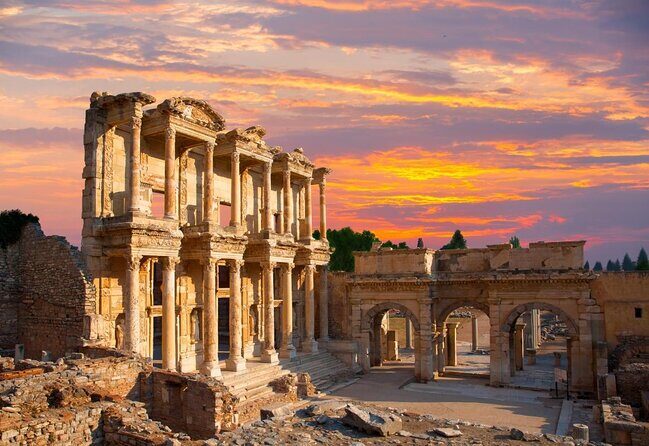
- Ephesus on foot, with big crowd capacity ancient theater: you see the Revelation-era places in real scale
- Pre-paid tickets to skip lines: the guide’s tickets reduce waiting at key stops
Why this 10-day Turkey route feels full, not frantic
This tour is designed for travelers who want depth across Turkey’s most important regions without spending days planning train times, ferry schedules, and hotel moves. You still move a lot, but the “moving” is organized: airport transfers, domestic flights, and daily transfers are handled for you. That’s the difference between a vacation that’s stressful and a vacation that feels like a story.
I also like the way the itinerary groups experiences by theme and era. Istanbul gives you empires layered on empires. Cappadocia gives you rock-cut culture and underground life. The southeast portion pushes deep time with Nemrut and Göbeklitepe. Then Ephesus ties the whole trip into early Christian geography. It flows.
One more thing: the private format matters. The tour is limited to your group only (and the provider also notes max small groups up to 10), so you’re not stuck in a slow-moving queue of strangers. In plain terms, you get more time at the stops that matter most to you, and less time waiting for everyone to catch up.
You can also read our reviews of more private tours in Istanbul
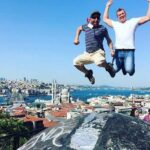
Istanbul days 1–2: two continents, four big landmarks, one big bazaar
You start with an airport meet-and-transfer. Land at either Istanbul Airport (IST) or Sabiha Gökcen (SAW), and a representative meets you with a name sign before you head to your Istanbul hotel. Day 2 begins with pickup from your hotel at 09:00, which is nice because it lets you hit the famous sights while the day is still fresh.
Here’s the Istanbul core, and why each stop is worth your time:
Hippodrome Square: chariot chaos and Byzantine noise
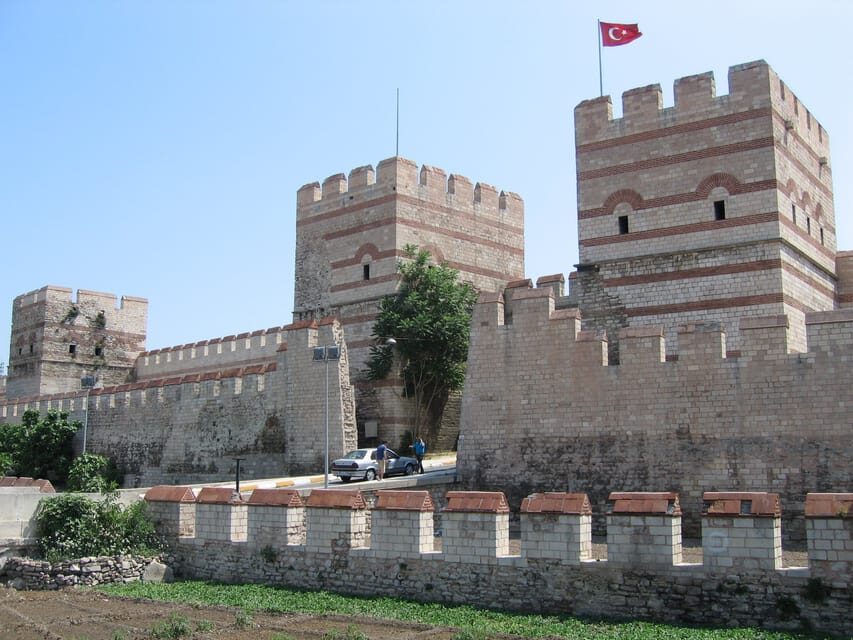
You begin at the Hippodrome Square, the site of chariot races in Roman and Byzantine periods. Even if you’re not a chariot-racing superfan, this stop sets the tone. Istanbul’s big attractions aren’t just pretty—they’re tied to political power and public spectacle.
Hagia Sophia (St. Sophia): a must-see with a modern audio workaround
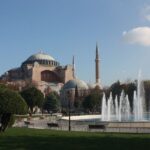
Then comes Hagia Sophia, built in 532 AD under Emperor Justinian I. It’s one of those places where you don’t need a long lecture to understand why it matters. You just need the logistics right.
Because live guiding isn’t allowed inside after Jan 15, 2024, you’ll rely on a self-guided setup. Plan to bring a smartphone and headphones so you can follow along with the audio-style system. If you don’t have them, you can buy a set at the entrance (listed at about 3.5 USD). This is the kind of practical detail that can make or break your experience.
Blue Mosque: classic Ottoman tilework, no extra effort required
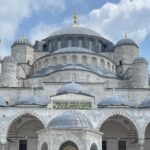
Next is the Blue Mosque, known for its beautiful İznik tiles. It’s close to Hagia Sophia, so you’re mostly walking and soaking in the atmosphere rather than crisscrossing the city.

Topkapi Palace: power, rooms, and a weapons section
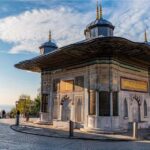
Topkapi Palace is where Ottoman Istanbul shows its administrative side. You’ll visit the palace including a weapons section. This matters because it’s not only about royal living; it’s also about how a state organized itself.
Grand Bazaar: browsing time that doesn’t feel like homework
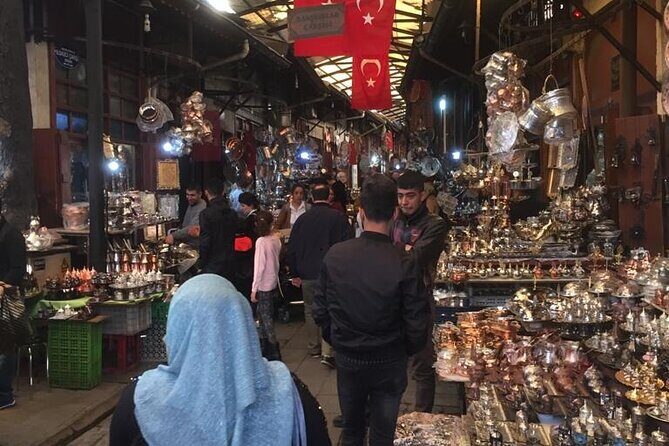
Finally, you end at the Grand Bazaar, one of the oldest covered markets in the world, with dozens of streets and a huge number of shops. The point here isn’t speed-shopping. It’s the chance to see crafts like jewelry, pottery, spices, and carpets under one roof. If you like people-watching, this is excellent downtime.
Cappadocia days 3–4: underground cities, fairy chimneys, and the best kind of walking
Day 3 is a flight day: you fly Istanbul to Cappadocia, then meet your guide at the airport gate area with your name sign. The big wins here are the mix of “above ground” fairy chimneys and “below ground” living.
Fairy Chimneys and Three Sisters: the postcard view with a purpose
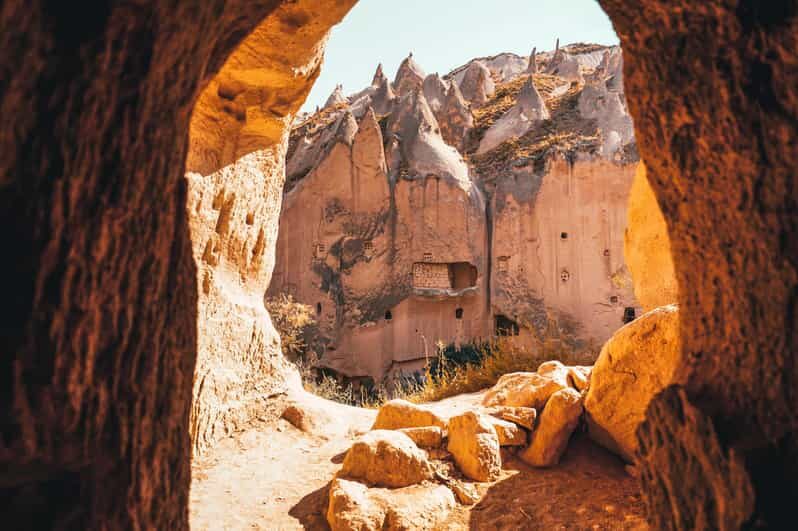
You start with Fairy Chimneys, including the Three Sisters in Ürgüp. Yes, it’s the scene you’ve seen in photos. But the trip also gives you useful context about how local life worked around these shapes, including pigeon-house carvings that echoed human housing.
Kaymaklı Underground City: going below for perspective
Then you descend into Kaymaklı Underground City, described as one of the larger and deeper ones. It’s a short mental shift—history becomes physical when you’re standing where people hid, lived, and stored supplies.
Goreme Open-Air Museum: Byzantine rock churches and frescoes
On day 4, you add the Göreme Open-Air Museum, focusing on rock-cut churches and frescoes from the 10th to 13th century. This is where Cappadocia stops being just scenery and starts becoming a study of belief, artistry, and survival in one place.
Devrent Valley, Paşabağ, Avanos, and Üçhisar: the “why it looks like this” set
You’ll also visit Devrent Valley for rock formations, walk in Paşabağ (Pasabag) “fairy chimneys,” and stop in Avanos for terra cotta history and a traditional pottery workshop demonstration. Avanos is a useful pause because it connects the area’s geology to craft.
To wrap up, you’ll go to Uçhisar Castle for panoramic views. This is the kind of viewpoint that helps you understand the whole region’s shape, not just the bits you walked through.
Hot air balloon note (optional)
Hot air ballooning with sunrise is listed as optional, extra. If you do it, it’s a morning commitment, so plan your energy carefully—especially since later parts of the trip already include early starts.
Karatay Han, then south toward Nemrut: caravan life and the long road of empires
Day 5 starts with checkout and a drive to Karatay Han, a caravanserai. This kind of stop is often missed on rushed tours, but it’s valuable because it explains how trade routes shaped what’s left behind. Caravanserais were where people rested, traded, and waited out the risks of travel.
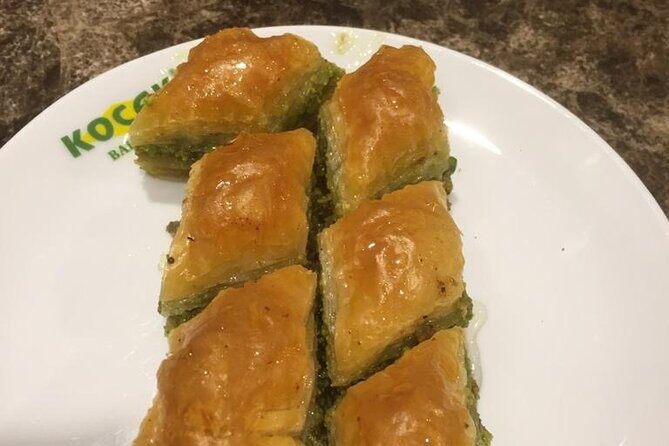
You then travel onward toward Adıyaman, stopping in Kahramanmaraş for lunch and famous ice cream. Even if you’re not chasing food history, it’s a real break in the driving rhythm.
Finally, you arrive in Adıyaman for an evening at leisure and overnight. This matters because the next day starts before sunrise.
Mt. Nemrut sunrise and Urfa museums: myths you can stand next to
Day 6 is the hard-hitting morning: 03:30 departure for the hike to the summit of Mount Nemrut, a UNESCO world cultural heritage site. You’ll watch sunrise as colossal heads and statues appear around you. The statues are tied to ancient deities and royal claims. The plan also notes that mini-buses are used to drive up the mountain, which reduces the uphill grind.
In practical terms, you should treat this as a “sleep lightly, wear layers, drink water” day. The tour gives the structure, but nature controls the comfort level.
After Nemrut, the itinerary includes Arsemeia Antik Kenti and the surrounding features:
- the old castle area
- Cendere Bridge (Septimius Severus bridge) dating back to the 3rd century
- Tumulus Tomb of Karakus
Then you head back for breakfast, and the plan shifts into modern-day ruins viewing with Atatürk Dam for a viewpoint stop.
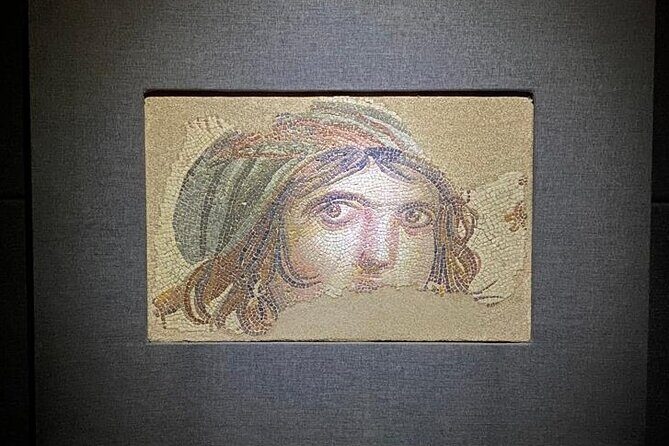
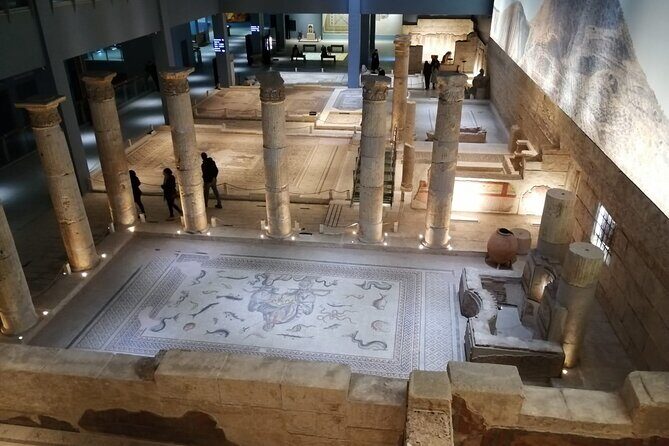
Finally, you end in Şanlıurfa (Urfa) with the Sanliurfa Archaeology and Mosaic Museum. This museum stop is a good landing point after big myth sites, because it keeps the day anchored in artifacts and physical evidence rather than only monument scale.
Göbeklitepe and Gaziantep: the moment early ritual history clicks
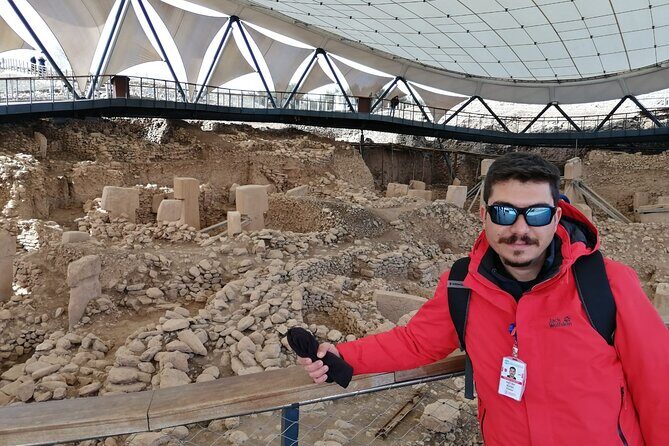
Day 7 is where the name of the tour becomes the tour. After breakfast and checkout, you drive to Göbeklitepe and visit one of the world’s most important archaeological sites. The tour frames it as around 12,000 years old, built before writing and pottery, and believed to be the world’s oldest temple.
This is the kind of place where your brain does double duty. You’re looking at stone structures, but you’re also trying to imagine the social event that would have gathered people there over and over for centuries. If you like history that changes how you think, this stop delivers.
Afterward, you drive to Gaziantep, stop for lunch, check in, and overnight there. Gaziantep is often a strong base for this region, and it also sets you up for the next day’s flight connection.
Ephesus and Meryemana: Revelation-era sites in real stone scale
Day 8 is a travel day with a sightseeing payoff. You fly from Gaziantep to Izmir, then drive to Ephesus (about 45 minutes).
You start with the Temple of Artemis, tied to one of the Seven Wonders of the Ancient World. Even though the remains aren’t like a fully intact building, it’s still a strong opening because it tells you how huge these religious centers were.
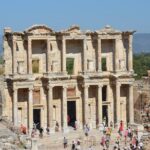
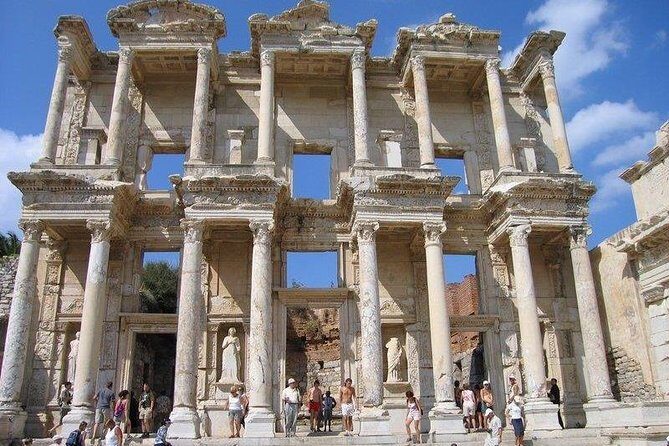
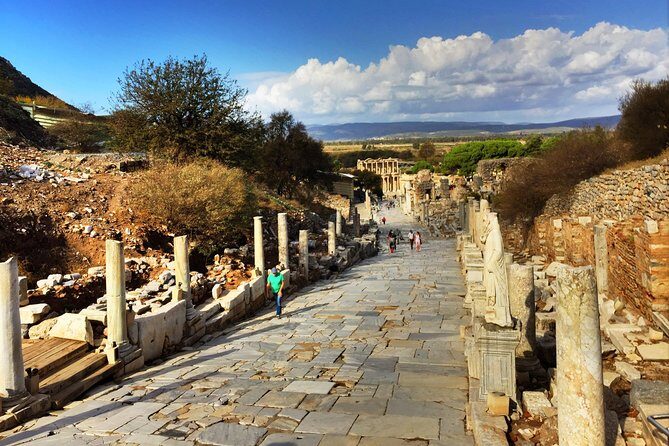
Then you move into Ancient City of Ephesus, walking through the marble streets and big public buildings. The itinerary calls out major stops you’ll recognize:
- State Agora and Odeon
- Memnius Monument
- Temple of Domitian
- Curetes Street and Polio Fountain
- Curetes and the Trajan Fountain
- Baths of Scholastica
- Hadrian Temple, Latrina
- Celsus Library
- Grand Theater (built in the 3rd century BC, expanded later to around 24,000 spectators in the 1st century AD)
The Grand Theater detail helps you picture crowds and speeches in a way that a diagram never will.
After Ephesus, there’s lunch served in the garden of a local handicrafts center, where you can see traditional carpet weaving techniques and displays. It’s a good “hands-on culture” break that doesn’t swallow the whole afternoon.
Then you visit Meryemana (House of the Virgin Mary) on the Aladag Mountains. The tour notes it’s about 5 miles from Ephesus, and it was linked to the third ecumenical council (431) and later pilgrimage traditions. It also notes Pope Paul VI visited and prayed there on July 26, 1967. Even if you’re not traveling for religious sites, this stop has a calm, focused feel that contrasts with the crowds of Ephesus.
After all that, you drive to Kuşadası for overnight.
Hotels, meals, and transportation: where the trip gets easier for you
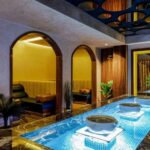
This tour includes 9 nights of accommodation split across three styles:
- boutique hotels in Istanbul (examples include Yasmak Sultan or Dosso Dossi Old City, or similar)
- a cave hotel in Cappadocia (examples include Yunak Evleri, Zeydem Suits, or Gamirasu, or similar)
- 4-star style properties in Adıyaman, Urfa, Gaziantep, and Kusadasi (examples listed)
If you care about sleep quality, this is a real factor. Your nights are planned so you don’t waste time switching rooms. The cave hotel is also a memorable experience for many people, and it makes Cappadocia feel different the moment you step indoors.
Meals: you get 9 breakfasts and 4 dinners, with other meals handled as stops in the daily plan. Since lunch isn’t clearly listed as included in the main included section, I’d treat lunches as part of the day’s schedule but not guaranteed included unless noted for your booking.
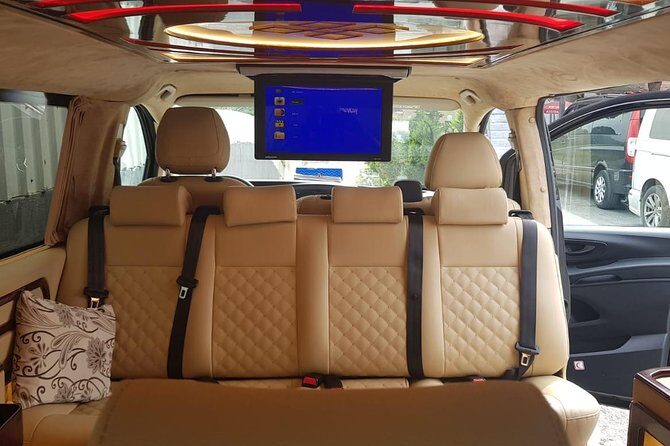
Transport is private, using brand-new vehicles with AC. You’ll have hotel pickups and airport transfers. Domestic flights are included, which is a major cost and time saver on a route this long.
Two more practical points that matter:
- Baggage allowance is listed as 15 kg check-in and 8 kg cabin for domestic flights.
- There are entrance fees included, and your guide will have pre-paid tickets to reduce line time.
Price and logistics: is $4,539 per person actually good value?
At $4,539 per person, this isn’t a budget trip. It’s priced more like a “you hand over the planning, I’ll take care of the moving parts” vacation.
So what are you paying for, specifically?
- Private professional guide for the full route
- Domestic flights across Turkey segments
- A planned mix of boutique, cave, and 4-star hotels
- Entrance fees at the listed sites
- Pre-paid tickets that help you spend time at the sites, not in queues
If you were trying to build this yourself, the risk is that you’d underestimate cost and overestimate your ability to manage timing—especially with Nemrut’s sunrise schedule and multi-day regional transfers. The tour removes most of the “what do we do next” friction.
Guides also get called out for how they lead, not just what they know. In particular, the tour experience is highlighted through guide names like Yavuz and Ozzy, with descriptions of humor, flexibility, and swapping plans when someone needs a slower pace. That’s hard to price, but it’s exactly where private tours earn their keep.
Who this trip fits best (and who should skip it)
This tour fits best if you want:
- a private plan across multiple regions with minimal stress
- a mix of major monuments (Istanbul, Ephesus) and high-impact early history (Göbeklitepe)
- a guide-led experience where practical logistics are handled, not improvised
It may not fit if you:
- have walking disabilities (the tour explicitly notes it’s not recommended)
- dislike early mornings (Nemrut departure is around 03:30)
- want a trip with lots of free time and minimal movement (this route is busy by design)
Should you book this 10-day private Turkey tour?
Book it if you’re the type who loves seeing how different eras connect—Byzantine and Ottoman Istanbul, rock-cut Cappadocia life, and then the shock of ancient ritual architecture at Göbeklitepe, followed by Ephesus and Meryemana. You’ll get a lot of “why this matters” context from a guide who leads more than just facts.
Skip it if you need a slow-paced vacation, or if you know stairs, uneven ground, and early starts will make the trip feel miserable. This itinerary doesn’t hide that reality.
If you do book, pack smart for your biggest two constraints: headphones for St. Sophia and sturdy shoes plus layers for sunrise Nemrut.
FAQ
What airports are used for the Istanbul start?
You arrive in Istanbul Airport (IST) or Sabiha Gökçen Airport (SAW). The tour includes an airport meet with a name sign and a private transfer to your hotel for overnight in Istanbul.
Are domestic flights included?
Yes. Domestic flights are included for the route from Istanbul to Cappadocia, and from Gaziantep to Izmir (with subsequent transfer back to Istanbul as part of the day 9 plan). Baggage allowances are listed as 15 kg check-in and 8 kg cabin.
Is this tour private?
Yes. It is described as a private tour/activity, and only your group will participate. The provider also notes small group tours with a max of 10 Pax.
What’s included for meals?
The tour includes 9 breakfasts and 4 dinners. Meals not mentioned in the itinerary are not included.
Are entrance fees included?
Yes. Entrance fees are included, and the guide carries pre-paid tickets to help you skip lines at the listed sites.
How does the St. Sophia interior visit work after Jan 15, 2024?
Live guiding is not allowed inside St. Sophia after Jan 15, 2024. You need to have a smart phone and headphones during your visit. If you don’t have headphones, you can buy them at the entrance (about 3.5 USD). If you don’t have a smart phone, you’ll follow signs and the information shown on-site.
Does the tour include a hot air balloon?
Hot air ballooning with sunrise is optional and listed as extra. The rest of Cappadocia activities are included as part of the daily plan.
What kind of physical fitness is required?
Moderate physical fitness is recommended. The tour is not recommended for travelers with walking disabilities due to the amount of walking and the early sunrise hike.
How much does cancellation cost if plans change?
You can cancel up to 6 days in advance for a full refund. If you cancel 2–6 full days before the start time you receive a 50% refund, and if you cancel less than 2 days before the start time there is no refund.
What hotels will I stay in?
The tour provides 9 nights in boutique, cave, and 4-star hotels with specific examples provided for Istanbul, Cappadocia, Adıyaman, Urfa, Gaziantep, and Kusadası. Similar properties may be used if availability requires it.