REVIEW · ISTANBUL
12 Days Private Turkey Tour From Istanbul
Book on Viator →Operated by Pupa Travel · Bookable on Viator
Two weeks of Turkey, neatly stitched together.
This 12-day private route strings together Istanbul highlights, the Cappadocia valleys, and the Aegean’s biggest ancient sites, using a mix of cruise, walking, and private transport. I like that your sightseeing isn’t just a checklist—it’s guided, timed, and built around photo stops (especially in Istanbul).
I love how the tour handles the hard parts for you: private airport transfers, private A/C minivan transport, and English guiding day after day. I also love that lunch is included on 11 days, and the itinerary lists admission tickets for the main stops, which helps this feel like a real value instead of a “pay again later” tour. One possible drawback: the schedule is intense, with flights plus multiple hikes and long days—so you’ll want solid walking legs and a flexible pace.
In This Review
- Key Things I’d Bet You’ll Enjoy
- Istanbul’s Ottoman and Roman Highlights, Without the Chaos
- Sultan Ahmed’s Blue Mosque and the museum-to-palace flow
- Süleymaniye Mosque, then a downhill Spice Market stroll
- Day 3: Roman Hippodrome, Basilica Cistern, Hagia Sophia, Chora Church
- Bosphorus Cruise and the Flight to Cappadocia
- Cappadocia’s Chimneys, Underground Cities, and Valley Hikes (Days 5–7)
- Day 5: Devrent, Pasabag, Göreme Open Air, and the best viewpoints
- Day 6: Kaymakli Underground City and the Ihlara Canyon hike
- Day 7: Soganli Monastery life, mosaics, and the Red Valley walk
- Izmir and Selçuk/Kuşadası: A Breather Before the Big Ruins
- Ephesus Day: Artemis, St. John, Mary’s House, and Museum Time
- Priene, Miletus, and Didyma: The Oracle and the Thinkers
- Aphrodisias to Hierapolis and Pamukkale’s Cotton Castle
- What the $6,500 Private Price Covers (and How to Judge Value)
- Who This Tour Fits Best (and Who Might Want a Different Pace)
- Final Call: Book It or Wait?
- FAQ
- How long is the Turkey tour?
- Where does the tour start and how is pickup handled?
- Is this a private tour?
- What language are the guides?
- What’s included in the price?
- Are dinners included?
- Where do you go on the final day?
Key Things I’d Bet You’ll Enjoy
- Photo planning in Istanbul built into mosque, palace, and market time
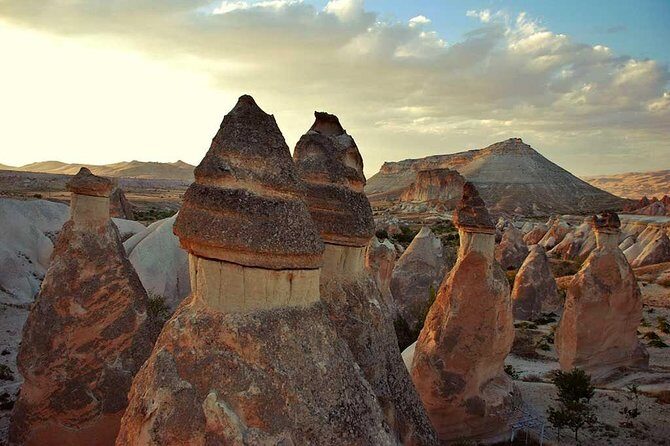
- Cappadocia by variety: fairy chimneys, cave churches, underground city, and canyon hiking
- Ephesus plus the surrounding classics: Artemis, St. John, Mary’s House, and the museum collection
- Aegean route logic: Priene + Miletus + Didyma gives you context, not just ruins
- Pamukkale time for the thermal pools and the travertines people call Cotton Castle
Istanbul’s Ottoman and Roman Highlights, Without the Chaos
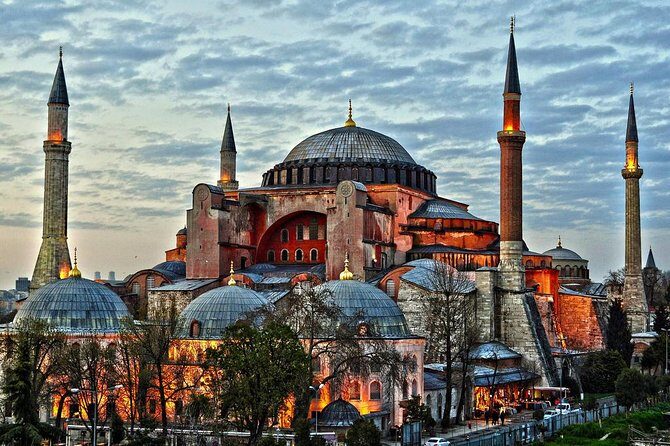
Your trip starts with an airport transfer into Istanbul, then a hotel check-in and a quick orientation so you know how the days work. On a private tour like this, that matters. When you land after a flight, you don’t want to spend your first afternoon sorting transit and ticket lines.
You can also read our reviews of more private tours in Istanbul
Sultan Ahmed’s Blue Mosque and the museum-to-palace flow
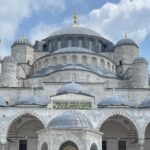
Day 2 is the “grand Ottoman Istanbul” day, and it’s arranged well for your energy. You begin at the Blue Mosque (built in 1616 under Sultan Ahmet), which is most impressive when you’re seeing it early and still fresh. Nearby, the Turkish and Islamic Arts Museum adds depth by showing standout Islamic-era art and carpets—small enough to feel human, not just monumental.
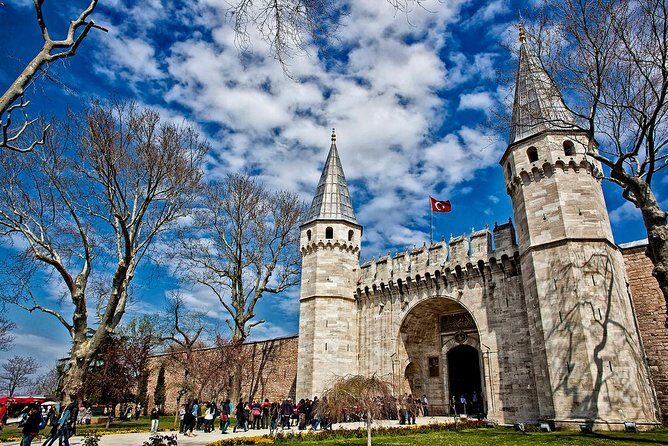
Then comes Topkapi Palace, the Ottoman power center where sultans lived for centuries. This isn’t just a building; it’s a physical reminder of how Ottoman Istanbul worked—court life, administration, and empire all in one place. After lunch time, you shift to the market world with a stop at the Grand Bazaar Jewelers, one of the oldest trading lanes of the city.
Süleymaniye Mosque, then a downhill Spice Market stroll
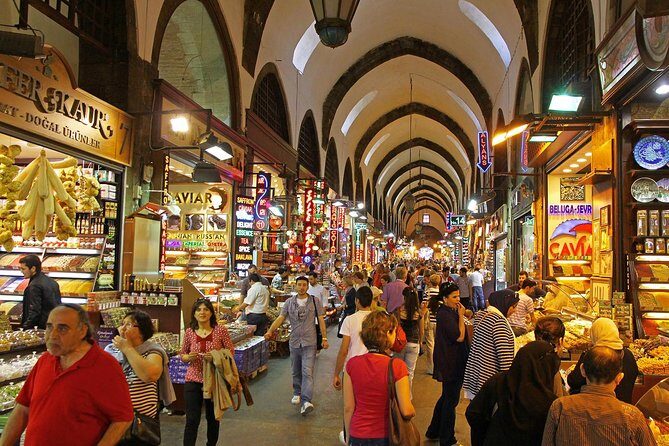
After Topkapi, you walk to Süleymaniye Mosque (built in 1557 by architect Sinan). This stretch is a classic “Istanbul on foot” moment: you get the big views and the smaller street life as you move through different neighborhoods. The day ends at the Spice Market (Misir Çarşısı), where you’ll find spices and Turkish delight—and the downhill walk makes the market feel like a reward, not a chore.
Day 3: Roman Hippodrome, Basilica Cistern, Hagia Sophia, Chora Church
Day 3 keeps the momentum with a blend of Roman, Byzantine, and Christian art. You start at the Hippodrome, with visible pieces from ancient rulers: the Obelisk of Tuthmosis III, the German Fountain, the Serpent Column, and the Obelisk of Constantine. It’s one of those places where you can picture the scale even when the original structure is gone.
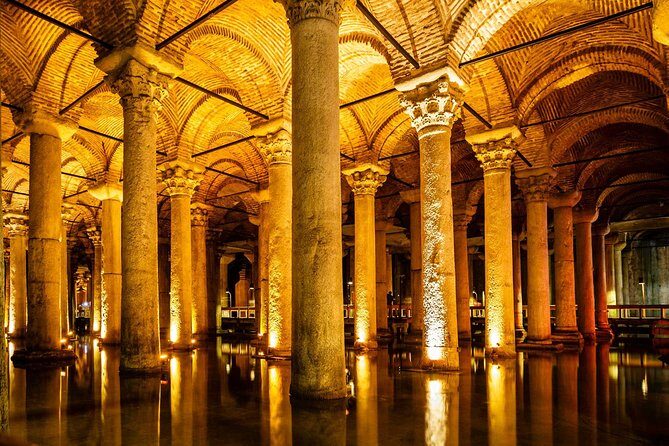
Then you go underground (in a way) at the Basilica Cistern, built in the 6th century at the same time as Hagia Sophia. The famous heads of Medusa are there too, though the setting is the real effect: cool air, dim light, and stone columns that make you slow down.
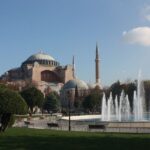
Next is Hagia Sophia (the 537 Justinian-era church). Depending on your route that day, it can feel like time travel. You’ll also visit the Chora Museum, known for mosaics and frescoes—some of the most detailed religious art in the city. If you like art that tells stories through images, Chora is a highlight.
Practical tip: Istanbul days like this add up. Wear shoes you can walk in for hours, and bring a layer. Mosques and indoor sites can swing from warm to cool fast.
Bosphorus Cruise and the Flight to Cappadocia
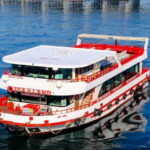
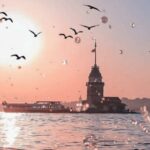
Day 4 starts with a Bosphorus Strait cruise of about two hours. This cruise is more than scenery. It’s your “Istanbul geography lesson,” because the shoreline shows palaces, Ottoman-era houses, and summer mansions lined along the water. It’s a smart break after two intense city days—eyes rest, and you still get history.
Then you fly to Cappadocia, check in, and settle in for the next day. That break matters because Cappadocia can be physically demanding once you start hiking. You’ll want your hotel evening to be mostly recharge time.



Cappadocia’s Chimneys, Underground Cities, and Valley Hikes (Days 5–7)
Cappadocia is where this tour becomes more than “sightseeing.” It turns into a mix of geology, churches, and small human details—how people lived, hid, prayed, and carved survival into rock.
Day 5: Devrent, Pasabag, Göreme Open Air, and the best viewpoints
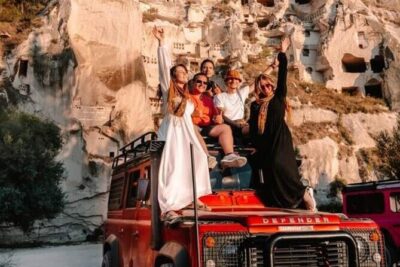
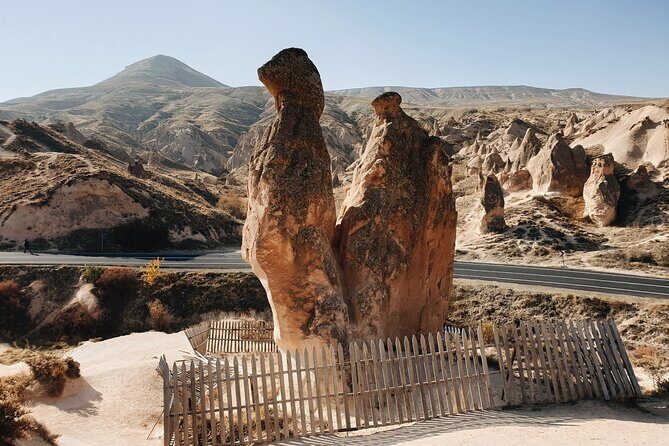
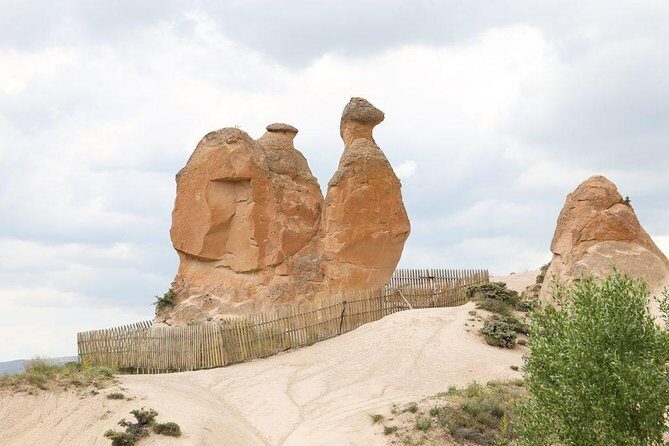
Day 5 begins with Devrent Valley (Imagination Valley), known for fairy chimney formations. The geology is wild: these formations are said to be tens of millions of years old, so your brain has trouble switching from “vacation mode” to “wow” mode.
Next stop is Pasabag (Love Valley style area), where the fairy chimneys have the most character—shapes often compared to the whimsical visuals people associate with cartoons or fairy tales. After that, you stop at a local pottery shop in Avanos, where you can see how pottery traditions were kept alive over generations.
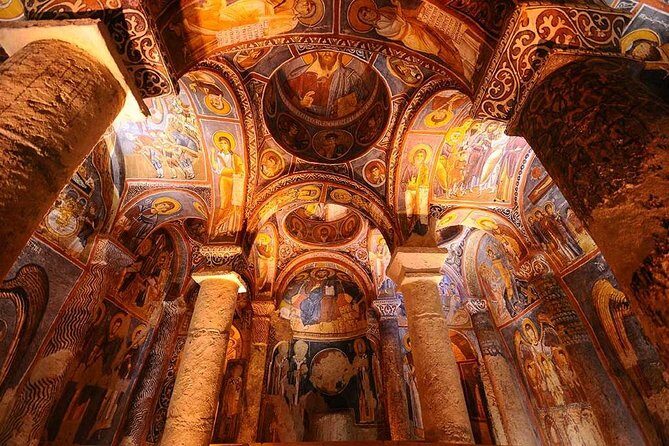
The highlight-heavy stretch continues with Göreme Open Air Museum, home to cave churches carved into rock. The tour’s stop at cave dwellings adds another dimension: you don’t just see churches; you see where people lived. You end at Uçhisar Castle and then Pigeon Valley, plus a panoramic viewpoint. This is where the day earns its photos.
Day 6: Kaymakli Underground City and the Ihlara Canyon hike
Day 6 shifts from above-ground wonder to below-ground survival. You visit Kaymakli Underground City, where Christians defended themselves during persecutions and invasions. It’s easier to understand the rooms and tunnels when you imagine the practical goal: hiding, storing, and moving safely.
After a photo break at Nar Lake, you drive to Ihlara Valley for a 3.8 km river walk/hike through canyon scenery. Then comes Selime Monastery, described as Cappadocia’s biggest religious building, with a cathedral-size church carved into the landscape. You finish with Sarihan Caravanserai, a 13th-century stopping point for merchants and their camels—another layer of “how travel worked here long ago.”
Day 7: Soganli Monastery life, mosaics, and the Red Valley walk
Day 7 keeps the storytelling vibe by starting at Soganli Village, where monastic life is still visible in the site layout and structures. Then you visit Sobesos, an ancient Roman city excavation known for floral mosaics recently discovered—an instant visual wow because mosaics are always a shock in how intact they can look.
After that comes Keşlik Monastery, followed by Sinassos (Sinasos Kilisesi), an old Greek village area re-inhabited after 1927. The day ends with the Red Valley hike (about two hours). This is one of those walks where your pace slows because you keep stopping for views and color.
Practical tip: Cappadocia hikes are real hikes, even if they’re only a couple of hours. Bring water, expect uneven ground, and plan for dust and wind.
Izmir and Selçuk/Kuşadası: A Breather Before the Big Ruins
Day 8 is a travel day with a lighter feel. You fly to Izmir, then check in to a hotel with dinner and overnight in either Kuşadası or Selçuk. The rest of the day is mostly relaxing, which is exactly what you want after three Cappadocia days packed with walking.
This is also a smart logistics move: instead of moving hotels every few hours, you base yourself near the Aegean ruins and let guided driving handle the rest.
Ephesus Day: Artemis, St. John, Mary’s House, and Museum Time
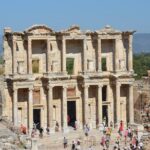
Day 9 is classic Aegean “big site” day. You start at the Ancient City of Ephesus and stroll through the ruins for about two hours. This is the time you can get lost in your own interest—columns, streets, and the scale of what used to be here.
After lunch, you go to the Temple of Artemis, linked to one of the Seven Wonders of the ancient world. Then comes the Basilica of St. John, financed through the era connected to Justinianus. If you like religious sites, the visit adds a different kind of atmosphere than Ephesus’s civic center.
Next is Meryemana (The Virgin Mary’s House), followed by Ephesus Museum in Selçuk. The museum stop is valuable because it adds context. Seeing artifacts after walking the ruins helps the story click.
Priene, Miletus, and Didyma: The Oracle and the Thinkers
Day 10 is a quieter but very meaningful day. You drive to Priene, an Ionian city first established in the 7th century B.C. as a port, later silted by the Meander River. That detail matters because it explains why city fortunes changed—and why you’re looking at ruins where trade once happened.
Then you visit Miletus, tied to ancient philosophy names like Thales, Anaximenes, and Hekaistos. It’s a good reminder that these weren’t only places of temples and governments; they were also places where ideas formed.
Your final stop is Didyma, specifically the Temple of Apollo, known for prophecy and oracles. The tour notes that depending on schedule, lunch may happen after the visit. Either way, this is a site where you can feel the purpose of the place, not just its stones.
Aphrodisias to Hierapolis and Pamukkale’s Cotton Castle
Day 11 turns healing and preserved art into your focus. You begin at Aphrodisias, described as one of Turkey’s best-preserved ancient sites. The settlement goes back to far earlier periods, but the city you see is mainly from the 2nd century B.C. What makes Aphrodisias worth it is the level of preservation and the way you can walk through it and still sense the original city plan.
Then you head to Hierapolis and Pamukkale. Hierapolis is framed as a healing center, and the tour’s description includes the sense of a place where people carried tombs and died there—hence the connection to a necropolis. You’ll see the travertines and what’s commonly called Cotton Castle, plus time associated with the thermal pools at Pamukkale.
If Pamukkale is on your mental list, this day is why. It’s one of those places where you’re both looking at nature and using it—so build in time to slow down.
What the $6,500 Private Price Covers (and How to Judge Value)
At $6,500 per person, this is not a budget trip. It’s a private, multi-region itinerary with flights inside Turkey and a lot of paid sights. So the value question is simple: do you want a single provider to manage the whole chain?
Here’s what you get that usually drives value on a trip like this:
- All private airport transfers (so you’re not navigating trains and taxis while tired)
- Private guiding throughout
- Private A/C minivan transport
- Taxes
- Lunch included on 11 days
- The itinerary lists admission tickets as included for the major stops
What you should plan for:
- Dinners aren’t included, and the tour does not include alcoholic beverages
- You’re paying for a tight schedule, which means you also pay with energy. There are hikes, long walks, and full-days built in.
If you’re the kind of traveler who hates re-planning every day and wants a guide to handle timing and context, the price starts to make sense. If you prefer a slower, independent pace—maybe just Istanbul plus one other region—then a private tour like this could feel too packed.
Who This Tour Fits Best (and Who Might Want a Different Pace)
This itinerary suits you if you:
- Want English-guided private sightseeing, not a crowded group shuffle
- Like a clear route: Istanbul → Cappadocia → Ephesus area → Pamukkale
- Enjoy both iconic sites (Hagia Sophia, Ephesus) and the “less obvious” layers (Basilica Cistern, Chora mosaics, underground cities)
It might not be perfect if:
- You don’t like flights during holidays or you want zero schedule pressure
- You struggle with uneven ground or canyon walks, since there are multiple hiking segments
- You’d rather spend more time lingering in one city than moving across regions
Final Call: Book It or Wait?
I’d book this tour if you want a high-structure private trip that hits Istanbul, Cappadocia, and the Aegean without you having to stitch the plan together. It’s especially good for first-timers who still want depth: museum stops, smaller historical connections, and time built for viewpoints.
I’d hesitate if you want a leisurely Turkey. This one is action-heavy, and you’ll feel it on days when you’re hopping from one site to the next. In that case, you might get more satisfaction from a slower tour focused on fewer regions.
FAQ
How long is the Turkey tour?
It runs for about 12 days.
Where does the tour start and how is pickup handled?
It starts in Istanbul, and the provider can pick you up from any hotel in Istanbul.
Is this a private tour?
Yes. It’s a private tour/activity, and only your group participates.
What language are the guides?
The tour is offered in English.
What’s included in the price?
Included items are private airport transfers, private guiding, private A/C minivan on tours, taxes, and lunch (11).
Are dinners included?
No. Dinners are not included, and alcoholic beverages are also not included.
Where do you go on the final day?
On the last day, there’s a transfer to Denizli Çardak Airport if you plan to depart.