REVIEW · ISTANBUL
2 Days Ephesus and Pamukkale Tours from Istanbul
Book on Viator →Operated by BEST TURKEY TOUR · Bookable on Viator
Two days, two ancient worlds. This tour pairs Ephesus’ big-sky ruins with Pamukkale’ surreal travertines, and it does it with flights plus all the transfers handled for you. I especially like that entrance fees and a licensed guide are included, so you’re not burning time figuring out tickets. I also like the tight, efficient plan with real time at the major sites. The main drawback: it’s a fast pace with a short stop for local craft demonstrations, and one past guest felt it turned into a sales-heavy workshop moment.
You start early from Istanbul, fly to Izmir for Ephesus, sleep in Kusadasi, then drive into the Pamukkale/Hierapolis area for a full day. The group stays small (max 15), and the schedule includes 1 breakfast and 2 lunches. If you want a slow, unhurried museum day, this won’t feel like that. But if you want maximum wow per hour, this is built for you.
In This Review
- Key Highlights You’ll Feel Right Away
- Price and What You’re Actually Paying For
- Getting from Istanbul: The Early Morning Flight Plan
- Meryemana and Ephesus: A Powerful First Day
- Meryemana (House of the Virgin Mary)
- Ancient Ephesus: Odeon, Celsus, and the Amphitheater Scale
- Temple of Artemis
- The Handicrafts Stop: Cultural Time vs. Sales Time
- Overnight in Kusadasi: Why This Base Makes Sense
- Day 2 to Pamukkale and Hierapolis: Cotton Castle Reality Check
- Drive and Start Time
- Pamukkale Thermal Pools: Terraces, Hot Springs, and Free Time
- Hierapolis & the Ancient Spa City
- Cleopatra Pools: A Paid Swim That Can Change the Mood
- Flights Back to Istanbul: How the Day Ends Smoothly
- What I’d Watch For Before Booking
- Should You Book This 2-Day Ephesus + Pamukkale Tour?
- FAQ
- What’s included in the price?
- What time is the pickup in Istanbul?
- Do you include entrance fees for Ephesus and Pamukkale?
- Is Cleopatra Pools included?
- How much free time do I get on the Pamukkale terraces?
- Is this tour refundable if I cancel?
Key Highlights You’ll Feel Right Away
- Flights plus transfers: Istanbul ↔ Izmir for Ephesus, then Denizli (Pamukkale) ↔ Istanbul, with airport meet-and-transfer included.
- Guided Ephesus: Meryemana (Virgin Mary’s House), Ancient Ephesus, and the Temple of Artemis stop as part of the plan.
- Pamukkale time for the terraces: You get a real chunk of free time (1–2 hours) on the cotton-castle travertines.
- Hierapolis included: Ancient spa-city sights like the theater and key temples are built into day 2.
- Small group size: Maximum 15 people keeps things from feeling like a bus parade.
- Optional add-on at Cleopatra Pools: Entry to swim is not included (50 Turkish Lira extra).
Price and What You’re Actually Paying For
At $820 per person for 2 days, you’re not just paying for entry to ruins. You’re paying for the logistics that normally eat your day: domestic flights, airport transfers, guided time in two UNESCO areas, and the core meal plan (1 breakfast + 2 lunches). When you break it down, the value comes from reducing the hassle factor. Most DIY attempts to combine Ephesus and Pamukkale take at least a full day of extra transit, and you’d still need to line up tickets and guides.
Also note what’s included: air-conditioned vehicle, professional licensed guides, site entrance fees, and the meals. Drinks during lunch are not included, so if you like iced tea, water, or wine with food, budget a little extra. One practical thing: your package includes 1 night of lodging, which is what makes the whole “two-day combo” possible without you constantly changing bases.
The tight pacing is the trade. You’ll see a lot, but it’s not a leisurely “pick your favorites” style trip.
You can also read our reviews of more tours and experiences in Istanbul


Getting from Istanbul: The Early Morning Flight Plan
Day 1 begins with a pickup around 04:00–04:45 from hotels in the Sultanahmet and Taksim regions. You head to Istanbul Airport, do your own self-check-in using the booking details you receive, and fly to Izmir. Once you arrive, a team member meets you and handles the transfer to the tour area.
This approach is smart if you hate wasting time. You start sightseeing while other people are still yawning over coffee back home. It can also feel intense if you’re not a morning person. If you’re choosing between this tour and a slower route, be honest with yourself: the payoff is speed, not comfort.
Tip that saves hassle: plan to travel light. You’ll be moving between airport, sites, and your hotel base with no time to do laundry or re-pack between stops.
Meryemana and Ephesus: A Powerful First Day
Meryemana (House of the Virgin Mary)
Your first major stop is Meryemana, the House of the Virgin Mary. The shrine is associated with the final years of Mary, and popes have visited over the decades. You’ll have about 45 minutes here with admission included.
I like this stop because it’s quieter than the big ruins. It gives your brain a reset before the Roman-city scale kicks in. If you prefer religious sites over pure stone-and-rock tourism, this is a good way to start.
Ancient Ephesus: Odeon, Celsus, and the Amphitheater Scale
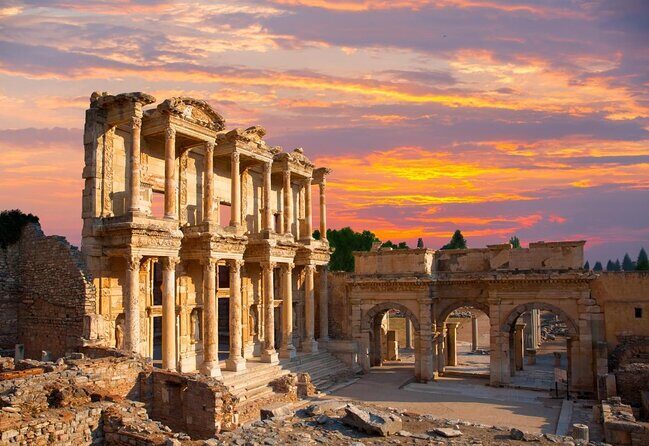
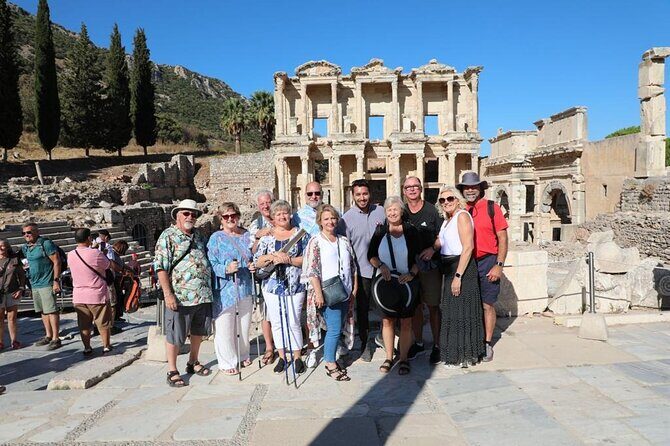
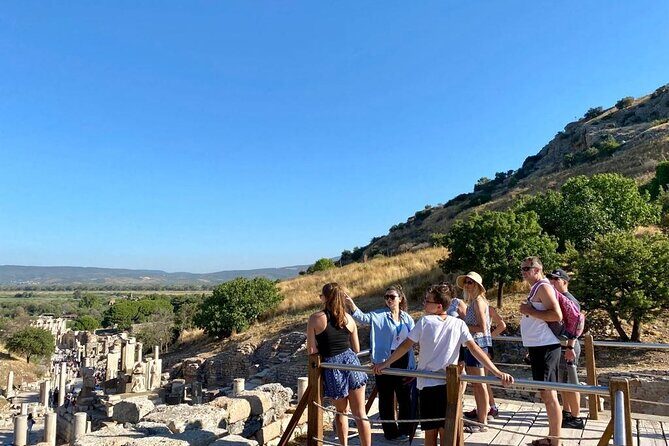
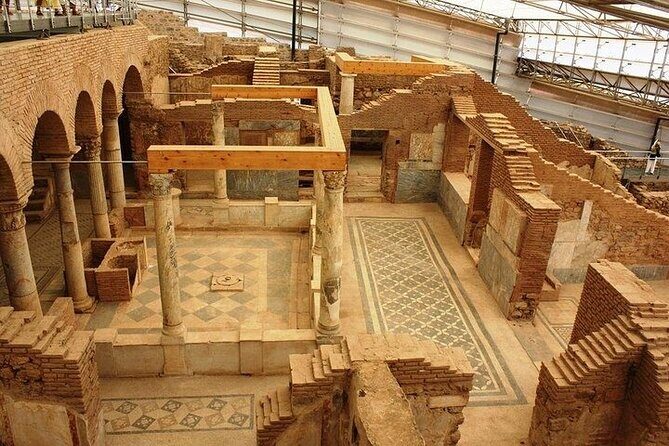
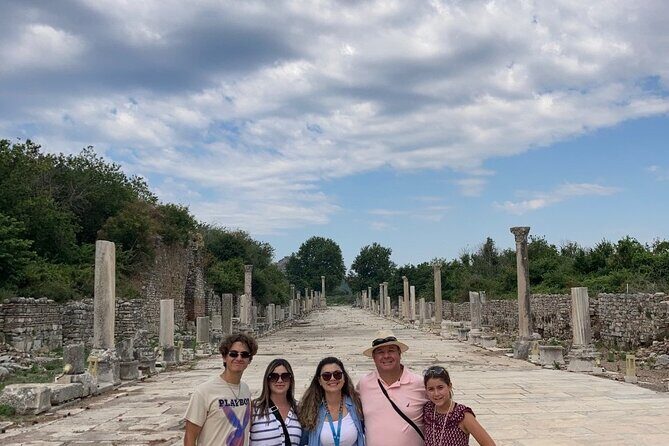
Then comes the centerpiece: the Ancient City of Ephesus. You’ll spend around 2 hours walking through a concentrated highlights reel of one of the best-preserved Greco-Roman city complexes in the world.
What you’ll encounter includes:
- Odeon (theater space used for music concerts)
- Domitian Temple
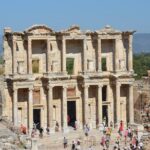
- Celsus Library (noted as the third biggest library in ancient times)
- The Amphitheater with about 25,000 capacity, connected to St. Paul’s preaching
- Marble Street
- Roman Baths, fountains, temples, Agora
- Love House and public toilets
If you’ve ever seen photos of Ephesus but wondered whether it’s just “pretty ruins,” this is where the answer becomes clear. The place has rhythm. You move from public life (Agora, baths, fountains) to culture and performance (Odeon and amphitheater) to the grand symbolism of temples and monumental facades.
The drawback of any fast tour of Ephesus: you’ll never catch every detail. The good news is you’ll see enough to understand what mattered here—and why people still talk about it.





Temple of Artemis
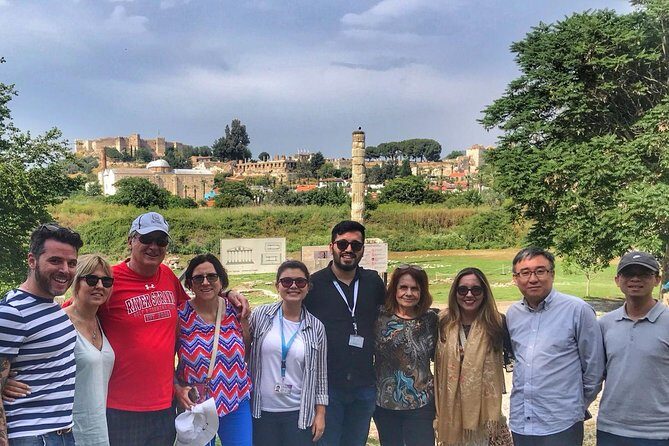
After Ephesus, you’ll stop at the Temple of Artemis. It’s a shorter stop (about 20 minutes) and admission is free for this part. The tour frames Artemis as the Greek goddess tied to the moon and hunting.
This is one of those “quick hit” moments. It helps you connect Ephesus to the broader myth and worship that shaped the area long before the Roman-era monuments.
The Handicrafts Stop: Cultural Time vs. Sales Time
During the day, you also get a chance for a local handicrafts demonstration. One past guest described this as a leather-factory-style stop that felt more like a runway show and shopping push than learning.
Here’s how I’d handle it if you book: treat it as a bonus, not part of the “must-do Ephesus and Pamukkale” core. If you’re there for the ruins and the landscapes, your main value is already scheduled. If you enjoy crafts, watch closely for demonstrations that are truly educational. If you see the tone shift into heavy selling, you can politely disengage and focus on the human side: ask what the artisans are doing and why it matters.
You’re on a fixed timeline, so you can’t skip the slot entirely—but you can choose your mindset going in. Keep it short in your head, and don’t let it steal energy from the sites.
Overnight in Kusadasi: Why This Base Makes Sense
After the first day, you’re transferred to your hotel area in Kusadasi for the night. Breakfast on day 2 is listed at İlayda Hotel.
Kusadasi works well here because it’s positioned as a practical staging area for Ephesus and the next-day move toward Pamukkale/Hierapolis. One guest noted the included hotel was basic (they called it a 3-star) but liked the views. That lines up with the idea of this trip: it’s paying for the sights and the transportation, not luxury accommodations.
If you need a spa-style hotel to recover from early mornings, you might feel underwhelmed. If you just need a clean bed, a shower, and a solid breakfast stop, you’ll likely be fine.
Day 2 to Pamukkale and Hierapolis: Cotton Castle Reality Check

Drive and Start Time
Day 2 starts with breakfast and departure around 07:30–08:00, then about a 3-hour drive to Pamukkale & Hierapolis.
This early start matters because Pamukkale can get busy, and travertines are best when you have breathing room. Even with crowds, the mineral terraces still have that wow factor. Just know you’re doing this as part of a packed schedule, not a slow scenic road trip.
Pamukkale Thermal Pools: Terraces, Hot Springs, and Free Time
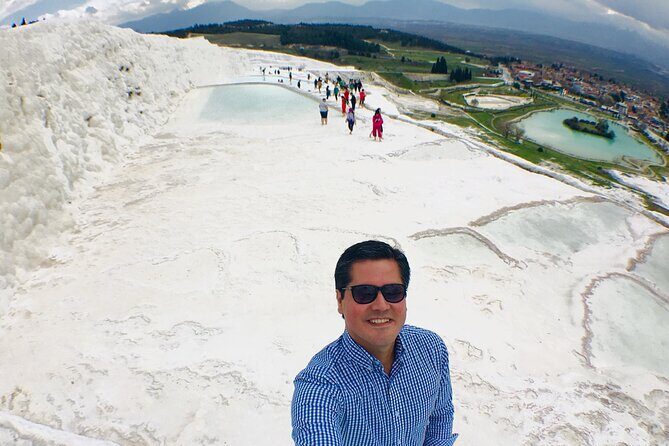
Your main Pamukkale stop includes time on the travertines—mineral carbonate terraces left by long-term hot spring flow. The tour notes that Pamukkale means “cotton castle,” which is a good mental image for the white slopes.
You’ll get about 3 hours total here, with a key chunk of free time (about 1–2 hours) after the guide explains what you’re seeing. You can take your time on the terraces and choose between enjoying the natural springs or exploring the ancient ruins of Hierapolis City.
This is the part you’ll remember. Photos can exaggerate, but Pamukkale’s physical form is still strange in a good way: it looks sculpted, but it’s natural. If you come expecting a theme park with every pool spot Instagram-perfect, you’ll be disappointed. If you come ready for a real natural site with wet spots, mineral textures, and a few uneven areas, you’ll enjoy it more.
Hierapolis & the Ancient Spa City
You’ll also visit Hierapolis, another UNESCO-listed site. The tour emphasizes that the area has been used as a spa since the 2nd century BC—an important context because it explains why this settlement grew where it did.
The included time covers sights like:
- Gymnasium
- Theatre
- Hierapolis City Museum
- Apollon Temple
- plus other areas in the ancient city
This stop is where the day becomes more than “pretty white rocks.” Hierapolis gives you the ancient infrastructure that made the hot springs valuable: entertainment buildings, civic spaces, and religious monuments.
For the timing: you’ll have around 1 hour here. That’s enough for a guided orientation and the major shapes, but not enough to wander for hours without feeling rushed. If you’re the type who always wants one more photo angle, keep moving, then come back in your head for later.
Cleopatra Pools: A Paid Swim That Can Change the Mood
One optional stop is Cleopatra Pools (also called Cleopatra/Antique Pools). You’ll have about 30 minutes here, and swimming is possible—but you pay extra. The facility charges 50 Turkish Lira for swimming, and that isn’t included in the tour price.
I like having this option because it lets you decide based on your energy. If you’ve already soaked on the Pamukkale terraces and you’re happy with the experience, skip it and just enjoy the time and views. If you want the full “this is what people travel for” payoff, bring your swim plan into the math.
Practical advice: pack a backup mindset for this kind of add-on. You may be tired after a long guided day; if you decide to swim, treat it as a short break, not a marathon.
Flights Back to Istanbul: How the Day Ends Smoothly
At the end of the Pamukkale/Hierapolis day, you’ll head to Denizli Çardak Airport around 15:30–16:30 with about an hour drive. Then you fly back to Istanbul, and a team member meets you at the domestic terminal exit gate holding a sign with your name. Finally, you transfer back to your Istanbul hotel.
This “meet-and-go” style is one of the reasons the tour works at all. It eliminates the last-day stress of finding your way through airports while you’re tired.
And yes, one more early-day factor: because you’re flying, you’ll want to be ready on time at each stop. The plan is built on tight connections.
What I’d Watch For Before Booking
Here’s the stuff that can make or break the experience for you:
- The pace is busy. Two days is enough to feel the big highlights, not enough to linger.
- There can be a local craft workshop stop that leans into buying. One guest felt a leather-related stop was misleading and too salesy. Your best approach is to treat it as optional cultural time and not the main event.
- Pamukkale may not match social media expectations perfectly. A past guest said it felt less impressive than images. That usually happens when expectations are for a perfectly choreographed scene rather than a living natural site.
- The included hotel is practical, not glamorous. One guest described it as basic but with nice views.
Should You Book This 2-Day Ephesus + Pamukkale Tour?
Book it if you want:
- Major highlights in two days without wrestling flights and transfers.
- A guided plan with entrance fees and meals handled.
- A small group of up to 15 people.
- The flexibility of real free time on Pamukkale terraces.
Skip it if you:
- Hate early wake-ups and don’t do well with fast itineraries.
- Want long, slow wandering time at every site.
- Know you’ll be irritated by any workshop stop that feels sales-heavy (even if you personally don’t buy anything).
My honest take: this is a solid value if your goal is to see Ephesus and Pamukkale efficiently with less logistics stress. The sites themselves earn their fame. The main risk isn’t the monuments—it’s the schedule pressure and whether you’ll tolerate a craft or workshop stop that may feel more commercial than educational.
FAQ
What’s included in the price?
The package includes 1 night accommodation, flights from Istanbul to Izmir for the Ephesus day, flights from Denizli (Pamukkale) back to Istanbul, all airport transfers, professional licensed guides, air-conditioned transportation, entrance fees for the sites mentioned, and meals (1 breakfast and 2 lunches).
What time is the pickup in Istanbul?
Pick up from your Istanbul hotel is scheduled around 04:00 to 04:45 am, and the tour notes pick-up/drop-off is available for hotels in the Sultanahmet and Taksim regions.
Do you include entrance fees for Ephesus and Pamukkale?
Yes. Admission tickets are included for Meryemana and the Ancient City of Ephesus, and admission is also included for Pamukkale Thermal Pools and Hierapolis. The Temple of Artemis stop is listed as free admission, and Cleopatra Pools swimming has an extra fee.
Is Cleopatra Pools included?
Cleopatra Pools swimming is not included. The tour states there is an additional cost of 50 Turkish Lira charged by the facility to swim there.
How much free time do I get on the Pamukkale terraces?
After your guide’s information, you’ll have free time of about 1 to 2 hours on the Pamukkale terraces.
Is this tour refundable if I cancel?
No. The experience is non-refundable and cannot be changed for any reason.
If you tell me your travel dates and hotel area in Istanbul (Sultanahmet, Taksim, or elsewhere), I can help you judge whether the early pickup and tight pacing will feel worth it for your style.