REVIEW · ISTANBUL
8 days by flights Istanbul Cappadocia Konya Ephesus Max 10 pax
Book on Viator →Operated by Private & Small Group Ephesus & Istanbul & Turkey Tours · Bookable on Viator
This itinerary strings together Turkey’s biggest highlights without asking you to sit on a bus all day. I like the small group angle (max 10 pax, with the provider also noting up to 15 travelers) and how the key attractions are paired with smart timing and internal flights. You also get pre-paid entry tickets handled by your guide, which helps you keep moving.
I especially like the blend of big-icon stops and a couple of hands-on surprises. Hagia Sophia and Topkapi Palace give you Ottoman and Byzantine scale, then Cappadocia adds the underground city and rock churches. And the guide team matters here, with reviews calling out names like Al and Volkan for making the details click.
One consideration: this trip is packed, with long travel days like the Konya-to-Pamukkale transfer. If you’re easily worn down by early starts and quick turnarounds, plan for downtime each evening rather than expecting leisure time between stops.
In This Review
- Key highlights worth planning around
- How this flight-based routing saves you real time
- Istanbul day: Hagia Sophia, Blue Mosque, Topkapi, and the Grand Bazaar loop
- Hagia Sophia Mosque: plan for the audio-phone setup
- Blue Mosque: quick stop with the tiles as the main event
- Topkapi Palace: Ottoman power with the weapons section included
- Grand Bazaar: see the scale, then shop only if it’s your thing
- Cappadocia with two different ways to look at the region
- Göreme Open Air Museum + Fairy Chimneys area
- Underground city at Ozkonak: the past built for survival
- Devrent, Pasabag Zelve, Avanos pottery, and the panoramic viewpoints
- Konya stop for Mevlana: culture with a travel-time cost
- Pamukkale’s terraces and Hierapolis: where you can actually rest
- Travertine terraces: cotton-castle views in real time
- Thermal hotel: the key difference between seeing and enjoying
- Kusadasi base: easier logistics for Ephesus
- Ephesus day: Virgin Mary’s House, Celsus, Great Theatre, and Artemis
- The House of Virgin Mary: spiritual context plus location outside the city
- Ancient City of Ephesus: marble streets and the big names
- Temple of Artemis: short stop, huge legacy
- Hotels, guide style, and group size you can actually enjoy
- Price and logistics: is $1,579 good value for this route?
- Should you book this Istanbul–Cappadocia–Konya–Pamukkale–Ephesus tour?
- FAQ
- What’s the group size for this tour?
- Which domestic flights are included?
- Are hotel breakfasts included?
- Do I need headphones for Hagia Sophia?
- Is Mevlana Museum admission included?
- What happens if Grand Bazaar is closed on my day?
- Is transportation included between cities?
- How late can I cancel for a full refund?
Key highlights worth planning around
- Two domestic flights included so you spend more time sightseeing and less time in transit
- Hagia Sophia has new audio rules (smart phone + headphones) that you should be ready for
- Cappadocia includes both valleys and an underground city for a fuller mix of sights
- Pamukkale includes thermal hotel time so you can actually enjoy the pools, not just look at the terraces
- Ephesus + Temple of Artemis + Virgin Mary’s House in one focused day
- Boutique, cave, and thermal hotel picks matched to each region rather than a one-style-fits-all approach
How this flight-based routing saves you real time
The biggest value in this tour is the way it avoids the slowest kind of Turkey travel. You fly from Istanbul to Cappadocia, then later from Izmir back to Istanbul, which cuts down on the long overland slog you’d otherwise face. That means most of your time is on the ground doing things, not watching scenery from a seat.
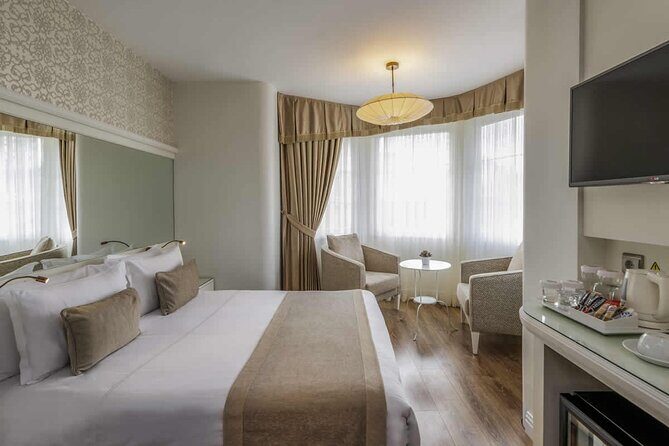
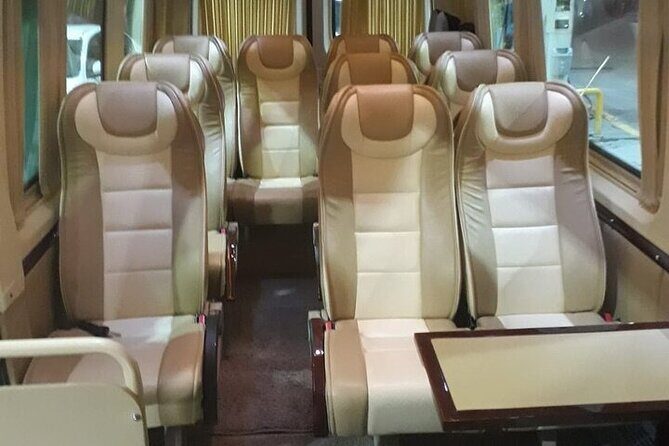
You also don’t have to stitch together separate bookings. Domestic flights, hotel nights (7 total), and ground transfers in an air-conditioned minivan with a driver are handled as part of the package. For a one-week overview of Turkey’s major regions, that’s a big deal.
The practical tradeoff: the days still run full. Even with flights, you’ll be on the move most mornings, and some transfers (especially the Konya to Pamukkale day) can eat most of your day. If you want a slow, laid-back schedule, this isn’t built for that.
You can also read our reviews of more tours and experiences in Istanbul.


Istanbul day: Hagia Sophia, Blue Mosque, Topkapi, and the Grand Bazaar loop
Your Istanbul experience is built around walkable clusters, which is exactly how you want it. You start with the Hippodrome Square, the stage for chariot races and Byzantine-era unrest, then move into the big faith-and-power buildings nearby.
Hagia Sophia Mosque: plan for the audio-phone setup
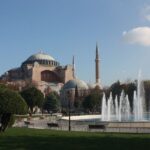
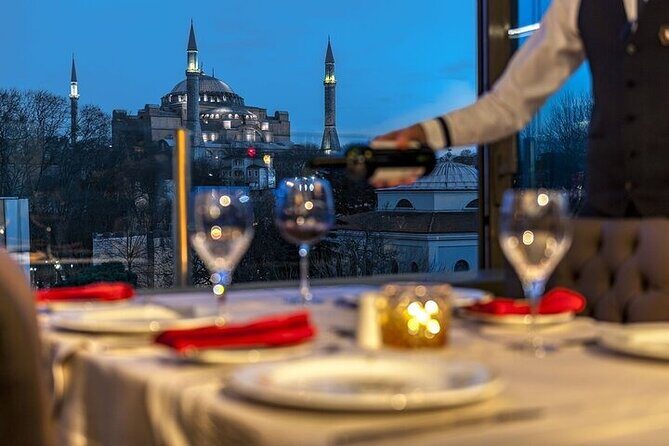
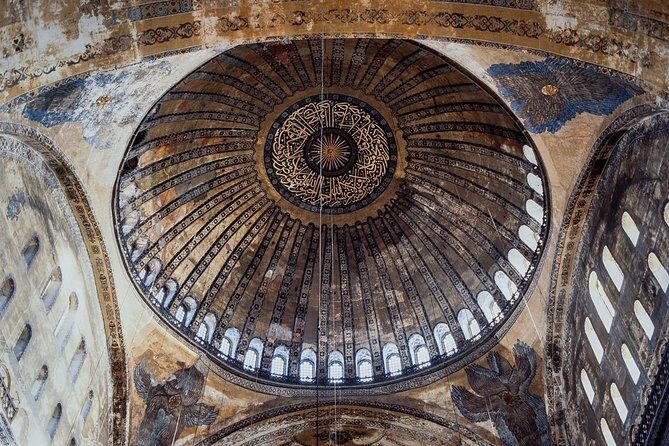
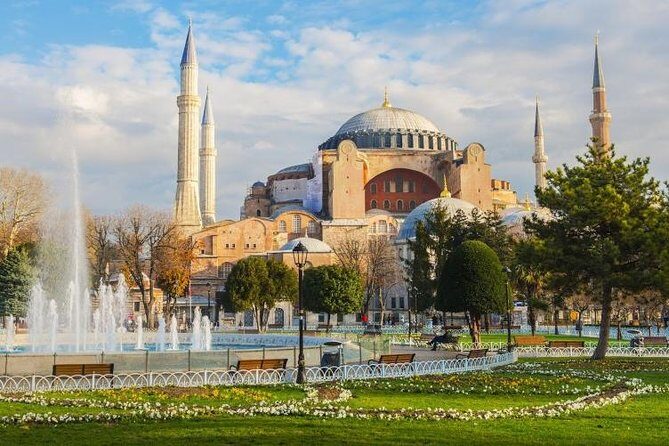
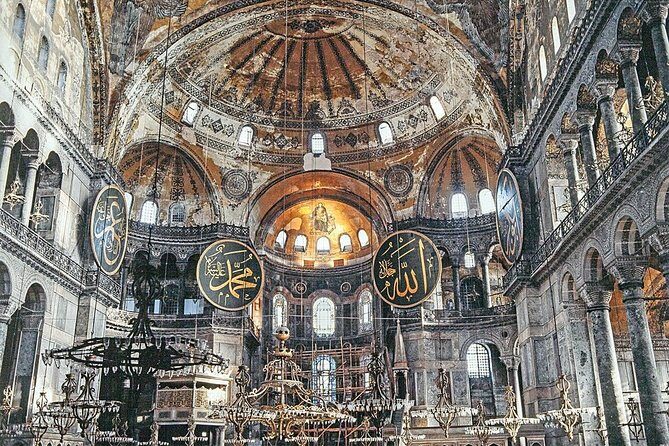
Hagia Sophia is a highlight, and you get an interior visit. After January 15, 2024, the rules changed: live guiding isn’t allowed inside. Instead, you’ll need to use your smart phone and headphones during the visit. No headphones? You can buy them at the entrance for 3.5 USD. If you don’t have a smartphone, you’ll follow the signage and provided info inside.
This matters because it’s not just a ticket check. It’s a setup moment, so bring charged phone batteries and consider packing earbuds you already like. Once you’re inside, the experience becomes more “self-guided with audio support,” which many people find works fine for a place like this.
Blue Mosque: quick stop with the tiles as the main event
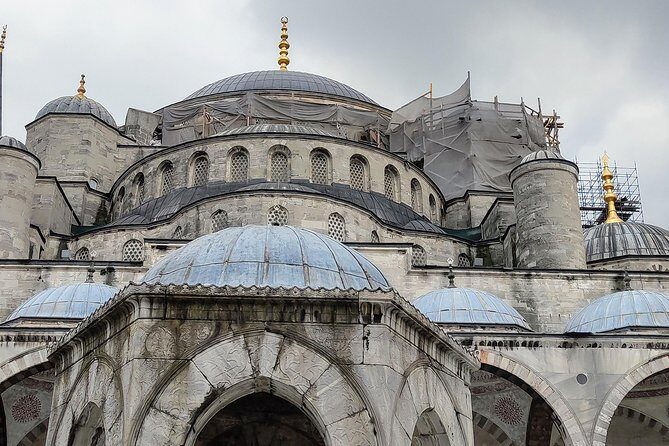
You’ll also visit the Blue Mosque, famous for its Iznik tiles. The visit is scheduled as a shorter stop, so it’s best to use that time to focus on the inside details rather than trying to read everything line by line.
Topkapi Palace: Ottoman power with the weapons section included
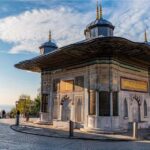
Topkapi is where the trip shows its value. You’re not just doing the palace in theory; the package includes the weapons section along with admission to the palace. That’s a smart inclusion because it gives you another angle on Ottoman life beyond rooms and courtyards.

Grand Bazaar: see the scale, then shop only if it’s your thing
The day ends at the Grand Bazaar, with time to browse. It’s described as a huge covered market with more than 58 streets and over 1,200 shops, and it typically draws massive daily visitor numbers. If your goal is shopping, you’ll find jewelry, pottery, spices, and carpets here. If your goal is photos and atmosphere, you can keep it simple and wander without overcommitting to purchases.
If your day falls on the wrong day for Grand Bazaar, the tour has built-in alternatives. On Sundays, Grand Bazaar is replaced by Spice Market. During religious holidays, it can be replaced by Arasta Bazaar.
Cappadocia with two different ways to look at the region
After Istanbul, Cappadocia gets the kind of attention most one-week tours skip. You arrive, meet your guide, then spend multiple days in the area so it’s not just one quick photo session.
Göreme Open Air Museum + Fairy Chimneys area
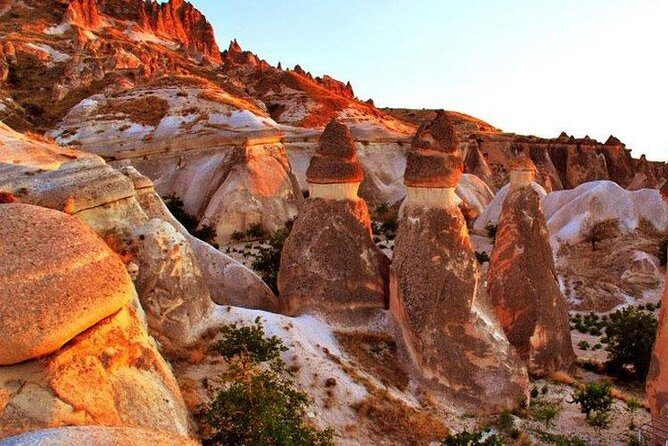
You start with the Göreme Open Air Museum, plus a stop at the Three Sisters Fairy Chimneys area near Ürgüp. That combination is effective because it sets the mood fast: you get the iconic rock formations, then move into the church complex side of things.
The open-air churches here cover Byzantine art from roughly the 10th to 13th century, with frescoes painted inside rock-cut churches. This is one of those experiences where a guide helps you spot what you’d otherwise miss.
Underground city at Ozkonak: the past built for survival
Another standout is the Ozkonak Underground City. You’ll descend underground and explore connected areas carved into volcanic rock. The description also highlights a tunnel network and a pipe communication system, plus ventilation provided by piping after the city was sealed during sieges. It’s a different kind of history than the surface churches, and it gives you a real feel for how these communities planned for harsh conditions.
If you don’t love enclosed spaces, keep that in mind. Underground city tours are usually cool and dim, and you’ll be moving through tight passages.
Devrent, Pasabag Zelve, Avanos pottery, and the panoramic viewpoints
The next day covers the classic Cappadocia storytelling route: Devrent Valley for rock formations, Pasabag fairy chimneys and nearby areas linked to Zelve, and then Avanos, known for terra cotta work with a pottery workshop demonstration.
Then you return to the cultural layer with another Göreme Open-Air Museum block in the afternoon, followed by Uçhisar Castle for panoramic views. The pacing works because you alternate between visual geology, human-made art, and viewpoints.
Konya stop for Mevlana: culture with a travel-time cost
Day 5 is the day where you’ll feel the trip’s structure most. You start with the Mevlana Museum (Mevlana Muzesi) in Konya after an early drive, then transfer to Pamukkale later in the day.
The museum stop is scheduled as a longer block (about 4 hours), and Mevlana admission is noted as not included. That means you should budget for the ticket separately if you’re planning your total spend closely.
The upside: Mevlana adds a major cultural stop that balances the religious architecture you saw earlier in Istanbul. If you enjoy learning how different parts of Turkey express faith through art, poetry, and tradition, this pause in Konya is a good fit.
The drawback: the transfer to Pamukkale is long (about 6 hours drive from Konya). So this is not a day for expecting early dinner or much slow wandering.
Pamukkale’s terraces and Hierapolis: where you can actually rest
Pamukkale is structured in a way that lets you see both the ancient and the natural wonders. You get an overnight thermal hotel stay, and the schedule includes time for the terraces and also time to enjoy the pools.
Travertine terraces: cotton-castle views in real time
The Hierapolis & Pamukkale day includes the ancient site of Hierapolis with the theater, Apollo Temple, and the necropolis (graveyard area). Then it moves to the travertine terraces at Pamukkale—mineral springs forming white cliff-side deposits that create a striking “snow or cotton” look.
This is one of those places where timing matters. If you arrive when the light hits the terraces well, you’ll get better photos and a more satisfying walk. The tour doesn’t spell out exact timing, so just expect it to be most interesting when daylight is on your side.
Thermal hotel: the key difference between seeing and enjoying
You don’t just pass through Pamukkale. You overnight in a thermal hotel and have the chance to swim in the thermal pools at the hotel. That’s a practical win after multiple travel days and museum time.
This tour uses 5-star options in Pamukkale such as Colossae Thermal or Pam Thermal Hotel (or similar). The exact property can vary, but the thermal hotel component is consistent.
Kusadasi base: easier logistics for Ephesus
After Pamukkale, you drive to Kusadasi and check into a city-center hotel for dinner and overnight. This position matters because it reduces friction for your Ephesus day later.
Ephesus day: Virgin Mary’s House, Celsus, Great Theatre, and Artemis
Your Ephesus day is ambitious but well-organized. It starts with a pilgrimage-style stop, then shifts into archaeology in a tight sequence, and ends with the Temple of Artemis.
The House of Virgin Mary: spiritual context plus location outside the city
The first stop is Meryemana (The Virgin Mary’s House), located on the Aladag Mountains, about 5 miles from Ephesus. The tour notes that the tradition links Mary’s life there to early Christian history, with Pope Paul VI visiting and praying at the site in 1967. Even if you’re not focused on the religious angle, the setting and context help you see Ephesus as part of a larger region, not just one city ruin.
Ancient City of Ephesus: marble streets and the big names
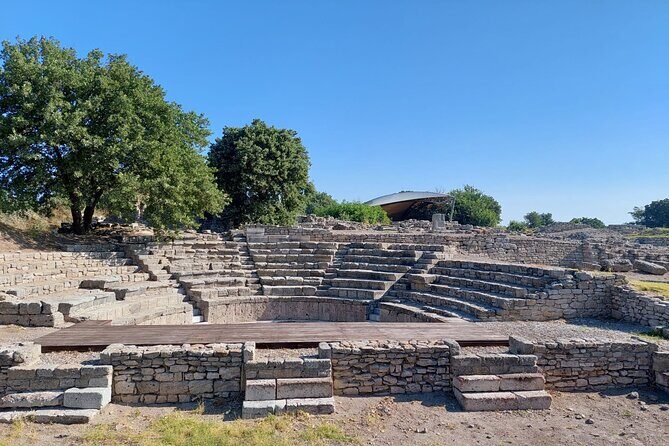
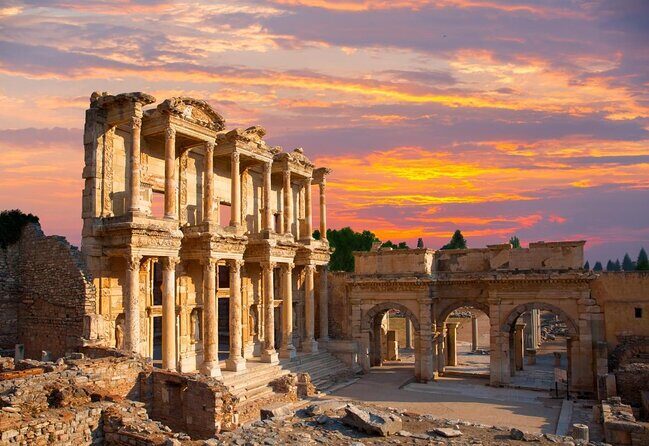
Then you head into Ephesus for a long block (about 2 hours). The package highlights the State Agora, Odeon, Memnius Monument, Temple of Domitian, Curetes Street, Trajan Fountain, the Baths of Scholastica, Hadrian Temple, Latrina, Celsus Library, the Gate of Mihridates and Mazes, the Commercial Agora, and the Grand Theatre.
The Grand Theatre is noted as having grown to about 24,000 spectators by the Romans in the 1st century A.D. That scale is one reason Ephesus hits hard even if you’ve seen other Roman sites elsewhere.
This day’s value is not just the list of landmarks. It’s that you’re moving through a city layout that helps your brain connect how public life worked: courts, theaters, libraries, fountains, and commerce in the same walking flow.
Temple of Artemis: short stop, huge legacy
Finally, you visit the Temple of Artemis, one of the seven wonders of the Ancient World. The time here is short, so treat it like a check of a major world milestone rather than a full museum-style experience.
Hotels, guide style, and group size you can actually enjoy
This tour aims for comfort without luxury-ticket pricing. You’ll stay in 7 nights across boutique, cave, and thermal-style hotels. Istanbul uses boutique properties such as Yasmak Sultan, Celal Sultan Hotel, or Recital Hotel (or similar). Cappadocia stays in a cave hotel like Melekler Evi, Zeydem Suites, or Fresco Konakları (or similar). Kusadasi uses boutique city-center options like Efe Butik or Neopol Deluxe (or similar). Pamukkale uses thermal hotels like Colossae Thermal or Pam Thermal Hotel (or similar).
Why that matters: it keeps the sleeping part of the trip aligned with the setting. Cave hotels are fun and atmospheric, and thermal hotels make Pamukkale feel like more than an attraction.
On the service side, you get a professional licensed tour guide and transport by air-conditioned minivans with a driver. Reviews also point to guide names Al and Volkan, which is a strong sign that the human element is taken seriously.
Price and logistics: is $1,579 good value for this route?
At $1,579 per person, you’re paying for a lot of moving parts: two domestic flights, 7 nights of lodging, guide-led touring, transport, and included entries at multiple major sites. You also get 7 breakfasts and 2 dinners, which reduces how much you’ll need to think about meals day to day.
So where does the value come from? The big components are the flights plus the hotel variety. Without included flights, you’d likely spend time coordinating separate tickets and possibly lose the tight schedule. Pre-paid entries also help. The tour says your guide has prepaid tickets to skip the lines, which can be a big time-saver at major Istanbul sites and popular museums.
What you should watch: some admissions are explicitly listed as not included, such as the Mevlana Museum ticket. Also, Hagia Sophia has the smart phone and headphones requirement after the 2024 rule change, so you may want to bring earbuds just in case.
All in all, this feels like a solid value for travelers who want an efficient tour that still hits multiple regions with a small-group feel.
Should you book this Istanbul–Cappadocia–Konya–Pamukkale–Ephesus tour?
Book it if you want the biggest Turkey hits in one week, with two internal flights, boutique/cave/thermal hotel stays, and a schedule that avoids unnecessary long drives. It’s also a good choice if you like learning from a licensed guide and prefer a group size that stays human.
Skip it or think twice if you need lots of downtime between attractions. The day structure is full, and the Konya-to-Pamukkale transfer especially can feel like a long haul. Also plan for the Hagia Sophia audio-phone setup, since it changes how that visit works.
If you’re aiming for a practical, efficient Turkey overview and you’re okay with a packed week, this is a strong fit.
FAQ
What’s the group size for this tour?
The tour is described as a small group with a maximum of 10 pax. The provider also notes a maximum of 15 travelers, depending on arrangements.
Which domestic flights are included?
Domestic flights included are Istanbul to Cappadocia and Izmir to Istanbul.
Are hotel breakfasts included?
Yes. The package includes 7 breakfasts and 2 dinners. One dinner is scheduled after your arrival in Kusadasi on Day 6.
Do I need headphones for Hagia Sophia?
For Hagia Sophia after January 15, 2024, guests must use their smart phone and headphones during the visit. If you don’t have headphones, you can buy them at the entrance for 3.5 USD.
Is Mevlana Museum admission included?
No. The admission ticket for Mevlana Muzesi is listed as not included.
What happens if Grand Bazaar is closed on my day?
On Sundays, Grand Bazaar is replaced by Spice Market. During religious holidays, Grand Bazaar may be replaced by Arasta Bazaar.
Is transportation included between cities?
Yes. You travel in an air-conditioned minivan with a driver for transfers between stops.
How late can I cancel for a full refund?
You can cancel up to 6 days in advance for a full refund. The policy states you must cancel at least 6 full days before the experience’s start time.